A bad backcountry purchase is easy to spot once the miles add up. By 2026, many hikers say the firearms they regret most are not necessarily the cheapest or the weakest, but the ones that made less and less sense the farther they walked.
Why regret starts with trial reality, not store appeal
What looks practical at the gun counter can feel completely different after a long ascent, a wet campsite, and a pack already loaded with food, water, insulation, and emergency gear. Hikers who spoke in outdoor forums, retailer reviews, and shooting communities often describe the same pattern: they bought for a hypothetical threat, then carried the consequences of that decision all day. In controlled conditions, many of these firearms seemed manageable. On actual trails, they became a burden.
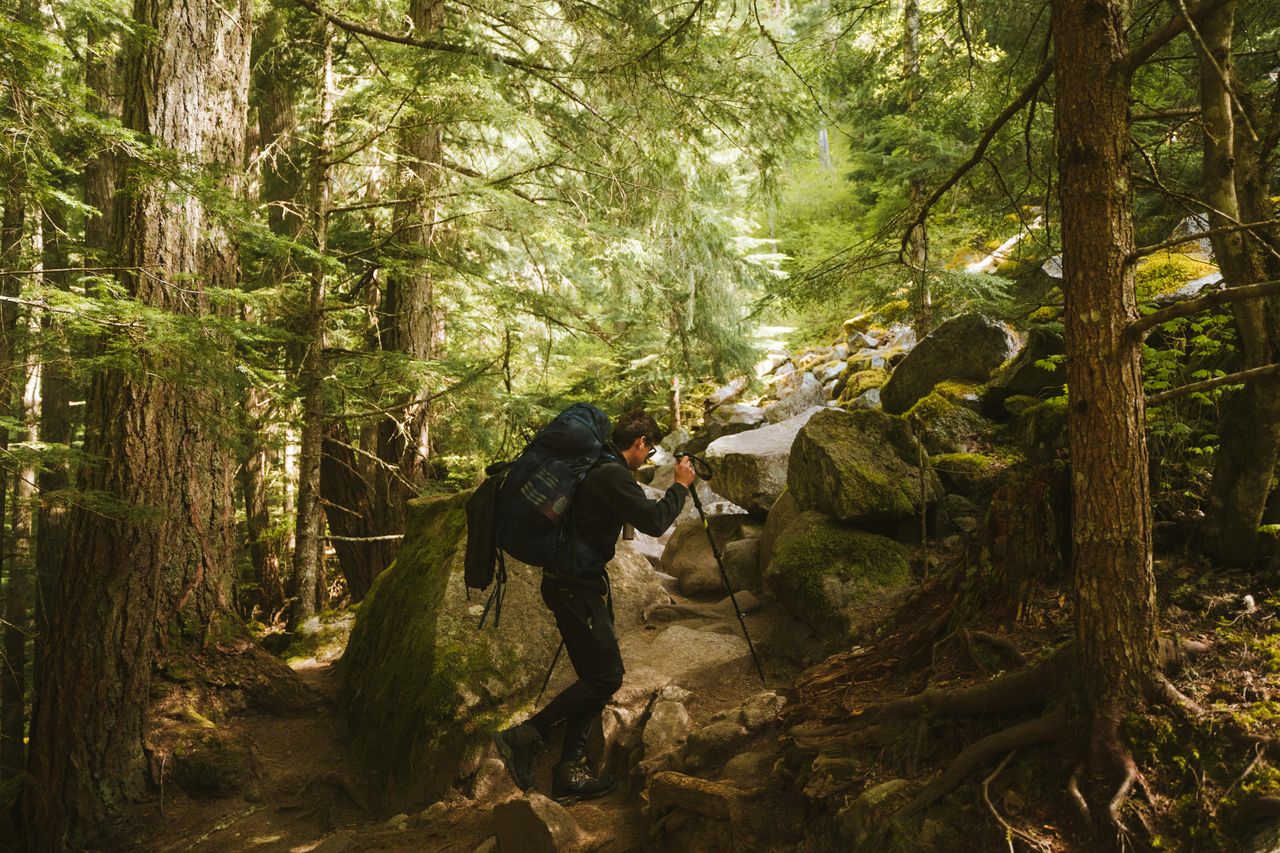
Weight is usually the first complaint, but it is not the only one. Bulk, awkward holster placement, snagging on backpack waist belts, and discomfort during scrambling all rank high among the reasons hikers end up dissatisfied. A sidearm that feels acceptable during a short-range session can become irritating after 10 miles, especially when every ounce begins to matter. Many hikers say the regret is cumulative rather than immediate.
There is also a psychological component that outdoor people often mention. Some regret buying a firearm because it changed how they pack and move, creating a subtle yet constant sense of obligation and vigilance. Instead of simplifying their kit, the gun added maintenance concerns, legal research, retention worries, and decision-making pressure. In that sense, regret was not always about performance. It was about friction.
The heavy revolvers that seemed reassuring but proved exhausting

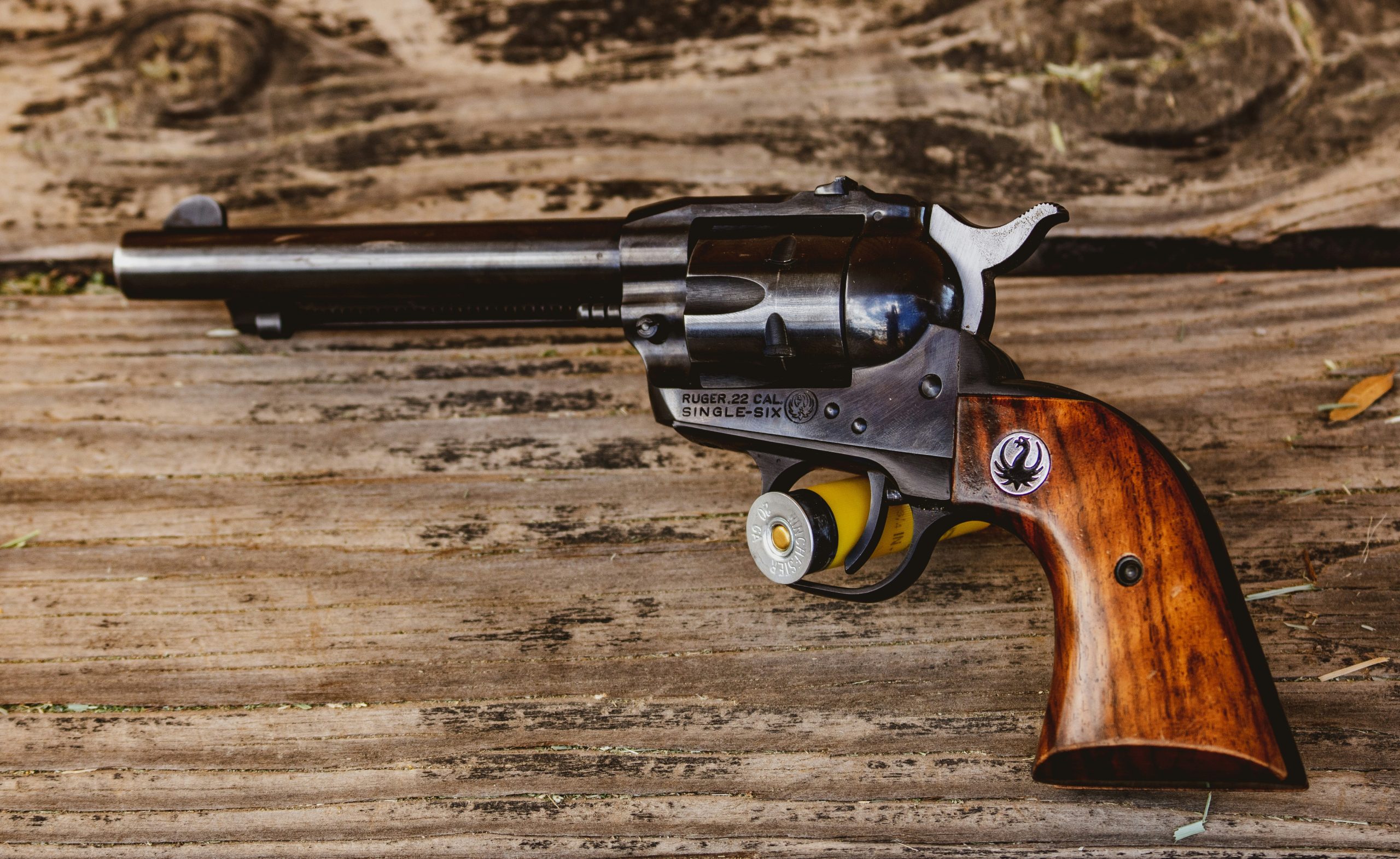
Large-frame revolvers continue to attract hikers who want maximum confidence in bear country or remote terrain, and the appeal is easy to understand. They are often praised for power, mechanical simplicity, and reliability with hard-cast loads. Yet in 2026, many hikers say these are among the purchases they second-guessed most. The problem is not that the revolver failed. The problem is that carrying it all day often felt like paying a penalty for a situation that never materialized.
Steel models chambered in magnum calibers are a common example. Owners frequently report that they liked the idea of a robust backcountry revolver, but underestimated how much its weight would affect comfort over multiple days. Add a chest rig, spare ammunition, and weather protection, and the system can become remarkably intrusive. On shorter hikes, this may feel tolerable. On steep terrain, it can feel like an anchor.
Recoil is another source of regret. A powerful revolver only inspires confidence if the user can shoot it quickly and accurately under stress, and many cannot without extensive practice. Several trainers have noted that buyers often choose caliber first and usability second. Later, they realize a less intimidating platform would have encouraged more frequent training and better real-world proficiency.
Compact pocket pistols that were too small to shoot well
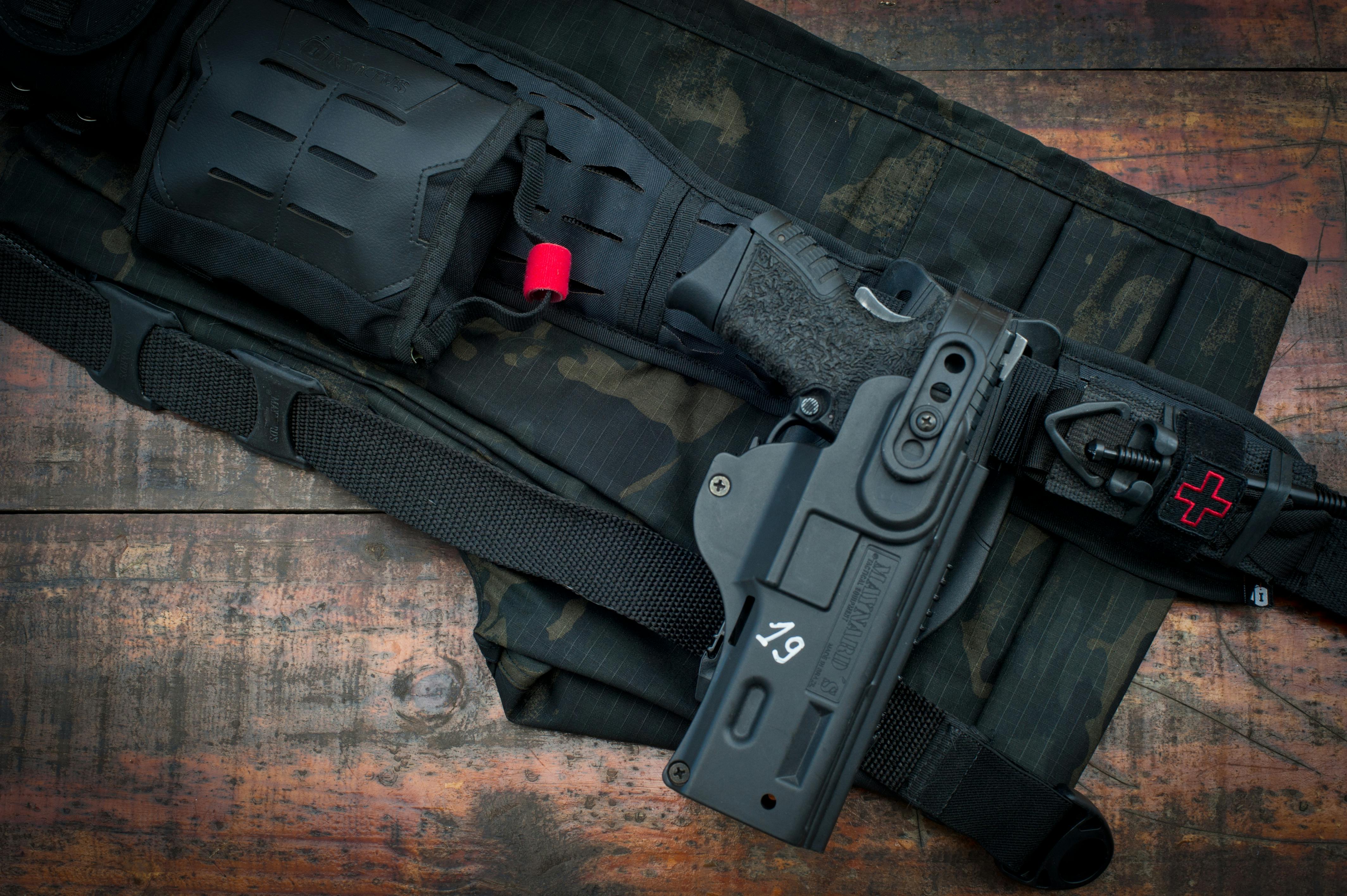
At the opposite end of the spectrum are ultra-compact pistols purchased for convenience. Hikers often choose them because they disappear into a pocket or waistband and seem like the easiest solution for occasional carry. In theory, they solve the weight issue that plagues larger guns. In practice, many owners regret how compromised they feel once live fire, adverse conditions, and fast access are considered together.
Tiny grips and short sight radii make these guns harder to control than many first-time buyers expect. Under range conditions, they can already be snappy and unpleasant. On the trail, with cold hands, sweat, gloves, or fatigue, those drawbacks become more severe. Hikers who bought the smallest option available often say they later wished they had chosen a slightly larger handgun that was easier to draw, aim, and retain.
Capacity can also play into regret, though not always in the obvious way. Some hikers discover that low-capacity pocket guns do not actually make them feel simpler or safer. Instead, the tradeoff becomes harder to justify when shootability is poor. The result is a familiar complaint in 2026: the gun was easy to carry, but difficult to trust. That is rarely a satisfying combination for any backcountry user.
Budget models that saved money upfront and cost confidence later
Another category that appears often in regret discussions is the low-cost firearm bought mainly to satisfy a budget. Price matters, especially when hiking gear, permits, travel, and safety equipment already consume a large share of outdoor spending. But many hikers say the cheapest gun became the most expensive mistake because it invited second-guessing. They saved at checkout, then spent months questioning reliability, durability, and practical value.
Not every affordable firearm is problematic, and many budget models perform well. The regret tends to come from buyers who chose the lowest price point without factoring in quality control, aftermarket support, sight upgrades, or long-term maintenance. Small malfunctions at the range can loom large in the owner’s mind when the intended use is remote travel. Even if the pistol never actually fails in the field, uncertainty itself becomes part of the burden.
Some owners also complain about rough triggers, weak factory sights, and inconsistent finishes that corrode more quickly in wet climates. Those issues may sound minor in isolation, but together they erode trust. Hikers consistently say they regret purchases that required immediate fixes just to reach baseline competence. In backcountry gear, confidence is a feature. When the firearm does not provide it, the bargain often stops feeling like one.
Niche calibers and novelty guns that complicated everything
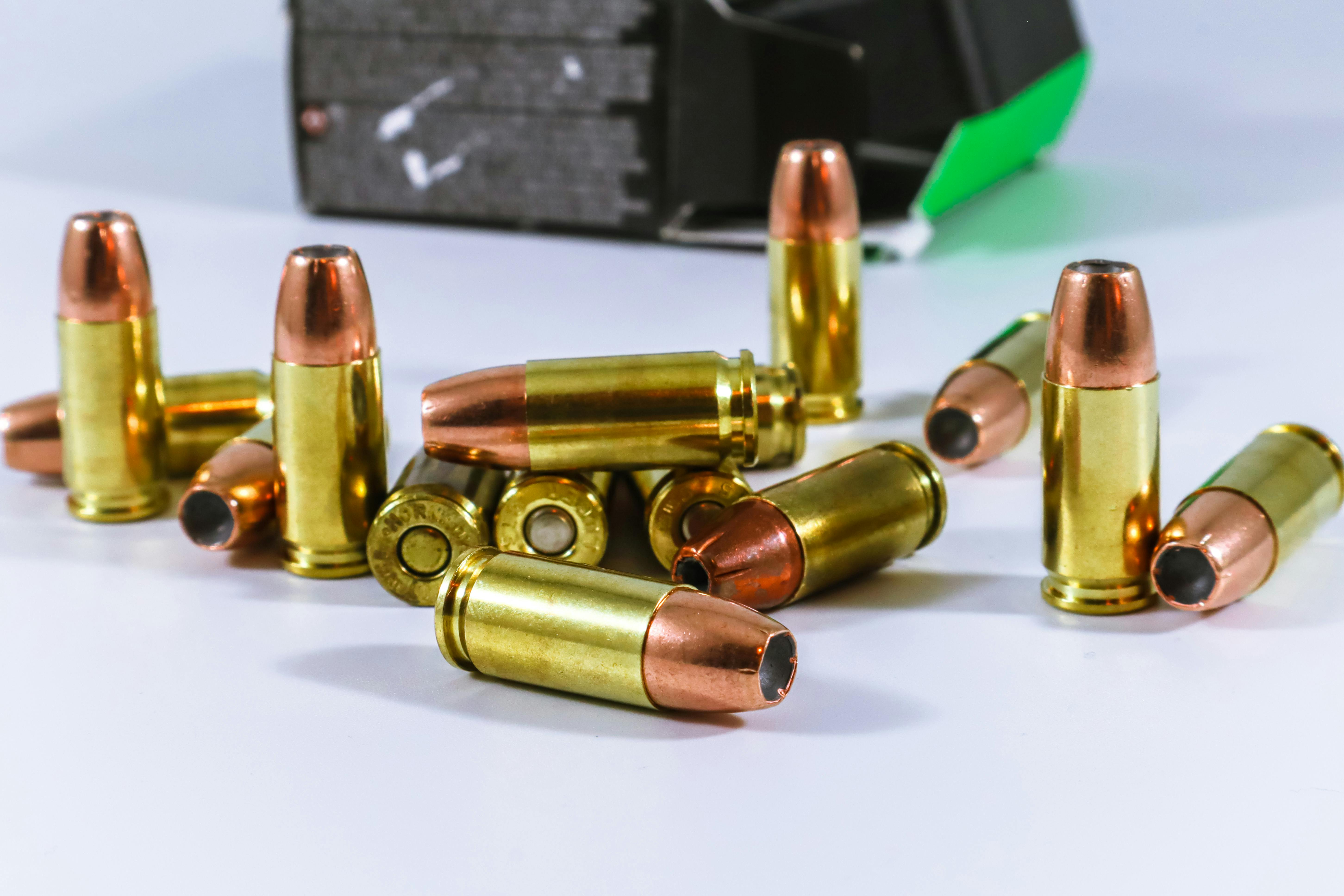
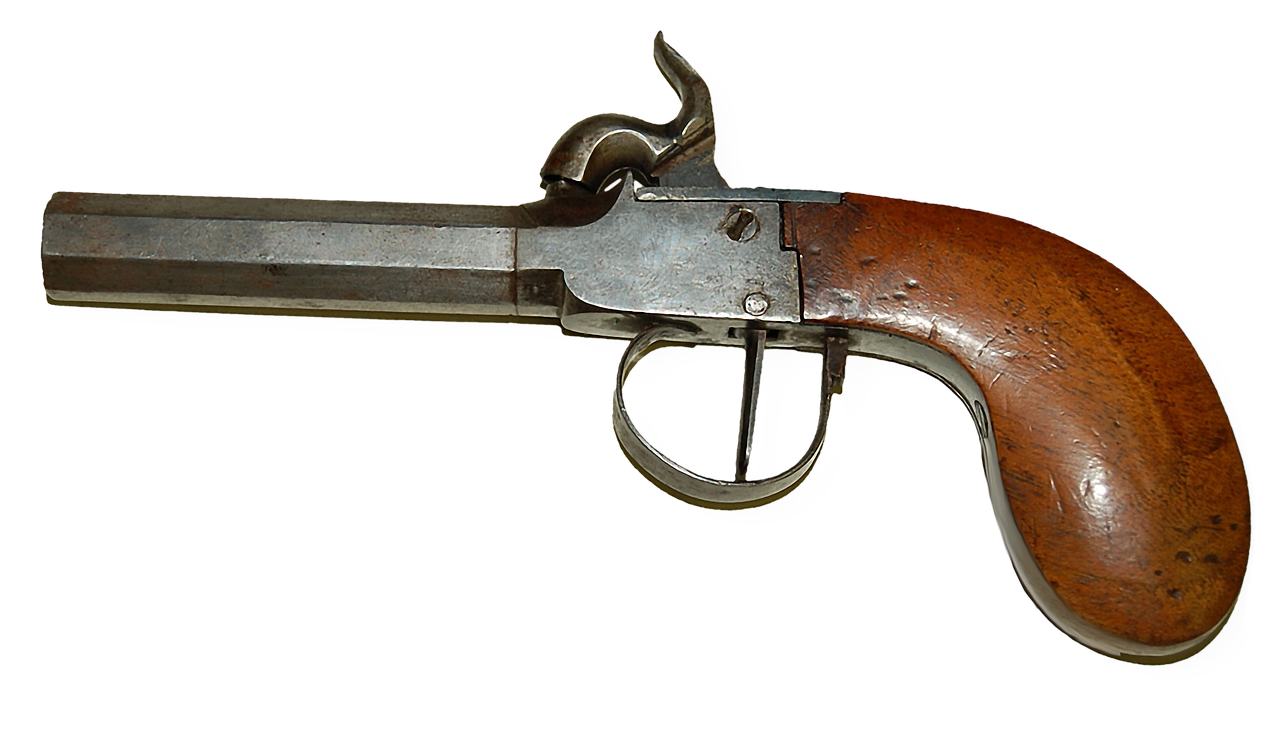
A surprisingly common regret in 2026 involves firearms bought for uniqueness rather than practical backcountry use. These include handguns in uncommon calibers, gimmick-heavy designs, and novelty revolvers or derringer-style guns that seemed interesting online or at the store. Buyers often describe these purchases with the same phrase: fun idea, bad field choice. Once a gun becomes part of a hiking system, novelty loses value quickly.
A major issue is ammunition availability. In urban areas, an unusual caliber may be easy enough to order or locate. But hikers planning regular practice want consistency, and that becomes harder when ammunition is scarce or expensive. Several outdoors retailers reported ongoing consumer sensitivity to ammo pricing in 2026, which made specialized chamberings even less attractive over time. A gun that is hard to feed is often a gun that is hard to master.
Then there is the support infrastructure. Holsters, replacement sights, spare magazines, and qualified gunsmithing are all easier to find for mainstream platforms. Hikers who regret novelty purchases often say they underestimated how frustrating accessory limitations would become. The gun may have worked exactly as designed, yet still felt like a poor decision because every related task, from training to carrying, became more complicated than necessary.
The trail-specific mismatch: buying for fear instead of likely use
One of the clearest themes behind regret is that many hikers bought a firearm for an extreme scenario rather than the one they were most likely to encounter. Outdoor safety instructors regularly emphasize layered preparation: route planning, wildlife awareness, communication devices, first aid, and region-specific deterrents such as bear spray. Firearms can be part of that picture, but hikers who regret their purchases often admit they treated the gun as the center of the plan rather than one tool among many.
This mismatch shows up in geography as well. A handgun chosen for grizzly country may make little sense on heavily trafficked trails where the more common risks are injury, dehydration, weather exposure, or simple navigation mistakes. Some hikers say they realized too late that they were carrying a solution optimized for a statistically rare event while neglecting equipment they used every day. That imbalance can sharpen regret quickly.
There are legal and social dimensions too. Crossing state lines, entering posted areas, or sharing campsites with uneasy companions can make firearm carry more cumbersome than expected. Hikers who spend time in mixed-use recreation areas often report that concealment, storage, and compliance became a continual concern. In hindsight, many say they would have researched the trail context more carefully before buying anything at all.
What experienced hikers say they would choose differently now.

By 2026, the most credible advice from experienced hikers is remarkably consistent: choose the lightest, simplest, most shootable tool that honestly matches your environment and your willingness to train. That does not point to a single perfect firearm. Instead, it points away from extremes. Many say their biggest mistake was buying based on internet bravado, worst-case fantasy, or store-counter persuasion rather than personal capability and trail conditions.
Those who are satisfied with their eventual choices tend to mention a few common traits. They favor mainstream calibers, manageable recoil, corrosion-resistant finishes, and carry methods that work with a backpack hip belt. They also stress repetition over theory. A moderate handgun shot regularly is usually valued more than a powerful one practiced rarely, because confidence in the field comes from familiarity, not marketing language.
Just as importantly, many hikers say regret faded when they broadened their safety thinking. They paired whatever firearm they carried with navigation tools, emergency communication, weather planning, and wildlife education. That broader perspective reframed the gun from a symbolic purchase into a practical one. In the outdoor world, the least regretted gear is usually the gear that integrates cleanly into real use, not imagined drama.
Custom footer at the end of the article.