Trail cameras used to be simple scouting tools. Now they sit at the center of one of hunting’s hottest ethics and policy fights.
Why This Debate Got So Intense
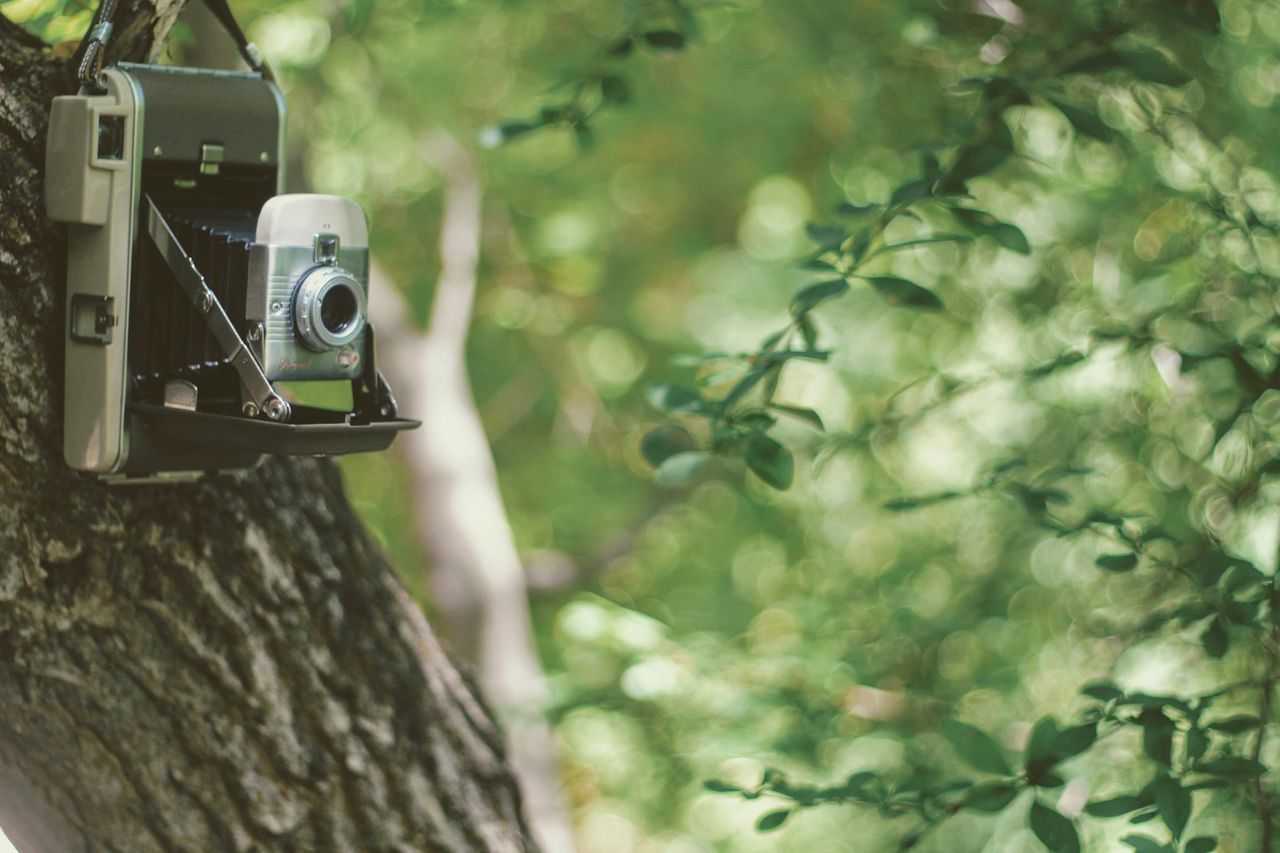
For years, most hunters saw trail cameras as just another way to learn an area. They helped identify travel routes, water use, and the times deer, elk, or bears moved through a property. In that older setup, the camera was basically a notebook with batteries.
That changed when cellular cameras became common. A hunter no longer had to hike in, pull an SD card, and piece together patterns after the fact. Images could arrive almost instantly on a phone, sometimes with timestamps and exact locations. That shift made many hunters and wildlife agencies ask whether the tool was still scouting or had become a live targeting system.
The concern is strongest in the arid West, where cameras are often placed at limited water sources or pinch points. Arizona eventually made it unlawful to place, maintain, or use a trail camera or even its images or location data for the purpose of taking wildlife. Nevada, meanwhile, bars transmitting trail cameras from July 1 through December 31. Those are not small tweaks. They reflect a belief that real-time remote surveillance can change the nature of the hunt itself, according to Arizona regulations and Nevada’s current hunting rules.
The Fair Chase Argument Against Them
Most of the push for restrictions comes from the fair chase side of hunting culture. Boone and Crockett define fair chase as the ethical, sportsmanlike, and lawful pursuit of free-ranging game without improper or unfair advantage. That standard matters because it has shaped North American hunting ethics for generations.
Boone and Crockett has been especially clear on modern technology. The club says legal technology is acceptable only to the point that it does not create an unfair edge over the animal. It has also drawn a sharper line around live or near-live information, arguing that seeing a photo and then moving in on that animal within hours pushes trail-camera use into unethical territory.
That argument resonates with a lot of hunters, even some who still use cameras. Many people are not bothered by preseason inventory or post-season habitat monitoring. What bothers them is the feeling that a hunt turns into command-and-control surveillance when a buck or bull triggers a camera and hunters rush in the same day. At that point, critics say the hunt becomes less about woodsmanship and more about who can afford the best networked electronics.
The Practical Case For Allowing Trail Cameras
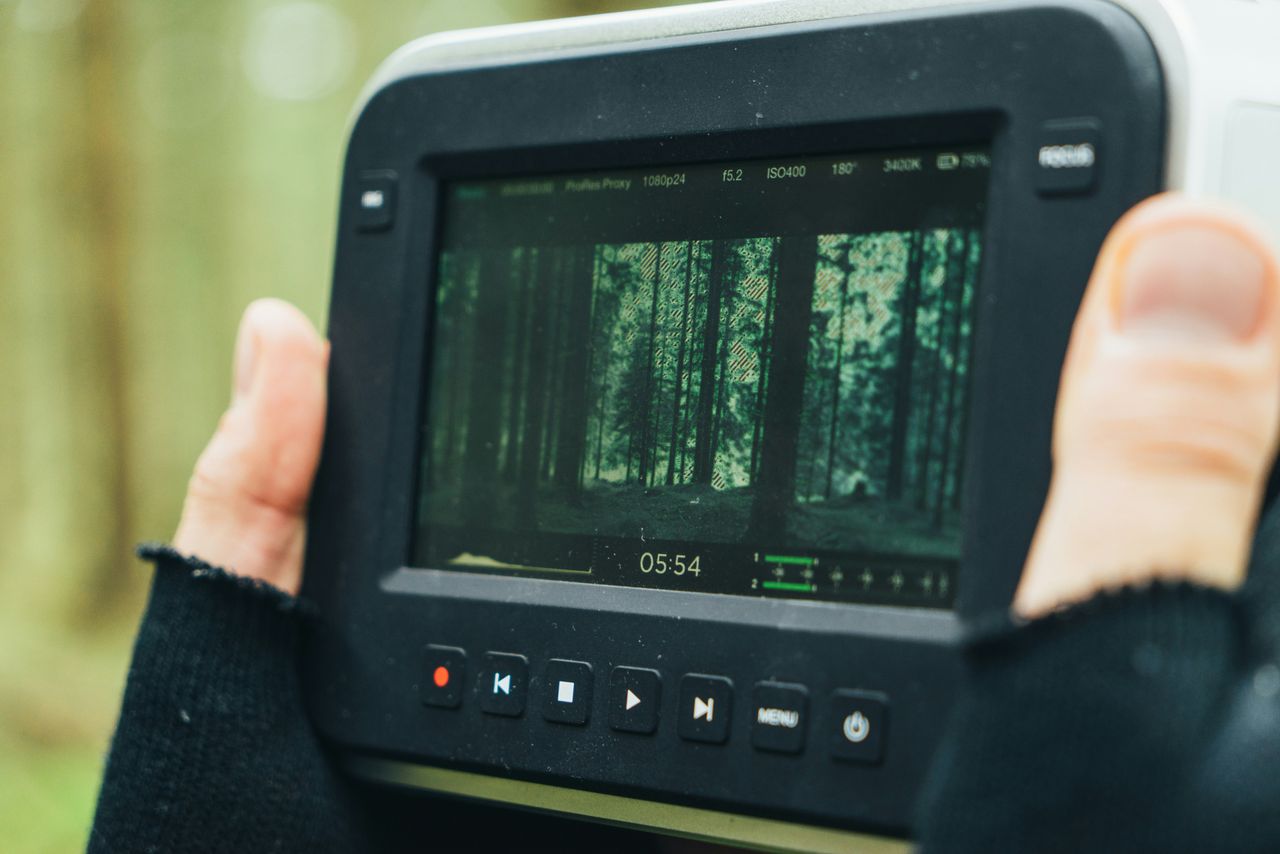
The case against a ban is not frivolous, and it deserves a fair hearing. Trail cameras can help hunters spend less time blindly wandering, reduce pressure on an area, and improve safety by showing what animals are present before a person walks in. On private land especially, many hunters view them as no different from maps, optics, or weather apps.
They can also make hunting more efficient for people with limited time. A working parent with two weekends to hunt may rely on cameras to decide whether a property is worth focusing on. For new hunters, cameras can speed up the learning curve and reveal basics such as wind-sensitive approaches, dawn movement, and seasonal shifts in use.
There is also a broader conservation angle. Camera traps are widely used in wildlife science because they are effective, noninvasive monitoring tools. Research and wildlife agencies use them to study abundance, timing, and animal behavior. That does not automatically justify unrestricted hunting use, but it does show the technology itself is not the villain. The real issue is context: delayed scouting information is one thing, while real-time hunting intelligence during an active season is something else.
What States Have Actually Done
States have not moved in lockstep, which tells you this is still an evolving issue. Arizona took one of the strongest positions. Its rule prohibits using trail cameras, or the resulting images and location data, for the purpose of taking or locating wildlife for take. That policy became effective January 1, 2022, after years of debate over fair chase and heavy camera use around water sources.
Nevada chose a narrower route. Current regulations make it illegal from July 1 through December 31 to use a trail camera capable of transmitting images, video, or wildlife location. In other words, Nevada targeted the live-feed problem more than the entire category of cameras. That approach suggests regulators see a meaningful difference between conventional cameras and instant remote monitoring.
Utah has also wrestled with the issue and, after legislative action in 2024, moved toward restricting trail-camera use for taking wildlife on public land during set periods around hunts. The broader trend is clear: Western states are trying to draw boundaries around when technology starts to overtake hunting skills. Even where a full ban has not happened, the direction of travel is toward tighter limits, not looser ones.
Wildlife Pressure, Crowding, And Resource Conflicts

Another reason this debate refuses to die is that it is not only about the animal. It is also about what cameras do to hunters and public land. In some dry-country units, a handful of reliable water sources may attract a surprising number of cameras, locks, batteries, and human visits. That can create tension fast.
According to the Western Association of Fish and Wildlife Agencies material on mule deer, several western states have examined trail cameras specifically through the ethics of hunting and pursuit. Field reporting over the past few years has also highlighted disputes over cameras at guzzlers and water holes, where people feel the gear crowds a public resource and effectively reserves it for whoever got there first.
There is a wildlife-disturbance angle too, even if the camera itself may not always measurably alter behavior. Human activity around checking, maintaining, swapping batteries, and moving cameras can add repeated disturbance, especially in hot, dry periods or near sensitive sites. Studies on elk and recreation show animals can respond strongly to repeated human presence. So even if the camera is quiet, the human traffic connected to it may not be.
Should They Be Banned Everywhere?
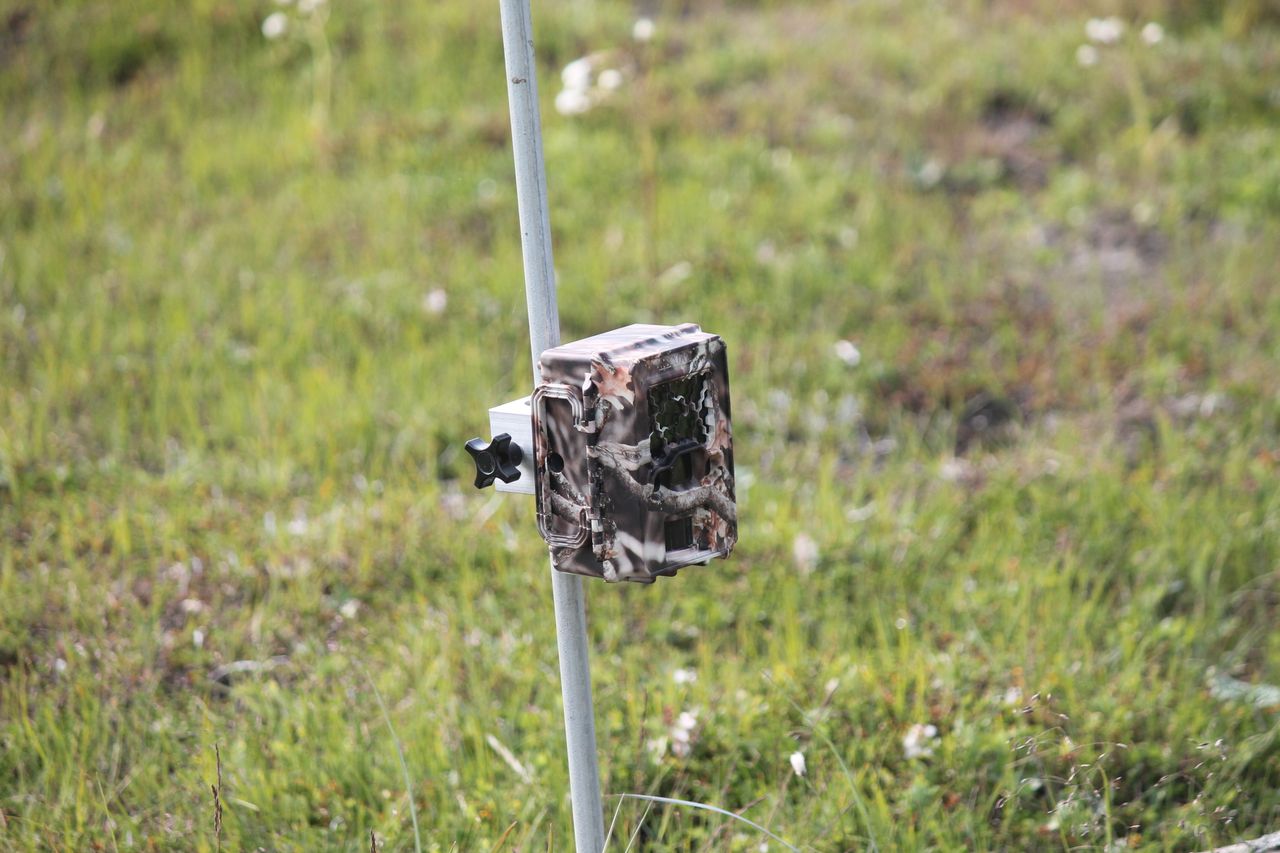
Probably not everywhere, and not in the same way. A full nationwide ban during all hunting seasons would be too blunt because hunting conditions differ dramatically by species, habitat, and land ownership. A cellular camera over a desert water source on public land raises a very different ethical and management question than a standard camera on a private Midwestern woodlot checked once every two weeks.
The strongest case for restrictions is on public land during active seasons, where animals are especially vulnerable to real-time information. That is why policies aimed at transmitting cameras or in-season use make more sense than a blanket year-round prohibition. They target the specific feature that most clearly changes the game: immediate remote intel.
A smart rule framework would likely include a few distinctions: cellular versus non-cellular, public versus private land, preseason versus in-season use, and sensitive locations such as water sources or bait-adjacent areas where legal. That kind of line-drawing may frustrate people who want a simple yes-or-no answer, but wildlife policy often works best when it solves the actual abuse instead of banning every version of a tool.
The Best Answer Is A Targeted Ban, Not A Moral Panic
So, should trail cameras be banned during hunting season? In many situations, yes, especially when they provide near real-time information that lets hunters react immediately to an animal’s location. That use cuts closest to the fair chase line and has already prompted serious regulation in states like Arizona, Nevada, and Utah.
But that does not mean every trail camera should be treated as equally problematic. A non-transmitting camera used for long-term patterning or off-season observation is not the same as a cellular unit pinging a hunter the moment an elk hits a water hole. Lumping them together makes for a catchy argument, but not very good policy.
The better position is simple: ban the in-season uses that undermine fair chase, overcrowd public resources, and turn hunting into remote surveillance. Leave room for delayed, lower-impact scouting where it fits local conditions. That protects the spirit of hunting without pretending technology is going away. Good rules should preserve skill, restraint, and opportunity, not reward whoever builds the best electronic ambush.