
Woodsmen rely on familiar tools such as axes, saws, wedges, and measuring devices, but many have histories that reach far beyond the forest. Some evolved from ancient farming equipment, others were shaped by mining and metalworking, and a few became essential after advances in transportation and industrial manufacturing. Their modern forms often hide centuries of experimentation, regional traditions, and practical problem-solving. Understanding where these everyday tools came from reveals how people learned to cut timber, build shelters, manage forests, and make better use of limited resources.
1. The Felling Axe Began With Stone-Age Ingenuity
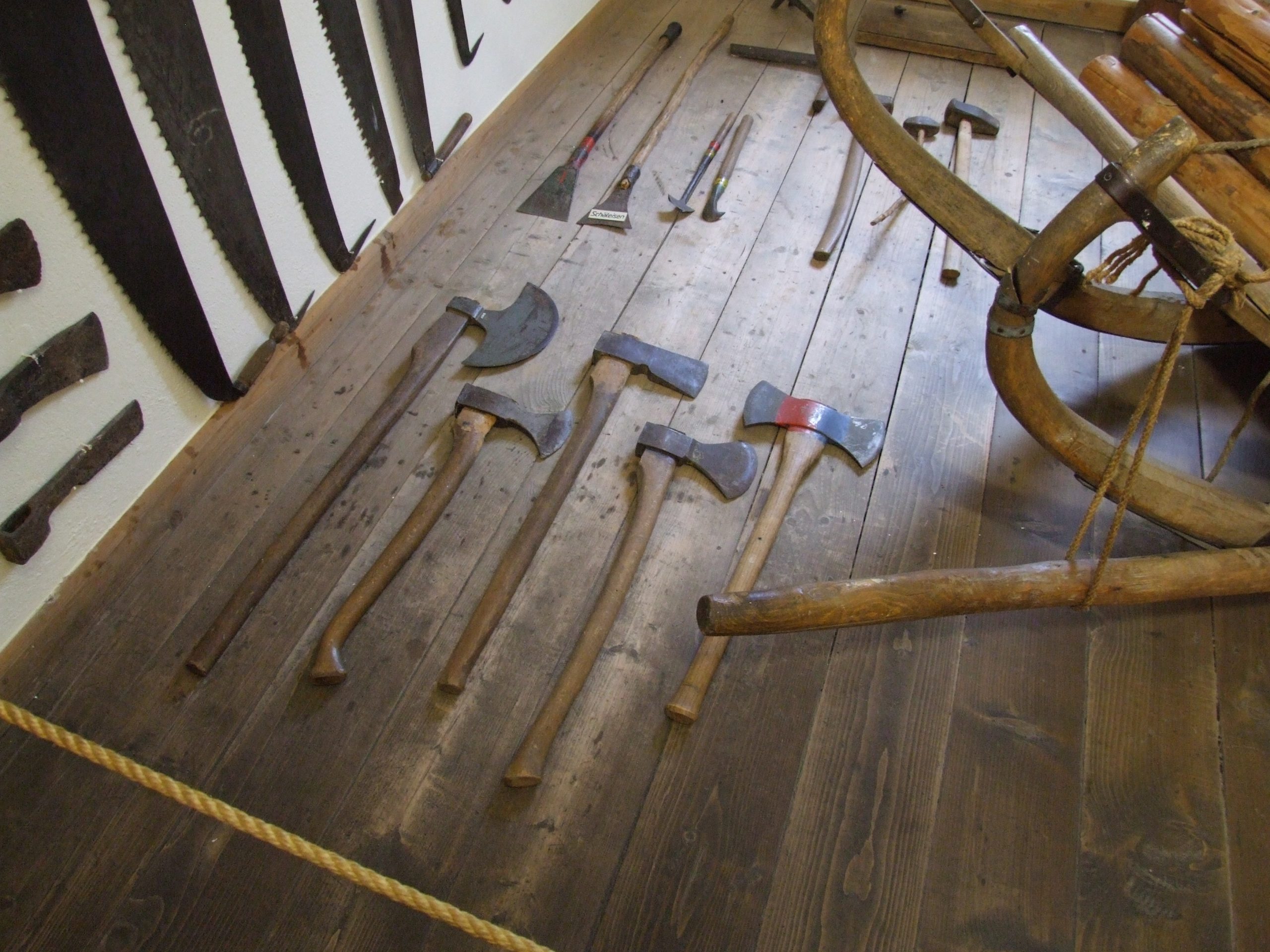
The modern felling axe is the result of thousands of years of experimentation, not a single invention. Early humans shaped stone into cutting tools long before metalworking existed, eventually attaching stone heads to wooden handles for greater leverage. Copper and bronze versions appeared later, while iron and steel made durable edges more practical. By the 19th century, American manufacturers were producing numerous axe patterns for different forestry tasks. The surprising part is how little the basic principle changed: a concentrated cutting edge, a weighted head, and a handle that helps generate force.
2. The Crosscut Saw Rose From a Different Logging Need
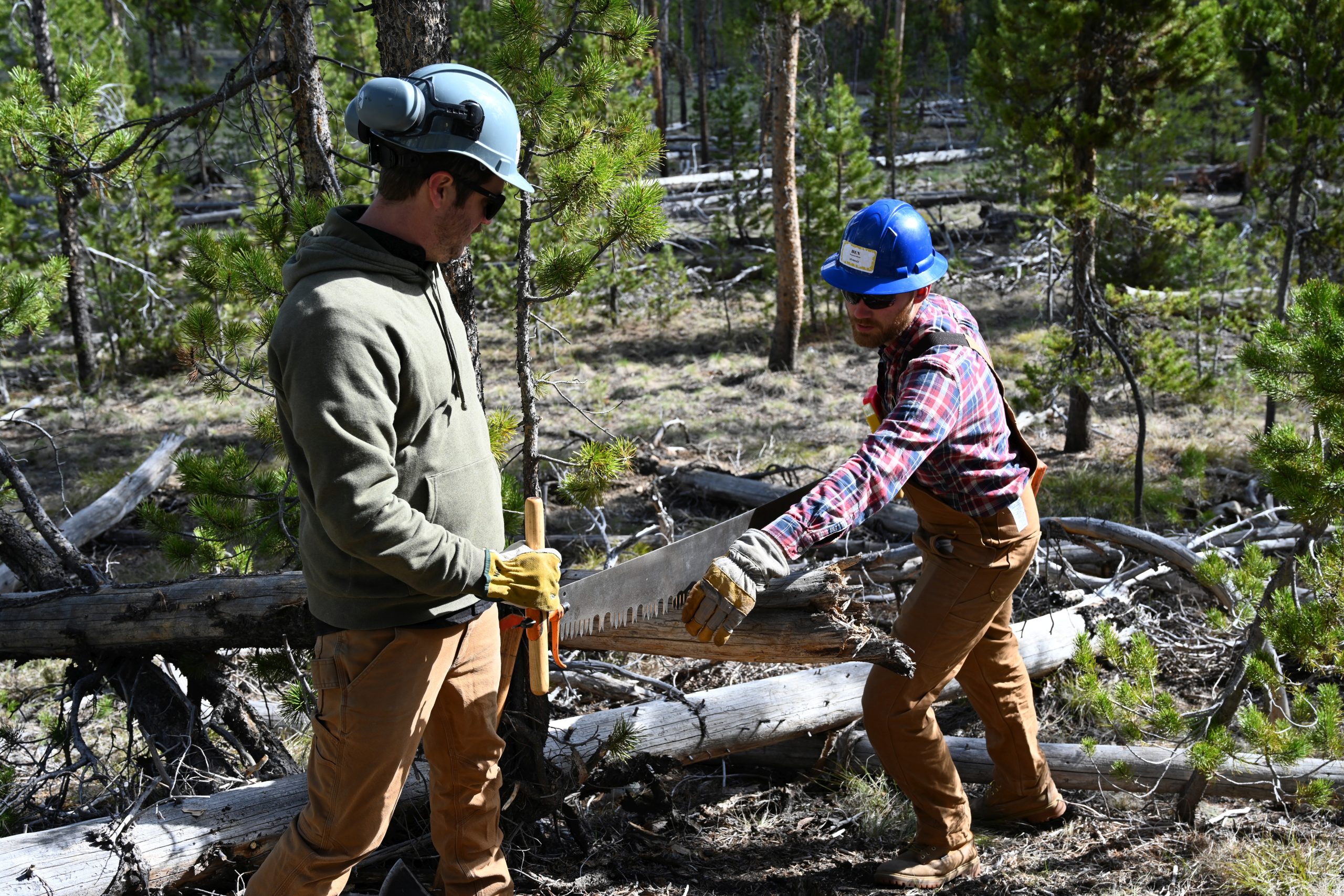
A crosscut saw looks like a straightforward timber-cutting tool, but its rise changed the rhythm of professional logging. Historical evidence places saw use in the Roman period, although widespread European adoption came much later. By the 19th century, long crosscut saws allowed two workers to cut through large trunks with alternating pulling strokes. Around 1880, American loggers increasingly used them for felling trees, rather than relying mainly on axes for that job. Their unusual advantage was teamwork: each worker contributed to the same cut, making the saw particularly useful for processing substantial timber.
3. The Adze Has an Ancient Connection to Farming

The adze is often associated with boatbuilders, carpenters, and woodsmen, but its history reaches into early agriculture. Stone versions appeared long before modern forestry, and the tool developed into different forms for shaping timber and working soil. Unlike an ordinary axe, an adze has a cutting edge set across the handle, allowing the user to remove wood with controlled, scooping strokes. Some forms also became hoe-like agricultural implements. This dual identity is unusual: a tool family could serve both construction and cultivation, depending on its blade, handle, and intended task.
4. The Froe Was Designed to Split, Not Slice
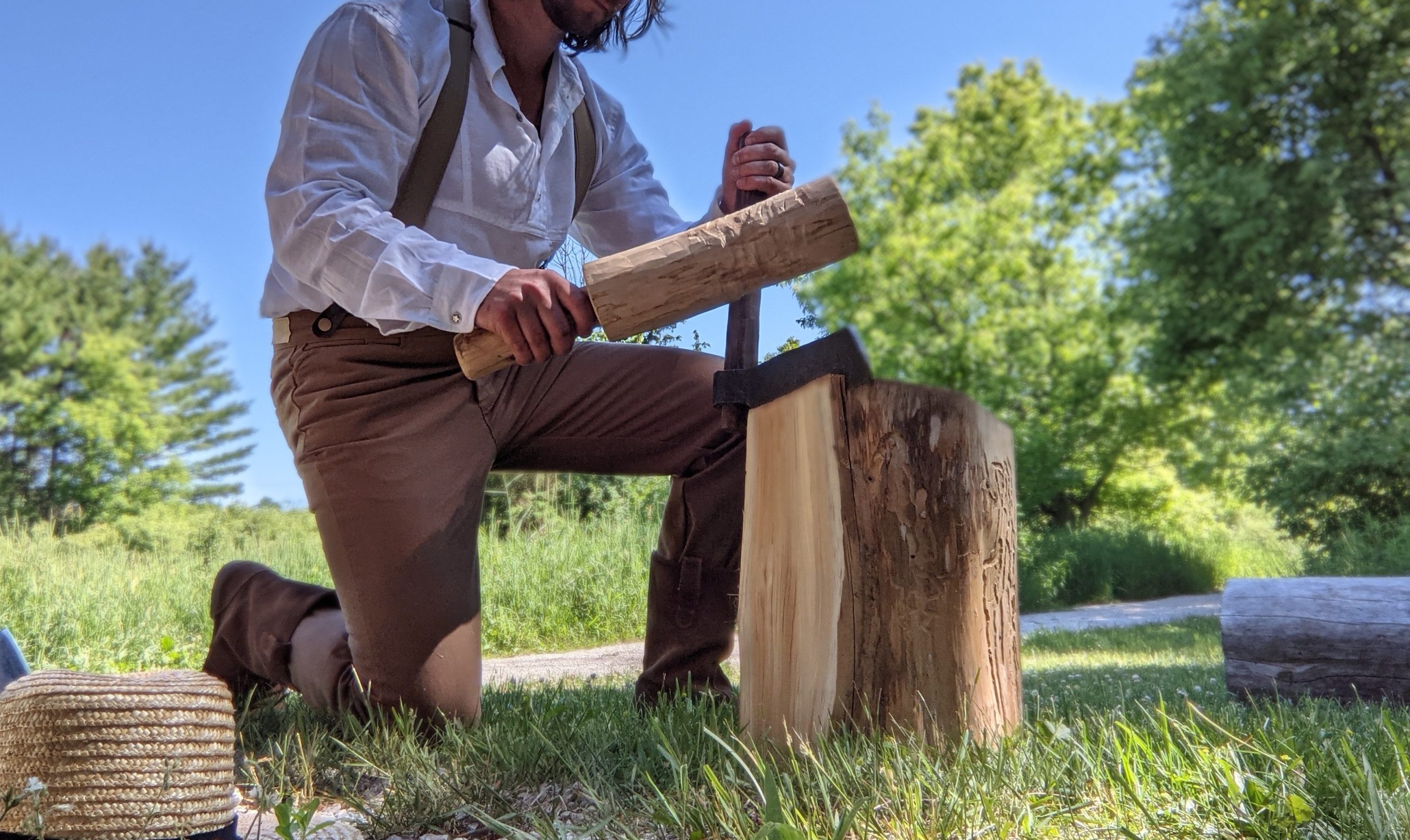
A froe looks like an oversized knife, yet its job is fundamentally different from that of a conventional cutting blade. Used by traditional shingle makers and other woodworkers, it separates wood along its natural grain instead of slicing across the fibers. Historical descriptions from the 19th century document its importance in producing shingles, slats, and other thin wooden pieces. A typical example may have a blade around 7 to 12 inches long, with a long wooden handle fitted at one end. A mallet drives the blade into a log, while controlled twisting guides the split.
5. The Drawknife Borrowed Its Power From Pulling
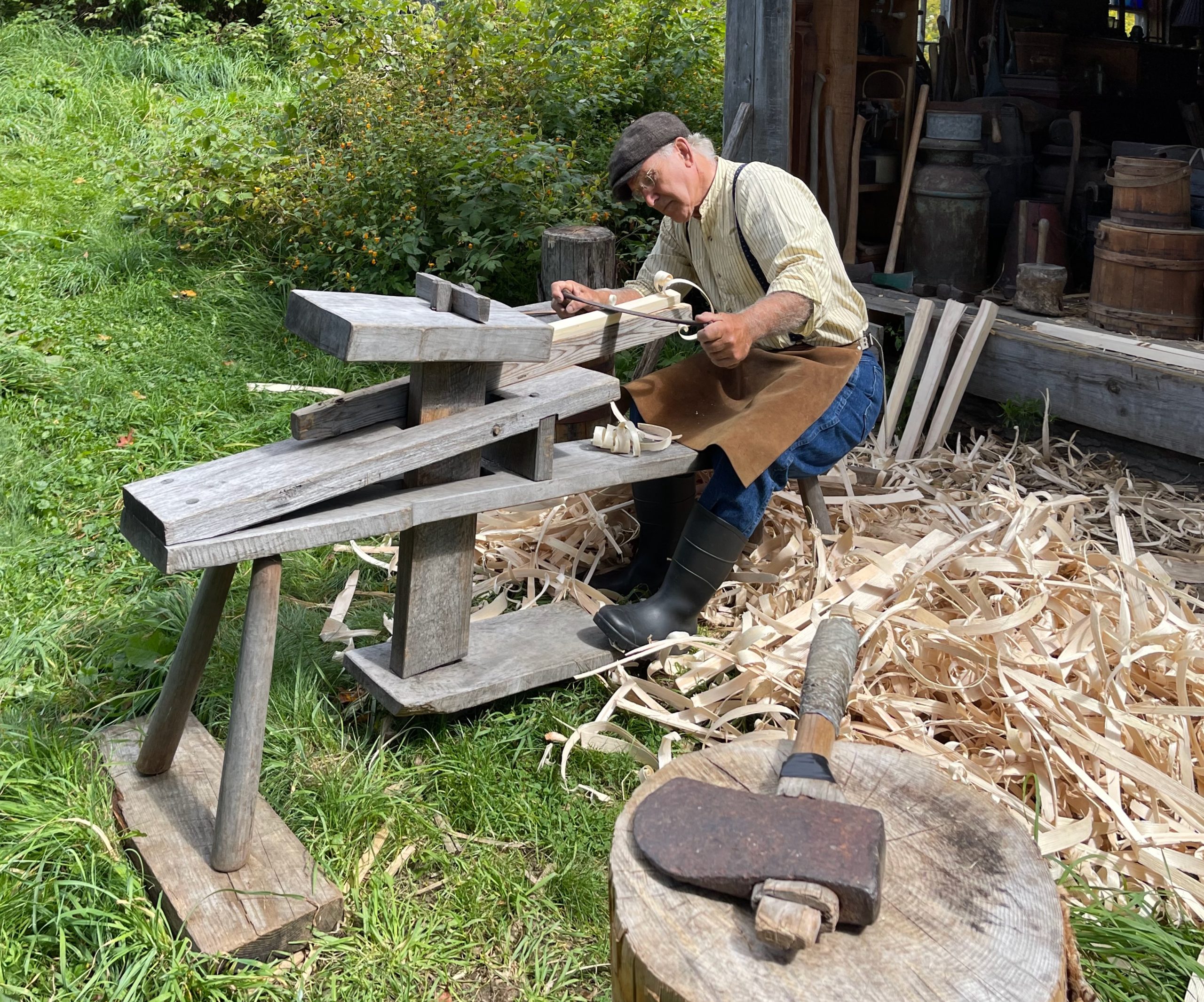
The drawknife is a two-handled blade that woodworkers pull toward themselves to remove thin shavings and shape timber. Its unusual origin lies in traditional handcraft, where a controlled pulling motion could produce smooth curves without relying on powered machinery. By the early 18th century, it appeared among established carpentry tools, serving jobs such as shaping tool handles, trimming shingles, and preparing wooden components. Unlike an axe, which delivers force through a swing, the drawknife gives the craftsperson direct control over the amount of material removed. That precision made it especially useful for curved or tapered pieces.
6. The Pickaroon Was Inspired by the Challenge of Handling Logs
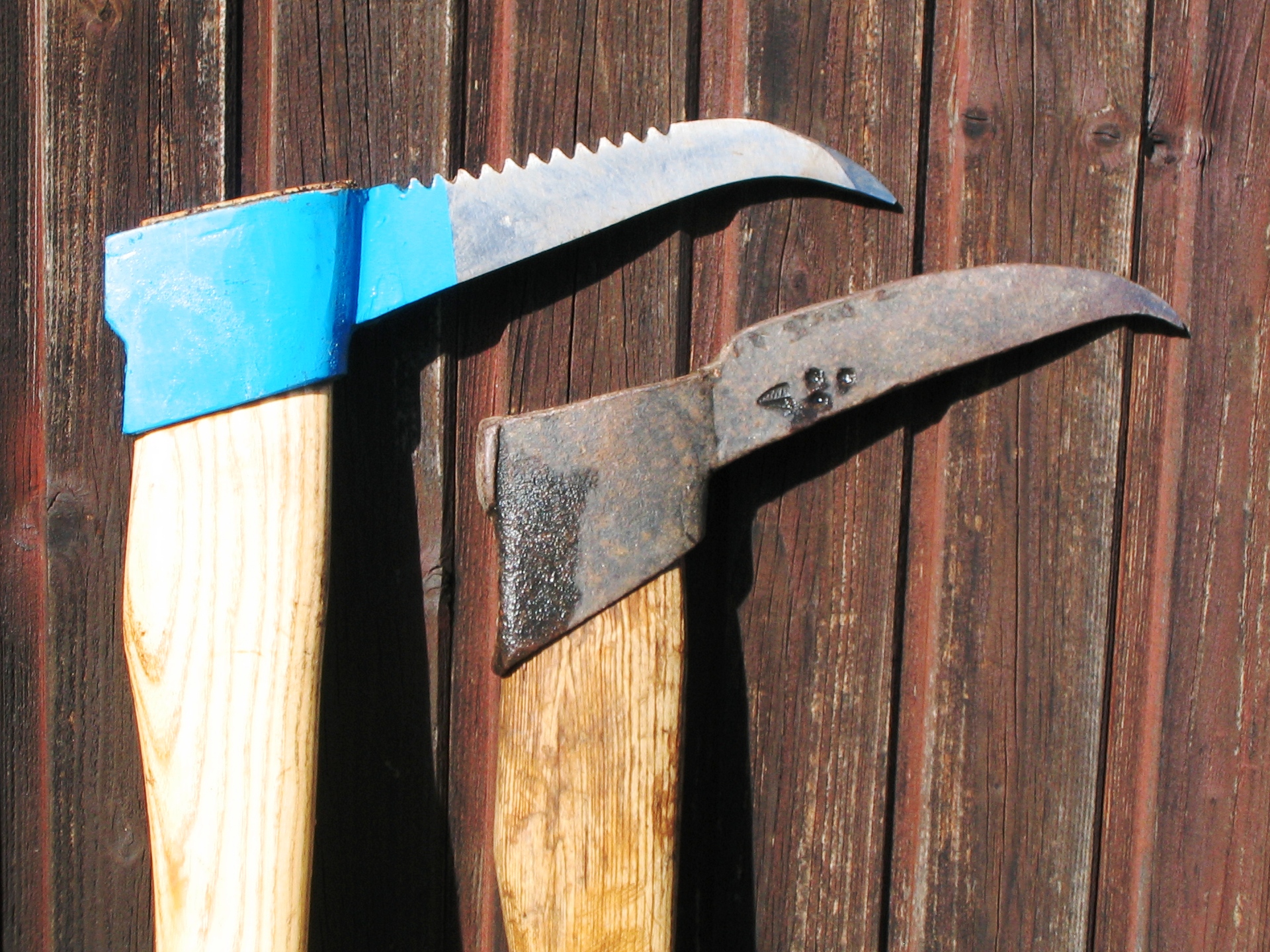
The pickaroon is a traditional logging tool designed to help workers move and position logs without repeatedly bending down to grab them by hand. Its long handle ends in a pointed metal hook that catches the wood when pulled, making it useful for handling cut timber and firewood. Related tools became particularly valuable in sawmills and logging camps, where workers needed to move heavy pieces efficiently. Unlike a conventional axe, the pickaroon does not cut or split wood. Its unusual design addresses a different problem: controlling awkward, heavy logs while reducing the effort required to lift and reposition them.
7. The Maul Evolved From the Need to Split Tough Timber
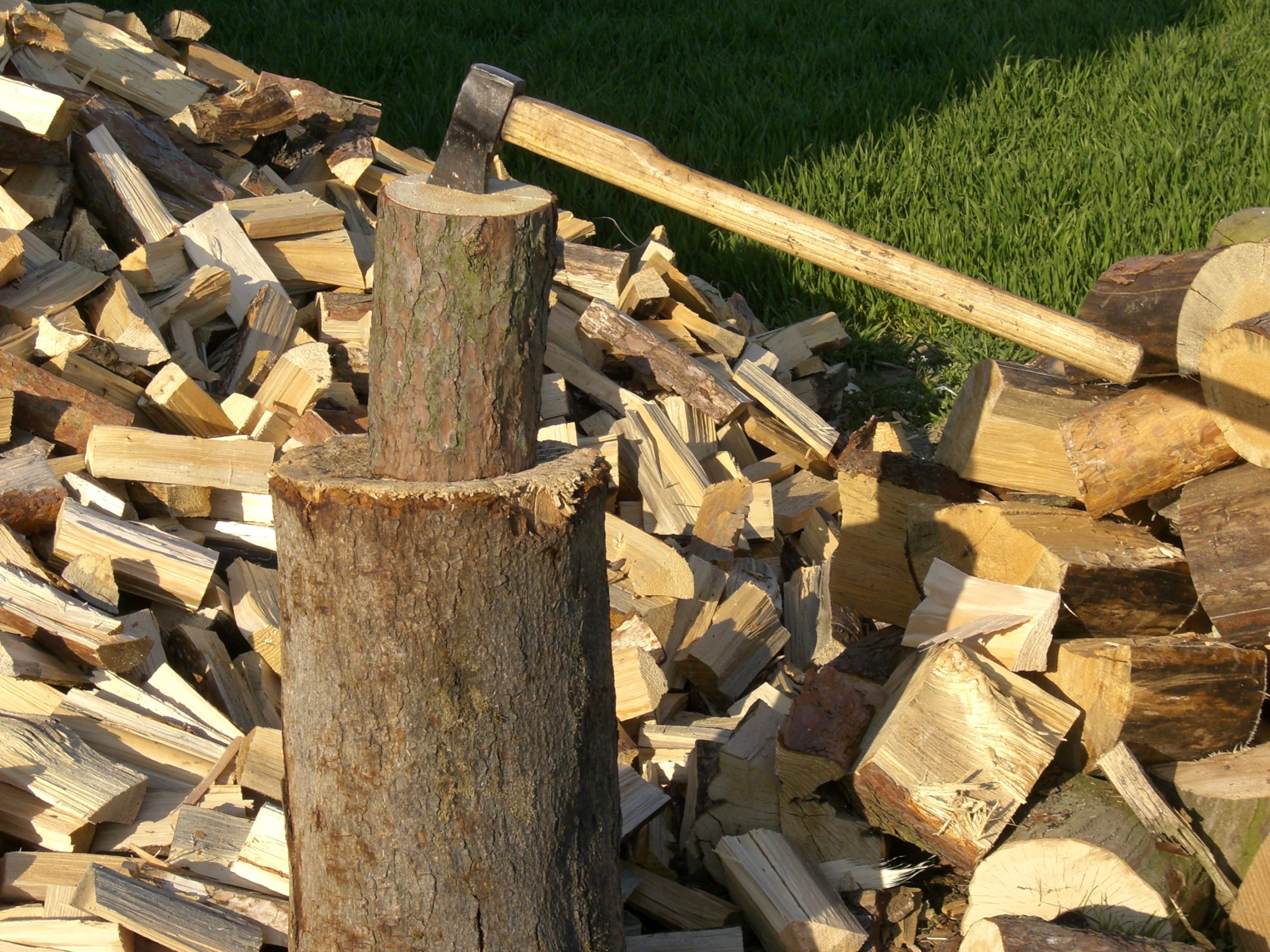
A splitting maul resembles a heavy hammer, but its broad, often wedge-shaped head reflects a specialized forestry purpose. Traditional versions were made with dense hardwood heads, while later designs commonly used metal. Woodsmen used mauls to drive wedges into logs and to strike froes when preparing shingles and thin boards. The tool’s history shows how timber workers separated two jobs that an ordinary axe could not always handle equally well: cutting across fibers and forcing them apart along the grain. A maul’s mass supplies impact, while its head shape helps spread the wood. It became a practical partner to several other hand tools.
8. The Broad Axe Was Built for Turning Logs Into Flat Timbers
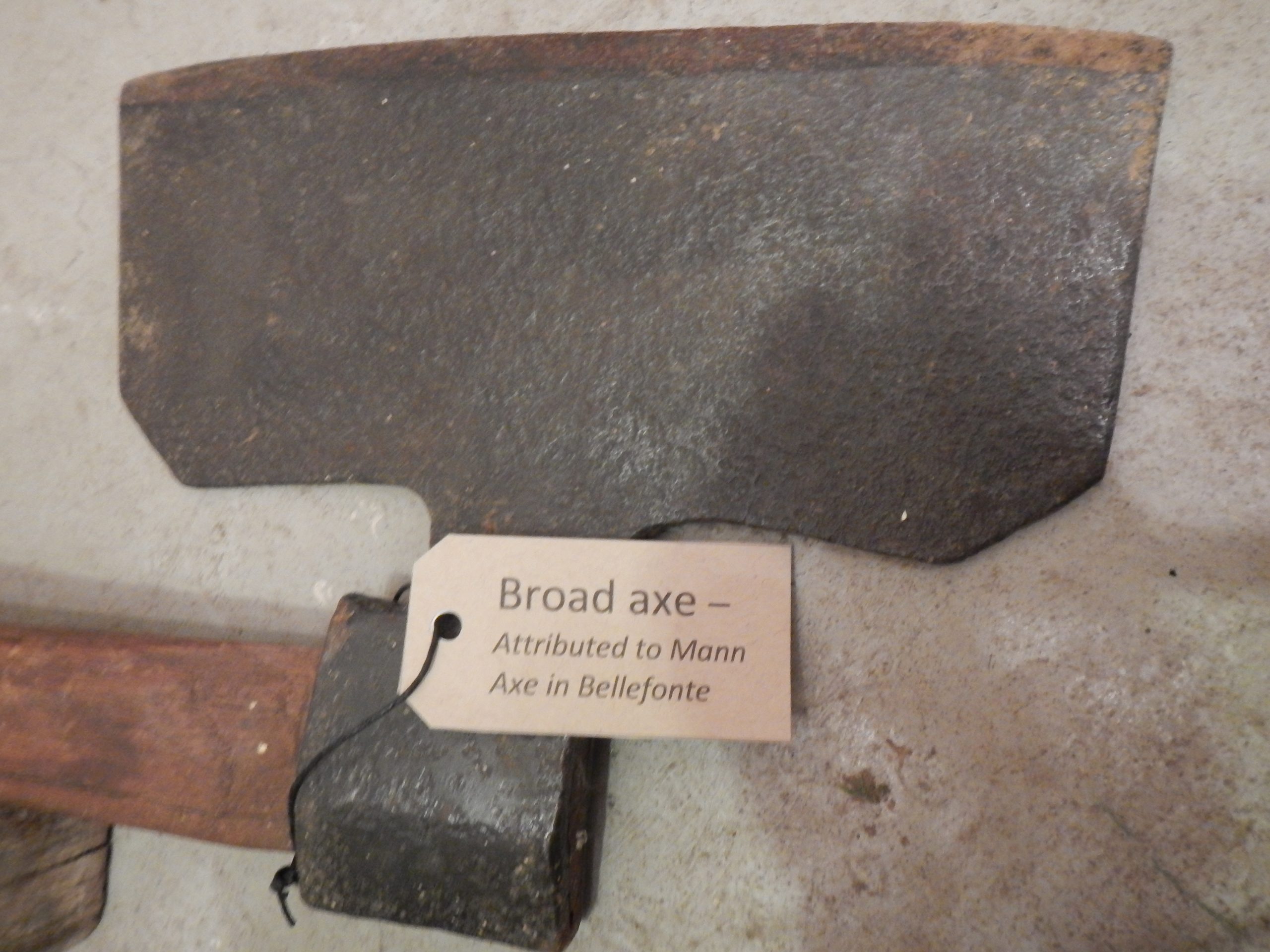
The broad axe developed around a task that modern sawmills can perform mechanically: converting rounded logs into squared or flat-sided building timber. Some traditional American examples had heads more than twice as large as those of ordinary felling axes, with the cutting edge sharpened mainly on one side. That design helped a worker hew along a log’s length while standing beside it. The broad axe was therefore not simply a larger tree-felling tool; its shape reflected a different stage of construction. Before standardized milled lumber became widely available, skilled hewing helped produce beams and structural timbers directly from whole trunks.
9. The Auger Has Roots in Ancient Drilling Techniques

The hand auger belongs to a long tradition of making holes in wood without powered machinery. Ancient craftspeople used simple drills, including bow-driven designs, to bore holes for wooden pegs and other fittings. Later, the auger developed a screw-like point that helped pull its cutting edge into timber as the user turned the handle. By the medieval period, augers were established tools in building and boat construction. Their surprising contribution was precision: rather than removing wood through chopping, they created a controlled opening for pegs, joints, and fasteners, making stronger and more carefully fitted wooden structures possible.
10. The Carpenter’s Plane Became a Woodsman’s Finishing Tool
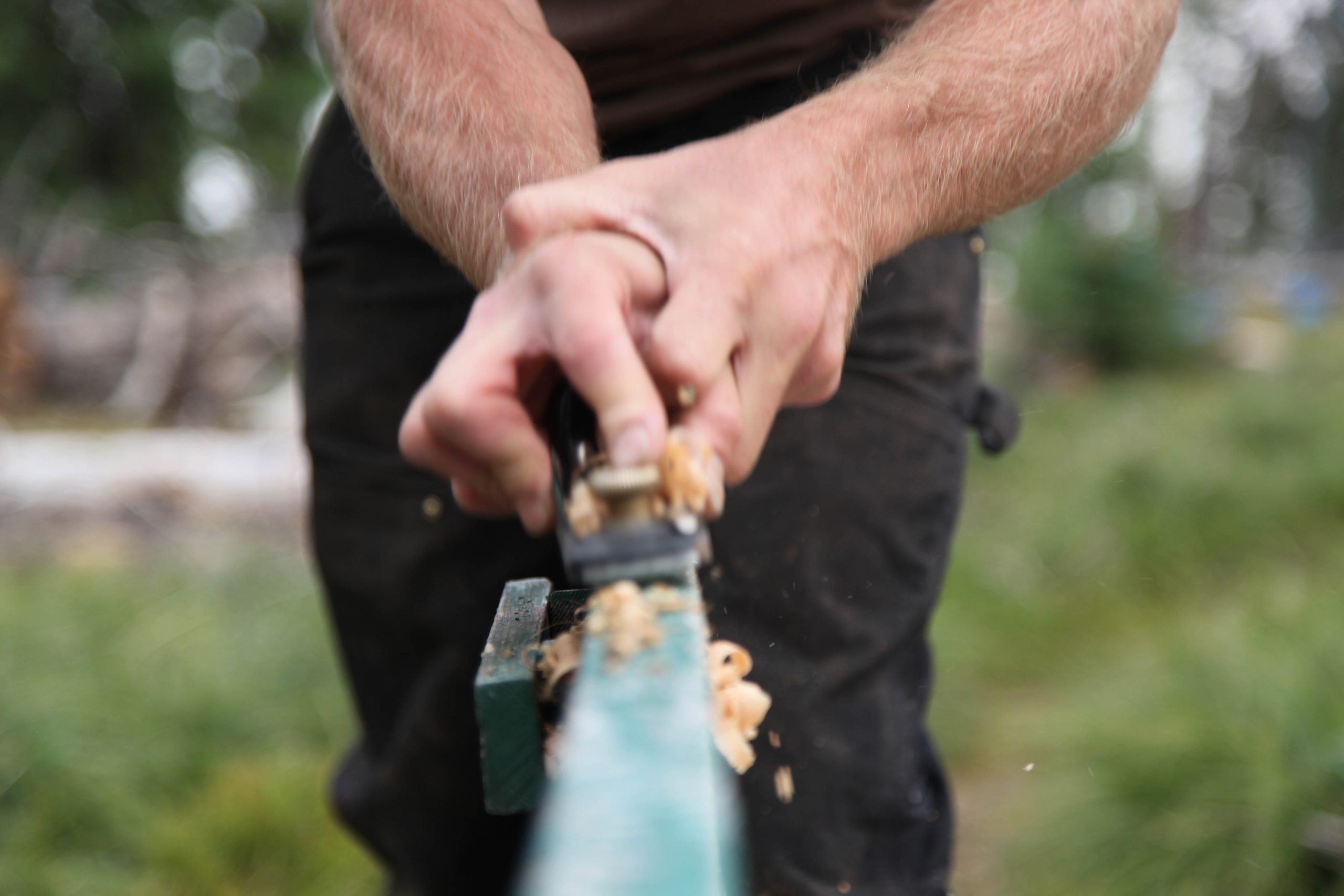
The hand plane may seem more suited to a furniture workshop than a forest, but it became important wherever rough timber needed a smooth, even surface. Plane-like woodworking tools were already used during the Roman period, and specialized versions later emerged for different finishing tasks. A plane uses a blade set at an angle inside a body that guides it across the wood, shaving off thin layers instead of removing large chips. This made it useful after logs had been hewn or boards had been split. Its unusual history reflects a broader shift in woodworking: producing timber was only the first step; making it fit accurately was equally important.
11. The Peavey Evolved From Traditional River Logging
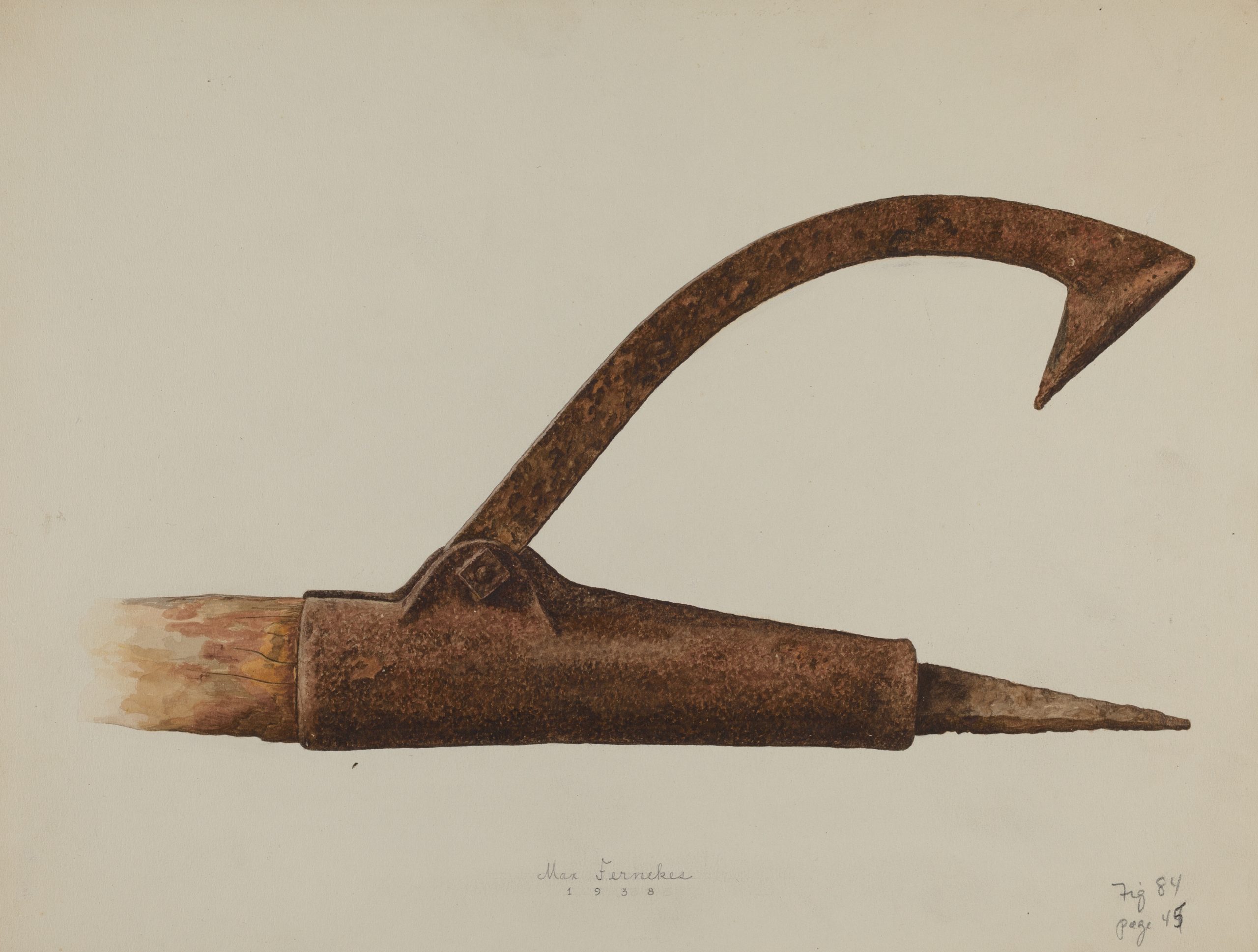
The peavey became an important tool during the era when enormous quantities of timber were transported through rivers. Developed in the 19th century and associated with logger Joseph Peavey of Maine, it features a long wooden handle, a pointed metal spike, and a hinged hook that grips logs. Workers used it to roll, turn, and reposition timber, particularly when managing floating logs and clearing jams. Its hinged hook distinguishes it from a simple pike pole, allowing it to grip logs of different sizes. The peavey’s history reflects the demands of the logging industry, where controlling moving timber was as important as cutting down trees.