Weapons do not always disappear because a newer firearm is more powerful or accurate. Sometimes, an unexpected change in ammunition, military tactics, manufacturing costs, or battlefield conditions makes an established design less useful. Guns once praised for their speed, unusual mechanisms, or specialized roles can become outdated when the problems they were designed to solve change. Others remain mechanically impressive but lose favor because their ammunition is difficult to obtain or their construction is too complicated. These 10 firearms illustrate how technological progress and changing military requirements can push once-promising weapons into history.
1. Dreyse Needle Gun
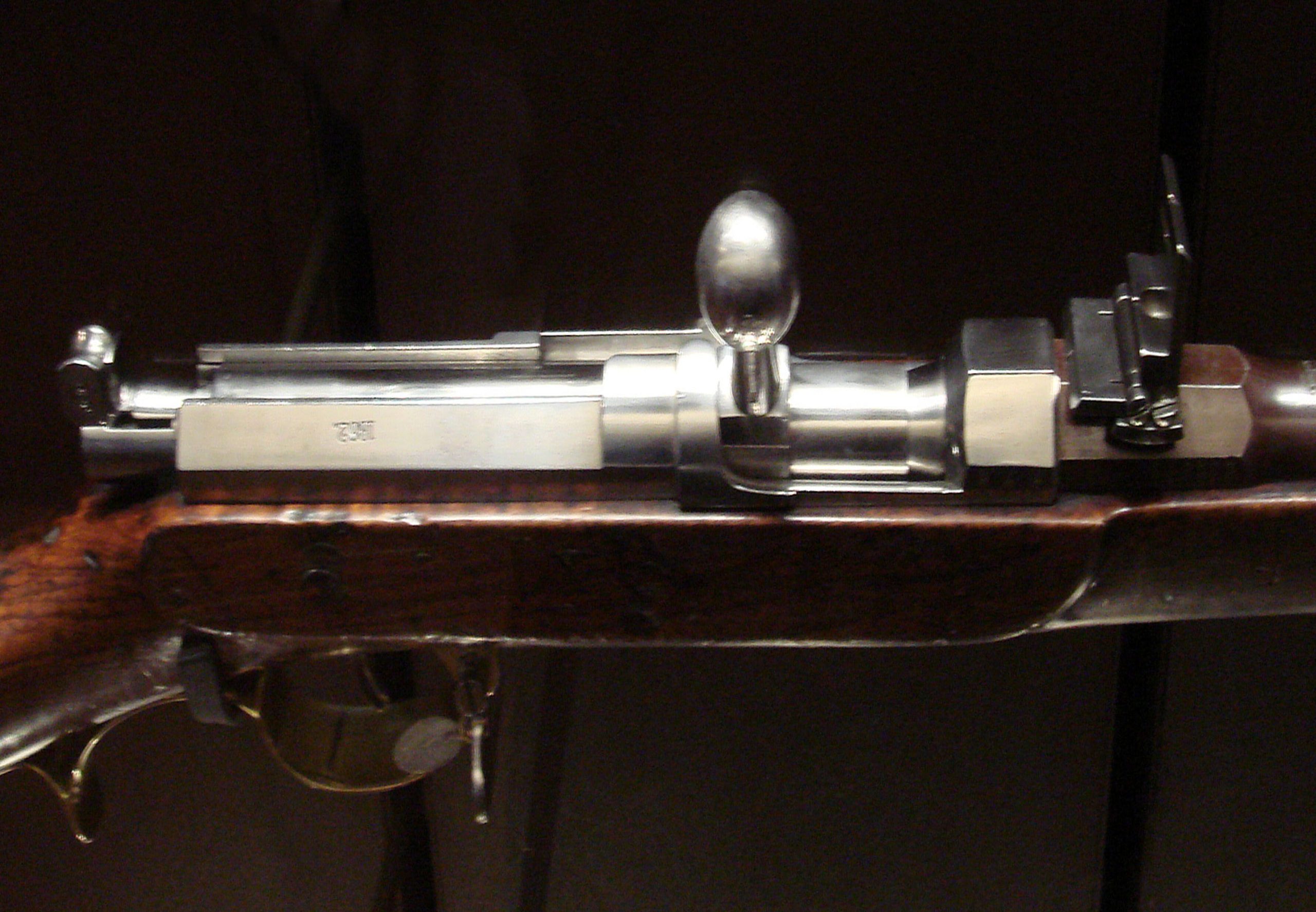
The Dreyse Needle Gun helped Prussia demonstrate the value of breech-loading rifles during the 1866 Austro-Prussian War. Adopted in 1841, it let soldiers load from the rear rather than ram a charge down the muzzle, making it quicker to reload while lying or crouching. Its unexpected weakness appeared as rifle technology advanced: the long firing needle passed through the powder to reach the primer, so it wore out or broke, while gas could escape around the breech. France’s Chassepot, introduced in 1866, offered better sealing and performance. After the Franco-Prussian War of 1870–71, Germany moved toward the Mauser Model 1871, and the Dreyse’s early advantage faded.
2. Ferguson Rifle
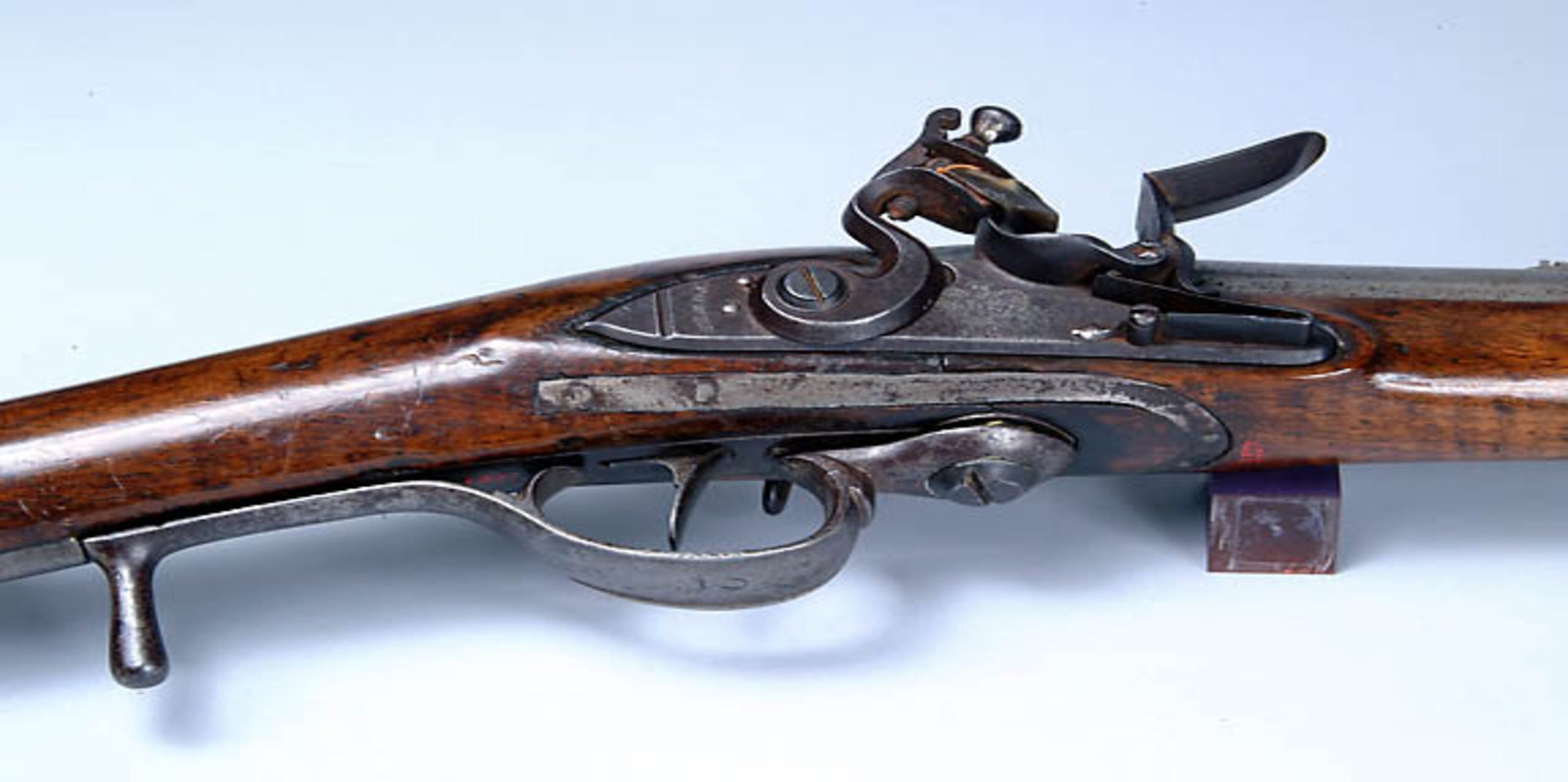
British officer Patrick Ferguson patented his breech-loading rifle in 1776, decades before breech-loaders became standard military equipment. A screw plug beneath the chamber opened the breech, allowing a trained soldier to reload without standing the way a muzzle-loader often required. Reports suggest it could manage around 6 shots per minute, but the mechanism was expensive to manufacture and needed careful fitting. Ferguson was killed in 1780, and the small number of rifles produced never became an army-wide replacement. Its problem was not that breech-loading lacked promise; late-18th-century manufacturing and military procurement could not yet make the design widely affordable.
3. Colt Revolving Rifle
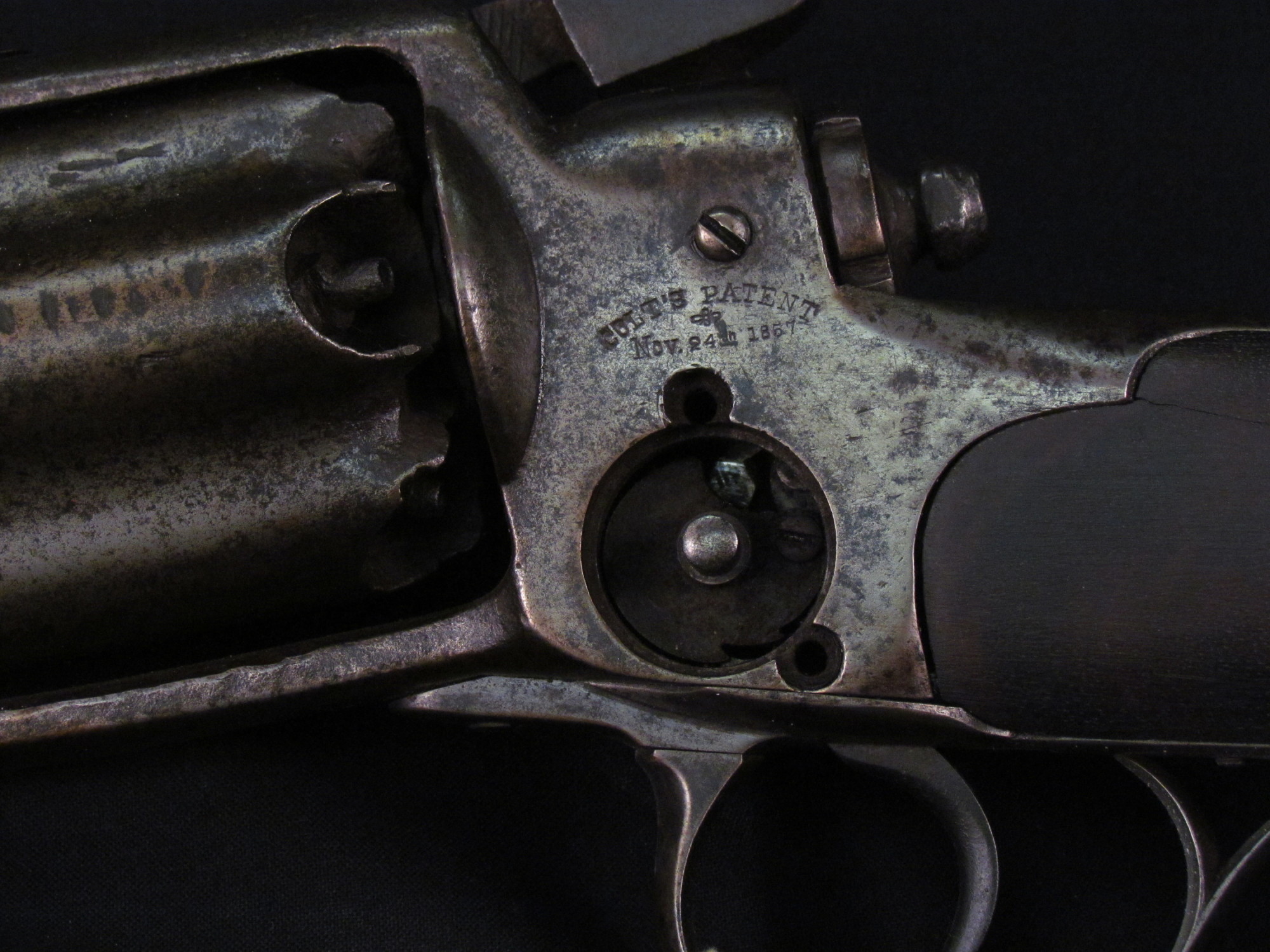
Samuel Colt’s revolving rifles carried the multi-chamber cylinder concept from handguns into a shoulder-fired weapon. Some models appeared in the 1830s and 1850s, offering several shots before reloading at a time when most rifles fired one round at a time. Yet a feature that worked well in a revolver became a liability in a long gun: hot gas and burning debris could escape between the cylinder and barrel, potentially injuring the shooter’s supporting hand or arm. The design also required careful loading and maintenance. As reliable cartridge-fed repeaters spread after the Civil War, the revolving rifle’s extra shots no longer justified its risks and complications.
4. Gatling Gun
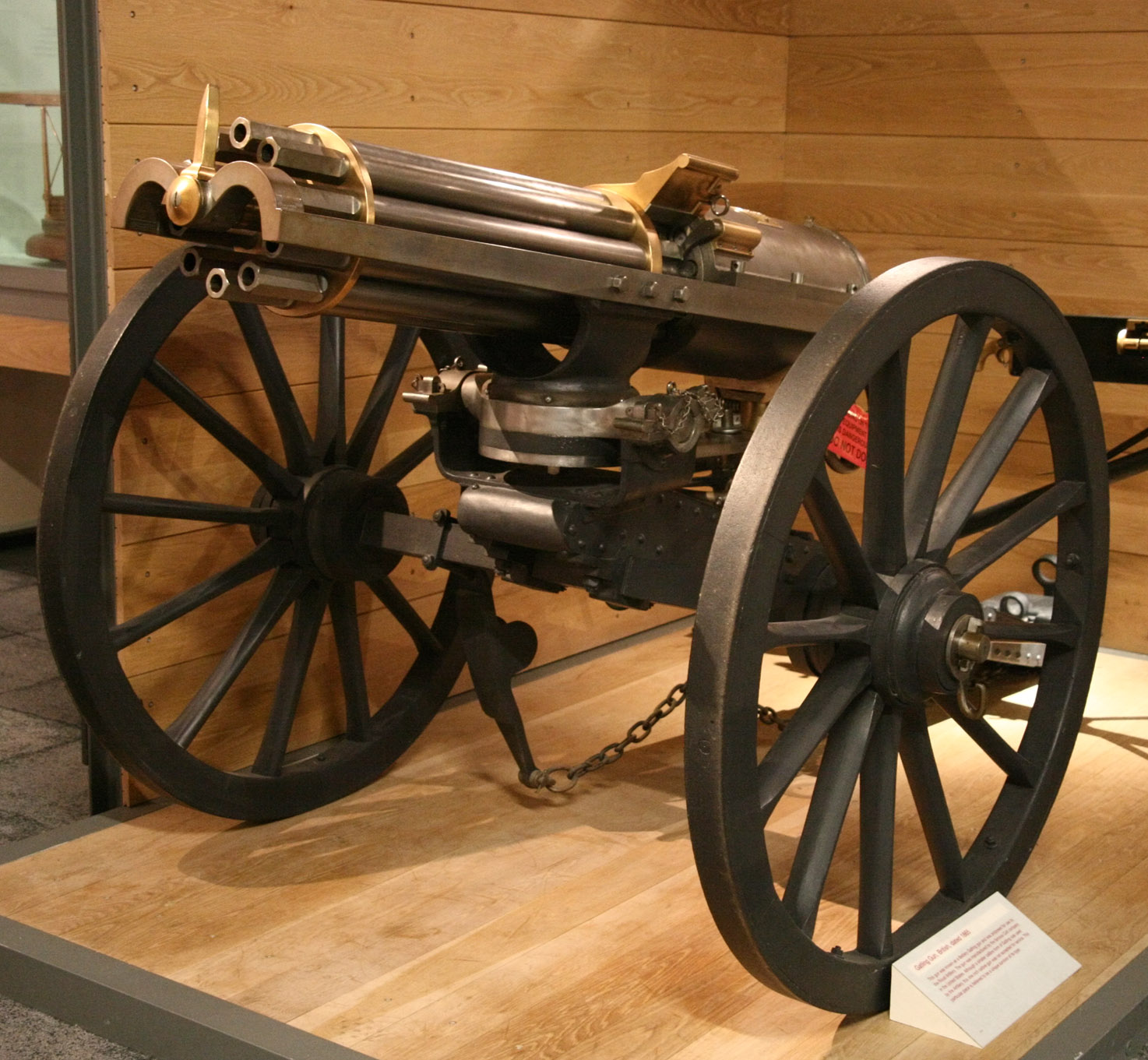
Hiram Maxim’s recoil-operated machine gun helped push the hand-cranked Gatling gun toward obsolescence, even though the Gatling had once seemed astonishingly modern. Patented in 1862, it used multiple rotating barrels and a crank to load, fire, and eject cartridges; later versions could fire hundreds of rounds per minute. Its mechanism depended on a person turning the crank, however, and the weapon was heavy and often mounted on a carriage. Maxim’s gun, introduced in 1884, used recoil energy to cycle automatically and could reach roughly 500 rounds per minute in early forms. The surprise was that a simpler-looking single-barrel system could outpace a complex multi-barrel machine.
5. Chauchat Light Machine Gun
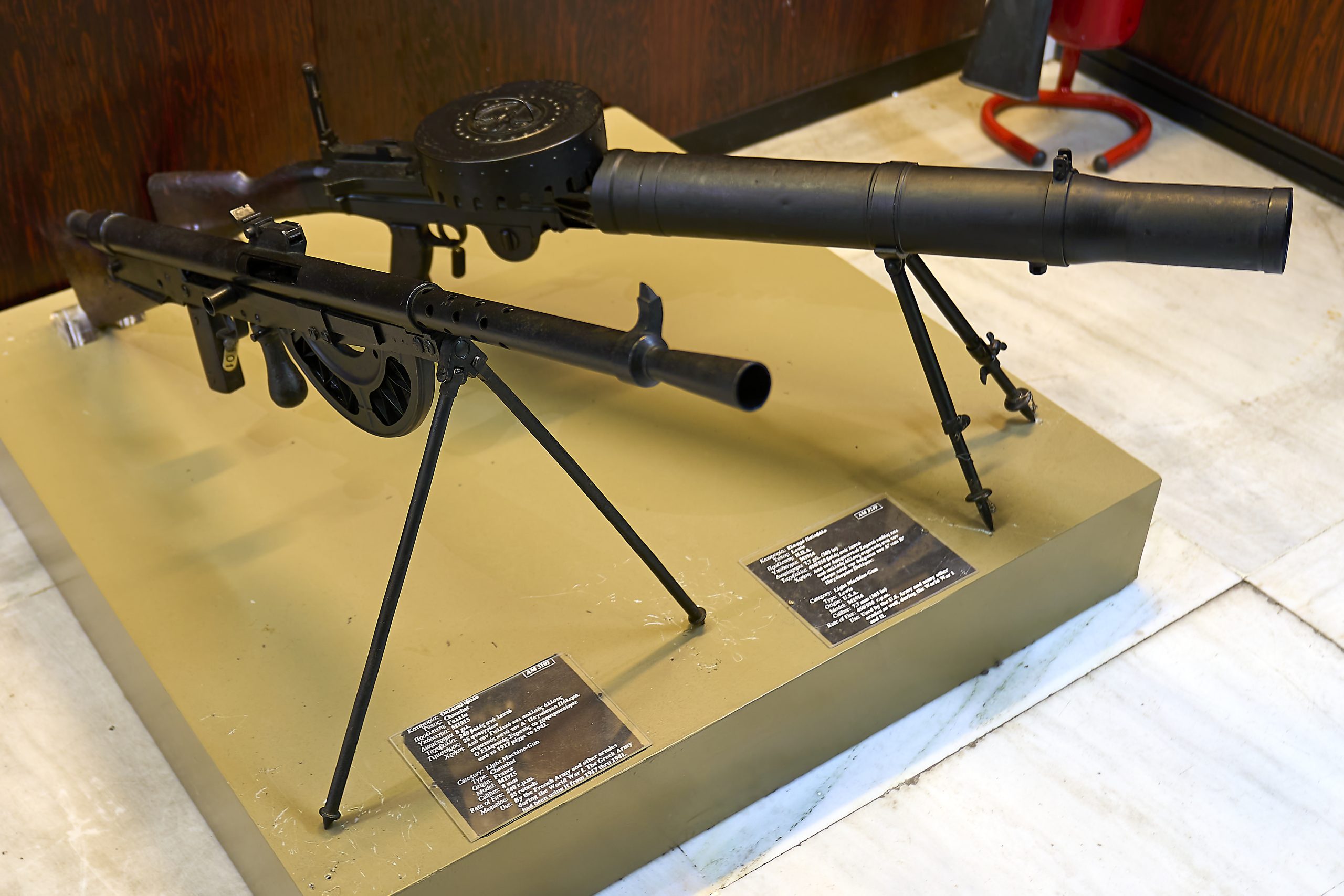
The French Chauchat was adopted during World War I as a portable automatic weapon that infantry could carry forward with an advancing unit. Around 200,000 were produced, making it widely issued. Its downfall came from the realities of mass production and harsh field conditions: open-sided magazines admitted mud and grit, and some weapons suffered reliability problems, especially in the American .30-06 version. The Chauchat was not obsolete simply because it was light or unconventional; it struggled when its design met dirt, rushed manufacture, and ammunition changes. Later light machine guns improved reliability and handling, better matching the demands of mobile infantry.
6. Pedersen Device
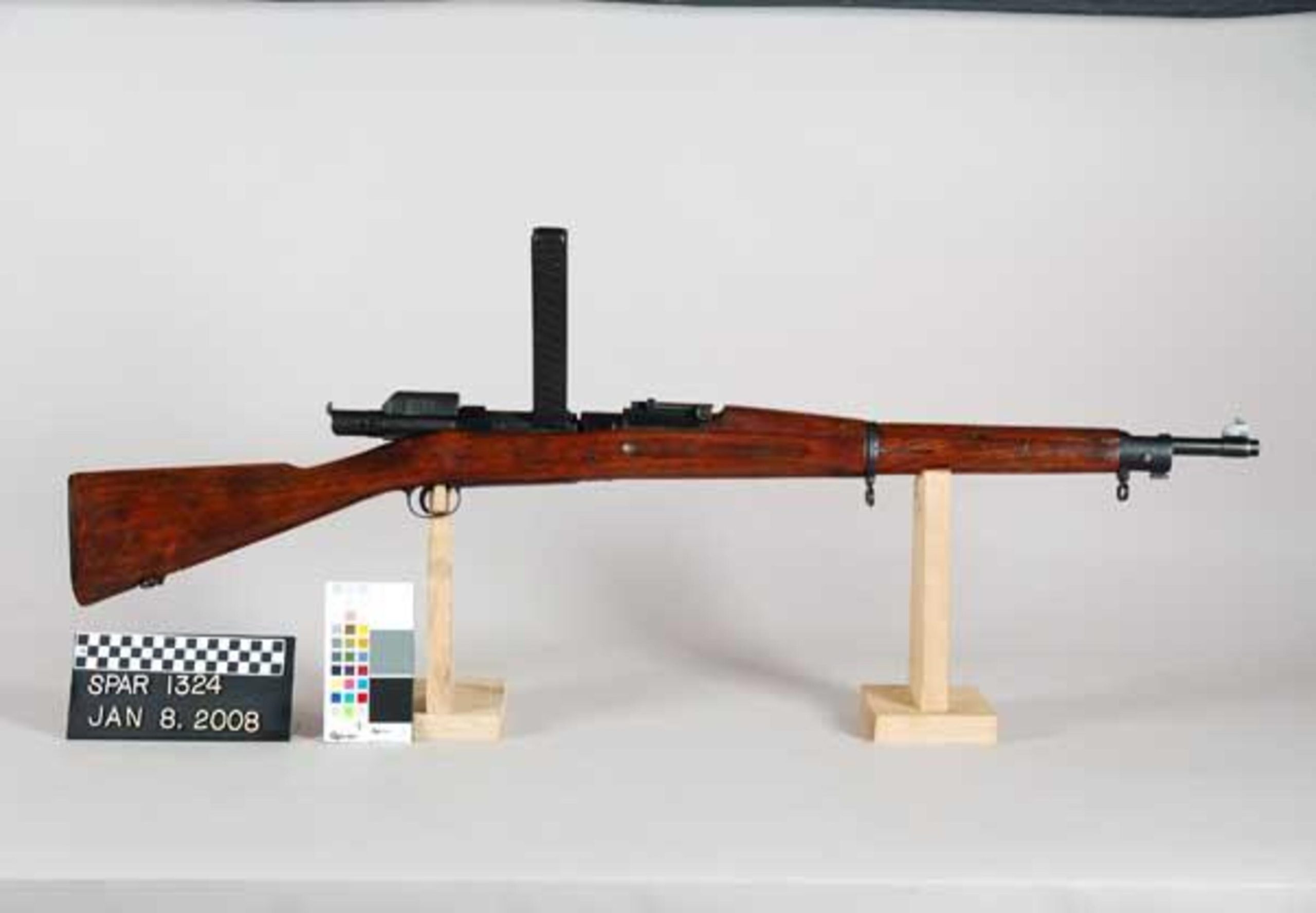
The Pedersen Device was a secret American World War I project designed to let a standard M1903 Springfield rifle fire .30-caliber pistol-type cartridges in semiautomatic mode. Roughly 65,000 devices were reportedly made for a planned 1919 offensive, along with modified magazines and ammunition. The concept aimed to give troops a much higher volume of fire at close range without replacing every rifle. Then the armistice of November 1918 ended the war before the planned deployment. The device was no longer worth the cost of fielding, training, and supplying, and most examples were later destroyed. Its fate shows how a weapon can become obsolete because the event it was built for never happens.
7. Madsen Machine Gun
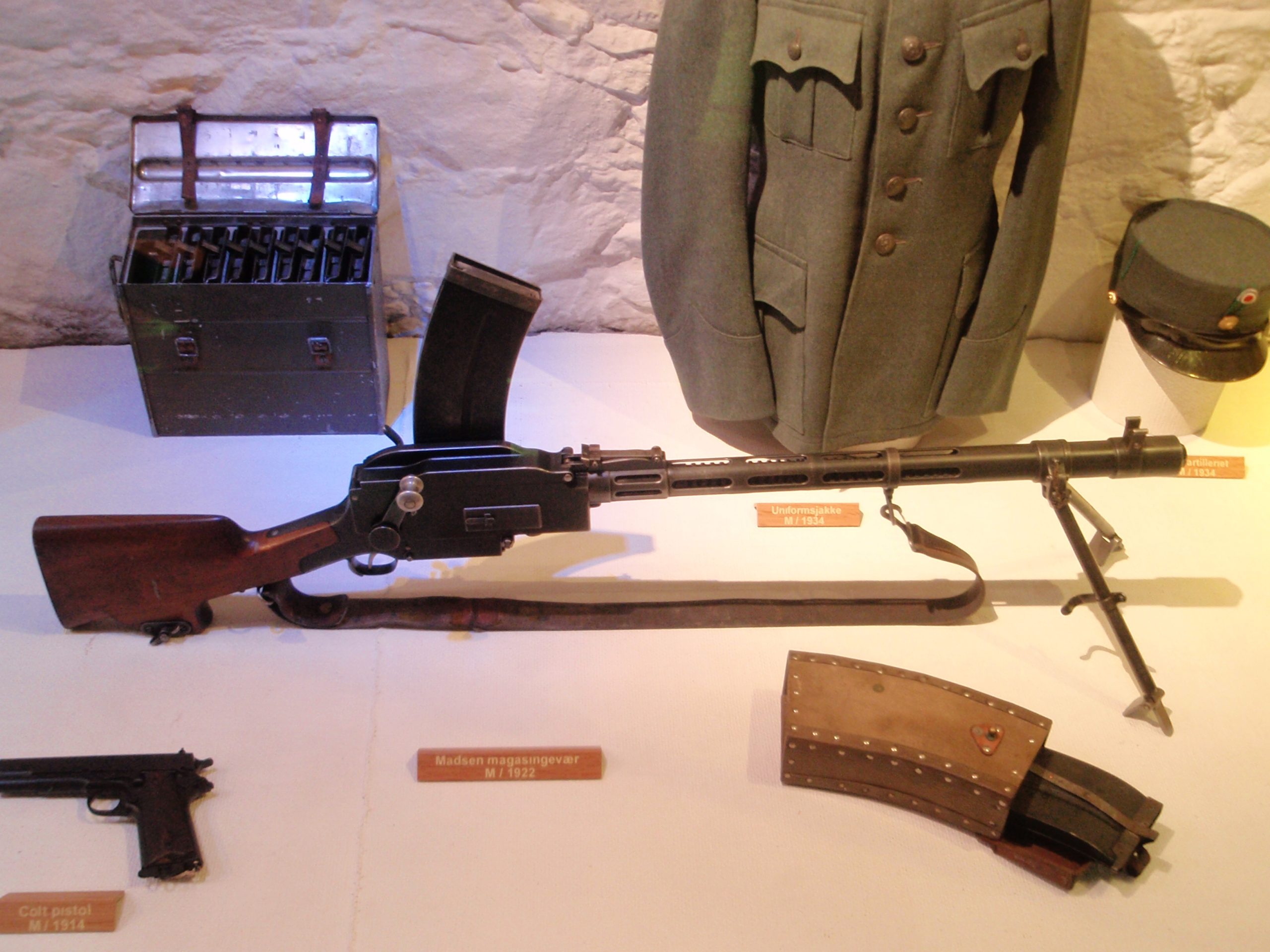
Introduced around the turn of the 20th century, the Danish Madsen is often described as one of the first practical light machine guns. Its unusual top-mounted magazine and relatively light build made it attractive to countries seeking automatic fire without a heavy crew-served weapon. Its obsolescence was gradual. As military doctrine shifted toward standardized ammunition, simpler production, and newer designs, the Madsen’s complex mechanism and distinctive parts became less convenient to support at scale. A pioneering design could remain useful yet lose ground when armies prioritized common parts, easier maintenance, and simpler logistics across large forces. Its long service history shows that becoming outdated does not mean a firearm immediately stops being useful.
8. Gyrojet Rocket Pistol
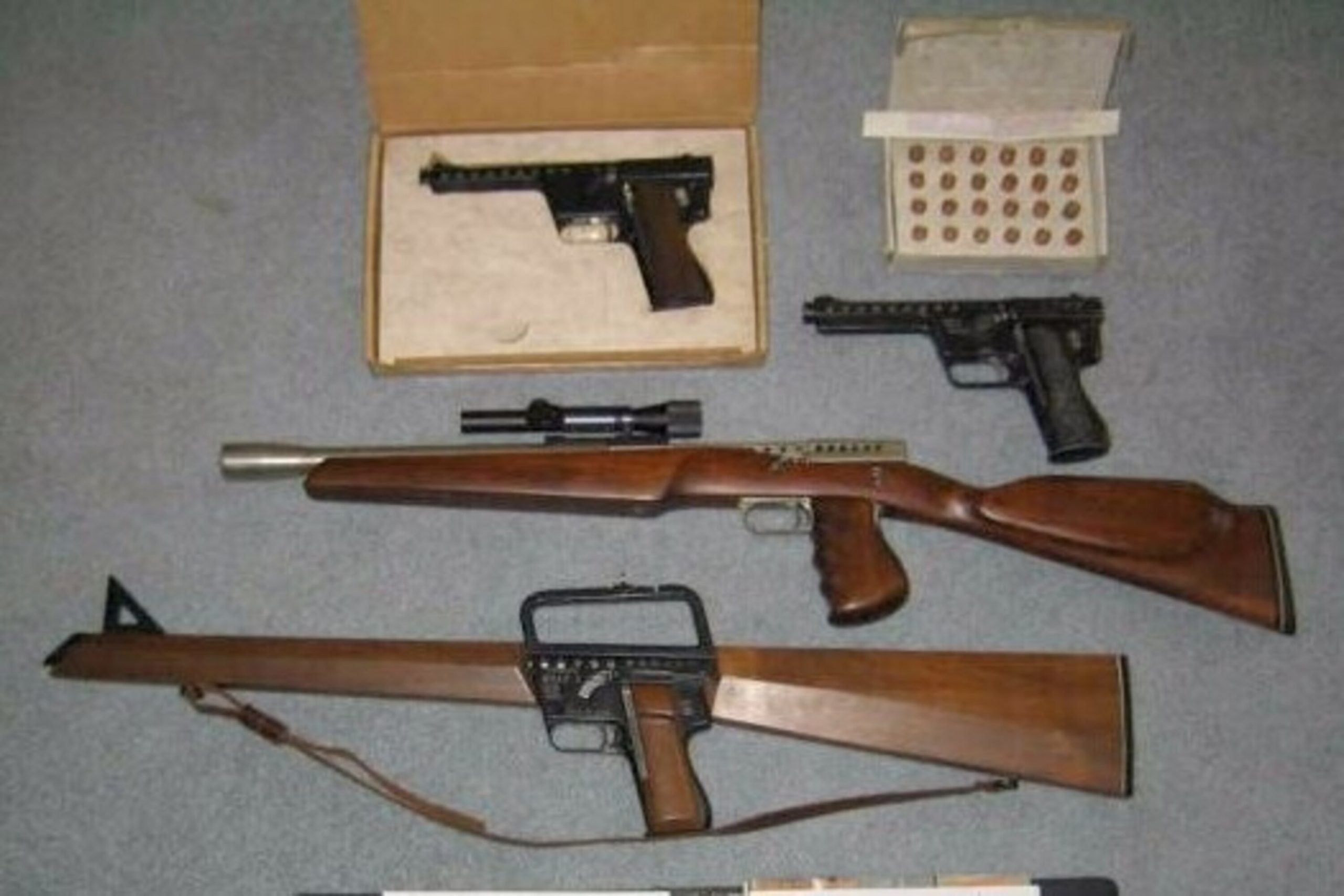
The Gyrojet pistol of the 1960s tried to replace a conventional bullet with a tiny rocket, using exhaust from the projectile itself to generate thrust. Its ammunition was unusual: the projectile accelerated after leaving the barrel rather than reaching its highest speed inside it. That created a surprising drawback for a handgun, because short-range velocity was low and accuracy could be inconsistent before the rocket stabilized. The system also depended on specialized ammunition that was expensive and difficult to source. Although the concept attracted attention, ordinary cartridge firearms remained more practical, predictable, and affordable for most users. The Gyrojet demonstrated that an innovative propulsion system does not automatically produce a successful everyday firearm.
9. Puckle Gun
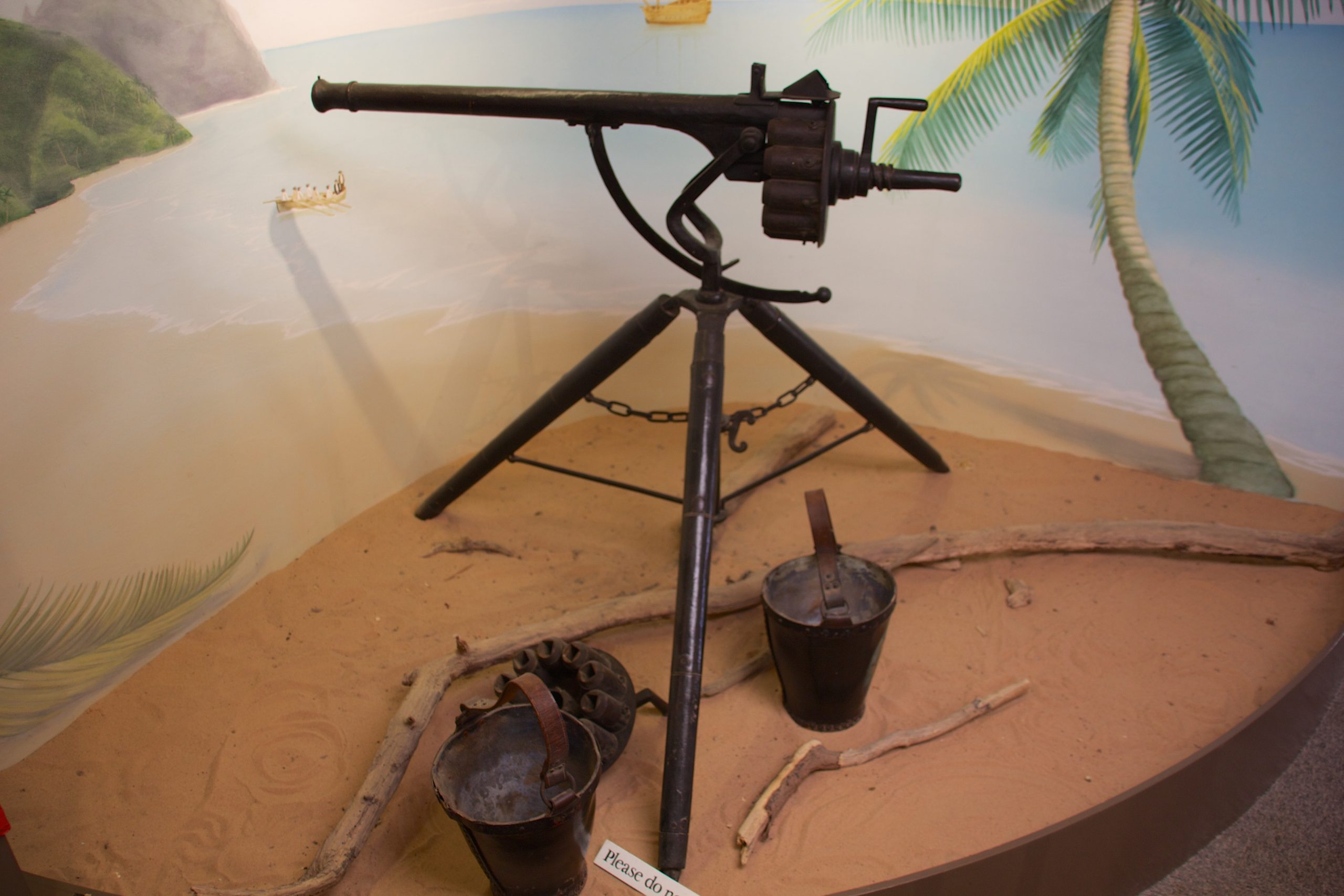
Patented in Britain in 1718, James Puckle’s gun used a rotating cylinder to present successive chambers to the barrel, an idea that anticipated later repeating firearms. Some proposed versions reflected the era’s prejudices. Despite its clever mechanism, the Puckle gun was expensive, mechanically complicated, and difficult to produce consistently with 18th-century manufacturing. It never became widely adopted by a major army. Its decline came before service trials could establish its value: its mechanism was ahead of the production methods and military support needed to turn an ingenious design into a dependable standard arm for ordinary troops. It remains an example of how an invention can be technically interesting without becoming a practical military success.
10. Spencer Repeating Rifle
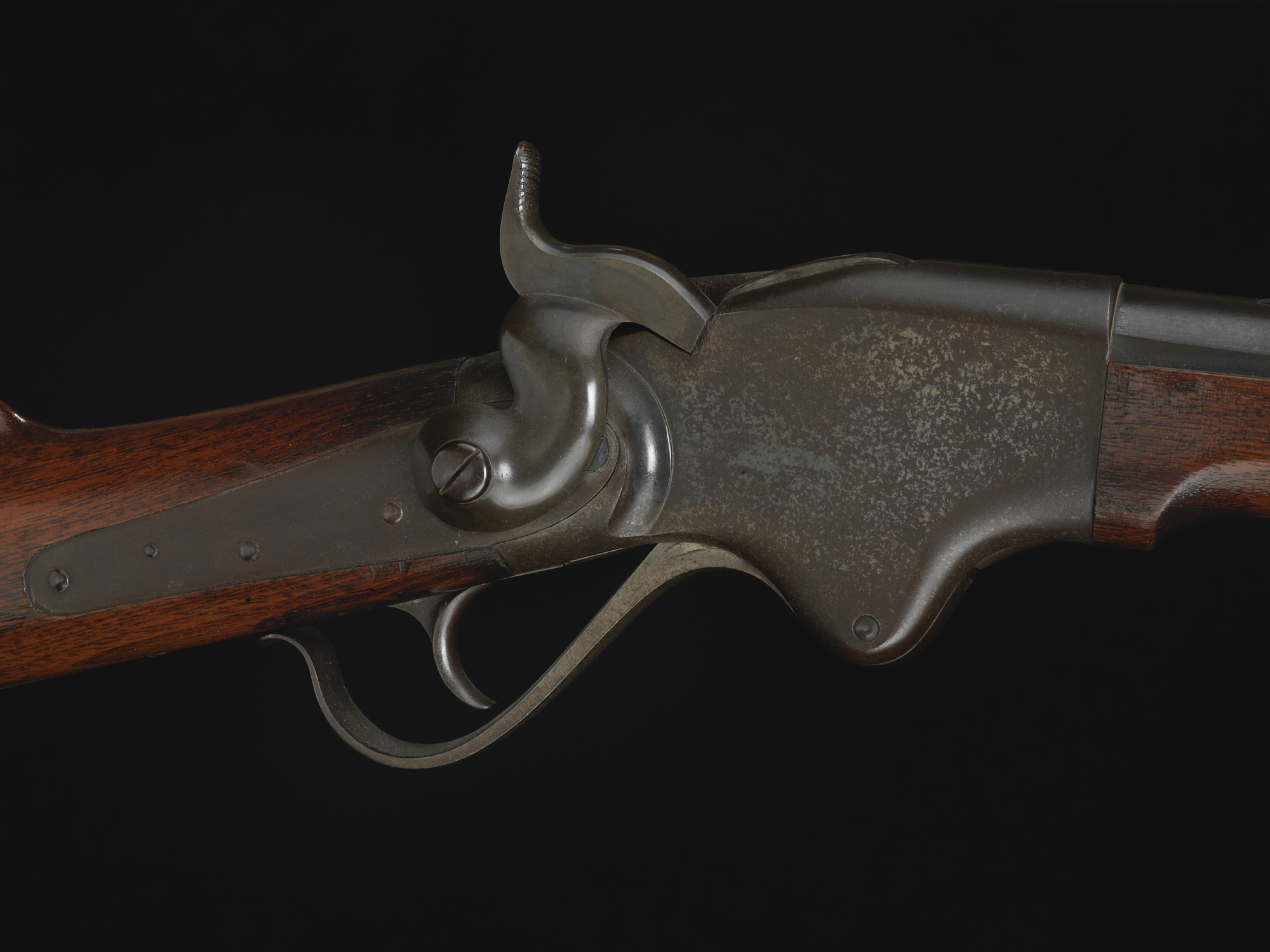
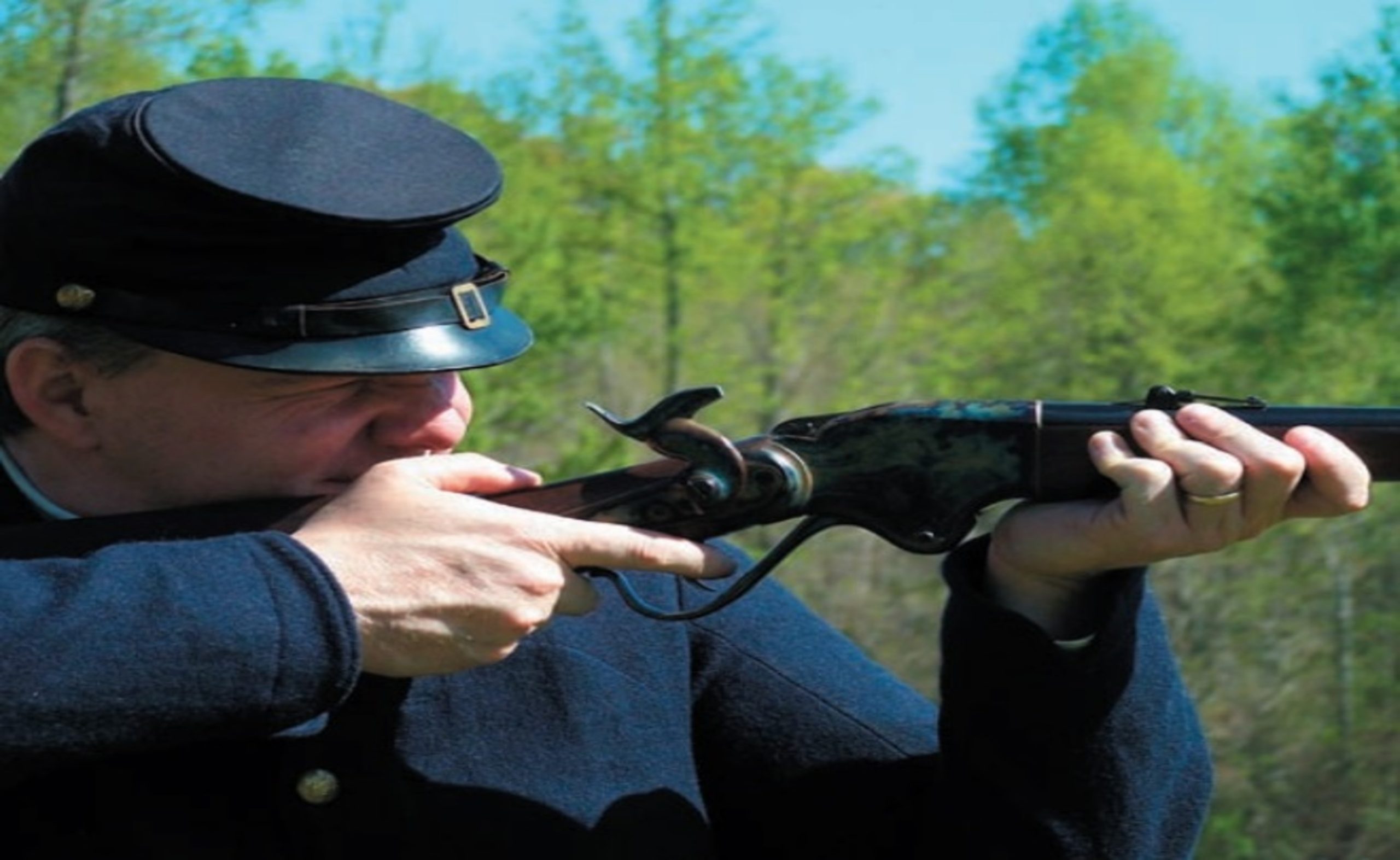
The Spencer repeating rifle gave Union troops a major advantage in the American Civil War by storing 7 rimfire cartridges in a tubular magazine inside the buttstock. Adopted during the war, it allowed faster follow-up shots than most muzzle-loading rifles. Yet its success did not guarantee a permanent place in service. After the war, armies increasingly favored metallic cartridges and newer bolt-action designs, while the Spencer’s ammunition and action competed with changing procurement priorities. Standardization and changing doctrine eventually pushed it aside. The rifle was not a failure; its timing made it a transitional technology in a period of rapid change. Its history shows how a firearm can be effective in one era yet lose favor as military needs evolve.