Upgrading a pistol can seem like an easy way to improve comfort, accuracy, or appearance, but not every aftermarket part delivers the expected results. Some accessories add unnecessary weight, while others introduce compatibility issues, increase maintenance demands, or interfere with a pistol’s original design. Even a well-reviewed upgrade may perform differently depending on the firearm model and the shooter’s experience. Understanding the possible drawbacks before spending money helps owners make informed decisions. These 11 popular upgrades illustrate why compatibility, reliability, and professional evaluation matter more than simply adding new features.
1. Aftermarket Trigger Kits
Aftermarket trigger kits attract shooters who want a lighter pull or a more defined break. However, changing factory components can affect consistency, safety margins, and reliability if the replacement parts are incompatible or poorly fitted. A trigger that feels smoother during a brief test may behave differently after extended use or exposure to dirt. Some modifications can also affect warranty coverage. Factory trigger weights vary by model, and there is no universal ideal measurement. Before replacing components, owners should consider the manufacturer’s specifications and have a qualified gunsmith evaluate any proposed changes.
2. Oversized Magazine Releases
An extended magazine release can make a pistol easier to operate for some hand sizes, but its larger surface may also create unintended problems. During normal handling, a release that protrudes too far can be pressed accidentally, allowing the magazine to loosen or fall free. This risk depends on the pistol’s design, grip technique, and clothing. Magazine releases also differ in shape and compatibility across models. A replacement that works well on one handgun may interfere with another. Owners should prioritize secure magazine retention and reliable operation rather than assuming a larger control automatically improves handling.
3. Heavy Weapon-Mounted Lights
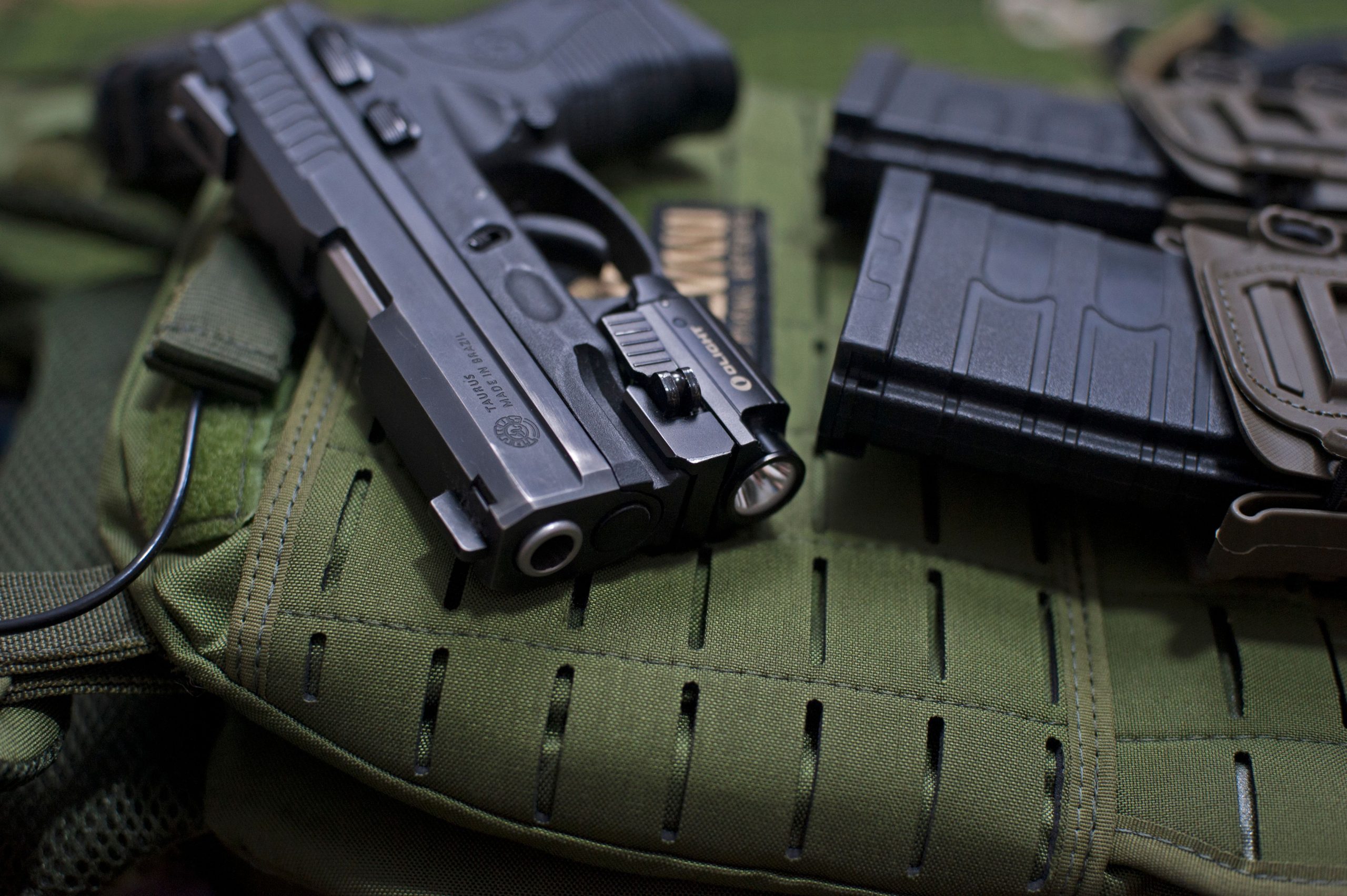
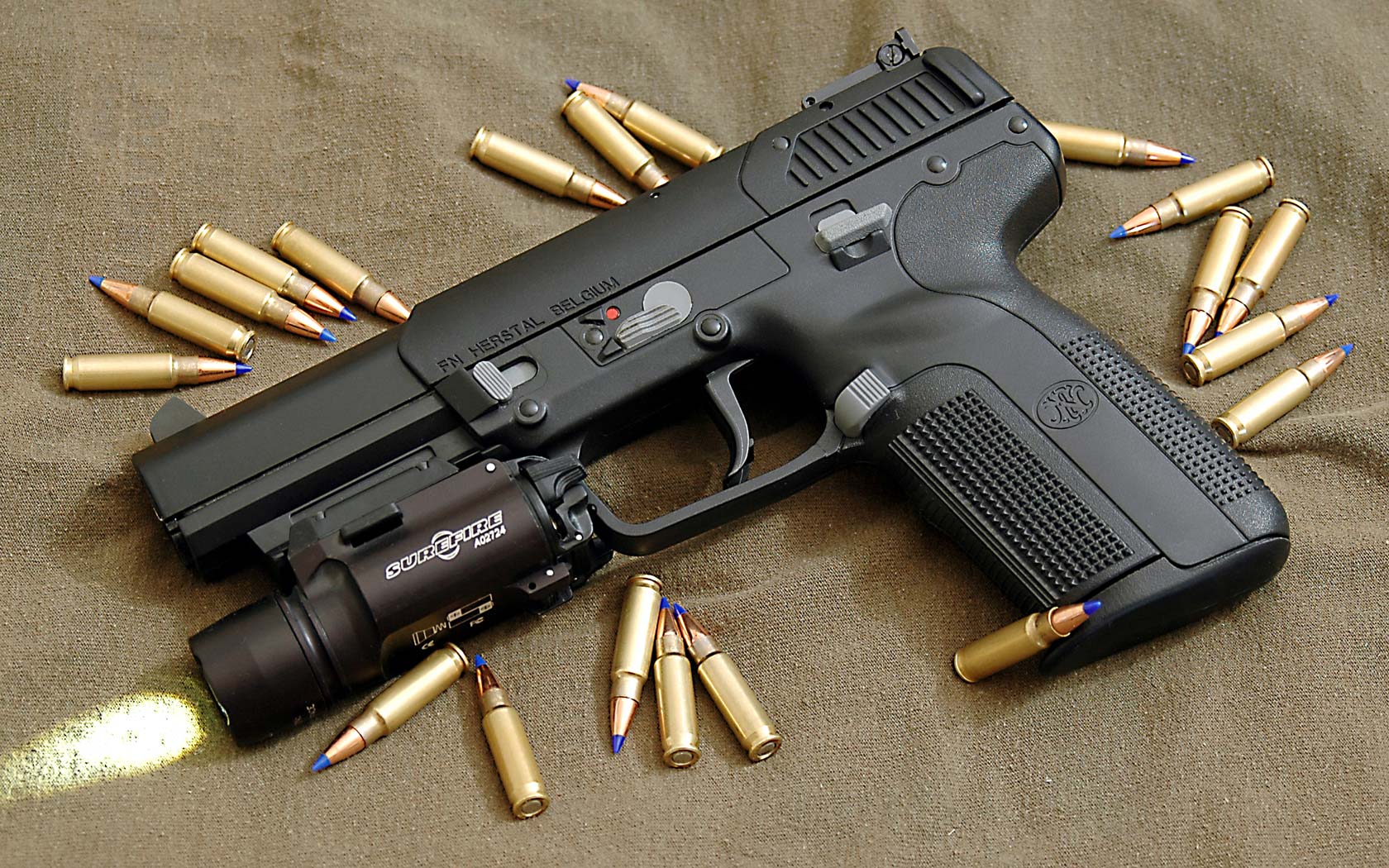
A weapon-mounted light can help identify objects in low-light environments, but adding one changes a pistol’s weight and balance. Depending on the model, a light may add several ounces to the front of the firearm, affecting how it feels during ordinary handling. Compatibility is another concern because rail dimensions, holsters, and light housings vary. Some combinations require dedicated holsters, adding to the overall expense. Batteries also need periodic replacement, and electronic components can fail. A light should be selected for a clearly defined need, with safe handling and dependable equipment taking priority over appearance.
4. Laser Aiming Devices
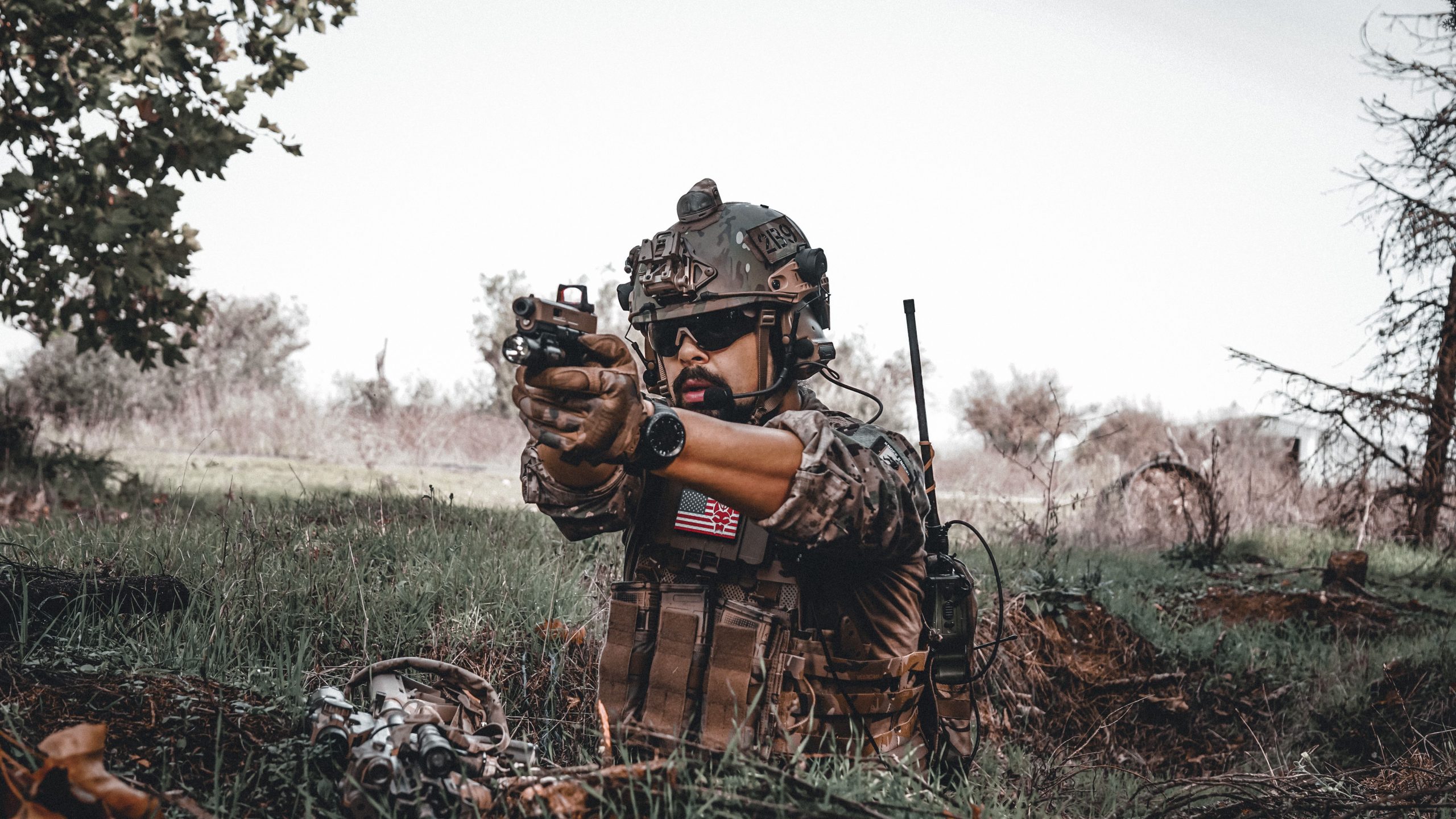
Laser sights provide a visible aiming reference, but they can create expectations that exceed their practical value. Bright sunlight may make a laser difficult to see, while reflective surfaces and certain backgrounds can complicate visibility. Battery condition, mounting stability, and alignment also influence performance. A laser does not replace understanding a pistol’s sights or confirming the target and its surroundings. Different models use different mounting systems, so compatibility must be checked carefully. Some owners may find that maintaining another electronic component adds more inconvenience than benefit, particularly when a simpler sighting system already meets their needs.
5. Extended Magazine Baseplates
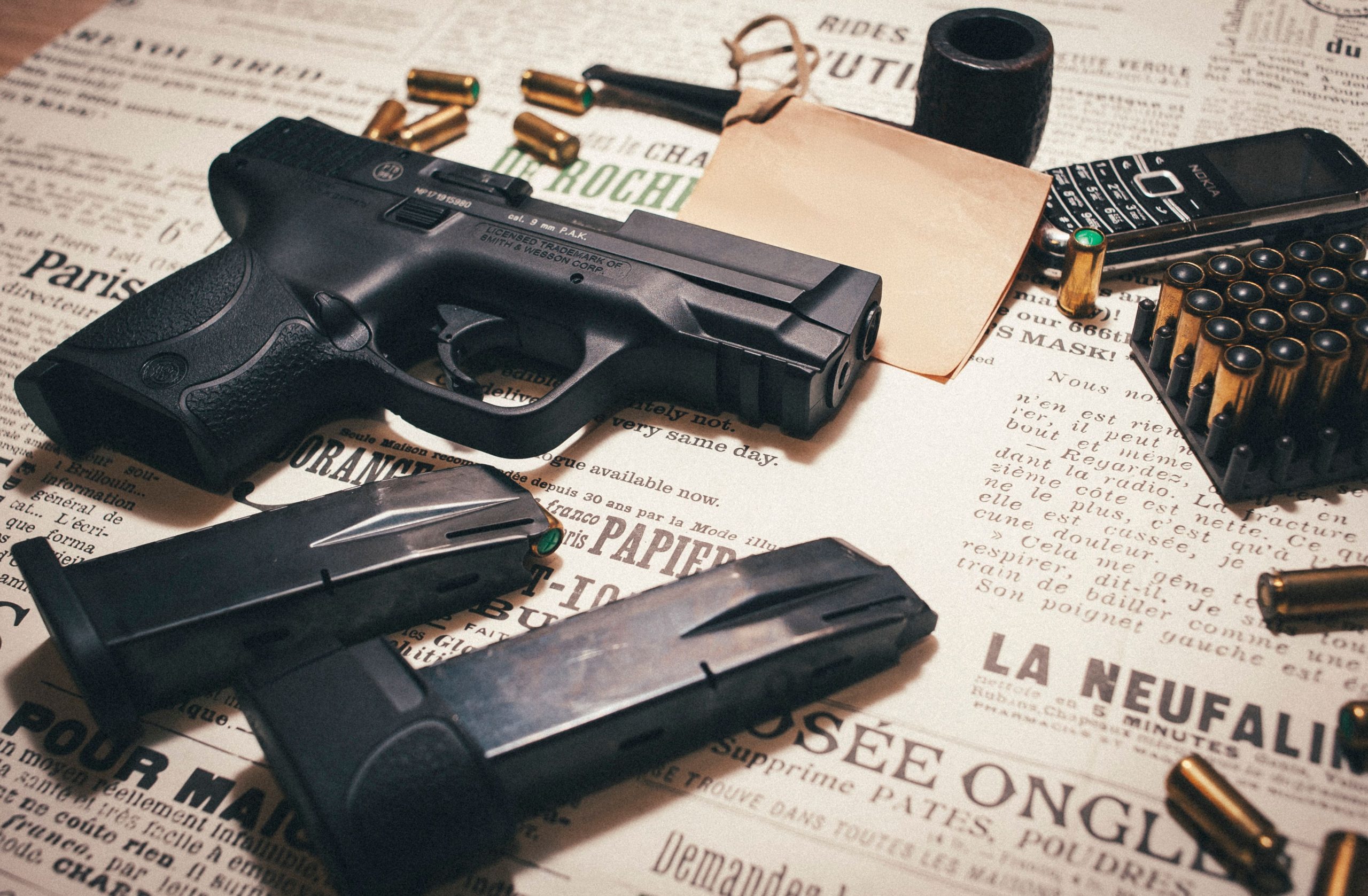
Extended baseplates can provide additional grip space or make a magazine easier to handle, but they may introduce compatibility and reliability concerns. A baseplate designed for one magazine family may not fit another, even when both magazines serve similar pistols. Added length can also make storage and holster arrangements less convenient. Certain aftermarket designs change the magazine’s overall dimensions, so owners should verify manufacturer approval and local legal requirements before purchasing them. The number of rounds a magazine holds depends on its specific design, not merely the baseplate’s appearance. Secure retention and dependable function remain essential considerations.
6. Aggressive Grip Textures

Aftermarket grip panels and stippling can improve purchase for some users, but excessively rough surfaces may create discomfort during extended sessions. Abrasive textures can irritate skin, snag clothing, or become uncomfortable when the pistol is carried close to the body. Grip panels may also alter dimensions enough to affect fit for smaller hands. Results depend on the material, texture pattern, and individual preferences. A surface that feels secure during a short demonstration may become unpleasant over 100 rounds or more. Owners should assess comfort, control, and safe handling together instead of assuming the roughest available texture provides the best overall experience.
7. Compensators and Muzzle Devices

Pistol compensators redirect expanding gases to influence muzzle movement, but they also add length, weight, and mechanical complexity. Not every handgun is designed to accommodate these devices, and compatibility can depend on the barrel, ammunition, and manufacturer specifications. Some combinations may experience reliability problems, while added noise and gas near the shooter can make the experience less comfortable. Compensators can also require a different holster or other equipment. Their practical value varies considerably by firearm and intended use. Before purchasing one, owners should review approved configurations and consult a qualified gunsmith rather than assuming every threaded barrel supports every device.
8. Aftermarket Slide Cuts
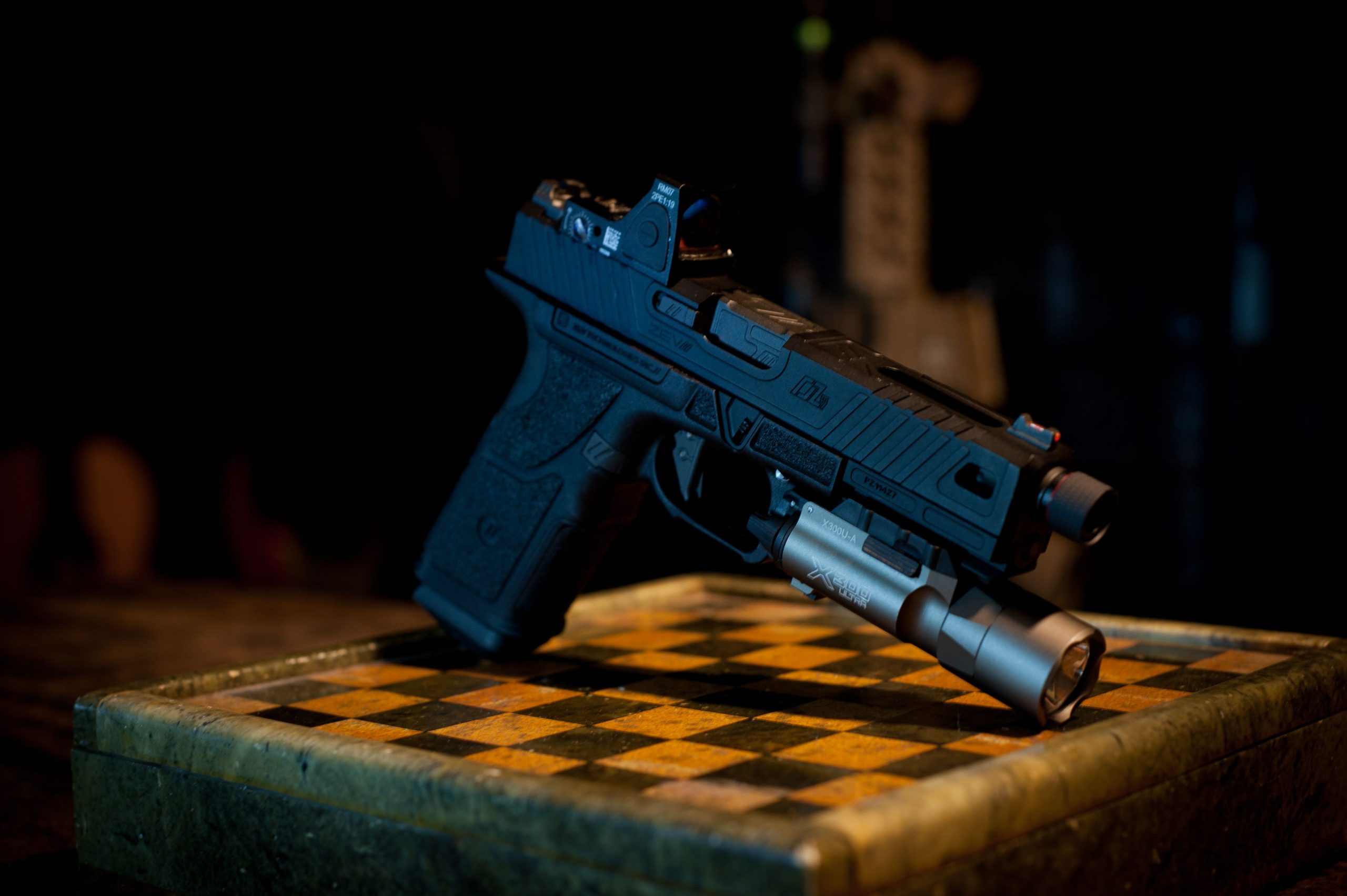
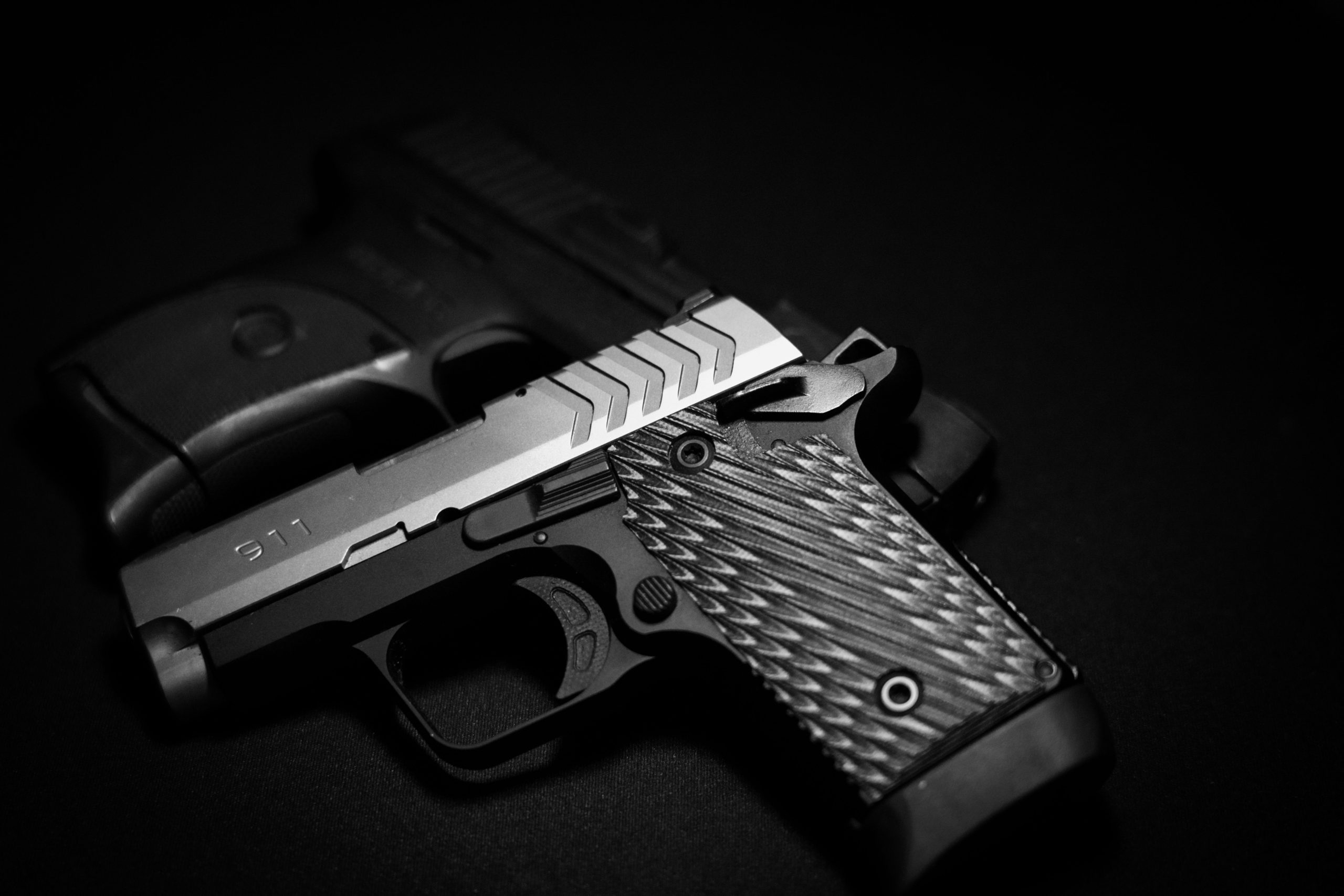
Decorative slide cuts and windows can give a pistol a distinctive appearance, but removing material changes the slide from its original factory configuration. The consequences depend on the cut’s location, depth, and the firearm’s design. Poorly executed machining can compromise component strength, introduce sharp edges, or affect long-term durability. Openings may also expose internal surfaces to additional debris and moisture. Some manufacturers may decline warranty coverage for damage associated with unauthorized alterations. Since slides are critical operating components, cosmetic appeal alone is not a sufficient reason to modify them. Owners should consider manufacturer-approved options and professional inspection before making permanent changes.
9. Oversized Slide Stops

An extended slide stop can make a control easier to reach, but a larger lever may create unintended contact during normal handling. Depending on the pistol’s design and the user’s grip, contact with the lever can affect whether the slide remains locked open after the last round. The opposite problem can occur when the control is difficult to reach comfortably. Aftermarket parts also differ in dimensions, materials, and fit, so appearance does not guarantee compatibility. Factory controls are generally designed around the specific firearm’s operating system. Before changing a slide stop, owners should weigh ergonomic benefits against the possibility of inconsistent operation and seek qualified guidance.
10. Nonstandard Recoil Springs
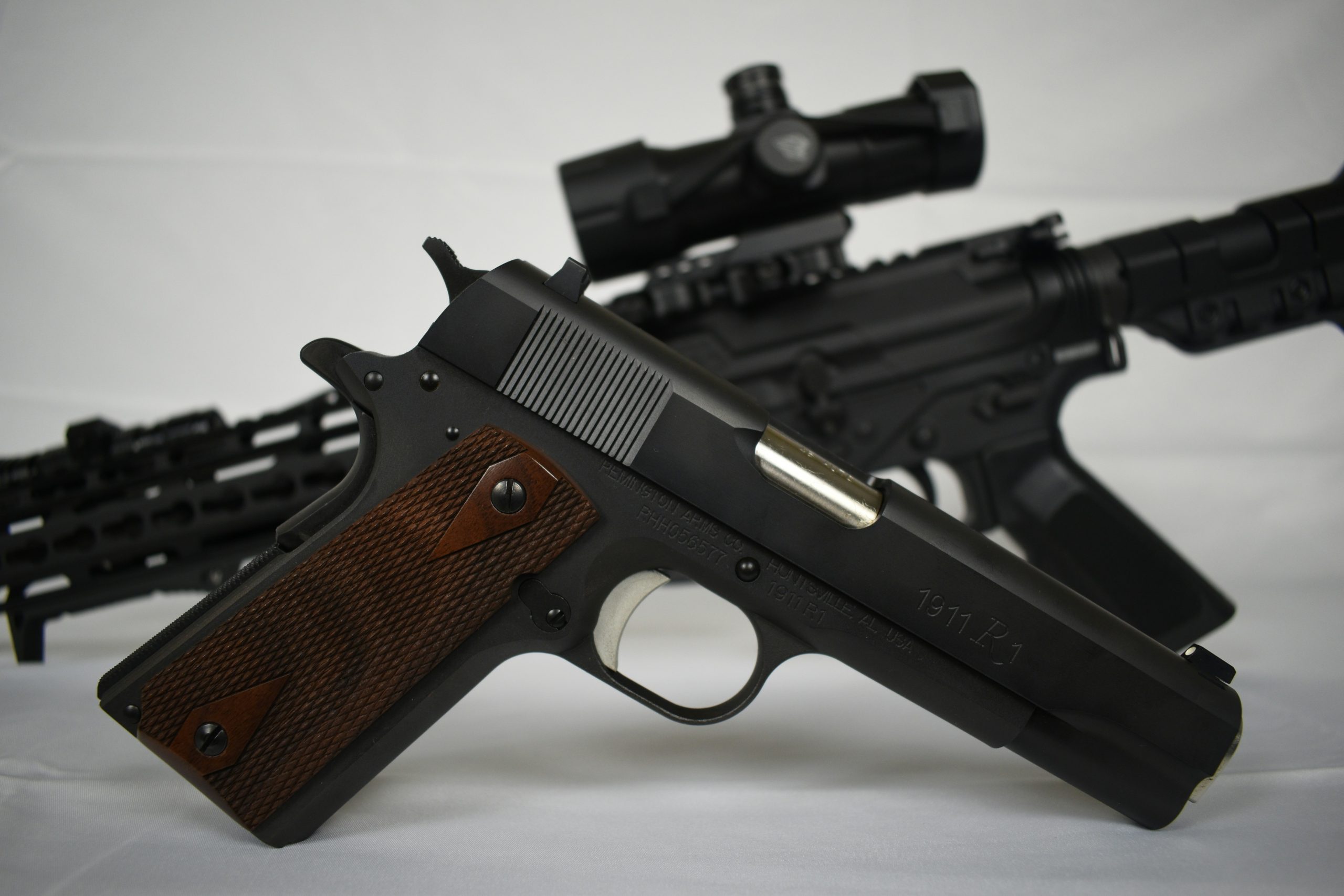
Recoil springs help manage a pistol’s cycling, but replacing factory springs with nonstandard alternatives can introduce unpredictable behavior. Spring specifications are matched to the firearm’s operating system, and changes may affect feeding, extraction, or the slide’s movement. A spring advertised as a performance upgrade is not automatically suitable for every ammunition type or pistol variant. Spring condition also changes with use, making maintenance history relevant when assessing performance. There is no single spring weight that works best across all handguns. Owners should follow the manufacturer’s replacement guidance and avoid unapproved combinations that could compromise reliable operation or complicate troubleshooting.
11. Decorative Slide Covers and Custom Finishes
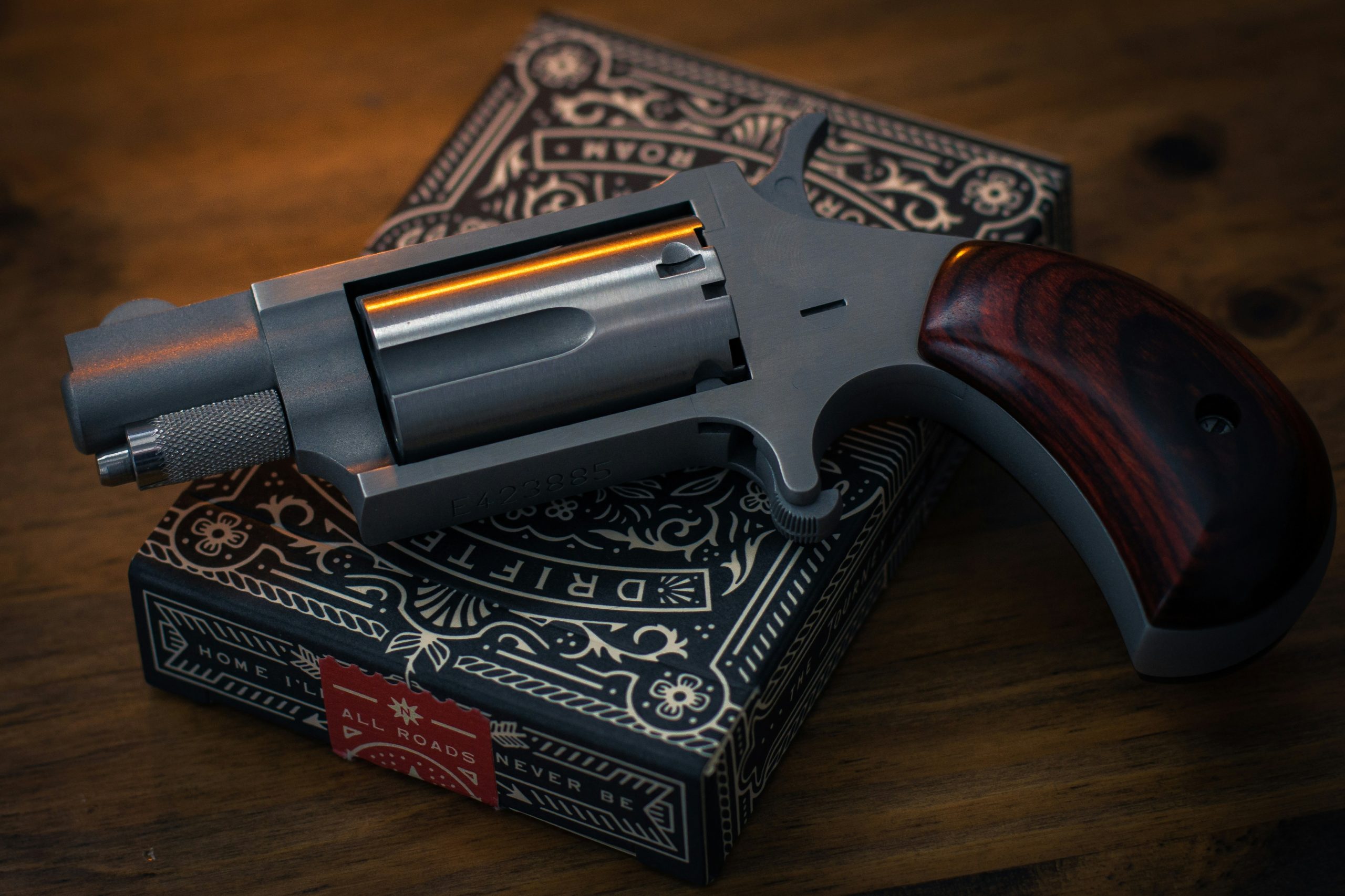
Custom finishes, colored coatings, and decorative slide covers can personalize a pistol, but poor material selection or workmanship may create practical drawbacks. Coatings that are too thick in critical areas can interfere with component fit, while low-quality finishes may wear, peel, or corrode. Some decorative covers also add bulk or obstruct controls, depending on their design. A finish advertised as scratch-resistant is not necessarily resistant to chemicals, moisture, or repeated friction. Costs can rise when specialized preparation and refinishing are required. Owners should distinguish cosmetic treatments from functional upgrades and choose reputable providers who understand the firearm’s tolerances and manufacturer requirements.