Firearms are often designed to solve a specific problem, whether it is improving accuracy, increasing firing speed, or making a weapon easier to carry. However, some designs eventually found uses their inventors could never have fully anticipated. A military rifle became a cultural icon, a service pistol attracted generations of collectors, and repeating mechanisms helped reshape the future of firearms. These unexpected developments reveal how changing technology, battlefield demands, civilian interests, and popular culture can give a weapon a life far beyond its original purpose.
1. Colt Single Action Army: From Service Revolver to Cultural Icon
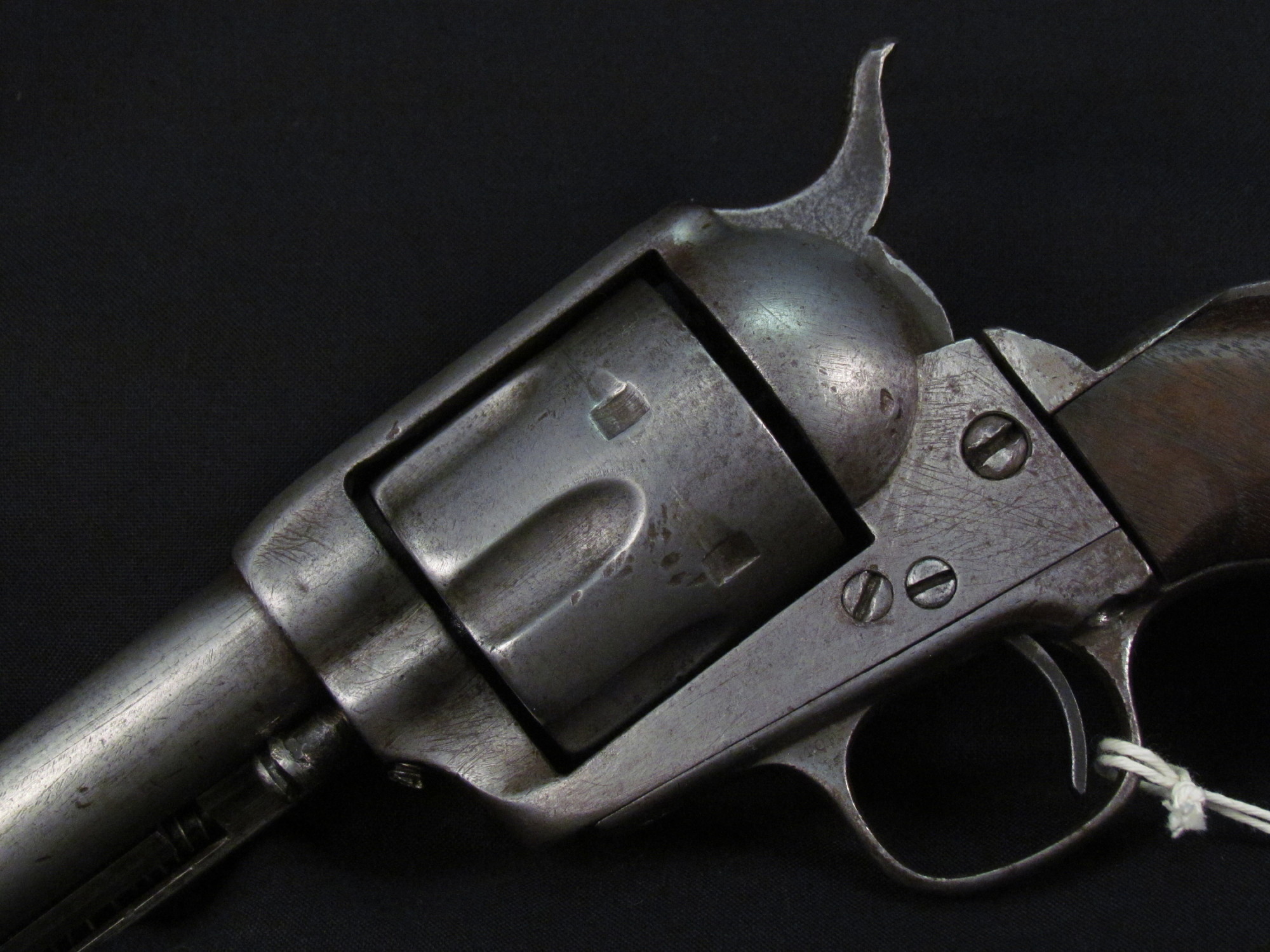
Introduced in 1873, the Colt Single Action Army was developed as a practical revolver for military service. Its six-round cylinder and metallic cartridges suited an era when dependable sidearms mattered to soldiers and civilians alike. Over time, the revolver became closely associated with frontier law enforcement, ranch work, and the American West. Its popularity later expanded through films, television, and collecting. That cultural influence was difficult to predict when the US Army adopted it. A service weapon became a lasting historical symbol, demonstrating that a firearm’s legacy can depend as much on popular culture as on its original purpose.
2. Spencer Repeating Rifle: Changing the Expectations of Infantry
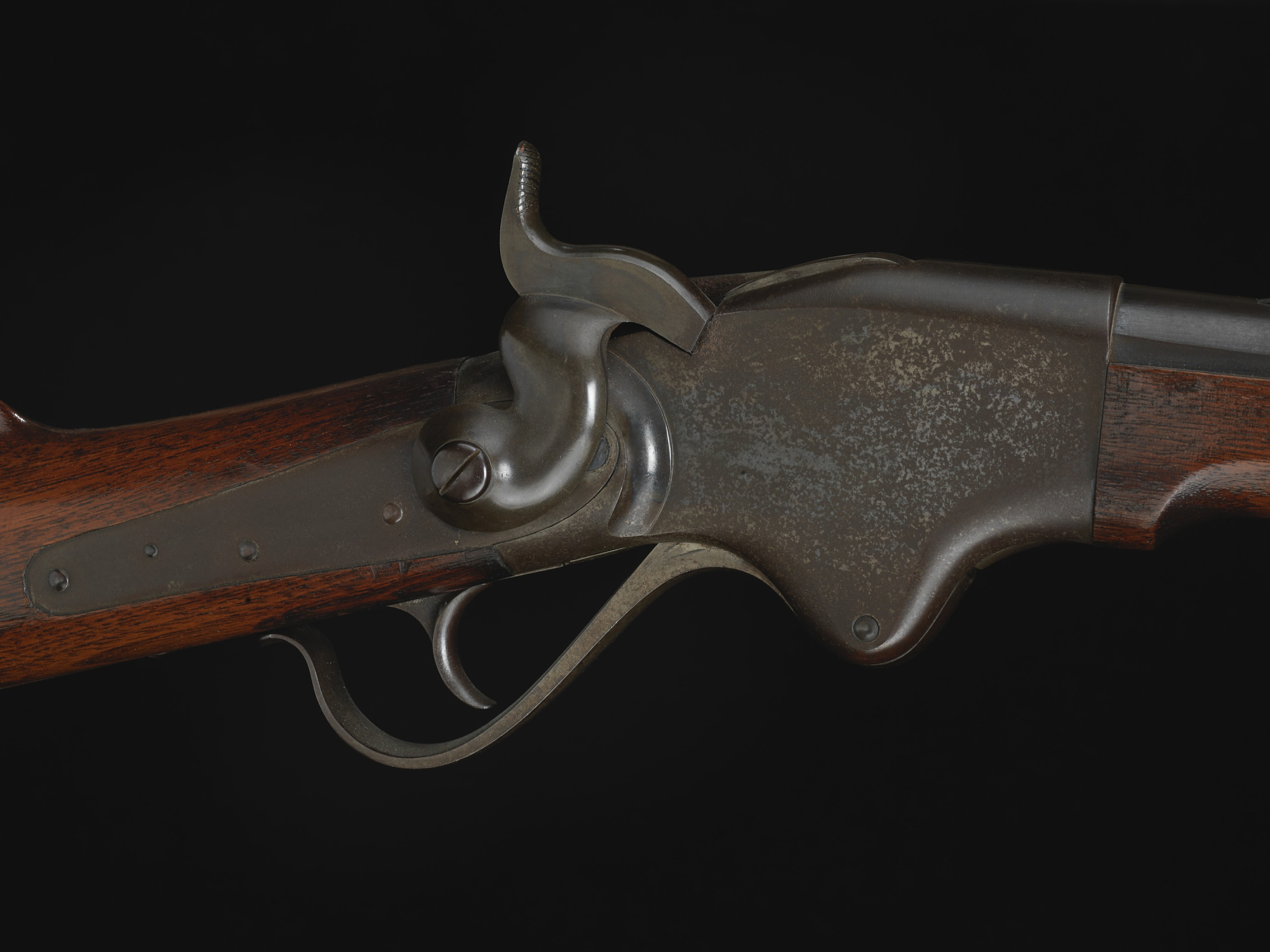
The Spencer repeating rifle was created to give soldiers several shots before reloading, a significant advantage over single-shot muzzle-loaders. Patented in 1860, it used a seven-cartridge tubular magazine inside the buttstock and saw service during the American Civil War. Its wider contribution was not simply faster firing; it showed how repeating weapons could change combat expectations and force commanders to reconsider ammunition supplies and battlefield tactics. The rifle also exposed a lasting challenge: additional shots were valuable only when armies could provide enough cartridges. Its influence extended beyond its own service years, helping demonstrate the potential of repeating firearms in military operations.
3. M1 Garand: Making Semi-Automatic Fire an Infantry Standard
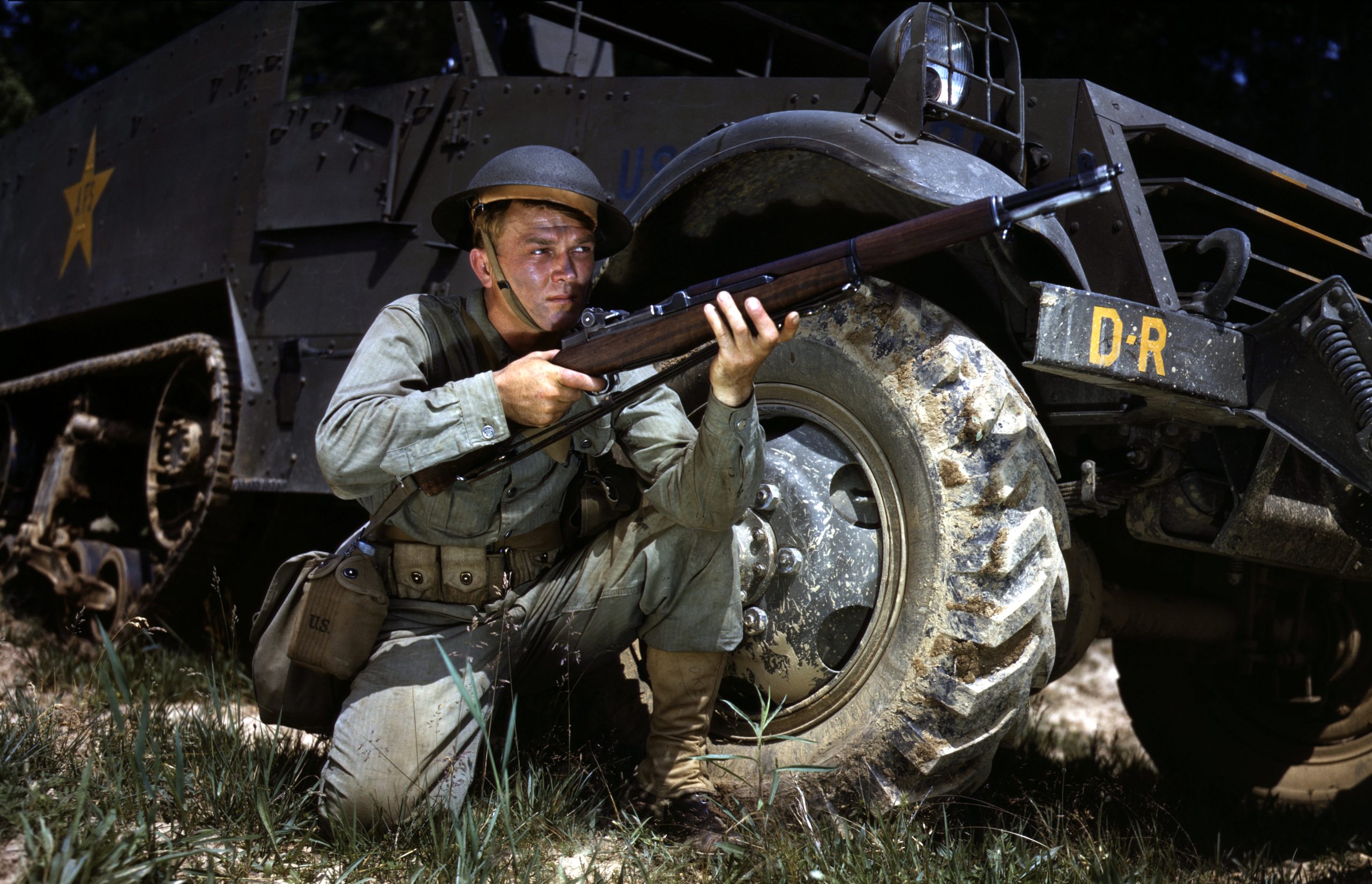
Adopted by the US Army in 1936, the M1 Garand gave infantry a semi-automatic service rifle that fired with each trigger pull without requiring the shooter to cycle the action manually. Its eight-round en-bloc clip helped soldiers maintain fire under pressure, and millions were produced during World War II. The unexpected impact was organizational as well as mechanical: quicker follow-up shots changed battlefield expectations and training. General George S. Patton famously praised the rifle, reflecting its reputation among American military leaders. The M1 Garand demonstrated how improvements to individual equipment could influence the effectiveness and fighting methods of an entire army.
4. Browning Auto-5: A Sporting Shotgun With a Lasting Legacy
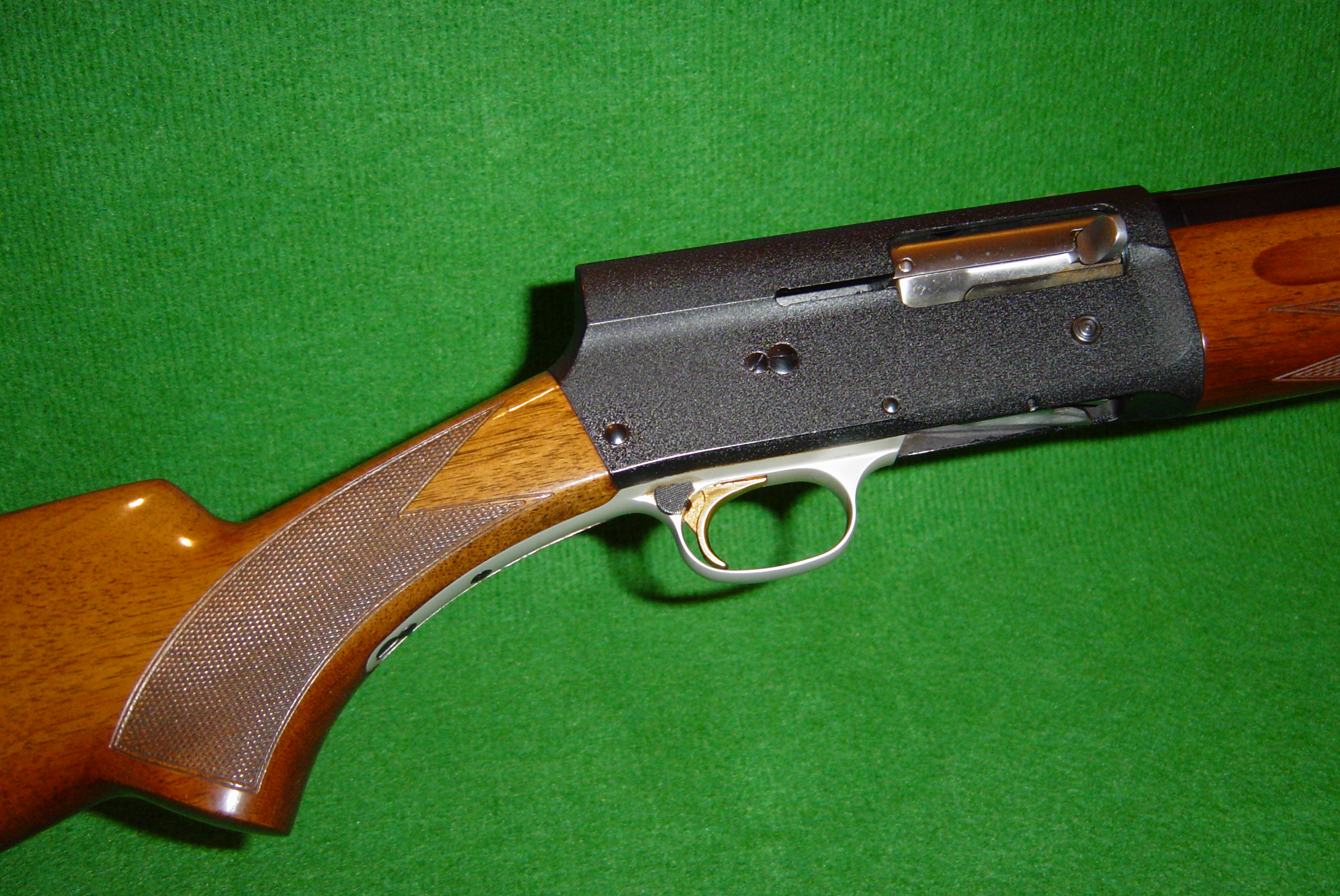
John Moses Browning’s Auto-5, introduced commercially in 1903, became one of the first commercially successful semi-automatic shotguns. Its long-recoil action used the movement of the barrel and bolt to cycle the next shell, reducing the need for manual reloading between shots. Hunters valued its repeating capability, and sporting users adopted it for a wide range of applications. Production continued for decades, establishing the Auto-5 as a landmark in shotgun history. Browning’s achievement showed that a mechanism designed to make shooting more convenient could also shape sporting traditions and influence later shotgun designs. Its distinctive humpback receiver remains recognizable to collectors today.
5. M1911: A Military Pistol That Outlived Its Original Role
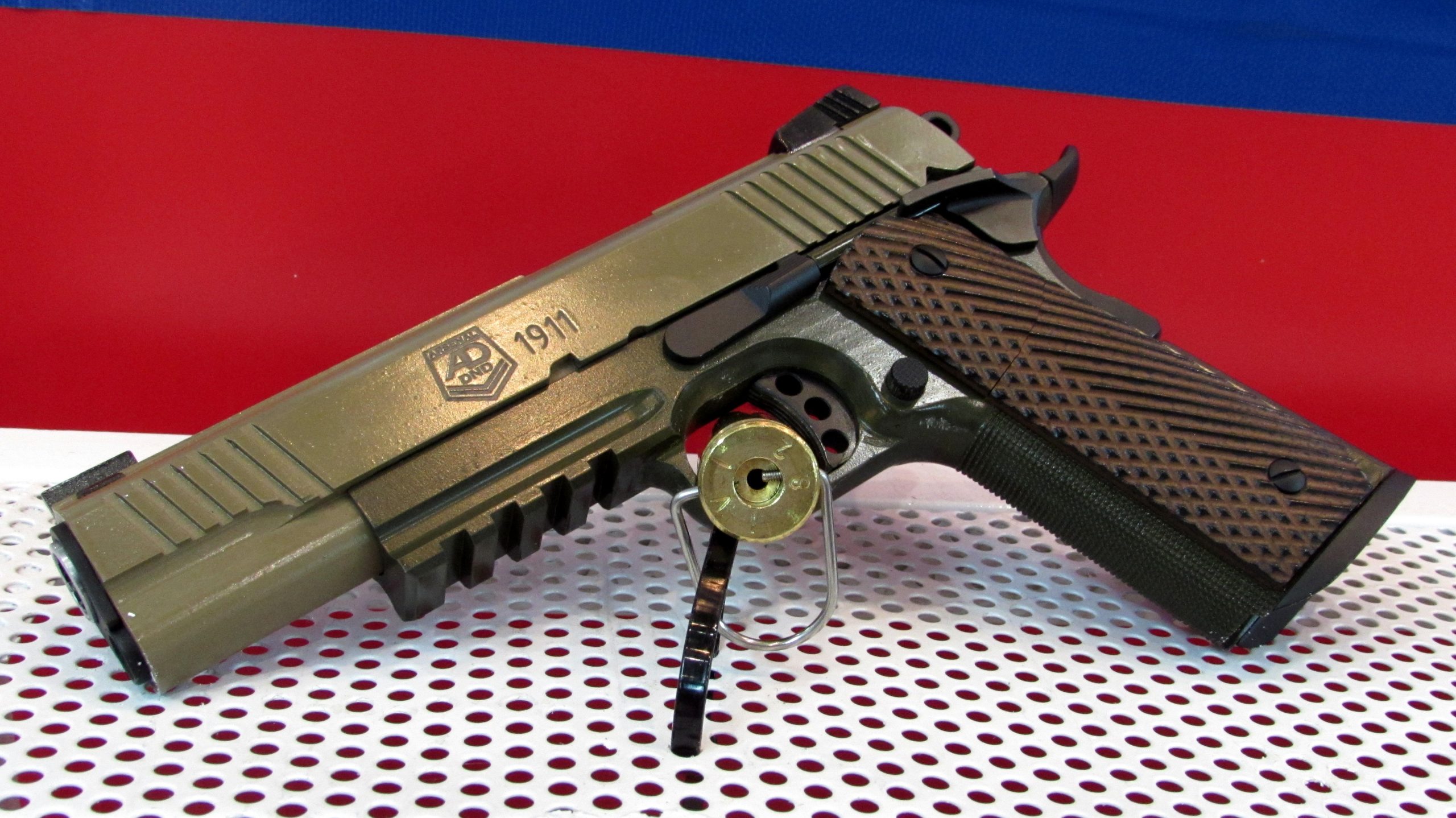
Adopted by the US military in 1911, John Browning’s M1911 was designed to provide a dependable semi-automatic sidearm. Chambered in .45 ACP, the original model used a seven-round magazine and served through major conflicts before the Beretta M9 replaced it as the standard US service pistol in 1985. Yet retirement did not end its usefulness. Competitive shooters, collectors, and civilian owners continued to value its ergonomics, trigger characteristics, and extensive aftermarket support. Its long afterlife illustrates how a military design can become a platform for sport, customization, and historical interest. Few service pistols have maintained such a recognizable place in firearms culture.
6. Gatling Gun: A Step Toward Mechanized Firepower
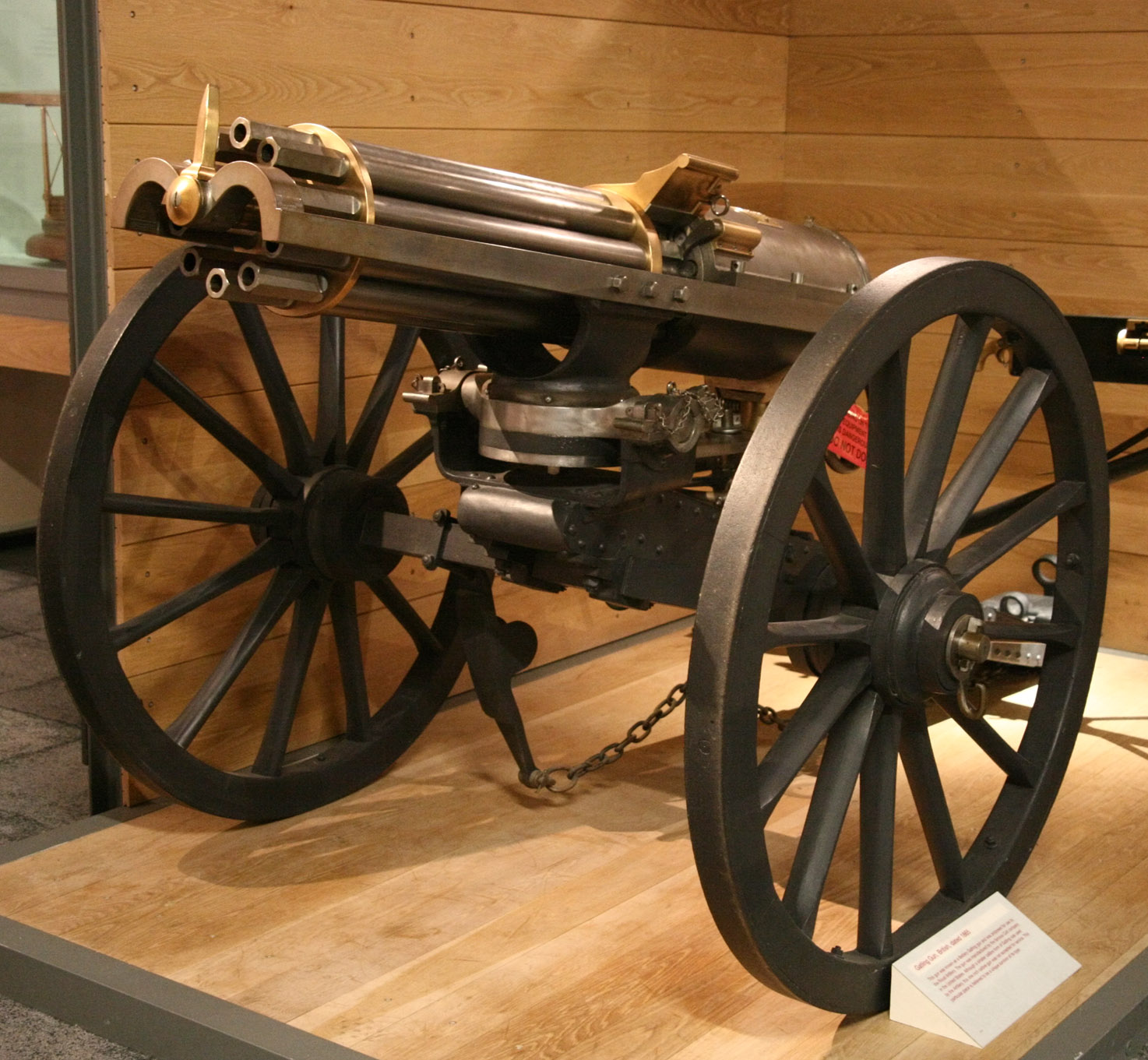
Patented by Richard Gatling in 1862, the Gatling gun used multiple rotating barrels and a hand crank to fire cartridges in succession. It aimed to increase firepower while reducing the number of soldiers needed to deliver it, and later models served with several armed forces. Its deeper legacy emerged after its own era: the rotating-barrel concept demonstrated the potential of sustained fire and helped shape thinking about machine guns. When recoil-operated weapons such as the Maxim became practical, the hand-cranked Gatling lost its main advantage. Nevertheless, its design represents an important stage in the development of mechanized firepower and modern automatic weapons.
7. AK-47: A Military Rifle With Global Cultural Influence

Adopted by the Soviet Union in 1949, the AK-47 was designed around a practical goal: an automatic rifle that could be produced in large numbers and remain dependable under demanding conditions. Its 7.62×39 mm cartridge and relatively simple operating system helped it spread through military aid, licensed production, and later conflicts. Its worldwide reach eventually extended far beyond its original national requirements. The rifle appeared in revolutionary movements, popular imagery, and even Mozambique’s national flag. This symbolic role grew from its widespread distribution and association with struggles for independence and political identity. Its history shows how military equipment can acquire meanings its designers never intended.
8. AR-15: From Military Development to Civilian Platform
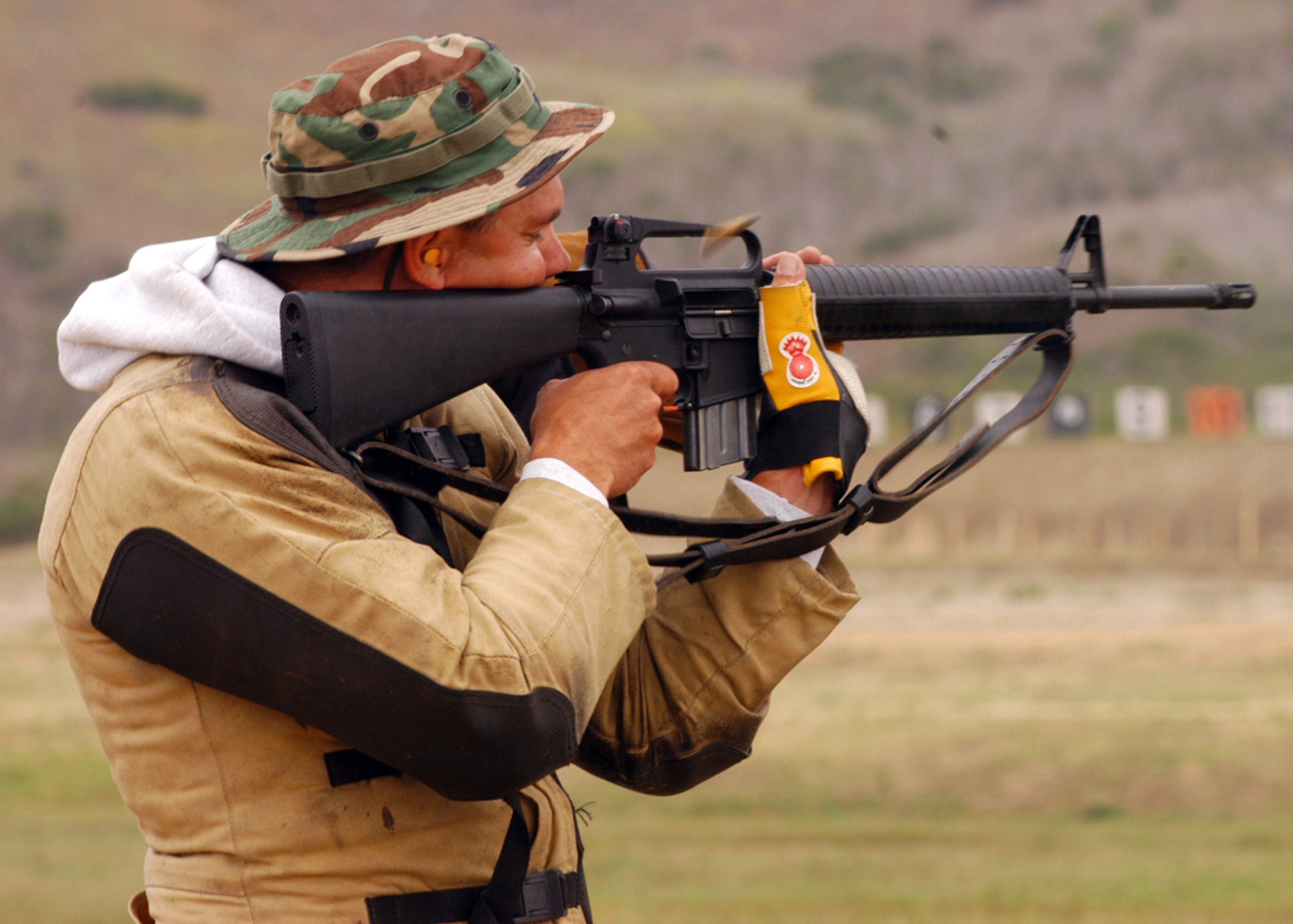
Eugene Stoner’s AR-15 emerged in the late 1950s as a lightweight rifle using small-caliber, high-velocity ammunition and a distinctive gas-operated system. The US military adopted a military version as the M16 during the Vietnam era. Early ammunition and maintenance problems damaged the rifle’s reputation, but subsequent improvements addressed important reliability concerns. Later, the AR-15 pattern became widely used in civilian sporting, competition, and training contexts. Its modular layout encouraged a large market for compatible parts and accessories. A design developed to meet military requirements consequently became a major civilian firearm platform and a continuing subject of public discussion.
9. Spencer Carbine: Repeating Fire for Mounted Troops
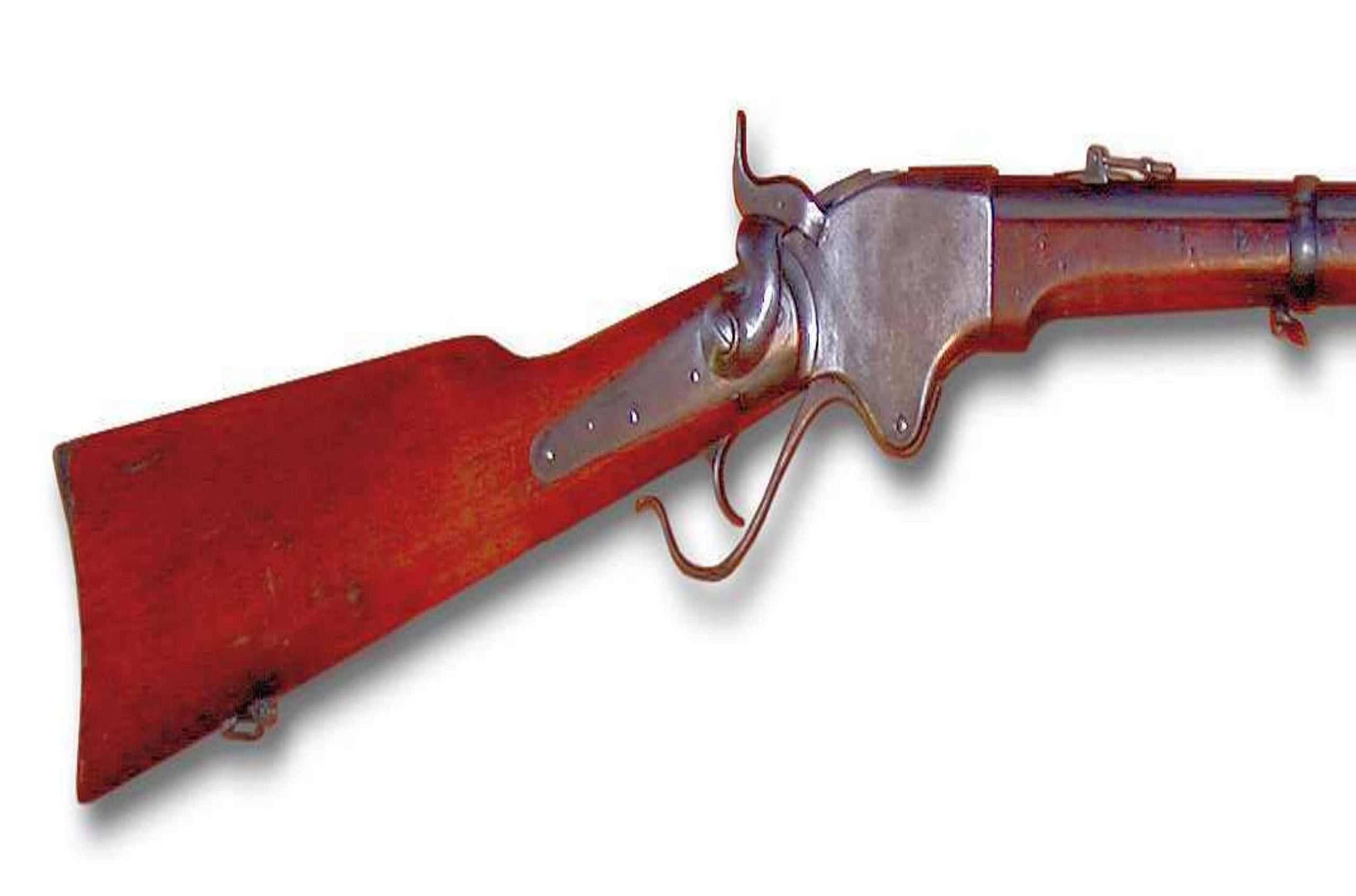
The Spencer carbine was a shorter version of the Spencer repeating rifle, intended for troops who needed a manageable firearm while mounted or moving quickly. Introduced during the American Civil War, it retained a seven-round magazine in the stock and allowed faster follow-up shots than many contemporary single-shot carbines. Union cavalry units used it in combat, demonstrating that repeating fire could benefit mobile troops as well as infantry. Its impact extended beyond its service life: later armies increasingly valued compact firearms for soldiers who could not easily carry a full-length rifle. The Spencer carbine helped illustrate the potential of repeating weapons in mobile military operations.
10. Flare Gun: A Firearm Design Adapted for Emergency Signaling
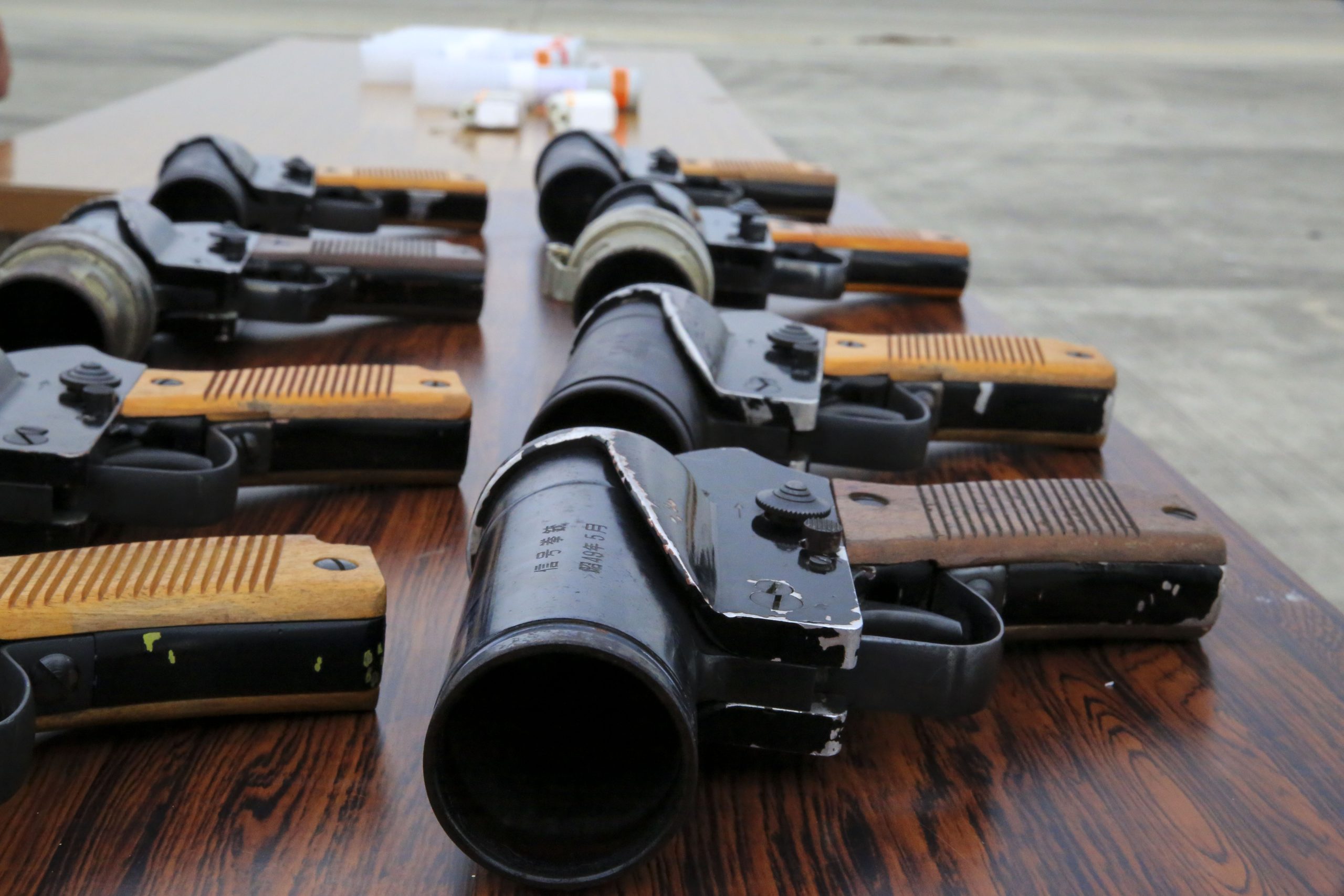
Flare guns were developed to launch bright signals rather than conventional bullets, giving them a purpose distinct from ordinary firearms. Maritime crews used them to signal distress or communicate over distance, while aircraft and ground teams adopted pyrotechnic signals for emergencies and coordination. A flare can be visible when voices, radios, or ordinary lights fail, although its effectiveness depends on weather, visibility, and the type of signal used. This role illustrates an unexpected path for firearm-related technology: a handheld launching device became an important piece of emergency equipment. Its value rests not in hitting a target, but in making a person or location visible when help is needed.