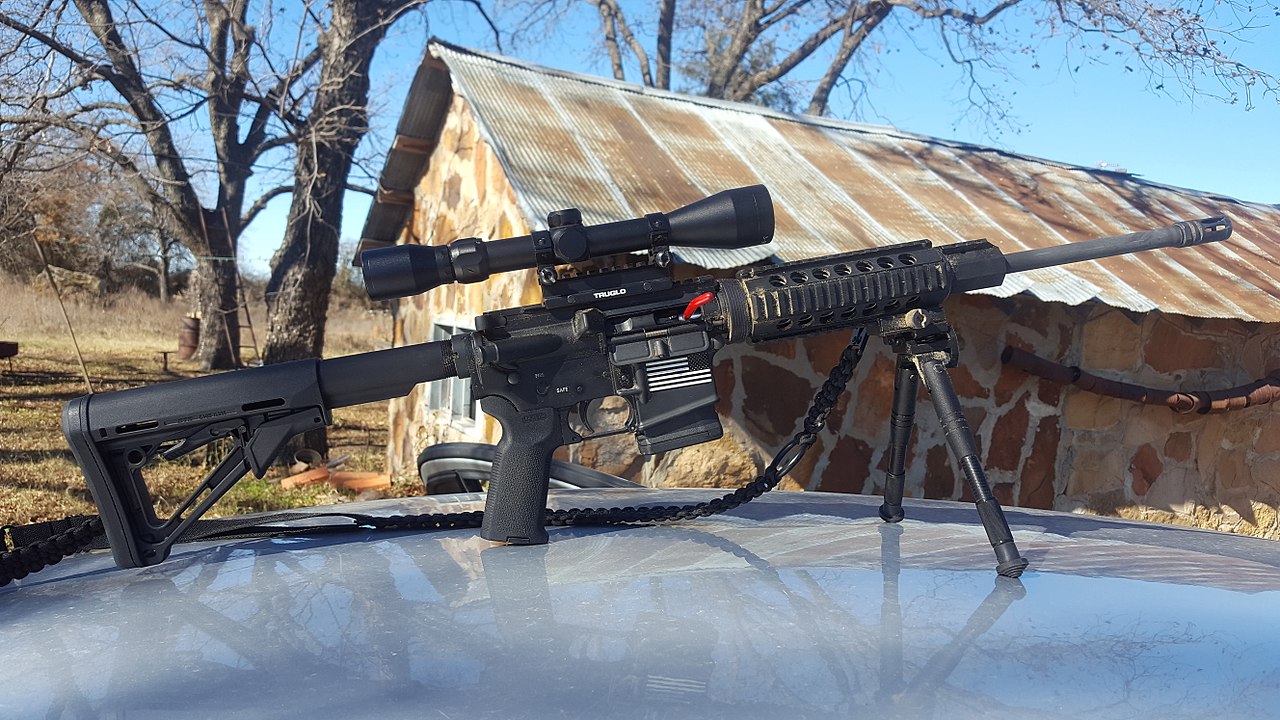
Shotgun history is filled with mechanisms that looked promising on paper but disappeared before they could establish themselves. Designers experimented with pumps, sliding barrels, unusual cocking systems, and even radically different operating principles. Some were defeated by ammunition changes, others by awkward handling, manufacturing costs,s or simply better ideas arriving at the right time. These six examples reveal how quickly a clever shotgun action could move from patent drawings to historical footnotes.
1. Winchester Model 1893
The Winchester Model 1893 pump was an early attempt to make repeating shotgun handling practical, but its action arrived at the wrong moment. John Browning’s design reached the market in 1893, yet its open-top receiver was not suited to the pressures of smokeless ammunition. Winchester soon replaced it with the stronger Model 1897. The 189model 3 therefore had only about 4 years to prove itself before its successor became the lasting pump-action pattern.
2. Spencer-Roper
Christopher Spencer and Sylvester Roper developed their pump concept during the 1880s, with Roper receiving a patent in 1882. The resulting shotgun proved that a manually cycled repeater could work, but its substantial weight and awkward operation limited its appeal. Better-balanced pumps soon appeared and pushed it aside. Within roughly 8 years, the Spencer-Roper concept had lost its commercial momentum, despite its importance as an early experiment in repeating shotgun design.
3. Browning’s Toggle-Link Experiment
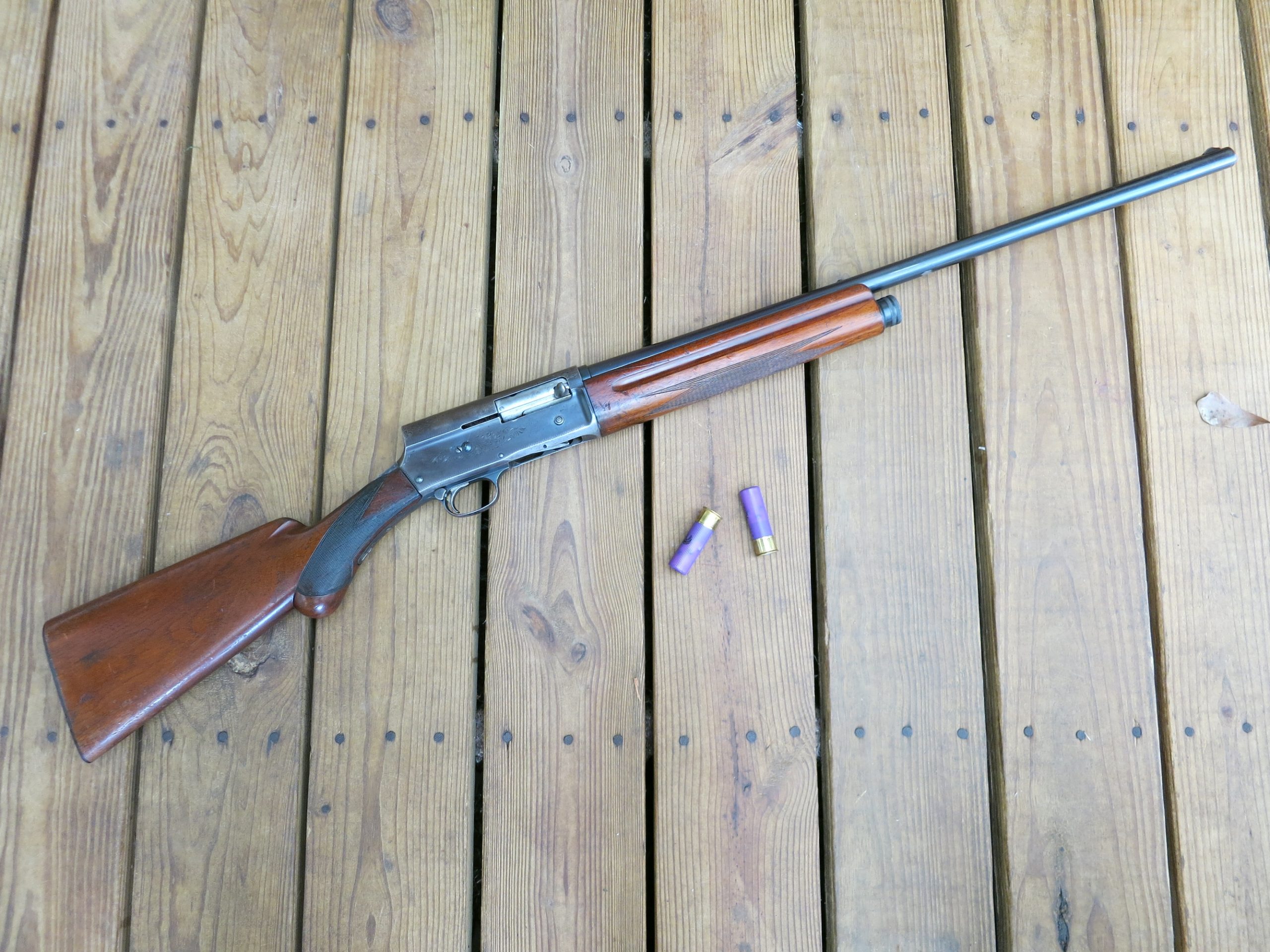
John Browning briefly explored a toggle-link operating mechanism before developing the system that became the Auto-5. The experimental concept was patented around 1899, but testing exposed practical problems, and Browning moved away from it while pursuing a better solution. Within about 2 years, his attention had shifted decisively toward long recoil. Its short development life shows how quickly an inventor could abandon a patented mechanism when reliability and mechanical efficiency favored another approach.
4. Evans Sliding-Barrel Shotgun

Caleb S. Evans patented a sliding-barrel shotgun in 1901, using an unusual arrangement in which the barrels moved in relation to the fore-end instead of depending entirely on a conventional hinge. It offered an inventive answer to breech-loading design, but the concept never became a durable commercial standard. During the following decade, established break-actions, pumps, and self-loaders gained stronger manufacturing momentum, leaving Evans’s unusual mechanism as a short-lived experiment.
5. Potter’s Rebound and Ejecting Mechanism

George D. Potter patented a rebound and ejecting mechanism for breakdown guns in 1895, attempting to make the opening movement perform several tasks at once. Dropping the barrels could automatically cock the hammers,s while the mechanism also addressed spent-shell ejection. Clever as the arrangement was, shotgun makers were rapidly refining simpler hammerless systems. Within roughly a decade, Potter’s particular approach had faded from mainstream development, surviving mainly as an intriguing example of Victorian mechanical experimentation.
6. Smith’s Training Shotgun Action

A 1959 patent by W. H. B. Smith proposed a single-shot shotgun action using many parts associated with pump or automatic guns. The unusual goal was to give beginners a simpler firearm while preserving the weight, balance,ce and appearance of a repeating shotgun. The patent was granted in 1963, but the concept never became a lasting mainstream pattern. In less than a decade, its training-focused approach had faded as manufacturers continued favoring simpler dedicated single-shot designs.