Predator calling can look simple from a distance, but small mistakes often travel farther than the sound coming from the call itself. Animals that survive by noticing tiny details are quick to detect movement, scent, bad timing, and unnatural noise. This gallery breaks down eight common calling errors that can alert the entire area and ruin a stand before it really begins.
Walking in Loud and Careless
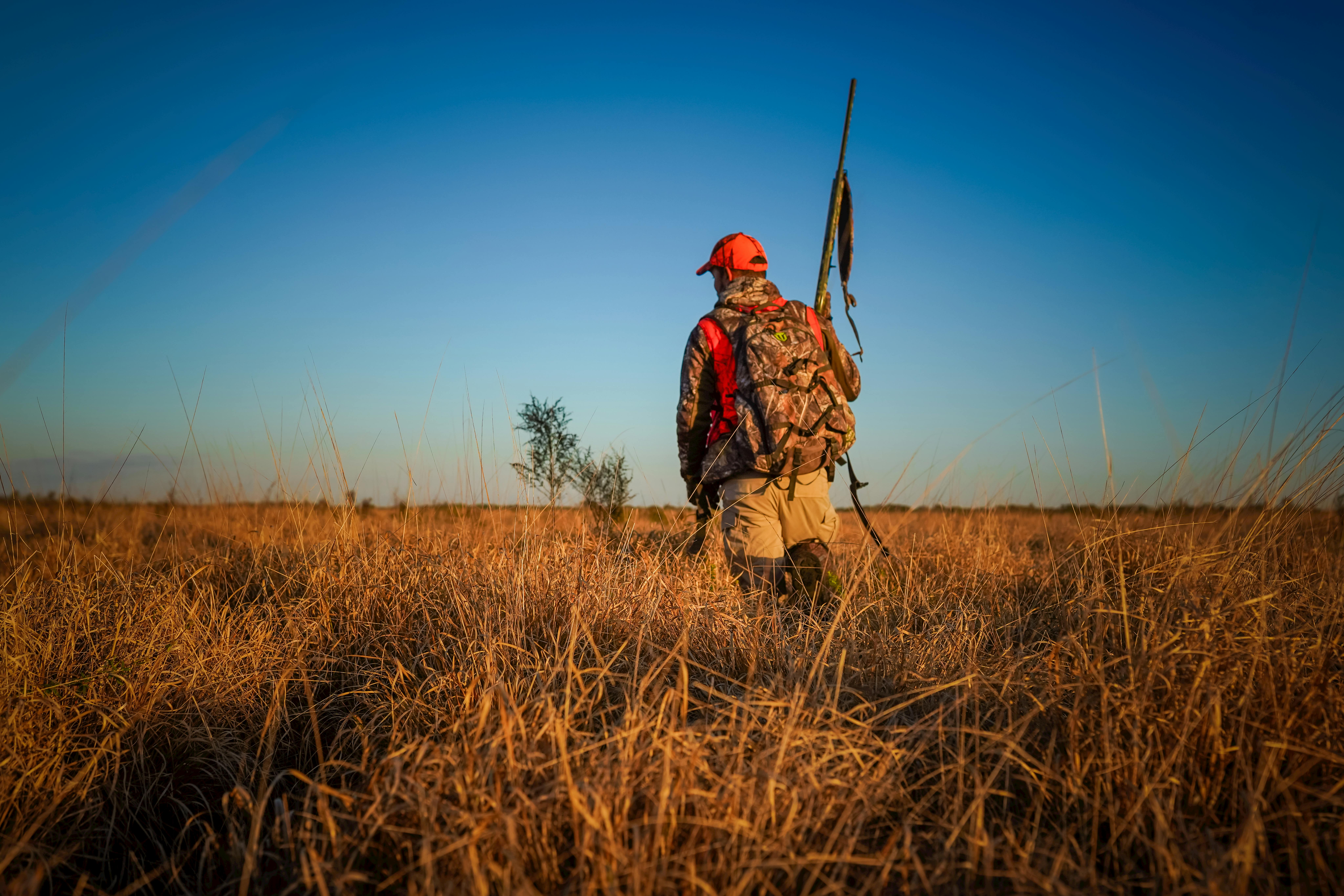
Many stands are spoiled before the first note is ever played. Crunching across frozen ground, slamming truck doors, or talking on the way in sends a clear message that something unusual has entered the area. Nearby animals may not sprint away, but they often circle wide, hang up, or go silent.
Predators live by reading pressure and disturbance. If your approach sounds like a parade, every rabbit, crow, and coyote within earshot starts paying attention. A quieter entry, slower pace, and more thoughtful route can preserve the illusion that nothing is wrong until the calling begins.
Ignoring the Wind
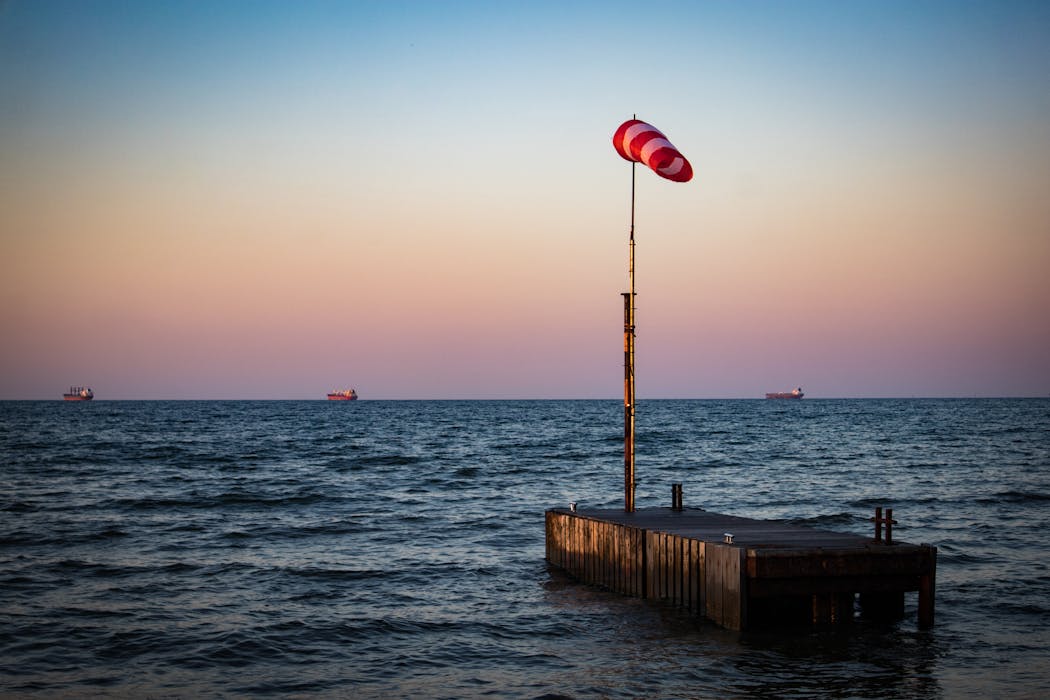
Wind is not just a comfort issue. It is one of the biggest truth-tellers in predator calling. You may have the right sound and a perfect setup in your mind, but if your scent cone drifts into the most likely approach route, the game is often over before you ever see movement.
Coyotes and foxes trust their noses the way people trust their eyes. When the wind is wrong, they do not need to bark or bolt to beat you. They simply fade away. Setting up with a crosswind or a controlled quartering wind gives you a much better chance of seeing an animal before it smells you.
Calling Too Loud Too Soon
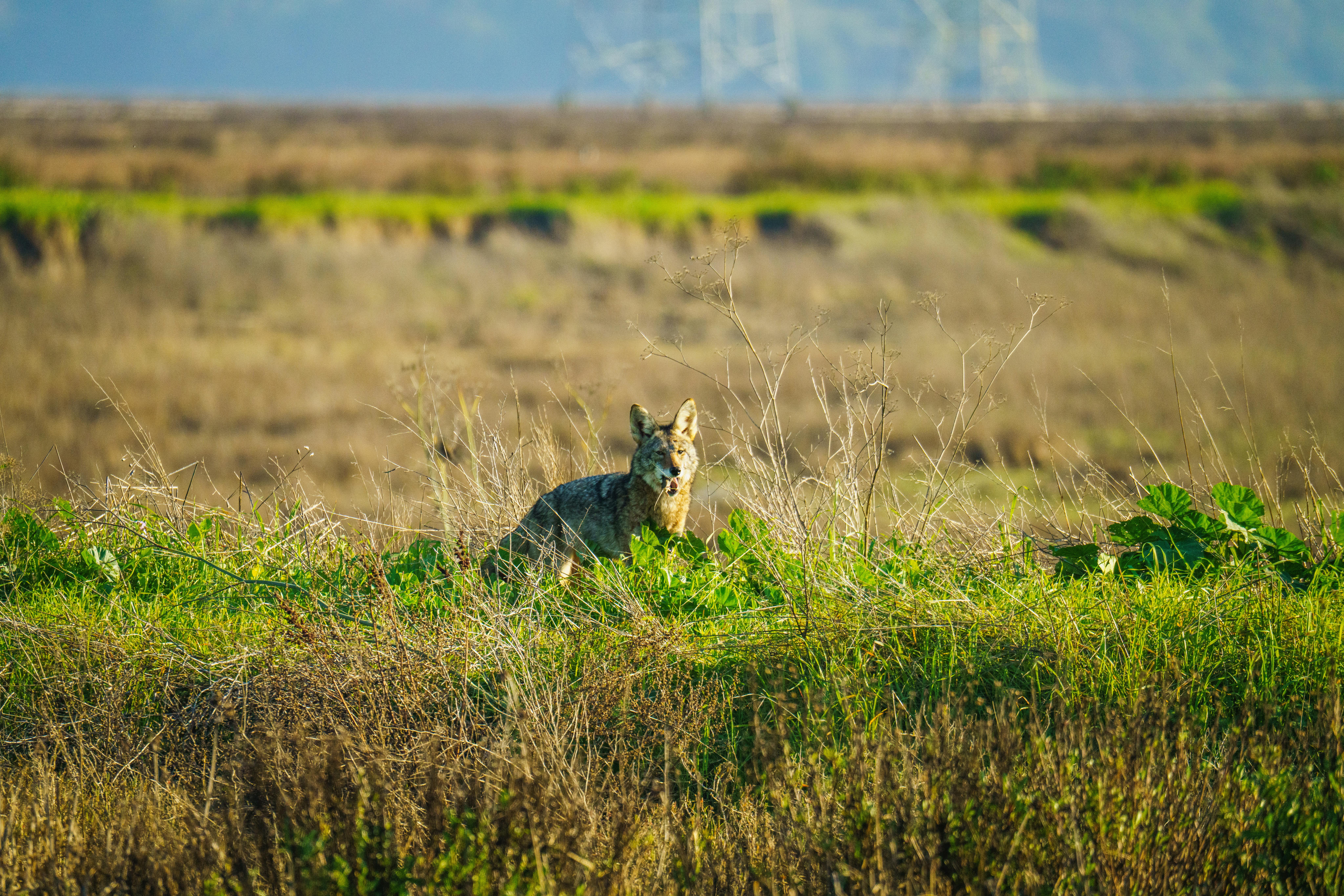
A lot of callers begin a stand as if they need to reach the next county. That can be a mistake, especially in tighter cover or broken terrain where a predator may already be close. An opening blast of high volume can sound unnatural and instantly put nearby animals on edge.
Real prey sounds build with urgency, but they do not always start at maximum intensity. Beginning softly and increasing volume in stages feels more believable and gives you room to adjust. It also prevents you from startling an animal that slipped in quietly while you were focused on distance instead of realism.
Moving Too Much on Stand

Predators notice motion with startling efficiency. A head turn, a hand adjustment, or the flash of a face can be enough to unravel a setup that seemed perfect moments earlier. Many animals coming to a call are already suspicious, and sudden movement confirms that suspicion immediately.
The toughest part is that movement often happens when excitement spikes. You think you are making a small correction, but in open country it can look huge. Getting settled early, keeping gear within reach, and using cover wisely helps you stay still when it matters most and keeps the stand from turning into a warning signal.
Using the Same Sound Over and Over
Predators that live near pressure can become educated quickly. If every stand in the region sounds like the same distressed rabbit sequence played the same way, sharp animals start connecting that pattern with danger. The sound may still attract curiosity, but it can also trigger hesitation instead of commitment.
Variety matters more than many beginners realize. Mixing prey species, changing cadence, or adding subtle pauses can make a setup feel less rehearsed and more alive. You are not trying to impress an audience. You are trying to sound like a real event unfolding in the landscape, not a recording every local coyote has heard before.
Setting Up Where You Cannot See the Approach
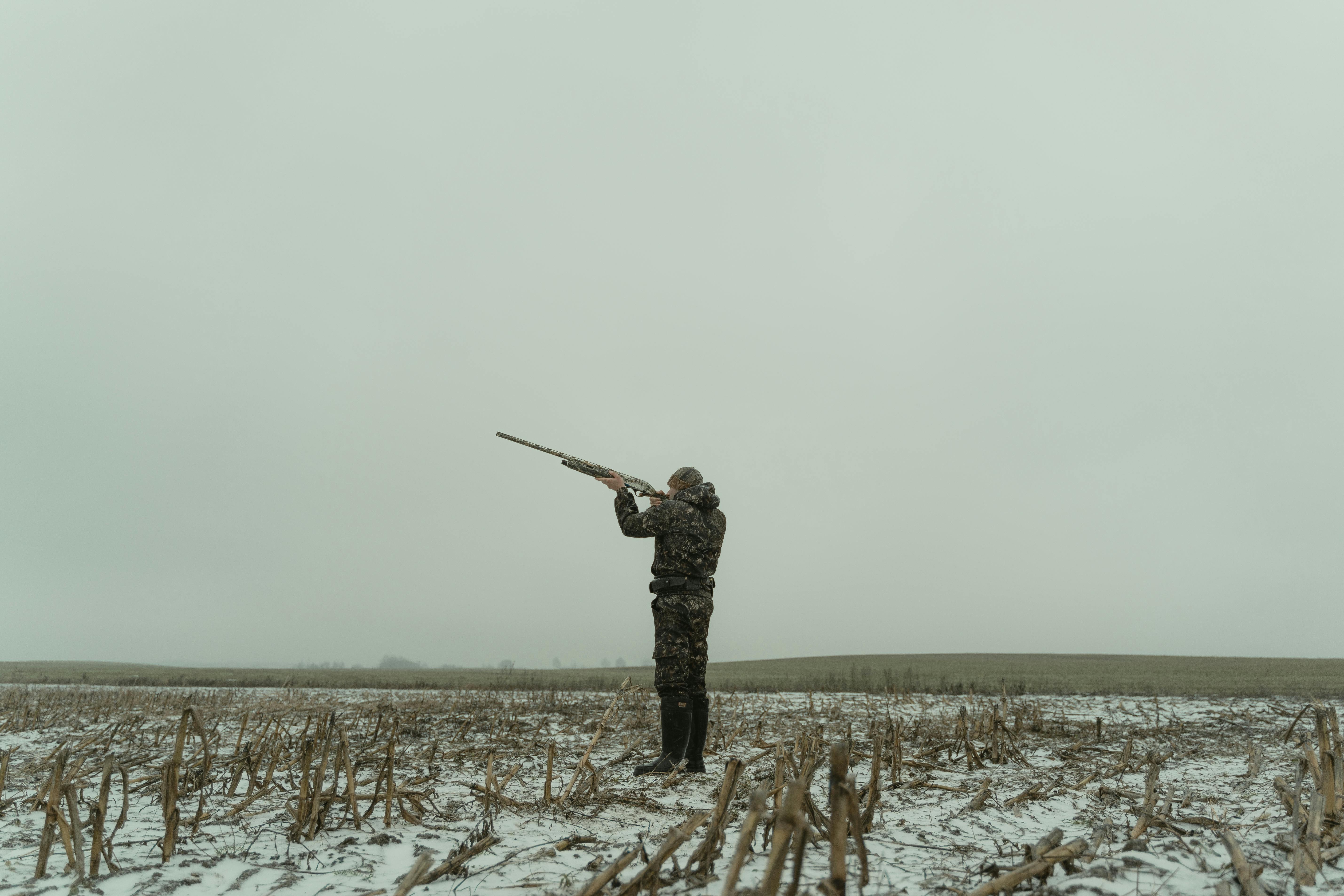
A stand can look comfortable and still be a bad choice. If brush, folds in the ground, or tall grass block likely approach lanes, predators can slip in unseen, catch your scent, and leave without ever showing themselves. Many callers assume nothing came in when the truth is the animal won the encounter.
Good visibility does not mean sitting fully exposed. It means choosing a spot where you can cover downwind and watch the most probable travel routes. A few extra seconds spent studying terrain often reveals how an animal is likely to use it, and that knowledge can turn a silent stand into a productive one.
Staying Too Long or Not Long Enough

Timing is one of the trickiest parts of predator calling because terrain, pressure, and animal density all change the equation. Some callers bail out after ten quiet minutes and leave just before a cautious coyote appears. Others grind through a stand long after the area has gone stale and their own movement and scent are building.
The key is reading conditions instead of following a rigid rule. Open country may require patience, while tighter cover can reveal action faster. A stand should feel deliberate, not random. When you match your sit time to the setting, you stop educating animals with rushed exits and unproductive lingering.
Forgetting About Scent on Gear and Clothing

Human scent is not limited to the breeze on your skin. It clings to seat cushions, gloves, backpacks, and clothing that picked up fuel, food, or garage odors on the way out. Even if your stand location is smart, contaminated gear can add another layer of warning that sharp-nosed predators do not miss.
This does not mean you need a laboratory routine. It means paying attention to obvious odor sources and keeping your setup as clean and field-neutral as practical. Little details matter in a game measured in seconds and yards. When everything smells off, even the best calling sequence can lose credibility fast.
Leaving the Stand Like Nothing Is Watching
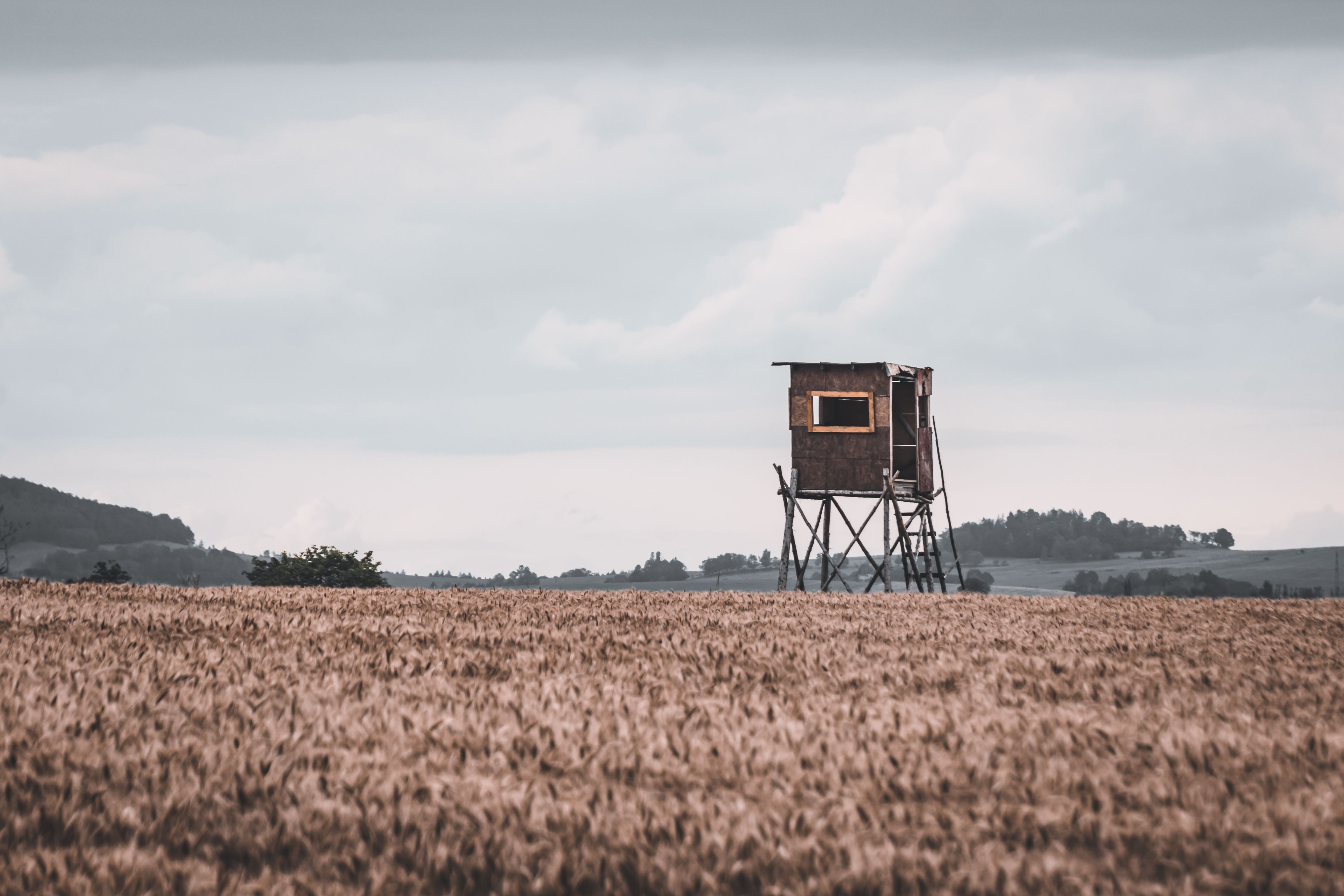
A stand is not over when the sound stops. Predators often hang back, circle late, or watch from cover longer than callers expect. If you stand up suddenly, talk, or walk across the open the second the sequence ends, you may educate an animal you never knew was there.
That kind of lesson can carry into future setups, especially on pressured ground. A more careful exit keeps the illusion intact and preserves the area for another day. Pause, scan, and leave with the same discipline you used on the way in. Sometimes the final mistake of the morning is the one that ruins next weekend too.
Letting the Whole Setup Feel Unnatural

Predator calling works best when every part of the scene makes sense together. If the sound, wind, approach, movement, and location all feel slightly off, animals may not charge away, but they often act just cautious enough to stay out of range. That is why so many failed stands feel mysterious when the problem was really cumulative.
The good news is that most calling mistakes are fixable once you start noticing patterns. Cleaner entries, smarter wind use, better sound control, and calmer movement make the setup feel believable. In the end, success often comes from removing little warnings one by one until the landscape stops whispering that something is wrong.