
When you spend time hiking, camping, fishing, gardening, or simply being outside, the weather often announces itself before an app does. Learning a few classic signs can help you make smarter decisions, stay comfortable, and avoid dangerous surprises. These everyday clues are easy to spot once you know what to look for.
Towering Cumulus Clouds

Big, puffy cumulus clouds can look harmless at first, especially on a warm afternoon. But when they start growing upward into tall, cauliflower-like towers, they often signal rising unstable air and the chance of thunderstorms later in the day.
This is one of the most useful signs for hikers, paddlers, and anyone far from shelter. If those clouds keep building fast and their tops begin flattening or darkening, it is smart to shorten your plans and keep an eye on the horizon.
In many places, afternoon storms develop from exactly this pattern. The earlier you notice it, the more time you have to move to safety.
A Darkening Cloud Base
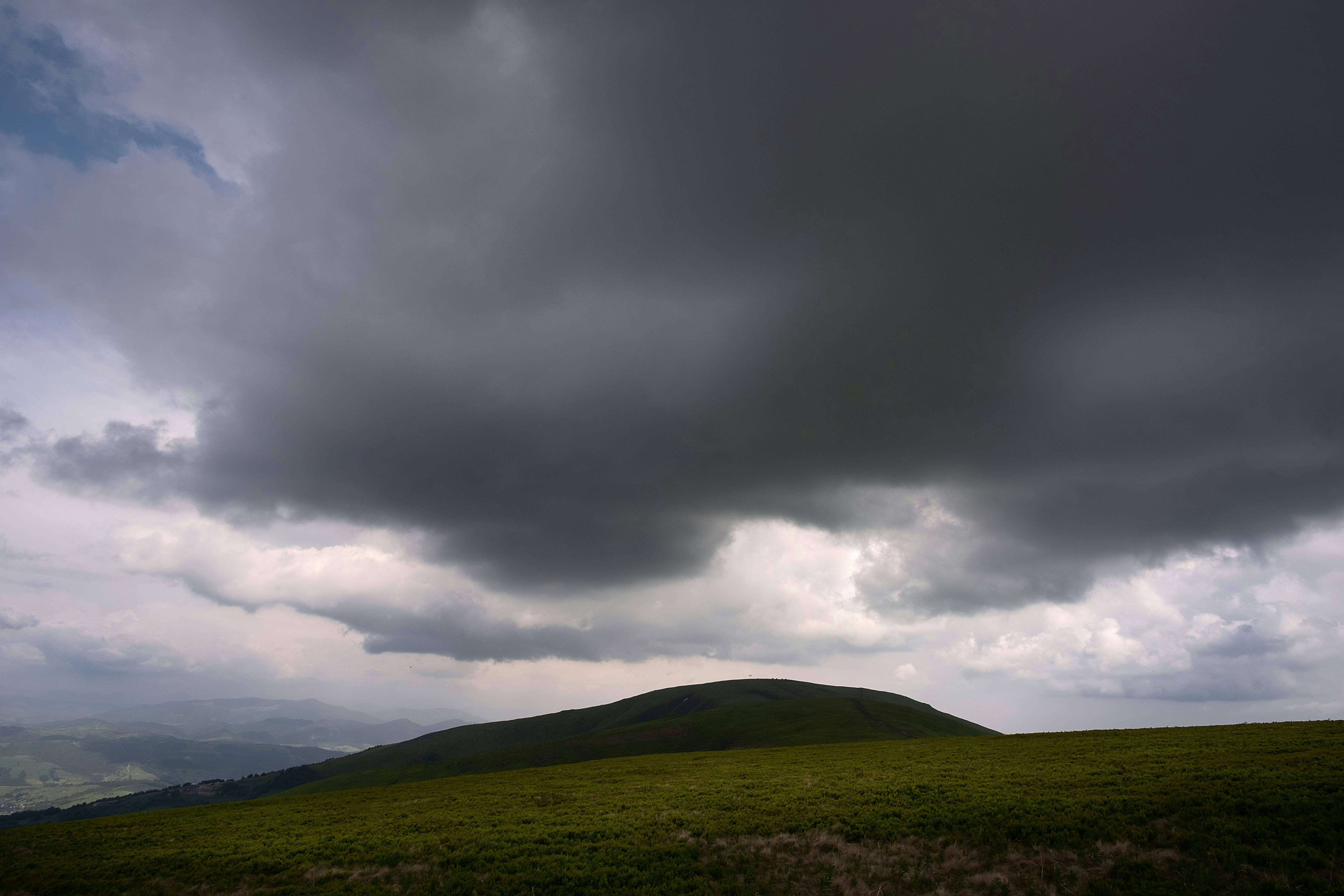
A sky full of clouds does not always mean trouble, but a noticeably darkening cloud base often does. When the underside of a cloud turns deep gray or almost greenish in extreme cases, it usually means the cloud is thickening and holding more moisture.
That darker look can be an early warning that heavy rain, hail, or a thunderstorm is getting organized. If you are on a ridge, near water, or in an open field, this is the kind of visual cue you do not want to ignore.
Even before the first drop falls, the sky may be telling you that conditions are about to shift fast. Take the hint and reassess where you are.
Sudden Wind Shift

When the wind changes direction without much warning, weather may be changing too. A sudden shift can happen as a front approaches or as a thunderstorm pushes cooler air outward ahead of the rain.
Outdoors, you may notice leaves turning over, a different feel on your skin, or smoke and flags moving in a new direction. It can be subtle at first, but experienced boaters and campers treat this sign with real respect.
A wind shift often arrives before the main event. If it is paired with growing clouds or falling temperatures, expect stronger weather nearby and start thinking about shelter rather than scenery.
A Drop in Temperature

A quick drop in temperature can feel refreshing, but it may also mean changing weather is close. Cold air from a passing front or the outflow from a thunderstorm can arrive well before rain and lightning reach you.
You might notice the shift while walking a trail, sitting by a campsite, or spending time on the water. One moment it feels warm and steady, and the next you are reaching for a layer you did not think you would need.
That cooler air is often a message, not just a comfort. When it happens suddenly, especially under growing clouds, it is wise to assume the atmosphere is rearranging itself in a hurry.
A Ring Around the Moon or Sun

A pale halo around the moon or sun is one of the oldest weather signs in the book. It forms when high, thin cirrostratus clouds filled with ice crystals bend the light, creating a glowing ring overhead.
Those high clouds often arrive ahead of a larger weather system. That does not mean rain is immediate, but it can mean wetter or more unsettled conditions are moving in within the next day or so.
For people spending long stretches outdoors, this is a useful early clue rather than a dramatic warning. The sky still may look calm, but the atmosphere may already be advertising a change that is on its way.
High Wispy Cirrus Clouds Thickening

Thin, featherlike cirrus clouds often look elegant and harmless, stretched across the sky like brushstrokes. On their own, they do not necessarily mean bad weather, but when they begin multiplying and thickening, they can be the first sign of an approaching front.
Watch how the sky changes over several hours. If those delicate streaks spread out and gradually veil more of the blue, conditions may turn cloudier, windier, and possibly wetter later on.
This is the kind of sign that rewards patience and attention. People who spend time outdoors learn that weather does not always arrive all at once. Sometimes it sends in a soft, beautiful preview first.
Fast-Moving Low Clouds
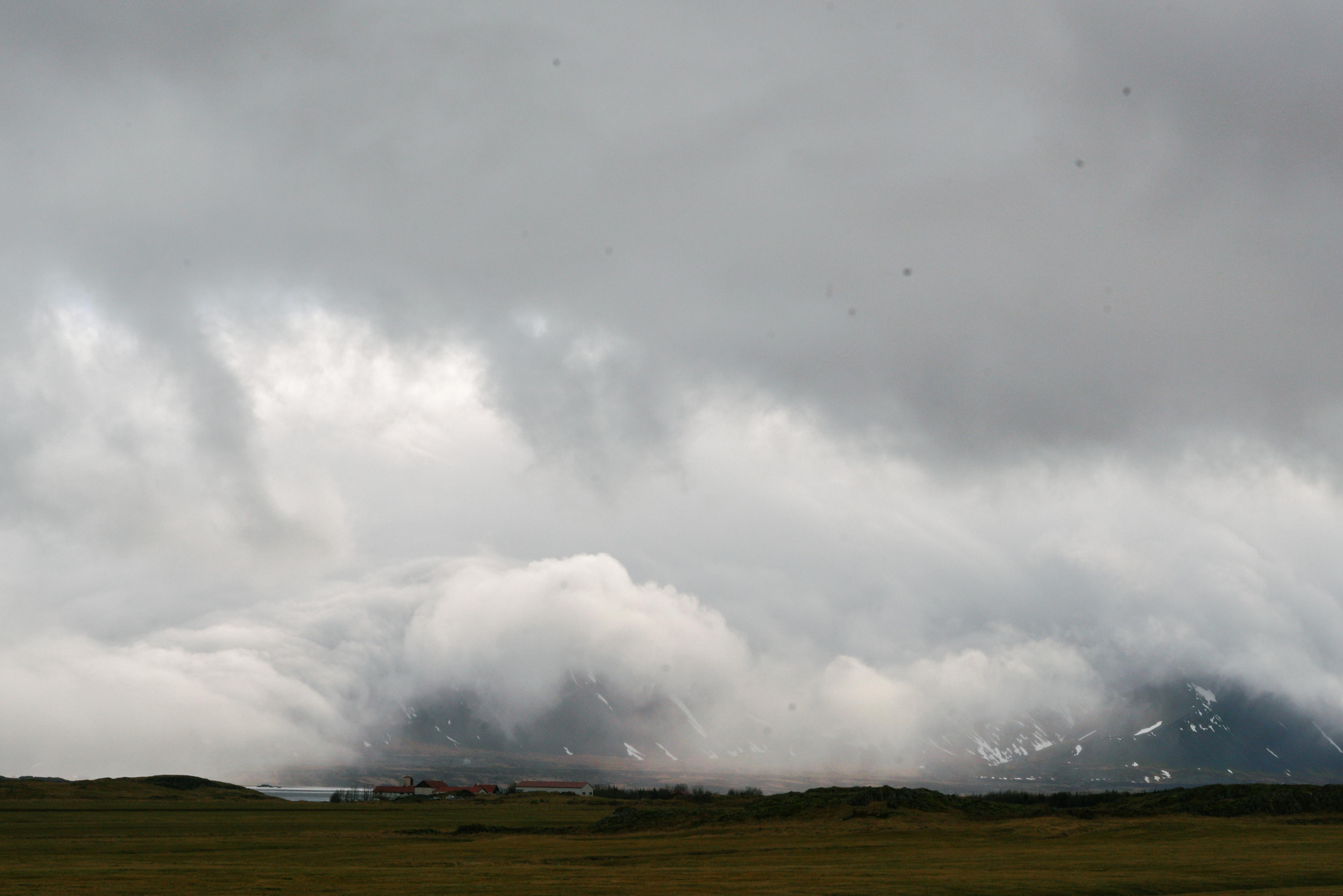
Low clouds racing across the sky can signal stronger winds aloft mixing down toward the surface or a weather system moving in with energy to spare. They create a sense of urgency even before the weather turns rough.
This matters especially in exposed places like beaches, open plains, ridgelines, and lakes. Fast cloud movement often pairs with gusty conditions, dropping pressure, and less stable air, all of which can make outdoor plans more complicated very quickly.
If the clouds are low, ragged, and moving with purpose, pay attention. The atmosphere is rarely in a relaxed mood when the sky looks like it is hurrying somewhere.
Unusual Animal Behavior

Animals often react to changing weather before people do, though not in a magical way. They respond to shifts in pressure, humidity, wind, and light, and their behavior can offer useful clues if you already know what is normal in a place.
Birds may fly lower, insects may suddenly disappear, and livestock may bunch together or grow restless. Even your dog may seem more alert when thunder is on the way. None of these signs is perfect, but together they can support what the sky is already suggesting.
Think of animal behavior as one piece of the puzzle. It should not replace a forecast, but it can sharpen your awareness when you are paying attention outdoors.
The Smell of Rain

Sometimes you can smell a change before you feel it. The earthy scent many people associate with rain, often called petrichor, can become noticeable when moisture and wind stir oils from plants and compounds from dry soil into the air.
At other times, a sharper fresh smell may arrive as humid air builds or rain begins falling in the distance. On breezy days, that scent can travel ahead of the shower itself, giving you a small but useful head start.
It is not a flawless warning sign, especially in cities or very dry regions, but it is a real one. Outdoors, your nose can be part of your weather toolkit too.
Distant Thunder
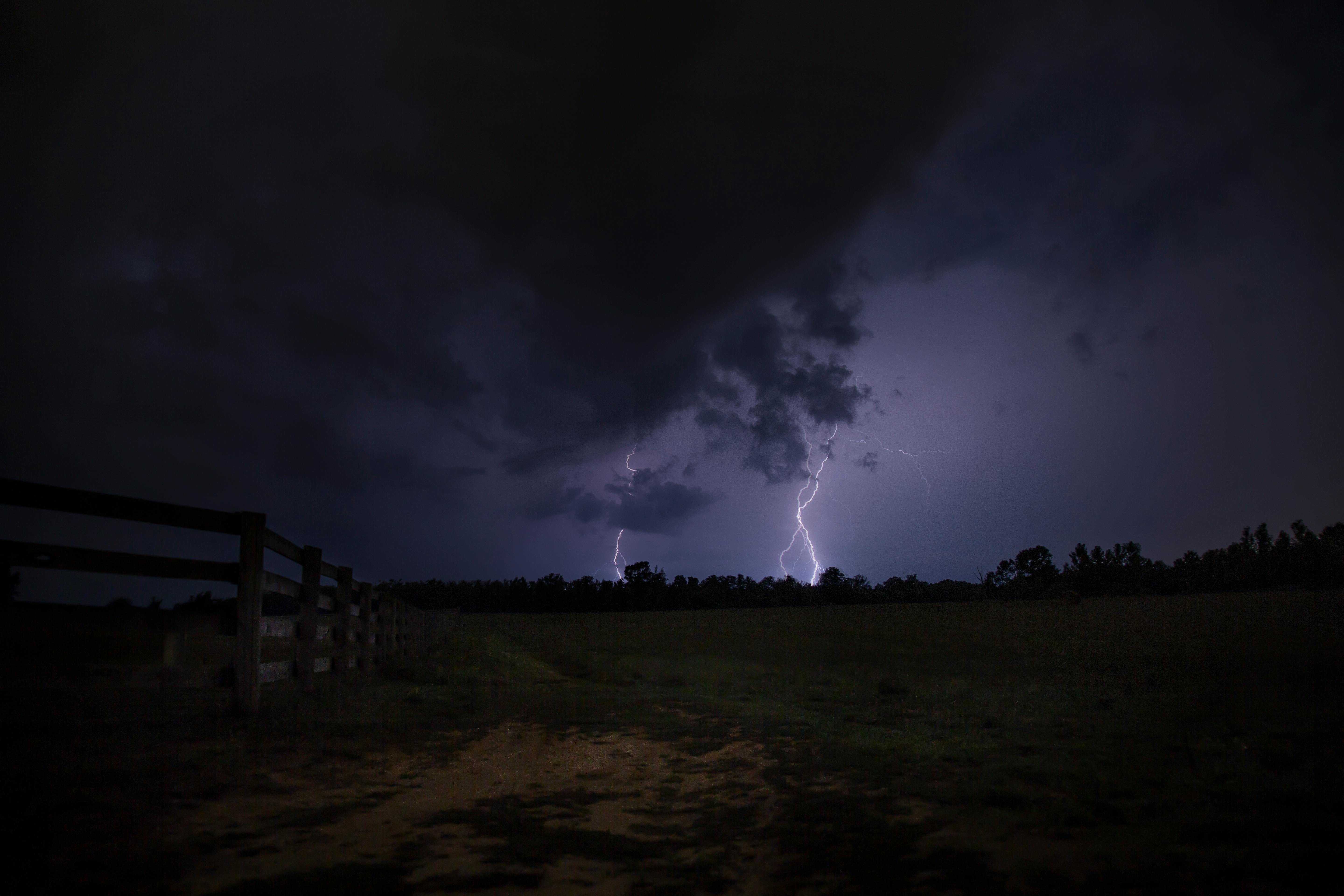
If you can hear thunder, you are already close enough to a storm to take it seriously. Thunder can travel many miles, and what sounds far away can still mean lightning is a threat, especially in open country or over water.
People sometimes wait until they can see rain nearby, but thunder is the more important cue. It tells you the storm is electrically active, which is what makes it dangerous long before the heaviest weather arrives.
This is one sign that should trigger action, not curiosity. Head to a substantial building or hard-topped vehicle as soon as thunder becomes part of the soundtrack.
A Rapidly Clearing Sky After a Front
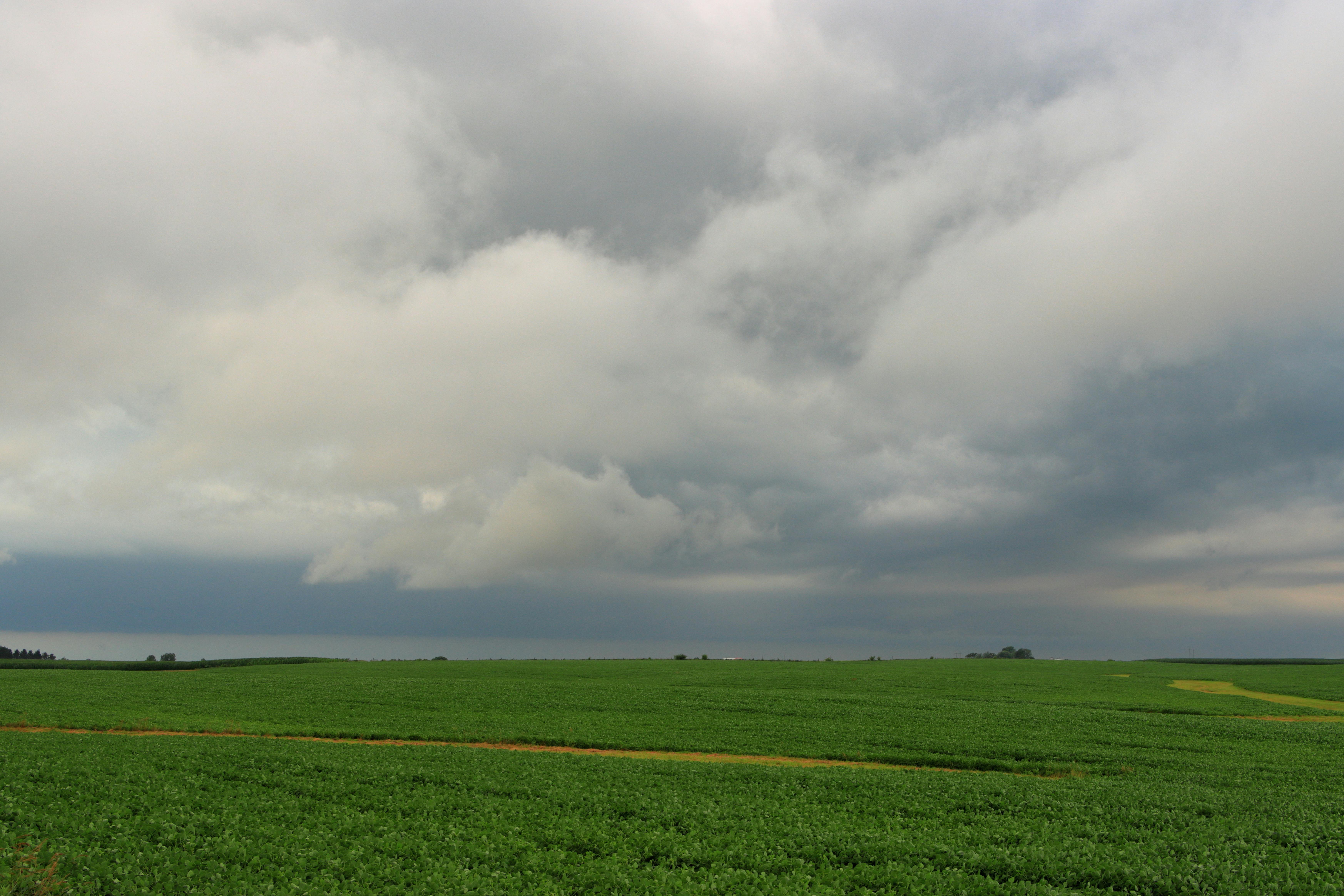
Not every important weather sign points to worsening conditions. Sometimes a rapid clearing sky, cooler air, and steadier visibility tell you that a front has passed and more stable weather is settling in behind it.
This can be a welcome sign for hikers, campers, and anyone planning to stay outside longer. The clouds break apart, the light sharpens, and the wind often feels cleaner even if it remains brisk for a while.
It is still worth watching for lingering gusts or slick ground, but this pattern usually signals improvement rather than trouble. Knowing the signs of weather easing is just as useful as recognizing when it is turning against you.