Choosing a smart bushcraft camp location isn’t just about finding a flat patch of ground or a pretty view; the vegetation beneath your feet often reveals far more practical information than most travelers realize. Ground plants respond directly to moisture, soil composition, wind exposure, hidden drainage, and nearby resources, which makes them excellent indicators of whether an area will support a safe and comfortable stay. By learning how to read changes in density, color, distribution, and height, you gain a reliable guide to the land’s behavior long before building a shelter. These subtle plant signals help you avoid cold-air sinks, soggy basins, concealed flooding paths, and unstable soils while steering you toward dry, sheltered, resource-rich zones. Understanding ground vegetation is like reading nature’s blueprint for a campsite that offers comfort, safety, and dependable materials.
Dense Grass Growth Showing Balanced Drainage
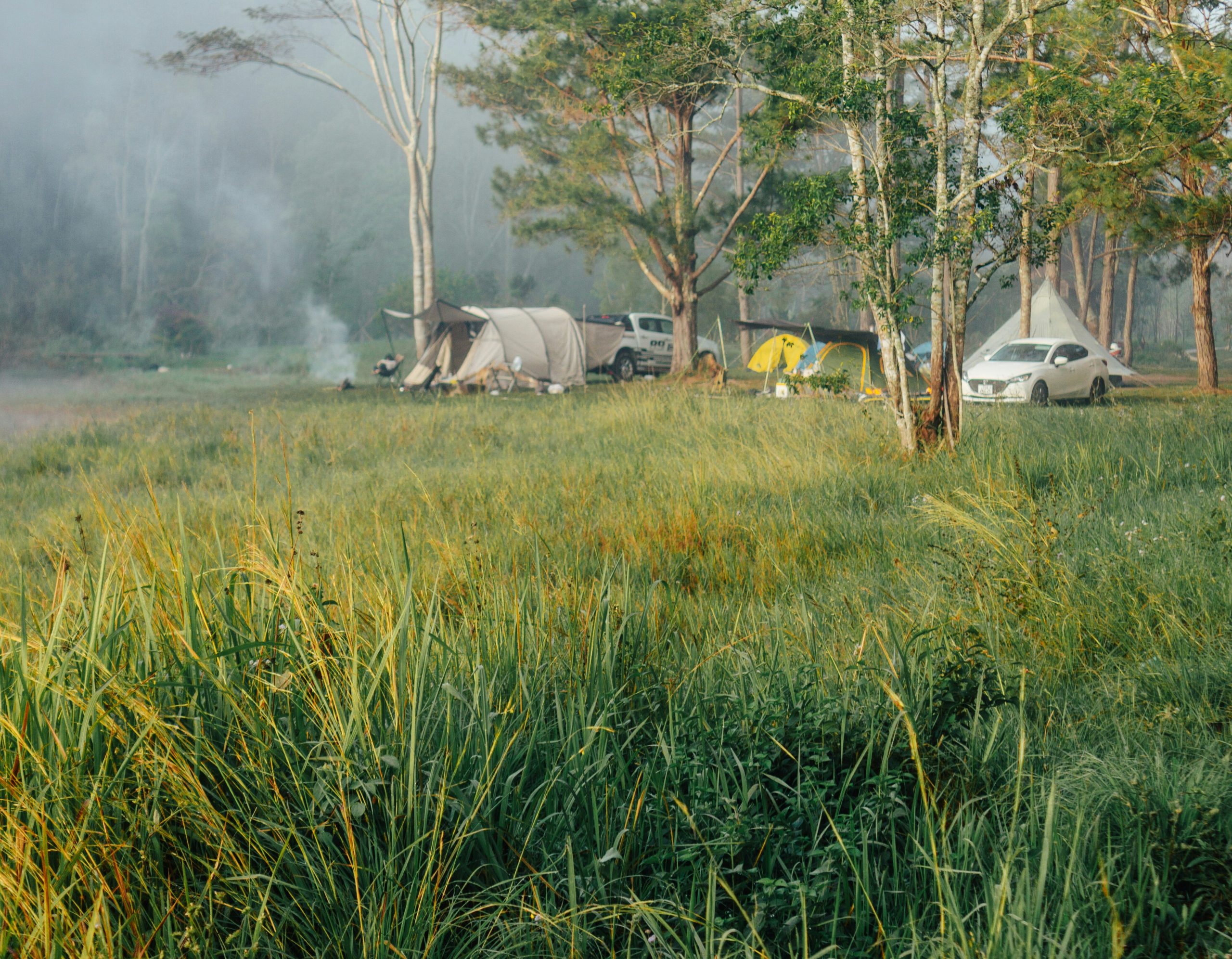
Thick, evenly colored grass often signals an area with balanced drainage, meaning it receives enough water to stay healthy without becoming oversaturated. When grass grows straight, firm, and consistently green, it usually indicates soil that retains moisture without pooling, a reliable trait for a comfortable campsite. Sparse patches or sudden color shifts suggest uneven saturation, hidden depressions, or compacted soils that may flood during heavy rain. When evaluating potential camp spots, look for wide patches of dense grass growing at a uniform height across gently sloped terrain. This combination points to stable footing, predictable drainage, and reduced risk of morning cold pooling, making it an ideal base for shelters, cooking zones, and overnight rest in backcountry environments.
Low Creeping Plants Suggesting Stable Footing
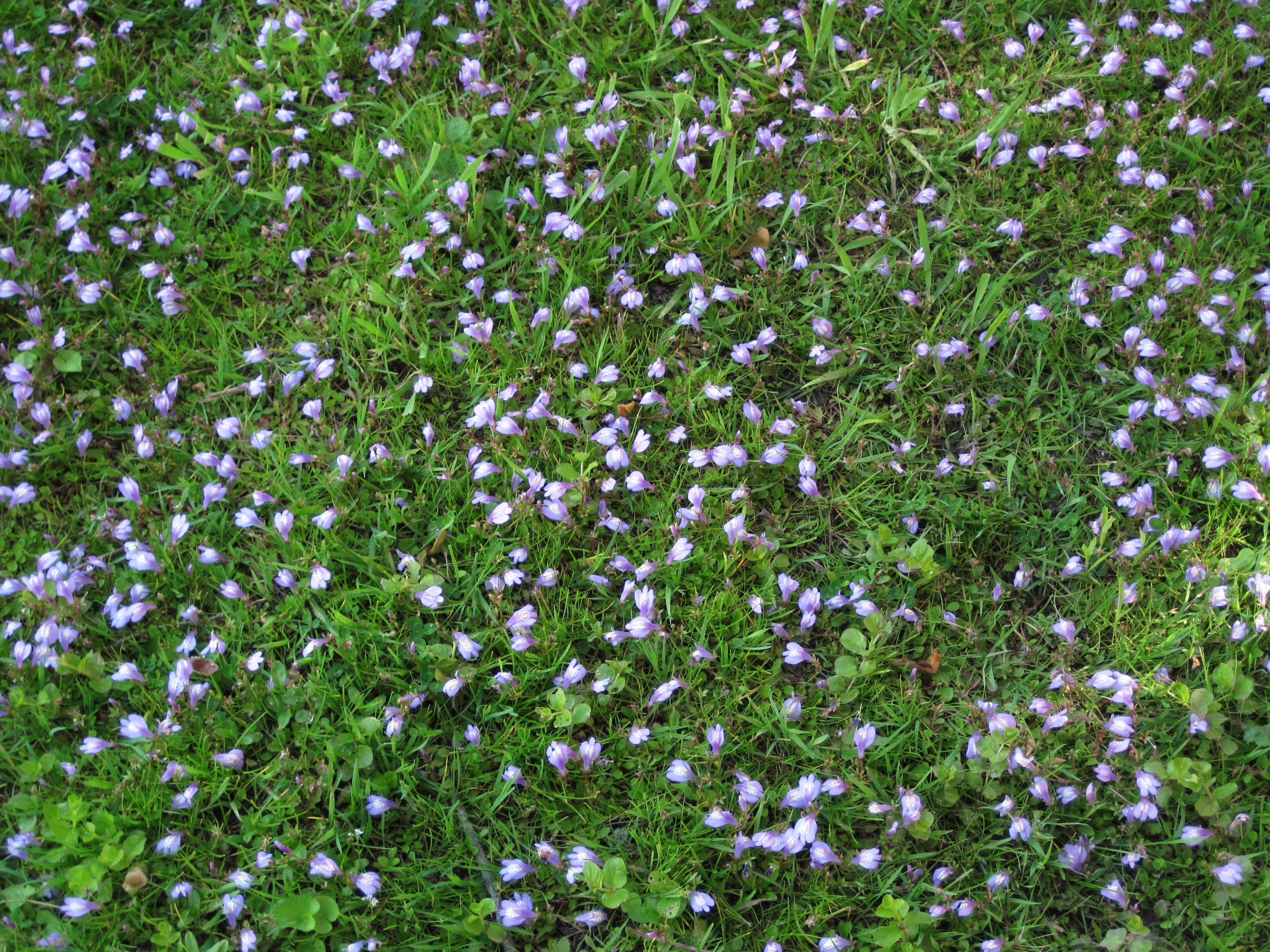
Low-growing creepers like clover, wood sorrel, and similar ground-hugging plants often signal firm soil with dependable structure, making them a helpful guide when selecting a camp area. These plants can thrive only where the soil is compact enough to support their shallow root system, yet not so hard that water cannot penetrate. When you find broad carpets of creeping vegetation that show minimal discoloration or patchiness, the land beneath is usually stable enough to support sleeping pads, fire pits, or lightweight shelters without shifting. Avoid areas where these plants grow in oddly shaped clusters or appear stressed, as this can point to underlying rocks, drainage issues, or compacted soil layers that may pool water or channel runoff toward your camp during overnight storms.
Fern Clusters Indicating Hidden Moisture Pockets
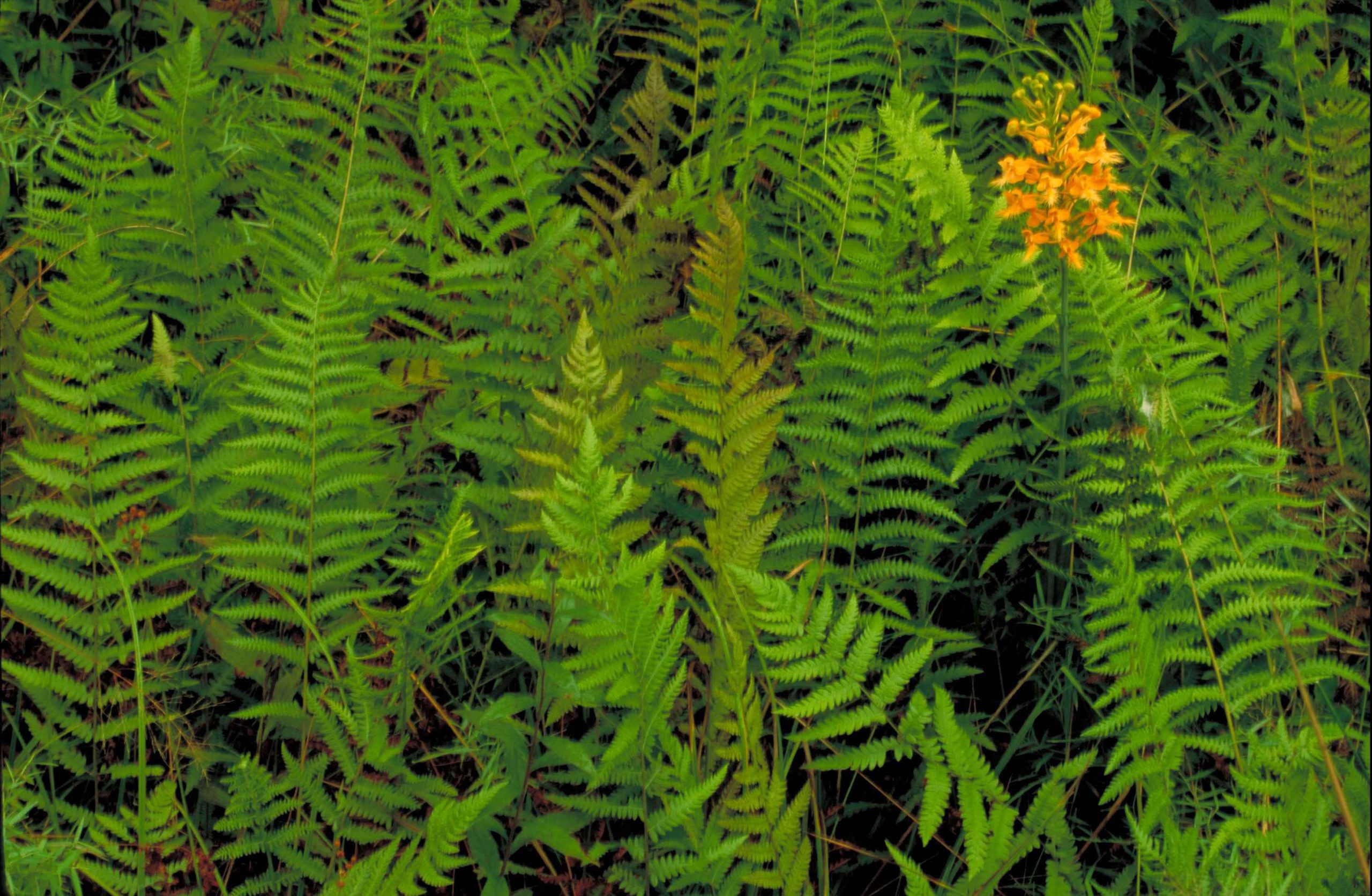
Ferns are reliable moisture indicators, and finding clusters of them usually means the soil beneath stays damp longer than the surrounding ground. This can be helpful in locating water sources for camp use, but it also warns you to avoid pitching your shelter too close. Damp soil promotes colder nighttime temperatures, pooling water during storms, and increased insect activity, all issues that make for an uncomfortable camp. When ferns appear only in small, isolated pockets, they usually mark subtle depressions or seep lines where moisture collects. These spots may seem solid during dry conditions, but can quickly turn muddy after rain. By observing fern placement and following their edges rather than settling inside them, you can locate nearby hydration while choosing drier, safer terrain for your shelter.
Tall, Loose Weeds Revealing Wind Exposure
Tall, thin weeds that sway easily in the wind can reveal high-exposure zones that look harmless at first glance but become uncomfortable or dangerous during storms. These plants develop flexible stems because they grow in areas frequently hit by direct wind flow, especially along natural funnels, ridgelines, or open clearings. While the ground might look flat and inviting, camping here means dealing with constant drafts, increased heat loss, and greater fire-management risks. Pay attention if the weeds lean consistently in the same direction or appear spaced farther apart than expected; both signs indicate steady airflow that strips moisture from the soil. Instead of settling in these exposed stretches, use the vegetation’s lean and movement to locate sheltered pockets just beyond the wind corridor.
Soft Moss Beds Indicating Excess Moisture
While a moss-covered patch may look soft and inviting, it nearly always signals ground that remains damp for longer periods, even after brief rain. Moss thrives in shaded, moist environments where water lingers beneath the surface, meaning that pitching a shelter nearby increases the risk of nighttime chill, equipment dampness, and uncomfortable sleeping conditions. Moss beds also often indicate poor drainage tied to shallow depressions or compact soils that trap water. Even if the surface feels reasonably firm, the ground underneath can shift after rainfall, making it unsuitable for campfires or stable gear placement. Instead of camping directly on moss, use its presence as a clue to better understand the terrain and move slightly upslope to find firmer, drier soils.
Patchy Ground Cover Suggesting Animal Traffic
When ground vegetation appears trampled or disrupted in irregular patterns, it often reflects wildlife traffic rather than poor soil conditions. Animals, especially deer, boar, or elk, create soft trails and feeding pockets that disrupt normal plant distribution. While these areas may look open and tempting as flat camping spots, setting up directly on an animal transit zone invites nighttime disturbances, risks of surprise encounters, and potential damage to your gear. Patchy vegetation mixed with faint tracks or compacted soil is a strong indicator that animals move frequently through the area. Choosing a campsite slightly off these informal trails reduces conflict and keeps your shelter out of natural movement corridors without sacrificing convenience or access to resources nearby.
Short, Stunted Plants Signaling Harsh Soil
Areas where plants appear short, stunted, or unusually spaced often reveal harsh soil conditions that can affect your camp’s comfort and safety. Poor nutrient quality, compacted layers, or dryness can limit plant growth, producing vegetation that looks thin or stressed despite appearing green. Camping on such ground usually results in uncomfortable sleeping surfaces, poor stake holding, and increased exposure to wind due to a lack of natural cover. Stunted vegetation along slopes may also indicate erosion patterns or thin topsoil overlaying rocks, making it harder to secure shelters. Observing these growth limitations helps you avoid setting up camp where the environment naturally struggles, pointing you instead toward more stable soils with balanced moisture and better plant density.
Thick Leaf Litter Showing Stable Tree Cover
Deep, evenly distributed leaf litter is a strong indicator that the overhead tree canopy is stable, healthy, and long-standing. These areas tend to have calmer winds, natural shade, and steady organic breakdown that creates soft, comfortable ground for sleeping. Leaf litter helps insulate your shelter area, reduces nighttime heat loss, and minimizes mud after rain. However, too much accumulation can sometimes hide uneven ground or old root systems, so inspection is still important. If the leaf layer appears dry, well-formed, and evenly colored, the spot usually offers good drainage and minimal runoff risk. Such areas often provide an ideal blend of comfort, resource availability, and environmental protection for longer bushcraft stays.
Wet-Loving Plants Warning of Flood Paths
Plants like cattails, sedges, and certain reeds thrive in wet soil and frequently appear in places where water gathers, even if the surface seems dry at the moment. Their presence warns of potential flooding, hidden seeps, or underground flows that can turn a seemingly decent campsite into a soggy trap during rain. These species often grow in subtle channels or shallow depressions that act as natural water pathways. Even a narrow line of them can outline a runoff corridor you should avoid. If you find wet-loving vegetation scattered across an otherwise dry landscape, treat the area as a flood-prone zone and shift your camp uphill to ensure long-term comfort and safety.
Mixed Ground Cover Showing Resource Balance
Areas featuring a blend of grasses, low shrubs, moss patches, and leaf litter often represent balanced ecosystems with reliable moisture, reasonable wind protection, and diverse soil composition. This mixture indicates a healthier environment that typically supports safer, more comfortable camping conditions. The presence of multiple plant types suggests the ground drains predictably while still retaining enough hydration for useful plant life. Mixed cover also hints at a stable microclimate that avoids extremes in cold pooling or wind exposure. When you find varied vegetation that appears evenly distributed, look nearby for flat, slightly elevated patches with minimal debris. These spots offer dependable comfort, better resource access, and predictable shelter performance for extended bushcraft stays.