Not long ago, plenty of interesting surplus and commercial firearms could be found for around $300 without too much hunting. Today, some of those same models routinely bring four-figure prices as supply tightens and collector interest keeps growing. This gallery looks at 10 notable examples and explains why yesterday’s bargain rack buys have become today’s pricey finds.
Russian SKS

For years, the Russian SKS was one of those rifles people bought as an affordable entry into military surplus collecting. Clean examples could often be found around the $300 mark, especially when import waves made them seem plentiful. Back then, many buyers treated them as shooters first and collectibles second.
That changed as matching rifles, original finishes, and arsenal markings became more appreciated. The pool of nice examples got smaller, and prices moved accordingly. Today, a correct Russian SKS with strong condition can easily push into the $1,200 range, especially if it has not been modified.
What really drove the jump is that supply never stayed truly endless. Once collectors realized that, values began to rise with surprising speed.
Swedish Mauser M96
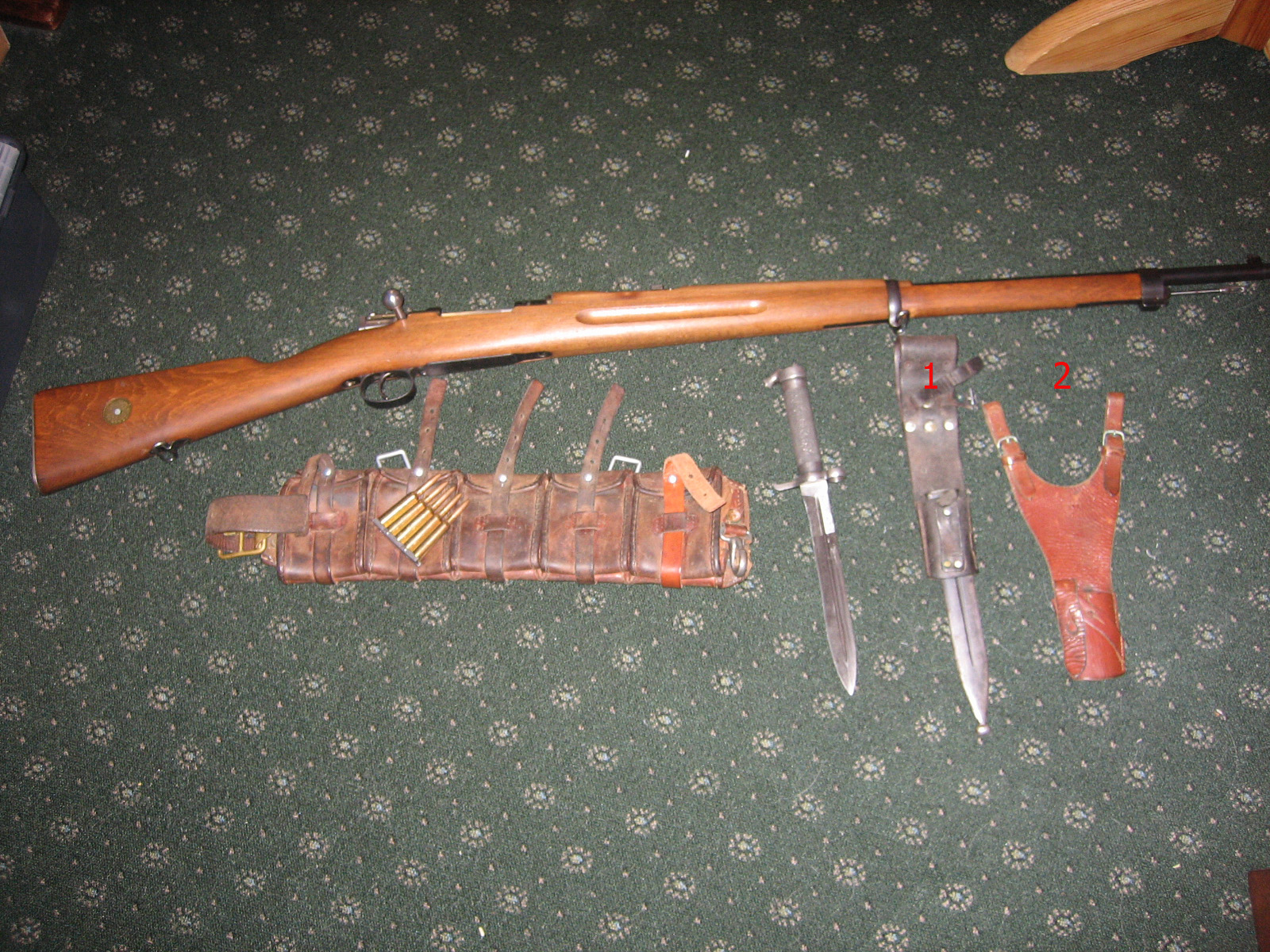
The Swedish Mauser M96 used to be a quiet favorite among shooters who wanted old-world craftsmanship without paying elite collector prices. Around $300 once bought a very respectable rifle, often with a smooth action and famously strong bore condition. It felt like a secret too good to last.
Eventually, the secret got out. Collectors began chasing matching numbers, unit markings, and rifles with original accessories, and prices started climbing. As imports slowed and condition standards tightened, truly attractive examples became much harder to find.
Now, better M96 rifles regularly approach or exceed $1,200. That jump reflects more than nostalgia. Buyers are paying for quality, history, and the shrinking availability of unspoiled examples.
M1 Carbine

There was a time when the M1 Carbine still felt attainable to ordinary collectors. Shooter-grade examples and mixmaster guns could show up at prices that now seem almost unreal, with some hovering near the $300 range decades ago. It was a lightweight, handy piece of American history that many buyers grabbed without overthinking it.
As more people focused on World War II collecting, the market changed fast. Manufacturer markings, originality, and correct wartime parts began to matter far more, and the easy deals dried up. Even rebuilt carbines started trending upward as demand broadened.
Today, many M1 Carbines live comfortably above $1,200. The combination of historical appeal and finite supply keeps pushing them higher.
Colt Police Positive

Older Colt revolvers once occupied a sweet spot where history, quality, and affordability overlapped. The Police Positive fit that mold perfectly, offering classic Colt lines and solid shootability without the price tag attached to bigger-name premium models. Around $300 could once put one in your safe if you bought before the collector rush.
Then the vintage revolver market heated up. Buyers started noticing pre-war and mid-century Colt craftsmanship, and values rose across the board. Barrel length, finish, and mechanical condition all began carrying more weight, especially on cleaner examples.
A strong Police Positive can now sell around $1,200 or even more in desirable configurations. It is a reminder that understated classics rarely stay cheap forever.
Browning Hi-Power

The Browning Hi-Power spent years as one of the smartest buys in the surplus and used handgun world. Well-made, historically important, and easy to appreciate, it could still be found near the $300 level in certain eras and markets. Plenty of buyers saw it as a practical pistol rather than a future collectible.
That view changed when military surplus supplies thinned and interest in classic steel-frame pistols surged. Belgian production, military contracts, and original finish suddenly mattered a lot more. Once-disregarded service wear even started looking charming instead of problematic.
Now, strong Hi-Power examples routinely land around $1,200, with special variations going higher. It has become the kind of pistol people wish they had bought two or three times.
Smith & Wesson Model 19

The Smith & Wesson Model 19 used to be a very realistic purchase for someone who wanted a serious revolver without stepping into luxury territory. Police trade-ins and lightly used civilian guns helped keep prices grounded, and $300 once felt plausible for the right example. It was admired, but not yet fully chased.
Over time, the appetite for pinned-and-recessed revolvers and classic .357 Magnums grew dramatically. Collectors began rewarding original grips, boxes, and honest condition. The broader revival of interest in wheelguns gave the Model 19 an extra push.
Today, nicer examples often sit around $1,200 and sometimes higher. The market finally caught up to what longtime fans believed all along, that this is one of Smith & Wesson’s standout classics.
Ruger Old Army

The Ruger Old Army was never the loudest name in the market, which is exactly why it stayed affordable for so long. Black powder fans appreciated its reliability and build quality, but the broader buying public often overlooked it. At one point, examples around $300 did not seem especially hard to imagine.
Discontinuation changed the story. Once production stopped, shooters and collectors alike began reevaluating just how well made the Old Army really was. Stainless models, boxed guns, and cleaner specimens started pulling stronger bids as word spread.
Now, prices around $1,200 are no longer unusual. It is a textbook case of a niche favorite graduating into a recognized collectible after the easy supply disappears.
Winchester 94 Pre-64

For a long stretch, the Winchester 94 was simply a familiar lever gun that seemed to be everywhere. Pre-64 rifles had a loyal following, but many everyday buyers still viewed them as usable hunting rifles first. In older price environments, rougher or common examples could trade at levels that now feel almost impossible.
As collecting matured, the phrase pre-64 took on much more significance. Buyers began paying closer attention to originality, caliber, and condition, and the market started separating ordinary rifles from truly desirable ones. Even average examples benefited from that renewed respect.
Today, many pre-64 Model 94s push toward or beyond $1,200. Their rise reflects both Winchester nostalgia and the enduring appeal of a classic American lever action.
Luger P08

The Luger P08 has long had an aura about it, but there was a time when mismatched or less-than-perfect examples could still be bought without entering premium collector territory. In older markets, a $300 buy was not fantasy if condition or originality was less than ideal. Plenty of people picked them up as historical curiosities.
Those days are gone. Interest in military pistols intensified, and even imperfect Lugers benefited from rising demand. Matching numbers, correct magazines, and documented markings drive the highest prices, but the whole category has moved upward.
Now, reaching $1,200 can happen quickly, and better examples go well beyond that. Few firearms illustrate the power of collector fascination quite like the Luger.
Colt Woodsman

The Colt Woodsman used to be one of those refined little pistols that knowledgeable buyers loved but the broader market sometimes undervalued. It offered handsome lines, excellent balance, and the kind of old-school fit that is hard to replace. Around $300 once bought a nice shooter if you were looking in the right era.
Collector tastes shifted toward vintage rimfires, and the Woodsman benefited in a big way. Barrel variation, series identification, and original finish became major talking points. Suddenly, what had been an elegant plinker was treated like the classic Colt it always was.
Today, many Woodsman examples bring around $1,200, with rarer versions climbing higher. It is proof that even .22 pistols can become serious collector pieces.
Mosin-Nagant Finnish M39

The Finnish M39 once lived in the shadow of more common Mosin-Nagant variants, which helped keep it surprisingly affordable. Buyers could find them at prices that seemed almost casual for such a well-regarded military rifle. Around $300 once felt like a reasonable buy for a strong example with character.
As collectors learned more about Finnish production quality and wartime history, the M39’s reputation grew. Better stocks, smoother handling, and relative scarcity compared with basic Soviet rifles gave it a clear edge. Import availability also became less generous over time.
That combination pushed values upward fast. Today, an attractive Finnish M39 can sit near or above $1,200, especially if condition, markings, and originality all line up in its favor.
Walther P38

The Walther P38 spent years as a recognizable wartime pistol that still felt attainable to average collectors. Depending on period, condition, and source, examples could be found at prices far below today’s market, and some older buyers remember them around the $300 level. At the time, they were respected, but not always aggressively pursued.
That changed as World War II collecting became more competitive. Matching parts, wartime codes, and original finish began commanding real premiums. Even postwar appreciation for the P38 design helped shine a brighter light on the earlier guns.
Now, many solid wartime P38s land around $1,200, with better examples going higher. It is another case where history, scarcity, and collector focus combined to rewrite the price chart.