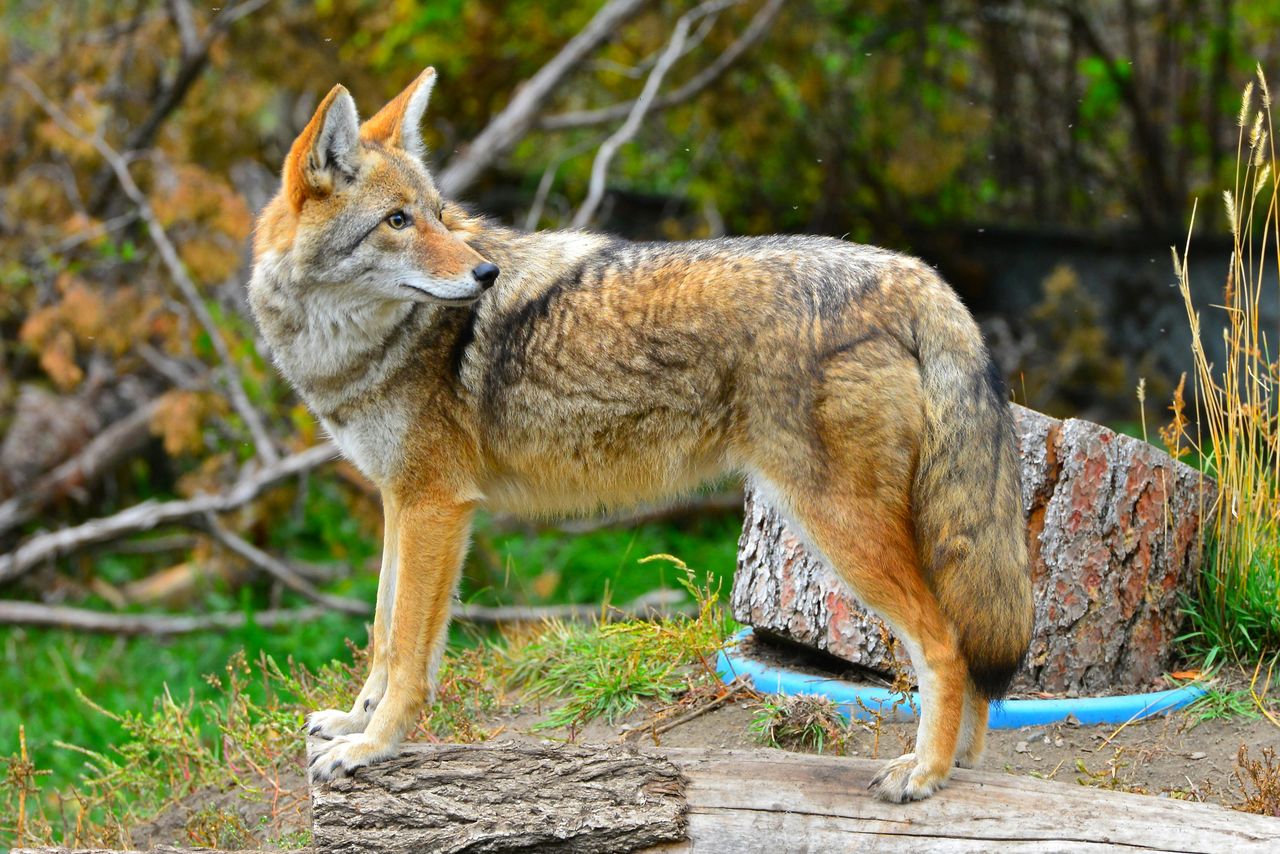
Most Americans worry about sharks, snakes, or bears. Meanwhile, the animal most likely to slip through the neighborhood unnoticed is the one causing a very different kind of danger.
The real threat is not what people think.
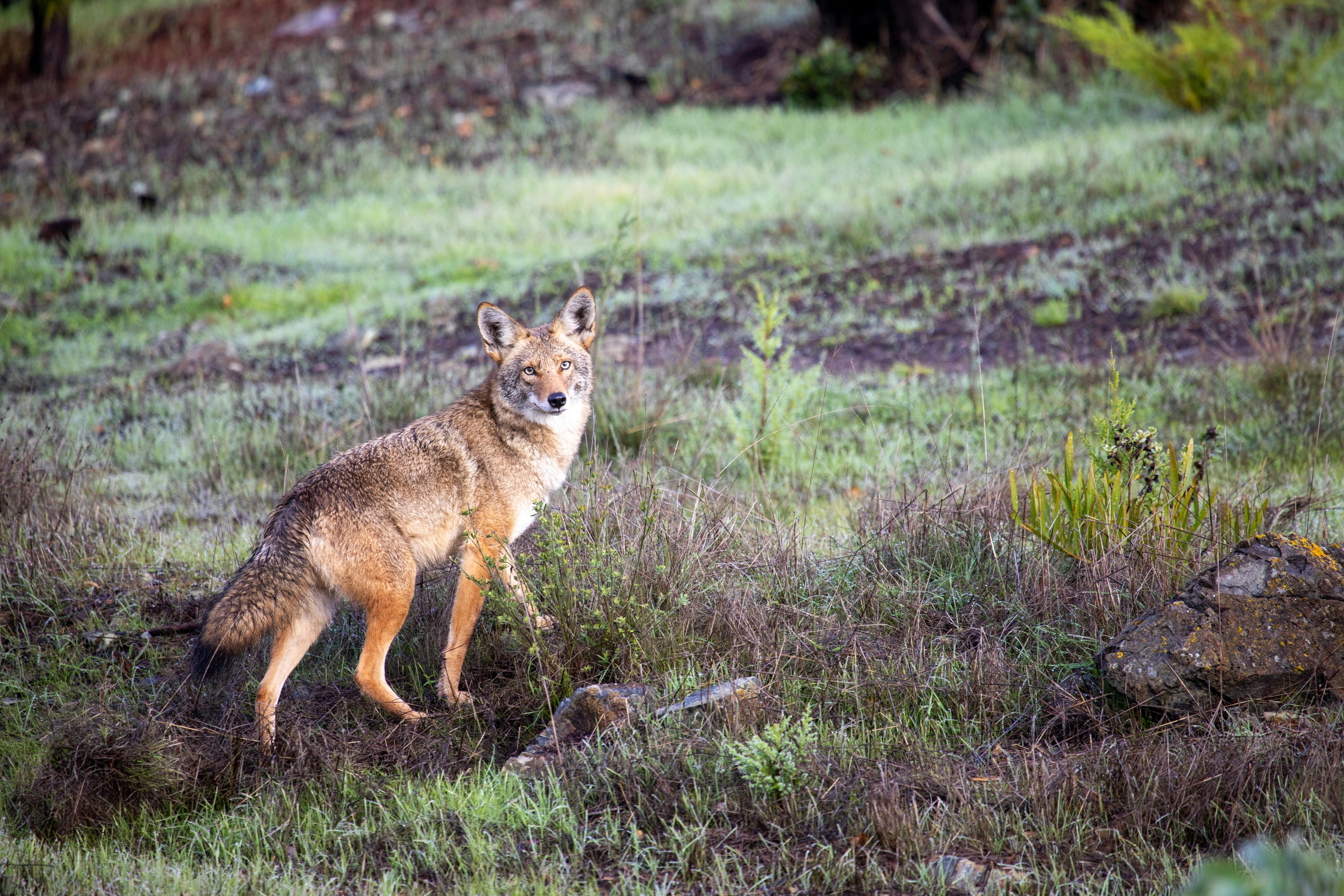
Calling coyotes the most dangerous animal Americans ignore is not the same as saying they kill the most people. They do not. Human attacks remain rare, and official guidance from the National Park Service and state wildlife agencies still stresses that coyotes usually avoid people.
But that framing is exactly why the risk gets missed. Coyotes are dangerous because they live close to us, adapt fast, and create repeated low-visibility conflicts that many families do not prepare for until after a pet vanishes, a child is followed, or an aggressive animal appears in broad daylight. The danger is cumulative, local, and easy to underestimate.
In much of the country, the bigger risk is not a headline-grabbing attack. It is a coyote that has learned people are harmless, yards contain food, and leashed pets are vulnerable. USDA guidance on urban coyotes warns that increasing contact with people has produced bolder behavior toward both people and pets, especially where feeding or food conditioning has occurred.
That combination matters because coyotes now occupy nearly the entire United States, with USDA materials noting they live everywhere except Hawaii. This is not a remote wilderness problem. It is a backyard, greenbelt, school-route, and dog-walk problem.
Coyotes mastered the modern American suburb.
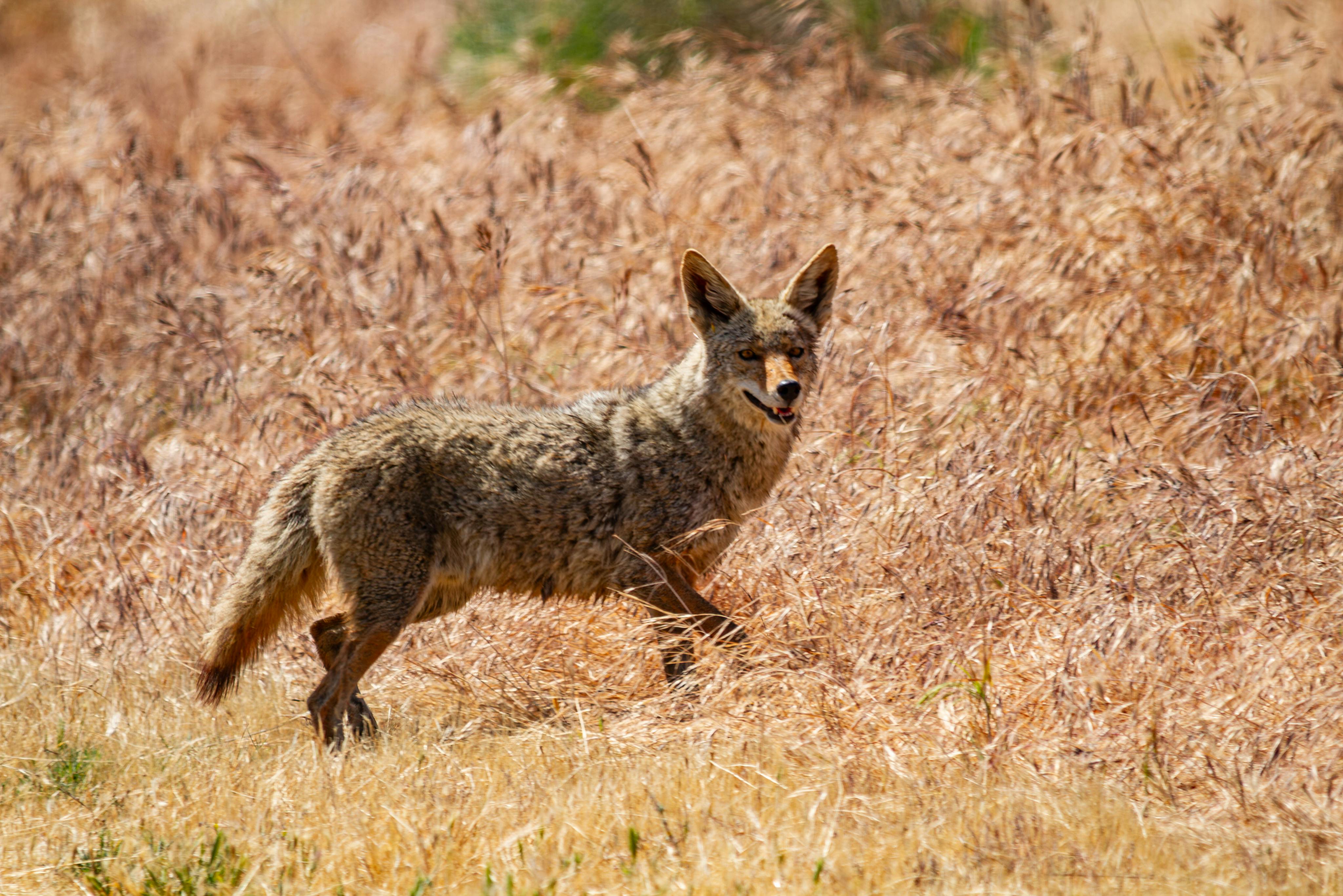
Coyotes are one of the great urban success stories in North American wildlife. They thrive in desert edges, farm country, wooded suburbs, beach communities, and major cities. The long-running Urban Coyote Research Project in the Chicago region found that coyotes benefit from urban landscapes through high survival and dense populations while still avoiding people enough to remain largely unseen.
That stealth is a big part of the problem. People assume that because they do not see coyotes often, there are not many nearby. In reality, researchers in Chicago documented animals using rail lines, golf courses, cemeteries, industrial corridors, and narrow patches of habitat to move through heavily populated areas with remarkable efficiency.
The suburban buffet helps. Open trash, compost, fallen fruit, outdoor pet food, birdseed, rodents, rabbits, and unattended cats all make neighborhoods attractive. Once that food pattern is established, coyotes stop behaving like passing wildlife and start behaving like residents.
This is why officials from Los Angeles to Massachusetts keep repeating the same message: remove attractants first. A coyote that wanders through once is one thing. A coyote that learns your block reliably offers calories is an entirely different level of risk.
Pets are where the danger becomes brutally obvious
For many Americans, coyotes become real only after a pet attack. That is not an overreaction. It is usually the first moment the abstract wildlife issue turns into an immediate family loss. State and local agencies consistently warn that cats and small dogs are the most vulnerable, especially at dawn, dusk, and night.
Massachusetts wildlife guidance says pets should be directly supervised and notes that nighttime attacks on unsupervised pets are a recurring pattern. West Hollywood’s coyote management guidance makes the same point more bluntly: attacks on cats are normal coyote behavior, and even leashed dogs can be at risk if given too much distance.
The emotional part of this story matters because Americans often treat pet losses as isolated bad luck instead of a sign of escalating coyote boldness. In several communities around Boston, officials issued warnings after small dogs were snatched during walks or from yards. In Southern California, similar reports have become common enough that coyote meetings and public advisories are now routine.
And pets are not just victims. They are also magnets. A small dog on a retractable leash, a cat slipping through a side yard, or bowls left outside can all turn a passing coyote into a repeat visitor. Once that pattern forms, the animal becomes harder to push back out of the neighborhood.
Human attacks are rare, but bold behavior is the warning sign
The important distinction is this: coyotes do not need to attack many people to be a serious public safety concern. What matters is the progression. Wildlife agencies repeatedly warn that habituation comes first, then assertive behavior, then conflict. The animal does not leap from harmless to dangerous in one step.
The National Park Service has documented multiple instances of coyote aggression toward humans in Yellowstone, including a few attacks. In the Presidio area of San Francisco, federal managers removed a coyote in 2024 after officials said it was showing assertive behavior toward people, including people without pets. That detail matters because pet-related boldness can spill into broader human-directed behavior.
USDA research on hazing offers another clue. Coyotes can learn to back off when people consistently act aggressively toward them, but animals that have been fed are more likely to keep approaching even when hazed. In other words, the same human behavior that creates the problem also makes it harder to solve.
That is why daytime sightings alone are not always the issue. The bigger red flags are stalking, repeated close approach, refusal to retreat, targeting pets near people, and any sign that the animal associates humans with food rather than threat.
The disease angle is quieter than bites, but still serious.
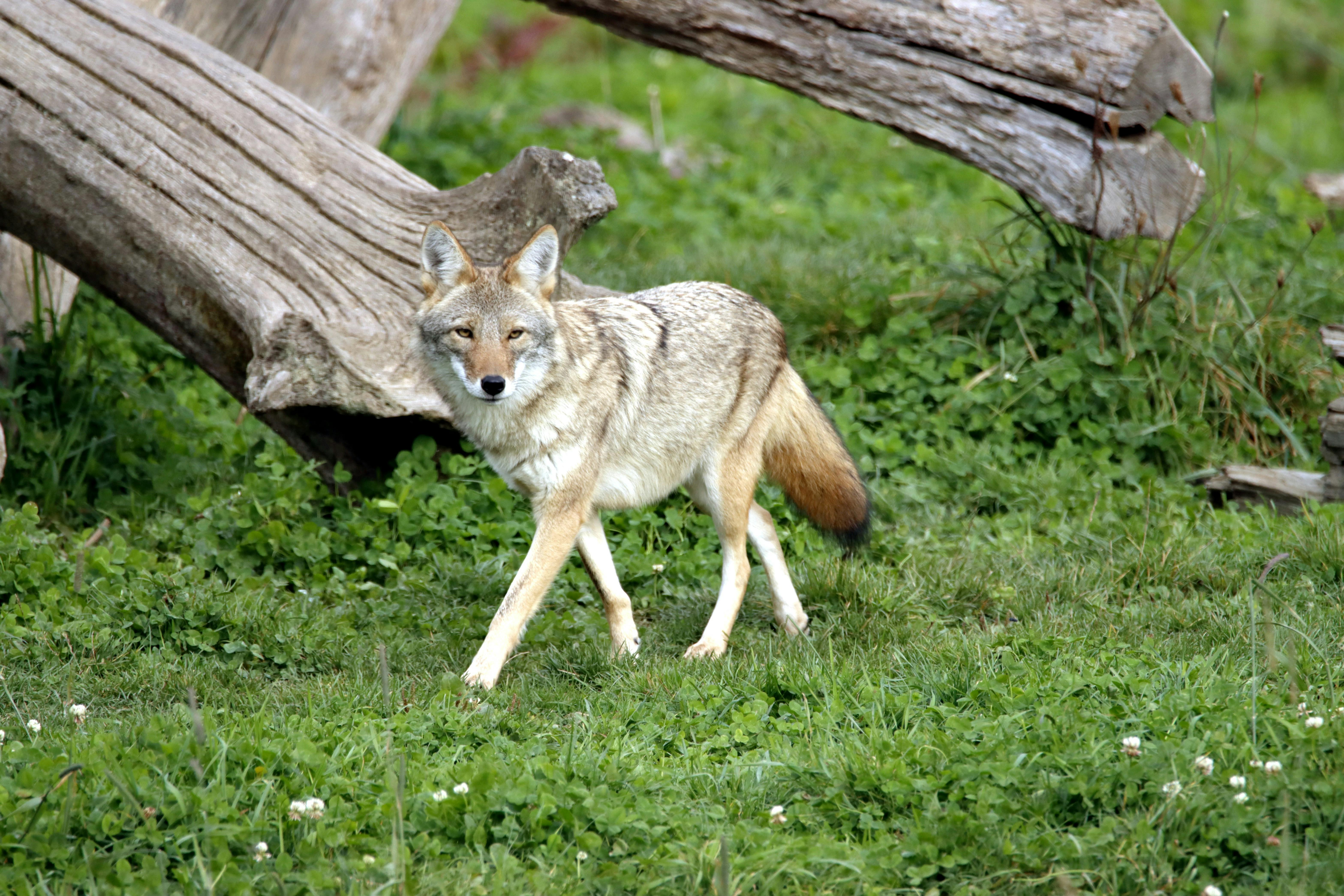
Coyotes are not the top rabies carrier in the United States, and it is important not to exaggerate that point. According to the CDC, around 4,000 animal rabies cases are reported annually in the U.S., and more than 90% occur in wildlife such as bats, raccoons, skunks, and foxes. Still, any coyote acting strangely, aggressively, or fearlessly deserves caution because exposure decisions often have to be made fast.
The CDC also says more than 6 million Americans report animal bites each year, about 1.6 million seek medical attention, and around 100,000 receive rabies post-exposure prophylaxis. A coyote bite is not common, but when it happens, it triggers exactly the kind of urgent medical and public health response most families never expected from a neighborhood animal.
There is also the broader ecosystem effect. Coyotes move through parks, drainage areas, alleys, and yards, interacting with pets, prey species, parasites, and human spaces. They are part of the messy wildlife interface where disease surveillance, pet safety, and human behavior all overlap.
So the health danger is not simply “coyotes spread rabies.” It is that coyotes sit inside a web of bite risk, pet exposure, and abnormal behavior scenarios where families often hesitate when they should report immediately.
Why Americans keep underestimating them
Part of the blindness is cultural. Bears look dangerous. Snakes trigger instinctive fear. Coyotes look lean, familiar, almost doglike. That resemblance softens public perception, even though the behavior of a food-conditioned wild canid is very different from the behavior of a domestic dog.
Another reason is statistics. If people hear that attacks on humans are rare, they mentally file coyotes under harmless. But low fatality numbers do not equal low practical risk. The same logic would miss the millions of bite-related medical visits and the much larger burden of animal conflict that never becomes national news.
There is also a strange success problem. Coyotes are so good at living beside us without being seen that they stay psychologically invisible. Chicago research has shown they strongly avoid humans in time and space, often shifting activity to nighttime. That means people can live very close to coyotes for years without changing behavior at all.
Then, when conflict finally appears, it feels sudden. It usually is not. By the time a coyote takes a pet off a leash or starts lingering near children, the learning process has likely been underway for weeks or months.
What smart neighborhoods do differently
The best response is not panic and not denial. It is disciplined coexistence. That starts with treating coyotes as adaptable predators, not quirky neighborhood mascots. Feeding them, intentionally or accidentally, is the fastest way to create danger. Wildlife agencies across the country agree on that point with unusual consistency.
Smart neighborhoods secure trash, remove outdoor pet food, clean up fruit, reduce brushy hiding spots, and keep cats indoors. Small dogs should be supervised, especially near dawn and dusk. Long leashes create false confidence. So do fenced yards, because coyotes can jump or exploit weak points surprisingly well.
People also need to relearn hazing. Stand tall, shout, wave arms, make noise, and teach coyotes that coming closer to humans is a bad bet. USDA research suggests hazing can work, especially before food conditioning becomes entrenched. But hazing only works if communities do it early and consistently.
The deeper lesson is simple. Coyotes are dangerous not because they are monsters, but because they are brilliant survivors living in the gaps of American attention. And the animals that adapt fastest to human complacency are often the ones we should be watching most closely.