Some cartridges inspire loyalty. Only one keeps showing up whenever survivalists stop theorizing and start thinking about what they would actually carry.
The caliber that keeps surviving the argument
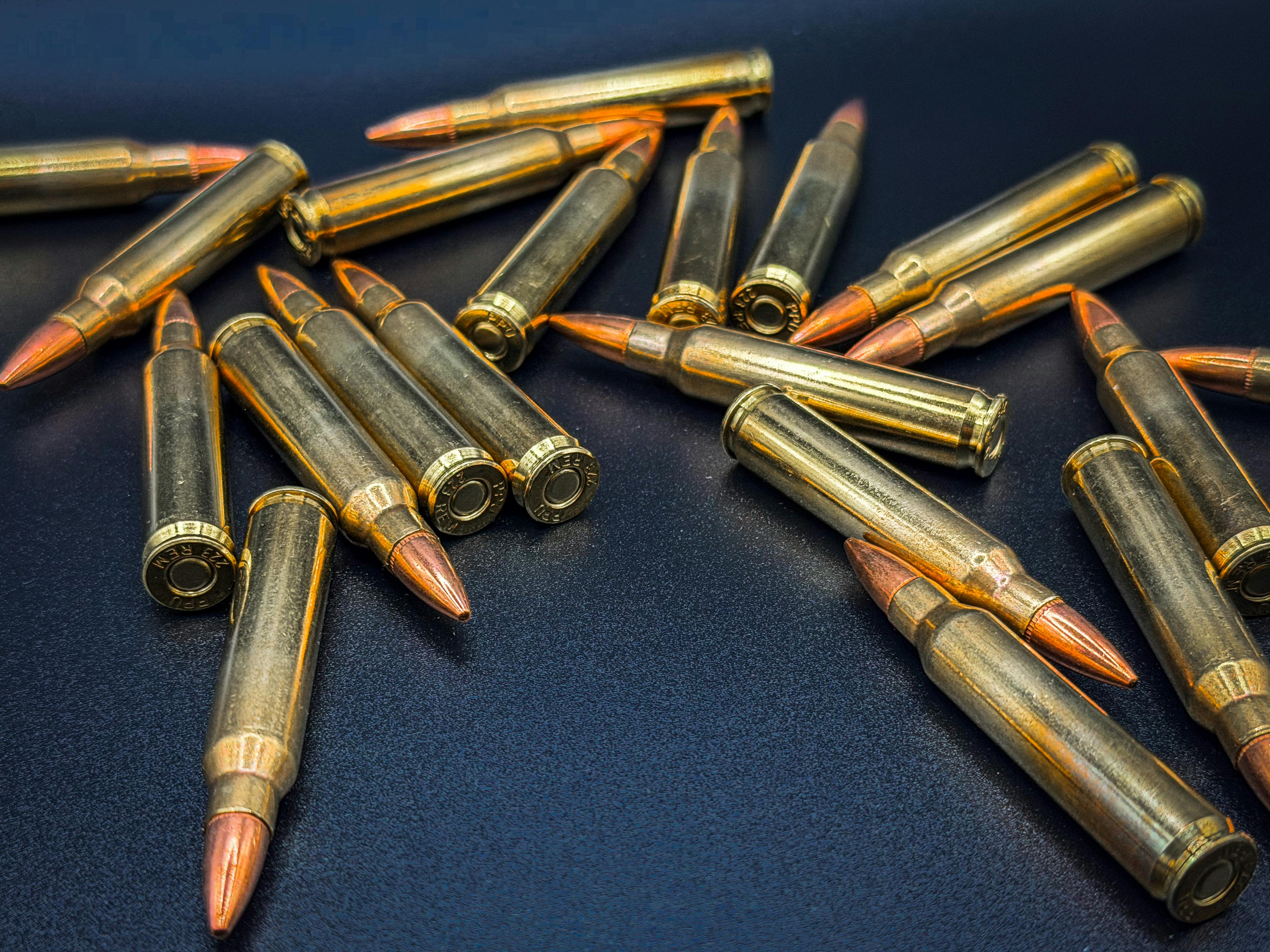
Ask ten preparedness-minded shooters for the best all-around survival caliber and you will hear the usual list: .22 LR for light weight, 12 gauge for raw versatility, .308 for reach and authority, and 9mm because handguns are everywhere. But when the conversation shifts from niche strengths to total usefulness, 5.56 NATO keeps clawing its way back to the top. It is not the heaviest hitter or the quietest small-game option, yet it consistently lands in the sweet spot between power, portability, capacity, and shootability.
That balance matters more than caliber tribalism. In a true emergency, the “best” cartridge is rarely the one that dominates one task. It is the one that handles the most tasks without crippling tradeoffs. Survival planning is a game of compromise, and 5.56 has spent decades proving it is one of the least punishing compromises on the market.
There is also a reason the cartridge refuses to fade from institutional use. The U.S. Army’s budget documents for 2024 and 2025 still list the 5.56mm M855A1 as a service round for the M16 and M4 family, and Army materials continue to describe 5.56 ammunition as optimized for the M4 platform. That does not automatically make it the best civilian survival answer, but it reinforces a core point: this is a mature, heavily supported system with enormous real-world infrastructure behind it.
Availability is a survival feature, not a side note

Preparedness veterans tend to come back to common calibers because common calibers are easier to replace, trade, and feed. That sounds obvious, but it is one of the least glamorous and most important parts of survival planning. A theoretically superior cartridge becomes a liability if magazines, spare parts, and ammunition dry up quickly. One reason 5.56 stays relevant is that the cartridge is deeply embedded across civilian sporting rifles, training culture, retail inventory, and military production.
The broader rifle ecosystem matters just as much as the cartridge itself. The National Shooting Sports Foundation notes that modern sporting rifles are commonly chambered in .223 Remington and 5.56 NATO, and the platform’s modularity is a major reason it remains popular. In practice, that means a huge installed base of compatible rifles, parts, magazines, optics mounts, and training resources. In preparedness terms, commonality is resilience.
Even retail market data points in the same direction. Industry reports and distributor rankings in 2025 continued to place 5.56 among the most frequently purchased centerfire rifle loads in the United States. You do not need every market estimate to agree perfectly to see the pattern. If a survival caliber is supposed to be easy to find in normal times and more likely to reappear after shortages, sheer market penetration gives 5.56 a serious edge.
It carries more easily than the heavyweight alternatives
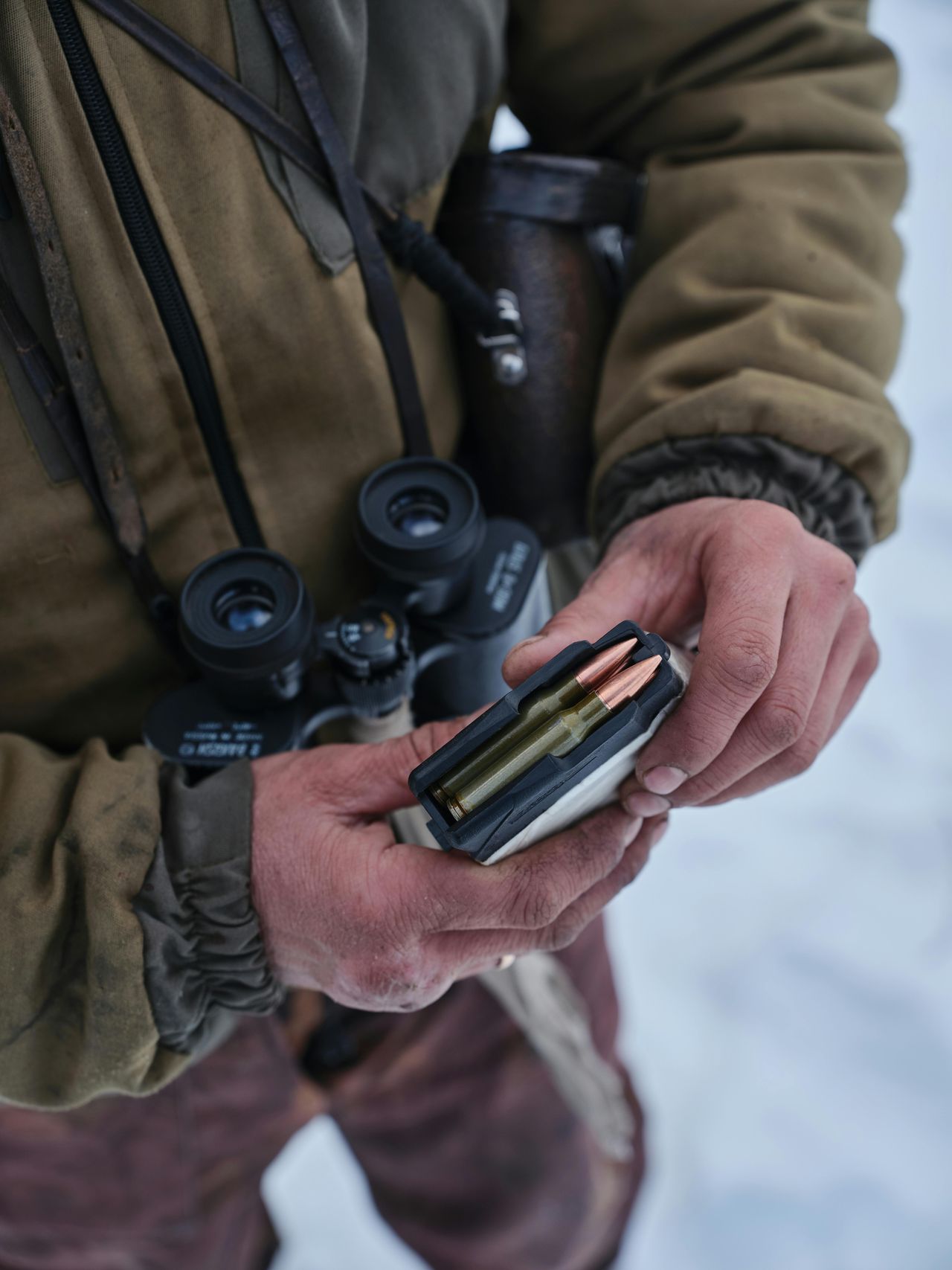
One of the fastest ways to ruin a survival loadout is to build it around a cartridge you do not want to carry for long. This is where 5.56 earns its reputation with people who think in miles instead of benchrest groups. Compared with larger full-power rifle rounds like .308 Winchester or 7.62×51 NATO, 5.56 lets a person carry significantly more ammunition for the same weight and bulk. That is not a minor convenience. It can reshape how long you stay mobile and how much capability you retain after day one.
Weight savings also ripple outward into the rifle itself. A lightweight 5.56 carbine, a stack of magazines, and a practical optic usually create a far more manageable package than a comparable .308 setup. That means less fatigue, faster follow-up shots, easier movement in vehicles or tight interiors, and less punishment for smaller-framed shooters. Survival gear only works if the user can keep using it while tired, cold, hungry, and stressed.
The U.S. military’s long commitment to the round underscores the same basic logic. Army materials on the M855A1 repeatedly frame 5.56 as a general-purpose round for the M4 and related weapon family. Military priorities are not identical to civilian preparedness, but the overlap is real: if you want a cartridge that offers useful reach while preserving manageable weight and recoil, 5.56 keeps checking that box.
Recoil, speed, and training all matter more than people admit
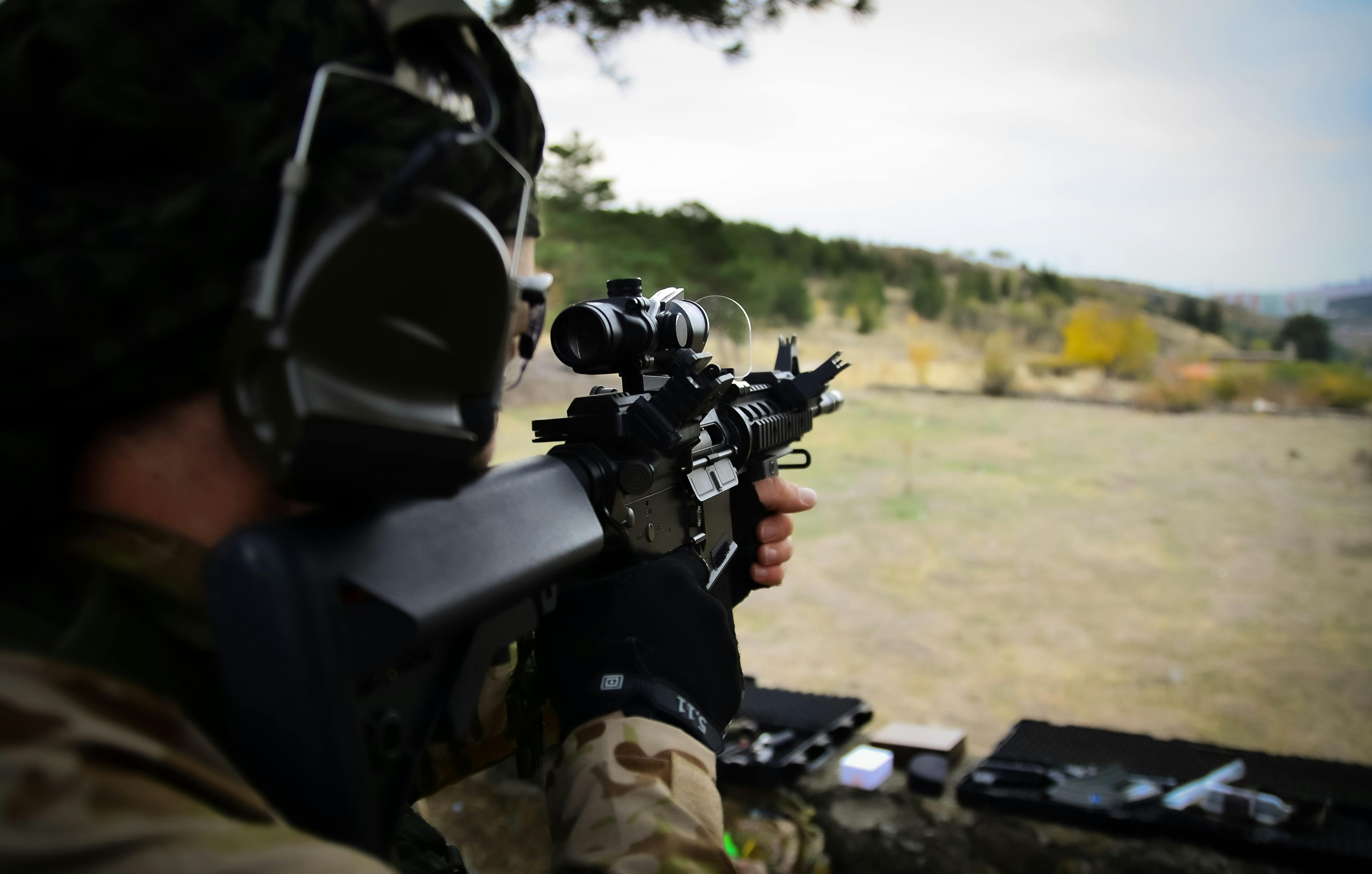
Survivalists often talk about terminal performance as though that is the only metric that matters. It is not. A cartridge that allows faster hits, better control, and longer training sessions without excessive fatigue may be more valuable than a stronger round that punishes the shooter. One reason 5.56 remains so sticky in preparedness circles is simple: most people shoot it well, and they can afford to shoot it enough to stay competent.
Low recoil improves far more than comfort. It supports faster follow-up shots, cleaner target transitions, and better confidence under stress. That matters in defensive use, but it also matters in the broader preparedness picture, where one rifle may be expected to cover training, perimeter security, pest control, and opportunistic hunting. The cartridge’s mild handling is one reason AR-pattern rifles dominate so much training culture in the first place.
Real-world criminal and law-enforcement case records also show how widespread the platform is. In its update on the Butler, Pennsylvania, assassination attempt, the FBI identified the rifle involved as a DPMS AR-15-style firearm designed to shoot 5.56mm ammunition. That is not evidence in favor of ownership by itself, but it does reinforce the point that 5.56-compatible rifles are common enough that training, accessories, magazines, and spare parts remain deeply entrenched in the American market.
The hunting question is where the debate gets honest
This is where critics of 5.56 usually step in, and fairly so. It is not a universal hunting round. For large game, legal restrictions vary by state, and even where .223 or 5.56-class cartridges are permitted, many hunters prefer more powerful options. If your survival model centers on elk country, long-range harvesting, or heavily wooded regions where larger-bodied animals are the realistic target, 5.56 is no magic wand.
But preparedness is rarely about idealized trophy hunting. It is about what one rifle can do passably well in the broadest set of realistic situations. For varmints, predators, and many small-to-medium tasks, 5.56 is more than adequate. It also offers enough practical accuracy and enough reach to be useful beyond the distances where pistol-caliber carbines start to feel compromised. In other words, while it may not be the king of big game, it covers a lot of ordinary ground.
That is why.22 LR never fully replaces it in serious discussions. A rimfire is lighter, quieter, and excellent for small game, and many experts still recommend keeping one. But a .22 is a specialist when defensive demands rise. By contrast, 5.56 stays in the fight when the problem shifts from foraging to deterrence, mobility, or security.
Why does it beat the “more powerful is always better” mindset?

There is a common survival fantasy that bigger automatically means smarter. In reality, bigger often means heavier rifles, fewer carried rounds, more recoil, slower recovery, and higher cost per trigger pull. .308 absolutely brings more energy and better performance at distance. A 12-gauge remains brutally versatile at close range. But both demand meaningful sacrifices that become harder to justify if you only get one general-purpose long gun.
Preparedness is less about maximizing one capability than about avoiding weak links. 5.56 offers useful defensive performance, practical accuracy, wide support, and relatively low shooter burden. Army reporting on the M855A1 even emphasized improvements intended to blur traditional performance gaps between 5.56 and 7.62 in some target-testing contexts. Civilians should not overread military claims, but the broader lesson holds: modern 5.56 loads are not the anemic compromise critics sometimes pretend they are.
There is also the issue of volume. In uncertain conditions, the ability to carry more loaded magazines, train more often, and equip multiple members of a household on a common platform can matter more than owning the single most powerful rifle in the room. Survival planning rewards systems thinking, and 5.56 works as a system.
The real answer is boring, and that is exactly why it lasts
The cartridge survivalists keep coming back to is not glamorous because glamour is not the point. The reason 5.56 NATO remains so persistent is that it stays useful after the arguments cool down. It is common, light enough to carry in quantity, soft enough to shoot well, and supported by an enormous rifle ecosystem. Those are not romantic traits. They are durable ones.
That does not mean everyone should own only one caliber or one rifle. Smart preparedness often includes a rimfire for small game, a handgun for daily carry, and sometimes a larger rifle for hunting or rural defense. But if the question is which caliber keeps reemerging as the do-it-all answer, 5.56 has the strongest case because it asks the fewest painful compromises from the broadest number of users.
That is usually how real survival choices work. The winner is not the cartridge with the most dramatic sales pitch. It is the one that remains practical when weight, recoil, parts availability, training value, and real-world logistics are all counted honestly. And when survivalists count honestly, they keep coming back to 5.56.