Some handguns look incredible on a desk, in a display case, or resting in a leather holster. They shine, feel solid in the hand, and carry strong brand recognition or nostalgia. Yet experienced shooters know that beauty and reputation do not always equal reliability. A firearm meant for defense or serious use must function under stress, dirt, and neglect. This list explores seven handguns that owners often admire, clean, and show off, but quietly hesitate to rely on when the stakes are high. These firearms are not useless, but they demand caution, understanding, and realistic expectations.
1. AMT Hardballer
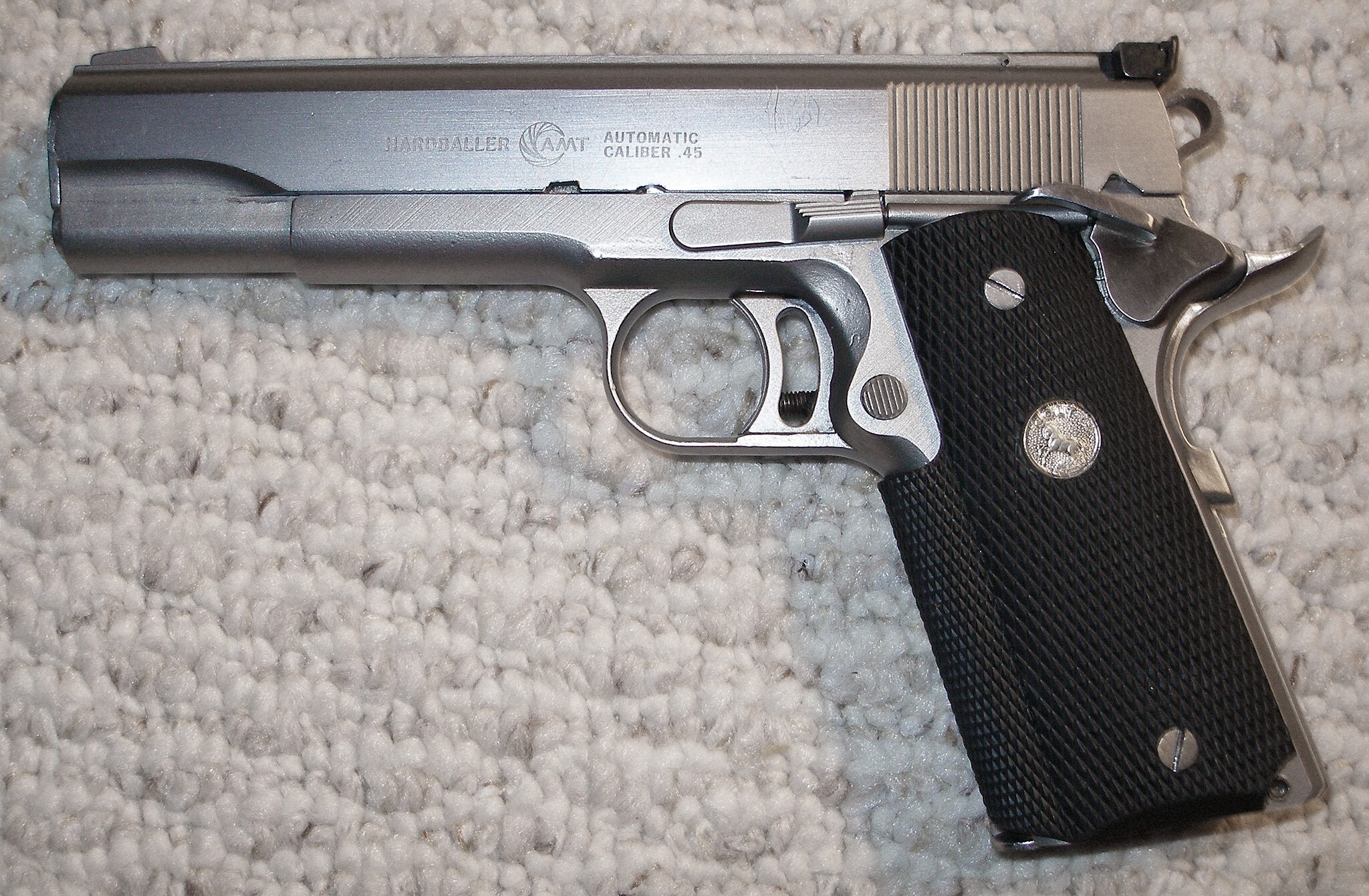
The AMT Hardballer looks iconic with its stainless steel finish and classic 1911 lines, but reliability issues plague many examples. Early models suffered from poor tolerances, brittle internals, and inconsistent feeding, especially with hollow points. Owners often report frequent jams unless the gun is tuned by a skilled gunsmith. The weight and recoil management feel solid, yet mechanical trust remains shaky. Many people polish it to a mirror shine and admire its rugged appearance, but hesitate to carry it defensively. The Hardballer represents style and history more than dependable performance when conditions are less than ideal.
2. Colt Double Eagle
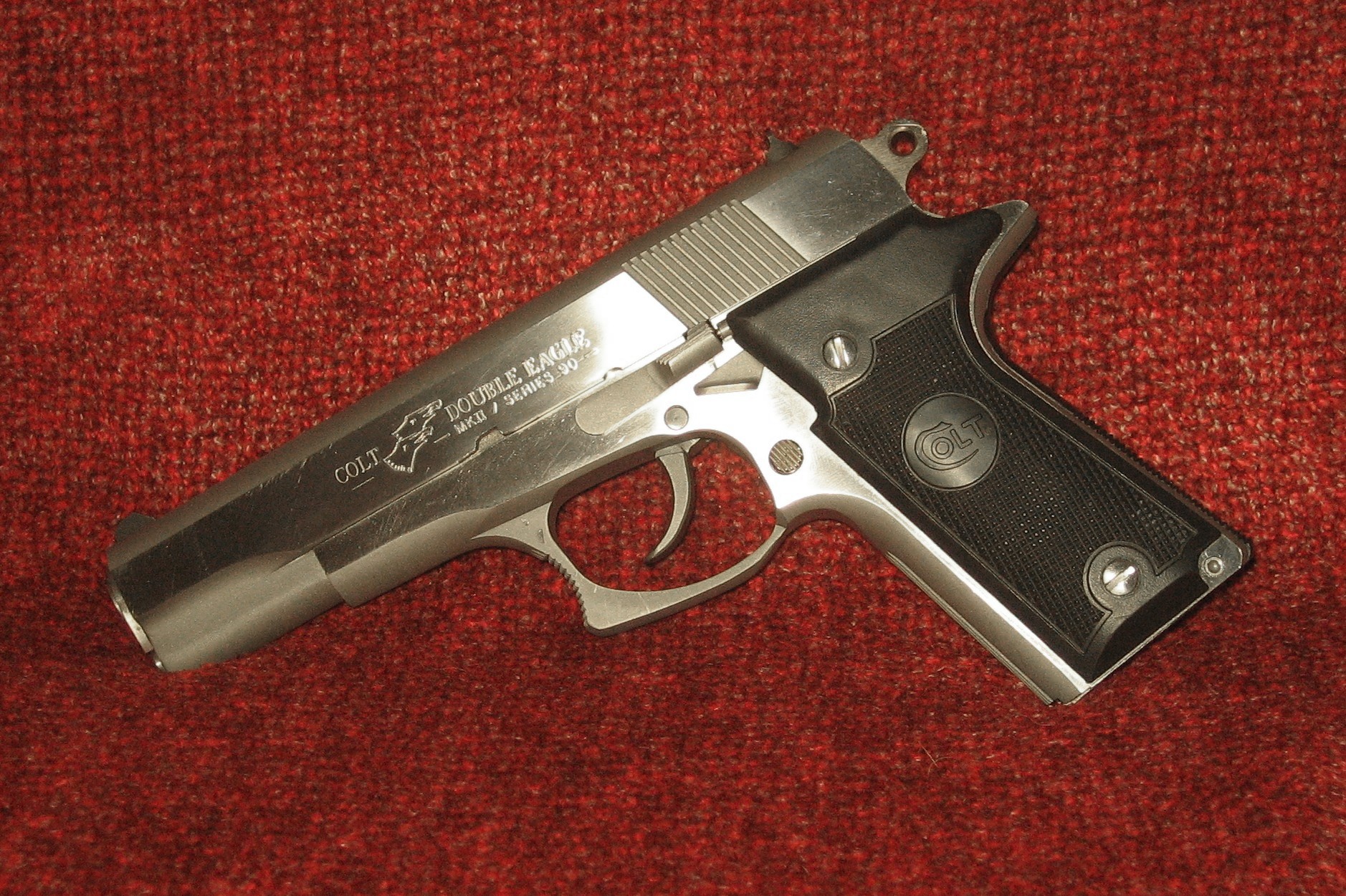
The Colt Double Eagle carries the respected Colt name, yet its reputation never matched expectations. This double-action 1911 variant introduced complexity into a platform known for simplicity. Trigger feel varies widely, and parts wear can cause reliability problems over time. Magazines can be finicky, and sourcing replacement components is increasingly difficult. Shooters appreciate its stainless steel construction and classic look, but many lack confidence in its long-term durability. It often ends up carefully cleaned and rarely fired. The Double Eagle reminds collectors that famous branding does not guarantee dependable real-world performance.
3. Desert Eagle
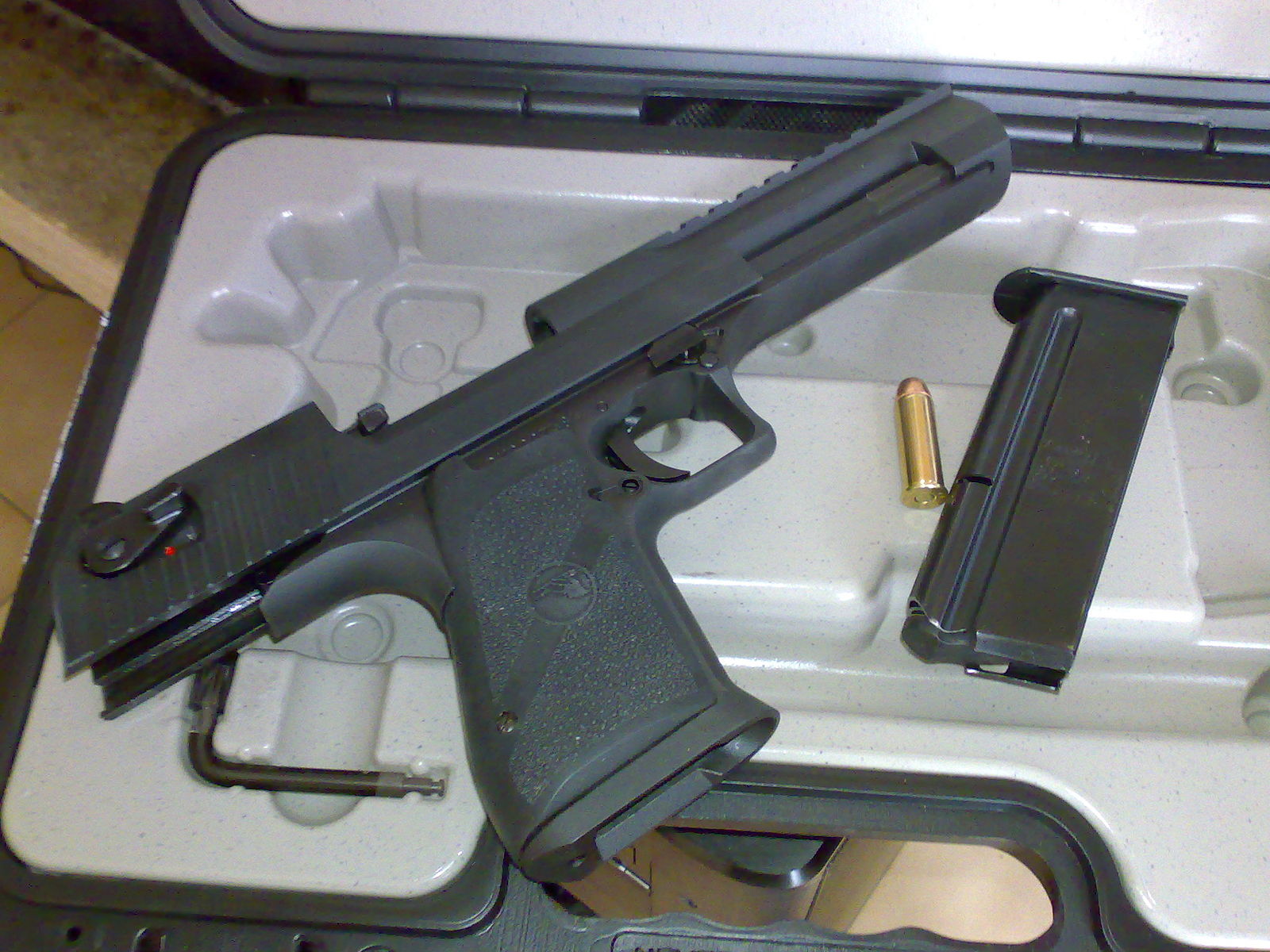
The Desert Eagle commands attention with its massive frame and intimidating presence. It feels powerful, dramatic, and unmistakable. However, its gas-operated system is sensitive to ammunition choice and cleanliness. Underpowered loads can cause failures, while dirt and carbon buildup quickly affect cycling. Its size and weight also limit practical use. Many owners polish it meticulously and enjoy showing it off, but quietly acknowledge its finicky nature. While impressive on the range, the Desert Eagle is rarely trusted for serious defensive roles where simplicity and consistency matter more than spectacle.
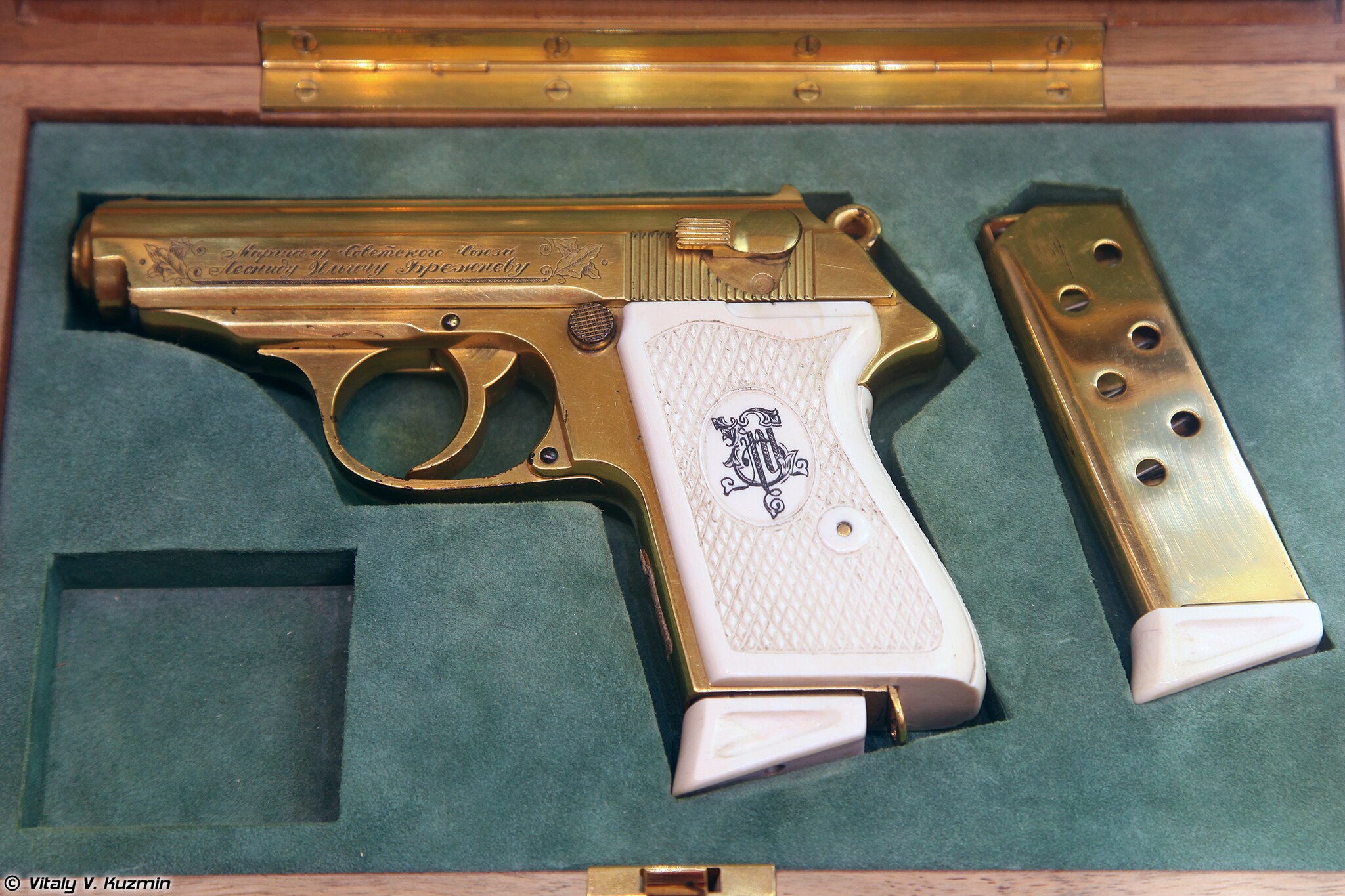
4. Walther PPK
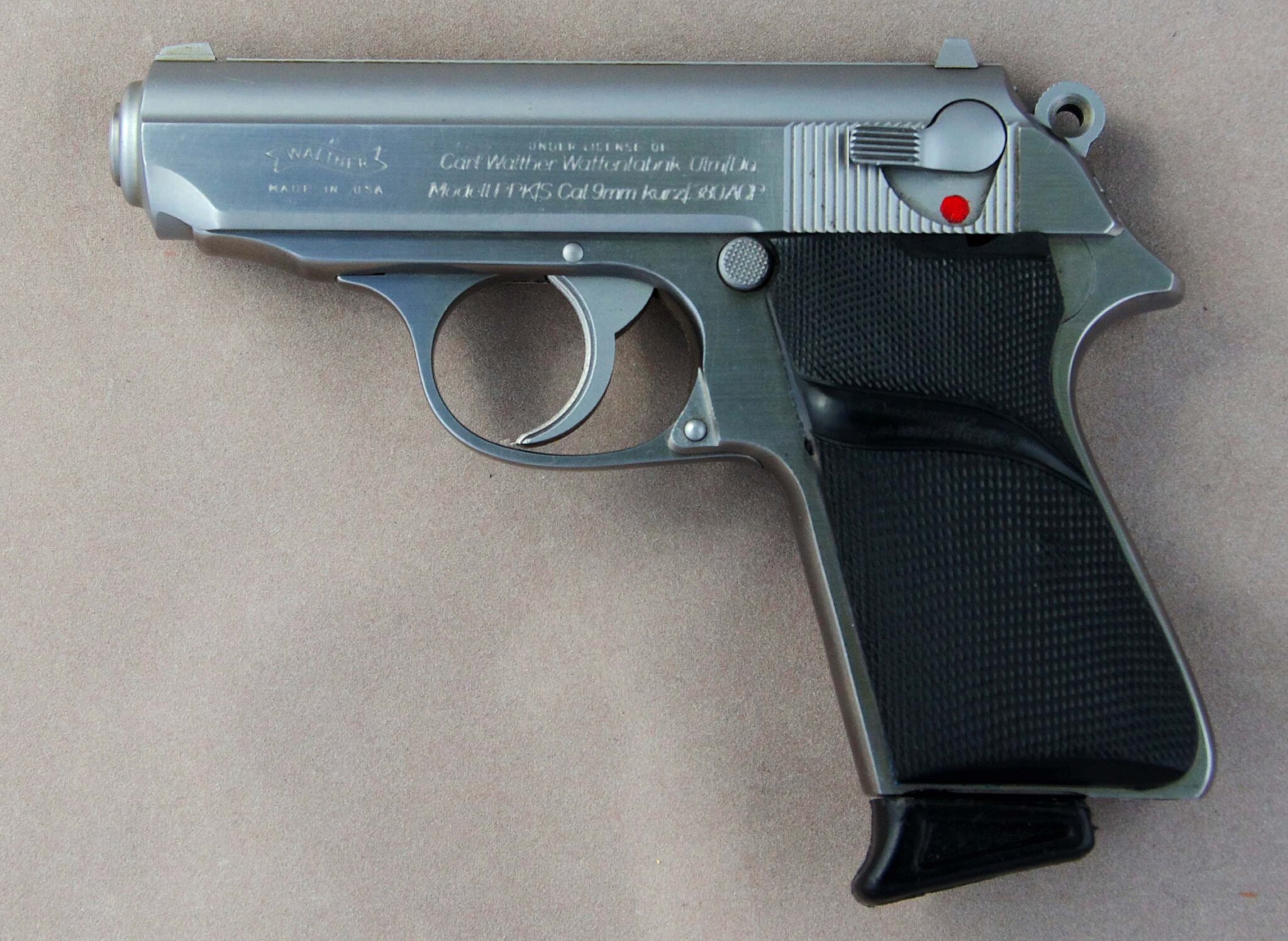
The Walther PPK is elegant, historic, and instantly recognizable. Unfortunately, a smaller size brings tradeoffs. Sharp recoil, slide bite, and sensitivity to ammunition can affect reliability. Older examples often struggle with modern defensive loads, while newer versions have faced quality control concerns. Its slim profile attracts collectors, but limited capacity and harsh shooting characteristics reduce confidence. Many owners keep it immaculately clean and appreciate its craftsmanship, yet hesitate to rely on it under stress. The PPK excels as a symbol of classic design rather than a modern trust-first sidearm.
5. Kimber 1911 Compact Models
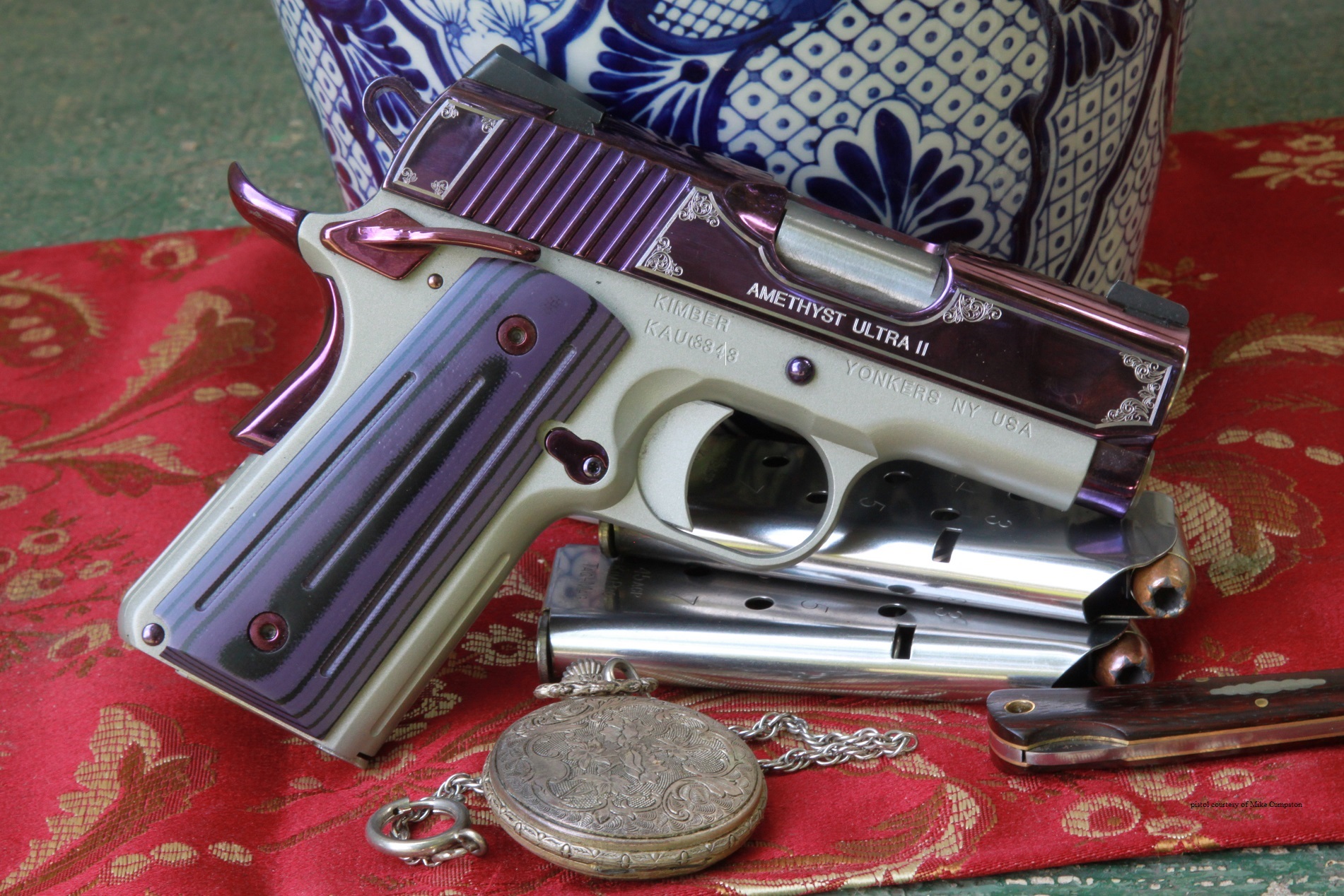
Kimber compact 1911s look refined and premium, often featuring attractive finishes and tight fitment. However, short-barreled 1911 designs reduce tolerance margins. Feeding issues, extractor tension problems, and break-in requirements frustrate many users. Reliability often depends heavily on ammunition choice and magazine quality. While some examples run flawlessly, inconsistency across models creates doubt. Owners frequently polish and maintain them carefully, but still question performance outside controlled range conditions. These pistols reward attention but punish neglect, making trust conditional rather than absolute.
6. Taurus PT1911
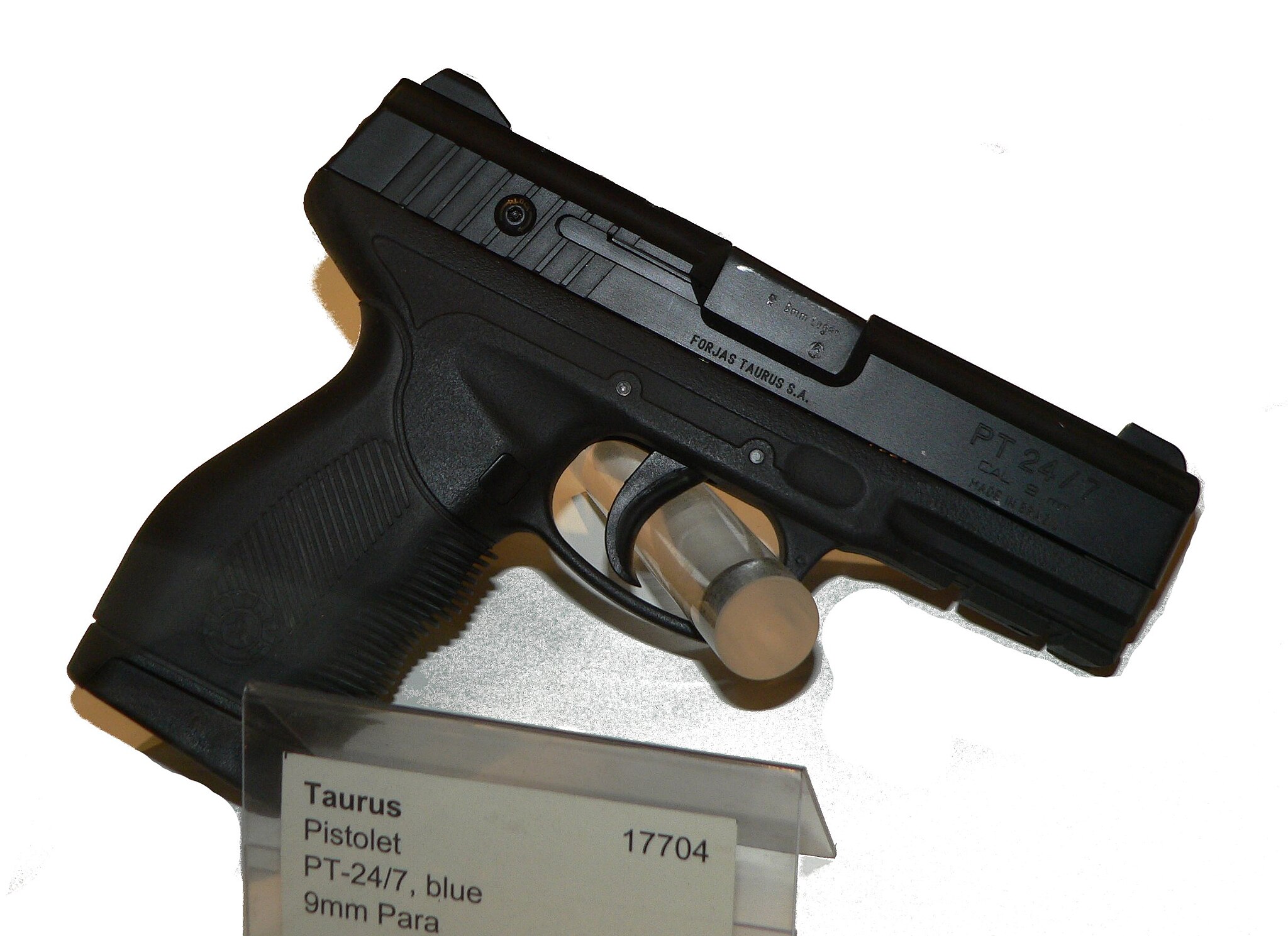
The Taurus PT1911 offers appealing features at an attractive price, but quality control inconsistencies create mixed experiences. Some run well, others suffer from poorly fitted safeties, rough triggers, or premature wear. Finish quality varies, leading owners to polish and refine the appearance themselves. While the platform has potential, unpredictable factory execution limits trust. Many shooters enjoy it recreationally yet hesitate to depend on it for serious use. The PT1911 shows how affordability and reliability do not always align without compromise.
7. CZ 52
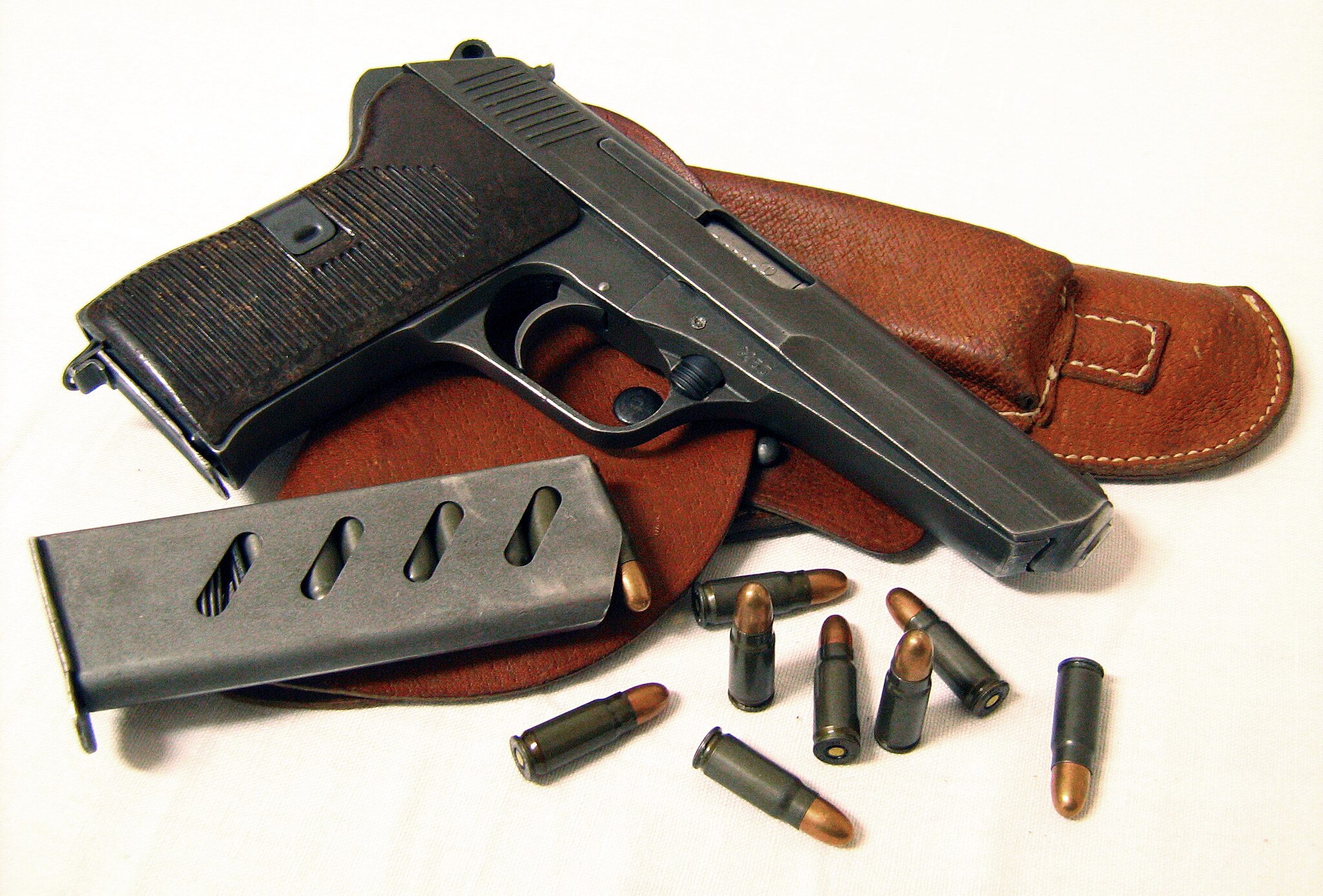
The CZ 52 is rugged, unique, and historically fascinating, but reliability concerns persist. Firing pin brittleness, safety failures, and hot surplus ammunition issues are well documented. The roller-locked system is mechanically interesting but unforgiving of worn parts. Owners often replace internals and polish surfaces, yet still approach it cautiously. Its powerful cartridge adds recoil and wear. While impressive to handle and shoot occasionally, few trust it implicitly. The CZ 52 remains a collector’s curiosity rather than a dependable modern handgun.