Not every concealed carry gun becomes a trusted daily companion. Some looked great in the case, felt fine at the counter, and then disappointed owners once real-world carry, practice, and reliability entered the picture. This gallery explores ten handguns that many buyers moved on from quickly, and why they struggled to stay in rotation.
Kel-Tec PF-9

The Kel-Tec PF-9 had one mission and wore it plainly: be as thin and light as possible while still offering 9mm power. That made it attractive to buyers who wanted maximum concealability with minimal bulk, especially when truly tiny 9mm pistols were still relatively rare.
Its problem was that being light often meant being unpleasant. Shooters frequently described sharp recoil, rough ergonomics, and a level of refinement that felt lacking next to later competitors. Even fans tended to praise its concept more than its execution. For many owners, it became a gun that was easy to carry but hard to love, and eventually easy to leave at home.
Bond Arms Backup

The Bond Arms Backup appealed to a very specific idea of concealed carry: ultra-simple, deeply concealable, and mechanically straightforward. Derringers have always drawn buyers who value ruggedness and uncomplicated operation, and the Backup leaned into that identity completely.
In reality, many owners discovered that old-school simplicity comes with serious tradeoffs. Limited capacity, stout recoil, slow reloads, and minimal shootability made it hard to justify as anything more than a novelty or niche option. It felt reassuring in the hand at first, but less convincing on the range. For plenty of people, that gap between concept and performance meant it was tried, discussed, and then quietly retired.
Smith & Wesson Bodyguard 380

The Bodyguard 380 seemed destined for success. It wore a trusted brand name, promised true pocket carry dimensions, and entered the market at a time when demand for small defensive pistols was surging among both new and experienced carriers.
Yet many shooters never bonded with the original version the way they expected. Complaints often centered on the trigger, tiny controls, and a shooting experience that felt less polished than rival .380 pistols. Once smoother, easier-to-shoot alternatives appeared, the Bodyguard often lost its place. It wasn’t necessarily a disaster, but it was frequently one of those guns owners replaced without much hesitation and rarely missed afterward.
Beretta Nano
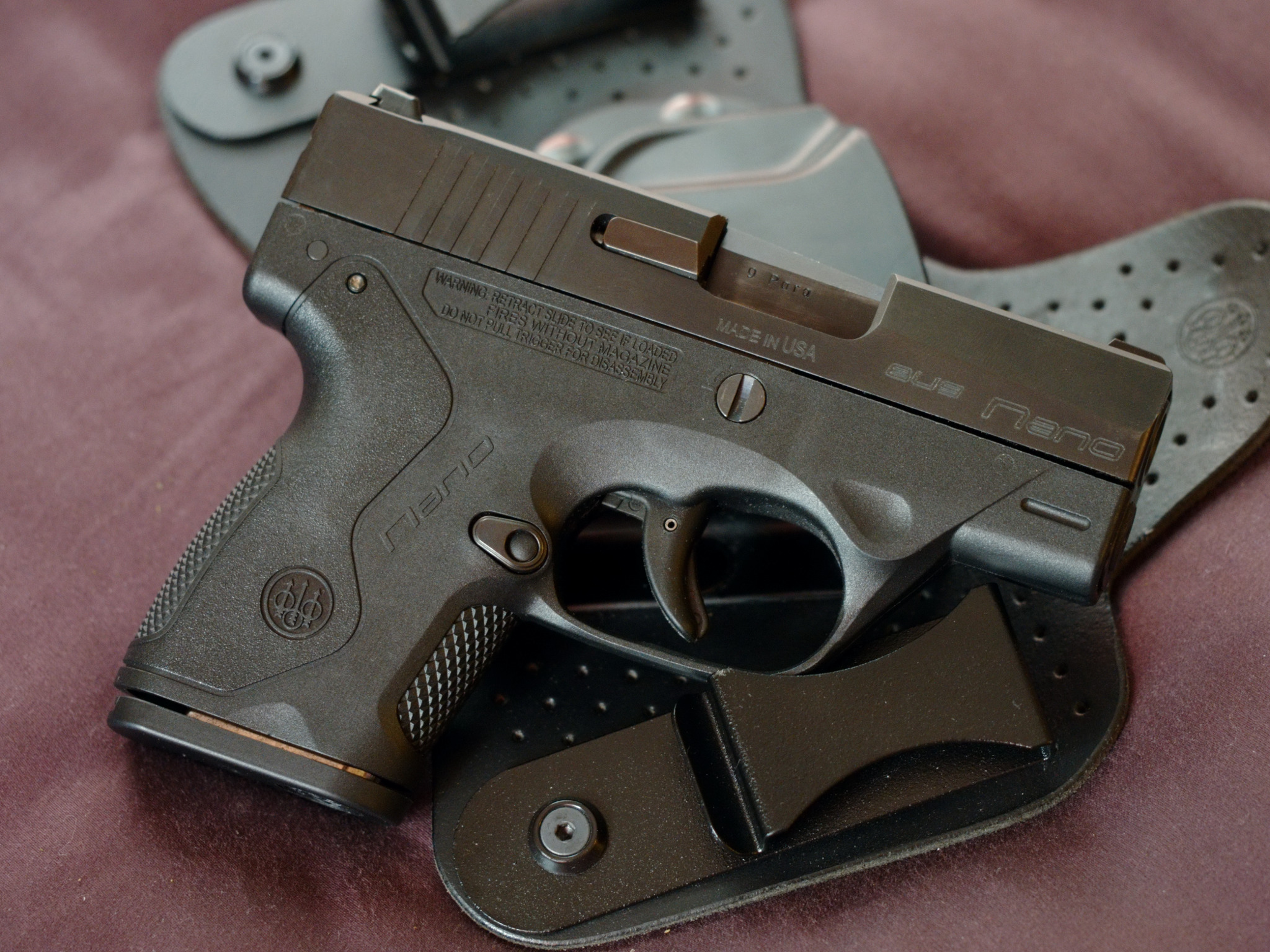
The Beretta Nano entered the single-stack 9mm race with sleek styling and the weight of a famous name behind it. Buyers expected the company’s reputation for dependable carry pistols to translate into a compact model that could compete with the best slim 9mms available.
Instead, the Nano often struggled to inspire loyalty. Some owners found it blocky for its class, difficult to manipulate, and not especially pleasant at the range compared with rivals. As micro-compact designs improved, its advantages became harder to identify. A lot of buyers gave it a chance because it said Beretta on the slide, then moved on when they realized brand trust alone wouldn’t make it a favorite.
Kimber Solo

The Kimber Solo looked like a premium answer to the concealed carry question. It was stylish, compact, and marketed with the kind of upscale presentation that suggested buyers were getting a refined micro 9mm rather than a compromise piece meant only for emergencies.
That promise made its reputation issues sting even more. Reliability complaints followed the pistol early, along with sensitivity to ammunition and a general sense that it asked owners to work around its preferences. For a defensive handgun, that is a tough reputation to overcome. Many people wanted to love it because it looked and felt expensive, but plenty decided that trust mattered more than finish and gave up on it fast.
Walther CCP

The Walther CCP attracted buyers with an appealing pitch: softer recoil, easier slide operation, and ergonomic comfort in a carry-sized package. For shooters with hand strength concerns or those wanting a gentler compact pistol, it sounded like a smart and practical alternative.
But the gun developed a mixed reputation once owners lived with it. Reports of a more complicated takedown process and questions about long-term enthusiasm kept it from becoming a true carry staple for many people. It had good ideas, but good ideas do not always become trusted habits. In a category where simplicity and confidence matter most, the CCP often felt like an experiment people sampled and then stopped reaching for.
Springfield Armory XD-S .45

The XD-S .45 hit the market with serious appeal for those who wanted big-bore confidence in a slim concealed carry package. It promised .45 ACP power in a pistol that could disappear under light clothing, which sounded like the best of both worlds to many buyers.
Then came the practical realities of carrying and shooting a tiny .45. Recoil was brisk, practice could be fatiguing, and some owners decided the tradeoff simply wasn’t worth it for everyday use. A recall also dented confidence during a critical stretch. Many people admired what it represented, but once newer 9mm options proved easier to shoot and carry, the XD-S .45 was often left behind.
Kahr CW9

The Kahr CW9 had a loyal following because it offered a thin profile, respectable trigger feel, and practical dimensions for concealed carry before the micro-compact category fully matured. For a while, it made a lot of sense as a no-nonsense pistol for people who valued slimness over capacity.
Still, many owners eventually moved on. The design began to feel overshadowed by guns offering more rounds, easier handling, and broader accessory support without much size penalty. The CW9 was rarely the loudest disappointment in anyone’s safe, but it often became the quietest omission in their carry rotation. It was competent enough to buy, yet not compelling enough to keep choosing year after year.
SCCY CPX-2

The SCCY CPX-2 drew budget-minded buyers with a simple value proposition: affordable entry into concealed carry without abandoning capacity altogether. For shoppers trying to stay within a tight budget, it often looked like a practical compromise rather than an exciting one.
The problem is that compromise has limits in a defensive gun. The CPX-2 earned criticism for trigger feel, overall refinement, and an experience that could feel rough around the edges compared with even modestly pricier competitors. Some owners defended it as serviceable, but many others upgraded the moment they could. That made it one of those pistols people bought to solve a short-term need, then stopped using once better options became attainable.