Some handguns disappear from catalogs only to become far more desirable once production stops. This gallery looks at discontinued pistols that collectors still chase for their engineering, military ties, limited production runs, or unmistakable place in firearms history. For enthusiasts, these are not just old sidearms, they are snapshots of changing design eras and the stories that came with them.
Colt Python Hunter

The Colt Python gets most of the attention in standard trim, but the discontinued Hunter variant has its own devoted following. With its longer barrel, factory scope mounting setup, and premium finish, it represented a very specific moment when Colt leaned into the revolver’s upscale image.
Collectors tend to hunt this one for originality. Matching accessories, correct sights, and an unaltered top rib can make a major difference in appeal. It is a specialized offshoot of an already famous line, which gives it extra cachet whenever a clean example surfaces.
Browning Hi-Power Practical

The Browning Hi-Power remained in production for decades, but certain discontinued versions now stand out in collector circles. The Practical model, often seen with a two-tone finish and modernized sights, bridges the gap between classic military pedigree and late 20th century defensive styling.
That blend is exactly why people keep looking for it. It still has the unmistakable Hi-Power profile, yet it feels like a transitional pistol from an era when manufacturers were updating old icons for new buyers. Original finish, factory magazines, and Belgian or assembled-marking details often draw the closest scrutiny.
Smith & Wesson Model 39-2

The Smith & Wesson Model 39-2 occupies an important place in American handgun history. As one of the earliest successful U.S. made double-action 9mm pistols, it helped introduce many shooters and agencies to a format that would later dominate the market.
Collectors value it because it feels like a true turning point rather than just another old sidearm. The slim alloy frame, single-stack magazine, and polished styling give it a personality newer service pistols rarely match. Examples with period boxes, law enforcement provenance, or notably clean anodized finishes tend to draw the most attention.
Heckler & Koch P7M13

The HK P7M13 is one of those pistols that feels unlike almost anything else in the hand. Its squeeze-cocking system, low bore axis, and gas-delayed action gave it a loyal following, while its higher capacity made it especially attractive to buyers who wanted the P7 concept in a more duty-ready package.
Today, that unusual engineering is a big part of the chase. The pistol is compact, precise, and expensive to produce, which helps explain why it disappeared. For collectors, that complexity only adds to the mystique. Finish wear from holster use is common, so sharper examples often rise quickly to the top of wish lists.
Colt Woodsman Match Target

The Colt Woodsman in Match Target form remains a favorite among collectors who appreciate elegant rimfire pistols. It combines target shooting credibility with the kind of fit and finish that defined many mid-century Colt products, making it as attractive in a display case as it is on the range.
Part of the appeal is how many subtle variations exist across production eras. Barrels, sights, grips, and markings all give dedicated buyers plenty to study. A strong example can feel less like a simple .22 and more like a carefully finished piece of American sporting history that no modern replacement quite replicates.
Walther P5 Compact

The Walther P5 Compact never had the broad public profile of the PPK, but among serious handgun enthusiasts it has a special aura. Its shortened slide and barrel gave the already distinctive P5 design a more unusual silhouette, and production numbers were limited enough to keep demand lively.
Collectors often describe it as one of those pistols that rewards close inspection. The left-side ejection, refined contours, and unmistakably German styling make it memorable in a crowded field of discontinued 9mm pistols. Since fewer were made, originality matters a great deal, especially when factory magazines and matching case labels are still present.
Star Model BM
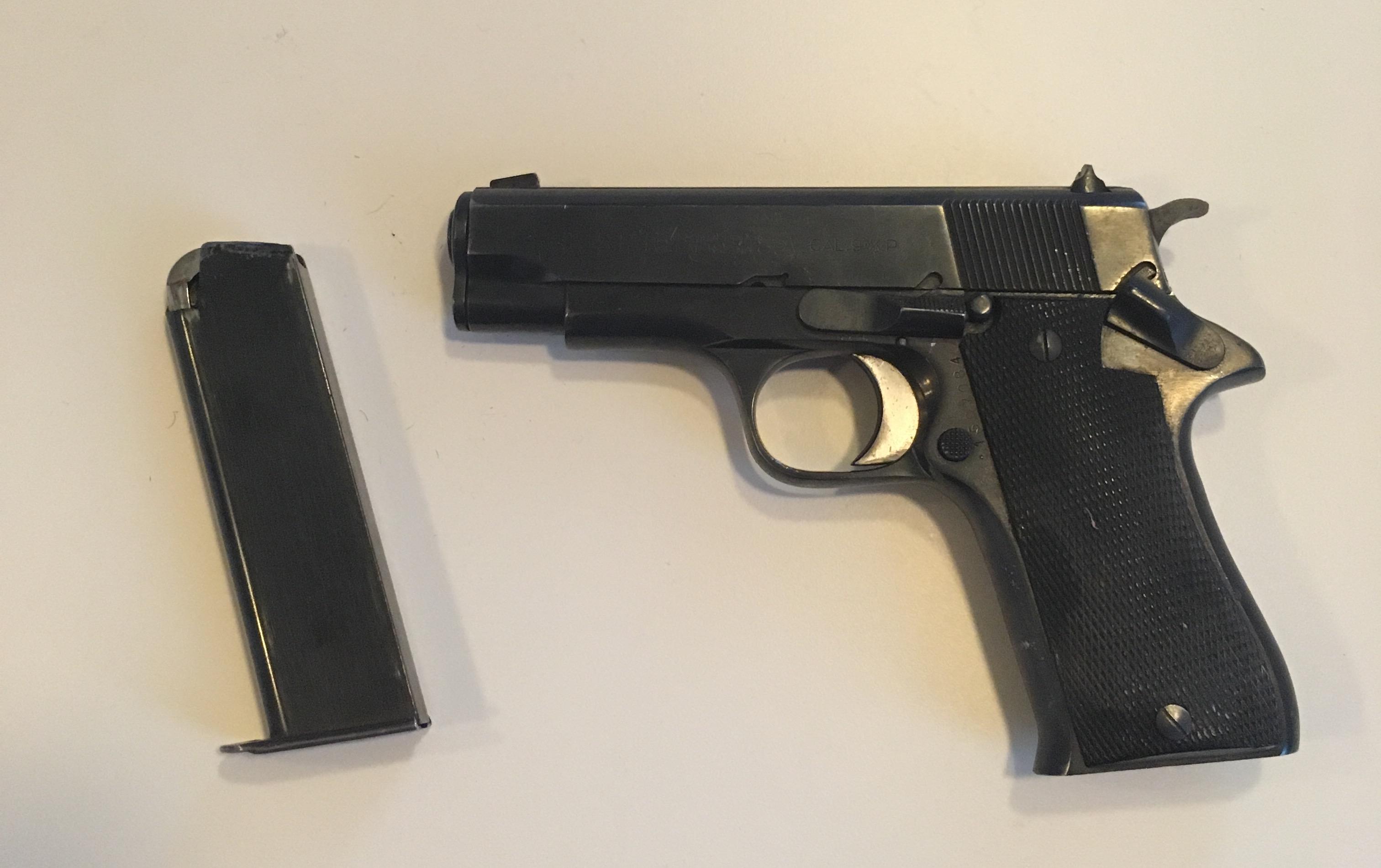
The Spanish-made Star Model BM has become one of those sleeper collectibles that savvy buyers often notice before casual shoppers do. It resembles a compact service pistol from another era, with steel construction, single-action operation, and lines that feel both familiar and distinctly European.
Its appeal comes from value as much as history. Even after production ended, the BM remained admired for being rugged, shootable, and representative of Spain’s once-vibrant handgun industry. As cleaner imports dry up and better examples get tucked away in collections, this modest pistol keeps gaining stature among people who appreciate overlooked classics.
SIG Sauer P210-5

The SIG Sauer P210 family already enjoys legendary status, but the P210-5 has a particularly strong hold on collectors who appreciate precision pistols. Built with target-oriented features and famously exacting manufacture, it represents the kind of hand-fitted quality that has become increasingly rare.
What keeps collectors searching is not just the name, but the experience of handling one. The tight slide-to-frame fit, superb trigger, and restrained styling create an impression of mechanical confidence. Even in a market full of premium handguns, the discontinued P210-5 still feels like a benchmark from a time when refinement mattered as much as capacity.
Colt Double Eagle

The Colt Double Eagle is often described as an alternate path not taken in the evolution of the 1911. By combining familiar Colt styling cues with a double-action system, it created a pistol that felt both traditional and experimental, which is exactly why collectors keep circling back to it.
For years it lived in the shadow of more famous Colt models, but that has changed as enthusiasts revisit transitional designs from the 1980s and 1990s. The Double Eagle now stands out as a snapshot of Colt trying to adapt to changing tastes. Scarcity, model variations, and condition all influence how desirable a given example becomes.
Walther TPH

Small pistols often get dismissed as novelties, but the Walther TPH has long had a more serious following. As a compact pocket pistol with classic Walther styling, it carried the charm of the PP series into a smaller package that appealed to both European and American buyers.
Collectors appreciate how neatly it represents an entire design philosophy. It is slim, discreet, and beautifully proportioned in a way many modern pocket pistols are not. Variations in production origin and finish add another layer for enthusiasts to track down, and pristine examples tend to vanish quickly whenever they appear for sale.
Ruger P85
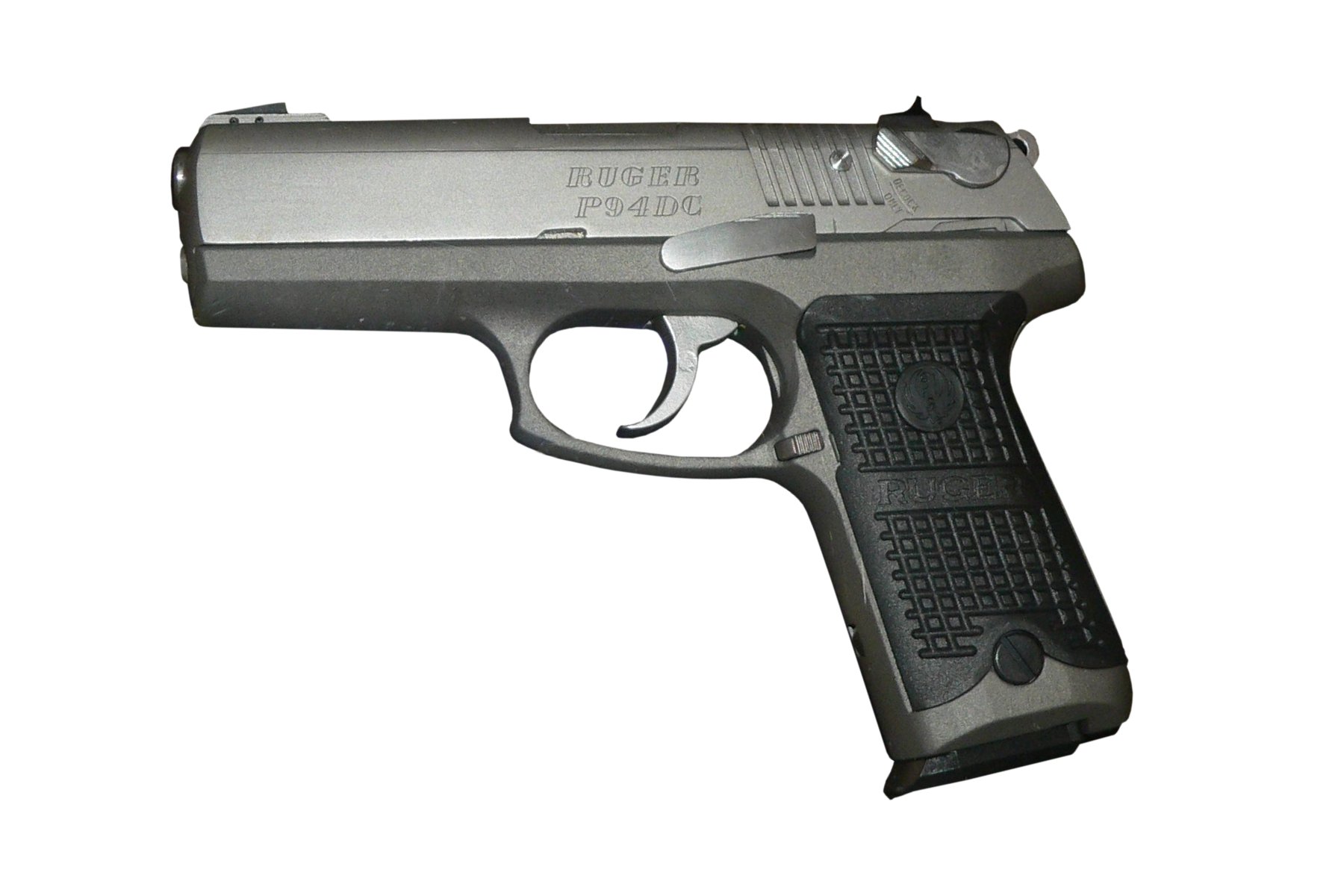
The Ruger P85 was never marketed as a luxury pistol, and that is part of why it has become interesting in hindsight. It was robust, unapologetically overbuilt, and tied to a period when American manufacturers were racing to define the modern double-action service pistol.
Collectors who chase it today are often drawn by that first-generation character. It lacks the sleekness of later designs, but it has authenticity in abundance. Early production details, safety variations, and boxed examples all matter more now than they once did. What was once seen as merely utilitarian now reads like an artifact from a pivotal shift in U.S. handgun design.
Luger Artillery Model

Strictly speaking, the Luger Artillery Model is less a sleeper and more a permanent object of desire. Its long barrel, adjustable rear sight, and unmistakable profile make it one of the most recognizable pistols ever produced, and its military history gives it lasting gravity with collectors worldwide.
What keeps serious buyers hunting is the challenge of finding honest, matching examples with strong provenance. Original finish, unit markings, and correct accessories can transform an already valuable pistol into something extraordinary. It remains a benchmark collectible because it combines mechanical fascination, iconic design, and direct historical connection in a single unforgettable package.
Astra 600

The Astra 600 has one of those stories collectors love because the pistol itself is only half the appeal. Designed in Spain and linked to wartime contracts and postwar distribution, it carries a geopolitical backstory that gives every example a little extra intrigue.
Beyond the history, it is also a notably solid handgun with a distinctive look and a reputation for durability. Its heavy slide and compact shape make it instantly recognizable to those who know surplus pistols well. As interest in military sidearms remains strong, the discontinued Astra 600 continues to attract collectors who enjoy firearms with both character and context.
CZ 52

The CZ 52 sits in a category all its own, thanks to its roller-locking system and unmistakably angular Cold War styling. For many collectors, it is the kind of pistol that becomes more interesting the longer you look at it, especially once its Czech military history enters the picture.
Its appeal has grown as surplus supplies have thinned. People who once bought them as affordable curiosities now see them as increasingly scarce artifacts from an era of intense small-arms experimentation. Original condition, proper magazines, and intact markings all add to the hunt. It is unusual enough to stay memorable and historic enough to stay relevant.