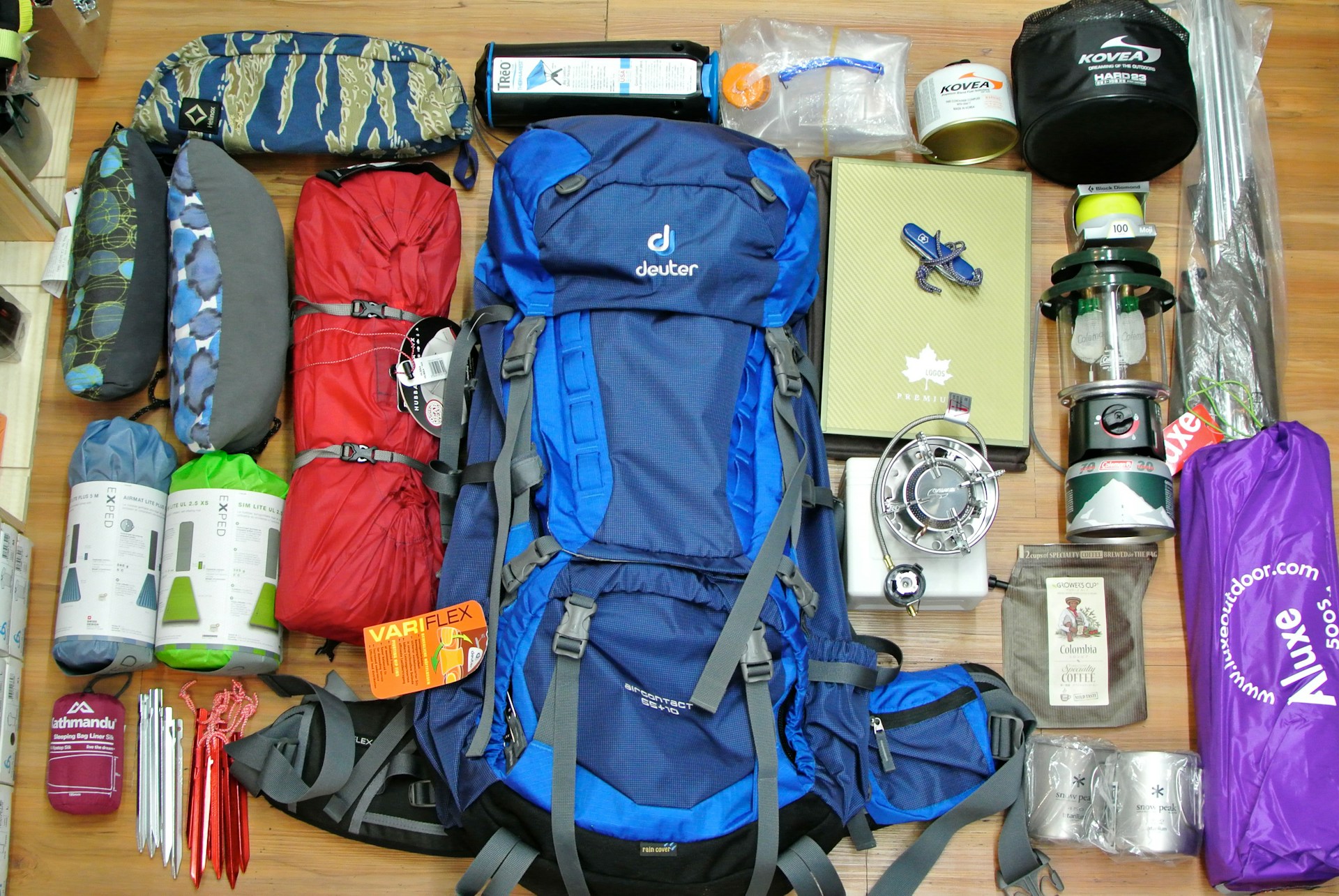
A tough hike demands more than enthusiasm; it requires a body that’s ready to handle steep climbs, shifting terrain, and heavy gear. A solid warm-up boosts blood flow, activates major muscle groups, and prevents stiffness or injuries once you hit the trail. These ten warm-up exercises prepare your legs, hips, and core for endurance, balance, and flexibility. Just a few minutes of mindful movement can transform a grueling ascent into an energized, pain-free adventure.
1. Leg Swings

Leg swings are an excellent way to loosen tight hip flexors and hamstrings before hiking uphill. Stand tall, holding onto a tree or trekking pole for support, and swing one leg forward and backward in a controlled motion. Perform 10- 15 swings on each leg, then repeat side to side. This movement improves hip mobility, stride efficiency, and balance, helping you power through steep inclines and rocky surfaces with smoother, more natural motion from the very first step.
2. Walking Lunges

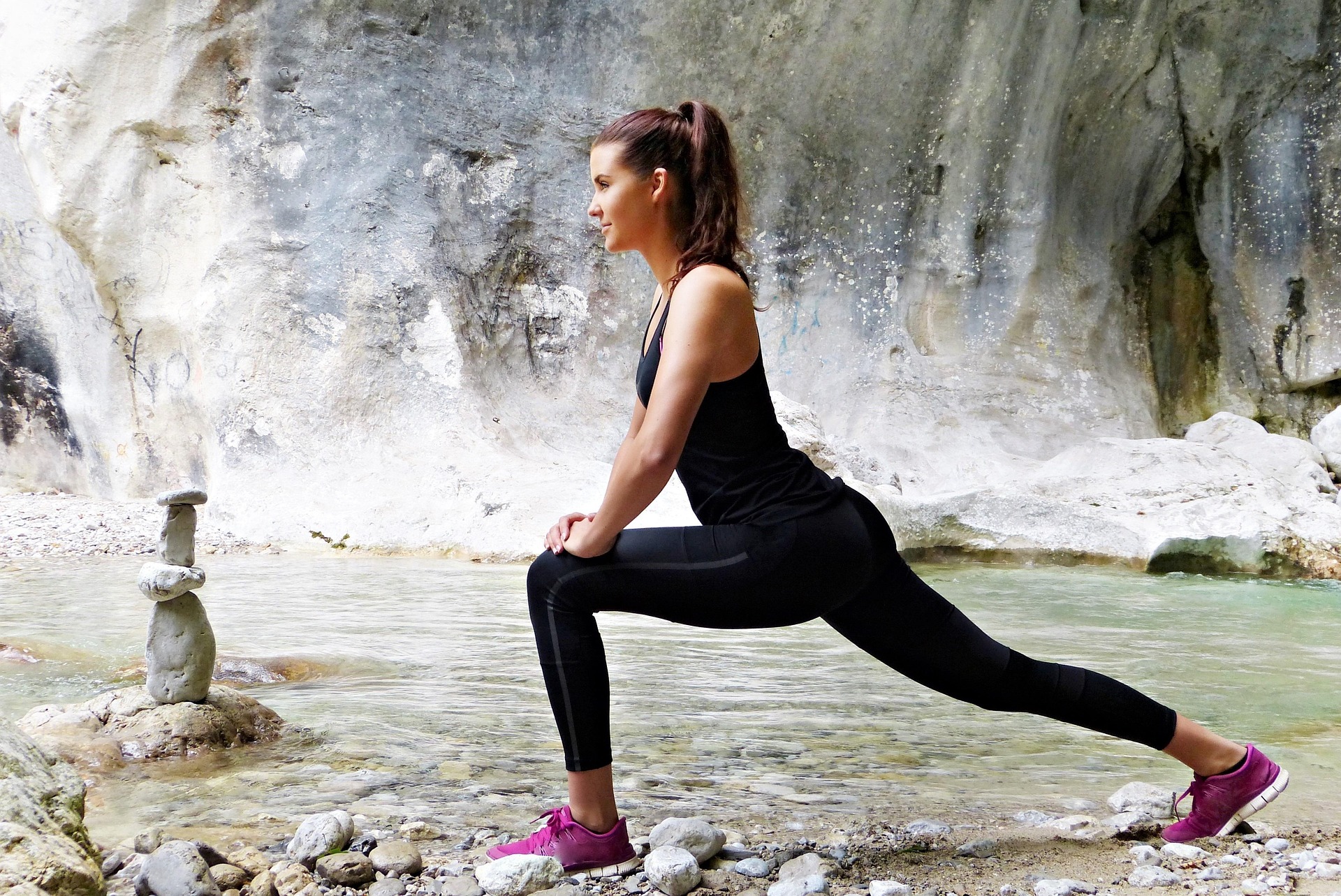
Walking lunges strengthen your quads, glutes, and hamstrings while improving hip flexibility and balance. Step forward into a deep lunge until both knees are bent at 90 degrees, then push through your front heel to move forward into the next step. Continue for 10 12 reps per leg. This dynamic exercise mimics the movement of hiking and engages stabilizing muscles, making steep climbs easier and reducing the risk of knee or hip strain on uneven trails.
3. Arm Circles
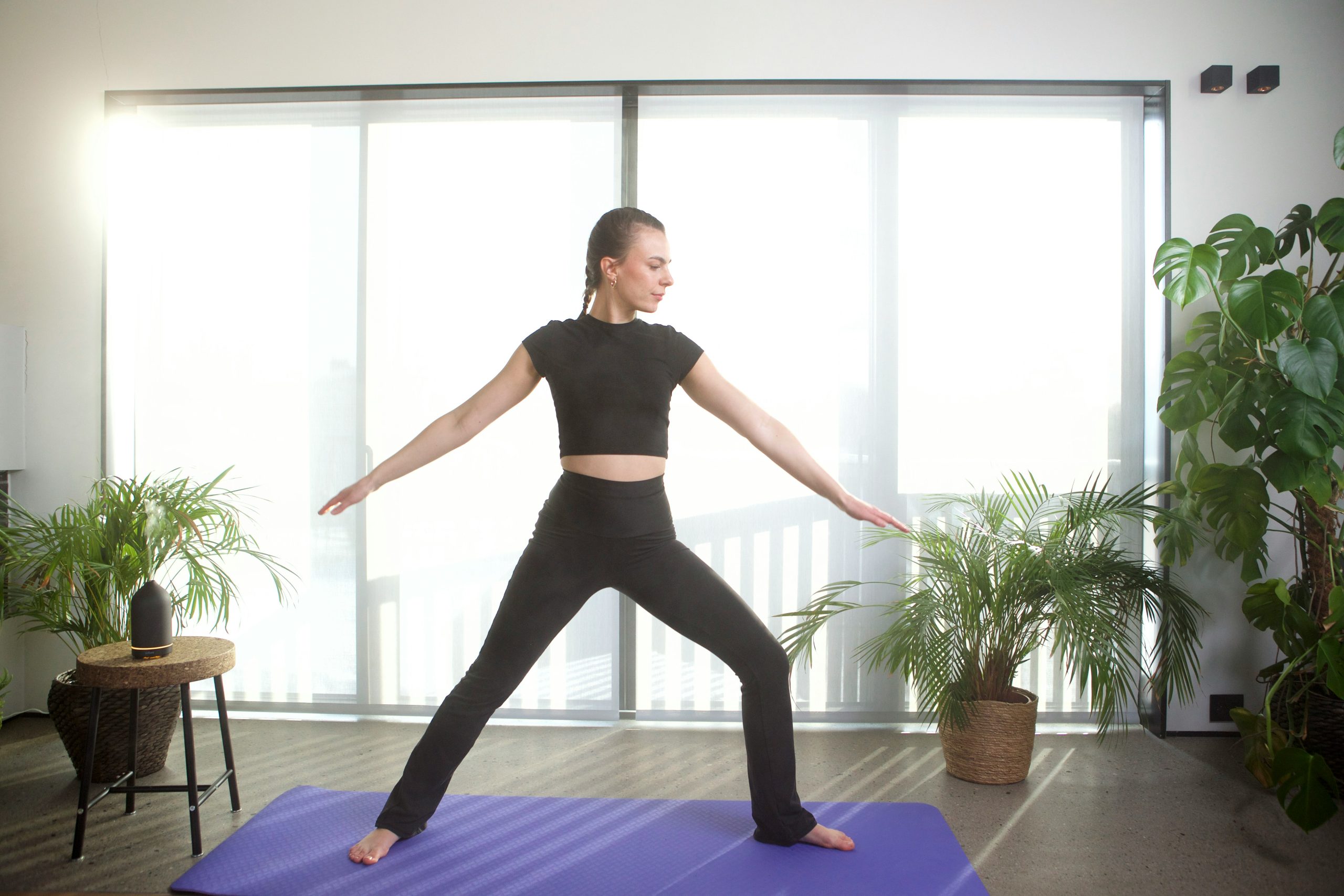
Your shoulders and arms work harder than you realize during a hike, especially when carrying a backpack or using trekking poles. Arm circles warm up your deltoids and upper back, increasing circulation and joint mobility. Extend your arms to the sides and make slow, controlled circles forward for 15 seconds, then backward for 15 more. Gradually widen the circles. This simple but effective move prevents shoulder fatigue and stiffness throughout long treks.
4. Standing Hip Circles

Standing hip circles are perfect for unlocking tight hips and increasing flexibility in your lower body. Place your hands on your hips and rotate your pelvis in large, slow circles 10 times clockwise, then 10 counterclockwise. Keep your torso stable and knees soft. This exercise enhances joint fluidity and range of motion, crucial for navigating rocks, roots, and uneven slopes. It also eases lower back tension, promoting smoother, more confident movement while hiking.
5. Calf Raises

Calf raises activate the muscles that stabilize your ankles and lower legs, vital for climbing and descending. Stand with feet hip-width apart and rise slowly onto your toes, holding for a second before lowering back down. Repeat 15 20 times. For added challenge, perform them on an incline or step. This exercise boosts blood flow and strengthens your calves, reducing the likelihood of cramping or rolling an ankle during long, demanding hikes on varied terrain.
6. Torso Twists

Torso twists prepare your spine and core for rotation and balance, key when maneuvering through switchbacks or rocky ground. Stand with feet shoulder-width apart and gently twist your upper body from side to side, allowing your arms to swing naturally. Perform for about 30 seconds. This movement increases flexibility in your spine and obliques, enhances posture, and helps you maintain a stable core while carrying a pack or shifting weight during steep ascents.
7. High Knees
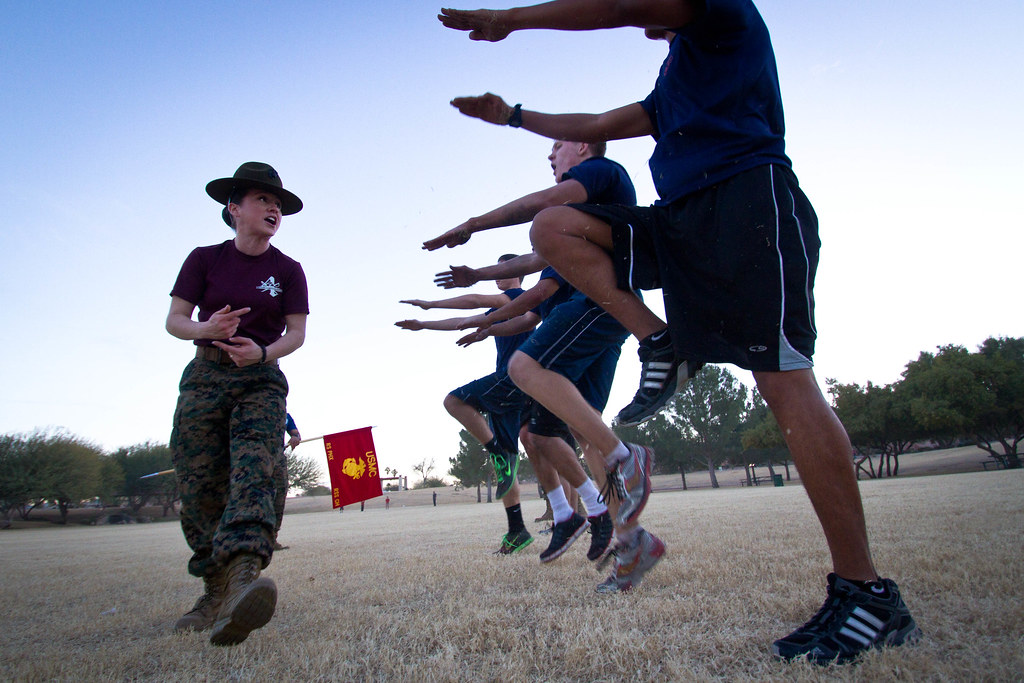
High knees elevate your heart rate and activate your hip flexors, quads, and calves all at once. Stand tall and jog in place, driving your knees toward your chest while pumping your arms rhythmically. Continue for 30 to 45 seconds. This dynamic warm-up mimics uphill movement and boosts endurance before the real challenge begins. It also enhances coordination and circulation, preparing your body for a sustained hiking pace without early fatigue or muscle tightness.
8. Glute Kicks

Glute kicks, or butt kicks, are great for engaging your hamstrings and improving flexibility. Jog lightly in place while pulling your heels up toward your glutes with each step. Keep your chest upright and your core tight. Continue for 30 to 45 seconds. This exercise stimulates the muscles responsible for forward propulsion, reduces stiffness in your legs, and builds warmth throughout your lower body, making your first mile feel smoother and far less strenuous.
9. Side Lunges
Side lunges target your inner thighs and hips, improving lateral stability and balance. Stand with feet wider than shoulder width apart, then shift your weight to one side, bending that knee while keeping the other leg straight. Push back to the center and repeat on the opposite side. Do 10–12 reps per leg. This move strengthens underused stabilizing muscles, enhances flexibility, and prepares you for side-to-side movements often needed on uneven or narrow hiking paths.
10. Ankle Rolls

Ankle rolls are simple yet vital for injury prevention on rugged trails. Lift one foot and slowly rotate your ankle in a full circle 10 times clockwise, then 10 counterclockwise. Switch sides and repeat. This motion improves joint mobility, boosts blood flow, and prepares your ankles for uneven footing or rocky surfaces. A few minutes of ankle rolls can drastically reduce your risk of sprains and improve overall stability with every step you take.