New data from leading wildlife biologists has finally pinpointed the single most damaging error that whitetail hunters commit during the season. Dr. Steve Ditchkoff from the Auburn University Deer Lab utilized advanced GPS tracking collars to monitor mature buck movement in response to human presence. His team discovered that hunting the same tree stand location repeatedly causes an immediate and drastic change in deer behavior after just one sit. Most hunters completely underestimate how quickly older bucks identify danger and adjust their travel patterns to avoid specific areas. This predictability serves as the primary reason for unfilled tags and frustrating seasons.
The Science Of Pressure
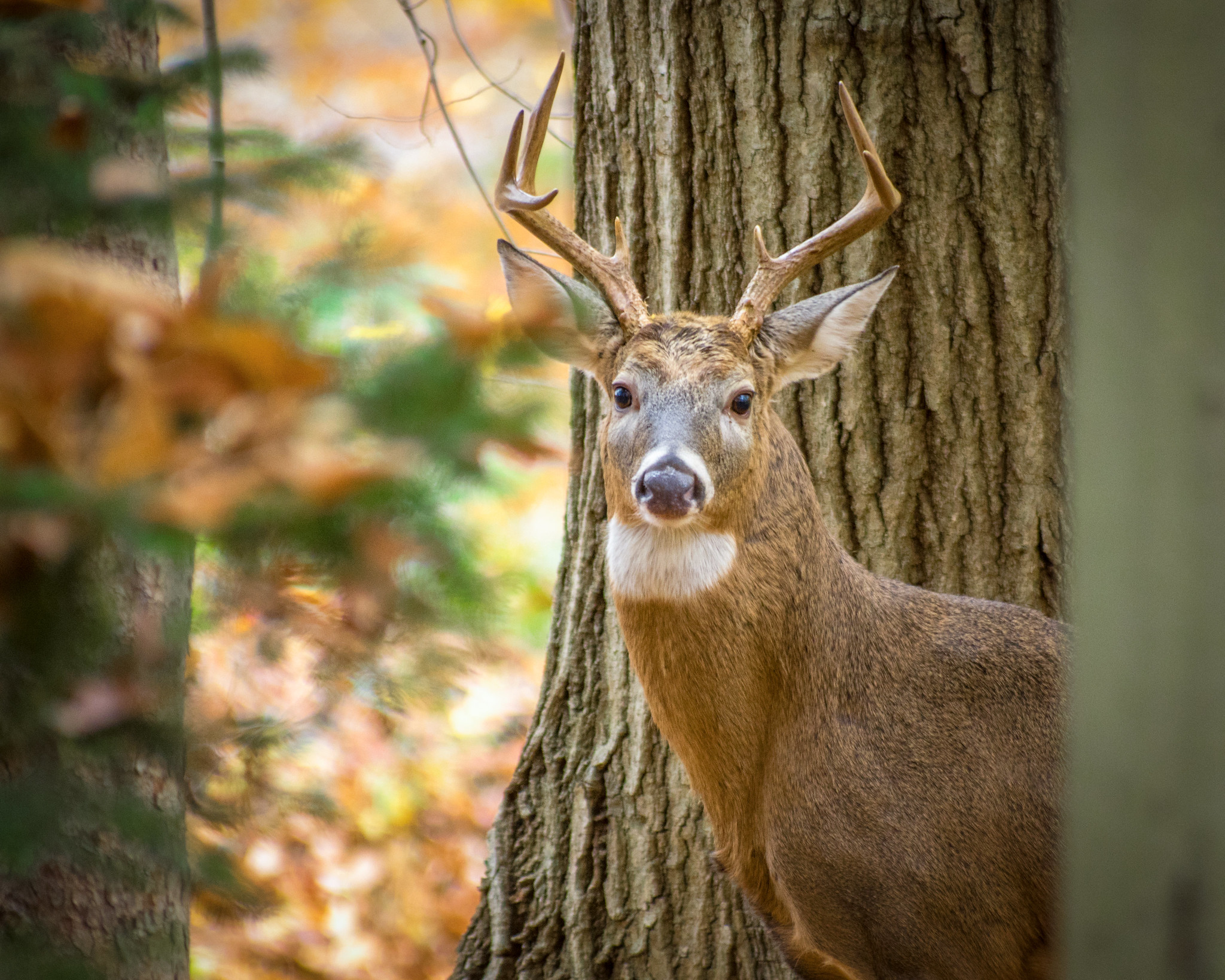
The Auburn study revealed that a mature buck can detect a hunter’s presence and will purposefully avoid that specific location for several days. Once a human sits in a stand the immediate area becomes a dead zone for daylight movement for roughly three days. The data showed that while the deer did not leave their home range they simply skirted the danger zone during legal shooting hours. This behavioral shift happens almost instantly and renders a favorite hunting spot useless if it is overused. Ignoring this biological reality leads to hours of sitting over an empty field or trail.
The Scent Myth Factor
Many hunters believe that advanced scent control clothing or sprays can mitigate the negative effects of overuse and human intrusion. Research from Penn State University suggests that a deer’s olfactory capability is far too powerful to be fooled by commercial products alone. Even with the best hygiene and gear a hunter leaves a residual scent trail that lingers in the vegetation long after they leave the woods. Bucks associate this odor with immediate danger and will modify their route to stay downwind or avoid the area entirely. relying on technology to mask poor strategy is a recipe for failure.
The Weekend Pattern Problem
The research also highlighted a phenomenon known as the weekend effect where deer movement fluctuates based on human recreational schedules. Bucks quickly learn that human activity peaks on Saturdays and Sundays and they subsequently reduce their daylight movement during those specific days. The data showed that the highest rates of natural deer movement often occurred on Thursdays or Fridays when the woods were quietest. Hunters who only go out on weekends are stepping into a forest where the animals are already on high alert. Breaking this predictable cycle is essential for catching a buck making a mistake during the day.
The First Sit Advantage
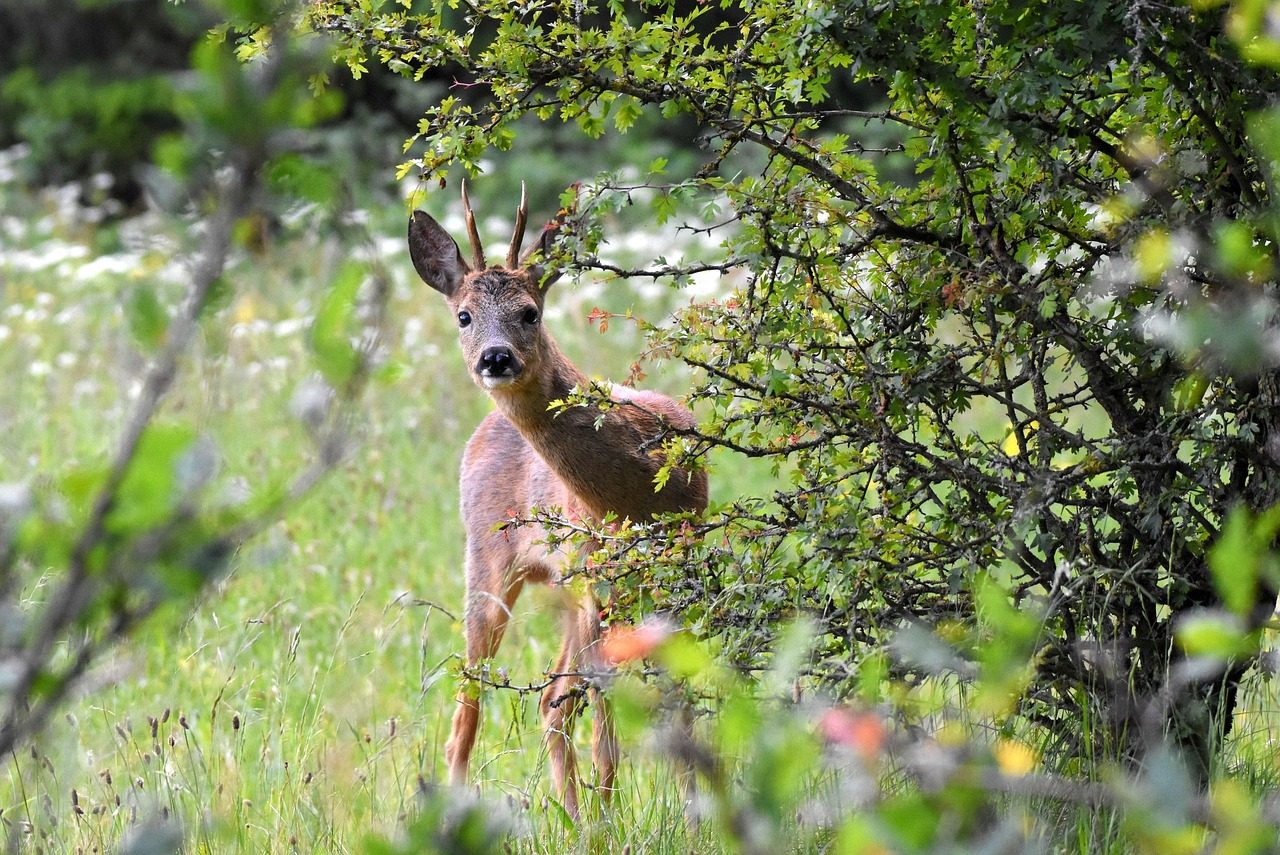
The statistics overwhelmingly support the concept that the very first time a stand is hunted offers the highest probability of success. During this initial sit the element of surprise is intact and the local deer herd has not yet adjusted to the new threat. Every subsequent visit to that same tree significantly lowers the odds of an encounter as the animals become aware of the intrusion. Successful hunters treat every location as a single use opportunity and move to a fresh spot for the next hunt. This mobile approach aligns perfectly with the biological data regarding avoidance behavior.
Mobile Hunting Solution
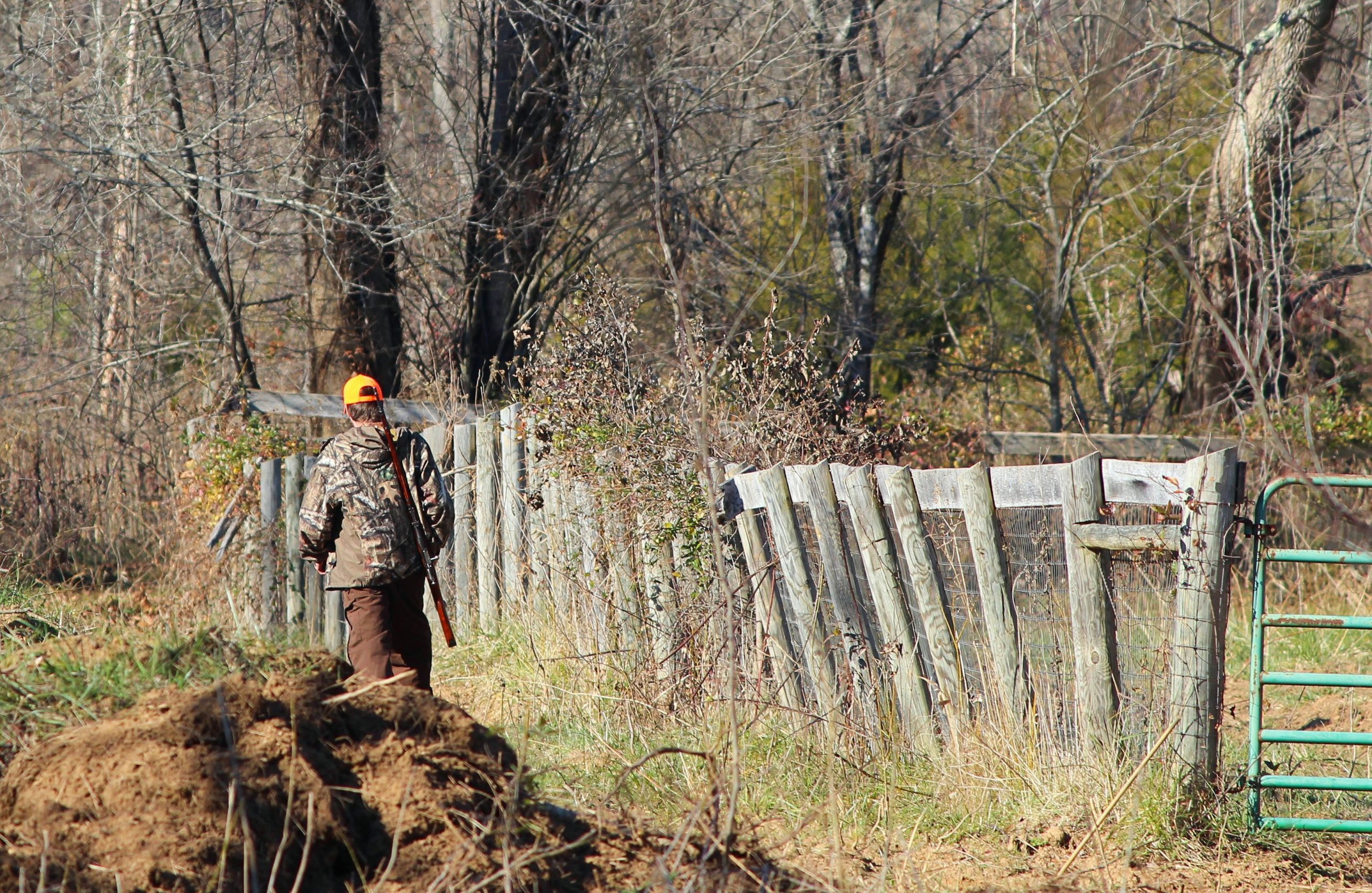
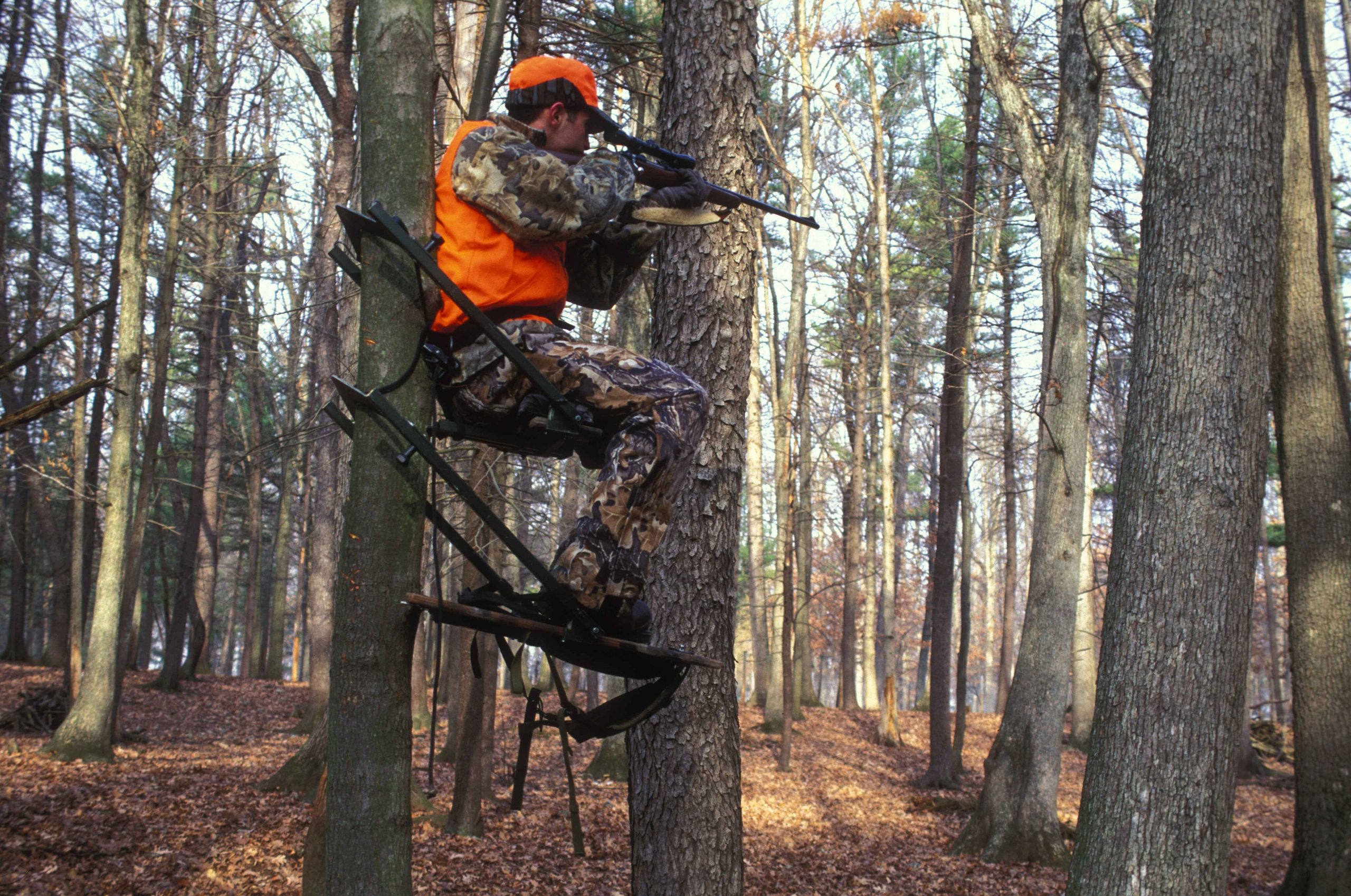
Adopting a mobile hunting strategy allows a sportsman to stay ahead of the defensive adaptations of the local deer herd. By using lightweight climbing stands or saddles a hunter can set up in a brand new tree for every single session. This constant movement prevents the accumulation of human scent in one area and keeps the bucks guessing about where the danger lies. The research confirms that unpredictability is the most potent weapon a hunter can possess in the field. Staying mobile ensures that you are always hunting fresh ground where the deer feel safe and unpressured.