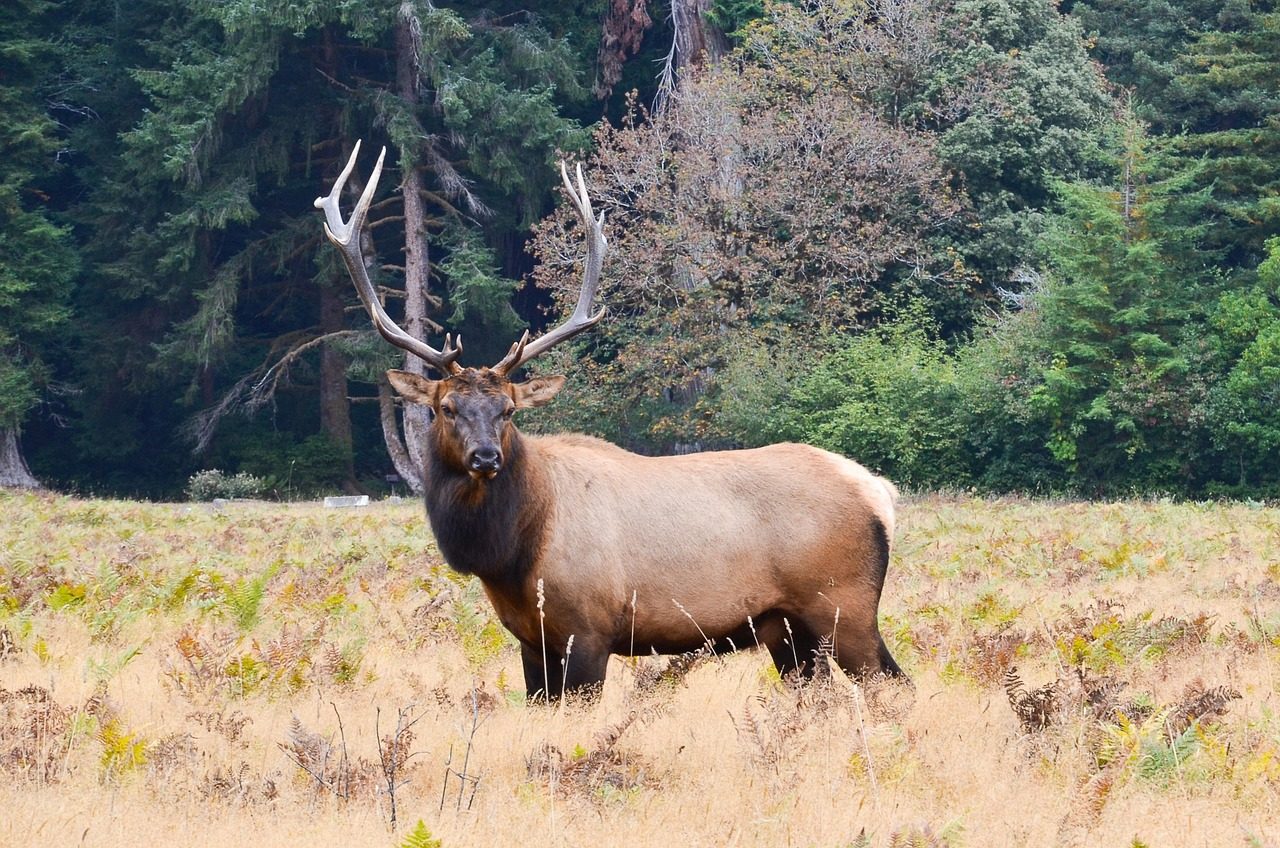
Elk hunting puts extra pressure on cartridge choice because the animal is large, the terrain can be steep, and the weather changes quickly. Many hunters look for a caliber that offers deep penetration with controlled expansion, manageable recoil for steady practice, and reliable ammunition availability before a trip. Bullet construction matters as much as cartridge name, but proven chamberings simplify planning when time is tight. A good elk cartridge also pairs well with common rifle weights and practical hunting optics, so sight-in stays consistent from range to mountains. These eight calibers remain popular because they balance capability with real-world usability.
.30-06 Springfield
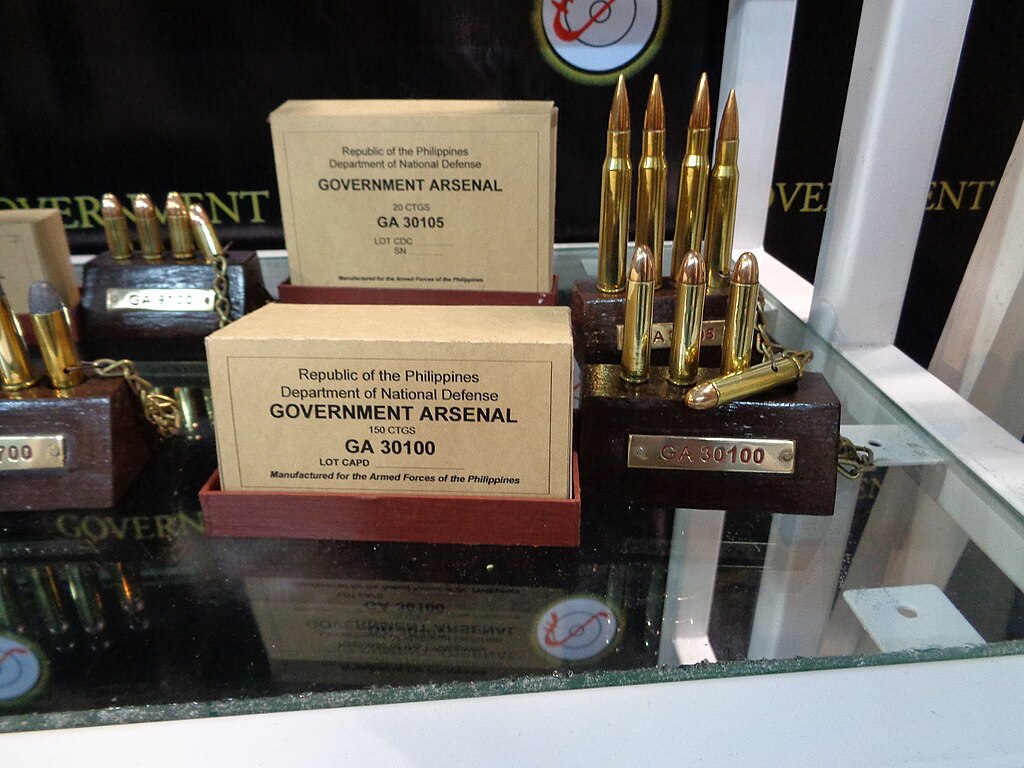
The .30-06 Springfield stays a classic elk hunting caliber because it handles a wide range of bullet weights and remains easy to find in many stores. Hunters often choose 165- to 180-grain loads for a balance of penetration and recoil, and modern bonded or controlled-expansion bullets strengthen their performance on heavy animals. A long track record across North America adds confidence, especially in mixed terrain where shots can vary from timber to open slopes. Many rifles chamber it, from budget models to premium mountain builds, which makes it simple to match the cartridge to a preferred rifle style. Another advantage is predictable recoil in common hunting rifles, which supports calm shooting form when conditions turn cold and challenging.
.308 Winchester
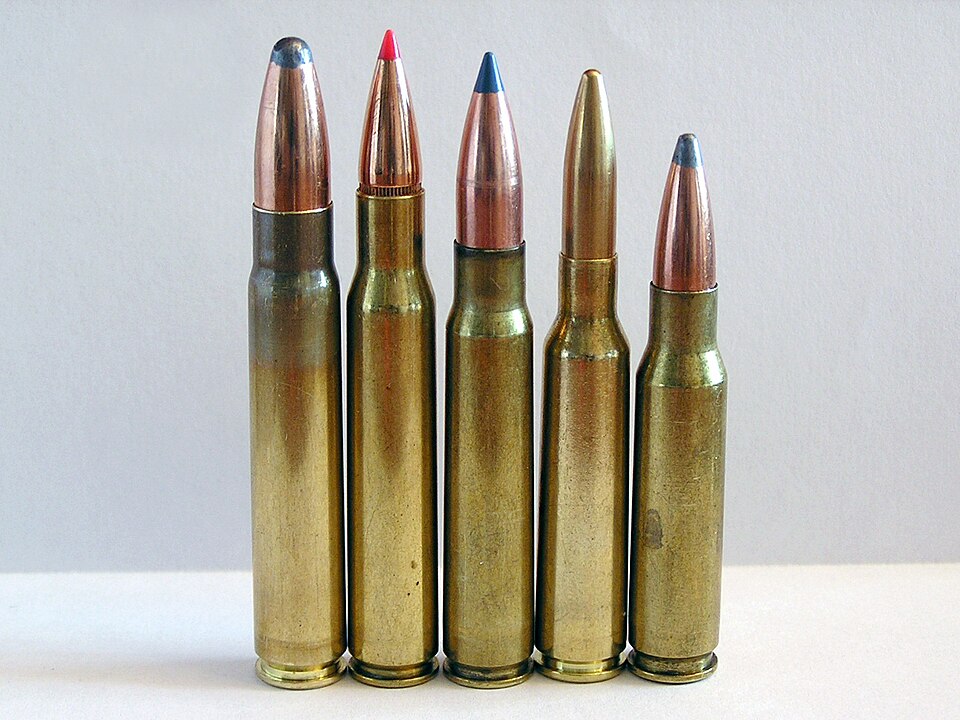
The .308 Winchester appeals to elk hunters who value efficiency, lighter recoil, and broad ammunition availability in a short-action rifle. Many hunters prefer it in thicker cover or moderate-distance country where portability and fast handling matter more than maximum velocity. With quality bullets, the cartridge can deliver dependable penetration and consistent terminal results when shots stay within sensible ranges. Ammunition is widely produced, which helps with pre-season practice and last-minute resupply. Rifles chambered in .308 often come in lighter, compact configurations, making them a practical choice for long days on foot. Careful shot angles and tough bullets help it perform beyond its modest case size.
.270 Winchester
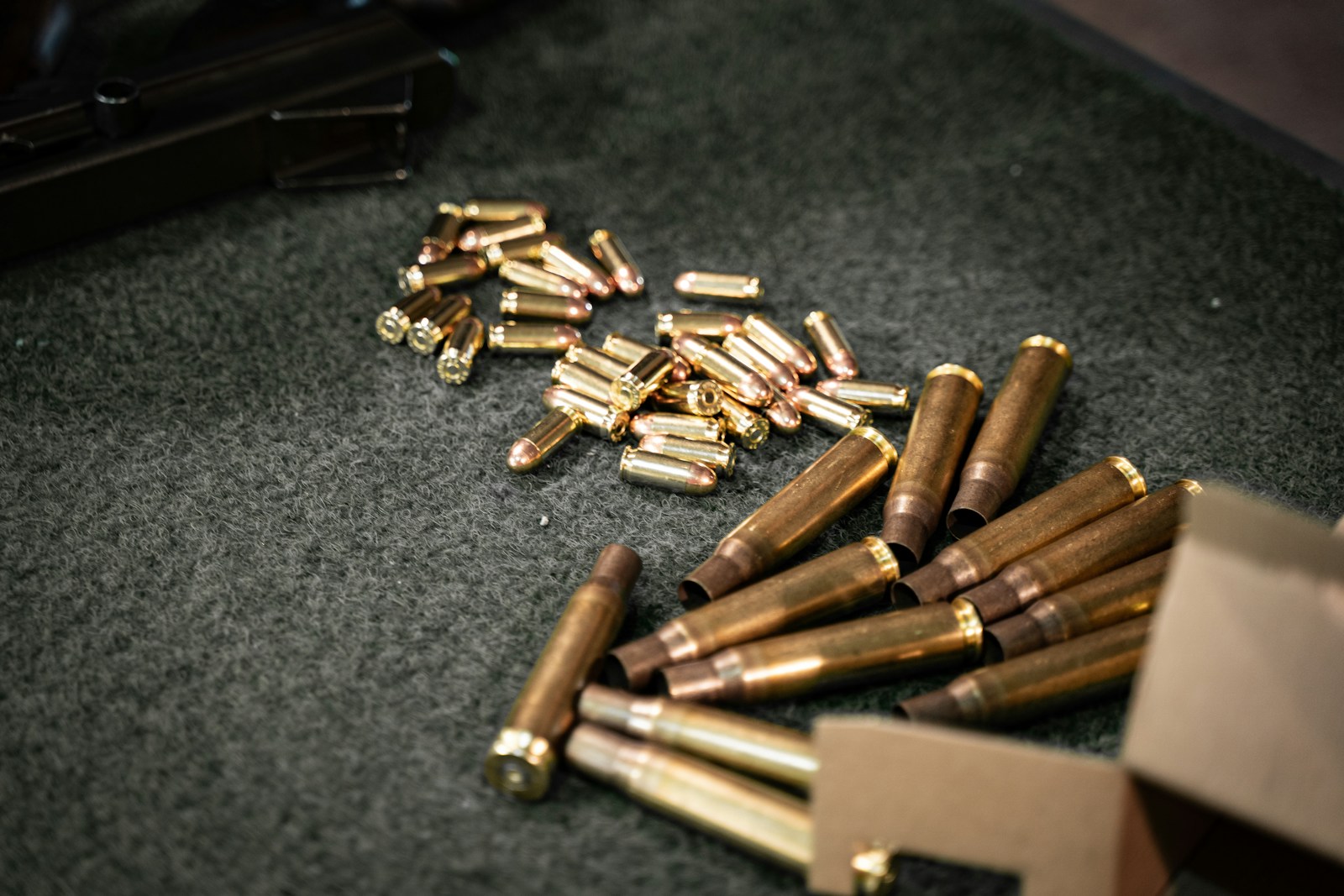
The .270 Winchester remains a familiar option for elk when paired with tough, heavier-for-caliber bullets and careful shot selection. Many hunters appreciate its flatter trajectory compared with some traditional deer rounds, while recoil stays mild enough to encourage steady practice. The cartridge also benefits from widespread factory support, so ammunition and rifle choices remain easy to source. Because bullet weight options are typically lighter than many .30-caliber choices, hunters often lean on controlled-expansion designs and disciplined placement through lungs and vital angles. When used within reasonable distances, it can perform effectively without punishing recoil. A well-sighted rifle and calm trigger work make its strengths show up in the field.
7mm Remington Magnum
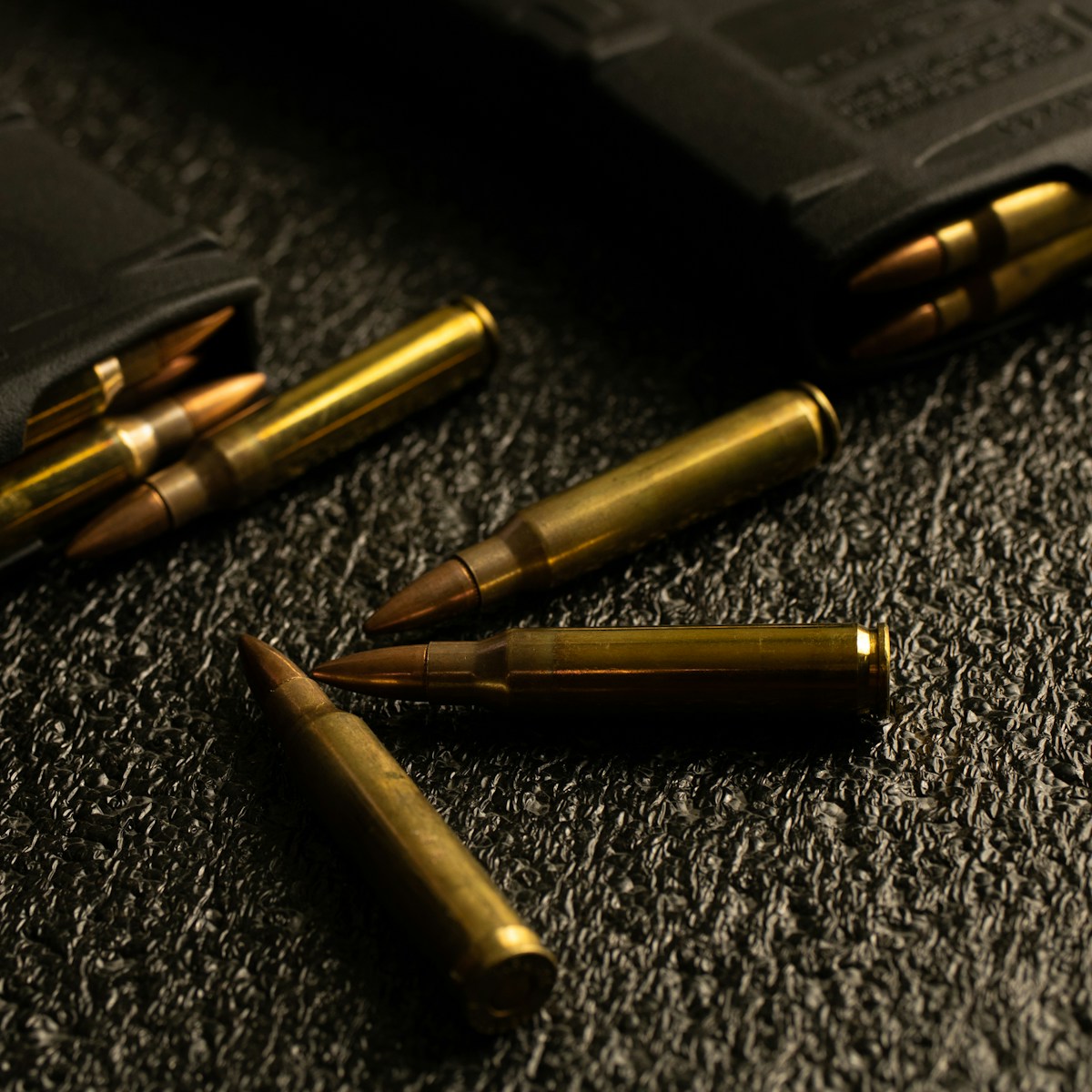
The 7mm Remington Magnum earns its elk reputation by combining a flatter trajectory with strong downrange energy, which can help when basins and ridgelines stretch distances. Many hunters like its balance of speed and sectional density, especially with bullets designed for deep penetration and controlled expansion. The cartridge is also widely chambered, and factory ammunition options remain common in many hunting markets. Recoil is noticeably stronger than standard cartridges, yet many shooters still find it manageable in typical elk rifle weights. For open-country hunts where wind and range estimation matter, it remains a frequent, practical pick. Solid optics and steady practice help turn its ballistic advantages into clean results.
.280 Ackley Improved
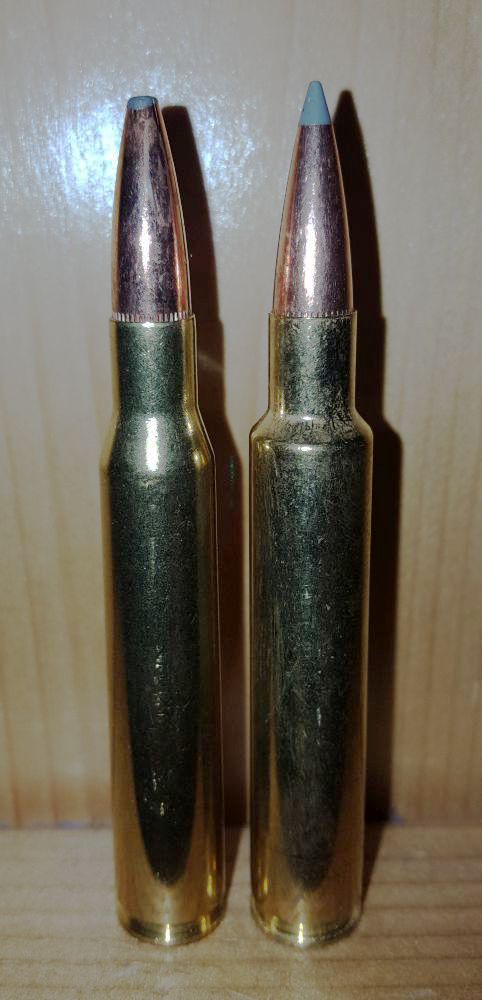
The .280 Ackley Improved has grown in popularity among elk hunters who want efficient performance with moderate recoil and modern bullet options. It often sits between traditional .270-class cartridges and heavier magnums, offering strong ballistics without requiring extreme rifle weight. Many hunters appreciate its ability to drive 7mm bullets with good sectional density, which supports penetration on larger animals. Availability can vary by region compared with older standards, so planning for ammunition matters. For hunters who reload or stock up early, it can be a refined and effective elk hunting choice. It also fits well in rifles that balance carry comfort with stability, which matters on long days in rugged country.
.300 Winchester Magnum
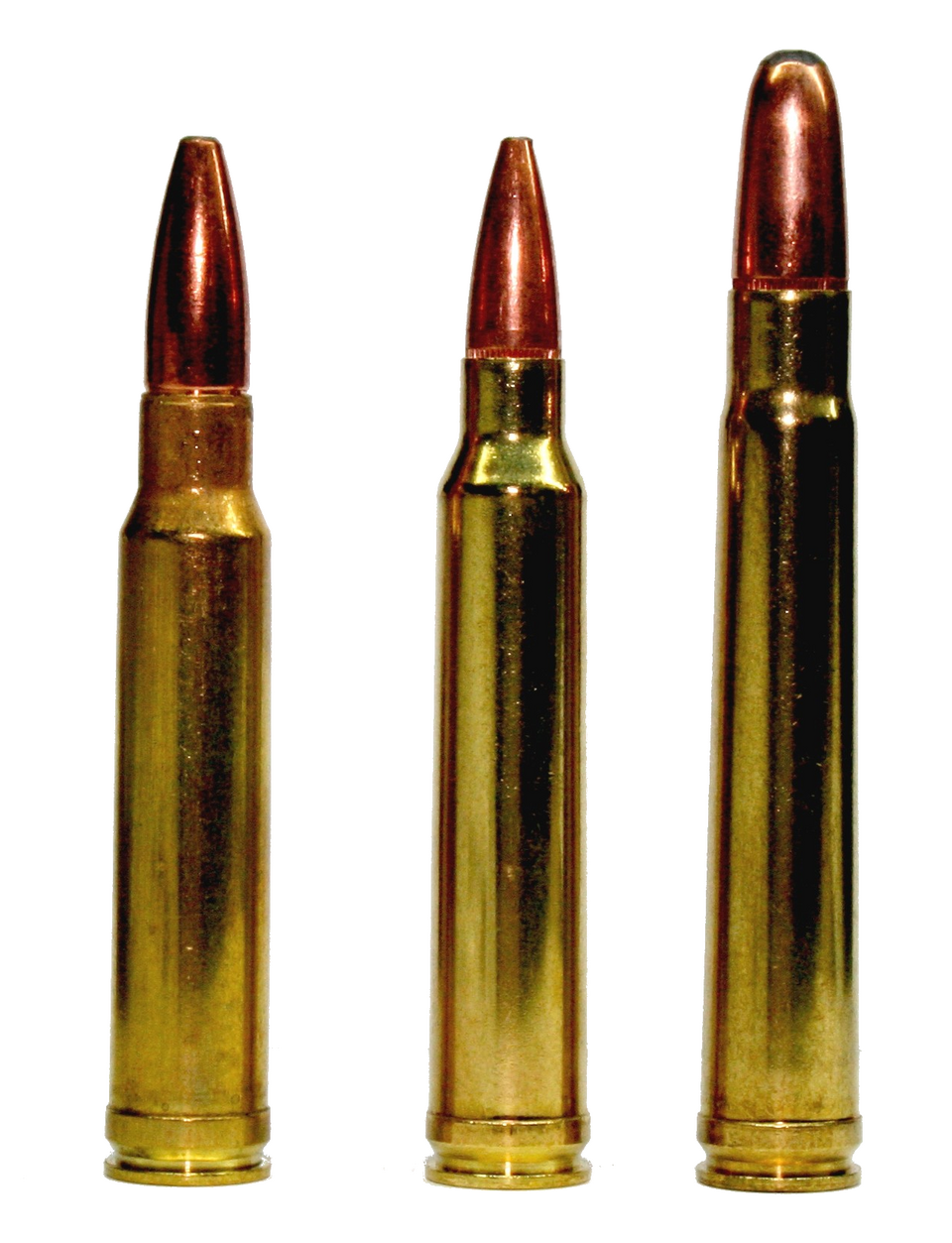
The .300 Winchester Magnum remains one of the most common elk hunting cartridges because it delivers strong energy at distance while supporting a wide range of heavy, durable bullets. Many hunters choose it for Western terrain where shots can run longer, and wind becomes a constant factor. Factory ammunition is widely offered, including premium controlled-expansion loads, which help with both practice and hunt preparation. Recoil can be stout, especially in lighter rifles, yet many shooters accept that tradeoff for performance across varied angles and ranges. When a single rifle needs flexibility from timber edges to open ridges, this cartridge stays near the top. A well-fitted stock and consistent practice can keep its recoil from becoming a distraction.
.300 PRC
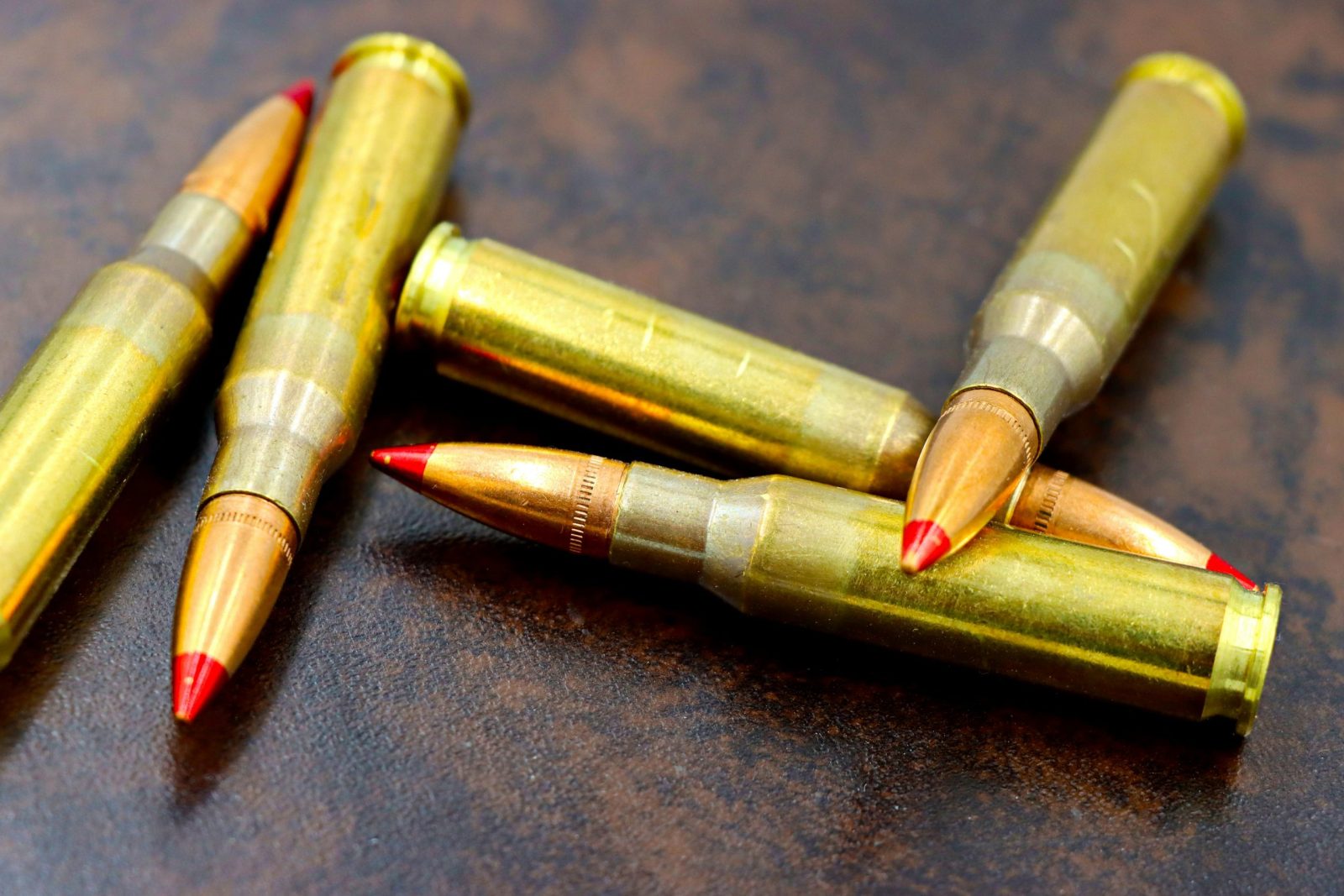
The .300 PRC has gained attention for modern design and the ability to use high-BC bullets that hold velocity and resist wind drift at extended distances. Many hunters view it as a specialized option for open-country elk hunts where dialing optics and confirming range are part of the plan. Ammunition availability is improving, though it can still lag behind older standards in some areas, so early sourcing helps. Rifles chambered in .300 PRC often lean toward precision-oriented builds, which may add weight but can also support stability. For hunters focused on longer shots with robust bullets, it can be a compelling choice. Thoughtful practice at realistic field positions matters as much as the cartridge itself.
.338 Winchester Magnum
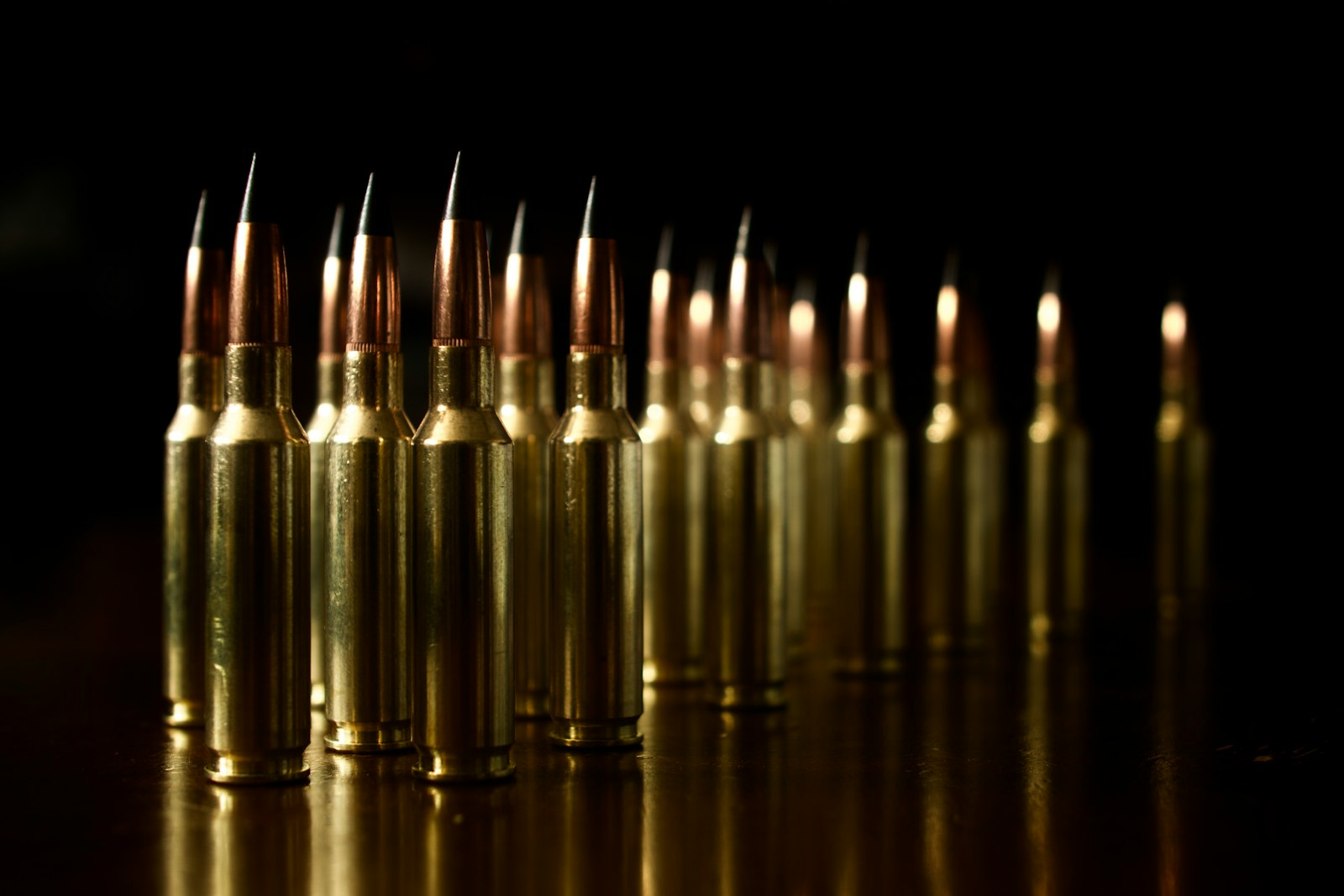
The .338 Winchester Magnum brings heavy bullet weight and deep penetration, which many hunters favor for close-to-moderate range elk in dark timber or for situations demanding strong impact authority. The cartridge can hit hard through tough angles when paired with controlled-expansion bullets, and it carries a long history on large North American game. Recoil is significant, so comfort and practice become important for consistent shooting under pressure. Ammunition options exist, but they can cost more than mainstream elk cartridges, making planning useful. For hunters who prioritize decisive penetration and do not mind recoil, it remains a respected elk hunting tool. A heavier rifle or recoil pad can improve shootability without changing the cartridge’s core strengths.