Some firearms earn loyal followings not because they were perfect, but because they did something distinctively right. When manufacturers pull those models from the catalog, the reaction can be immediate and intense, especially from owners who know exactly what made them special. These are the guns many enthusiasts still talk about with equal parts admiration and frustration.
Winchester Model 94 Angle Eject Trapper

For many lever gun fans, the Trapper version of the Model 94 hit a sweet spot that newer offerings never quite matched. It had the familiar Winchester feel, a compact profile, and a practical length that made it especially appealing for truck, ranch, and woods carry.
Owners were often irritated when production shifts and changing lineups made certain versions hard to find or simply gone. The frustration was not just nostalgia talking. Shooters liked this rifle because it balanced beautifully and carried easily, which is exactly the kind of everyday usefulness people notice only after it disappears.
Today, clean examples still attract attention because they represent a version of the classic lever action that many buyers thought should have remained a regular catalog staple.
Ruger P Series Pistols
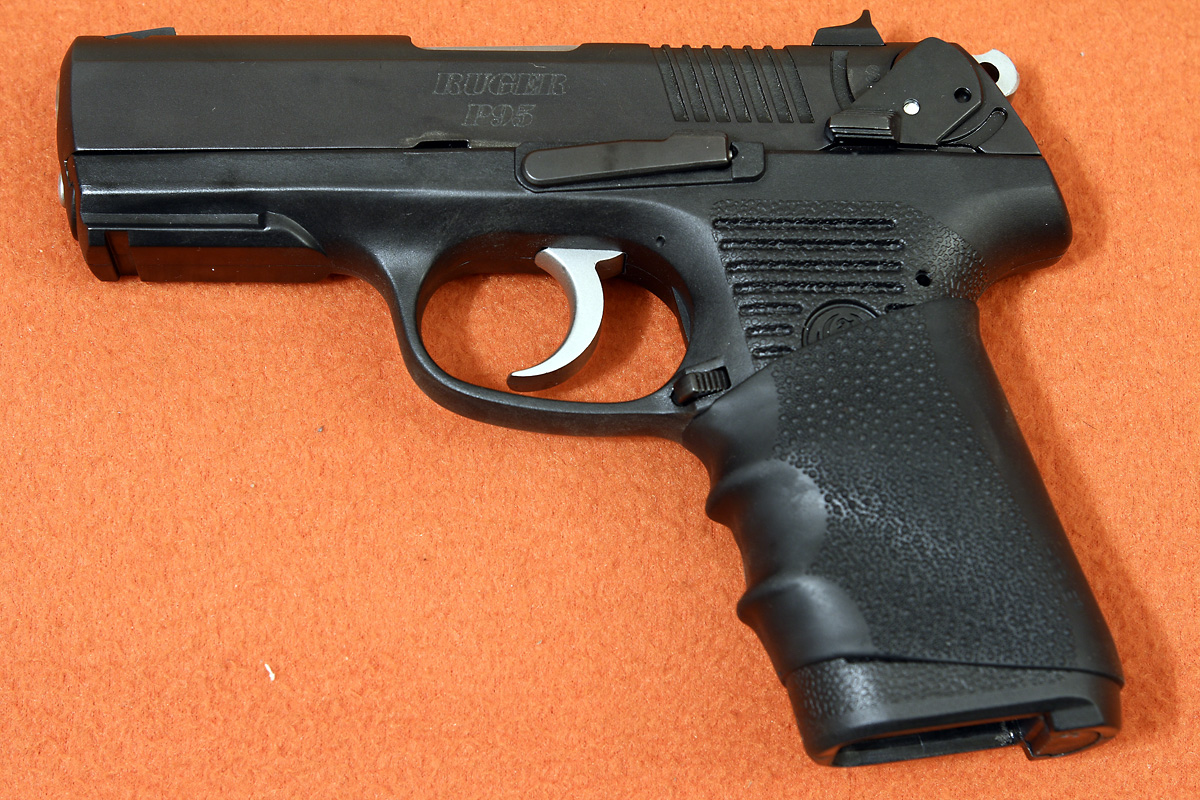
The Ruger P Series was never the sleekest handgun on the shelf, but it earned a reputation that many owners still defend with enthusiasm. These pistols were big, rugged, and famously hard to kill, which made them reassuring companions for home defense, range use, and everyday abuse.
When polymer framed striker fired pistols took over, the P Series started to look old fashioned almost overnight. That did not stop longtime users from being annoyed by its exit. Many felt Ruger dropped a line that had proven itself through sheer durability, and they were not eager to trade tank like reliability for trendier styling.
Ask around at a range, and someone will usually tell you they sold one and regretted it, or held onto one because nothing else scratched the same itch.
Smith & Wesson Model 3913

The Model 3913 arrived before the concealed carry boom fully transformed the handgun market, which makes its disappearance feel even more frustrating in hindsight. Slim, reliable, and easy to carry, it offered a practical single stack 9mm format that many shooters still consider one of Smith & Wesson’s smartest designs.
Owners appreciated its metal frame, manageable size, and understated competence. It was not flashy, and that was part of the charm. When it left production, fans were left watching the market chase newer ideas while a genuinely refined carry pistol slipped away.
Even now, the 3913 has a kind of quiet prestige. People who own one tend to keep it, and people who do not often spend years trying to find a clean example at a reasonable price.
Remington 870 Marine Magnum in Earlier Configurations

The Remington 870 has never been short on fans, but certain earlier Marine Magnum variants built especially strong loyalty. Their corrosion resistant finish and no nonsense utility made them popular with boat owners, coastal residents, and anyone who wanted a defensive shotgun that looked ready for rough conditions.
As configurations changed and quality concerns began to cloud Remington’s broader reputation, owners grew increasingly vocal about what had been lost. For many, it was not just about a shotgun model disappearing. It was about a trusted version of a legendary platform no longer feeling easy to replace.
That helps explain why older examples still generate interest. Buyers are often chasing a specific era, one they believe captured the 870’s best combination of durability, finish quality, and confidence inspiring simplicity.
Browning Hi Power Standard Models

The Browning Hi Power was one of those rare pistols that carried history, elegance, and real shootability in one package. Standard production models gave ordinary buyers access to a sidearm with enormous pedigree, and many owners saw it as the ideal blend of old world steel and practical 9mm performance.
When regular production ended, the reaction was immediate. Shooters were not upset because they expected the Hi Power to dominate modern sales charts. They were upset because some guns feel too important to vanish, especially when they still point naturally and inspire real affection at the range.
Collectors drove prices up, which only added to the sting. A pistol once admired as attainable suddenly became something many buyers felt they had missed by only a few years.
Marlin 1894 in JM Marked Production

Plenty of lever action fans will tell you the name on the barrel mattered, but so did the era. JM marked Marlin 1894 rifles developed a devoted following because owners believed those guns captured the company’s best fit, feel, and consistency before production upheaval changed the conversation.
When those earlier rifles stopped being the standard offering, frustration spread quickly. Buyers who wanted a handy pistol caliber lever gun suddenly found themselves hunting used racks, comparing serial ranges, and debating factory lineage as if they were tracking rare artifacts.
That sounds dramatic until you carry one. The 1894’s quick handling and easygoing appeal made it the kind of rifle people actually used. Once that experience became harder to buy new, loyalty turned into a surprisingly persistent sense of grievance.
Colt Python Before the Original Run Ended

Before its modern return, the original Colt Python had already become the revolver people spoke about with a kind of reverence. It was expensive, polished, and famously smooth, the kind of wheelgun that made owners feel they possessed something more than a tool.
That is why its disappearance from regular production hit so hard. People did not merely lose access to a premium revolver. They lost access to a living symbol of Colt craftsmanship at a time when traditional double action revolvers were already becoming less central to the market.
As values climbed, frustration grew sharper. Plenty of shooters who once hoped to buy one new watched the Python turn into a collector’s prize, which changed the entire emotional equation around owning or even aspiring to own one.
Ruger Deerfield Carbine

The Ruger Deerfield Carbine had an odd, charming place in the market, which is often a sign that a gun will become beloved after it disappears. Compact and chambered in .44 Magnum, it appealed to hunters and outdoorsmen who wanted quick handling power in a semiautomatic rifle.
Owners liked how lively it felt compared with bulkier hunting arms. It was useful in thick cover, easy to carry, and just unusual enough to stand out from the herd. When Ruger discontinued it, fans were left explaining to curious onlookers why such a practical little rifle had not survived.
That question still hangs around today. The Deerfield solved a specific problem very well, and the market has never fully replaced its combination of portability, punch, and plain old personality.
Smith & Wesson Third Generation Autos

Smith & Wesson’s Third Generation pistols represented the end of an era when duty handguns were often all metal, mechanically complex, and built with a certain understated seriousness. Models like the 5906 and 4506 earned trust the old fashioned way, by running reliably and feeling substantial in the hand.
As lighter polymer pistols took over law enforcement and civilian sales, these autos began to look like relics from another chapter. That did not make owners love them less. If anything, discontinuation made the attachment stronger, because people suddenly realized no one was making quite the same thing anymore.
Their fans still praise the durability, the trigger systems, and the sense of permanence. For many shooters, these pistols were not merely replaced. They were abandoned by a market that moved on too fast.
Remington Model 600

The Remington Model 600 was one of those rifles that looked a little unconventional even in its own time, but that unusual character became part of its appeal. Short, light, and fast handling, it offered a compact hunting package that many field shooters came to appreciate deeply.
Its discontinuation left behind a long trail of what ifs. Some critics had mixed feelings about the styling, yet plenty of owners felt the rifle had been ahead of the curve. In dense woods or on rough hunts where weight and maneuverability mattered, the Model 600 made a lot of sense.
That practical brilliance is exactly why its fans remain vocal. They see a rifle that solved real hunting needs with flair, then vanished before the industry fully embraced compact bolt action utility.
Beretta Cheetah in Earlier U.S. Availability

For shooters who appreciate elegant little pistols, the Beretta Cheetah occupied a very specific and very satisfying niche. It offered classic Beretta styling, excellent handling, and a polished feel that made many pocket and compact pistols seem crude by comparison.
What frustrated owners was not just that the platform became harder to get in certain forms. It was that the market kept rewarding tiny compromises while a genuinely pleasant pistol drifted out of easy reach. The Cheetah had personality, and owners often felt that modern replacements did not.
That emotional attachment matters more than spec sheets suggest. A gun that feels good in the hand and enjoyable at the range earns loyalty fast, and the Cheetah did exactly that before scarcity turned admiration into annoyance.
Savage 99

The Savage 99 was never just another lever action. Its rotary magazine, sleek profile, and strong reputation gave it a place all its own, especially among hunters who wanted something traditional in spirit but more flexible in practice than many competing designs.
When production ended, owners did not merely lose a beloved rifle. They lost a distinctly American answer to the hunting rifle question, one with enough individuality to keep conversations going decades later. The Savage 99 did things differently, and that difference is exactly what people miss.
Its fans still talk about balance, handling, and field confidence in almost personal terms. That kind of loyalty is hard to manufacture, which makes the rifle’s disappearance feel less like a business decision and more like a cultural mistake.