
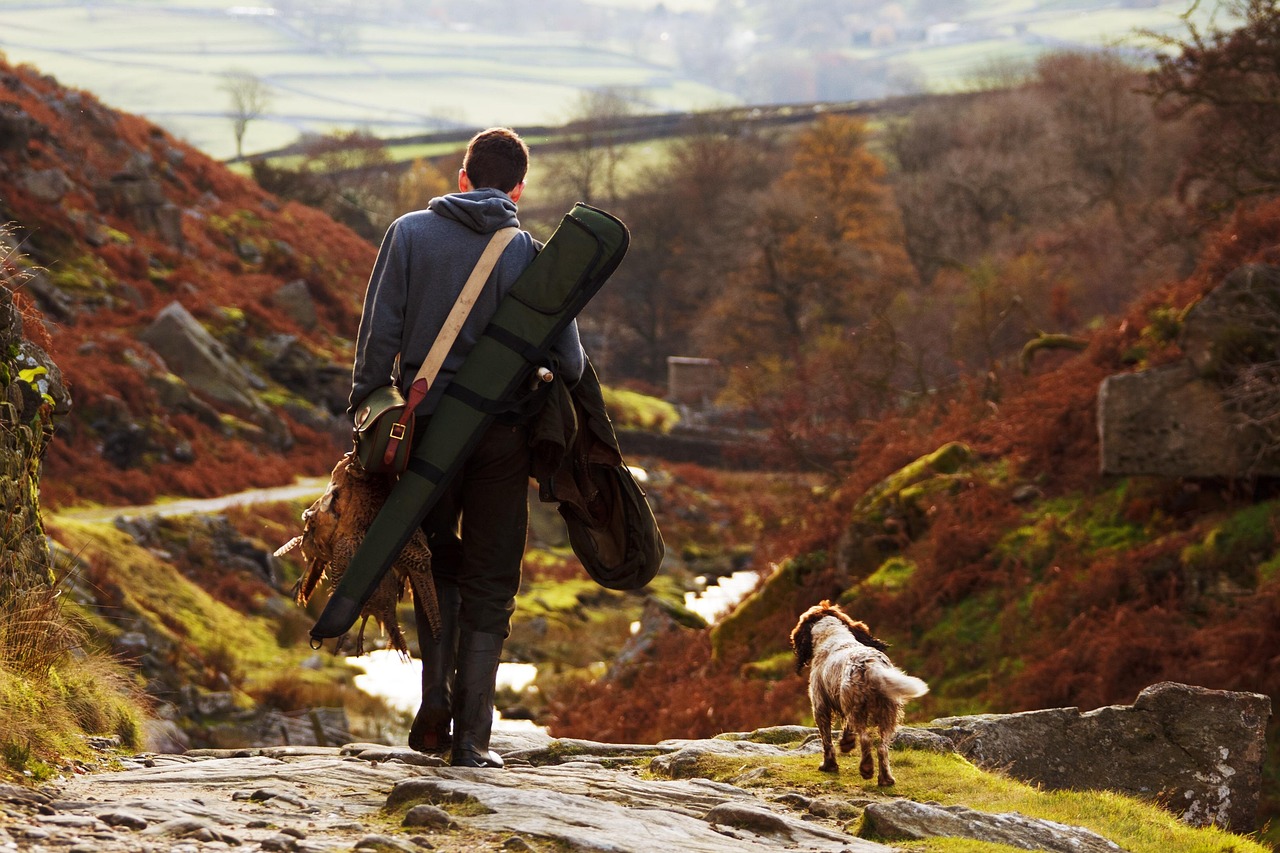
Some gear looks good in a catalog. The gear that survives 30 years in the field tells a very different story.
The First Lesson Is That Fancy Gear Rarely Wins

Ask a hunter with three decades in the field what matters most, and the answer usually is not brand names. It is reliability. After enough wet mornings, frozen fingers, and long hikes back to the truck, flashy equipment loses its appeal fast.
Veteran hunters tend to strip their loadout down to what performs every single time. That means boots that stay comfortable after miles of uneven ground, a pack that carries weight without squeaking, and clothing that handles changing weather without turning the day miserable. According to hunter education guides and gear checklists from Academy, Hunter-ed, and onX Hunt, the essentials have changed less than many people think: dependable footwear, safe firearm or bow handling, quality optics, navigation tools, water, first aid, and weather-ready layers.
That old-school mindset is not romantic nostalgia. It is efficiency. A hunter who has spent 30 years in the field has already paid for mistakes in blisters, missed opportunities, broken buckles, and cold waits on ridge tops. The result is usually a gear philosophy built on subtraction, not accumulation.
Boots, Layers, and Orange Matter More Than Most New Hunters Think
If there is one place experienced hunters refuse to cut corners, it is clothing that protects the body and keeps them moving. Good boots are not a luxury. They are the difference between hunting hard at noon and limping back by 9 a.m. Many expert gear roundups stress the same point: boots need to match terrain, weather, and distance, and they must be broken in before season opens.
Layering matters just as much. The smart system usually starts with a moisture-wicking base layer, adds insulation when temperatures drop, and finishes with an outer shell that can block wind or light rain. That setup beats one bulky coat because conditions change quickly from dawn to midday.
Then there is blaze orange, one of the least glamorous but most important pieces of hunting gear. Hunter education sources, the U.S. Army, the Forest Service, and state safety materials all emphasize that blaze orange is highly visible to people and a key tool in preventing accidental shootings. Requirements vary by state and season, but the safety principle is consistent everywhere.
The Weapon Is Only Part of the System

A 30-year hunter rarely talks about firearms or bows as isolated tools. He talks about a complete system. That includes the sling, optics, ammunition or arrows, maintenance kit, and the confidence that comes from repetition. A dependable rifle with ordinary features beats a premium setup the hunter barely knows how to use.
The same goes for optics. Binoculars often do more work than the rifle scope because they help spot movement, judge terrain, and reduce unnecessary motion. Gear guides from Academy and onX Hunt consistently put binoculars near the top of the essentials list, especially for big game hunters covering large country.
What veteran hunters reveal over time is that accuracy is built before the shot ever happens. It starts at the range, with known distances, confirmed zero, and familiarity with recoil or draw cycle. In the field, that preparation creates calm decision-making. The best gear does not make up for poor practice. It supports good habits that have already been built.
Packs, Knives, and Headlamps Earn Their Place

When seasoned hunters open a pack, every item usually has a reason for being there. Extra gadgets disappear over time. The gear that remains is practical: knife, headlamp, gloves, water, snacks, fire starter, navigation aid, tags, and a compact first aid kit. That list appears again and again in hunter education materials and hunting gear checklists because it solves real problems in the field.
A good knife matters because the job does not end with the shot. Whether processing small game or starting field dressing on larger animals, a sharp, controllable blade saves time and effort. Outdoor Life’s recent gear testing highlighted hunting knives and durable boots among the pieces that continue to matter most, even as newer products crowd the market.
Headlamps are another classic example. They sound boring until a hunter is hiking in before sunrise, following a blood trail at dusk, or dressing an animal after dark. After 30 years, the trusted gear is usually the gear that solves problems when conditions stop being comfortable.
Navigation and Safety Tools Are Non-Negotiable

Talk to enough veteran hunters and a pattern appears quickly: the longer someone has hunted, the less casual they become about safety. Map apps, offline maps, compass backups, signaling tools, and first aid supplies are no longer optional add-ons. They are standard field equipment.
That attitude matches guidance from onX Hunt and Leave No Trace, both of which emphasize navigation tools, emergency supplies, and preparation for weather shifts as core parts of responsible hunting. The modern hunter may carry a phone with mapping software, but experienced people still respect dead batteries, poor signal, and bad luck.
Tree stand safety belongs in this category too. Even hunters who have climbed for years treat harnesses and careful movement with seriousness because familiarity can breed carelessness. The experienced mindset is simple: the hunt is never worth an avoidable injury.
What stands out most is that safety gear is not separate from hunting success. It supports it. A hunter who stays warm, visible, oriented, and uninjured is a hunter who can keep making smart decisions when the day gets long.
Ethics Shape the Gear List More Than People Realize
The best gear list is not just about convenience. It reflects ethics. A hunter with 30 years in the field knows that every tool should support a clean shot, quick recovery, lawful behavior, and low impact on the land. Leave No Trace and hunting ethics guidance put stewardship at the center of the experience, not on the margins.
That changes what earns space in the pack. Good optics help identify the target clearly before a shot. Navigation tools help a hunter avoid trespass and recover game efficiently. Gloves, game bags, and proper knives help with respectful meat care. Blaze orange supports the safety of everyone sharing the woods.
This is one of the biggest differences between a beginner’s shopping list and a veteran’s kit. Beginners often think in categories. Experts think in consequences. Every item has to answer a hard question: does it make the hunt safer, cleaner, more humane, or more dependable? If not, it probably gets left behind.
After 30 Years, the Real Secret Is Simplicity
The surprising truth is that a hunter with 30 years in the field often carries less than a newcomer. Not because he cares less about gear, but because he understands it better. He knows which tools are indispensable and which ones only add weight, noise, and distraction.
That kind of confidence comes from repetition across many seasons. Rain exposes weak zippers. Cold reveals cheap gloves. Long walks punish poor boots. Missed chances teach the value of good binoculars, a quiet pack, and a weapon system the hunter knows without thinking. Over time, the gear list becomes a personal filter for what actually works.
So when a veteran hunter reveals his gear, the lesson is bigger than the products themselves. Choose dependable basics. Prioritize safety. Respect the land. Practice with what you carry. In the end, the most valuable piece of gear is judgment, and that only comes from years of doing the work the hard way.



![Truce with gun, taken by Magi [ http://www.magifesn.cz/ ]](https://pub-b56d3d46034c4a2495fa075c4af501a4.r2.dev/2026/03/fNl6L0qe-openverse-a5e29088-4a58-4f7d-bb3d-e3207267f63a.jpg "taiki-ishikawa-w6EMxsk8CDA-unsplash")