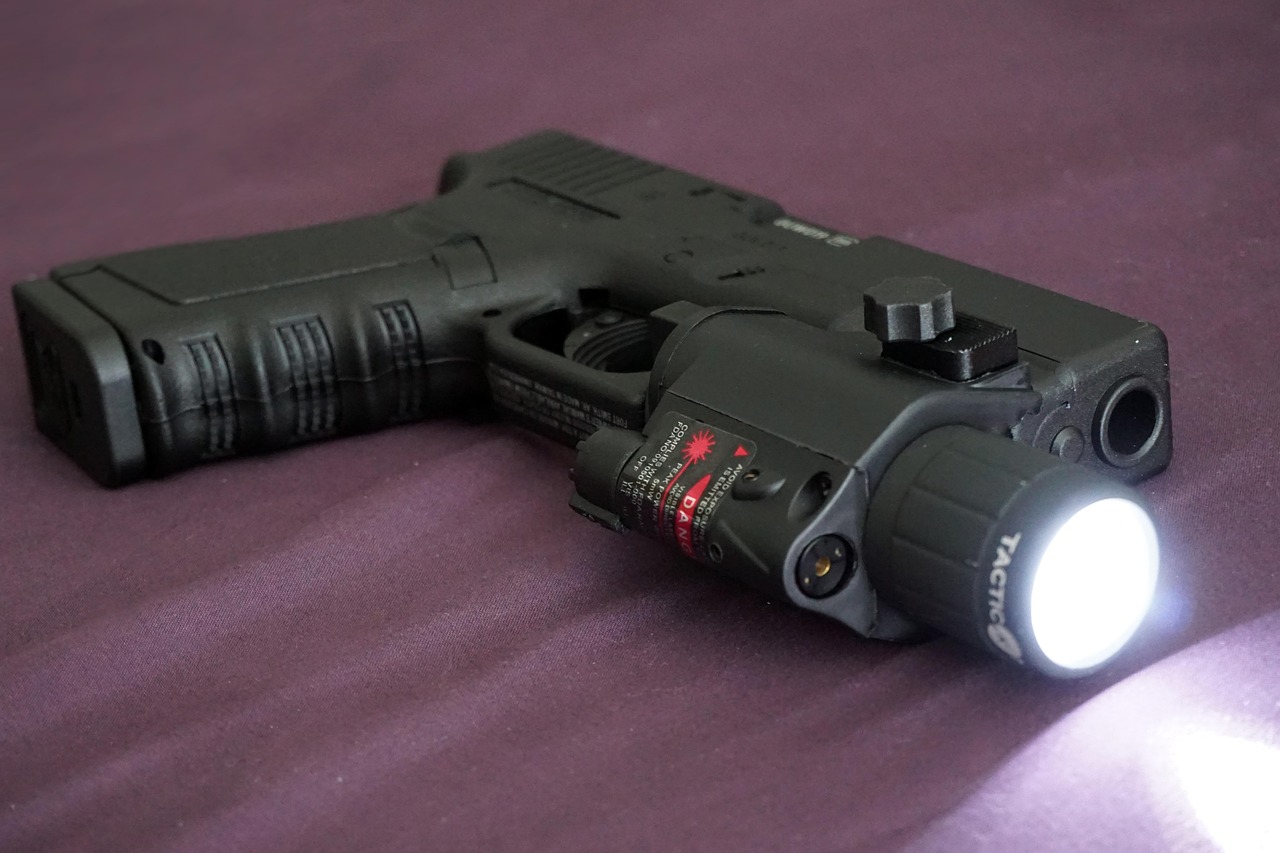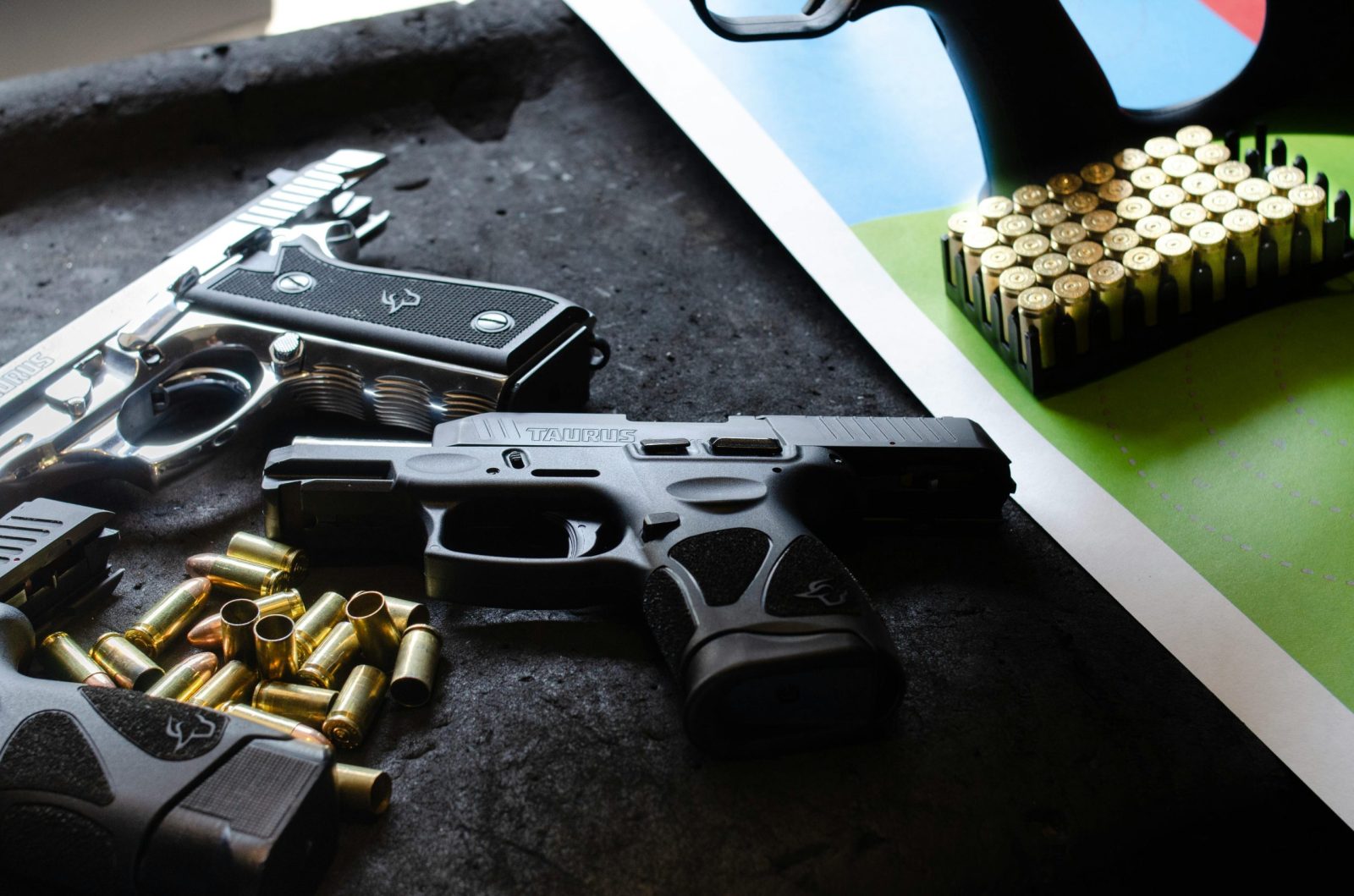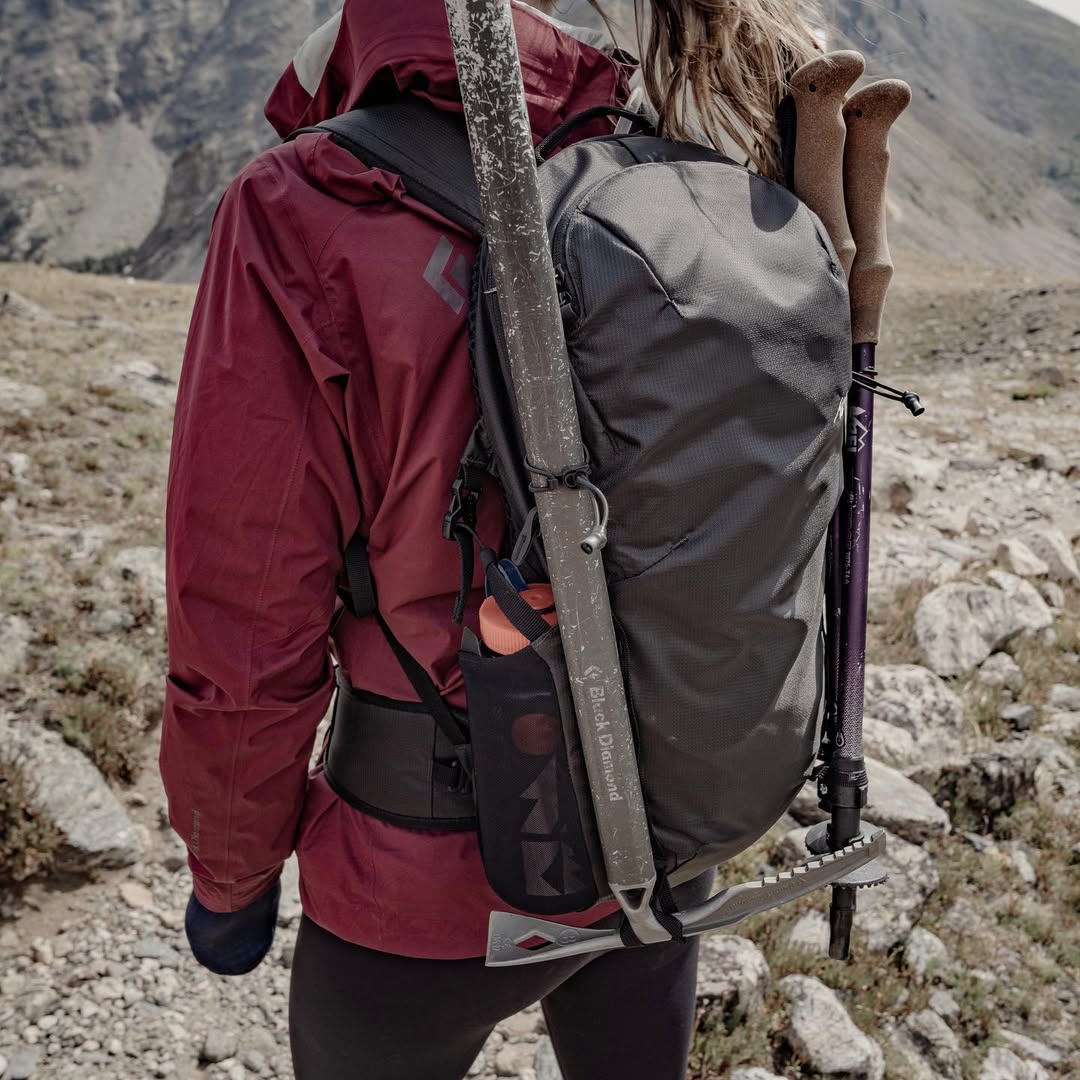
Owning equipment often feels like preparation, especially within outdoor, tactical, or safety focused lifestyles. Bags fill, belts stiffen, and tools accumulate, creating reassurance through presence alone. Capability, however, develops differently, shaped by practice, decision making, and calm repetition under pressure. The difference matters across activities from hiking and shooting sports to emergency readiness and professional work. Carrying gear without understanding limits, maintenance, or context can invite mistakes. Capability grows through training, situational awareness, and judgment, ensuring equipment supports action rather than replacing skill when circumstances shift unexpectedly during real world moments demanding clarity and restraint.
Carrying Gear

Carrying gear focuses on possession rather than performance. Equipment sits on bodies, in packs, or within vehicles, selected for perceived readiness. Choices often reflect trends, marketing, or fear of being unprepared. Weight increases, movement slows, and familiarity decreases when items outnumber experience. Without regular use, gear becomes decorative or burdensome. Tools require setup, power, or coordination that stress can disrupt. Simply owning advanced equipment does not guarantee effective deployment. Carrying gear can signal intention, but alone it rarely delivers competence, adaptability, or safety during complex, fast changing situations encountered across unpredictable environments and varied contexts.
Being Capable With It
Being capable with gear centers on skill, judgment, and restraint. Capability develops through repetition, instruction, and honest evaluation of limits. Familiar tools receive priority over excessive variety. Training builds muscle memory, while scenario planning sharpens decision making under stress. Maintenance routines ensure reliability when needed. Capable individuals know when not to deploy equipment, reducing unnecessary risk. Adaptability allows substitution when tools fail or conditions change. Gear becomes an extension of practiced behavior, supporting efficiency and safety. Capability emphasizes responsibility, awareness, and consistent preparation rather than accumulation alone built through experience across demanding real situations consistently.
Training And Repetition
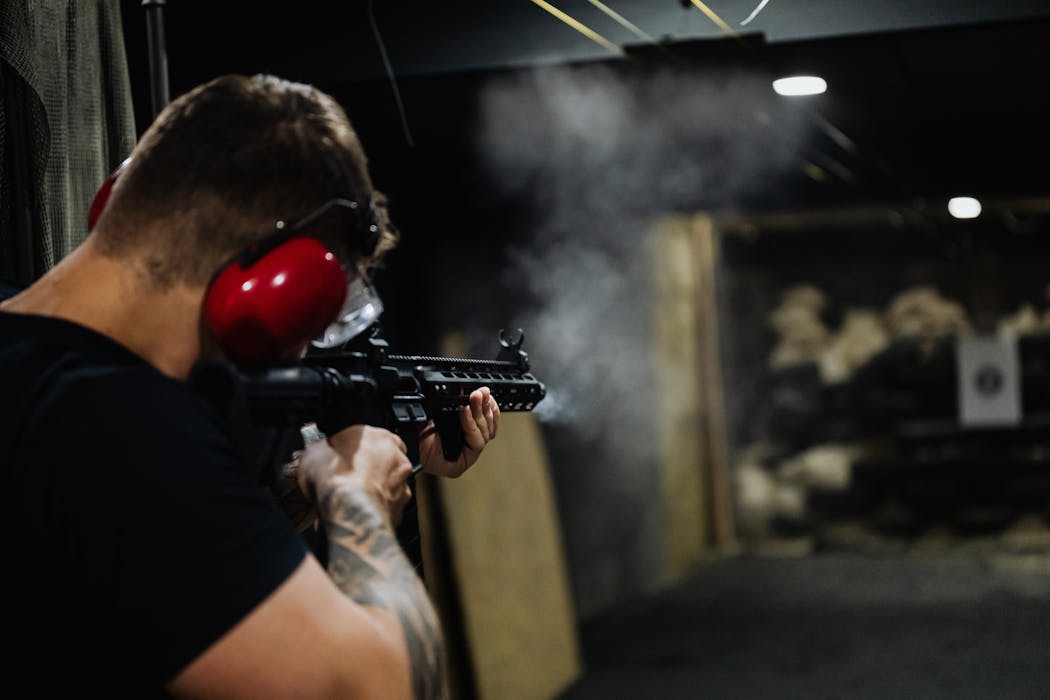
Training and repetition transform equipment from theoretical options into dependable tools. Structured practice reveals weaknesses in technique, setup, and decision making before consequences escalate. Repetition across varied conditions builds confidence without arrogance. Skills fade without refreshers, even when gear remains unchanged. Qualified instruction shortens learning curves and corrects unsafe habits early. Drills, simulations, and dry practice reinforce fundamentals. Training clarifies realistic capabilities, preventing overreliance on features or marketing claims. Through repetition, responses become deliberate instead of reactive, and control during demanding moments in recreational, professional, or emergency environments alike.
Decision Making Under Stress
Decision making under stress separates equipment carriers from capable users. Pressure narrows focus, disrupts fine motor skills, and challenges memory. Preparation trains the mind to prioritize actions and assess surroundings effectively. Clear frameworks reduce hesitation and prevent inappropriate use. Experience teaches when simple responses outperform complex solutions. Capable individuals recognize legal, ethical, and situational boundaries before acting. Stress exposure through drills improves composure. Good decisions align tools with intent, timing, and environment, keeping actions proportionate, lawful, and effective during fast changing situations that require accountability and measured responses.
Responsibility And Context
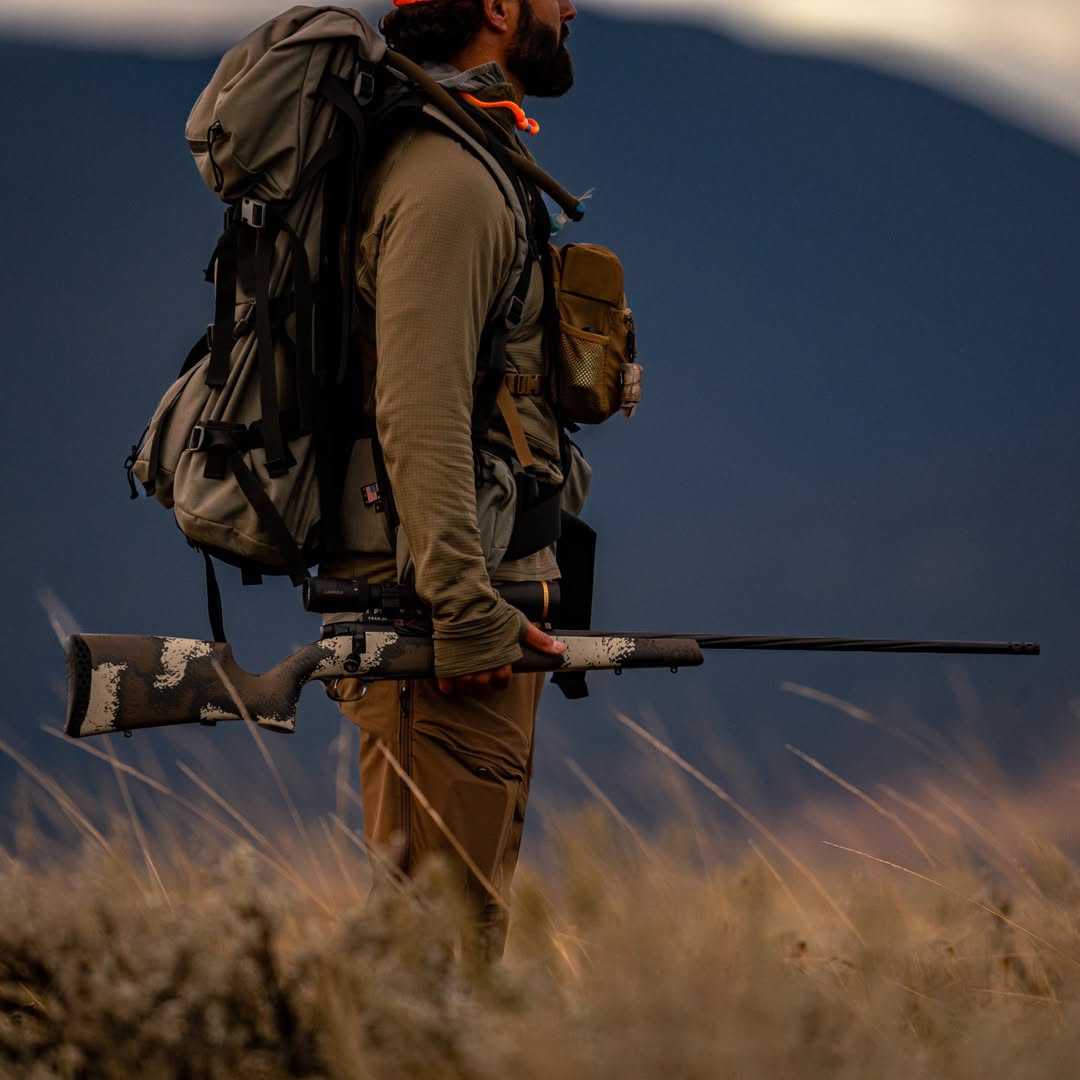
Responsibility and context shape every appropriate use of equipment. Laws, policies, and social expectations guide behavior across environments and roles. Understanding context prevents misuse, escalation, or unintended harm. Capable individuals respect storage, transport, and disclosure requirements consistently. Responsibility includes maintenance, education, and honest recognition of limitations. Context awareness adapts choices to surroundings, audience, and purpose. What works in controlled settings may fail elsewhere. Responsible capability balances readiness with restraint, ensuring tools support safety and problem solving rather than ego, fear, or performative displays within shared public spaces.