Plenty of newer lever actions offer sharper machining, accessory rails, and updated finishes, but the Winchester 1894 still holds a special edge. Its appeal is not just nostalgia. From handling to heritage, this classic rifle keeps proving that old ideas can remain remarkably hard to beat.
It carries better than most modern designs

Pick up a Winchester 1894 and the first thing you notice is how naturally it wants to move with you. It is slim through the receiver, easy in the hands, and notably less bulky than many newer lever guns built around thicker actions or tactical styling.
That matters in the field. When a rifle has to ride in a truck, across a saddle, or through brush all day, trim dimensions become a real advantage. The 1894 feels like it was designed for motion, not just for display.
Newer rifles can be excellent shooters, but many give up that graceful portability. The Winchester keeps winning because it still feels fast, light, and practical the moment you shoulder it.
Its balance makes it quicker on target

The 1894 has a lively, centered balance that helps explain its lasting reputation. It comes to the shoulder smoothly, and the sights tend to line up without much conscious effort. That kind of handling is difficult to quantify on paper, but easy to appreciate in real use.
For many shooters, newer lever actions feel front-heavy once longer barrels, optics, rails, or oversized fore-ends enter the picture. The Winchester avoids much of that. Its proportions were shaped around quick shots at practical distances.
That does not make it outdated. If anything, it shows how well the design understood what a handy sporting rifle should do. Speed and instinct still matter, and the 1894 delivers both.
Its history adds value modern rifles cannot copy

There are newer lever actions with excellent finishes, tight tolerances, and useful upgrades. What they cannot manufacture is the Winchester 1894’s place in American firearms history. This rifle is tied to generations of hunting camps, ranch use, and everyday field carry in a way that feels earned.
That connection changes how people see it. A rifle with genuine legacy carries a different kind of appeal, one that goes beyond raw specs or current trends. Owners often talk about 1894s as rifles to keep, pass down, and remember.
Modern makers can borrow the look, but not the story. The Winchester still wins because authenticity has a value all its own.
It remains one of the best matches for traditional cartridges
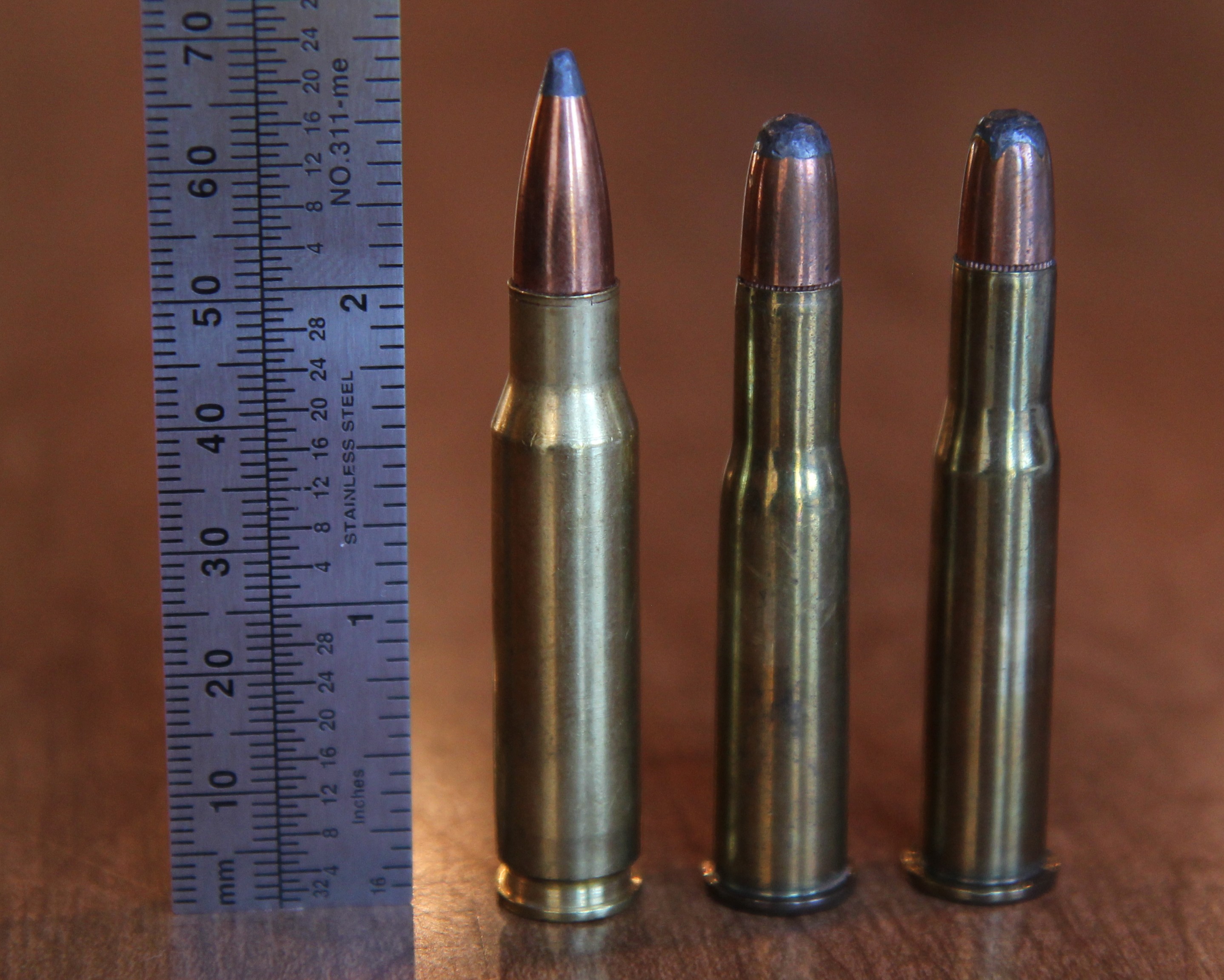
The Winchester 1894 is closely associated with cartridges that make perfect sense in a lever gun, especially .30-30 Winchester. That pairing has endured because it works. Recoil stays manageable, ballistics fit real-world hunting distances, and the rifle’s overall character suits the cartridge beautifully.
Some newer lever actions chase broader versatility by adding heavier frames, larger calibers, or modern accessory options. Those features have their audience, but they can also blur the original point of a lever rifle. The 1894 stays focused on practical efficiency.
For deer woods, ranch use, and general carry, that traditional formula remains hard to beat. The rifle and cartridge still feel like they were made for each other because, in many ways, they were.
It still looks the way a lever action should

A lot of modern lever actions are trying to become something else. Add rails, synthetic furniture, threaded muzzles, and oversized loops, and the result may be useful, but it often loses the clean lines that made lever guns appealing in the first place.
The Winchester 1894 keeps the visual formula simple: blued steel, walnut, and a profile that looks elegant without trying too hard. Its design has restraint, and that restraint is part of its staying power.
Looks are not everything, but they are not nothing either. The 1894 still wins because it delivers function with timeless style, and for many shooters, that combination is exactly the point.