Not every AR-15 build gets a nod from experienced shooters. The ones that do usually share the same traits: clear purpose, reliable parts, and a setup that makes sense when the timer starts or the conditions turn rough. This gallery looks at 10 respected configurations and explains why each one has earned real-world credibility beyond internet hype.
The Lightweight General-Purpose Carbine

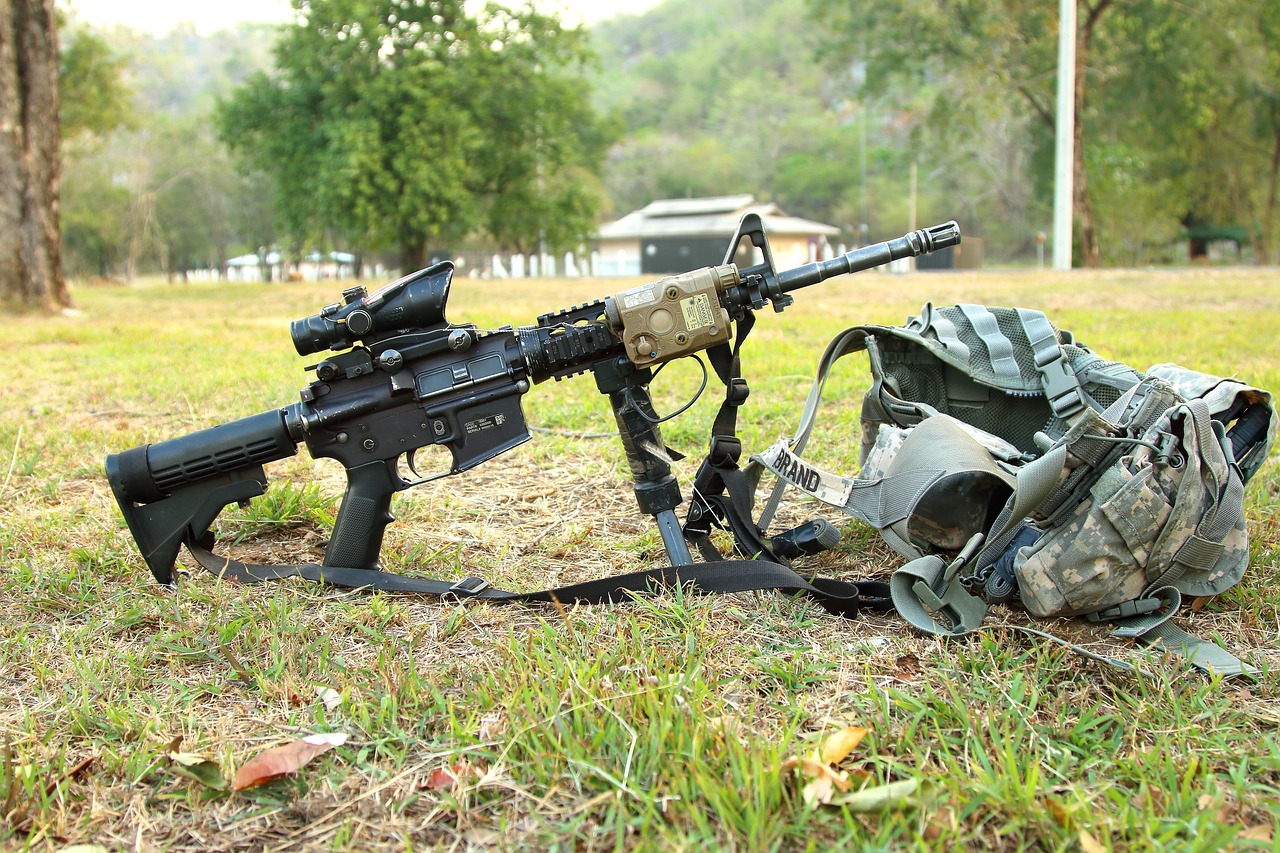
If there is one build that consistently earns respect, it is the lightweight general-purpose carbine. Usually centered on a 14.5-inch pinned barrel or a handy 16-inch setup, it balances speed, portability, and enough capability for classes, home defense, and regular range work.
Serious shooters appreciate this rifle because it avoids gimmicks. A quality white light, a durable sling, and a proven red dot or compact LPVO do more for real performance than extra rail clutter ever will.
It earns its place because it is the rifle people actually carry, train with, and keep ready. In practical shooting, usefulness beats novelty every time.
The Duty-Grade Patrol Rifle

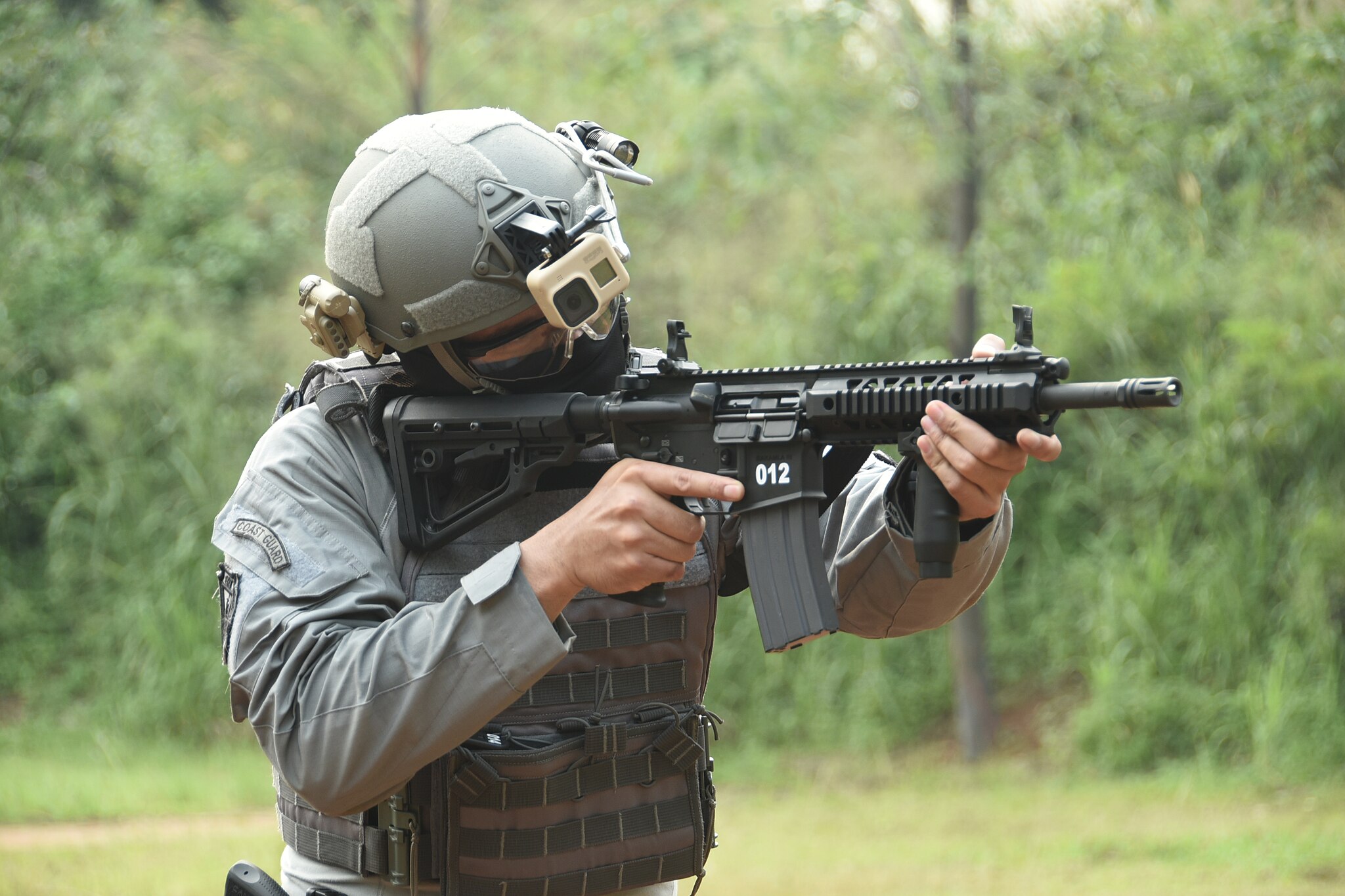
A duty-grade patrol rifle gets respect because the standards are unforgiving. This is the kind of build expected to run in bad weather, after hard use, and under stress, with no tolerance for weak bolts, bargain optics, or questionable assembly.
The formula is usually straightforward: a chrome-lined or nitrided barrel, dependable midlength or carbine gas system, rugged backup sights, and a proven optic that holds zero. Nothing on it exists for looks alone.
Shooters admire this build because it reflects a serious mindset. Reliability is the point, and every part has to justify itself through durability, not marketing language.
The Suppressed Short-Barreled Setup

A well-tuned suppressed short-barreled setup earns admiration when it is built correctly, because doing it right takes more than chopping length and threading on a can. Gas tuning, buffer weight, muzzle device choice, and suppressor compatibility all matter if the rifle is going to stay controllable and reliable.
The respected versions are compact without becoming miserable to shoot. They reduce concussion, keep handling quick in tight spaces, and avoid the overgassed behavior that turns some short guns into harsh, dirty problem machines.
This build earns its place because it shows discipline. Serious shooters know compact can be excellent, but only when the builder respects the engineering.
The Recce Rifle

The recce rifle has held onto its reputation because it sits in a sweet spot between carbine handling and precision capability. Usually built around a quality 16-inch barrel, it is meant to stretch distance without becoming a heavy bench gun that loses the spirit of the AR platform.
A good recce setup often wears an LPVO in the 1-6x or 1-8x range, paired with a crisp trigger and ammunition the barrel actually likes. The result is a rifle that can move quickly up close and still reward careful shooting farther out.
Serious shooters respect it because it is versatile in a meaningful way. It is not trying to do everything, but it does a lot very well.
The SPR-Inspired Precision Build

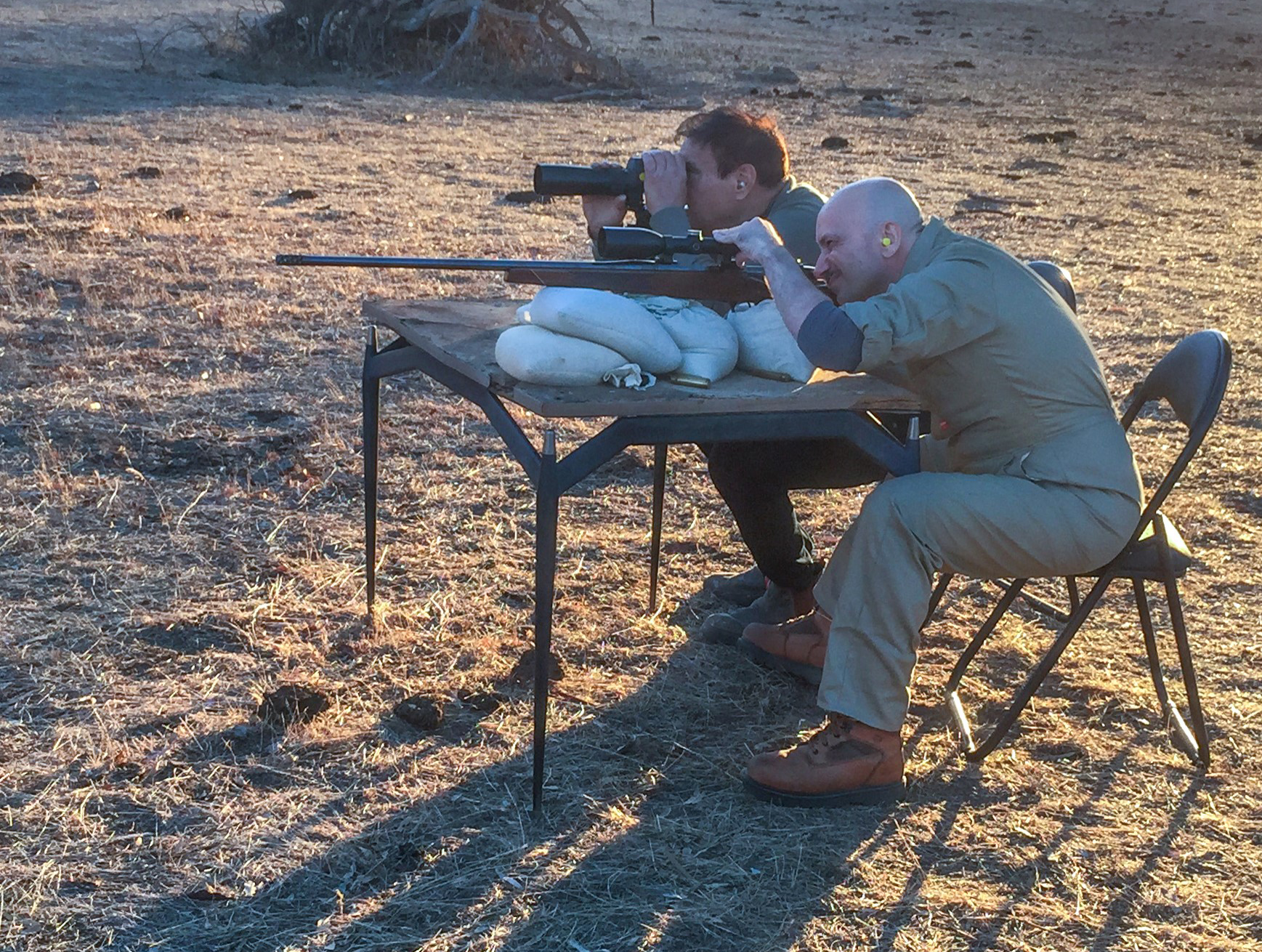
An SPR-inspired precision build gets respect when it leans into what the platform can genuinely do at distance. With an 18-inch barrel, quality glass, and match ammunition, the AR-15 becomes far more capable than many casual observers expect.
What separates a respected precision build from a bloated one is restraint. Good builders focus on barrel quality, optic tracking, stable support, and a trigger that breaks cleanly, instead of piling on accessories that add weight without improving hits.
This rifle earns its place because it proves precision is not just a bolt-gun conversation. In the right hands, a serious AR setup can be disciplined, repeatable, and impressively effective.
The Competition 3-Gun Rifle

The competition 3-gun rifle commands respect because it is built around speed, recoil control, and practical efficiency. Every choice, from the compensator to the trigger to the optic mount height, is about shaving time without giving away consistency.
These rifles often look specialized because they are. Long handguards, low recoil tuning, lightweight internals, and highly visible optics all serve the same goal: faster target transitions and cleaner runs when the clock is brutal.
Serious shooters respect this build not because it is tactical, but because performance is measurable. In competition, excuses disappear, and the gear either supports winning or it does not.
The Retro Clone Done Right

A retro clone done right gets a surprising amount of respect, especially from shooters who know the platform’s history. This is not about nostalgia alone. It is about understanding original patterns, parts compatibility, and why certain configurations shaped decades of carbine development.
The respected examples are carefully researched, not loosely inspired. Builders pay attention to receivers, barrel profiles, furniture, and period-correct details, while still making smart choices about safety and shootability when needed.
It earns its place because it reflects knowledge as much as craftsmanship. A proper clone shows that serious shooters value heritage, and that appreciation often deepens their understanding of modern rifles too.
The Home-Defense Focused Carbine

A home-defense focused carbine wins respect when it is simple, reliable, and easy to run in low light. This is not the place for oversized gadgets or range-toy tuning. Serious shooters want a rifle that comes up quickly and works without drama.
That usually means a durable red dot, a bright white light, a practical sling, and controls the owner has actually trained with. Barrel length and furniture are chosen for maneuverability, not for looking aggressive in photos.
This build earns its place because it is rooted in responsibility. It reflects a sober approach to readiness, where every part is selected to solve a real problem under pressure.
The Ranch and Field Utility Rifle

The ranch and field utility rifle gets respect because it embraces practicality in the most honest sense. It is the kind of AR carried in trucks, used around property, and expected to handle pests, predators, and rough daily life without becoming precious.
These builds usually favor moderate weight, corrosion-resistant finishes, dependable magazines, and optics suited for quick shots in changing light. The priorities are durability and ease of use, not chasing the latest online trend.
Serious shooters appreciate this rifle because it earns trust through repetition. It may not be flashy, but when a gun keeps working season after season, people notice and respect follows naturally.
The Budget Build That Actually Runs
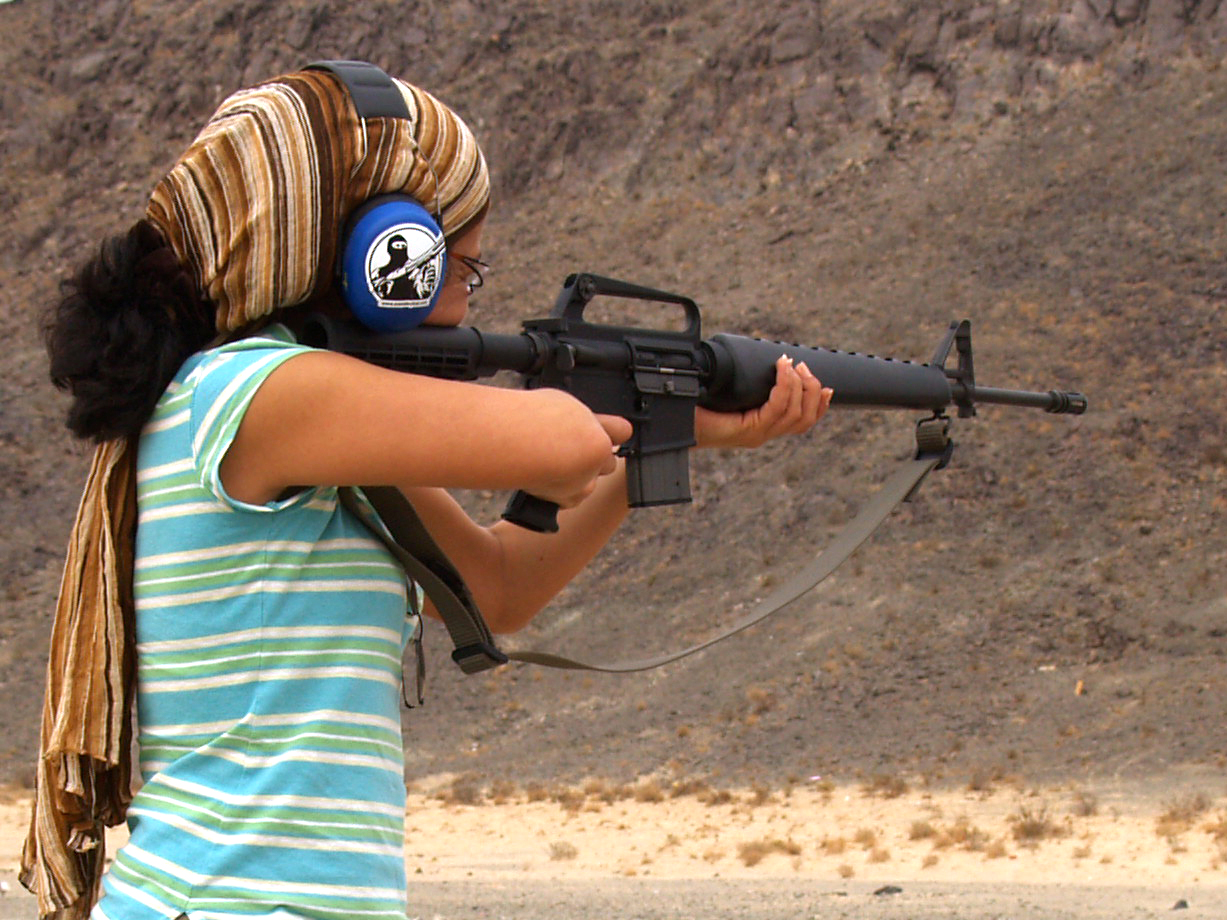
A budget build only earns real respect when it proves the owner spent intelligently instead of just spending less. Serious shooters can forgive modest furniture or basic cosmetics, but they are quick to notice whether the barrel, bolt carrier group, magazines, and optic are trustworthy.
The respected version is not the cheapest rifle possible. It is the rifle assembled around the right priorities, with money placed where reliability and accuracy matter most and wasted nowhere else.
This build earns its place because it shows judgment. Anyone can overspend, but putting together a modest AR that runs hard, holds zero, and survives training is its own kind of expertise.