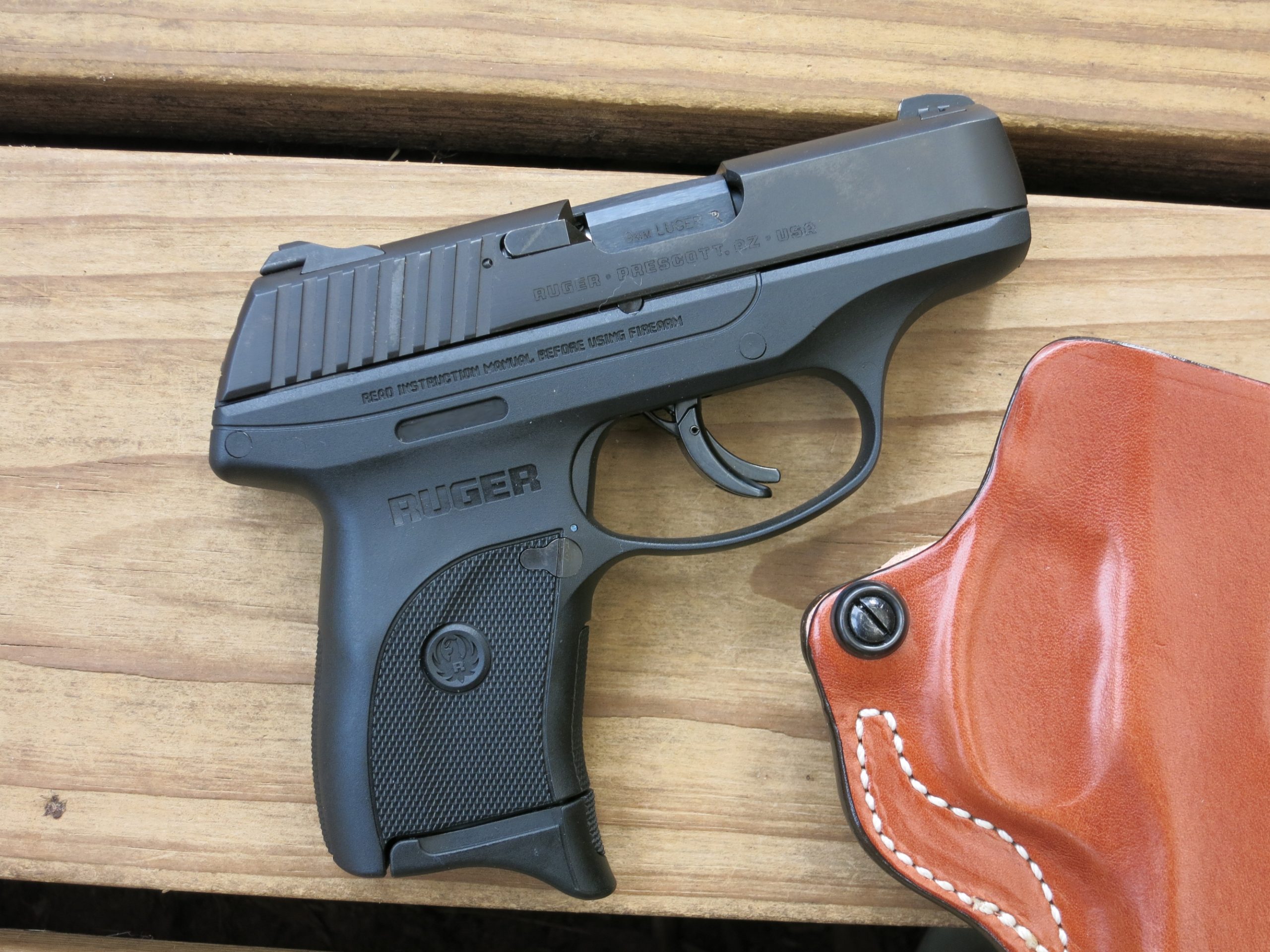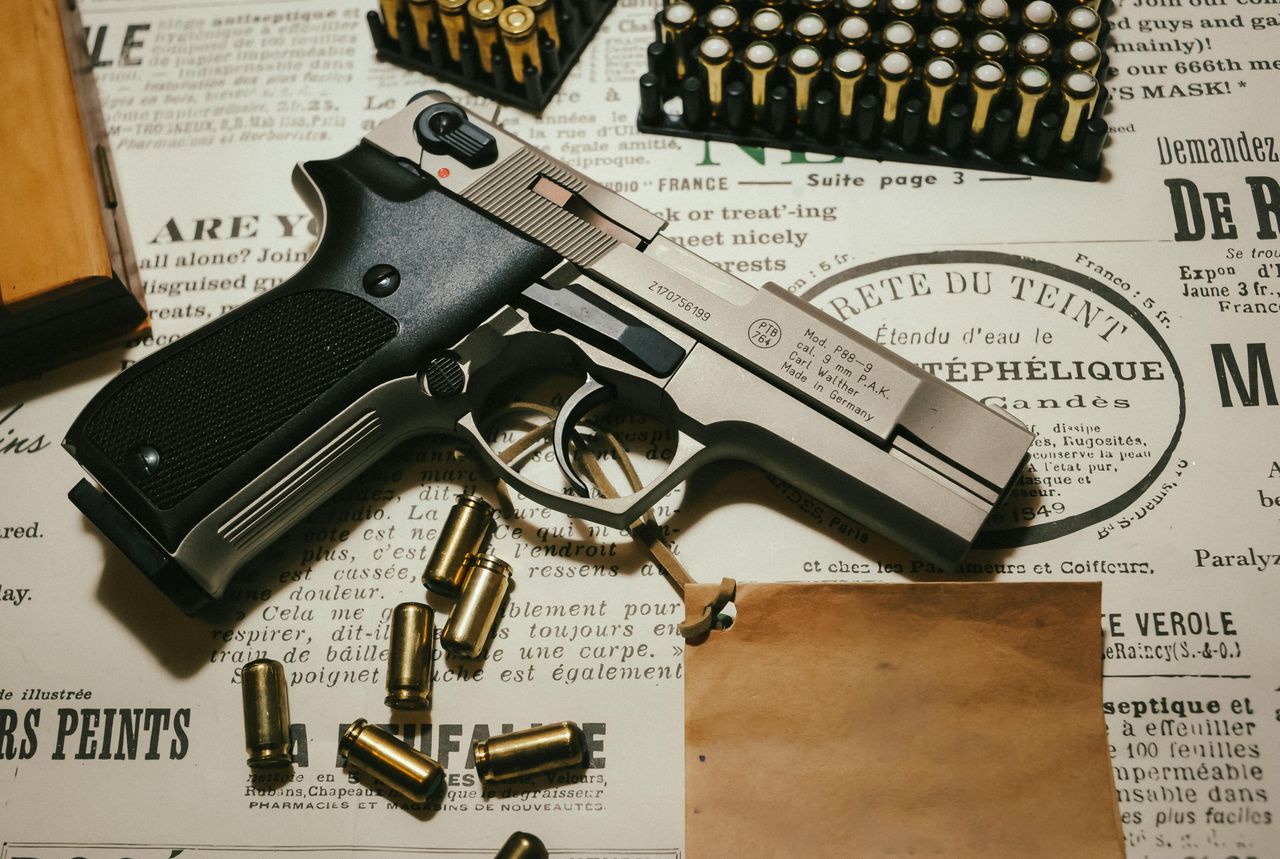
Few handguns inspire as much loyalty, debate, and folklore as the 1911. Over more than a century, real history has mixed with range talk, gun-counter wisdom, and internet certainty until fiction often sounds like fact. This gallery separates reputation from reality and examines a dozen beliefs about the 1911 that have lingered far longer than they should have.
It was designed by John Browning completely alone

John Browning absolutely deserves his legendary status, but the story is not as simple as one lone genius sketching the final pistol in isolation. The 1911 emerged through collaboration, trials, revisions, and input from Colt, the U.S. military, and other engineers working through practical problems.
What people call the 1911 is really the end result of an evolutionary process. Browning’s earlier designs laid the foundation, but the service pistol adopted by the Army reflected testing feedback and changes made over time. Treating it as a one-man miracle ignores how firearms are usually refined in the real world.
All 1911s are exactly the same

At a glance, many 1911-pattern pistols look nearly identical, which is why this myth keeps surviving. In reality, dimensions, tolerances, extractor designs, firing pin systems, feed ramp geometry, and internal parts can vary quite a bit depending on maker, era, and price point.
That matters because not every part drops into every gun, and not every 1911 behaves like every other 1911. A tightly fit competition model, a GI-style reproduction, and a modern carry pistol may share the same basic layout while feeling very different in reliability, maintenance needs, and shooting character.
The 1911 is inherently unreliable

The 1911 has a reputation problem partly because people lump every example together, from war-worn surplus pistols to bargain builds to ultra-tight custom race guns. When a design has existed for more than a century and been made by countless companies, bad examples can distort the whole picture.
A properly built, properly sprung, properly fed 1911 can run extremely well. Many reliability complaints come from out-of-spec magazines, poor ammo matching, aggressive home gunsmithing, or pistols tuned beyond practical limits. The platform is not magically immune to problems, but neither is it doomed to malfunction just because it is a 1911.
It only works well with hardball ammo
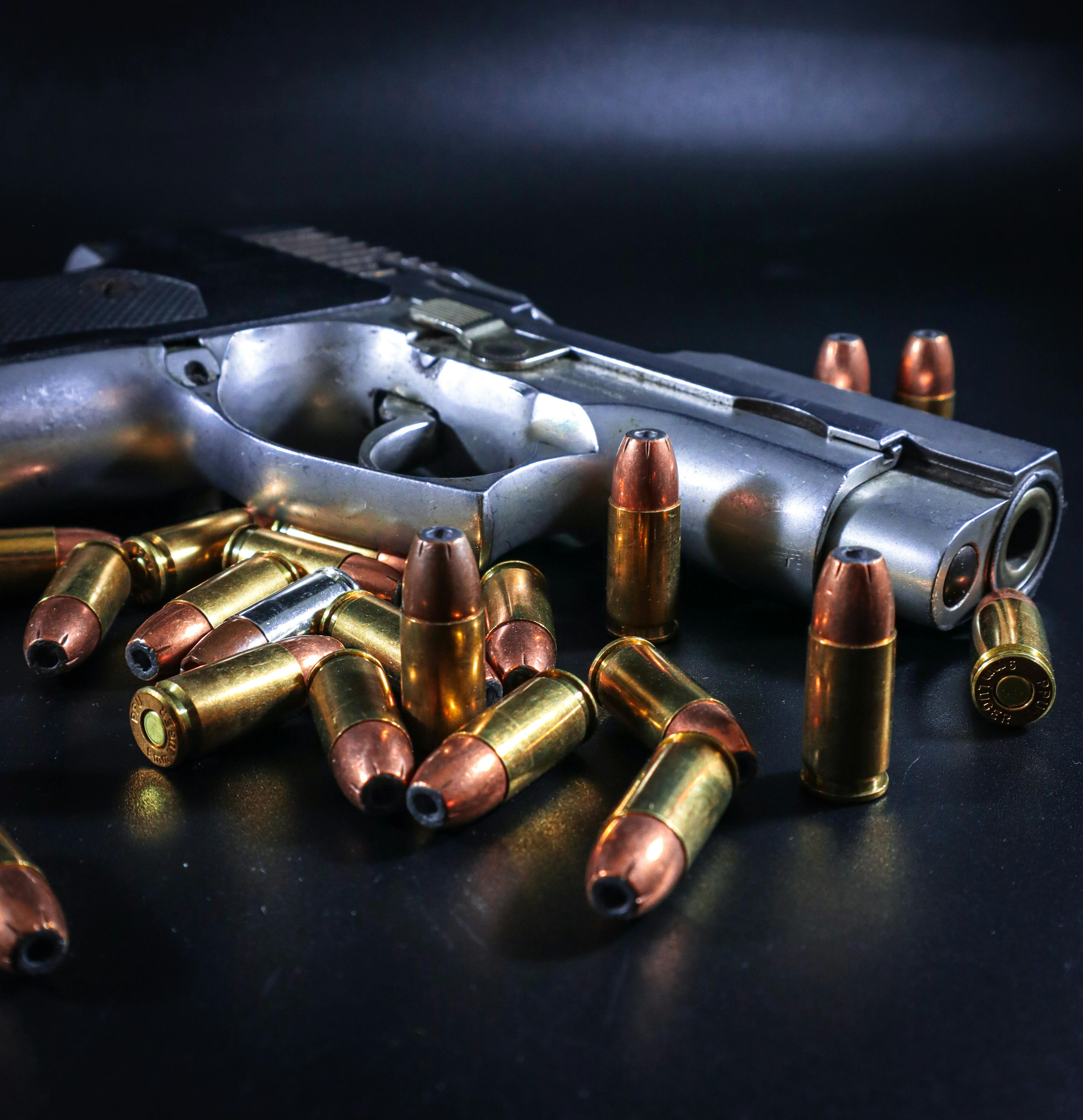
This belief has roots in history, because the original military pistol was built around 230-grain full metal jacket ammunition. Early feed geometry and older magazines often favored ball ammo, so generations of shooters repeated the idea that hollow points and modern defensive loads simply do not belong in a 1911.
Today, that is far too broad a claim. Many modern 1911s are engineered specifically to feed a wide range of bullet profiles, and quality magazines make a huge difference. Some individual pistols remain picky, especially older or poorly set-up ones, but the design itself is not permanently locked to hardball.
It must be carried with an empty chamber to be safe

For people unfamiliar with single-action pistols, a cocked hammer can look alarming. That visual impression has fueled decades of anxiety about carrying a 1911 in Condition One, with a loaded chamber, cocked hammer, and thumb safety engaged, as if the pistol is one bump away from firing.
In fact, the design includes multiple safety features, including a manual safety and a grip safety, and many modern variants add firing pin safeties as well. Safe carry depends on a sound holster, proper handling, and a mechanically sound pistol. An empty chamber is not the only responsible way to carry a 1911.
The .45 ACP always knocks people down

This myth is bigger than the 1911, but the pistol has been tied to it for generations. Stories about .45 ACP delivering dramatic physical knockdown power have been repeated so often that many people assume it behaves like a force field in bullet form.
Real-world terminal performance is more complicated than folklore. Handgun rounds, including .45 ACP, do not reliably launch people backward, and physics does not grant one common service cartridge magical authority. Shot placement, penetration, bullet construction, and context matter far more than old barstool claims about the sheer manliness of a big slow bullet.
A 1911 is too outdated for modern defensive use

It is easy to look at a design adopted in 1911 and assume it belongs in museums, war movies, and display cases. Polymer-framed striker-fired pistols dominate the market now, so some people speak as if age alone disqualifies the 1911 from any serious present-day role.
But age is not the same thing as uselessness. The 1911 still offers a slim profile, excellent trigger potential, natural pointability, and a strong aftermarket. It is not the ideal answer for every shooter, especially when capacity and maintenance simplicity are priorities, but calling it obsolete ignores why many professionals and enthusiasts still trust it.
More expensive always means more reliable

The 1911 world encourages this myth because prices can climb very quickly, and premium pistols often feature beautiful machining, hand fitting, and high-end finishes. That can translate into a better shooting experience, but it does not automatically guarantee the simplest truth buyers usually want, which is dependable function.
A mid-priced 1911 built with sensible tolerances and quality magazines may out-run a finicky custom gun tuned for target work. Reliability depends on execution, intended use, ammo compatibility, and maintenance, not just the size of the invoice. In this platform especially, expensive and practical are not always the same thing.
Loose fit means a bad 1911

Many buyers still equate a bank-vault slide fit with quality, and any rattle gets treated like proof that a pistol is cheap or worn out. That idea persists because tight fitting feels impressive in the hand and sounds like precision, especially to people shopping at the counter.
But some looseness can be perfectly normal, especially in service-oriented pistols built to run under harsh conditions. Mechanical accuracy depends on more than just how much the slide wiggles when shaken. Barrel fit, lockup consistency, and overall build quality matter more than showroom theatrics. A little rattle has never been the same thing as a bad gun.
You need to be an expert to maintain one
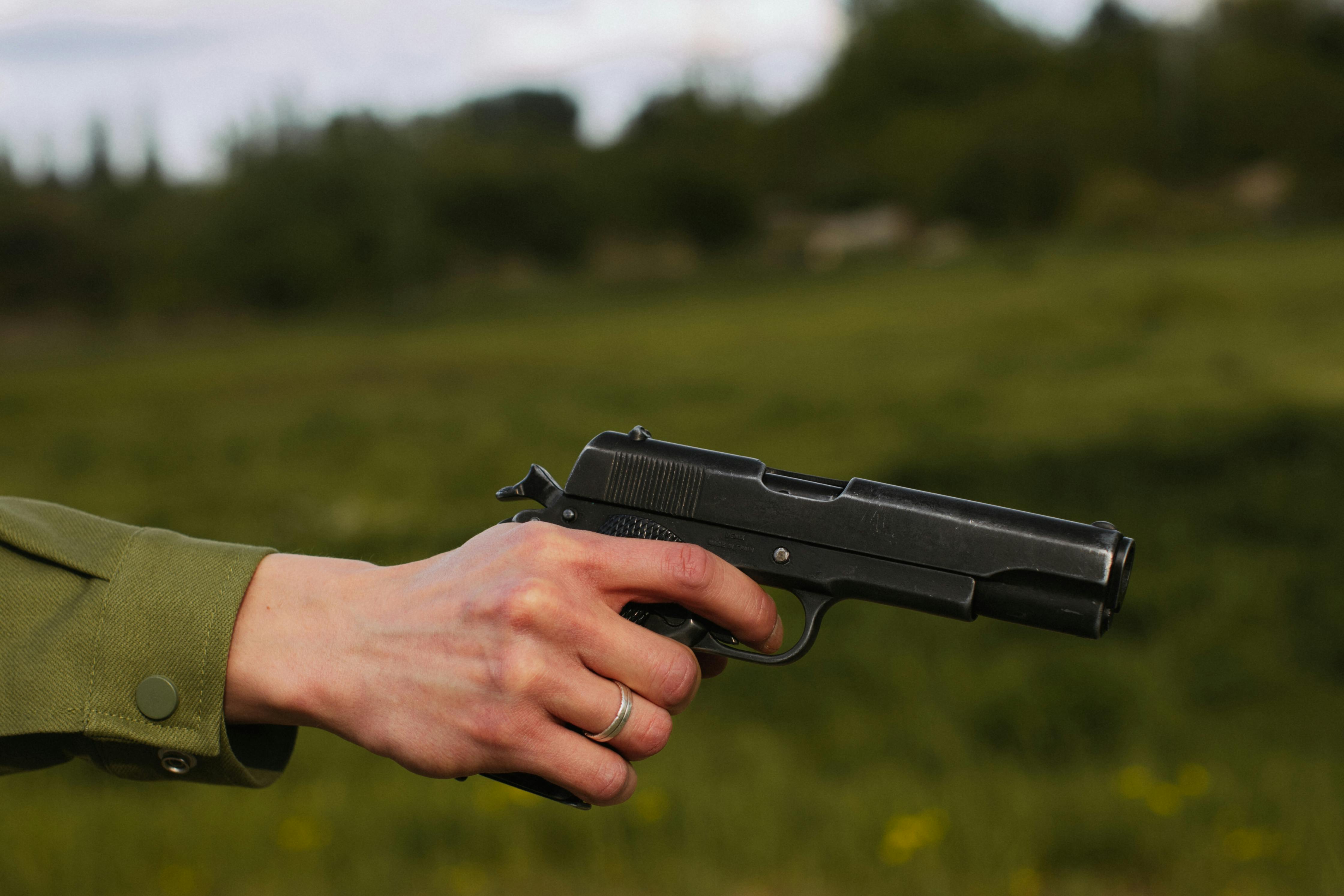
The 1911 can seem intimidating because it has a devoted culture, a mountain of aftermarket parts, and endless arguments about extractors, recoil springs, and sear geometry. Listen to enough enthusiasts and you might think ownership requires a bench full of tools and a degree in mechanical engineering.
In reality, routine care is well within reach for ordinary owners. Basic cleaning, lubrication, spring replacement, and magazine management are not mystical arts. Detailed gunsmithing is a different matter, of course, but that is true of many firearms. The average shooter does not need to become a master pistolsmith just to keep a 1911 running.
The platform cannot be accurate by modern standards

Because the 1911 is old and often associated with military sidearms, some people assume it cannot keep up with modern accuracy expectations. They picture loose wartime pistols and broad combat groups, then extend that image to the entire platform as if a century of refinement never happened.
The truth is almost the opposite. The 1911 has long been a serious competition pistol precisely because the design can be made exceptionally accurate. Trigger quality, barrel fit, and sight upgrades give the platform enormous potential. Not every factory gun is a tack driver, but the notion that the design itself is incapable of precision is simply wrong.
It is the best handgun for everyone

This may be the most flattering myth of all, which is probably why it survives. Fans praise the trigger, ergonomics, history, and shootability, then leap to the conclusion that the 1911 is not just good, but universally best, as if every shooter should end up in the same place.
No handgun fits everyone equally well. Some people shoot a 1911 brilliantly, while others prefer lighter weight, higher capacity, simpler manual of arms, or lower cost. The 1911 remains a classic for good reasons, but classics are not mandatory. Appreciating what it does well is more useful than pretending it is the perfect answer for every hand and every mission.