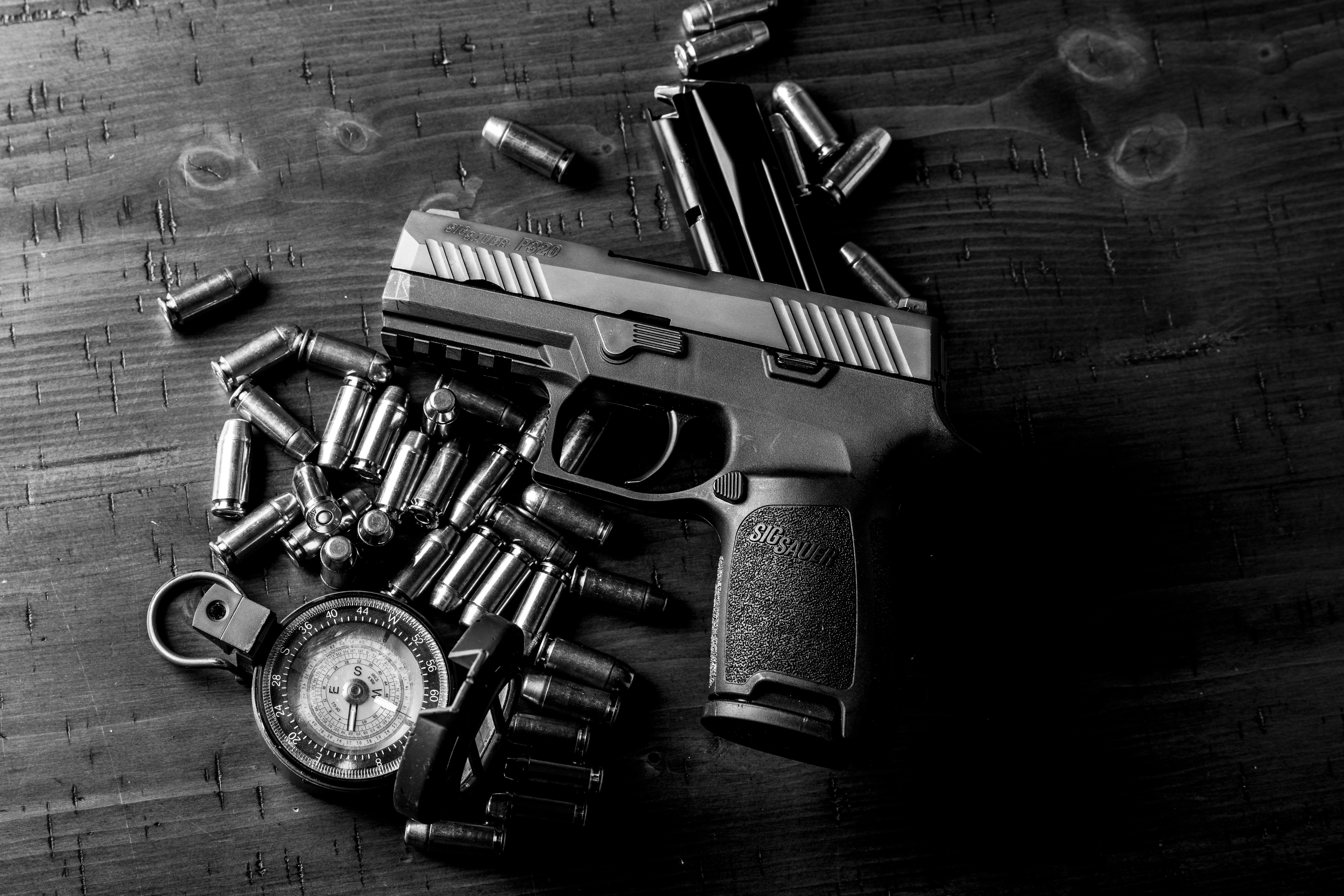
The SIG P365 has a huge reputation, and that reputation can create a lot of assumptions before a new owner ever loads a magazine. First-time buyers often expect a tiny carry gun to behave like a full-size pistol, or they overlook setup details that affect comfort, confidence, and performance. This gallery walks through the most common misunderstandings so new owners can start with clearer expectations.
Small size does not mean no recoil
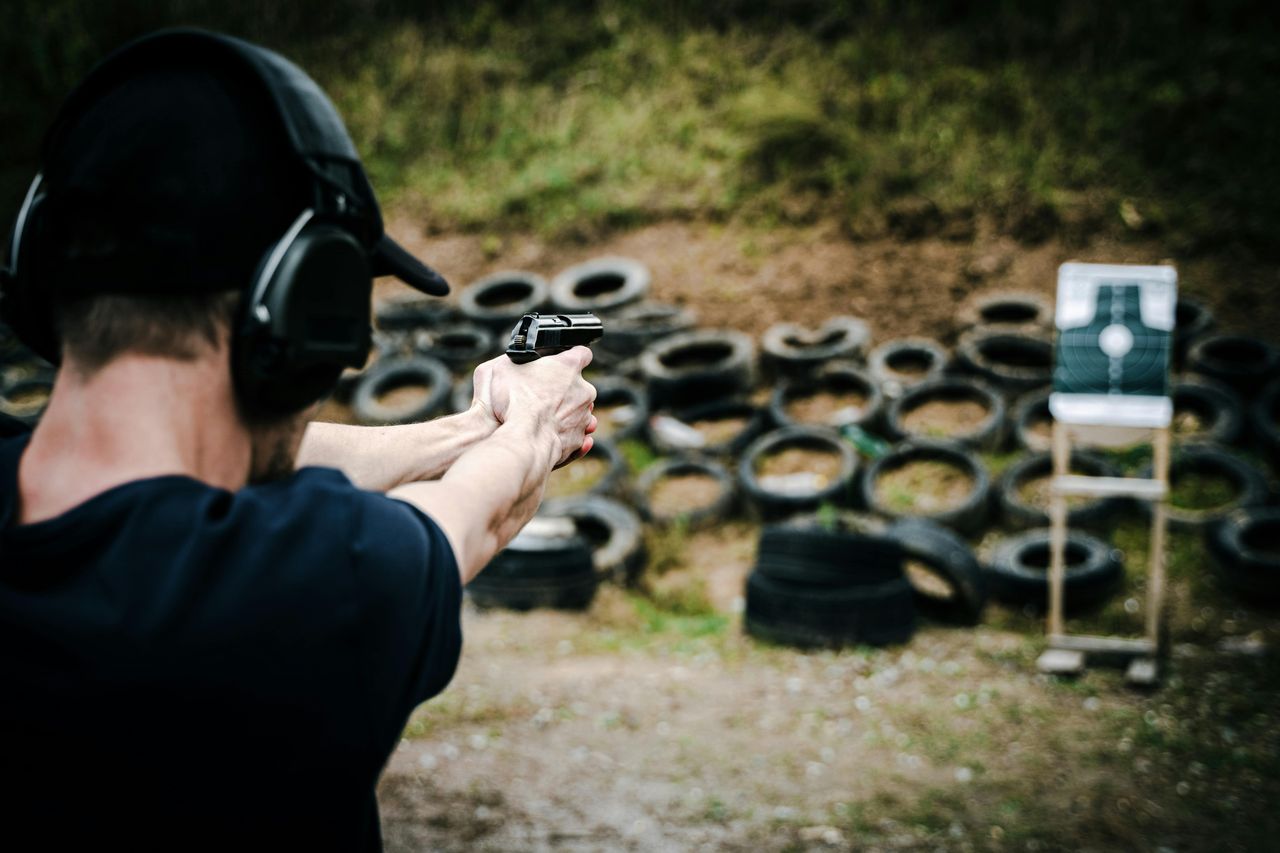
A lot of first-time buyers see the P365’s compact frame and assume it will be easy in every respect. Easy to carry, yes. Easy to shoot softly, not always. A lighter, smaller pistol tends to move more in the hand, especially with defensive 9mm loads.
That surprises people who expected a gentle shooting experience right out of the box. The gun is controllable, but it often asks more of the shooter than a larger pistol would. Good grip, stance, and realistic expectations matter before that first magazine ever gets fired.
This is not a flaw so much as a tradeoff. The P365 earns its popularity by packing serious capability into a small footprint, and that usually comes with a livelier feel under recoil.
Magazine capacity does not make it a full-size gun
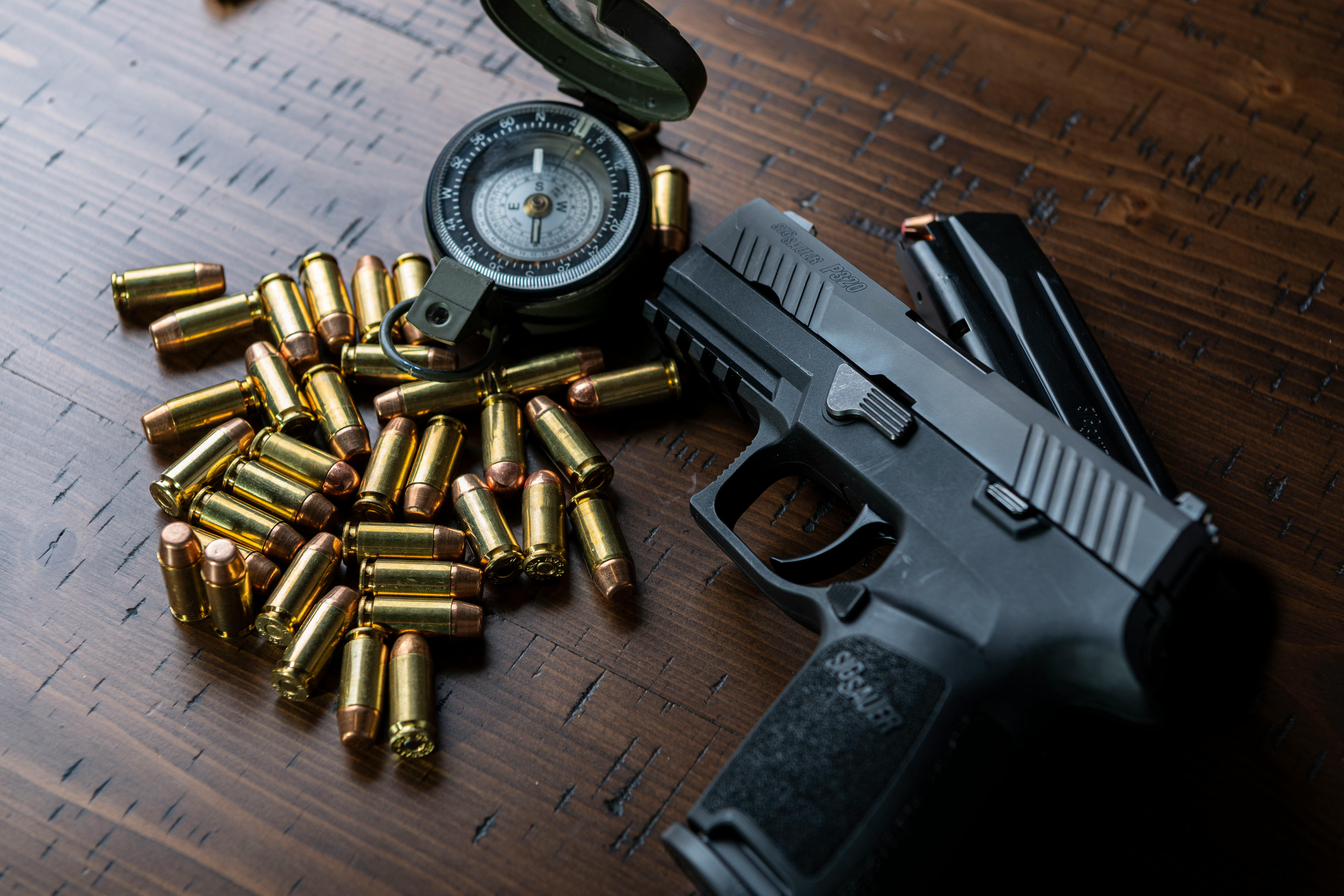
One of the P365’s biggest selling points is how much ammunition it can carry for its size. New buyers sometimes mentally translate that into full-size shooting comfort, but capacity and shootability are not the same thing.
A slim micro-compact can hold an impressive number of rounds and still feel abbreviated in the hand. The shorter grip, lighter frame, and tighter dimensions all influence control, sight recovery, and overall confidence, especially for inexperienced shooters.
That does not make the pistol less capable. It simply means the high-capacity headline can overshadow the reality that this is still a very compact carry gun, and compact carry guns usually demand more practice than buyers initially expect.
The factory grip may not feel perfect right away

Many first-time owners believe a popular pistol should feel instantly ideal in the hand. The P365 often feels good on first pickup, but that quick impression is not the same as long-session comfort or recoil control.
Some shooters discover the grip texture feels more aggressive than expected, while others wish they had a little more surface area for their support hand. Even small differences in hand size can change how secure the pistol feels once recoil enters the picture.
That is why dry practice and careful handling matter before live fire. What seems great at the gun counter can feel different when working the trigger, presenting from a ready position, or simply building a repeatable grip.
Trigger feel is not the same as trigger mastery

The P365’s trigger is often described in positive terms, and that creates a subtle misunderstanding for first-time buyers. A decent trigger can help, but it does not automatically make someone accurate, fast, or consistent.
New owners sometimes confuse a clean break at the counter with real-world performance on target. Once the pressure of live fire enters the equation, fundamentals like grip tension, sight alignment, and trigger press discipline matter far more than marketing buzz.
In other words, a good trigger is an advantage, not a shortcut. The pistol may give you a solid starting point, but it still rewards patience, repetition, and a realistic understanding of what skill actually looks like.
Night sights are not a substitute for practice

First-time buyers often get excited when they learn the P365 commonly ships with quality sights, including night sight options. That feature can be genuinely useful, but it tends to inspire more confidence than it should on its own.
Visible sights do not solve problems like poor presentation, anticipation, or inconsistent vision focus. In low light, they may help the shooter orient the gun more quickly, yet they cannot replace safe identification, sound technique, and familiarity with the pistol.
The misunderstanding comes from treating premium sights as a magic upgrade. They are better understood as one helpful part of the package, not a promise that the gun will suddenly be easier to shoot under pressure or in difficult conditions.
Optics readiness does not mean optics simplicity
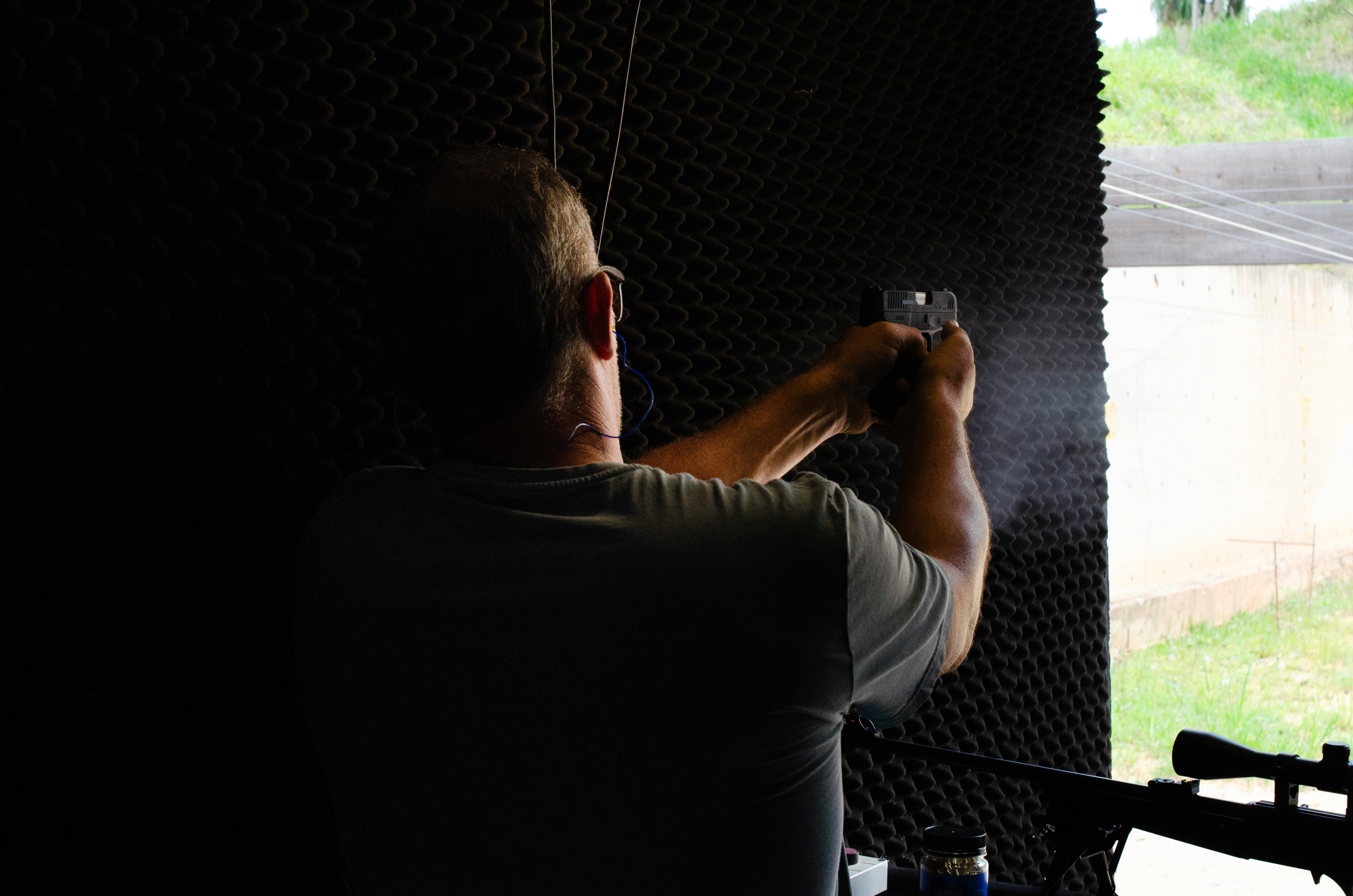
A lot of new buyers see an optics-ready model and assume adding a red dot is the obvious next step. The appeal is easy to understand, but pistol optics come with a learning curve that many first-time owners do not anticipate.
Finding the dot consistently during presentation can be frustrating at first, especially for shooters who have not yet built strong iron-sight habits. Mounting standards, screw torque, sight height, and co-witness questions also make the process more technical than it looks online.
An optic can be an excellent choice, but it is not automatically the easiest one. For some owners, mastering the pistol in a simpler configuration before adding more variables turns out to be the smarter path.
A carry gun still needs a proper break-in period

Some first-time buyers expect a modern pistol to feel perfectly settled from the first rack of the slide. While many examples run well immediately, it is still common for a new owner to notice stiff springs, tight magazines, or controls that feel sharper than expected.
That early stiffness can create unnecessary concern before the pistol has even seen meaningful use. Loading magazines by hand, working the slide safely, and spending time on dry handling often smooths out the ownership experience before the first range trip.
The key misunderstanding is assuming new equals fully familiar. A compact defensive pistol may be mechanically ready, yet the owner still benefits from a little patience while learning how the gun behaves in the hand.
Holster choice matters before the first shot

People often think holster selection can wait until after they decide whether they like the gun. With a pistol like the P365, that choice affects comfort, concealment, access, and confidence from the start, even before live fire enters the picture.
A poor holster can make a great carry gun feel awkward, unstable, or irritating to wear. It can also shape a buyer’s opinion of the pistol itself, when the real problem is fit, retention, ride height, or overall design.
This misunderstanding is especially common among first-time concealed carriers. The gun and the holster function as a system, and evaluating one without the other often leads to the wrong conclusion about what the P365 is actually like to live with.
Micro-compacts can be less forgiving to learn on

The P365 is small enough to attract many first-time gun owners who want something discreet and practical. What they sometimes misunderstand is that discreet and beginner-friendly are not always the same thing.
A shorter grip and lighter frame can magnify little errors. Small lapses in grip pressure, trigger control, or support-hand placement show up more clearly with a micro-compact than they might with a larger training pistol.
That does not mean a beginner cannot succeed with the P365. It means the owner may need more structured practice and a little more humility. The gun is designed for concealment efficiency, and that efficiency often asks more from the person behind it.
Ammo choice can change the whole experience
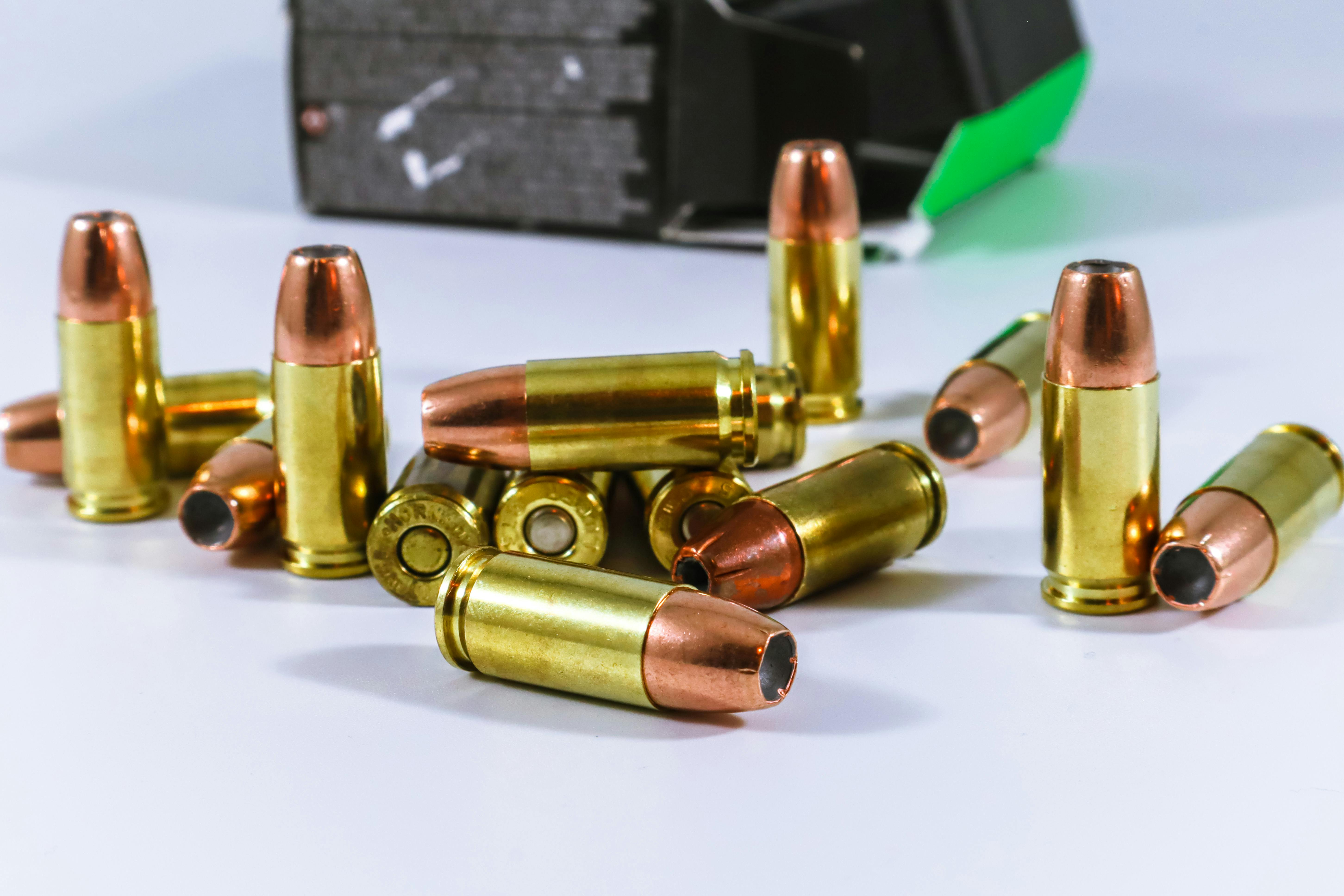
Before the first range trip, many buyers assume 9mm is 9mm and that any box on the shelf will tell them what the gun feels like. In reality, ammunition can dramatically shape recoil, reliability impressions, and even confidence.
Different bullet weights and load types can make a compact pistol feel snappier or more manageable. A first session with hotter defensive ammunition may leave a very different impression than a session built around standard training loads.
That matters because early expectations form quickly. If a new owner misunderstands how much ammunition choice affects performance, they may blame the pistol for something that really comes down to using a load that changes the entire shooting experience.
Reliability depends on more than the gun itself
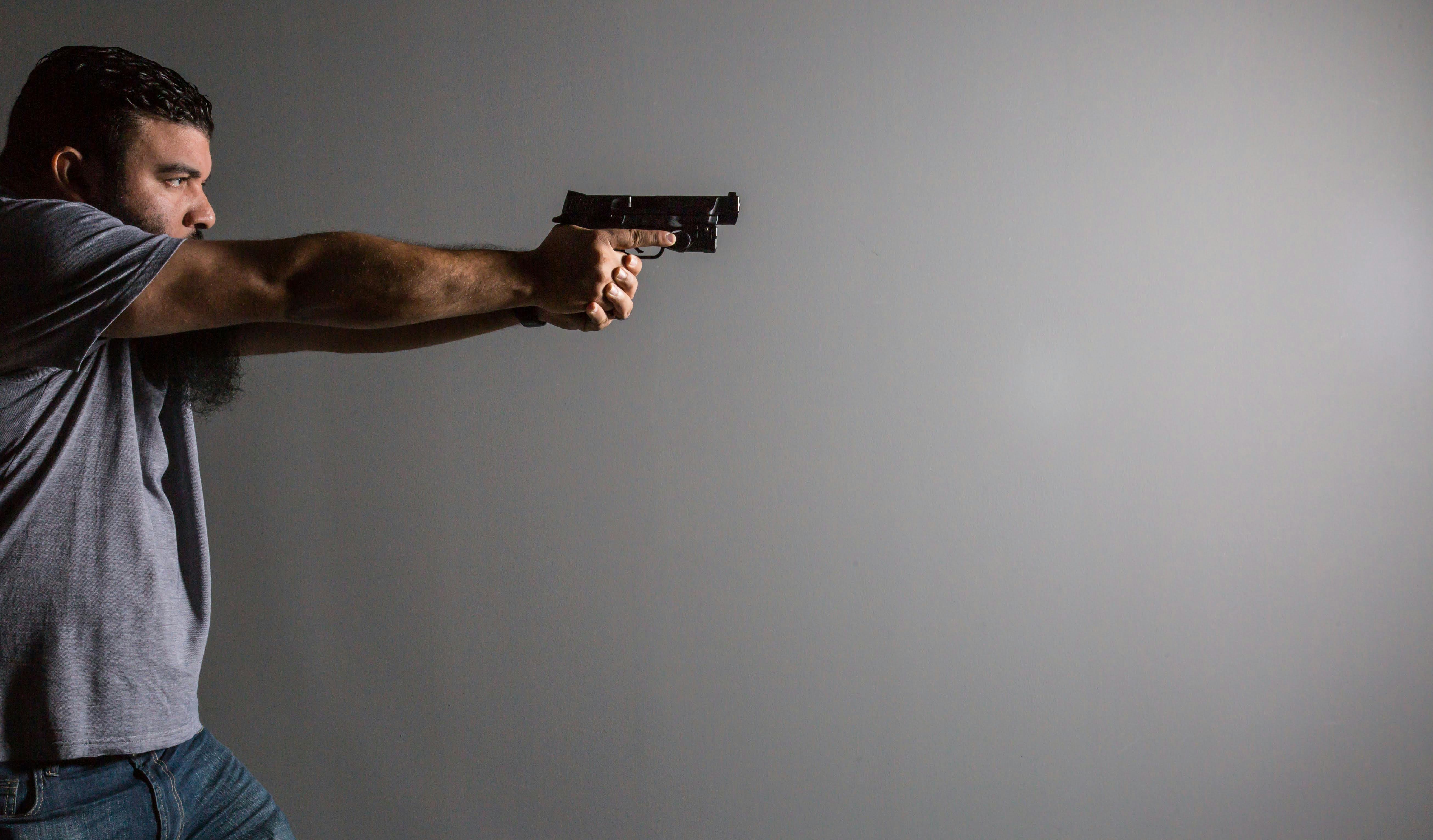
The P365 has a strong reputation, and some first-time buyers treat that reputation like a guarantee that nothing else matters. In practice, reliability is a relationship between the pistol, the magazine, the ammunition, and the shooter.
Improper grip, weak magazine seating, unusual hand placement, or low-quality ammunition can all create problems that new owners mistakenly pin on the firearm. That can be especially true with smaller pistols, which may react more noticeably to inconsistent technique.
A trusted model is still just part of the equation. The smart expectation is not perfection by reputation alone, but a system that performs best when the owner brings good habits, careful setup, and realistic testing to the table.