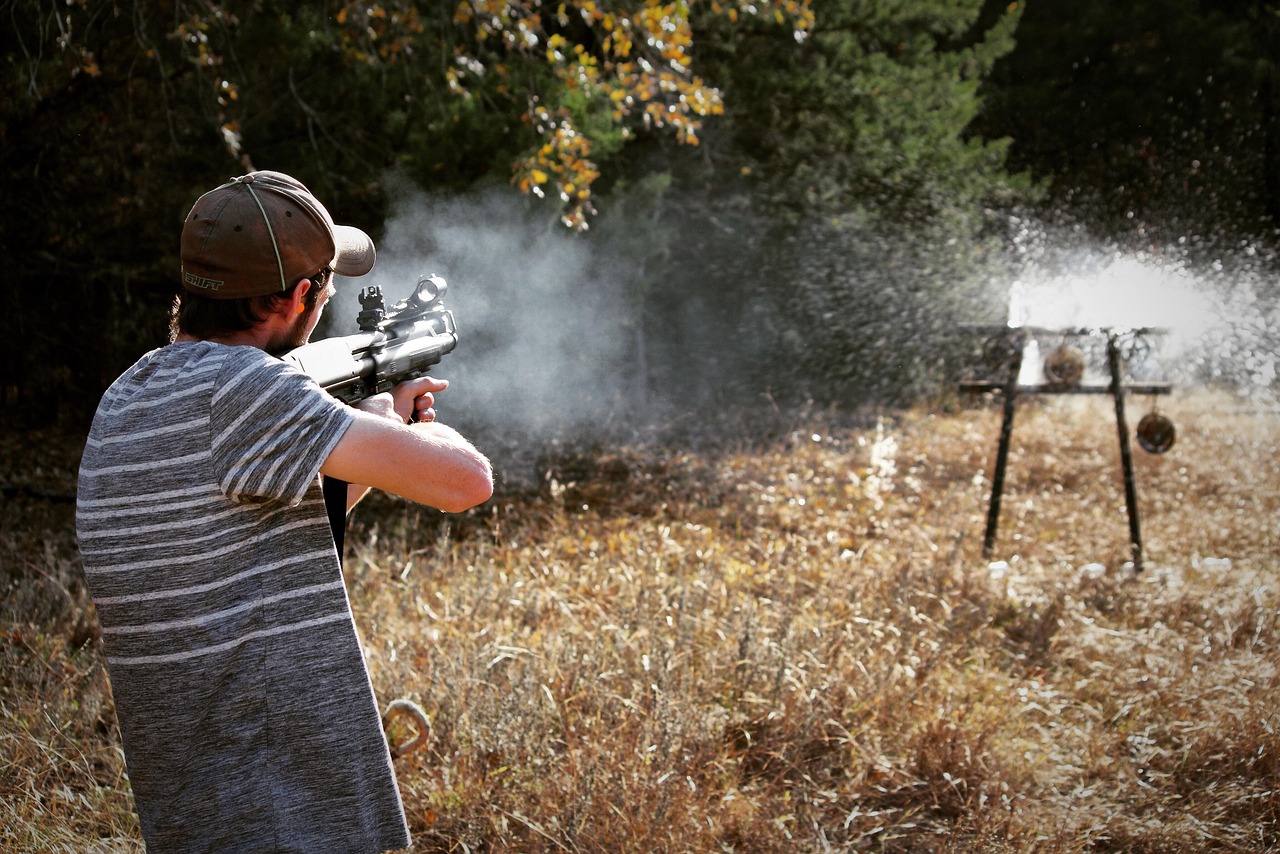
The Mossberg 940 Pro Tactical has earned a reputation as a fast, modern autoloader, but heavy use has a way of exposing the small weaknesses every shotgun eventually develops. After enough rounds, dirt, weather, and rough handling can turn minor annoyances into real reliability issues. This gallery breaks down nine field problems owners keep encountering, along with the patterns that tend to show up once the round count starts climbing.
Failure to cycle light target loads

One of the first complaints that surfaces after heavy use is inconsistent cycling with lighter birdshot and bargain target ammo. A 940 Pro Tactical may run beautifully with hotter defensive loads, then start short stroking when the shells get softer and the gun gets dirtier.
That usually points to a mix of carbon buildup, friction, and a gas system that is no longer working at peak efficiency. In the field, that shows up as a spent hull hanging in the ejection port or a fresh shell failing to lift in time.
Owners often notice the pattern gets worse after long range days without a proper cleaning. What felt like an ammo issue at first can turn into a maintenance issue pretty quickly.
Carbon fouling in the gas system

Heavy round counts are hard on any gas operated shotgun, and the 940 Pro Tactical is no exception. Over time, carbon deposits collect around the piston, magazine tube, and ports, slowly choking the system that makes the gun run.
At first, the shotgun may only feel a little sluggish. Then the action starts moving with less authority, recoil can feel oddly sharp, and reliability begins to drift when the gun gets hot or dusty.
This is the kind of problem that sneaks up on owners because performance declines gradually rather than all at once. By the time stoppages become obvious, the fouling has usually been building for a while.
Extractor wear and weak ejection
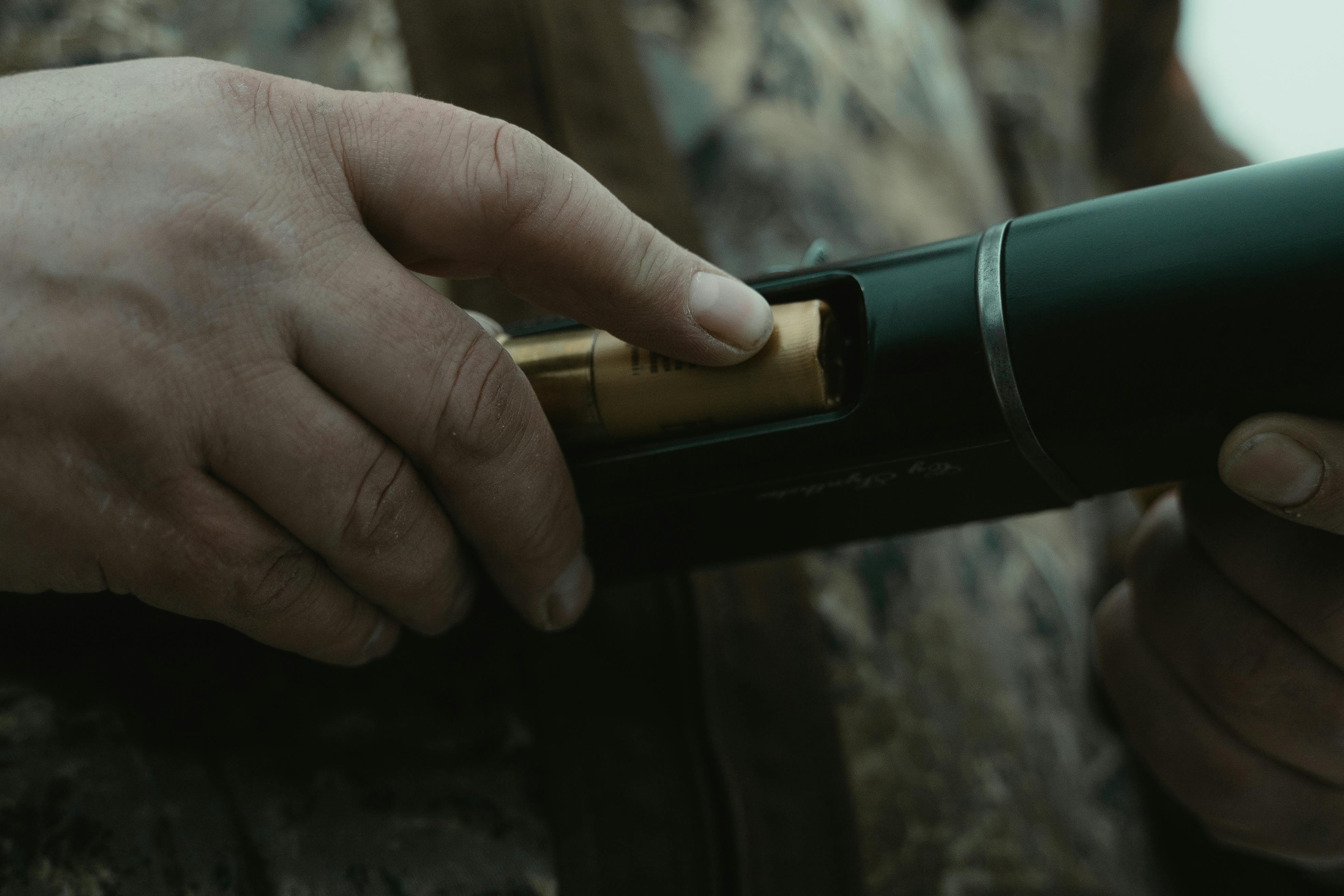
After a lot of hard use, weak ejection can begin tracing back to extractor wear rather than ammo alone. The shotgun may still fire normally, but empty hulls dribble out, bounce off the receiver, or fail to clear the port cleanly.
That can be maddening in the field because it looks random until you start seeing the same pattern over and over. A worn extractor edge, grime under the claw, or a tired spring can all reduce the grip on the shell rim.
Once that happens, the action loses some of its margin for error. Add cold weather, dirty chambers, or mixed shell brands, and the gun can suddenly feel much less forgiving than it did when new.
Shell stop timing problems

Feeding issues often get blamed on magazines or ammunition, but shell stop timing can be the hidden culprit. Under heavy use, owners sometimes report shells slipping out too early, hanging up during feeding, or creating awkward double feed style stoppages.
This kind of malfunction is frustrating because the shotgun may seem fine for dozens of rounds before acting up. Then it suddenly dumps a shell out of sequence and turns a smooth string into an immediate fix-it drill.
Wear, grime, and subtle dimensional variation all matter here. In a tactical shotgun expected to run fast, even a small timing issue in the feed cycle can become very noticeable once the gun has seen serious use.
Magazine tube grime slowing feeding

A dirty magazine tube is one of those unglamorous problems that can create outsized headaches. Dust, burnt powder, moisture, and old lubricant can combine into a sticky film that drags on the follower and spring instead of letting them move freely.
In the field, that often appears as shells feeding sluggishly or not presenting with the same force they did earlier in the gun’s life. During rapid strings, the slowdown becomes more obvious because the system has less time to recover between shots.
Owners who use side saddles, train in rough weather, or leave the gun loaded for long periods sometimes notice it first. The shotgun still works, just with less urgency and less consistency.
Oversized controls getting bumped
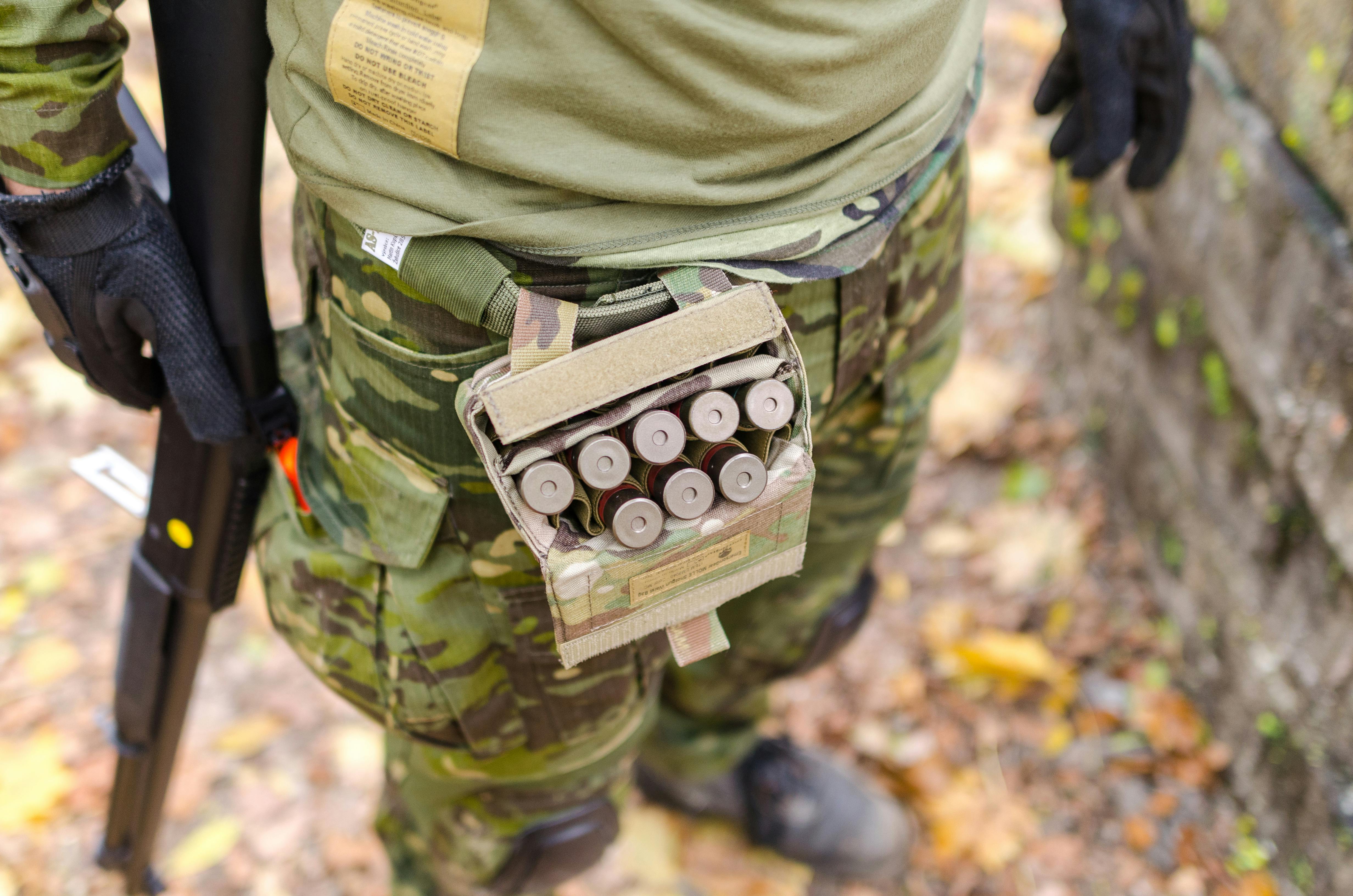
The 940 Pro Tactical’s enlarged charging handle and bolt release are great when you are wearing gloves or moving fast. After heavy field use, though, some owners find those same controls are easier to bump against gear, barricades, or soft cases.
That can create annoying interruptions that feel more user induced than mechanical, but they still count when the gun is supposed to be dependable. A shifted handle or an unexpectedly hit control can throw off the rhythm of loading, unloading, or clearing the shotgun.
This issue tends to surface during movement heavy training more than casual bench shooting. The more dynamic the environment, the more likely those convenient oversized parts become accidental snag points.
Optic mount screws loosening over time

Many 940 Pro Tactical owners add a red dot, and that opens the door to another long term nuisance: mounting hardware that slowly works loose. After enough recoil cycles, even a setup that felt rock solid can begin shifting if torque and thread prep were not just right.
The problem is not always dramatic at first. Groups start wandering, the dot seems slightly off after transport, or the optic develops a tiny amount of play that is easy to miss until zero is clearly gone.
Hard use amplifies every shortcut in the mounting process. If the gun is ridden hard in classes, vehicles, or rough weather, owners often discover that the optic setup needs as much inspection as the shotgun itself.
Rust spots from sweat and wet weather

Even shotguns with modern finishes can start showing small rust freckles after repeated exposure to sweat, rain, and damp storage. On a hard used 940 Pro Tactical, those marks often appear around screws, sling hardware, the magazine cap area, or other spots where moisture likes to linger.
This is especially common for owners who train outdoors, transport the gun in soft cases, or leave residue and fingerprints sitting on metal surfaces after long days. The shotgun may still function fine, but cosmetic wear can become surface corrosion faster than expected.
Once rust starts, it tends to spread into neglected corners. What looks minor on day one can become a much more tedious cleanup job if the gun is put away wet more than once.
Recoil pad and stock hardware loosening

After a steady diet of buckshot, slugs, and high volume practice ammo, stock related loosening can start to show up. Owners sometimes notice a faint shift in the recoil pad, a slight rattle, or hardware that no longer feels as tight as it once did.
The effect is easy to dismiss at first because it rarely causes an immediate stoppage. Still, anything that changes the shotgun’s fit or feel becomes more noticeable when shooting fast, especially if the gun starts mounting differently under stress.
This is one of those wear issues that reminds people how much recoil a tactical shotgun actually generates over time. Small amounts of movement become cumulative, and eventually the gun stops feeling as solid as it should.