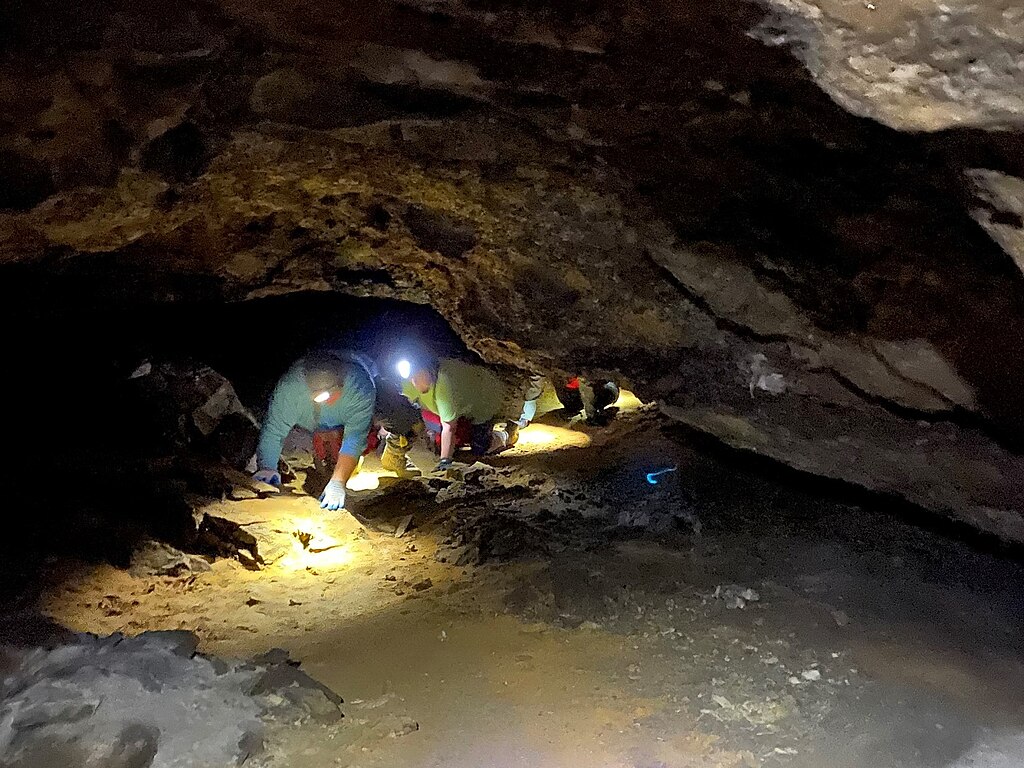
Deep in the arid expanses of West Texas, a surprising discovery offers a rare snapshot of survival thousands of years ago. Researchers excavating a rock shelter near present-day Marfa uncovered a cache of hunting tools and animal hide that dates to roughly 6,500 to 7,000 years ago. This finding doesn’t just point to tool making; it reveals the resourcefulness of early hunters keenly adapted to a harsh environment and the rituals of a long-forgotten day.
The Cave Workshop Behind the Discovery
Inside the San Esteban Rockshelter, archaeologists found more than random artifacts. The cluster of broken and intact hunting tools suggests the cave was used as a maintenance station. An ancient hunter paused, sorted gear, discarded what was worn, and walked on. This moment frozen in time gives researchers and readers a vivid image of life in the deep past: not just survival, but considered action.
The Atlatl: A 7,000-Year-Old Spear Thrower
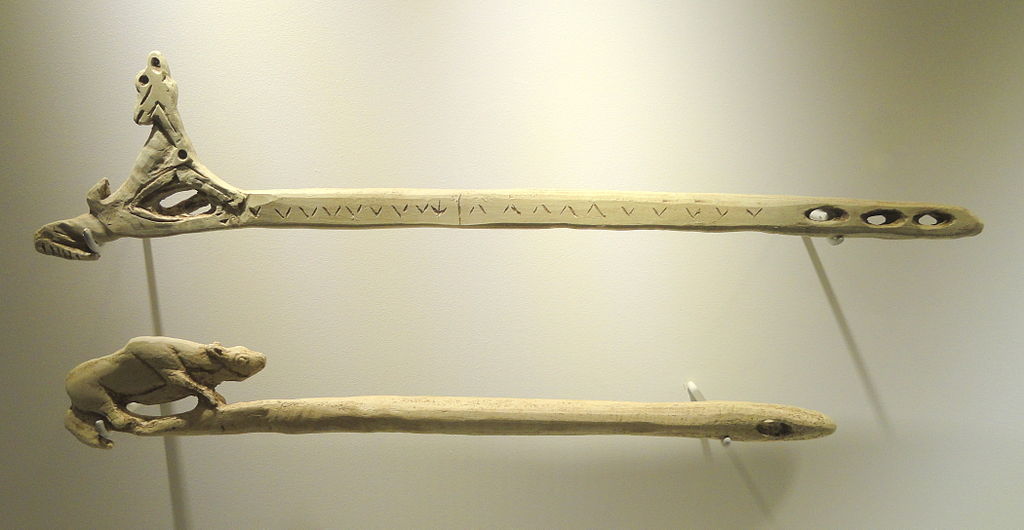
At the heart of the kit lies a partial throwing spear system called an atlatl, dated to nearly 7,000 years. This tool extended the reach and power of the hunter, meaning prey could be struck from a safer distance. Wood rarely survives that long; its preservation in the cave under dry conditions is an exceptional window into technological skill and adaptation on the ancient Plains.
Stone-Tipped Darts, Poisoned Shafts, and Fine Craft
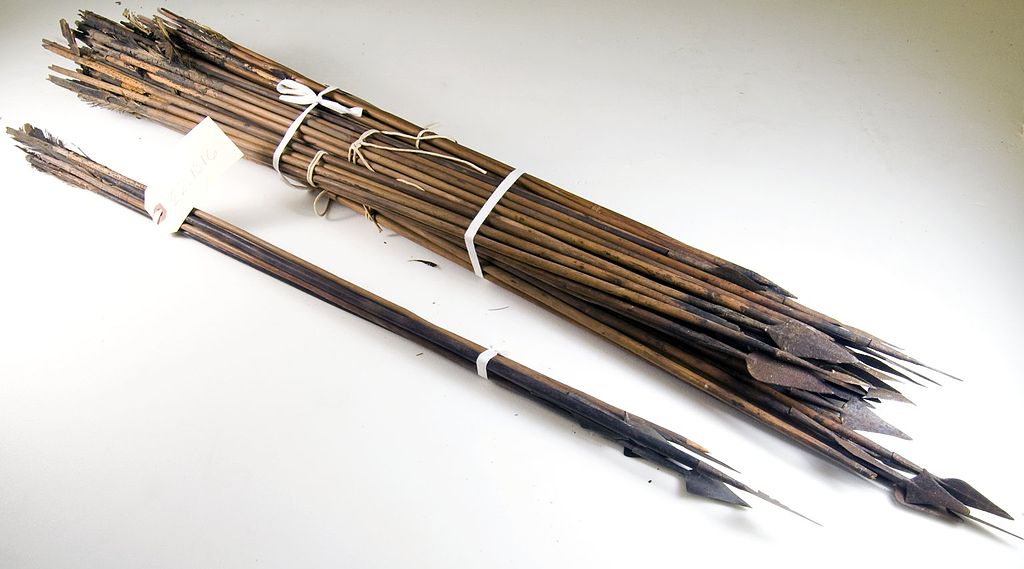
Also unearthed were stone-tipped wooden foreshafts and multiple hardwood shafts thought to carry poison. These components reflect sophisticated design: a modular system using wood, stone, and likely toxins. Together, they suggest the hunter was equipped not just for brute force, but subtle precision, a truly advanced gear kit for its time.
The Pronghorn Hide: Preservation Beyond Expectation
Tucked beside the weapons was a folded pronghorn antelope hide with hair still intact. It was clearly placed intentionally, folded like a modern piece of gear, and left undisturbed for millennia. This find speaks to the care and context of ancient life: hides were valuable, treated and stored with purpose, not just discarded.
Fire, Feces, and Stillness: Life in the Rock Shelter
Excavation also revealed the remnants of a small hearth and human waste, not glamorous, but deeply telling. These mundane elements anchor the hunting kit in real life. The hunter wasn’t just depositing weapons and hides; they paused to sit, to repair, to eat, to rest. These details give texture to human experience thousands of years ago.
The Dry Arid Environment That Saved It
The cave’s dry, stable conditions in the Big Bend region prevented decay of organic materials like wood and hide. This rare preservation allowed archaeologists to find materials that almost always vanish over time. It reminds us that place matters: even the best tools depend on the right environment if they’re to survive history.
Implications for North America’s Hunting Evolution
Finding such an intact kit in the Americas challenges prior assumptions of weapon systems and logistical complexity among early peoples. The gear isn’t just ancient, it’s sophisticated. It prompts questions about trade, craft skills, and how early hunters adapted their systems as megafauna vanished and environments changed.
What the Tools Reveal About the Hunter’s Prey
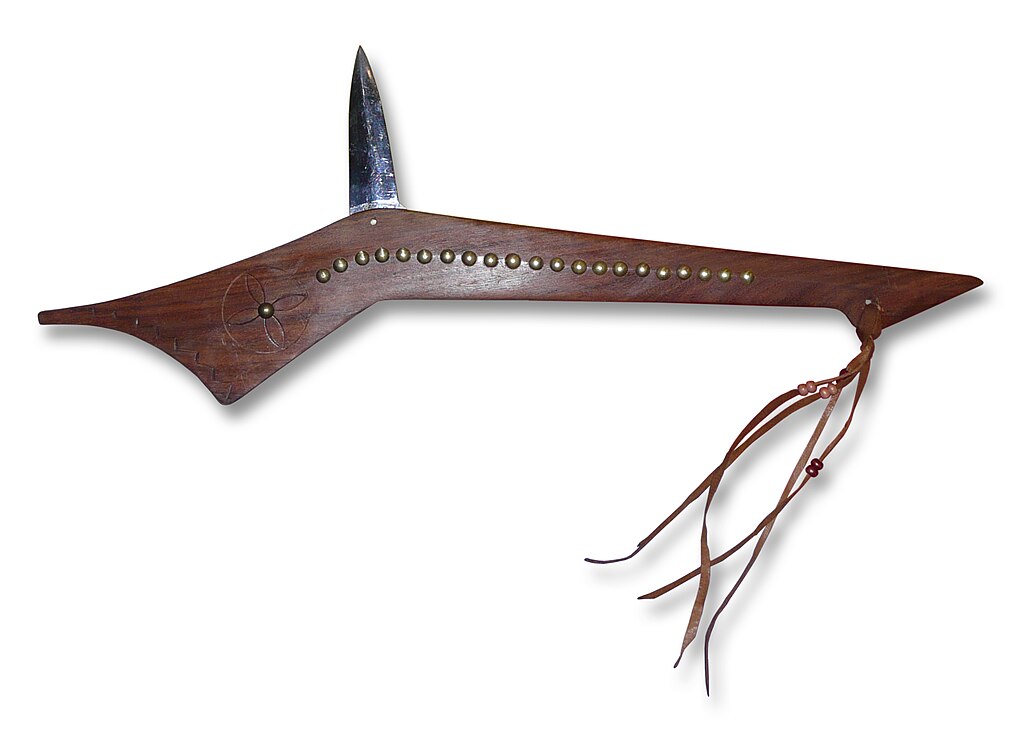
The presence of pronghorn hide, dart tips, and a throwing system reveals the hunter’s likely focus on swift, agile game rather than only large, slow targets. This suggests the hunter knew the landscape, the animals, and how to outmaneuver them, not by brute force, but by strategy.
Cultural Dimensions: Cave as Workshop or Ritual Space
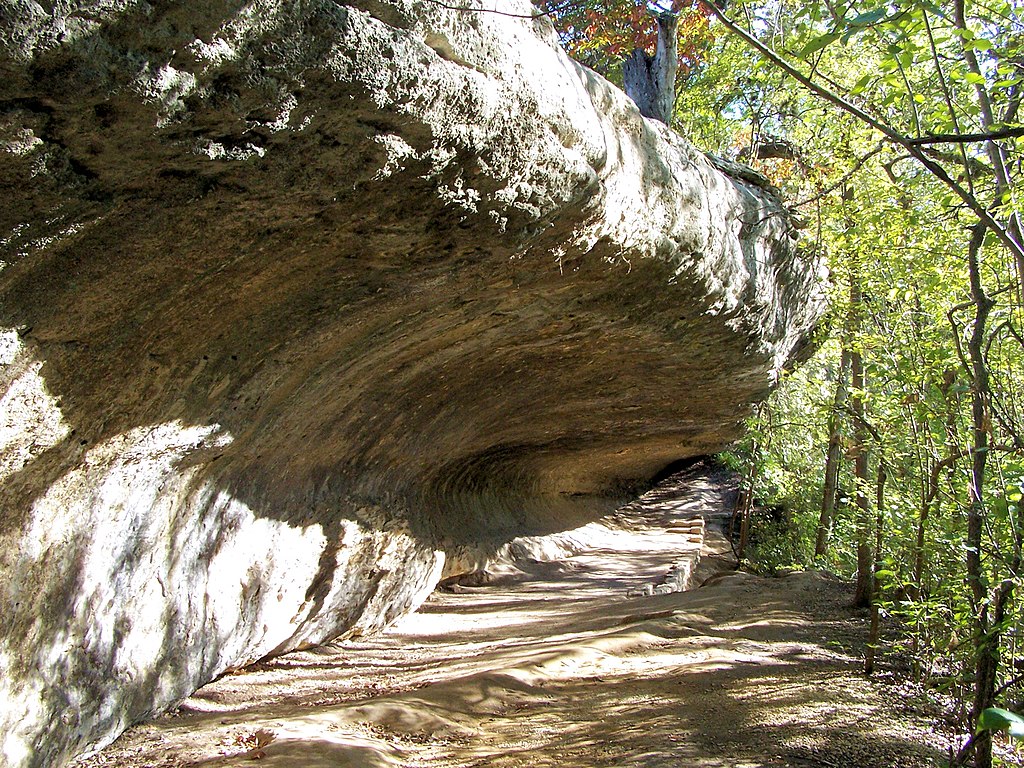
Beyond practical use, the rock shelter may have also held ritual significance. Some researchers propose the cave served as a place of symbolic meaning, a place where tools were repaired, hides stored, perhaps where stories or traditions were held. That dual use of utility and ritual hints at a complex culture far earlier than often assumed.
What We Still Don’t Know: Questions Ahead
Despite the depth of the find, many puzzles remain. Were all items used by the same individual? How widespread was this gear system? What toxins did the shafts carry? And how did the hunter learn or pass on these skills? Ongoing analysis will tackle these and more, but the kit already stands as a remarkable testament to humanity’s ingenuity and endurance.