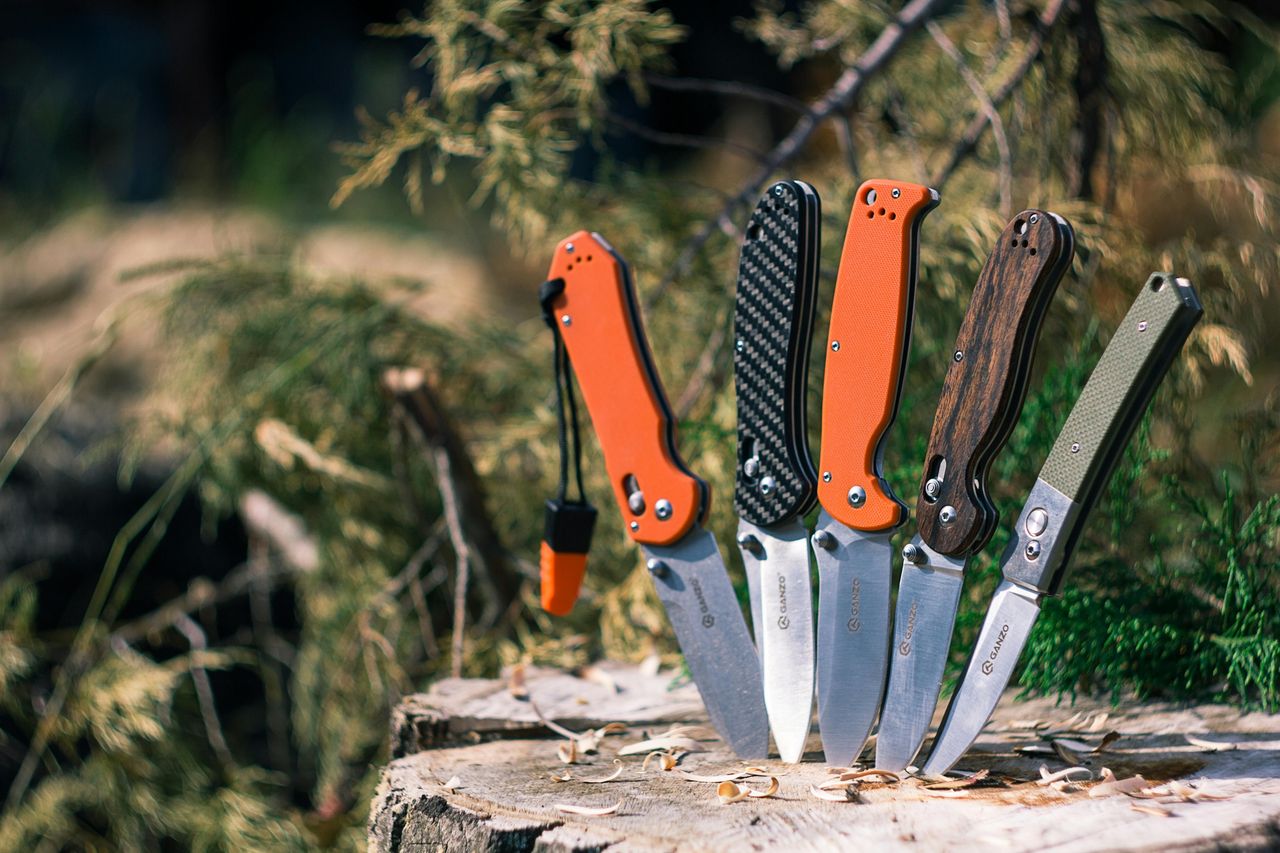
Some hunting knives are built to catch your eye, not survive real work. Glossy finishes, dramatic blade shapes, and premium-sounding materials can make a mediocre tool look field-ready. This gallery breaks down the kinds of knives that often wear out, loosen up, chip, rust, or simply disappoint once they face blood, moisture, dirt, and repeated use in the wild.
Mirror-Polished Budget Steel Fixed Blades

These knives often look fantastic under store lighting. The blade gleams, the profile is aggressive, and the packaging leans hard on words like tactical, razor-sharp, and premium finish.
The problem shows up after repeated use in wet grass, game processing, and camp chores. A shiny polish cannot compensate for soft steel that rolls at the edge or low-grade stainless that stains and pits faster than expected.
By the end of one season, many owners notice constant touch-ups, visible scratches, and a blade that never quite feels trustworthy. Good looks carry them off the shelf, but field performance rarely keeps them there.
Hollow-Handled Survival Style Knives
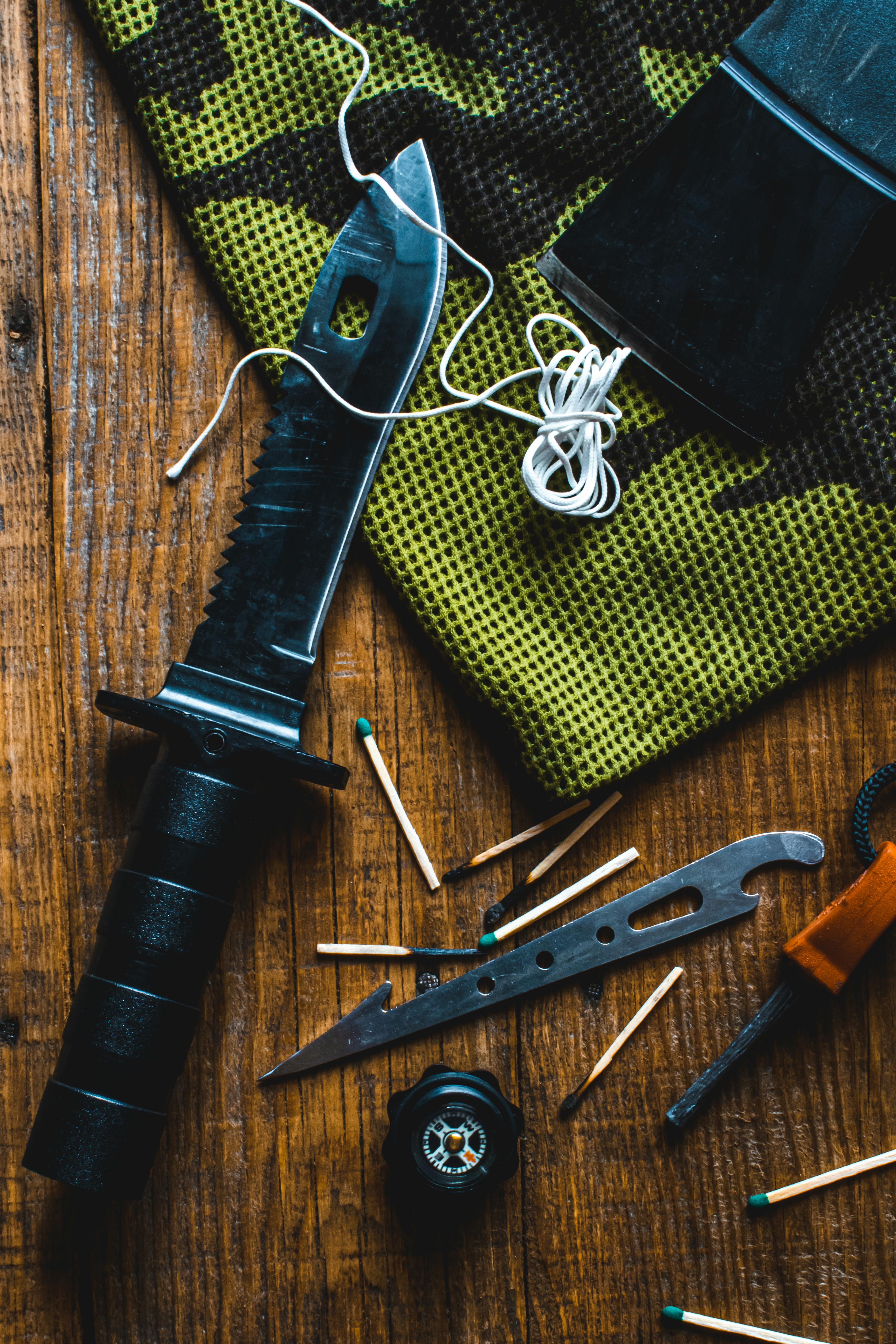
There is something undeniably dramatic about a big hunting knife with a hollow handle. It suggests rugged self-reliance, emergency storage, and old-school adventure, which is exactly why these designs still catch buyers.
In practice, the weak point is often the handle-to-blade connection. When a knife is used for twisting, prying, or heavier cutting than it should see, that junction can loosen, flex, or fail outright.
After one season in the field, even careful users may notice rattling, handle play, or a general lack of confidence. A knife meant for serious outdoor work should feel solid from tip to pommel, not like two parts negotiating a truce.
Folding Hunting Knives With Decorative Bolsters
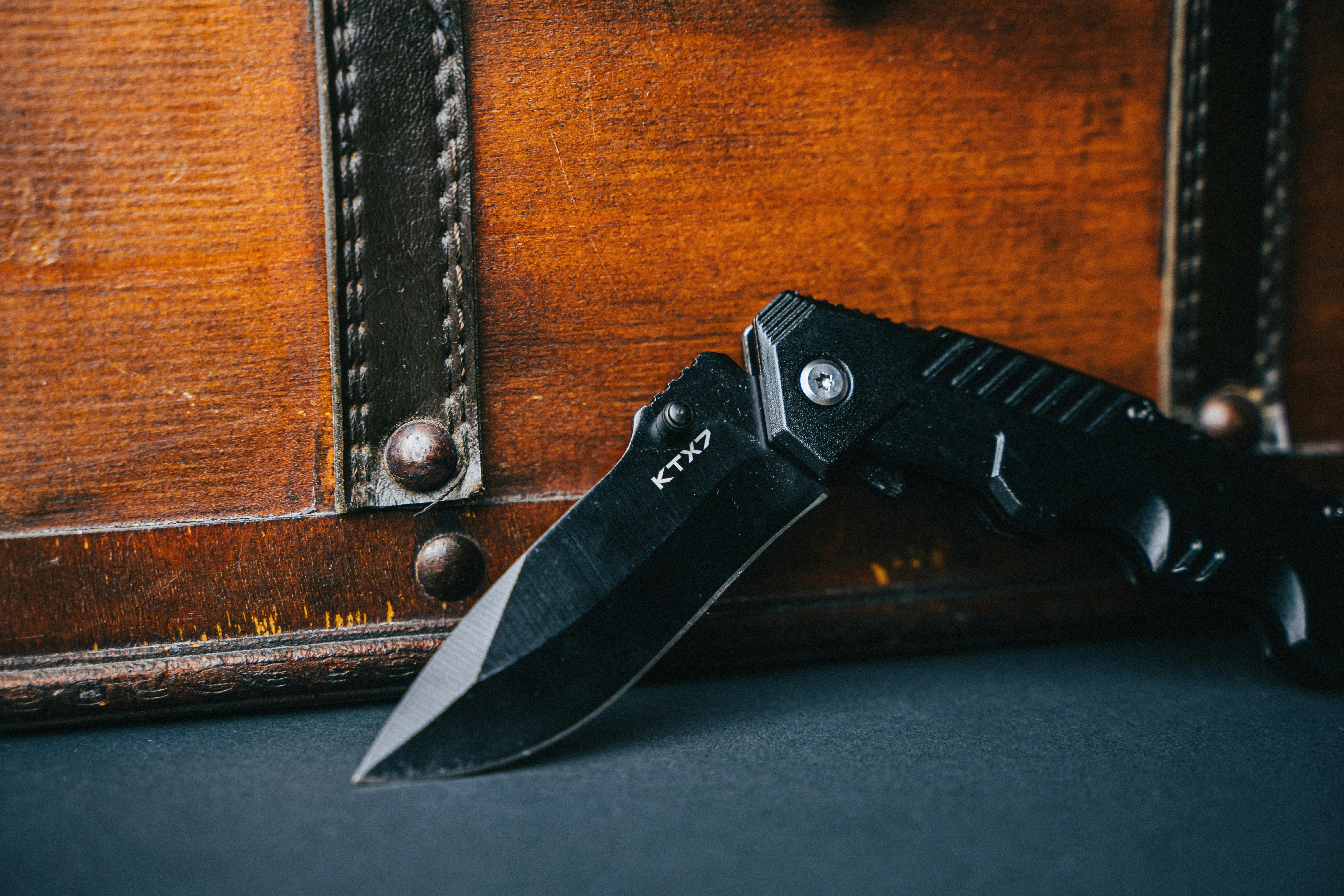
A polished folding knife with ornate bolsters and handsome scales can feel like a premium heirloom at first glance. It slips easily into a pocket and photographs beautifully next to boots, canvas, and a camp lantern.
The trouble is that decoration can overshadow function. On lower-quality models, pivots loosen, liners wear quickly, and lock mechanisms become less reassuring after exposure to grit, moisture, and repeated cleaning.
Once the season is over, what looked refined can start feeling fussy and fragile. If a folding hunting knife is going into real field use, reliability matters far more than a flashy handle and showroom sparkle.
Painted Blade Knives With Soft Edge Retention
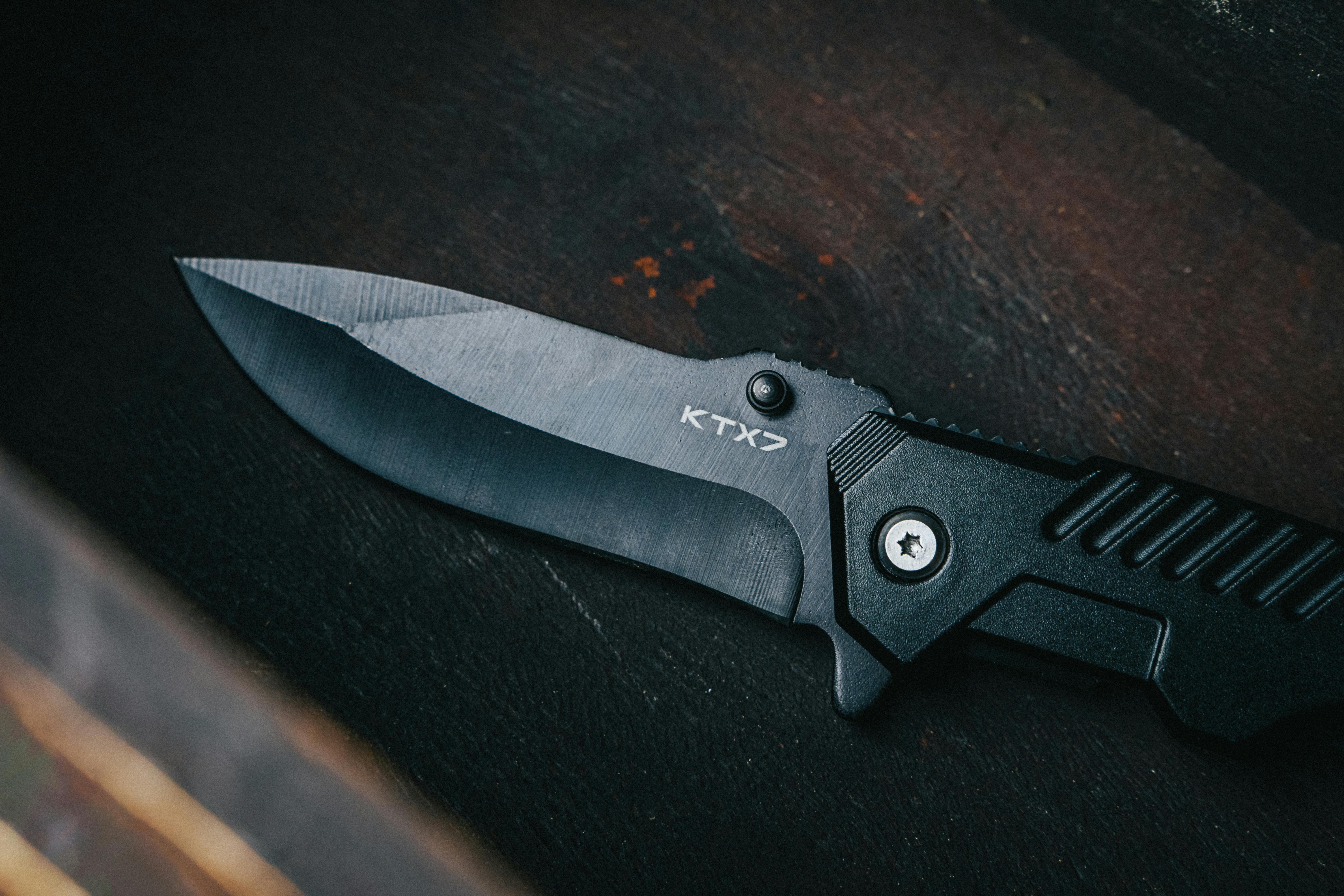
Dark coated blades can create an instant sense of toughness. On a display wall, they look modern, serious, and expensive, especially when paired with textured grips and bold branding.
But a painted or cheaply applied coating can wear off quickly where the knife actually works. Once that finish starts scuffing during hide cuts, rope slicing, and basic camp tasks, the premium image fades in a hurry.
Worse, many of these knives rely on mediocre steel beneath the coating. Owners end up with a blade that dulls too fast, looks battered too soon, and asks for more maintenance than a true work knife should.
Oversized Gut Hook Designs With Thin Construction
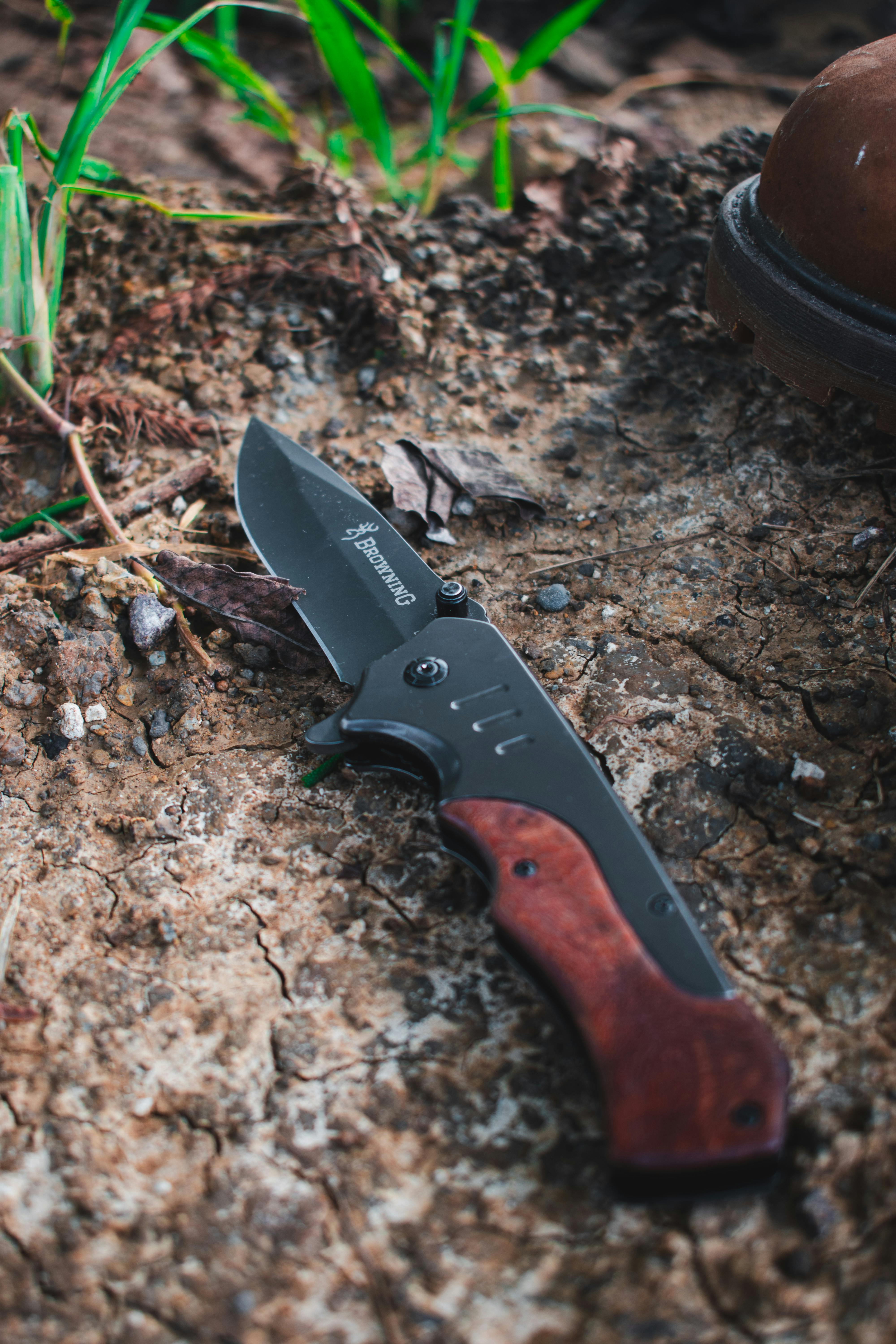
A big gut hook can make a knife seem purpose-built and professional. For buyers picturing quick field dressing, it reads as a specialist feature, and that specialized look often helps justify a higher price.
On cheaply made knives, though, oversized hooks can weaken the blade profile or make sharpening and cleaning more annoying than useful. Thin steel around the feature may chip, bend, or simply feel awkward during real processing work.
After one hunting season, many users realize the dramatic hook added more visual appeal than practical value. A modest, well-made blade usually outperforms a flashy one trying too hard to look like a pro tool.
Pakistani Damascus Lookalike Knives
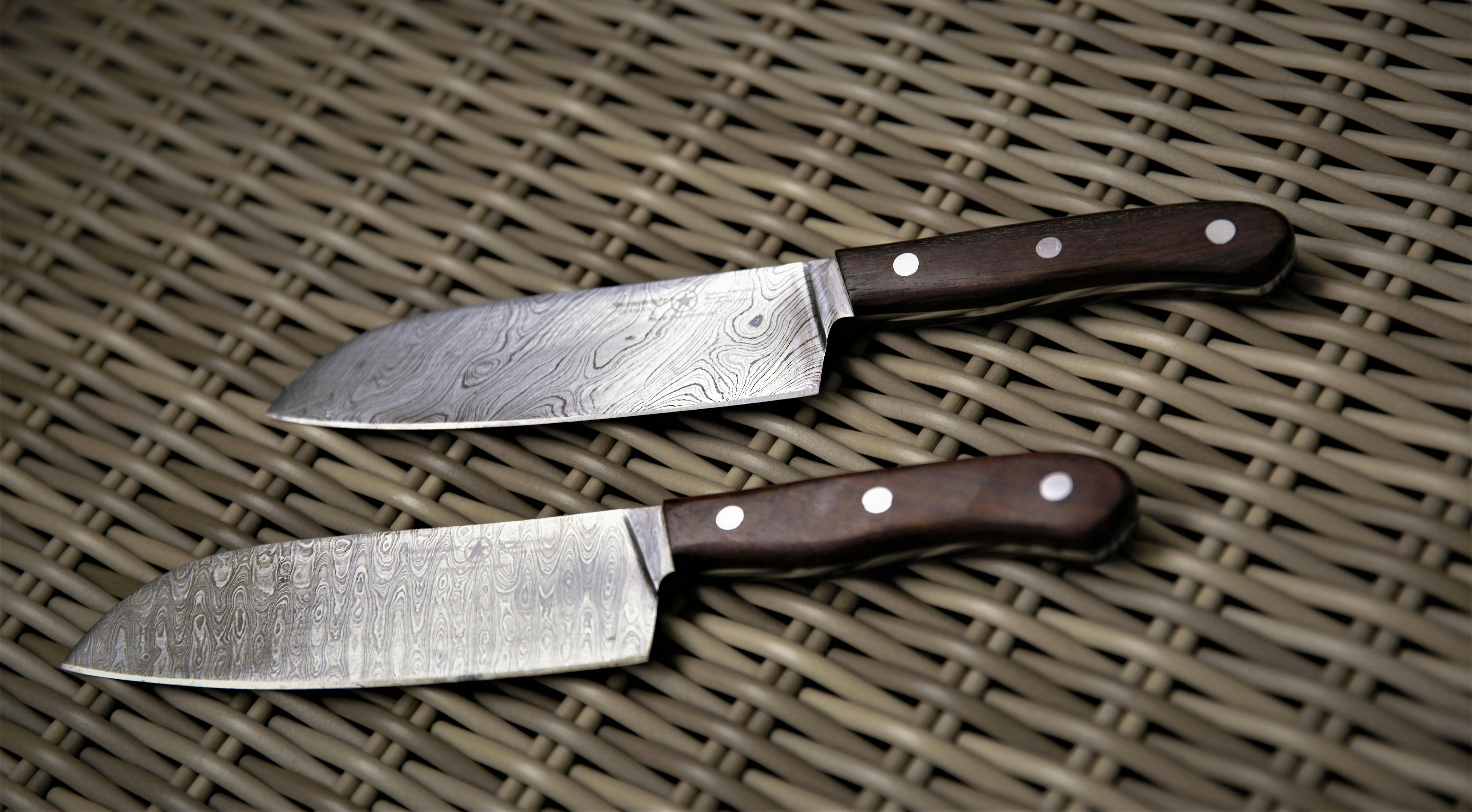
Patterned steel has enormous visual pull. For many shoppers, a Damascus-style blade instantly signals craftsmanship, heritage, and serious value, especially when the knife is priced suspiciously low for something that looks custom-made.
That is where disappointment often begins. Many bargain imports use inconsistent steel, questionable heat treatment, and decorative etching that mimics quality without delivering dependable toughness or edge stability.
In the field, these knives may chip unexpectedly, rust more than expected, or vary wildly from one example to another. They can look like collector pieces on arrival, then behave like a gamble the first season they are asked to work hard.
Rubber-Grip Knives With Weak Full-Tang Claims
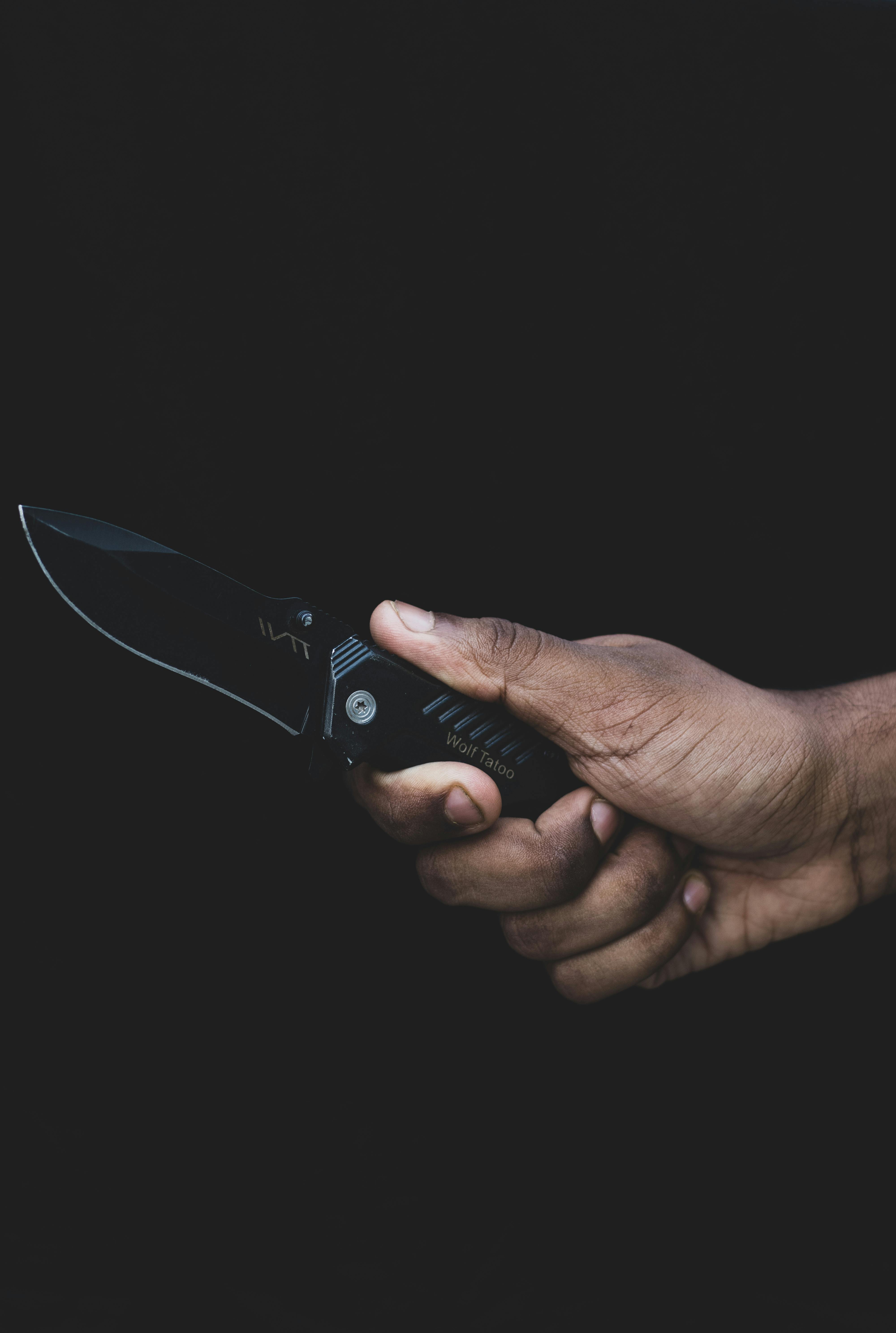
Rubberized grips are often sold as practical and weather-ready, and many truly are. But some knives hide flimsy construction under thick molded handles that create the illusion of strength and comfort.
A knife may be advertised in ways that imply full-tang durability while actually using a narrow tang buried inside a bulky grip. That mismatch tends to reveal itself only after torque, hard cuts, or repeated field use.
Once looseness or flex enters the picture, confidence disappears fast. Hunters need a knife that feels predictable when hands are wet, cold, or slick, and no amount of soft grip texture can compensate for a weak internal build.
Combo Knife and Saw Sets in Hard Cases

Big boxed sets are masters of first impressions. A knife, saw, sharpener, and molded case can look like a complete premium hunting package, especially to new buyers trying to cover every need at once.
The issue is that these kits often spread the budget across accessories instead of investing in one durable blade. The knife may have mediocre steel, a flimsy sheath, or handle materials chosen more for visual impact than longevity.
After one busy season, the case still looks organized, but the main tool may already be the weak link. In outdoor gear, a single reliable knife usually beats a flashy bundle built to impress at checkout.
Showpiece Knives With Exotic Handles and Cheap Hardware

Exotic wood, bone, antler, and bright metal accents can turn a basic hunting knife into something that feels gift-worthy. On the rack, these materials suggest craftsmanship, tradition, and a level of care that buyers naturally associate with higher quality.
But premium-looking handle materials mean very little if the pins, guard fit, epoxy work, or sheath hardware are cheaply done. Small gaps, weak fasteners, and poor finishing are often the first signs that the knife was built for appearance over endurance.
A season later, scales may loosen, fittings may shift, and the knife can feel older than it is. It still looks handsome from a distance, just less convincing in the hand.