A smaller pistol feels like a simple tradeoff. In reality, it can quietly retrain the way you shoot for years.
The first change is usually mechanical, not mental
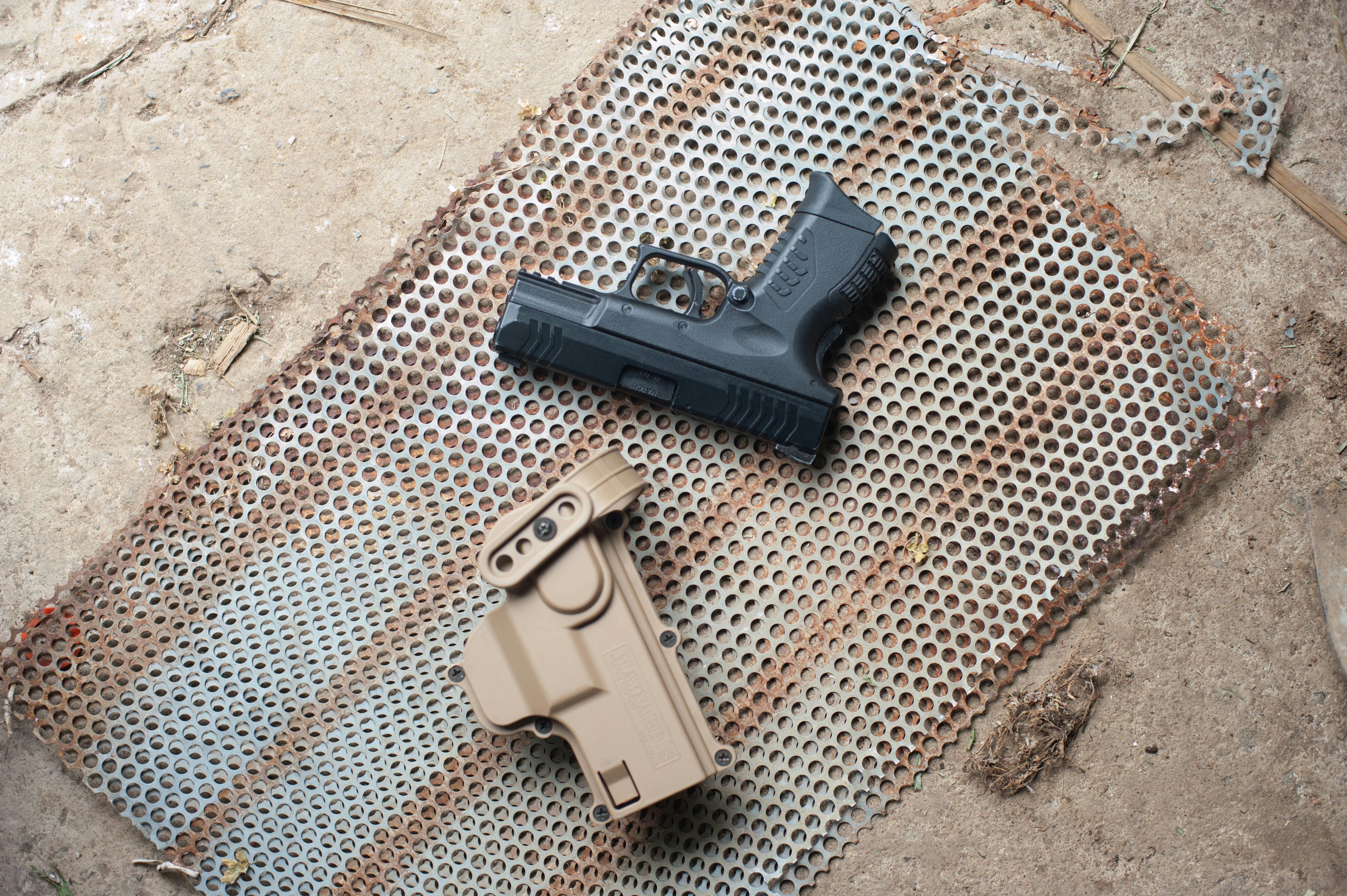
When shooters move from a full-size handgun to a compact, the first thing that changes is not confidence. It is the amount of forgiveness built into the gun. A longer slide, longer sight radius, fuller grip, and extra weight all help hide small errors that become obvious the moment the gun gets smaller.
That shorter sight radius matters more than many people admit. A tiny deviation at the front sight that barely shows on a duty-size pistol can throw rounds noticeably farther off target with a compact. At 7 yards, the difference may look minor. At 15 or 25 yards, it starts to show up on paper fast.
Weight also changes the shooting equation. A heavier full-size gun tends to damp recoil impulse and return to the target more smoothly. A lighter compact snaps more abruptly, especially in 9mm loads that feel mild in a service pistol but lively in a shorter, lighter frame.
Over months of practice, this means the compact often exposes flaws that the full size had been masking. Grip pressure inconsistency, low support-hand engagement, and jerking through the break become easier to see. That is not necessarily bad news. It can actually make a shooter better, but only if they recognize what is happening instead of assuming they simply got worse.
Grip size changes long-term consistency more than most people expect

The biggest long-term accuracy shift usually comes from the grip, not the barrel length. Full-size pistols give the firing hand and support hand more surface area, which creates leverage. A compact frame reduces that leverage, and for many shooters, the pinky either barely fits or loses contact entirely.
That missing grip area affects repeatability. If your hand lands in a slightly different place every draw, your trigger finger angle changes, your pressure map changes, and the gun tracks differently under recoil. Over thousands of repetitions, that inconsistency can become the real reason groups open up, especially during faster strings.
Instructors who work with concealed carry students often see this pattern. A shooter may print respectable slow-fire groups with a compact at 5 to 7 yards, then scatter shots once cadence increases. The issue is usually not raw marksmanship. It is the inability to rebuild the exact same grip after each shot cycle or each draw from concealment.
Long term, shooters who solve this tend to become extremely disciplined about hand placement and support-hand pressure. Those who do not often plateau. They may blame the smaller gun’s inherent accuracy, even though modern compact pistols are usually mechanically accurate enough. The real challenge is that the shooter has less real estate to control them.
Recoil management can either sharpen your skills or degrade them
A compact carry gun gives stronger feedback. It moves more in the hand, returns less predictably if the grip is weak, and punishes sloppy recoil control immediately. That can be useful training pressure, but it can also create bad habits if the shooter starts compensating in the wrong ways.
One common problem is anticipatory tension. Shooters coming from a full-size gun sometimes begin clamping harder with the firing hand to control the smaller pistol. That often pulls shots low and sideways because extra firing-hand tension interferes with a clean trigger press. The gun feels more controllable, but the sights say otherwise.
Another long-term effect is what happens to sight tracking. On a full-size gun, the front sight or dot often lifts and settles in a flatter pattern. On a compact, the path may be more vertical or slightly erratic until the technique improves. Good shooters learn to watch that movement and tune grip pressure accordingly. Less experienced shooters simply start snatching the trigger when the sights flash back into view.
The long-term accuracy outcome depends on which path wins. If the compact teaches better recoil discipline, accuracy may eventually improve across all pistols. If it teaches flinch, over-gripping, and rushed shot timing, groups may slowly worsen even when the shooter returns to a larger handgun. The small gun does not just reflect skill. It can reshape it.
Trigger control tends to get exposed in a very unforgiving way
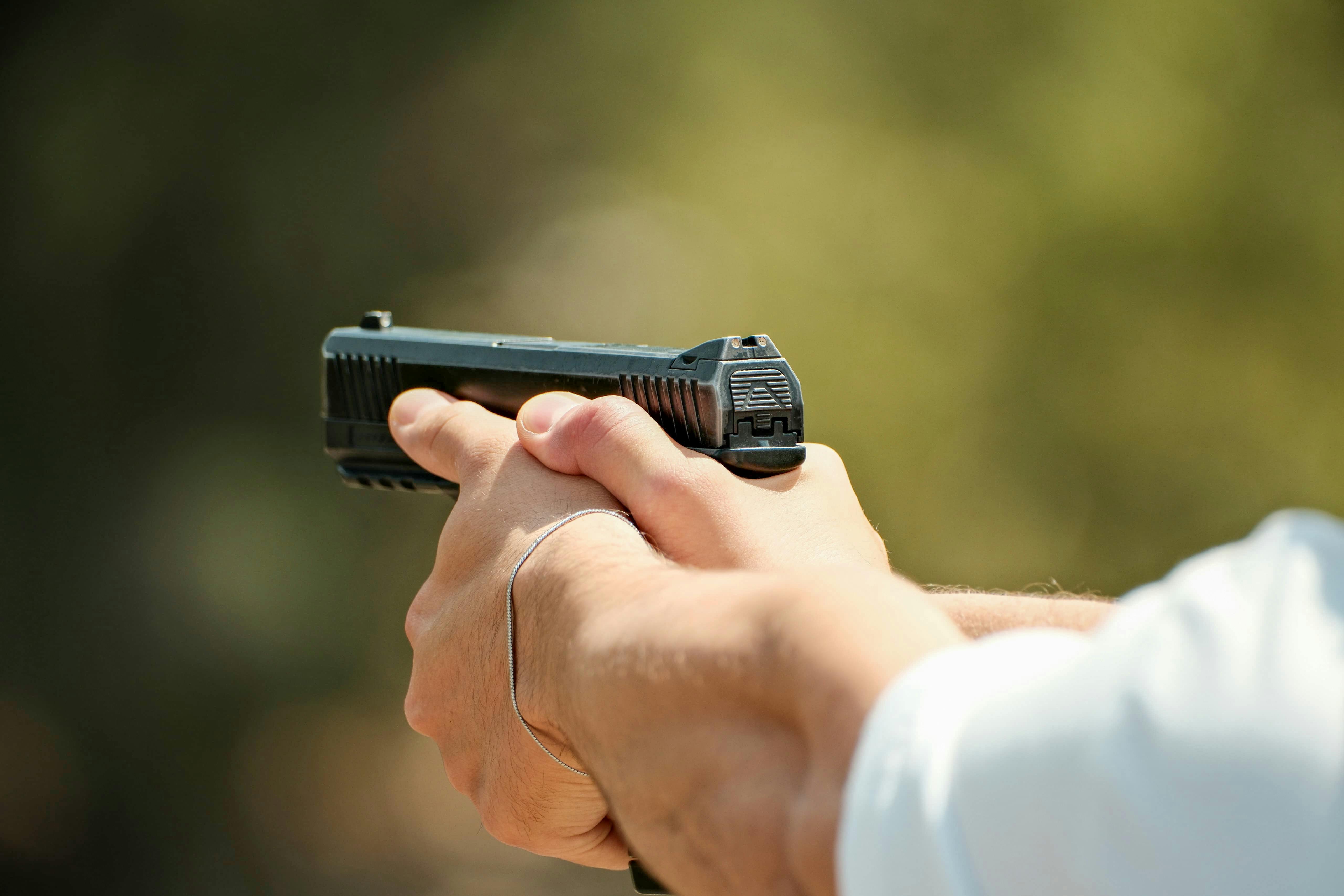
Compact carry pistols often have shorter grips, lighter frames, and sometimes different trigger geometry than their full-size counterparts. Even within the same product family, the smaller model may feel sharper through the break and more abrupt in reset. That makes an imperfect trigger work easier to detect.
With a full-size pistol, many shooters get away with a little extra finger, a little too much lateral pressure, or a little collapse in the wrist during the press. The gun’s mass and grip length help keep everything stable enough that hits still look acceptable. Shrink the platform, and those same errors start moving rounds off center.
This is especially noticeable in one-handed shooting and in drills that require precision under time constraints. Law enforcement and defensive shooting trainers have pointed out for years that qualification scores often stay similar at close range but degrade at distance when officers switch to shorter backup or off-duty guns. The reason is not a mystery. Precision demands more from a smaller platform.
Over the long term, this can be productive if the shooter trains honestly. Dry-firing with a compact tends to reveal more sight movement at the instant of the press. That feedback is valuable. But if the shooter avoids difficult standards and sticks only to easy, close targets, long-term accuracy usually drifts downward because the smaller gun’s trigger demands were never fully addressed.
Your practice habits decide whether the switch helps or hurts
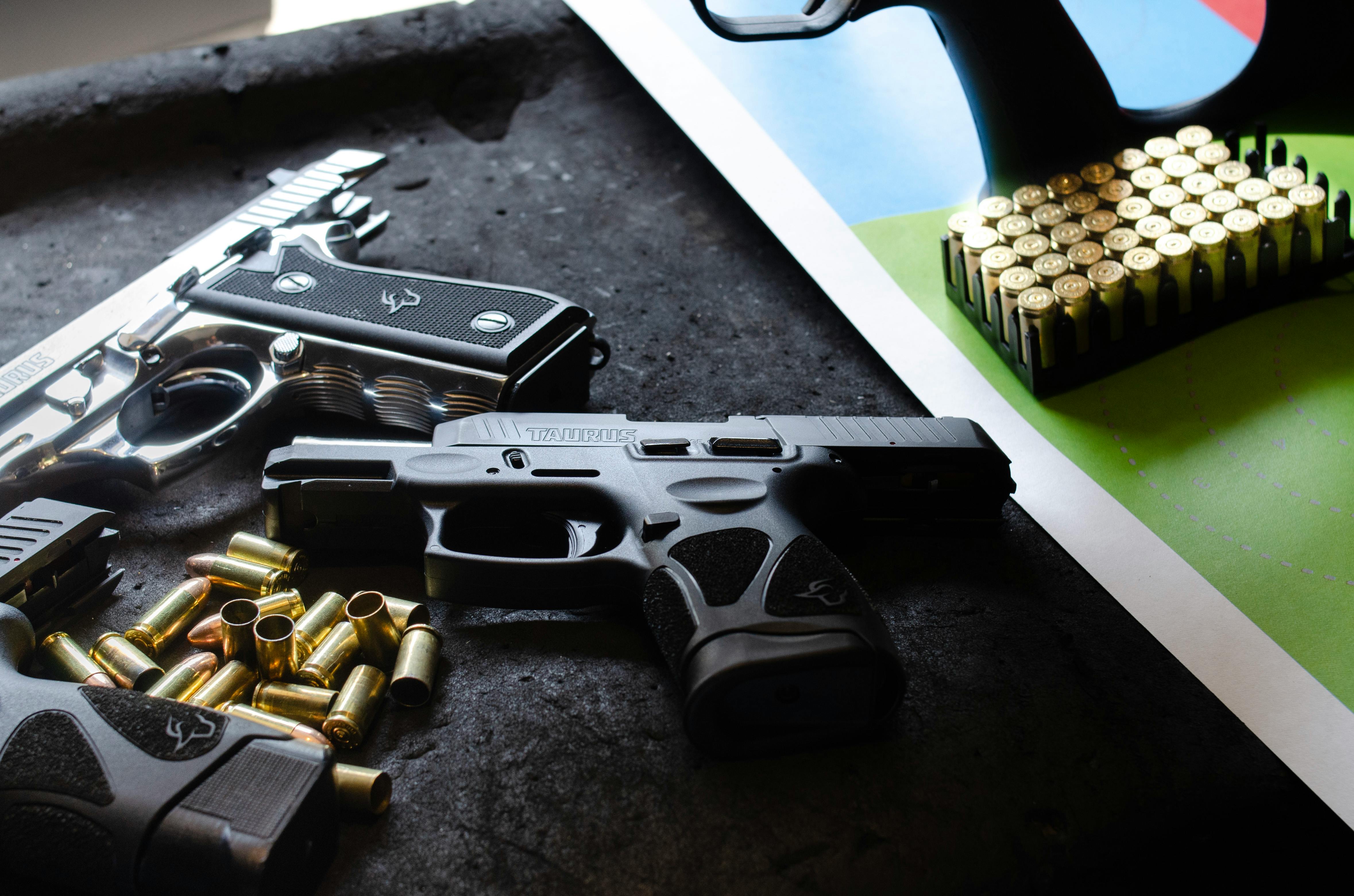
The gun matters, but practice structure matters more. Many people buy a compact for carry, shoot it occasionally, then do most meaningful training with a full-size range gun because it is more pleasant. That creates a split skill set. The shooter becomes highly competent with the pistol they enjoy, and merely familiar with the one they actually carry.
Long-term, that mismatch shows up under pressure. Draw speed may remain fine, and close hits may still land, but precision and recovery suffer because the compact has not received enough repetitions. According to training data frequently discussed by top firearms instructors, performance tends to follow exposure. The gun that gets the most structured reps usually gets the best results.
The opposite approach can produce impressive gains. Shooters who spend 6 to 12 months doing most dry fire, bill drills, and accuracy work with a compact often report that their full-size pistols start to feel easy. That makes sense. If you learn disciplined trigger control and recoil management on a less forgiving platform, larger guns often benefit.
Still, balance matters. Some instructors recommend using the compact for carry-specific work and the full size for high-volume reinforcement, especially if hand fatigue begins to degrade technique. The key is deliberate transfer. If you switch between platforms without paying attention to grip, trigger reach, and sight behavior, you may be practicing inconsistency rather than mastery.
Distance and speed reveal the real long-term accuracy story
At typical defensive distances, many shooters overestimate how much accuracy they lose with a compact. Inside 3 to 7 yards, the difference between a full-size and a compact is often small when measured by basic center-mass hits. That is why the switch can feel harmless at first. The targets do not punish the compromise enough to reveal it.
The long-term story appears when standards become tighter. At 15 yards on a reduced-size target, or during timed strings that require fast follow-up shots, a compact exposes small inefficiencies. Split times may slow by a few hundredths. Group size may grow by an inch or two. On paper, that seems minor. Across years of shooting, it shapes confidence and performance.
Competitive shooters understand this well. Even divisions that allow relatively small guns often favor configurations that maximize controllability because tiny efficiency gains add up. In the concealed carry world, the same principle applies, though the priorities are different. You may accept some loss in shootability for concealment, but pretending there is no tradeoff is unrealistic.
What matters is not whether the compact is accurate enough in a laboratory sense. Most are. What matters is how much performance you personally can retain at speed, at distance, and under stress. That is the standard that predicts long-term results, not one tidy group fired slowly at 5 yards.
The best shooters adapt, but they do it on purpose
Switching to a compact carry gun does not automatically ruin your accuracy. It simply raises the cost of mistakes. Over the long term, some shooters become more precise because the smaller gun forces cleaner mechanics. Others become less accurate because they never fully adapt and slowly normalize lower standards.
The best long-term strategy is brutally simple. Test both guns at 5, 10, 15, and 25 yards. Track slow-fire groups, first-shot draw performance, and controlled pairs. If the compact opens your groups or slows recovery, treat that as useful information rather than as a verdict on your talent.
Then build the adaptation deliberately. Use dry fire to lock in a repeatable grip, especially from concealment. Use live fire to study sight return, not just score. If needed, add magazine extensions, better texture, or different sights to help the compact fit your hands and visual process better.
Over time, a compact can absolutely become a serious accuracy tool in trained hands. But the long-term effect is never neutral. It either sharpens your fundamentals through honest work or chips away at them through compromise. The difference is not the gun alone. It is the standard you bring to it.