In the firearms world, price does not always reflect value. Some guns arrive with enormous hype, premium materials, or bold promises, only to disappoint once real-world performance, reliability, or long-term ownership costs are considered. In other cases, scarcity or branding inflated prices far beyond what the firearm actually delivered. These guns were not necessarily concept failures, but they struggled to justify their asking price compared to competitors or to expectations of the time. Looking back, they offer useful lessons about marketing, engineering priorities, and consumer perception. Understanding why certain guns were never worth their cost helps separate genuine innovation from expensive missteps.
The HK G11’s Costly Ambition
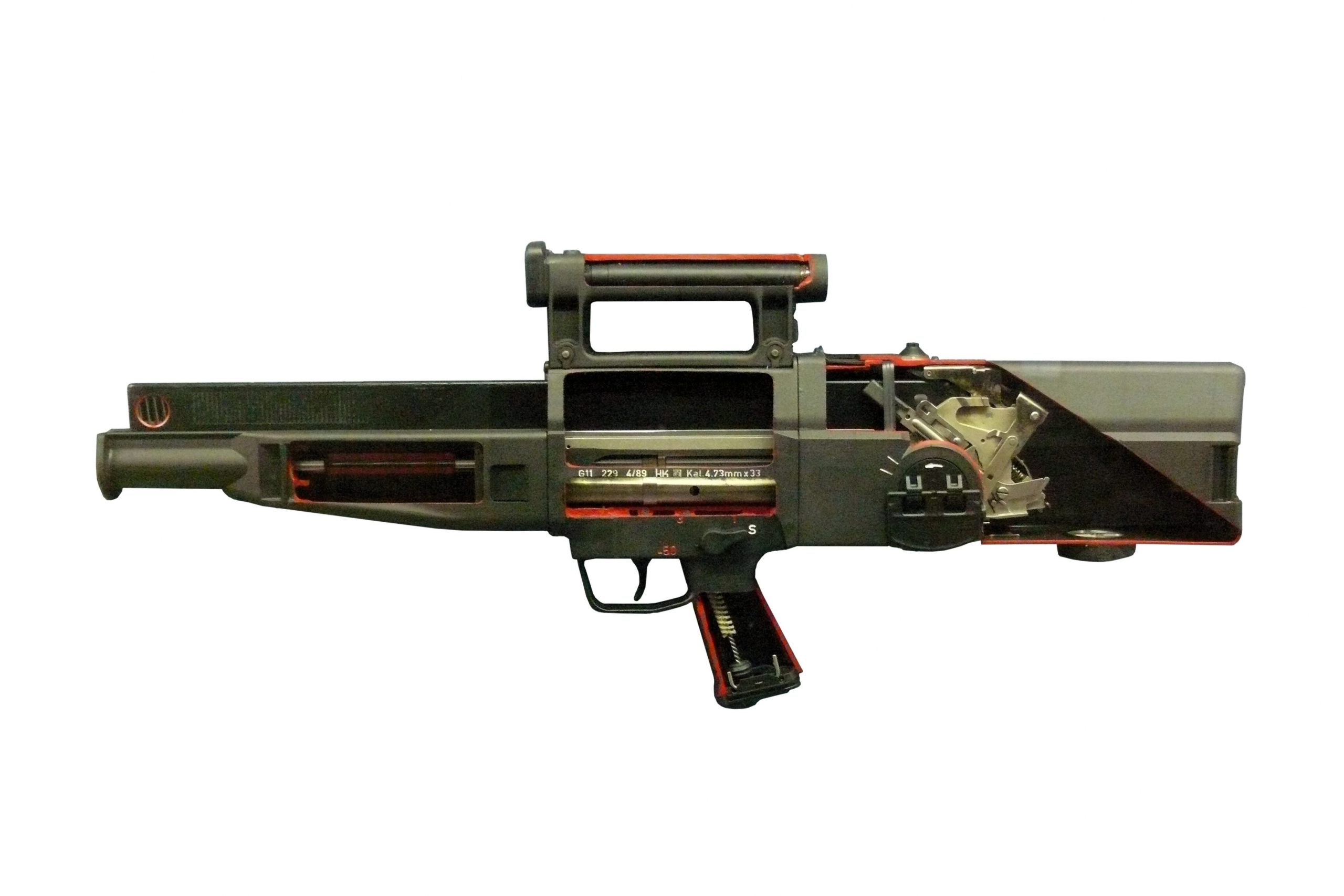
The Heckler and Koch G11 was technologically impressive but financially unrealistic. Its caseless ammunition system promised reduced weight and high rates of fire, yet required extreme engineering complexity. Development costs soared as reliability issues emerged, especially under field conditions. The weapon demanded specialized manufacturing, unique logistics, and entirely new ammunition supply chains. All of this drove the projected unit cost far beyond what military buyers could justify. When geopolitical priorities shifted, the G11’s price became impossible to defend. Despite its innovation, it delivered too little practical advantage to offset its enormous expense, making it a classic example of ambition priced beyond value.
The Steyr AUG’s Early Premium Problem
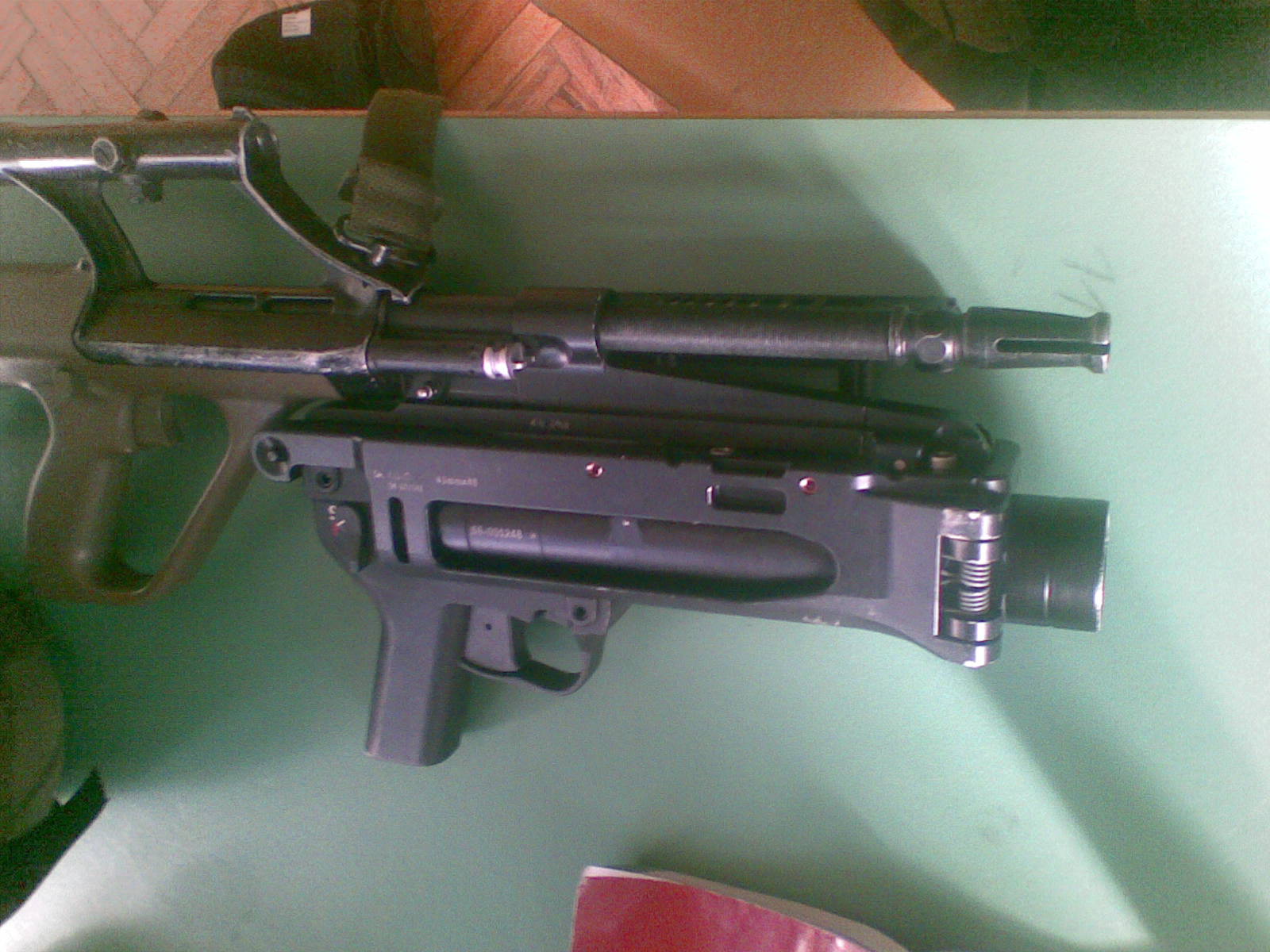
When the Steyr AUG entered international markets, it was marketed as futuristic and revolutionary. Its bullpup layout and modularity were genuine advantages, but the asking price placed it far above conventional rifles offering similar performance. Early civilian buyers paid a premium for novelty rather than measurable benefit. Spare parts, magazines, and maintenance further increased ownership costs. While the AUG eventually earned respect, its initial pricing limited adoption and created frustration among users who expected more tangible advantages. The rifle was not ineffective, but the cost-to-benefit ratio failed to align with the expectations set by its high price tag.
The Colt All-American 2000s Price Mismatch
The Colt All American 2000 arrived with a respected brand name and an ambitious design, but it quickly revealed how reputation alone cannot justify cost. Its polymer frame and rotating bolt system were marketed as cutting-edge, yet early examples suffered from reliability problems and inconsistent accuracy. Buyers paid a premium expecting Colt-level refinement, but instead received a pistol that felt unfinished. Competing handguns offered better performance at lower prices. The disconnect between branding, execution, and cost damaged consumer trust, making the All American 2000 a cautionary tale in overpriced expectations.
The FN F2000’s Civilian Cost Barrier
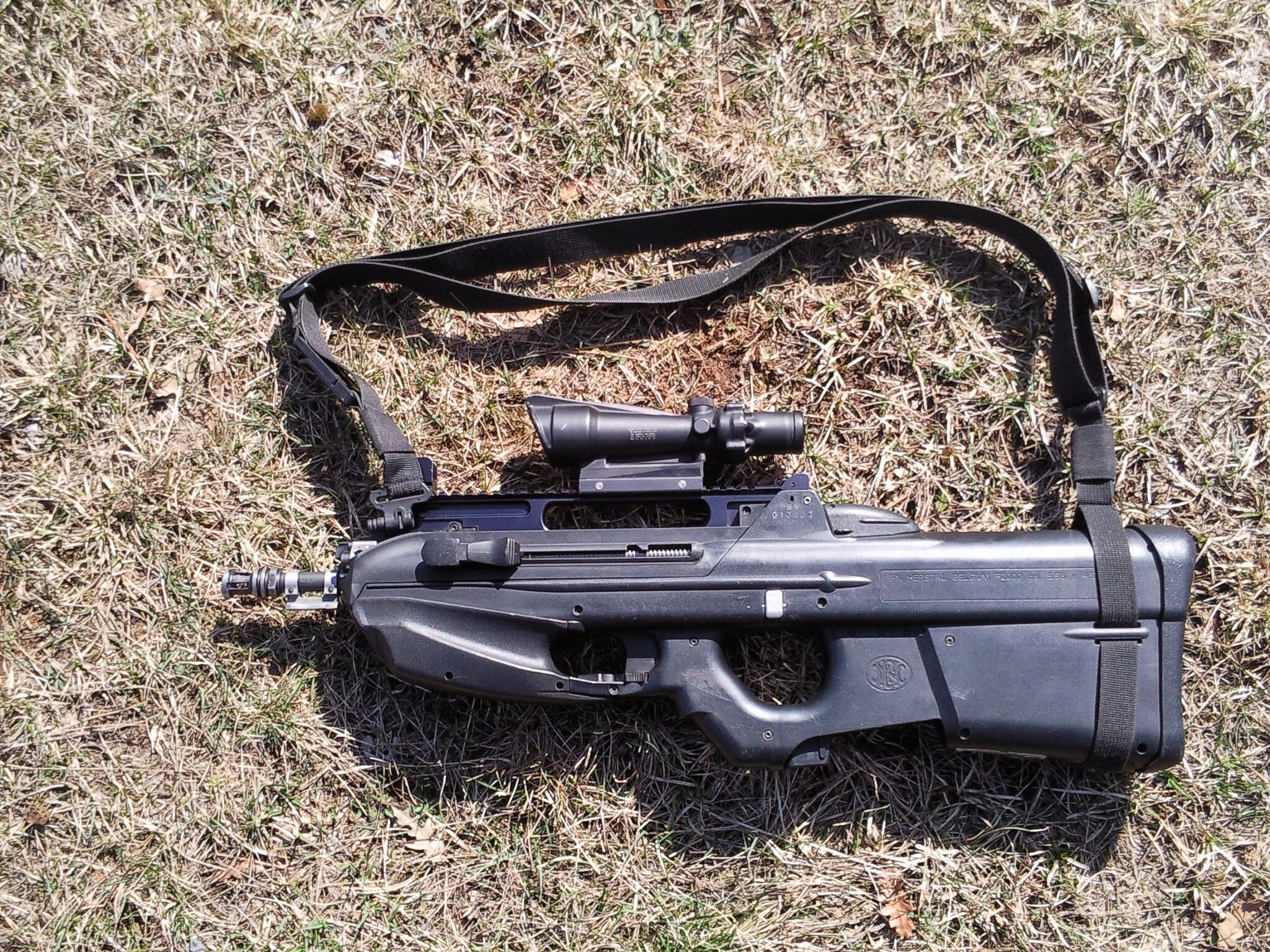
The FN F2000 was designed for military environments, and that focus heavily influenced its civilian pricing. Its enclosed bullpup design and ambidextrous features were impressive, but they did not translate into proportional value for non-military buyers. The rifle was heavy, complex, and expensive to maintain. Accessories and parts were costly and limited in availability. While innovative, the F2000 offered few advantages over less expensive platforms that were easier to customize and support. For most buyers, the asking price reflected military engineering rather than practical civilian usefulness.
The KRISS Vector’s Hype-Driven Pricing
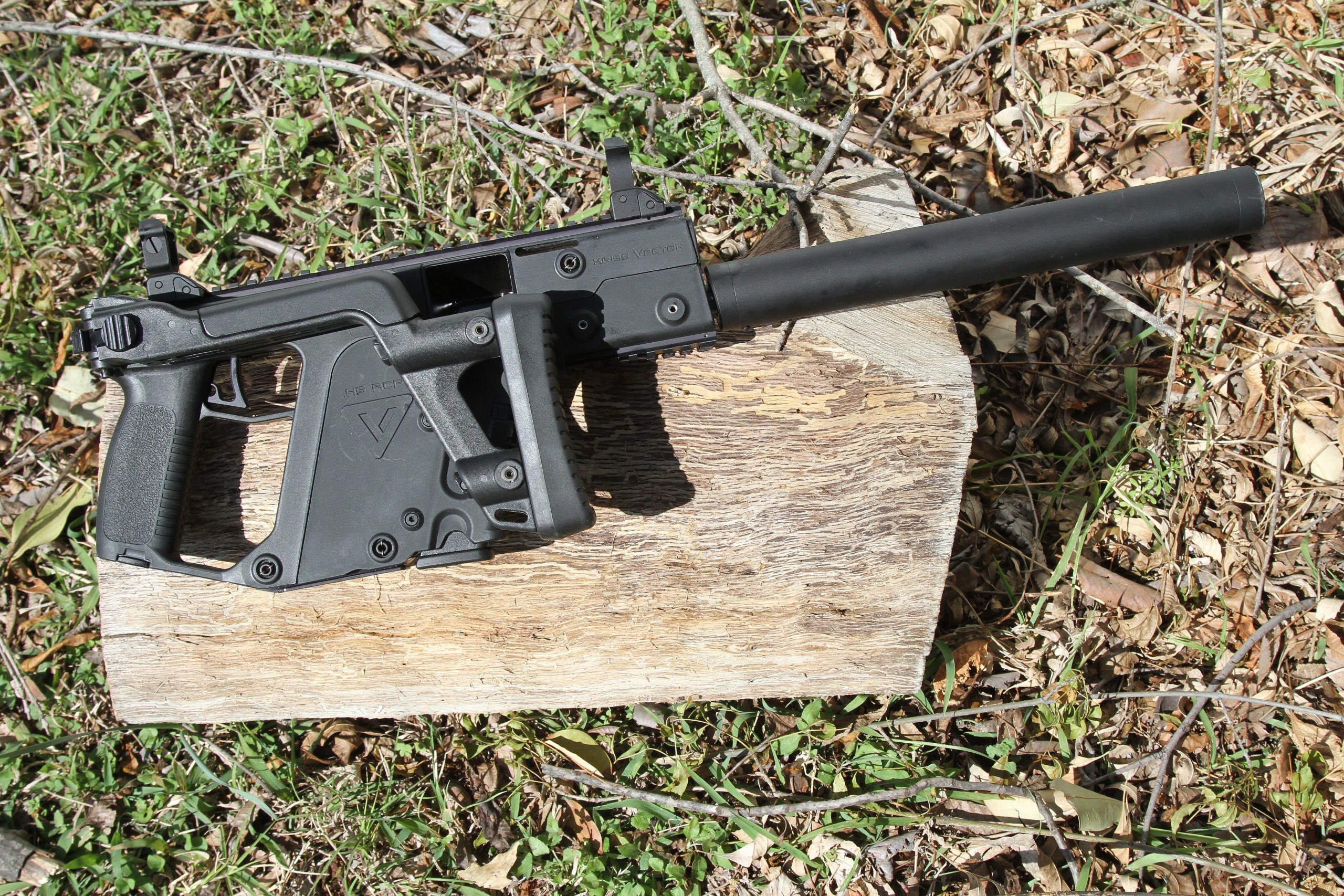
The KRISS Vector entered the market with dramatic claims about recoil mitigation and futuristic operation. Early pricing reflected this hype, placing it well above established alternatives. While the design did reduce muzzle rise, it did not significantly improve accuracy or overall effectiveness for most users. The platform was expensive to purchase, feed, and maintain. For many buyers, the novelty wore off quickly, leaving a firearm that did not justify its premium. The Vector was innovative, but innovation alone proved insufficient to sustain its high asking price.
The Desert Eagle’s Practicality Gap
The Desert Eagle is iconic, but its price has rarely aligned with practical value. Built around large-caliber cartridges, it delivers impressive power at the cost of weight, recoil, and limited usability. Ammunition is expensive, reliability can be sensitive to load selection, and ergonomics favor spectacle over comfort. Buyers often paid for image rather than function. While well-made, the Desert Eagle offers little advantage beyond novelty. Its high price reflects cultural status more than real-world performance, making it an enduring example of cost exceeding practical return.
The Calico M100’s Unfulfilled Promise
The Calico M100 gained attention for its high-capacity helical magazine and distinctive appearance. Early pricing suggested a revolutionary firearm, yet real-world performance failed to support that claim. The magazine system was complex and sensitive to loading errors. Ergonomics were awkward, and reliability varied widely. Maintenance and support were inconsistent, further reducing long-term value. Buyers paid for uniqueness, but received limited functionality in return. The M100 demonstrated that unconventional design does not automatically justify premium pricing when execution falls short.
The USFA Zip .22’s Costly Miscalculation
The USFA Zip .22 attempted to reinvent the rimfire pistol, but its pricing far exceeded its performance. Reliability issues, uncomfortable handling, and inconsistent operation plagued early production. Consumers expected innovation to translate into improvement, yet the pistol struggled with basic functionality. Competing rimfire handguns offered proven reliability at much lower prices. The Zip .22 became a lesson in how experimental design must still meet fundamental expectations. Its cost amplified disappointment, turning curiosity into frustration for early adopters.
The Bushmaster ACR’s Price Collapse
The Bushmaster ACR launched with a strong military heritage and enormous anticipation. Initial pricing placed it well above comparable rifles, promising modularity and durability. In practice, the rifle offered limited advantages over less expensive platforms. Weight, balance, and upgrade costs reduced its appeal. As sales slowed, prices dropped dramatically, confirming that the original asking price was unsustainable. Early buyers paid heavily for potential that never fully materialized, cementing the ACR’s reputation as overpriced at launch.
When Price Outruns Purpose
These firearms share a common theme. Each asked buyers to pay for promise, prestige, or novelty without delivering proportional long-term value. Some were victims of timing, others of overengineering, and some of misplaced confidence in branding. None was entirely useless, but all struggled to justify their cost compared to alternatives. Their stories highlight the importance of balance between innovation, reliability, and real-world application. In firearms history, value is earned through performance over time, not through price tags set by ambition alone.