California’s campgrounds operate under a mix of state park regulations, federal land policies, and local environmental protections that can surprise even experienced hikers. Rules exist to protect fragile ecosystems, manage heavy visitor traffic, and reduce safety risks across diverse landscapes, from coastal bluffs to alpine forests. Booking a site does not guarantee unlimited freedom once on location. Rangers enforce specific requirements related to fires, food storage, noise, and permits. Understanding these expectations before arrival helps avoid fines, denied entry, or disrupted trips. This guide outlines ten essential campground rules California hikers should know before making reservations.
Fire Restrictions And Seasonal Bans
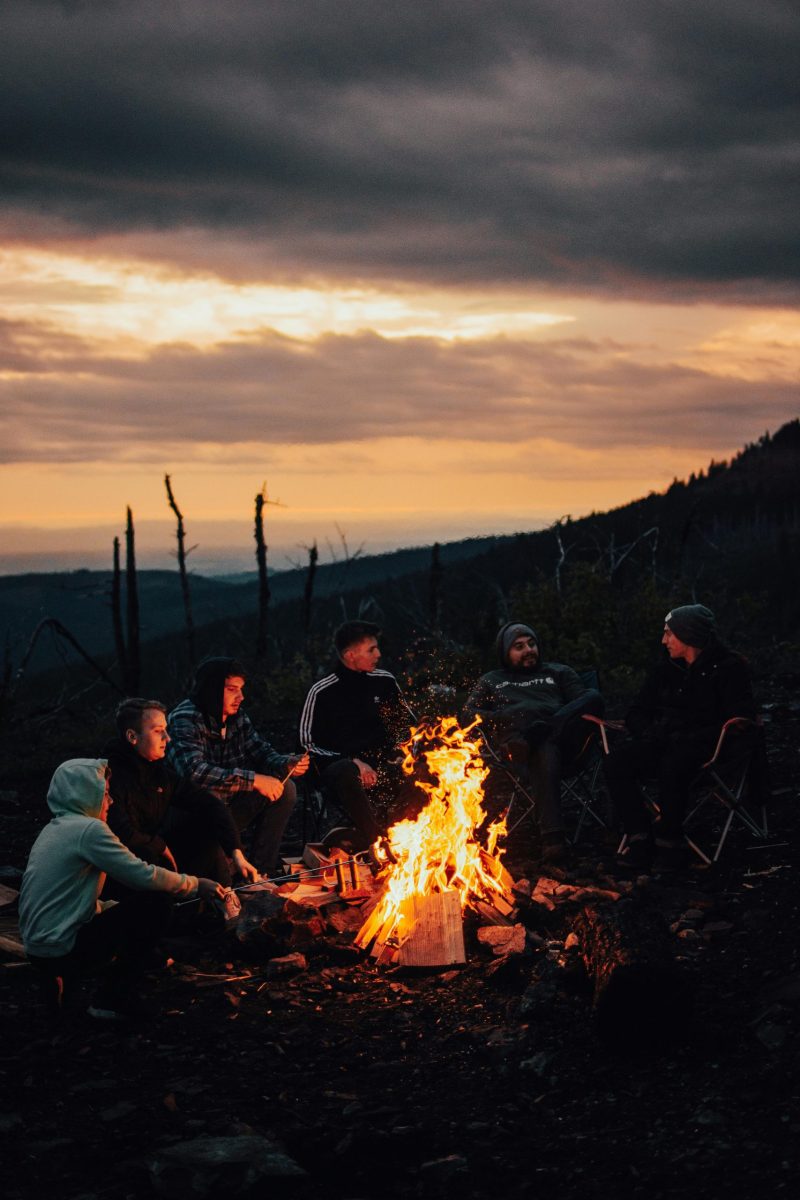
California enforces strict fire regulations that vary by season and location. During dry months, many campgrounds prohibit wood fires entirely. Even when fires are allowed, they must remain within designated fire rings. Portable stoves may require permits on public lands. Rangers monitor conditions daily and can impose sudden bans. Violations carry serious penalties due to wildfire risk. Campers must check the current fire status before arrival. Understanding restrictions prevents unsafe behavior. Fire rules protect forests, wildlife, and nearby communities. Compliance is mandatory statewide, especially in drought-prone regions where a single spark can cause widespread damage.
Food Storage Requirements
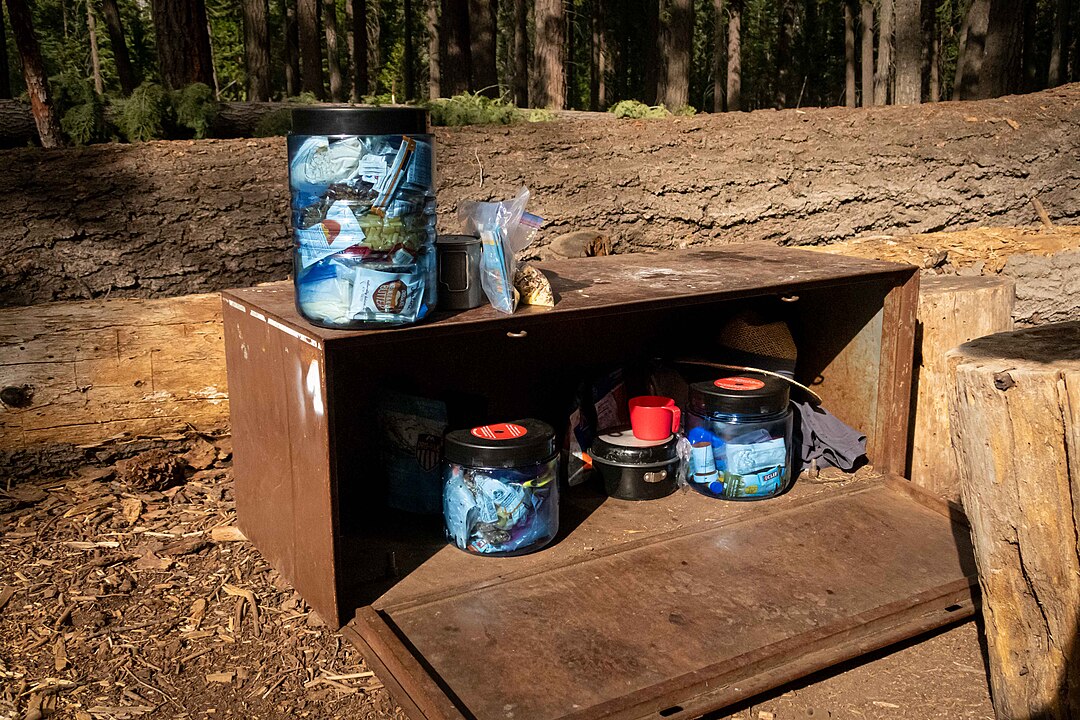
Many California campgrounds require proper food storage to prevent wildlife encounters. Bear lockers or approved canisters are mandatory in numerous parks. Food, toiletries, and scented items must be stored correctly at all times. Leaving items unattended can attract animals and result in fines. Rangers enforce these rules strictly, especially in bear country. Improper storage risks campsite closure or relocation. Understanding food regulations protects hikers and wildlife. These rules exist statewide, not only in well-known parks. Responsible storage reduces dangerous encounters and helps preserve natural animal behaviors throughout heavily visited regions.
Reservation And Occupancy Limits
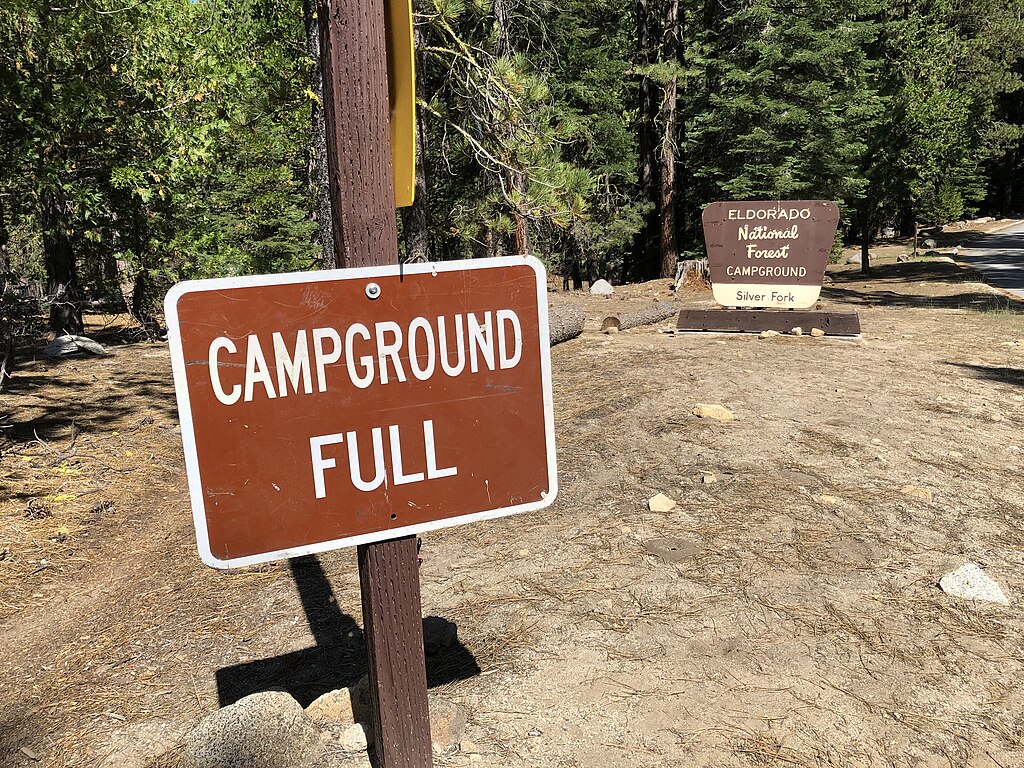
California campgrounds strictly enforce reservation details and occupancy limits. Each site allows a specific number of people and vehicles. Exceeding limits can lead to eviction without refund. Rangers verify group size during check-in. Extra tents or vehicles often require separate permits. Length of stay limits also apply, especially in popular parks. These rules prevent overcrowding and resource damage. Booking matters. Campers cannot assume flexibility once on-site. Understanding occupancy policies ensures smoother stays and fair access. California parks rely on strict enforcement to manage high demand and protect visitor experiences.
Quiet Hours Enforcement
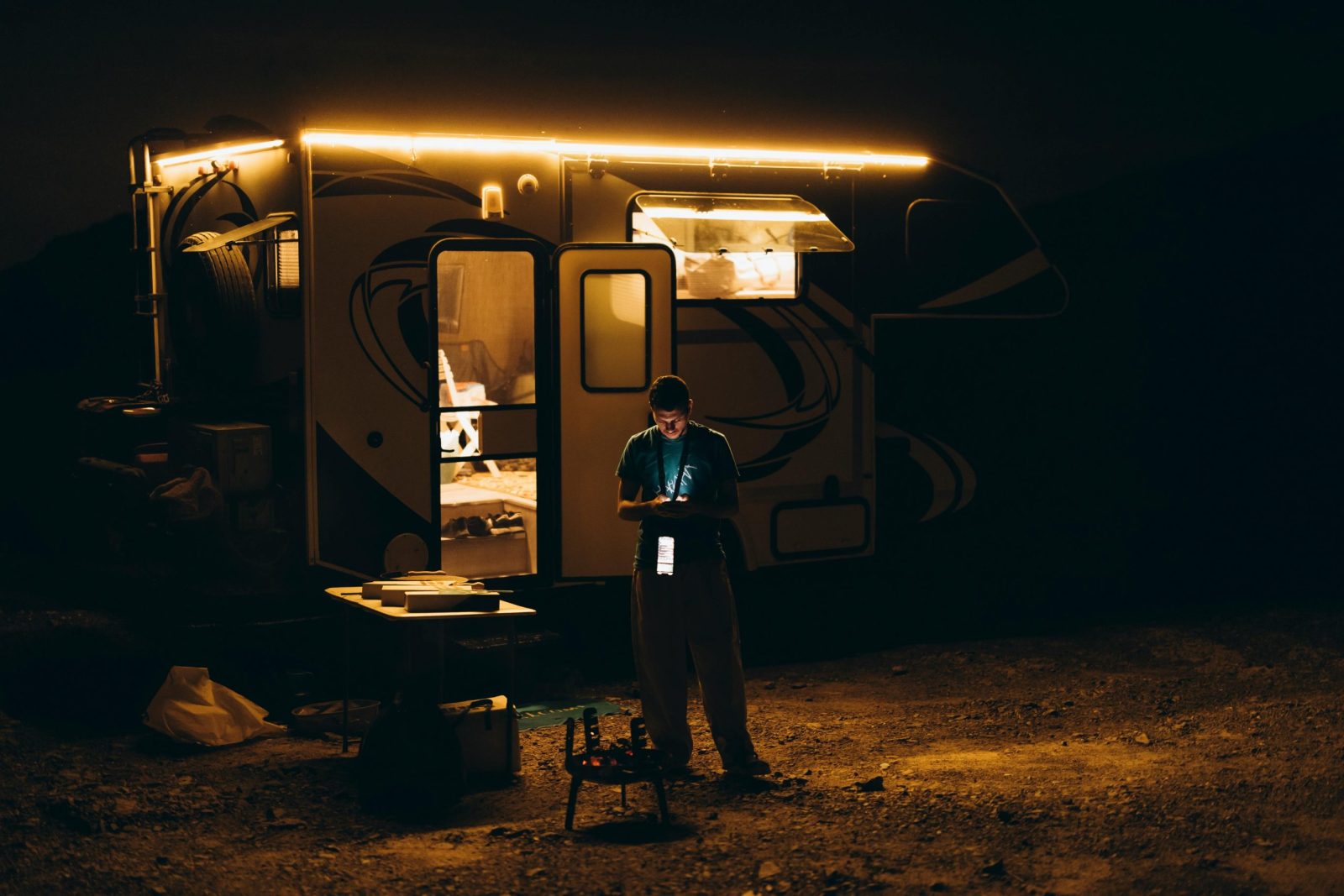
Quiet hours are enforced consistently across California campgrounds. Typically beginning in the evening and lasting through early morning, these hours protect rest and wildlife. Excessive noise, music, or generators during quiet periods can result in warnings or citations. Rangers patrol regularly. Even daytime noise may be restricted in sensitive areas. Campers must respect neighboring sites. Quiet rules apply regardless of group size. Understanding noise expectations prevents conflict. These regulations support peaceful environments in heavily used parks. Compliance ensures positive experiences for families, hikers, and wildlife observers sharing limited campground space.
Pet Rules And Restrictions
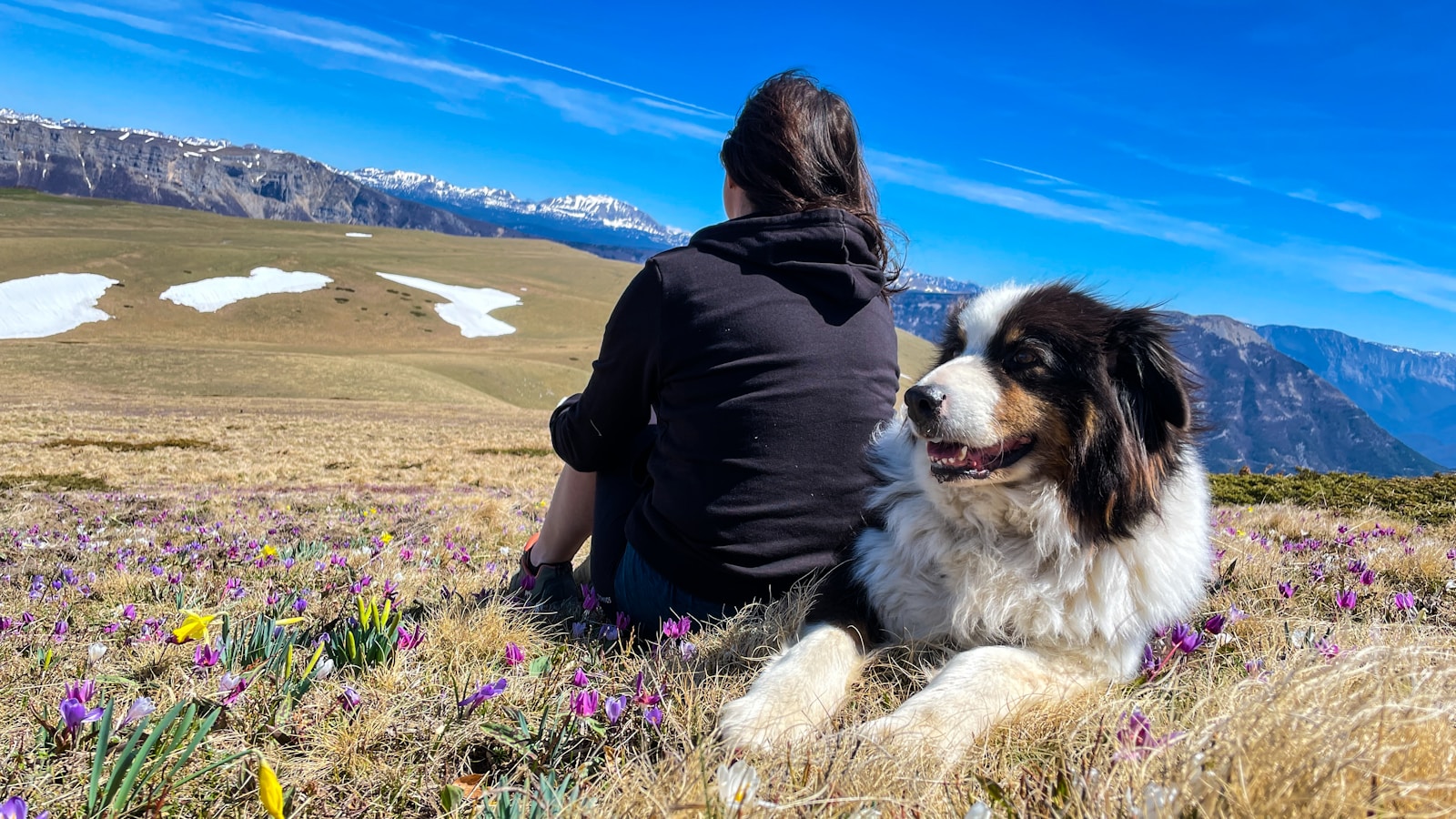
California campgrounds maintain strict pet policies to protect wildlife and other visitors. Many parks require pets to remain leashed at all times. Some trails and campgrounds prohibit pets entirely. Vaccination documentation may be required. Excessive barking or aggressive behavior can lead to removal. Pet waste must be disposed of properly. Rangers enforce these rules consistently. Understanding pet restrictions avoids disappointment. Policies vary by park but are clearly posted. These rules reduce environmental impact and ensure safety. Hikers should research pet allowances carefully before booking campsites across state and national park systems.
Vehicle And Parking Regulations
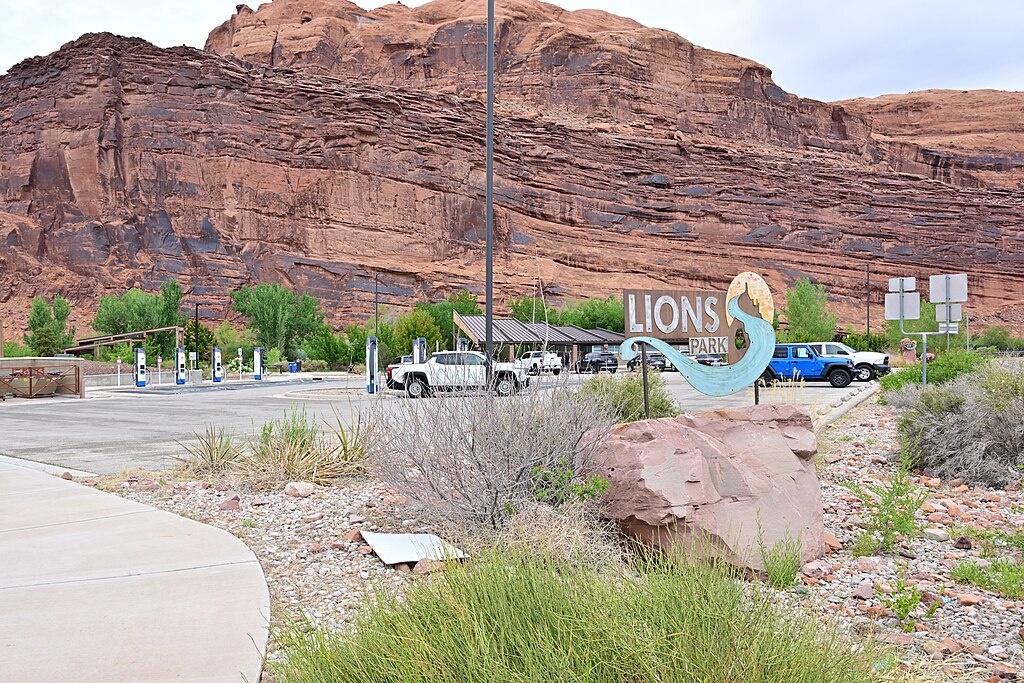
Vehicle regulations play a major role in California campground access. Many sites limit vehicle length or height. Parking outside designated spaces is prohibited. Additional vehicles often require extra fees or permits. Rangers verify compliance during check-in. Blocking roads or trails can result in citations. Some campgrounds restrict vehicle access entirely. Understanding parking rules prevents logistical issues. These regulations protect vegetation, maintain emergency access, and reduce congestion. California’s varied terrain demands careful vehicle management. Hikers should confirm vehicle compatibility with campground specifications before booking to avoid denied entry.
Check In And Check Out Times
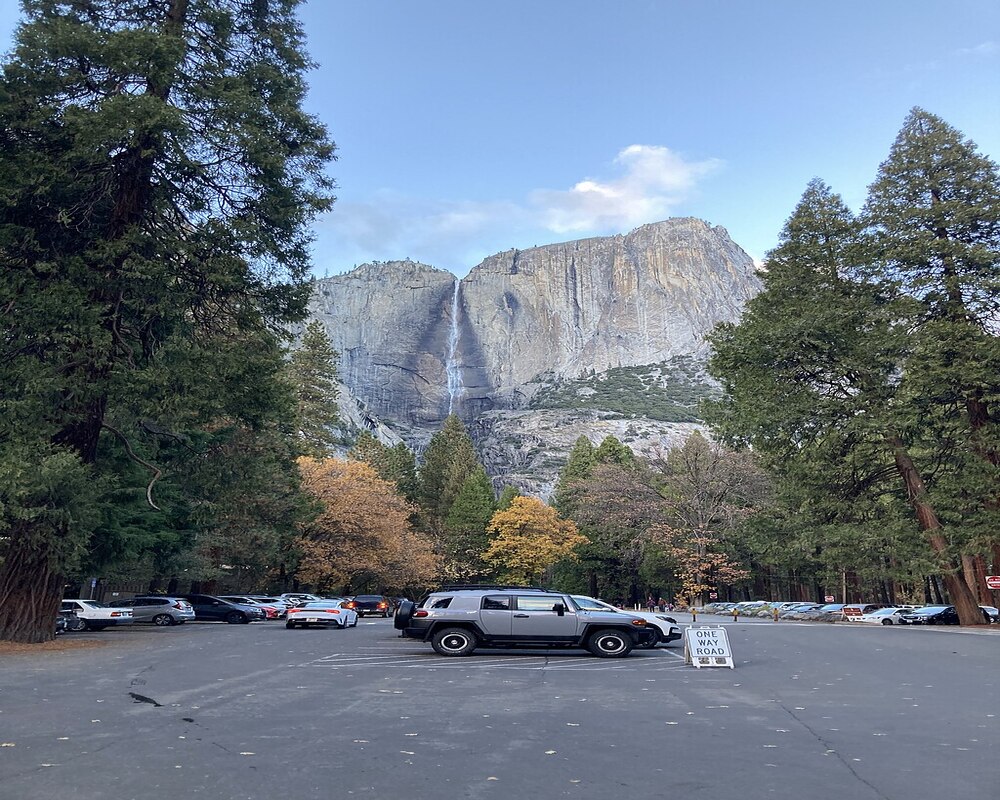
Campgrounds in California enforce specific check-in and check-out times. Arriving too early or leaving late can disrupt site availability. Rangers monitor timing closely in high-demand areas. Late departures may incur fees. Early arrivals might be turned away. Understanding timing helps plan travel accurately. These rules support efficient site turnover. Timing policies vary by park but remain strict statewide. Campers should review reservation details carefully. Respecting check-in and out times ensures fairness and smooth operations. Proper planning avoids unnecessary stress and potential conflicts with campground staff.
Waste Disposal And Recycling Rules
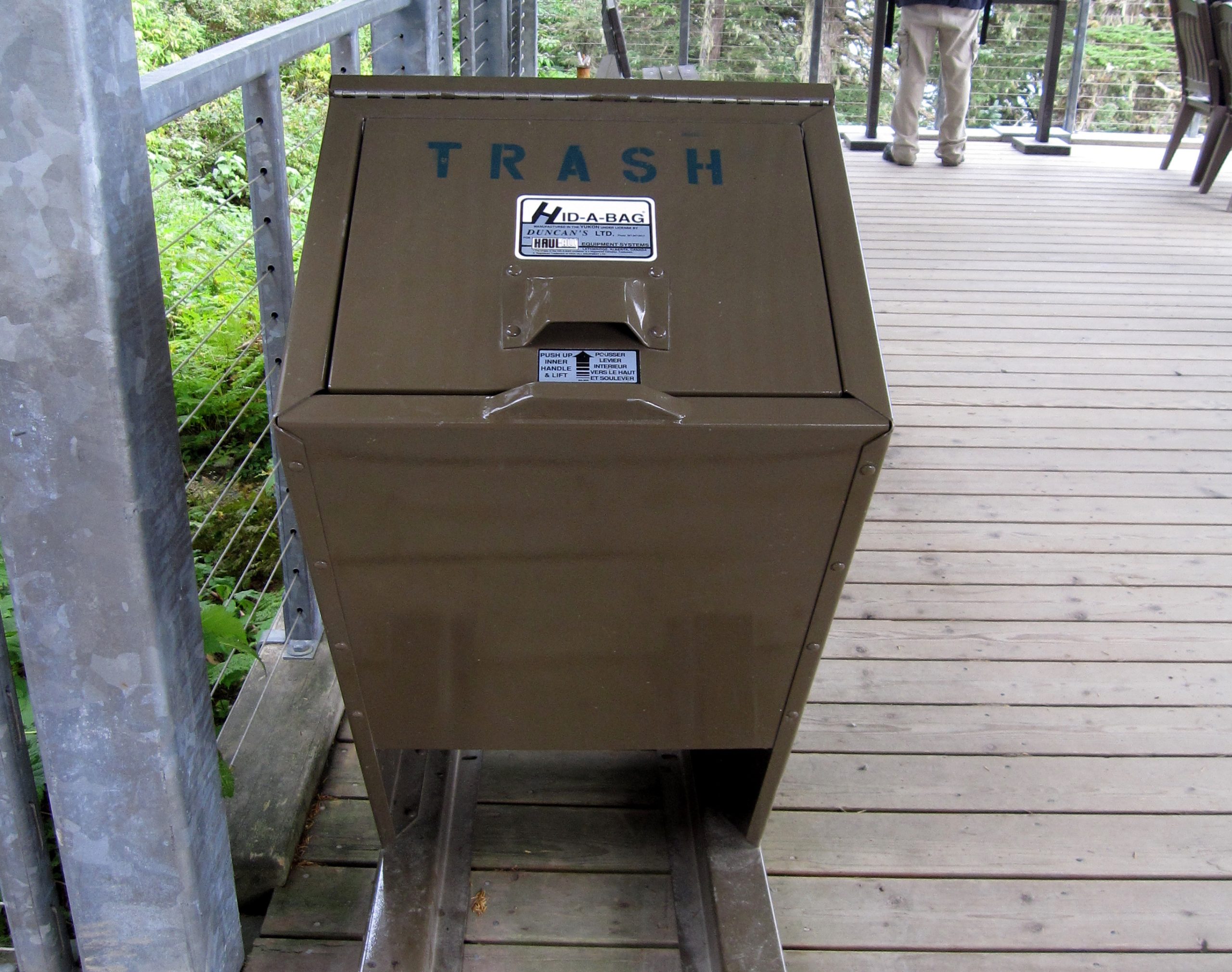
California campgrounds require strict adherence to waste disposal rules. Trash must be placed in designated receptacles or packed out where required. Recycling guidelines often apply. Food waste attracts wildlife and increases risk. Rangers enforce cleanliness standards. Overflowing or improper disposal can result in citations. Some areas lack trash services entirely. Understanding waste rules supports environmental protection. These policies align with Leave No Trace principles. Responsible disposal preserves ecosystems and visitor experiences. Campers should prepare to manage waste independently. Proper waste handling is essential across California’s diverse public lands.
Trail And Area Closures
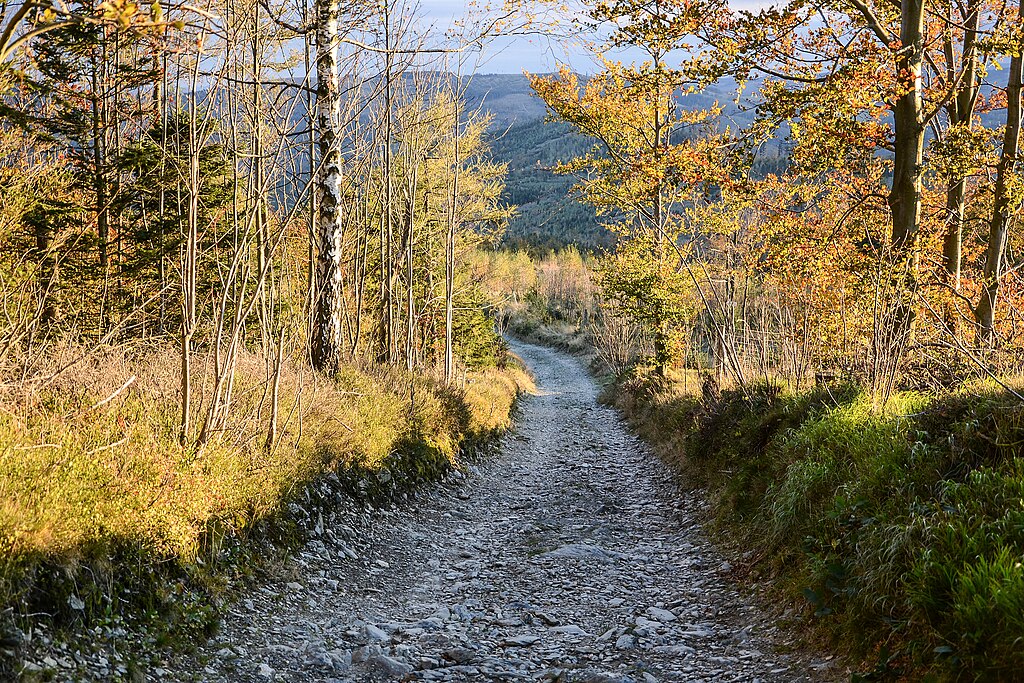
Temporary closures frequently affect California campgrounds and nearby trails. Weather, fire danger, wildlife activity, or maintenance can restrict access. Rangers post notices but expect hikers to comply. Entering closed areas carries penalties. Closures protect safety and resources. Campers must check updates before and during trips. Conditions change rapidly. Understanding closure policies prevents violations. Respecting restricted zones supports conservation efforts. These rules apply across state and federal lands. Staying informed ensures safety and prevents disruptions. Flexibility remains essential when planning hikes and camps in California’s dynamic outdoor environments.
Permit Requirements For Activities

Certain activities in California campgrounds require additional permits. Backcountry hiking, fishing, campfires, and drone use often need authorization. Rangers verify permits during patrols. Lack of proper documentation can result in fines. Permit systems help manage impact and safety. Requirements vary by location and season. Campers should research planned activities in advance. Understanding permit needs prevents last-minute issues. These rules ensure responsible recreation. Compliance supports conservation and visitor safety. California’s permitting systems reflect high demand and sensitive ecosystems across its extensive network of protected lands.