When people talk about home defense handguns, semi-autos often dominate the conversation. But for many seniors, the revolver keeps winning on the things that matter most: simplicity, confidence, and ease under pressure. This gallery explores nine reasons older adults are leaning toward wheel guns and feeling good about that choice.
Simple controls feel easier to manage
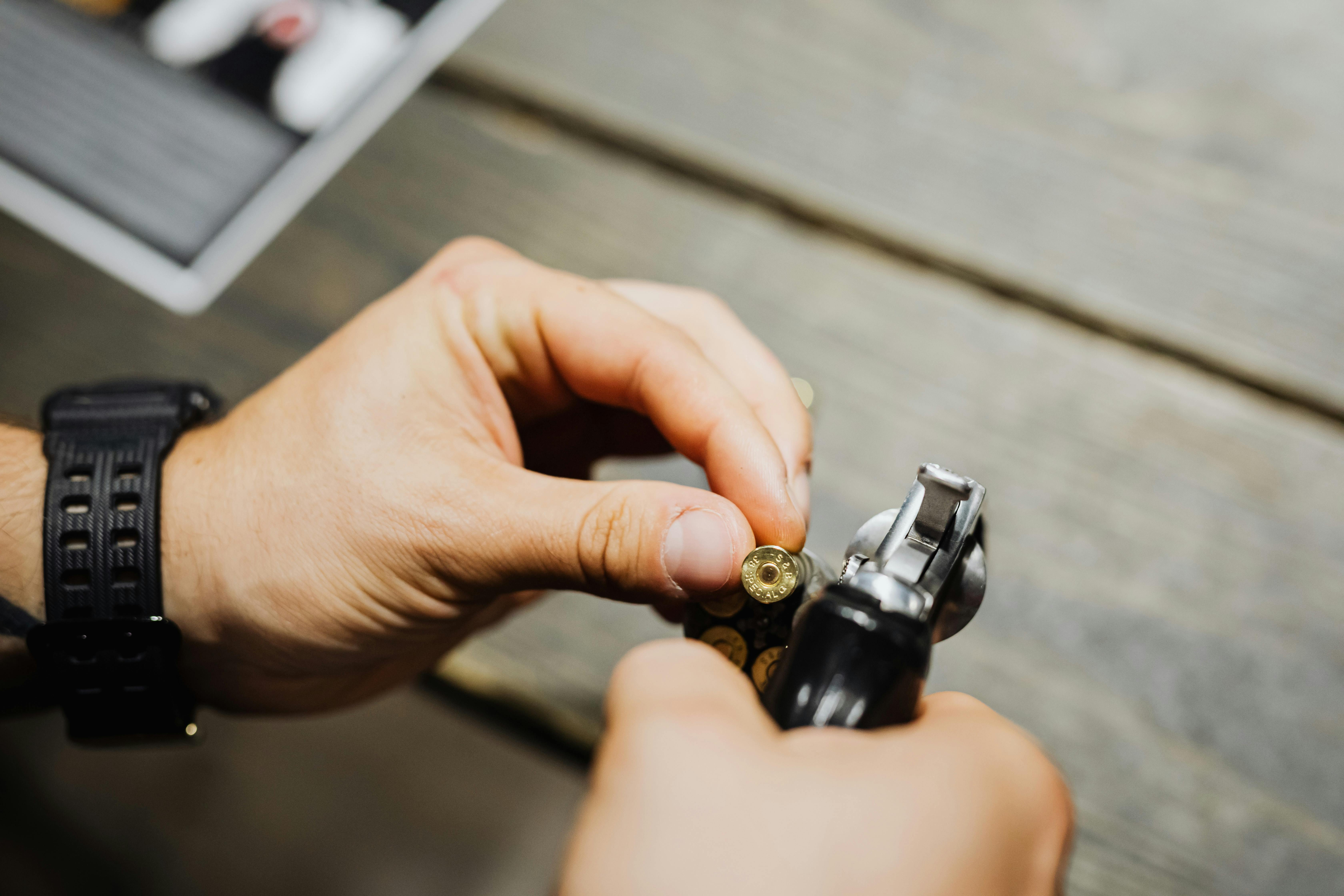
For many seniors, a revolver’s appeal starts with what it does not ask them to do. There is no slide to rack, no magazine to seat, and no separate set of controls to memorize before the gun is ready to fire. That cleaner manual of arms can feel immediately less intimidating.
In a high-stress moment, simpler often feels safer. A long trigger pull and a visible cylinder give many older owners a clearer sense of the gun’s condition. That straightforward design can reduce hesitation and help turn training into muscle memory that actually sticks.
Less hand strength is needed in key moments

Hand strength changes with age, and that matters more than many gear debates admit. Arthritis, reduced grip strength, and limited finger mobility can make operating a semi-auto slide frustrating or even painful, especially during repeated practice sessions.
A revolver avoids one of the biggest trouble spots. Many seniors find that loading the cylinder and pressing the trigger, while not effortless, is more manageable than fighting spring tension on a compact pistol. For people with stiff hands, that difference can be the deciding factor between owning a gun confidently and avoiding practice altogether.
Malfunctions are usually less stressful to clear

Semi-autos can be extremely reliable, but when they do hiccup, the fix often requires a sequence of actions done quickly and correctly. Tap-rack drills sound easy on a range, yet they become another layer of complexity when adrenaline spikes and fine motor skills fall away.
With a revolver, many common interruptions are resolved by simply pressing the trigger again to rotate to the next chamber. That does not make a revolver failure-proof, but it can make problem-solving feel more intuitive. For seniors who prioritize calm, predictable operation, that practical advantage carries real weight.
The gun’s status is easier to see at a glance

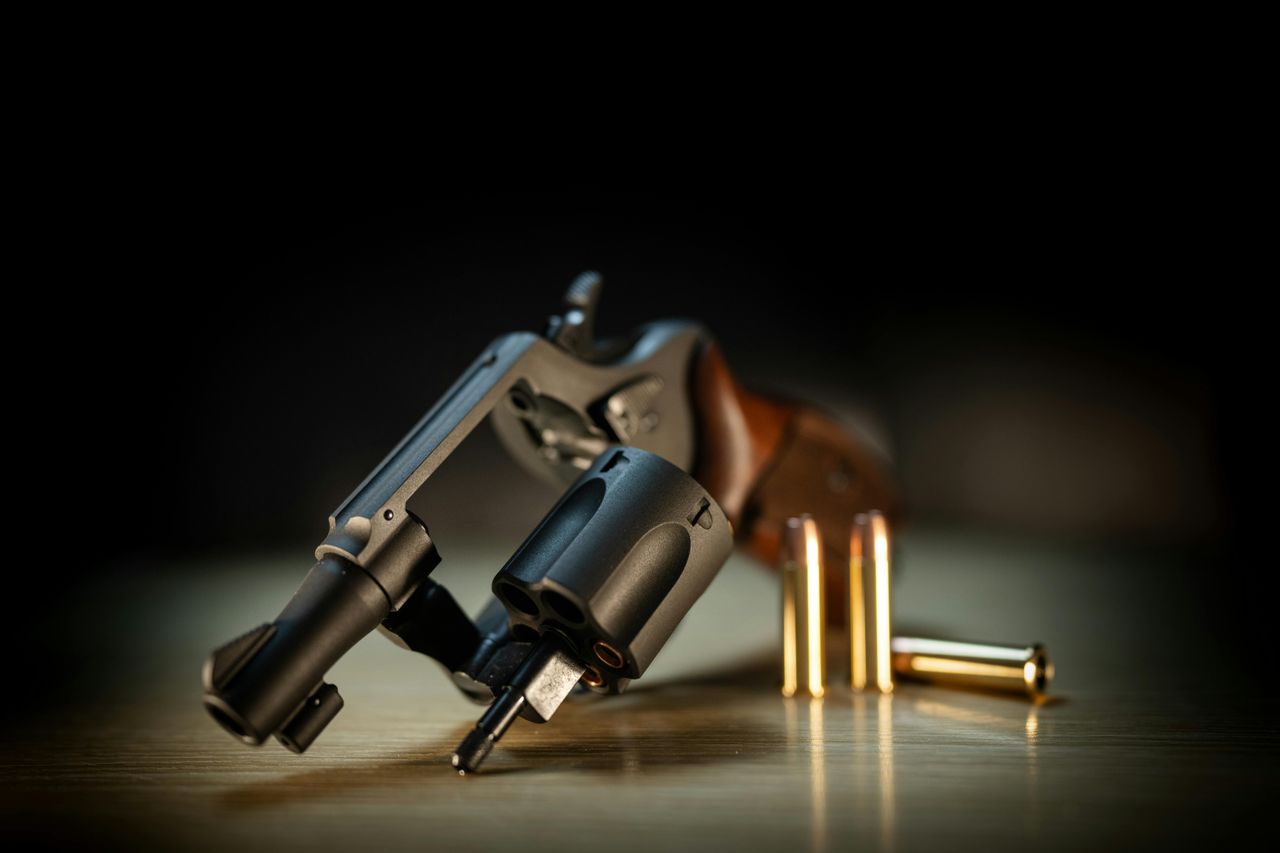
One reason older adults appreciate revolvers is that they tend to be visually honest. Open the cylinder and the condition of the firearm is right there. Loaded or unloaded, it is easier for many people to confirm what they are dealing with without second-guessing themselves.
That visibility can be especially reassuring in households where routine safety checks matter. Seniors who want a firearm they can inspect quickly often value that immediate clarity. It supports safer habits, cleaner storage routines, and a stronger sense of control, which is exactly what many buyers are looking for in the first place.
Recoil can feel more predictable with the right setup

Recoil is not just about power. It is about how the gun fits the hand, how the trigger behaves, and whether the shooter can recover for a second shot without losing confidence. Many seniors who choose steel-frame revolvers say the experience feels steadier and less snappy than some lightweight semi-autos.
That is especially true when the revolver is paired with manageable defensive loads and grips that cushion the hand. The result is not magic, but comfort counts. A handgun that feels controllable tends to get practiced with more often, and that usually matters more than spec-sheet arguments.
Storage and readiness routines are straightforward

Home defense planning is not only about the firearm itself. It is also about what the owner can remember and repeat consistently. Many seniors prefer revolvers because the process of checking, loading, and securing them feels direct, without extra steps involving magazines, slide position, or chamber checks that can seem confusing.
That simplicity can make everyday routines more dependable. Whether the gun lives in a quick-access safe or is handled only during practice, a straightforward system reduces opportunities for mistakes. For older owners who value clear habits over technical complexity, the revolver often fits naturally into the rhythm of home safety.
Practice can feel less intimidating over time

A handgun that feels approachable is more likely to become one that gets used in training. Seniors who start with revolvers often describe a gentler learning curve, partly because the platform asks them to focus on grip, sight picture, and trigger control instead of a longer list of mechanical tasks.
That confidence can compound over time. A person who enjoys practice usually practices more, and more practice tends to build safer, calmer handling. For many older adults, the revolver is not just easier on day one. It stays reassuring after the novelty wears off and real habits begin to form.
A revolver often feels more reassuring under stress

Stress has a way of shrinking attention to the absolute basics. In that kind of moment, many seniors want a tool that feels mechanically transparent and emotionally familiar. A revolver’s reputation for straightforward use can create a sense of calm that is hard to quantify but easy to understand.
Confidence is not a small thing in a defensive firearm. If an older owner believes they can operate the gun correctly without fumbling through extra steps, that belief can improve decision-making. The best choice is often the one a person trusts enough to handle safely and decisively when it counts.
Many grew up with revolvers and trust what they know

Familiarity plays a bigger role in firearm choice than enthusiasts sometimes admit. Many seniors came of age when revolvers were standard issue for police, common in homes, and widely seen as the default defensive handgun. That history shapes comfort, even decades later.
Choosing a revolver is not always about rejecting newer technology. Sometimes it is about returning to a platform that already feels understandable. When a person has old experience, positive memories, or long-standing trust in a certain design, that comfort can translate into safer handling and more regular practice in the present.