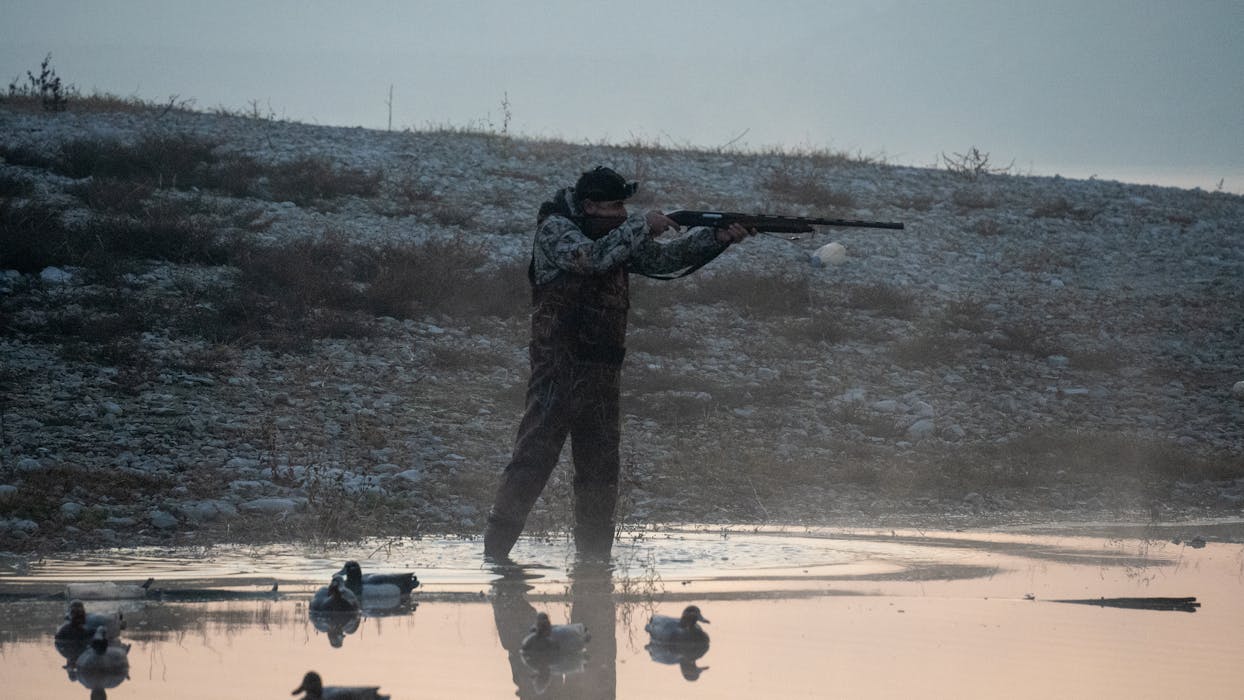
For generations of American waterfowl hunters, a dependable shotgun was simply part of the hunting season. These guns spent years riding in pickup trucks, resting in duck boats, and getting carried through muddy marshes without anyone thinking much about their future collector appeal. Models from Remington, Winchester, Browning, Ithaca and Benelli became familiar sights because they combined practical designs with decades of dependable service. Many were purchased as ordinary hunting equipment, not expensive collectibles. Today, their production history, original configurations, discontinued variations, and surviving condition can make them considerably more interesting to collectors. Some remain common, while particular versions have become increasingly desirable.
1. Remington Model 870
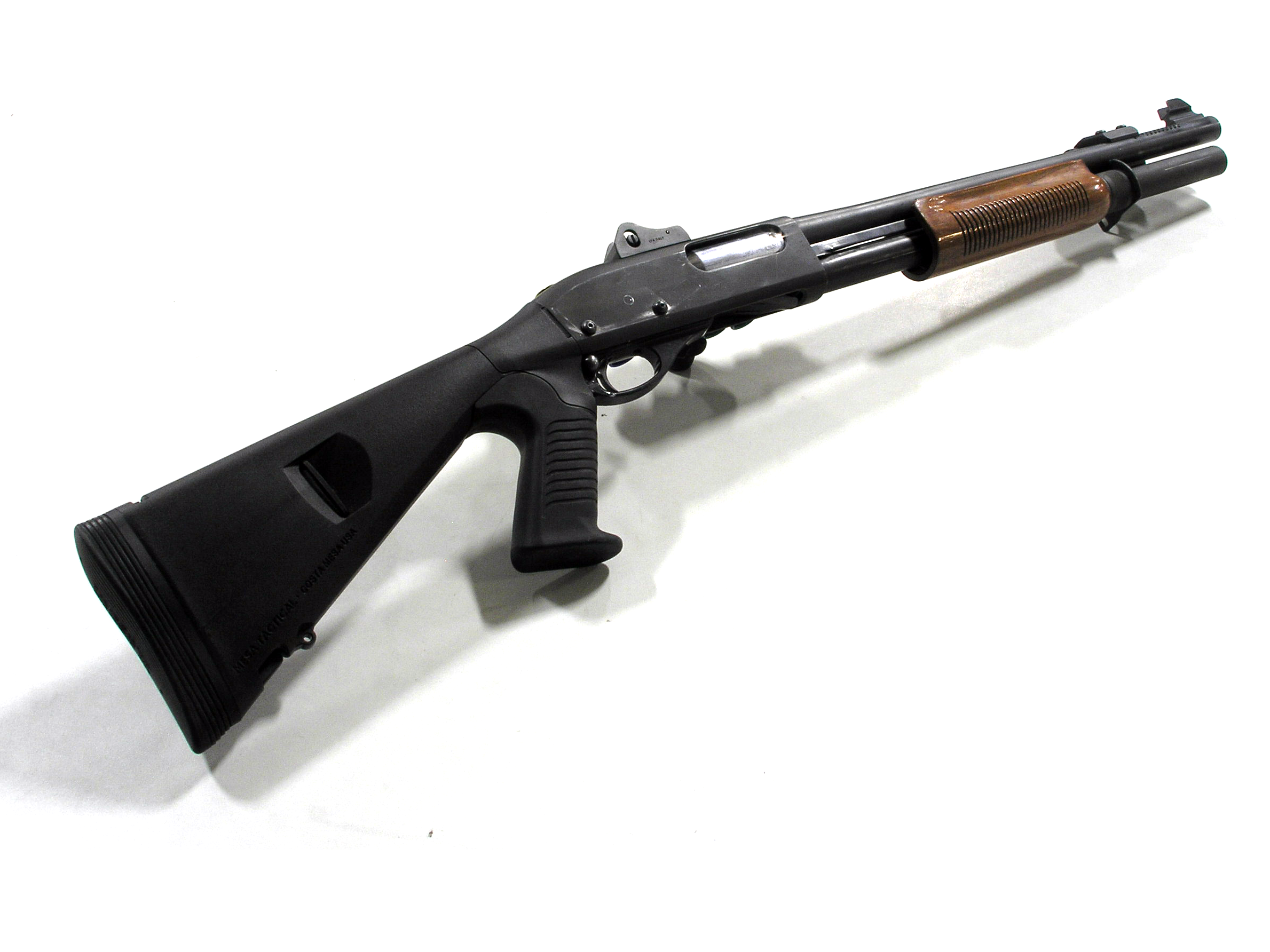
Introduced in 1950, the Remington Model 870 became one of the most familiar pump shotguns in American duck blinds. Its steel receiver, twin action bars, and bottom-loading, side-ejecting design earned a reputation for dependable field service. The 12-gauge version became especially common, while 16-, 20-, and 28-gauge models widened its appeal. Many hunting versions wore a 28-inch barrel, although other lengths and choke options were offered. Huge production numbers meant ordinary 870s often stayed in family closets for decades. Collectors now pay closer attention to early Wingmaster examples, uncommon gauges, original finishes, and sound woodwork than to worn guns with replacement parts.
2. Winchester Model 12
Introduced in 1912, the Winchester Model 12 was a familiar sight in duck blinds long before collectors began treating old hunting guns as investments. Its hammerless pump action, smooth cycling,g and solid steel construction made it a trusted field companion for generations. Winchester produced it in 12, 16, 20, and 28 gauges, with different barrel lengths, choke choices, and special-purpose versions. The 12-gauge field model was especially widespread, and many were used hard rather than carefully stored. Today, condition matters greatly: original bluing, sound stocks, matching configuration, and scarce factory variations can separate a desirable example from an ordinary well-worn hunting shotgun.
3. Browning Auto-5
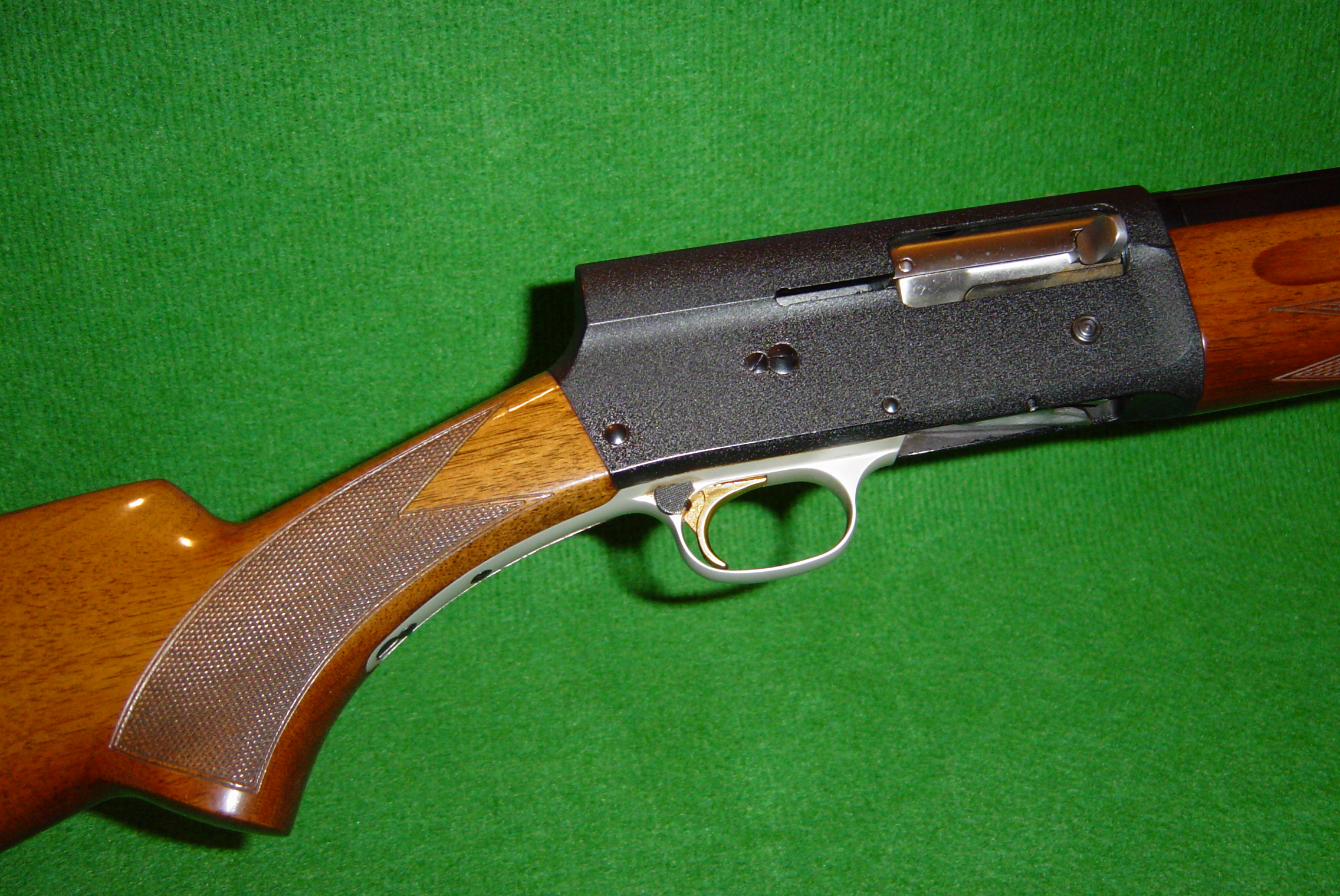
John Browning’s Auto-5 reached the market in 1903 and remained a recognizable waterfowl gun for decades. Its distinctive humpback receiver and long-recoil operating system made it easy to recognize. The 12-gauge version became particularly popular, while 16- and 20-gauge models served hunters seeking a lighter option. Production moved among makers and countries, so markings and manufacturing dates matter when identifying an example. Collectors look closely at original finishes, barrel markings, stock condition,n and production era. A heavily hunted gun may be historically interesting without being especially valuable. These details can change a gun’s appeal considerably.
4. Remington Model 1100
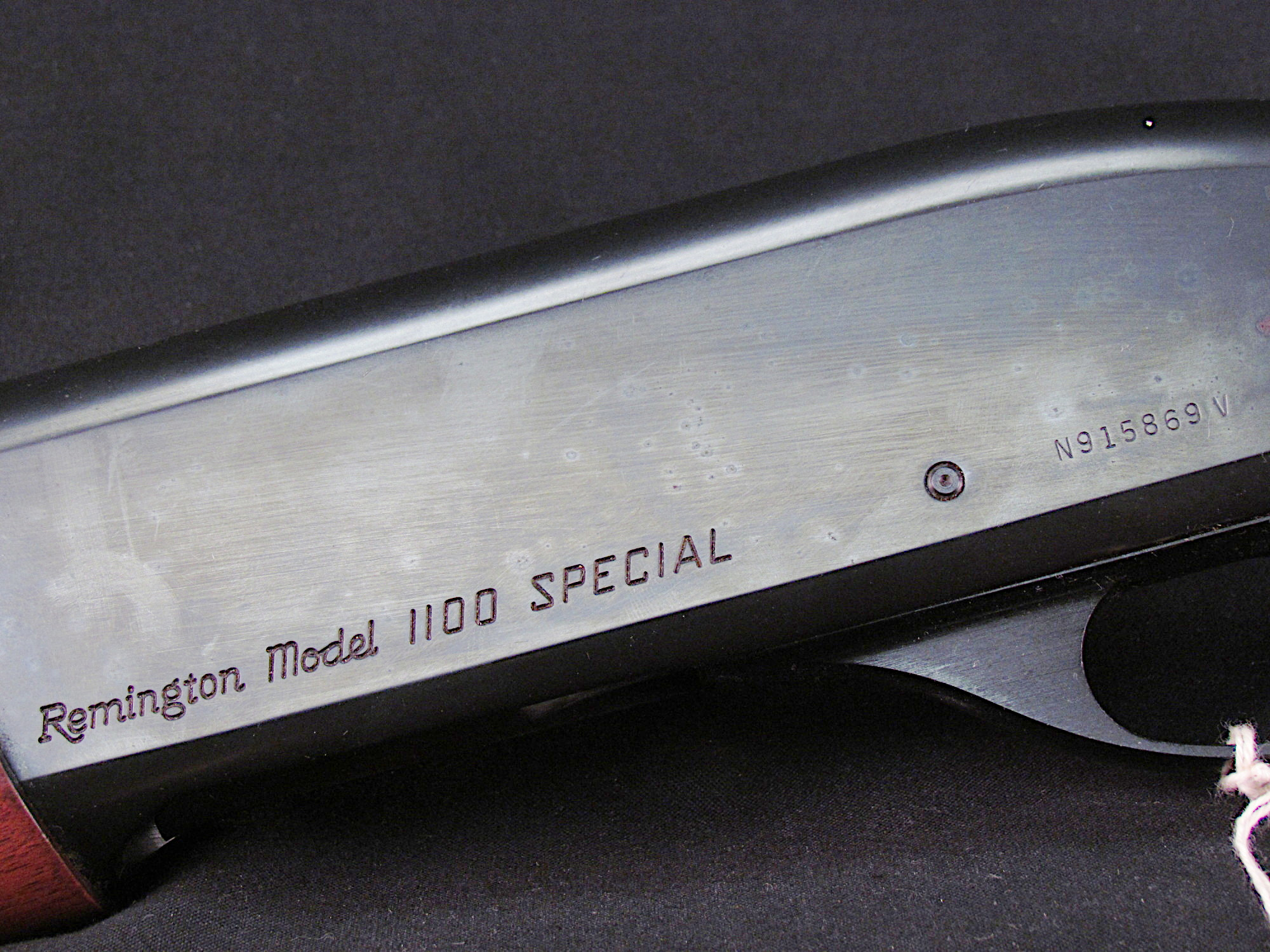
When Remington introduced the Model 1100 in 1963, its gas-operated semi-automatic action offered duck hunters a softer-shooting alternative to many recoil-operated designs. The 12-gauge model became a common sight, followed by versions in 16, 20, 28 gauge and .410 bore. Field configurations appeared with different barrel lengths and choke arrangements, allowing owners to match the gun to local hunting conditions. Its walnut stock and familiar receiver made it a mainstream sporting arm rather than an exotic collectible. Decades of use left many examples showing wear, so collectors favor early production, special editions, scarce gauges,es and guns retaining original parts.
5. Ithaca Model 37
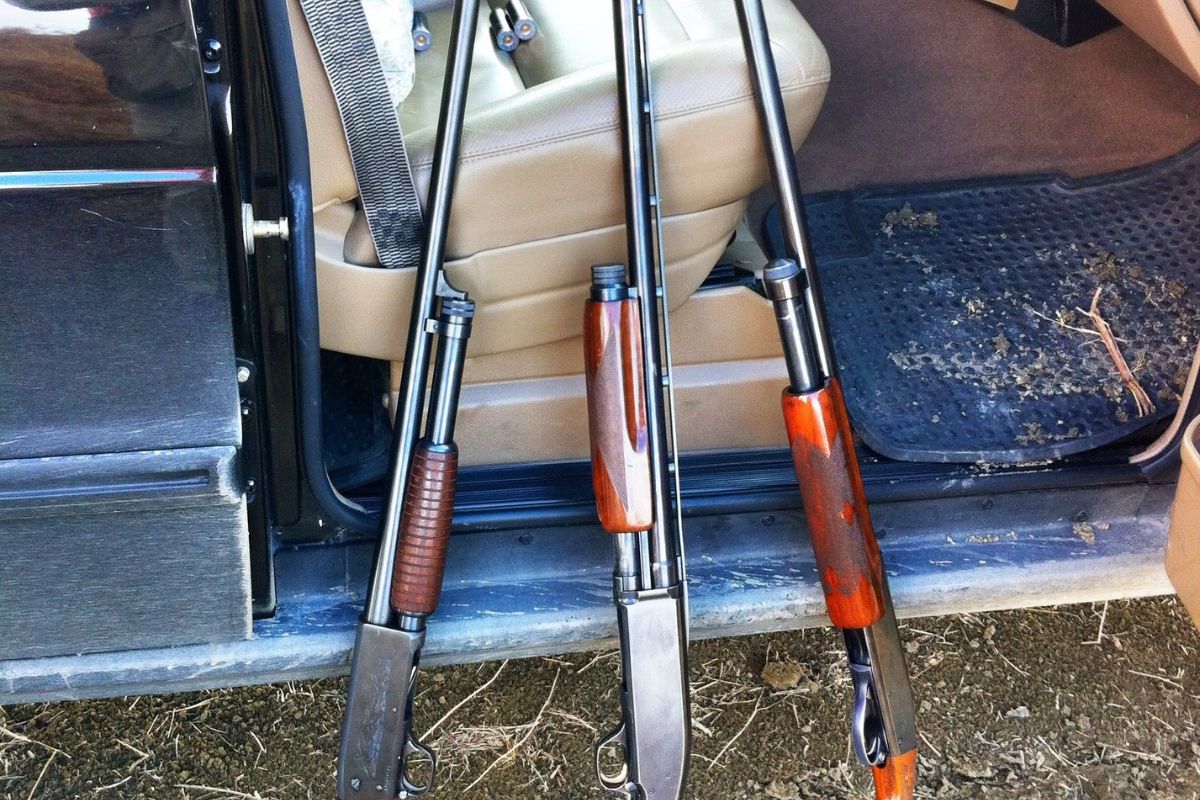
The Ithaca Model 37 entered production in 1937 and earned a following for its bottom-loading, bottom-ejecting pump design. Keeping the ejection port underneath made the action distinctive and useful for right- and left-handed shooters. The 12-gauge was widely used for waterfowl, while 16-, 20-, and later 28-gauge versions added variety. Barrel lengths and choke configurations changed across production periods, so identification matters. Many Model 37s spent years in boats and marshes, so surviving condition varies sharply. Original finishes, unaltered stocks, and less-common factory versions attract more attention than routine, heavily used examples.
6. Mossberg 500

Introduced in 1961, the Mossberg 500 became a workhorse for hunters who wanted a straightforward pump shotgun at a modest price. Its aluminum receiver, twin action bar,s and tang-mounted safety helped distinguish it from steel-receiver competitors. The 12-gauge was common in duck camps, with 20-gauge models also widely available. Interchangeable barrels and factory configurations made the platform adaptable, although buyers should verify barrel compatibility. Because so many were bought as working tools, ordinary used examples remain plentiful. Collectors usually focus on early production, unusual variants,ts and excellent original condition rather than worn field guns.
7. Winchester Model 1200

Winchester introduced the Model 1200 in 1964 as a pump shotgun with a rotating-bolt action and interchangeable barrel system. Its 12-gauge field versions became familiar among hunters through the 1960s and 1970s, while 20-gauge models offered a lighter alternative. The design suited changing seasons and hunting needs, and the later Model 1300 continued the family resemblance. Many 1200s were purchased as affordable working guns, then carried through years of wet-weather use. That history explains why clean examples stand out today. Original wood, intact finish, correct barrels,els and unmodified components matter more to collectors than ordinary signs of honest field wear.
8. Browning BPS

The Browning BPS arrived in 1977, bringing a bottom-loading, bottom-ejecting pump shotgun to hunters who wanted a solid, ambidextrous design. Its steel receiver and top-mounted safety gave it a different feel from lighter, more utilitarian pumps. The 12-gauge version became a familiar choice for waterfowl, with 20- and 10-gauge models and various barrel lengths offered over time. The BPS was not as old as the classic Model 12 or Auto-5, but it became a regular part of late-20th-century duck hunting. Collectors now distinguish standard field guns from discontinued gauges, special finishes, and limited editions, while original condition and complete factory configuration remain important.
9. Benelli Super Black Eagle

Benelli launched the Super Black Eagle in the early 1990s, popularizing 3½-inch 12-gauge semi-automatic shotguns for waterfowl hunting. Its inertia-driven action differed from the gas systems found in many competing autoloaders, with synthetic stocks suited to marsh conditions. The original model could chamber 2¾-, 3-, and 3½-inch 12-gauge shells, offering hunters versatility. Later generations added refinements, so model designation and production period matter when assessing one. These shotguns are newer than many classic collectibles, but first-generation examples in clean, original condition interest dedicated Benelli and waterfowl enthusiasts. Original cases and paperwork can add useful provenance.
10. Beretta A300
Beretta’s A300 family became familiar to shotgun users from the 1960s onward, with gas-operated designs valued for manageable recoil and field use. The 12-gauge versions were commonly configured for hunting, including waterfowl, with varied stocks, barrel lengths,s and finishes. A300 refers to a family rather than one unchanging specification, so the exact model and production era should be checked before comparing examples. Many were bought to be used, not displayed, and decades of field wear are common. Collector interest generally rises with scarce variants, original components, documented history, and well-preserved condition. Factory literature helps confirm details.