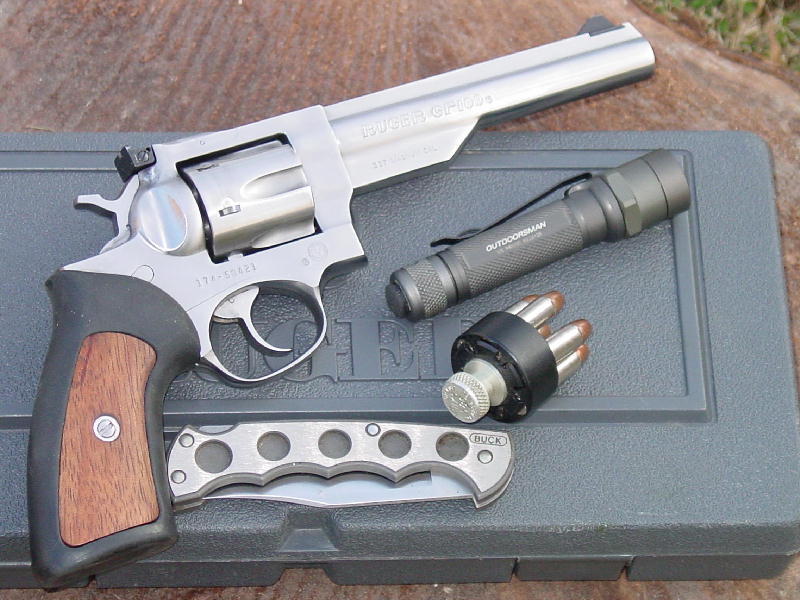
Some rifles spend generations in family homes without ever being fired by the people who inherit them. They may sit in cabinets, remain wrapped in protective covers, or become forgotten reminders of relatives who once considered them valuable possessions. Yet time can give these firearms a different kind of importance. Their historical background, distinctive designs, manufacturing details, and connections to earlier generations make them interesting to collectors today. From traditional hunting rifles to military classics, these 10 examples demonstrate why an inherited rifle can become far more than an unused family possession.
1. Winchester Model 1894
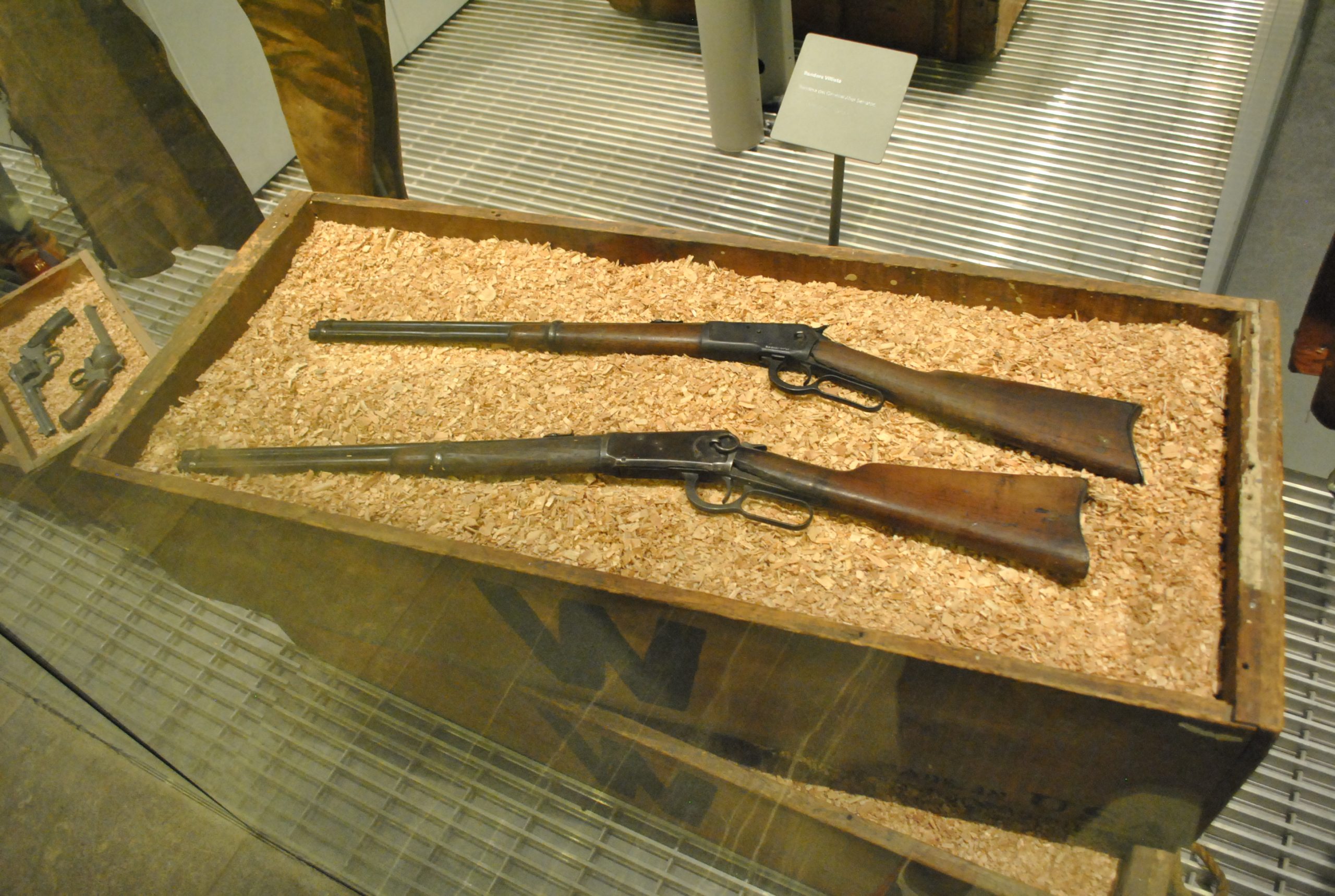
The Winchester Model 1894 is often remembered as a family rifle even when it spent decades untouched in a cabinet. Designed by John Browning and introduced in 1894, it became closely associated with American deer hunting and the .30-30 Winchester cartridge. Many examples have a tubular magazine and a traditional lever-action profile, although details vary by production year and model. A rifle passed down by someone who never used it can still carry a clear story: where it came from, why it was kept, and who cared for it. Collectors value condition, originality, and documented history as much as reputation.
2. Marlin Model 336
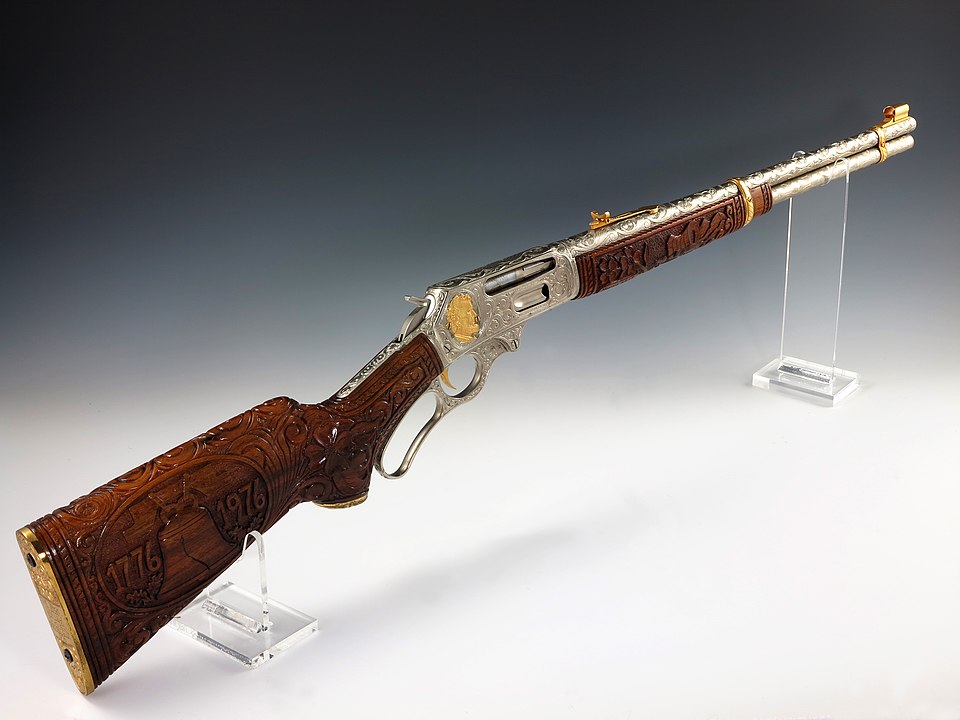
The Marlin Model 336 has a place in many collections because it combines a familiar lever-action shape with a long sporting history. Introduced in 1948, it is most closely linked with the .30-30 Winchester, though other chamberings have appeared. Its side-ejecting design and solid-top receiver distinguish it from several competing lever rifles. An inherited 336 may show honest family wear, or remain remarkably clean after decades in storage. Before assigning value, identify the exact variant, production period, and condition. Small differences matter to collectors, especially when original parts and finish remain intact.
3. Remington Model 700
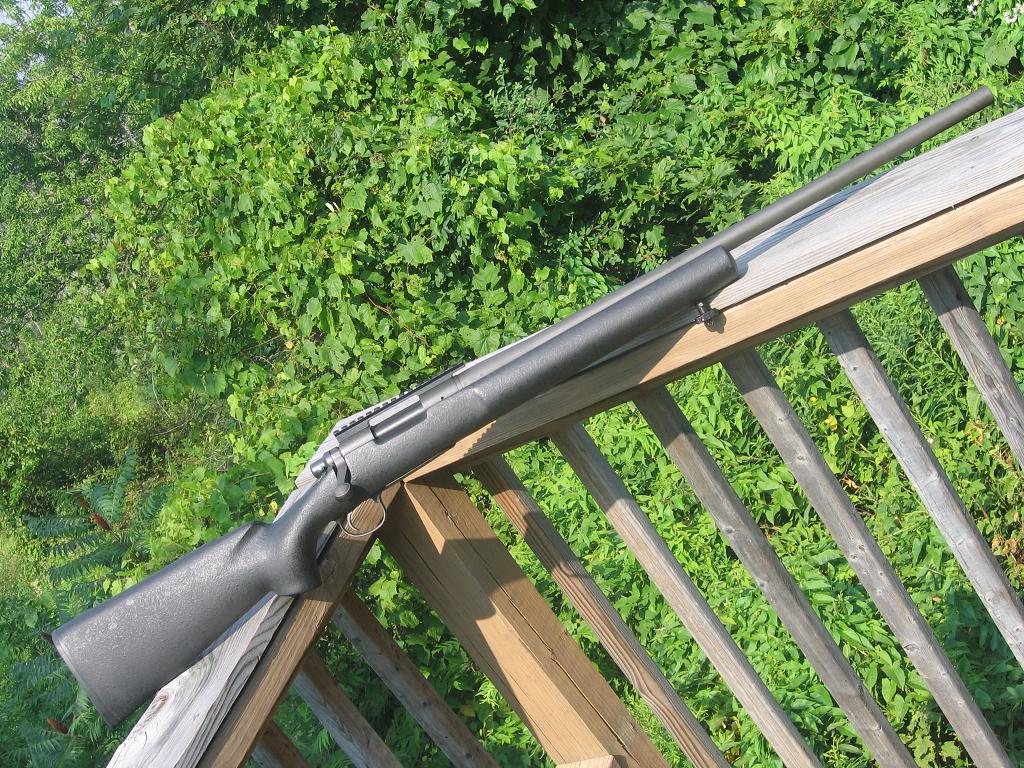
Introduced in 1962, the Remington Model 700 became one of the best-known American bolt-action sporting rifles. Its receiver design influenced generations of hunting and target rifles, and it has been offered in numerous configurations and chamberings. That variety matters when a family example changes hands: a standard hunting version, special edition, and custom-built rifle are not automatically comparable. Owners who appreciate its history often preserve original features, paperwork, and period accessories. Its appeal includes the personal record attached to it, from purchase to careful storage.
4. Ruger 10/22
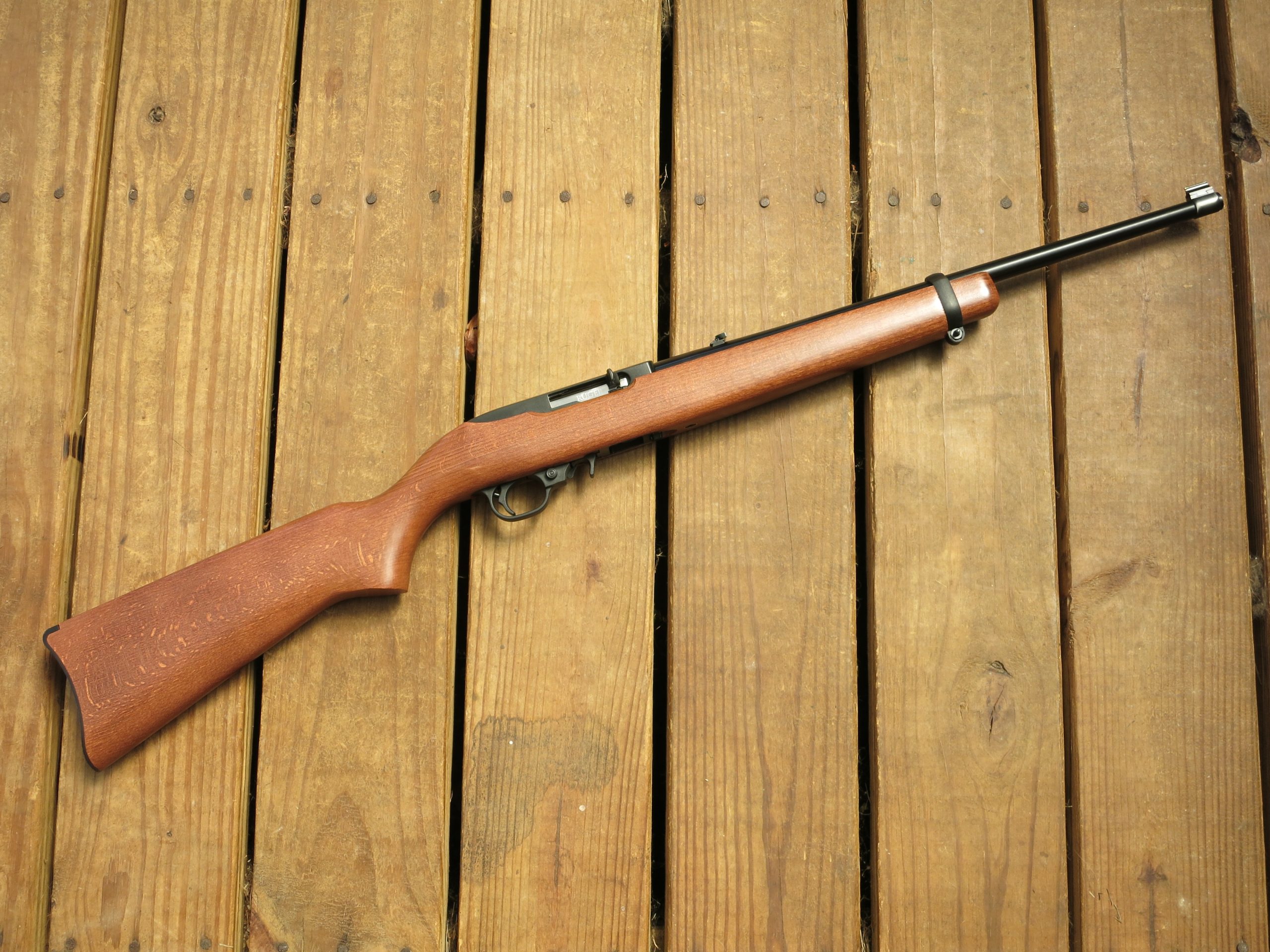
Since its introduction in 1964, the Ruger 10/22 has become a familiar name in the .22 LR sporting-rifle world. Its appeal comes from a straightforward design, modest size, and broad range of factory versions. A family may have kept one for decades without taking it to the range, leaving the next owner with a piece of sporting history. Collectors should distinguish standard models from commemorative editions and older examples, since stocks, sights, finishes, and markings can differ. Even a common 10/22 can be meaningful when its ownership history is known, and its original condition has been carefully preserved.
5. Browning BAR
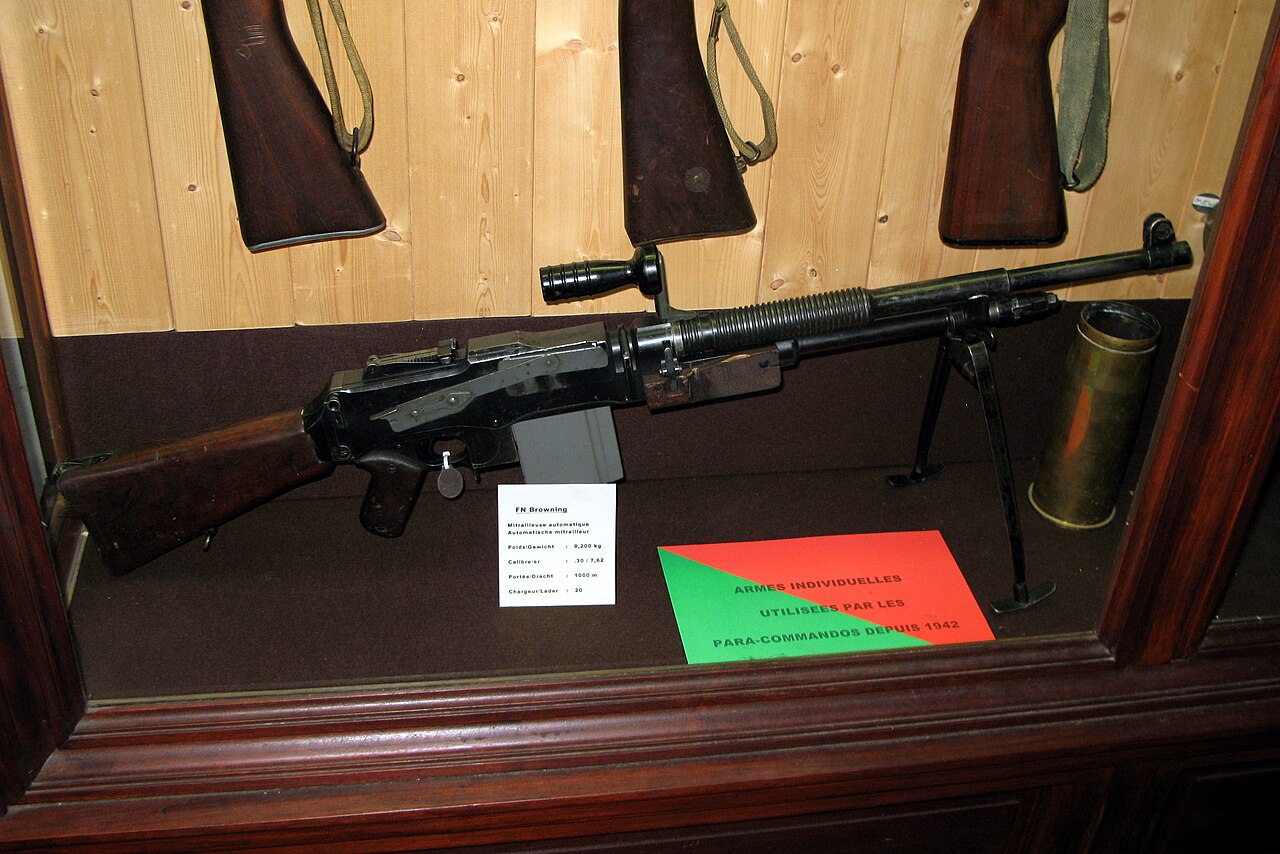
The Browning BAR sporting rifle, introduced in 1967, brought a distinctive semi-automatic design to the hunting market. It should not be confused with the earlier military Browning Automatic Rifle, despite sharing the BAR name. Sporting versions have appeared in several chamberings and generations, with details changing over time. That makes identification important for an inherited example. A rifle that sat unused may retain its original stock and finish, but storage can affect wood, metal, and internal components. Its value to a family collector may rest as much on its place in a hunting tradition as on its make, model, and condition.
6. Savage Model 99
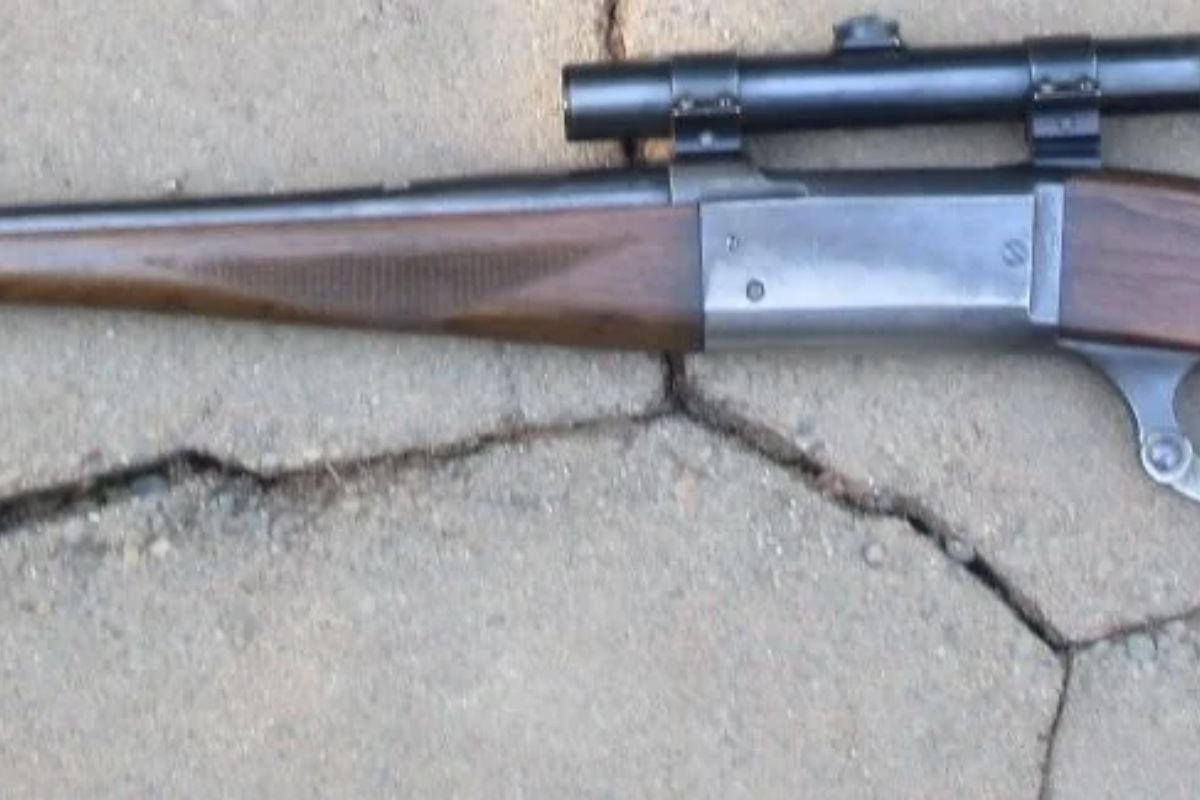
The Savage Model 99 stands apart from many classic lever rifles because of its rotary magazine and distinctive profile. First introduced in the late 19th century, it remained in production for much of the 20th century and appeared in a wide range of chamberings. Details such as safety style, stock shape, and receiver markings can help identify a particular example. A rifle inherited from a relative who never fired it may be especially interesting if its finish and original components remain intact. Collectors look closely at condition and configuration, rather than assuming every Model 99 has the same appeal or value.
7. Lee-Enfield No. 4 Mk I
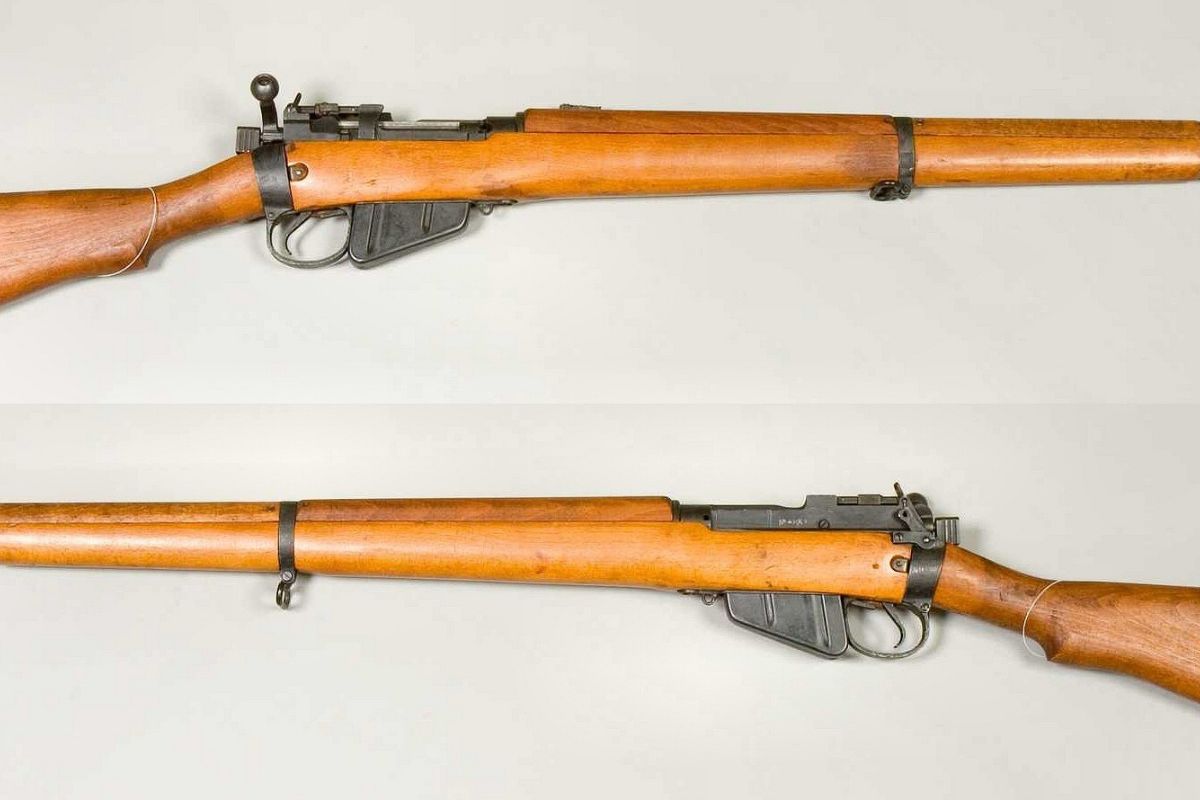
The Lee-Enfield No. 4 Mk I is a major part of British and Commonwealth military history. Adopted in 1939, it served through the Second World War and beyond, and was chambered for .303 British ammunition. Its 10-round magazine and rear-sight arrangement distinguish it from earlier patterns, though wartime and postwar production brought variations. An inherited example may have service history, refurbishment marks, or later civilian changes. Those details deserve careful recording rather than guesswork. For a family collection, the rifle can represent a relative’s military era even if its recipient never fired it.
8. M1 Garand
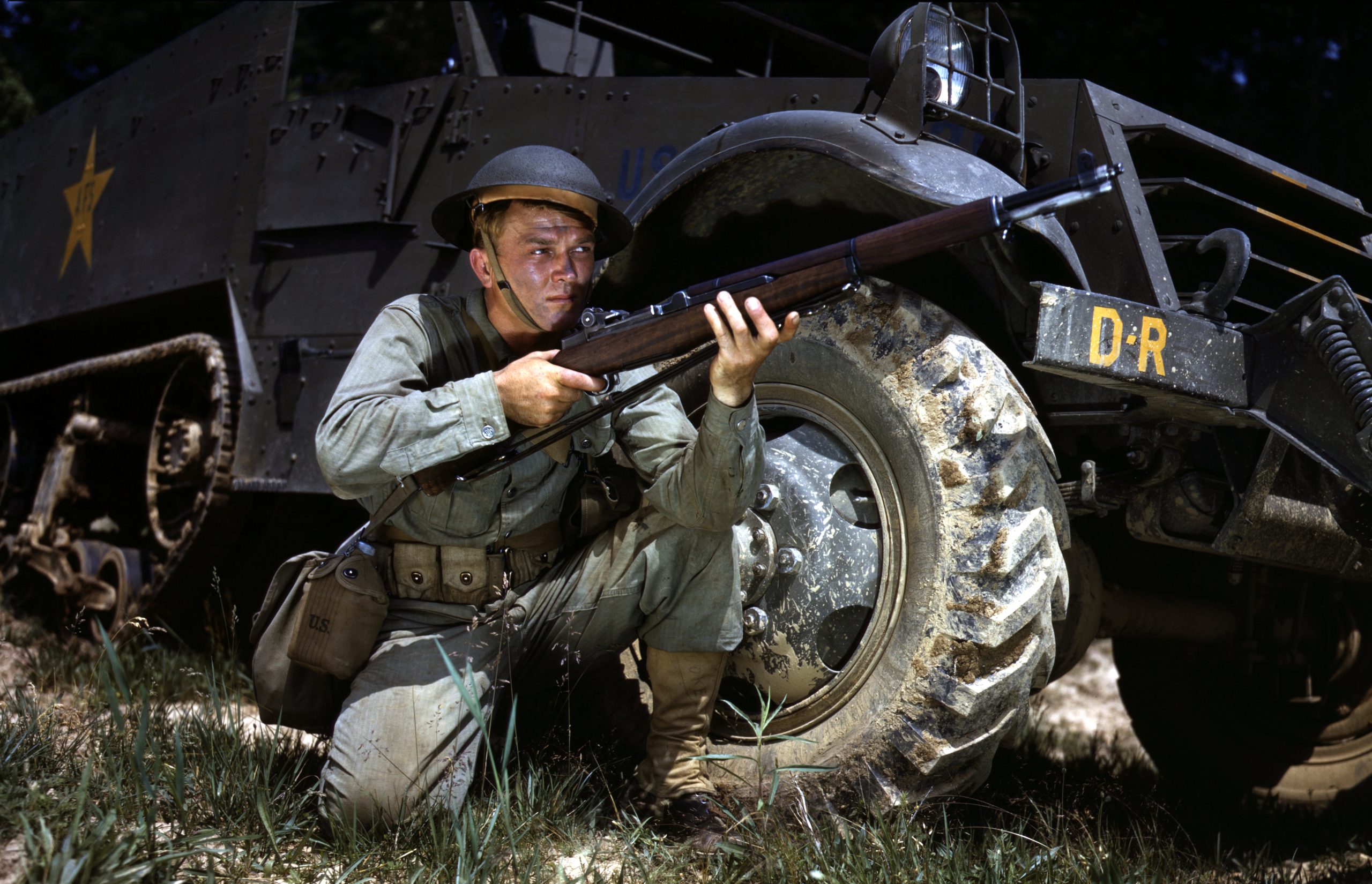
The M1 Garand became the standard U.S. service rifle in 1936 and served in the Second World War and Korean War. Chambered in .30-06 Springfield, it uses an eight-round en-bloc clip and a distinctive gas-operated action. Many surviving rifles passed through military storage, rebuild programs, or civilian ownership, so matching parts and markings can tell a complicated story. An inherited Garand is worth documenting carefully, especially if its stock, receiver, and visible markings appear original. Its historical significance is substantial, but condition and provenance still shape how collectors assess an individual rifle.
9. Springfield Model 1903
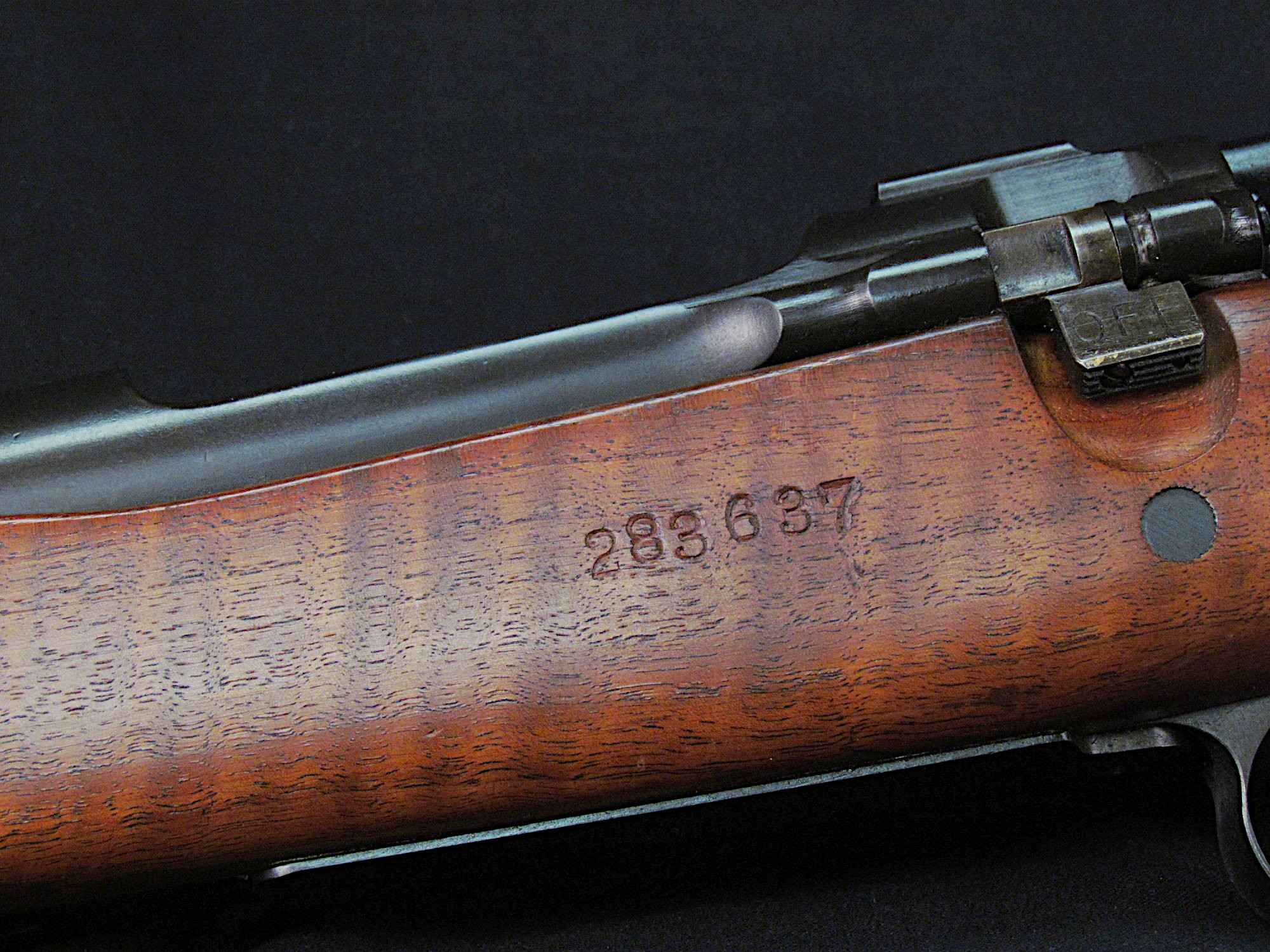
The Springfield Model 1903 served as a U.S. military rifle in the early 20th century and saw use in both World Wars, including specialist roles after newer rifles entered service. It was originally chambered for .30-03 and later standardized for .30-06 Springfield, so configuration matters when identifying an example. Production changes, arsenal work, and later modifications can make similar rifles carry different histories. A family-owned 1903 may preserve a link to a particular generation, even if it remained unfired. Collectors value careful documentation, correct identification, and honest condition over dramatic claims about rarity.
10. CZ 452
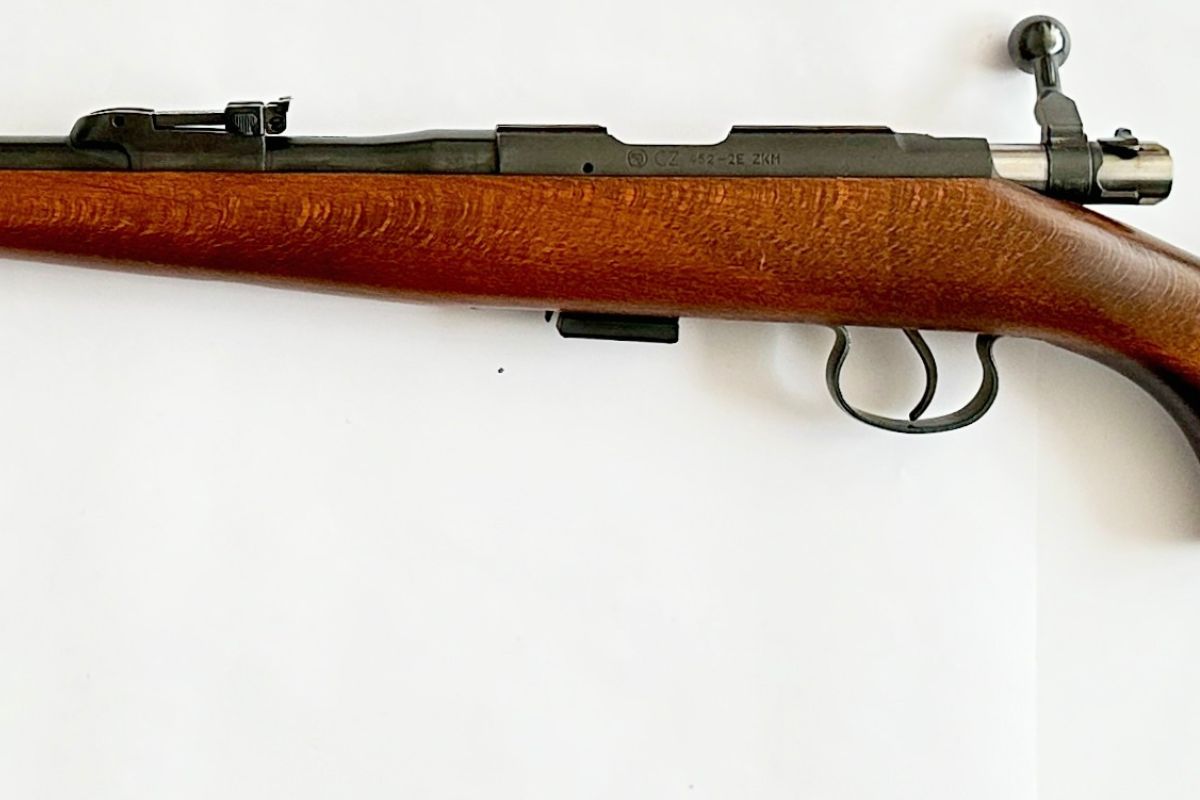
The CZ 452 is a respected bolt-action rimfire rifle introduced in the 1950s and produced in several versions before newer models succeeded it. Common chamberings included .22 LR, .22 WMR, and .17 HMR, depending on variant and market. Its traditional styling, steel construction, and reputation for accuracy helped it build a loyal following among sporting-rifle owners. An example passed down unused may be valued for its condition, but the precise model designation and original features still matter. A careful owner records its markings and history, stores it securely, and avoids treating age alone as proof of rarity or exceptional worth.