Old hunting photographs do more than document a day outdoors. They preserve ideas about status, survival, sport, and the way people once related to wildlife. These images offer a fascinating window into another era, when heavy wool, wooden gear, and posed trophies told a very different story than they would today.
Victorian Gentlemen in the Field
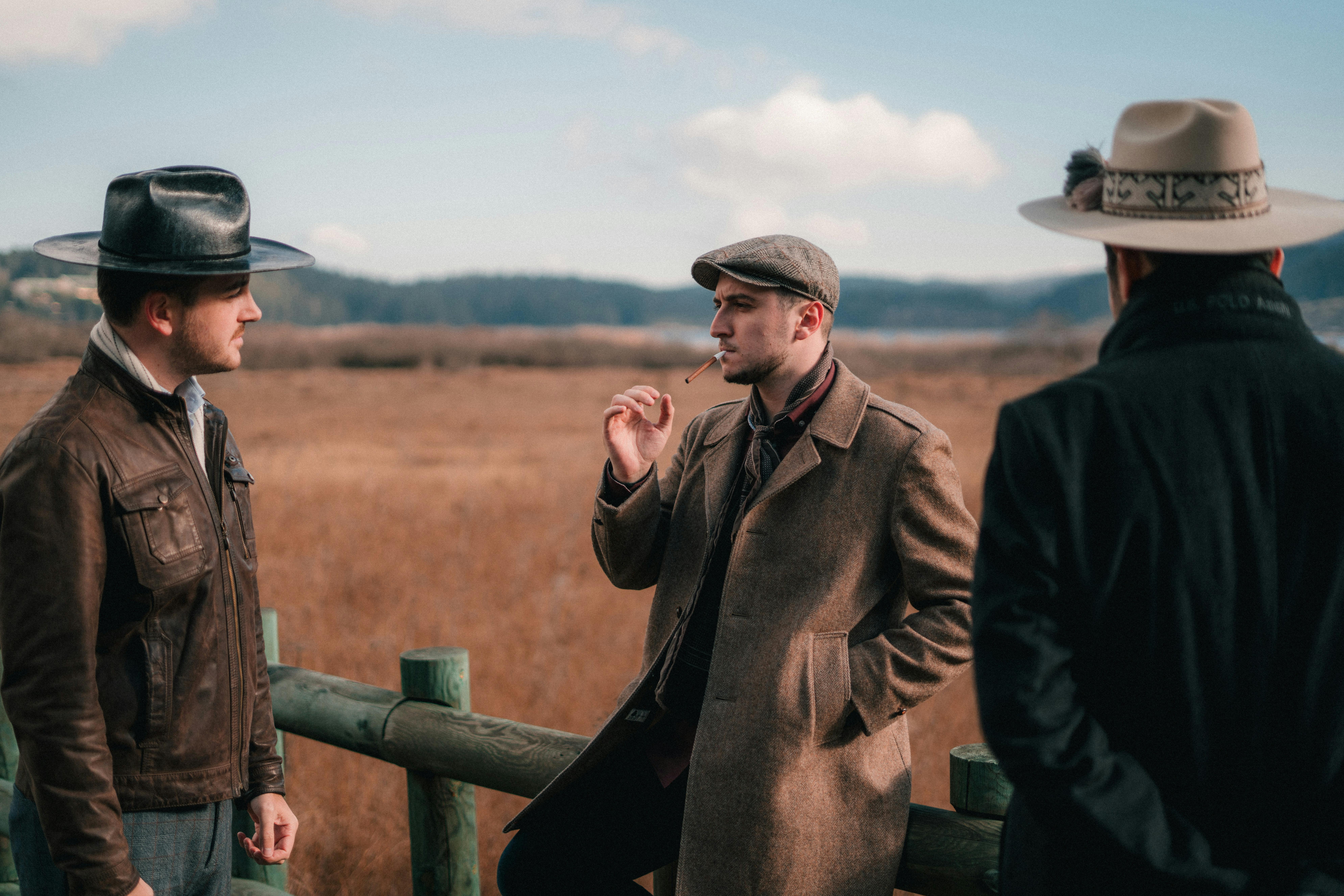
In many late 19th century hunting photos, the first thing you notice is not the game but the clothing. Tailored jackets, high boots, brimmed hats, and carefully arranged poses made these outings look almost ceremonial, as if the field were an extension of the drawing room.
These images often reflected class as much as recreation. Hunting was presented as discipline, leisure, and social standing all at once, with every detail composed for the camera.
Seen now, the photographs feel formal and distant, yet they reveal how tightly identity and outdoor sport were once intertwined.
Market Hunters and a Vanished Trade

Some of the most striking historic hunting images show market hunters standing beside piles of ducks, geese, or other game destined for sale. The scale can be startling today, especially when viewed through a modern conservation lens.
These photos come from a time when wild meat filled urban markets and hunting was often a commercial enterprise rather than a weekend pastime. Success was measured in volume, not restraint.
That is part of what gives these images their uneasy power. They document an economy built on abundance, just before many species began paying the price for it.
Waterfowl Camps on the Marsh
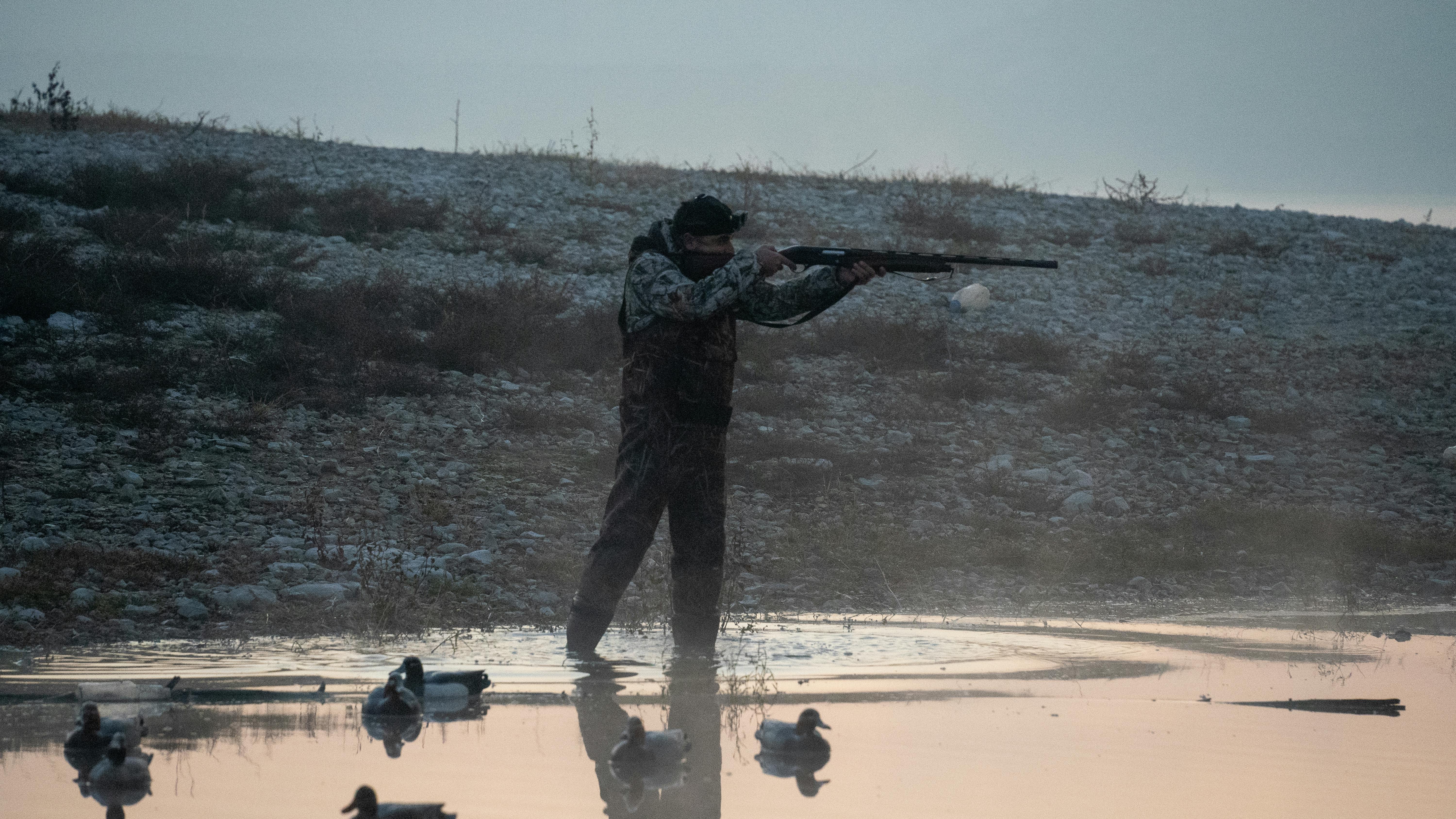
Old marsh photographs have a distinctive atmosphere. There are low boats, rough blinds, bundled hunters, and retrievers waiting at the edge of cold water, all wrapped in fog or pale morning light.
These scenes capture the patience built into waterfowl hunting long before synthetic gear and modern camouflage. Canvas coats, handmade decoys, and wooden skiffs suggest a slower, more tactile world.
Even when the images are posed, they still carry the mood of the wetlands. You can almost feel the damp air and hear the quiet before the birds arrive.
Big Game Expeditions Abroad
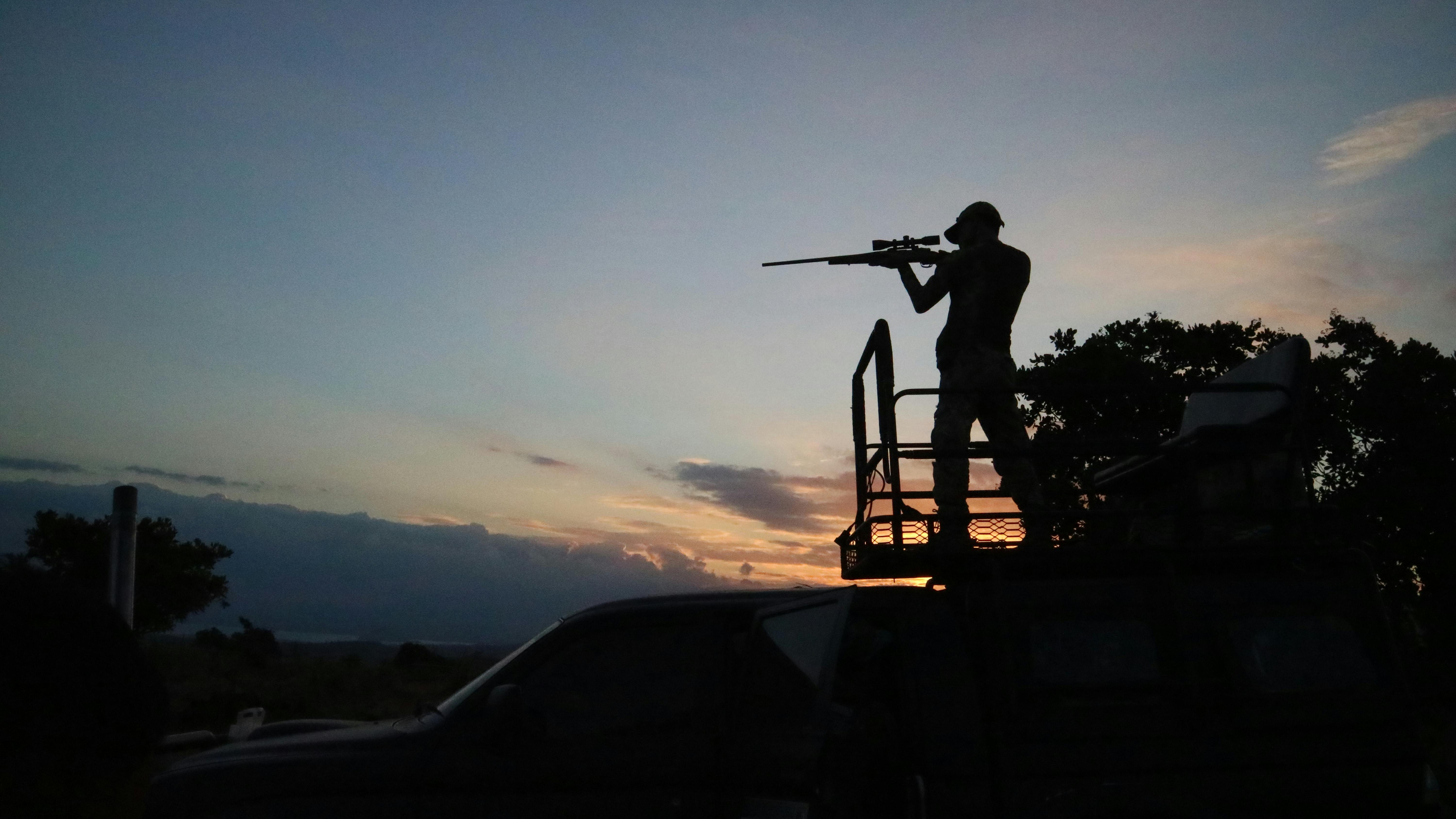
Photographs from overseas big game expeditions were often designed to impress. Hunters posed beside lions, elephants, or antelope with rifles held upright, guides nearby, and the landscape stretching behind them like proof of conquest.
For audiences back home, these images projected adventure, wealth, and imperial reach. They turned distant places into stages where endurance and dominance could be performed for the camera.
Today, they are harder to look at without mixed feelings. Their historical value is undeniable, but so is what they reveal about power, spectacle, and the era’s attitudes toward wildlife.
Women Hunters in Early Portraits

Historic photos of women hunters can be especially revealing because they complicate easy assumptions about the past. Some show women in skirts and fitted jackets holding shotguns or standing beside dogs, fully part of the outing rather than mere spectators.
The pictures often carry a careful balance of convention and independence. They are styled enough to satisfy the social expectations of the day, yet confident enough to suggest real skill and participation.
That tension makes them memorable. They hint at lives that did not fit neatly into the narrow roles many people imagine when they picture outdoor culture a century ago.
Hounds, Horses, and Ritual

Few hunting photographs feel as theatrical as those centered on hounds and horses. Riders line up in polished boots, packs of dogs cluster in front, and everyone appears to be waiting for a signal that matters as much socially as it does practically.
These images emphasize tradition and pageantry. The hunt was not only an outdoor pursuit but a ritual shaped by etiquette, costume, and community standing.
Modern viewers may focus on the choreography as much as the chase itself. In photo after photo, the animals and riders become part of a larger visual code that announced belonging to a particular world.
Frontier Survival and Subsistence
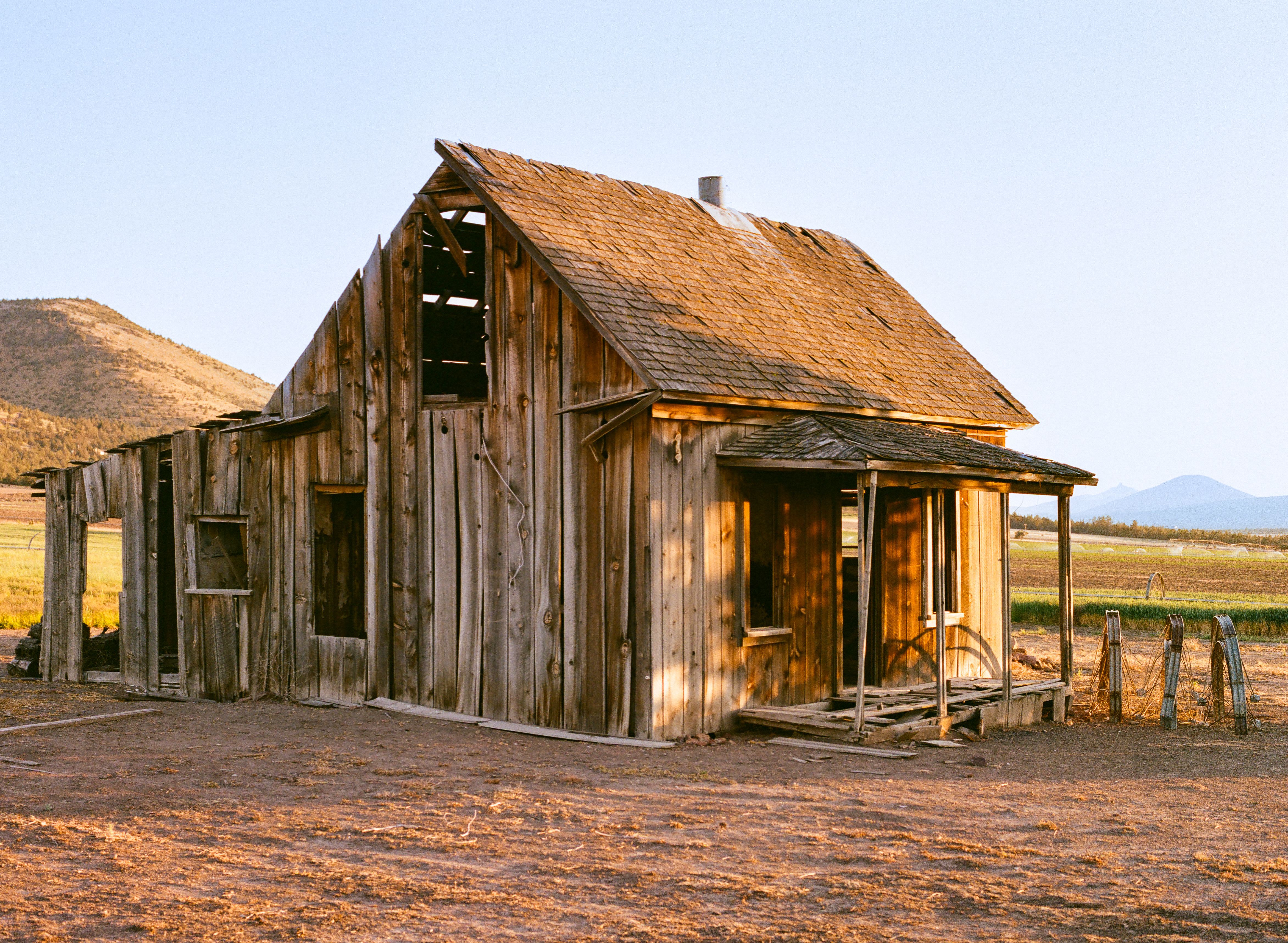
Not every old hunting photograph was about status or sport. Some of the most direct images show hunters in rough cabins, snowy camps, or remote settlements where game meant food, hides, and a better chance of getting through winter.
The mood in these pictures is usually more practical than triumphant. Equipment looks worn, poses are less polished, and the setting tells you that effort and necessity were close companions.
That distinction matters. Historic hunting culture was never just one thing, and these survival-oriented scenes remind us that for many people, the stakes were far more immediate than recreation.
Children Learning the Tradition
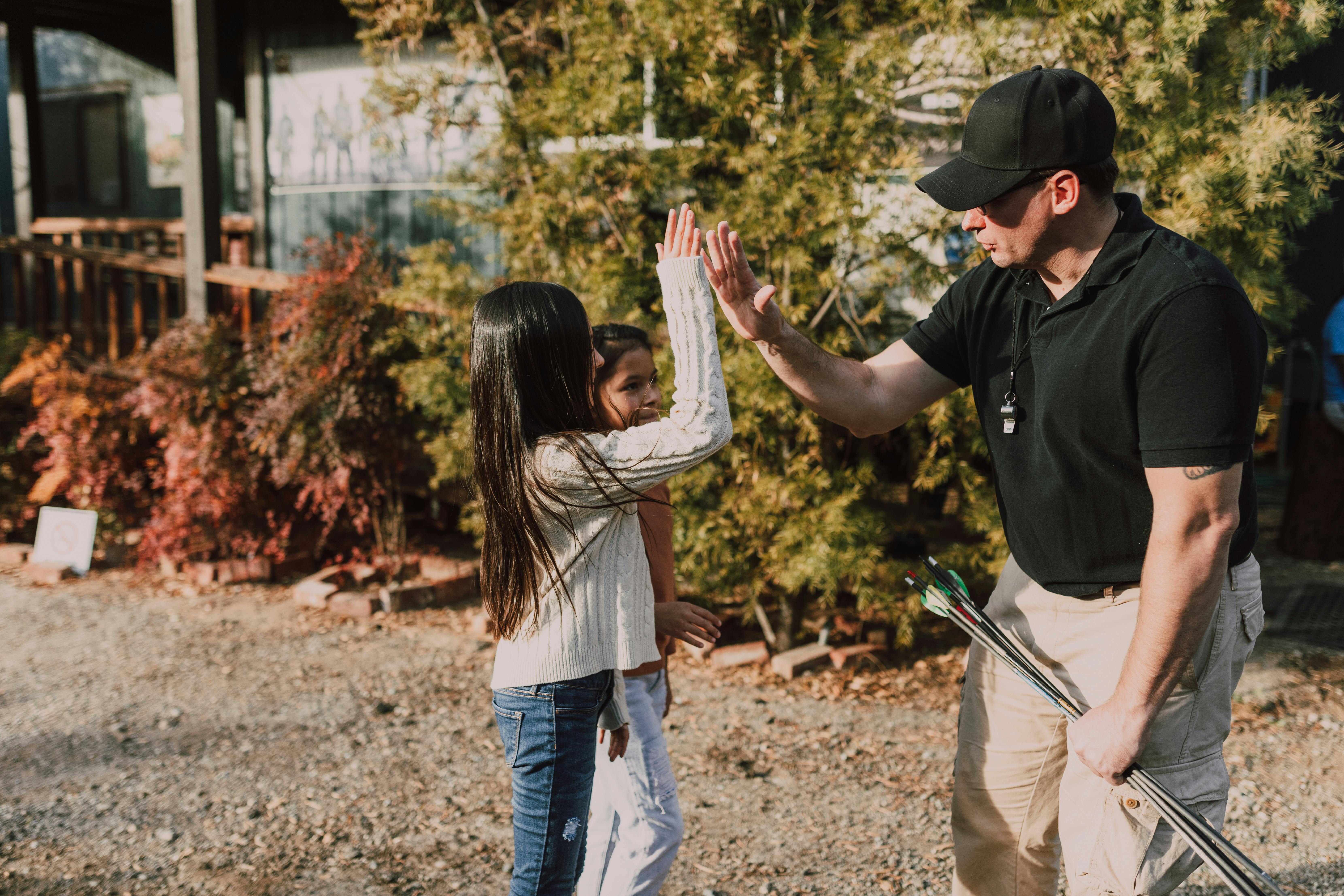
Archival hunting photos that include children can feel especially layered. On one level, they are family pictures, full of pride, instruction, and the quiet desire to pass skills from one generation to the next.
On another level, they show how deeply hunting traditions were woven into daily life. A child holding a small rifle, standing beside a parent, or helping with dogs signals apprenticeship as much as memory-making.
These images can be tender, but they also invite questions about values and inheritance. They show culture being taught in real time, long before anyone imagined these moments would become historical artifacts.
Trophy Rooms and Studio Poses
Some historic hunting photos moved indoors, where trophy heads, skins, and mounted birds transformed parlors and lodges into displays of memory and prestige. In these settings, hunting became part collection, part storytelling, and part interior design.
Studio portraits worked in a similar way. A rifle, a dog, or a carefully placed antler set could signal accomplishment even outside the landscape where the hunt occurred.
What stands out now is how deliberately these images framed success. They were less about the messy reality of the field and more about shaping a lasting narrative that others would admire.
The Shift Toward Conservation

By the early 20th century, hunting photos began to reflect changing ideas. Alongside traditional trophy poses, you also start to see game wardens, regulated camps, and sportsmen presenting themselves as stewards of wildlife rather than simply consumers of it.
This did not happen overnight, and the transition was often uneven. Still, the visual record shows a culture slowly responding to depleted populations, new laws, and the growing influence of conservation groups.
That is what makes these later images so important. They capture a turning point when hunting started to be publicly defined not just by harvest, but by responsibility and restraint.