The Savage Axis is widely known for being affordable, accurate, and dependable, which is why many deer hunters choose it as their primary rifle. On paper, it seems like an ideal all-day companion in the woods. However, carrying any rifle for hours across uneven terrain reveals issues that are not obvious at the range or during short hunts. Weight distribution, stock design, balance, and small comfort details become increasingly important as the day goes on. What feels acceptable for the first hour can become frustrating by mid-afternoon. The following points highlight real-world challenges hunters experience when carrying a Savage Axis from dawn to dusk, especially during long deer hunts that involve constant movement and waiting.
1. Front Heavy Balance Causes Early Fatigue
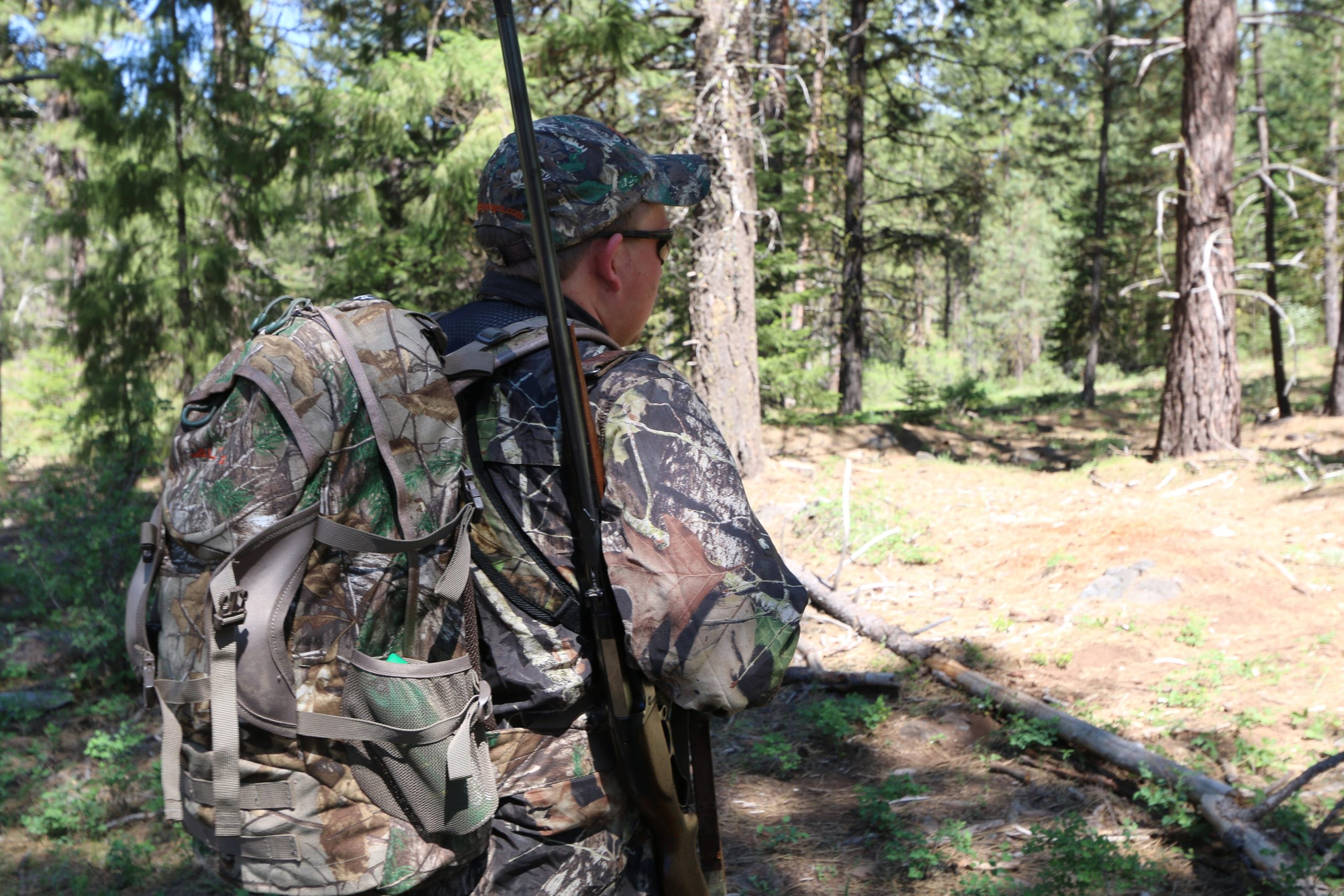
One of the most common issues hunters notice is the front-heavy balance of the Savage Axis. While the rifle itself is not excessively heavy, the weight distribution leans forward, especially when a scope is mounted. Over hours of still hunting or slow walking, this imbalance strains the support arm and shoulder. The fatigue builds gradually, often without being noticed until accuracy and comfort decline. Holding the rifle at a ready position becomes tiring faster than expected. This leads to frequent position changes that disrupt focus and rhythm. Over an entire day, the uneven balance makes the rifle feel heavier than it actually is, especially in hilly or wooded terrain.
2. Synthetic Stock Lacks Long-Term Comfort
The factory synthetic stock is durable and lightweight, but comfort is not its strongest quality. When carried all day, the narrow grip and rigid contours begin to feel unforgiving. Cold weather amplifies the issue, as the stock transfers chill directly into the hands. During long sits, the lack of ergonomic shaping causes hand stiffness and wrist fatigue. The hard surface also presses against the shoulder and back when slung, creating pressure points. While acceptable for short outings, the stock design becomes noticeable over extended hunts. Hunters often realize that small comfort compromises add up significantly when the rifle stays in hand for hours.
3. Sling Attachment Points Feel Awkward
Carrying a rifle all day usually means relying heavily on a sling. The Savage Axis sling studs are functional, but their placement can feel awkward during long carries. The rifle tends to twist or hang at an angle that causes it to bump the leg or snag brush. Over time, this constant movement becomes irritating and distracting. Adjusting the sling helps, but it rarely eliminates the issue. When transitioning between walking and shouldering the rifle, the awkward balance slows movement. This can matter during fleeting deer sightings. What seems like a minor annoyance early on becomes a repeated frustration after hours in the field.
4. Light Barrel Heats and Shifts Point of Impact
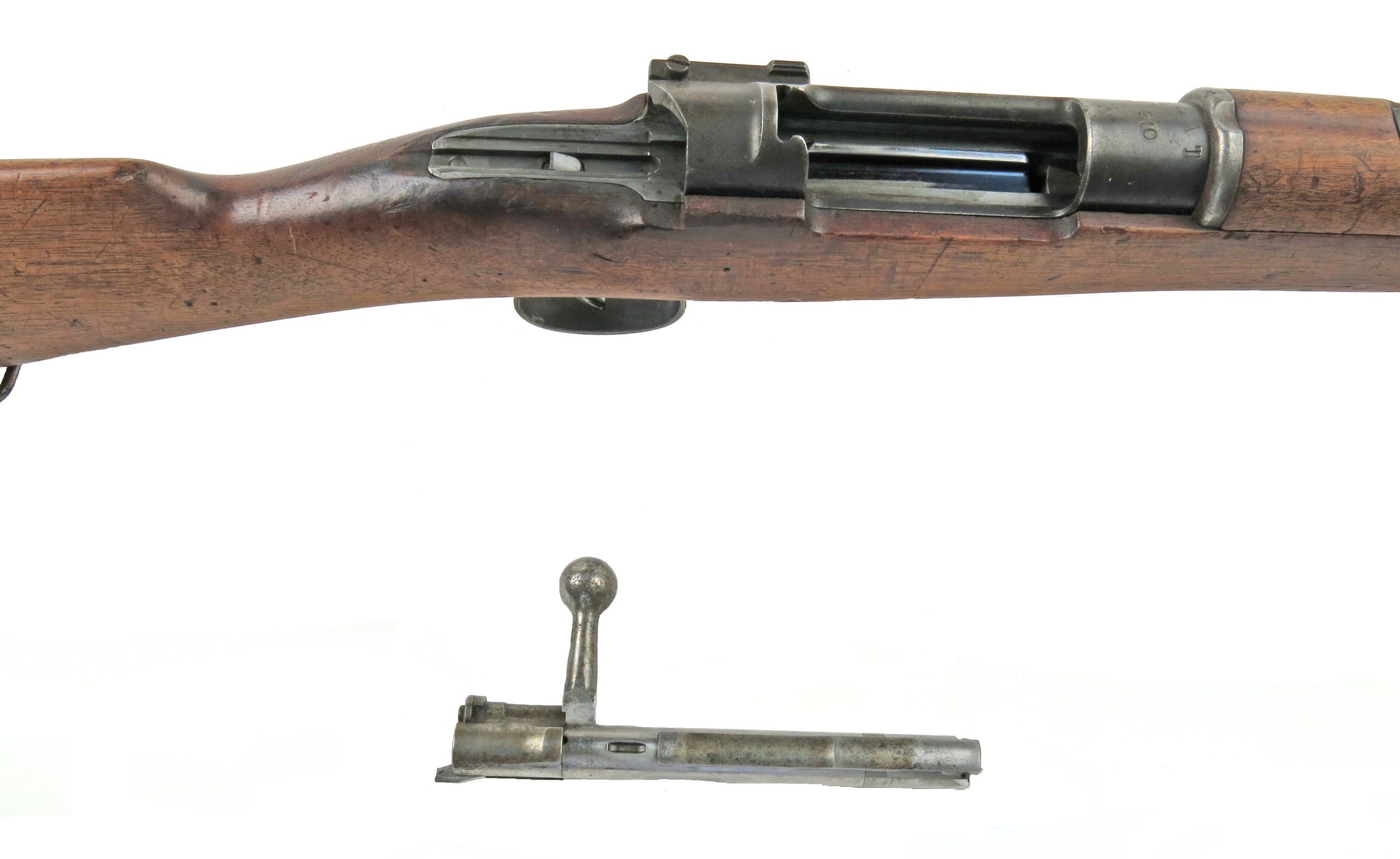
The thin barrel profile helps keep overall weight down, but it introduces challenges during extended hunts. When walking long distances, the barrel is exposed to temperature changes and physical contact. After a few shots or prolonged sun exposure, the point of impact can subtly shift. While deer hunters rarely fire many rounds, confidence matters. Doubt about consistency can affect decision-making. Carrying the rifle all day also increases the chance of bumping the barrel against branches or rocks. Even minor impacts can increase worry about zero. This mental distraction grows over time and detracts from focus during critical moments.
5. Bolt Feel Becomes Noticeable Over Time
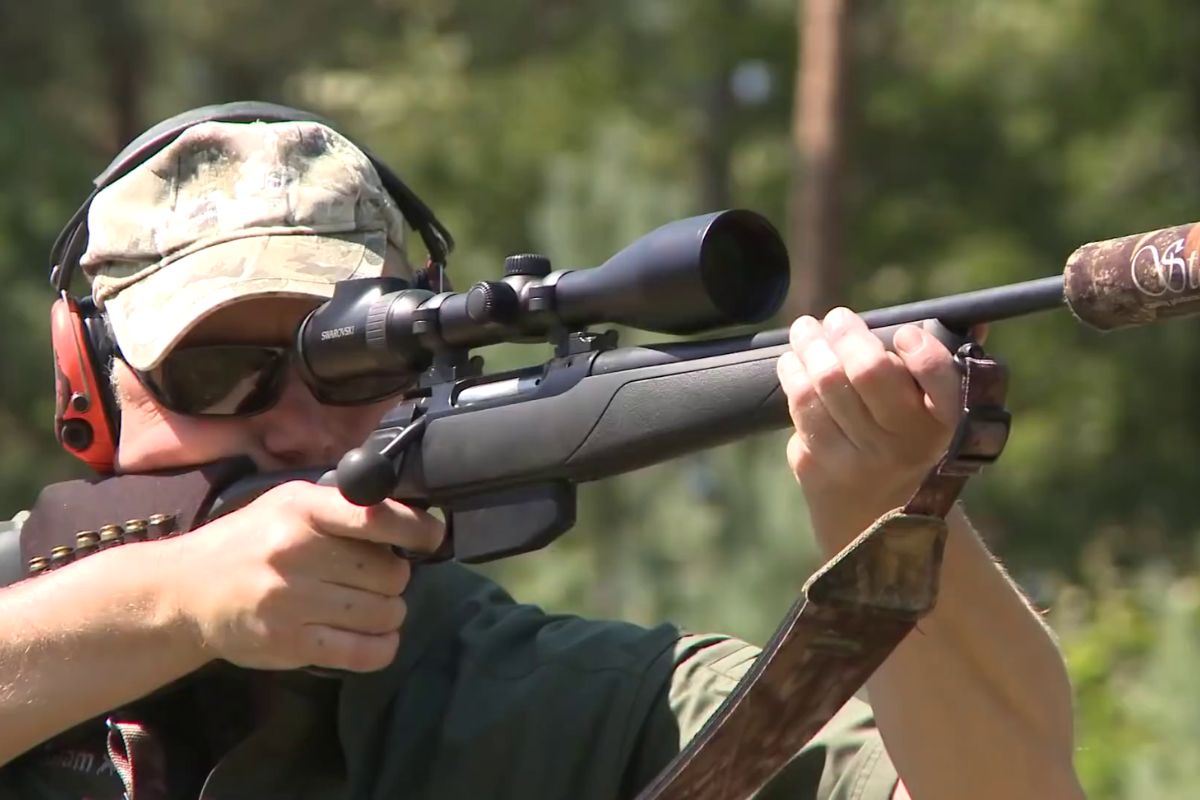
The Savage Axis bolt functions reliably, but it is not the smoothest action available. Early in the day, the stiff feeling is easy to ignore. As hours pass and hands tire, the resistance becomes more noticeable. Quietly cycling the bolt during cold conditions can feel awkward and loud. This matters when deer are nearby, and movement must stay controlled. The effort required to operate the bolt repeatedly adds to hand fatigue. While the rifle remains dependable, the tactile experience becomes less pleasant over time. Hunters who spend long days afield become more aware of how small mechanical resistance affects overall comfort.
6. Recoil Pad Offers Limited Cushioning
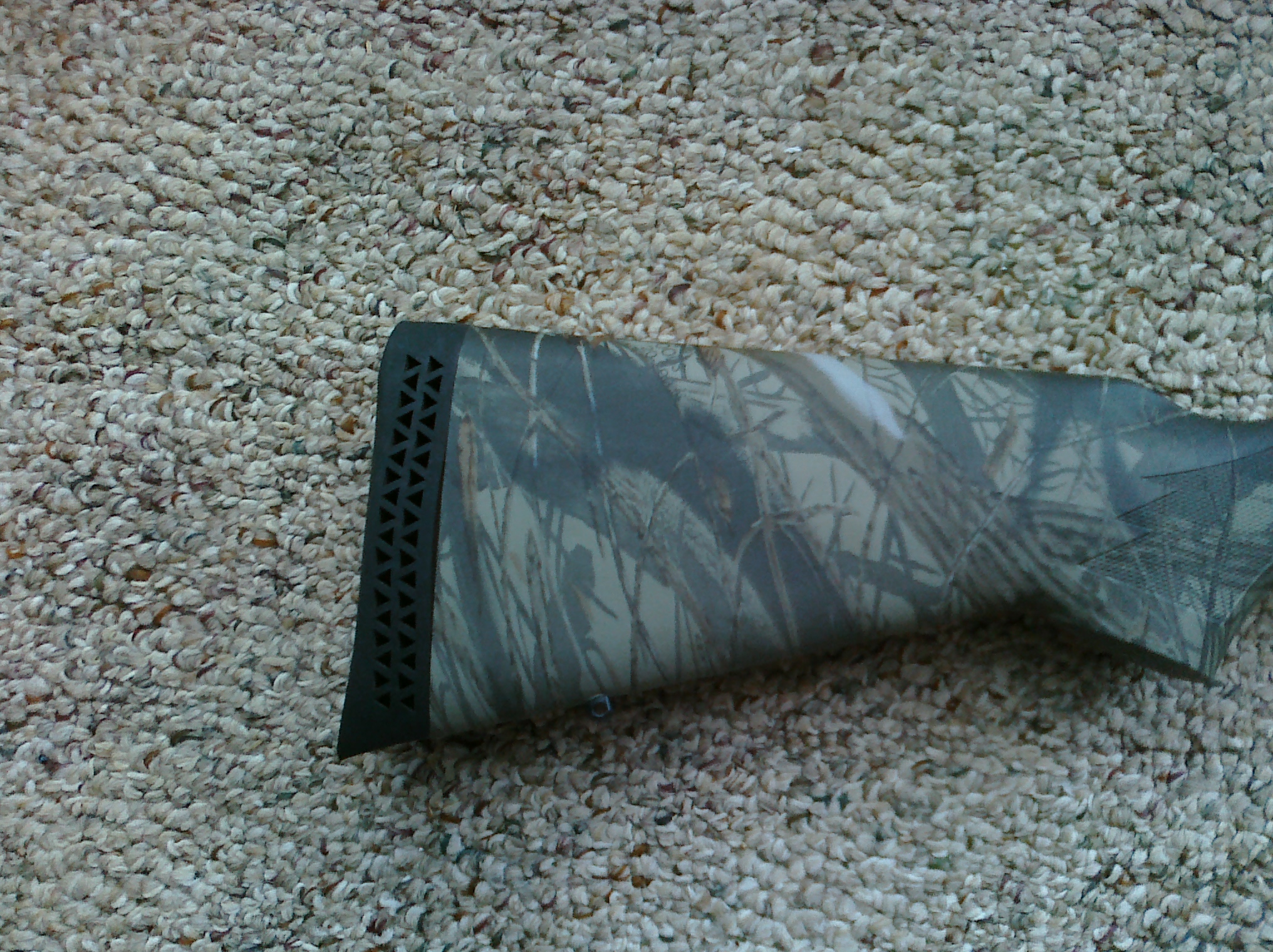
The factory recoil pad is serviceable, but it lacks softness and flexibility. During a long day, this becomes apparent when the rifle is carried slung against the body. The pad presses into the shoulder or back with little give, especially when wearing lighter clothing. Over time, this creates soreness that distracts from awareness and patience. While recoil itself is manageable, the pad’s firmness affects carry comfort more than shooting comfort. After hours of walking and stopping, the repeated contact becomes noticeable. Hunters often find themselves shifting the rifle position frequently just to relieve pressure.
7. Stock Length Does Not Suit All Body Types
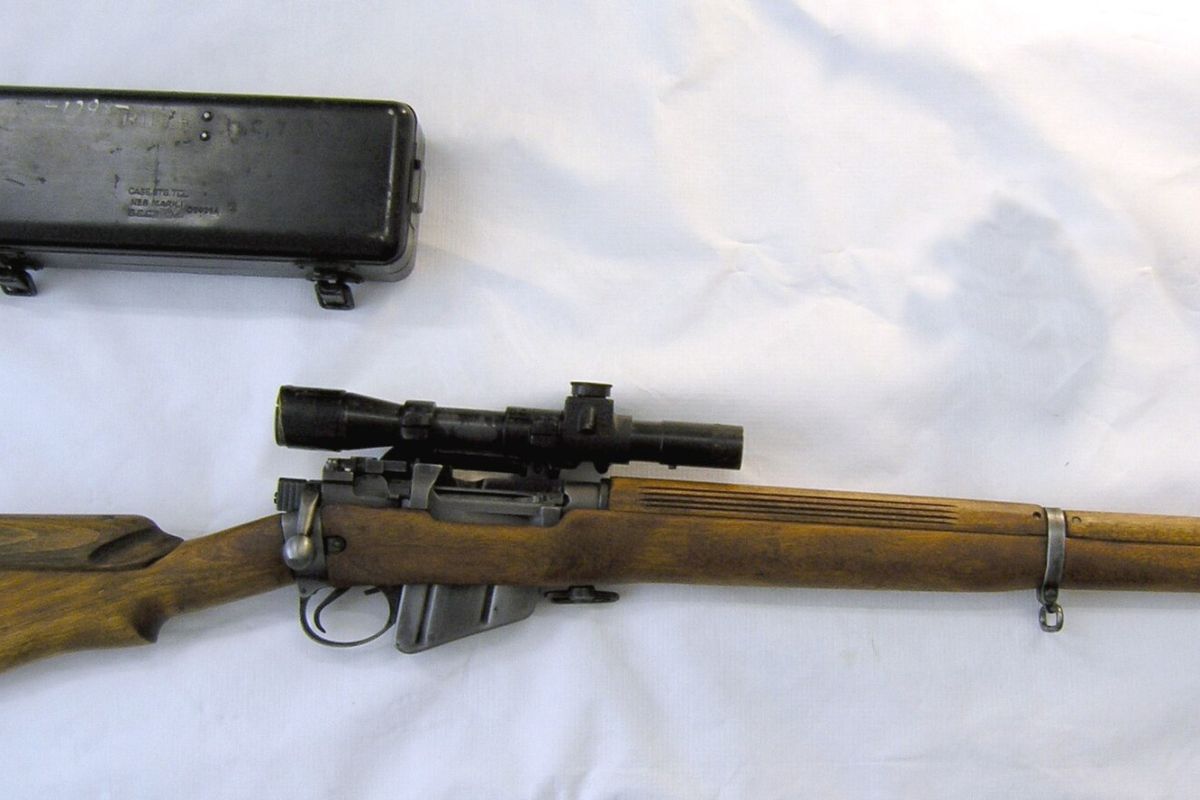
The fixed length of pull works adequately for many shooters, but not perfectly for all. Over a full day, a slightly mismatched fit becomes tiring. Shouldering the rifle repeatedly feels less natural, especially when wearing heavy layers. This leads to slower target acquisition and awkward mounting angles. Carrying the rifle for hours exaggerates fit issues that might not appear during brief practice sessions. The lack of adjustability limits personalization. Hunters with longer or shorter builds feel this most by the end of the day. Comfort and efficiency suffer when the rifle does not align naturally with the shooter’s body.
8. Magazine Handling Feels Clumsy in the Field
The detachable magazine is convenient, but it can feel awkward during extended hunts. Seating the magazine securely requires attention, especially with cold or gloved hands. Over time, repeated checks create a distraction. The magazine release can also be bumped when moving through brush, causing concern about accidental drops. While rare, the possibility adds mental load. Carrying spare magazines introduces more weight and bulk. After hours of movement, these small inconveniences become more noticeable. Hunters prefer gear that fades into the background. When magazine handling demands attention, it interrupts the flow of a long, focused hunt.
9. Overall Feel Becomes More Budget Apparent
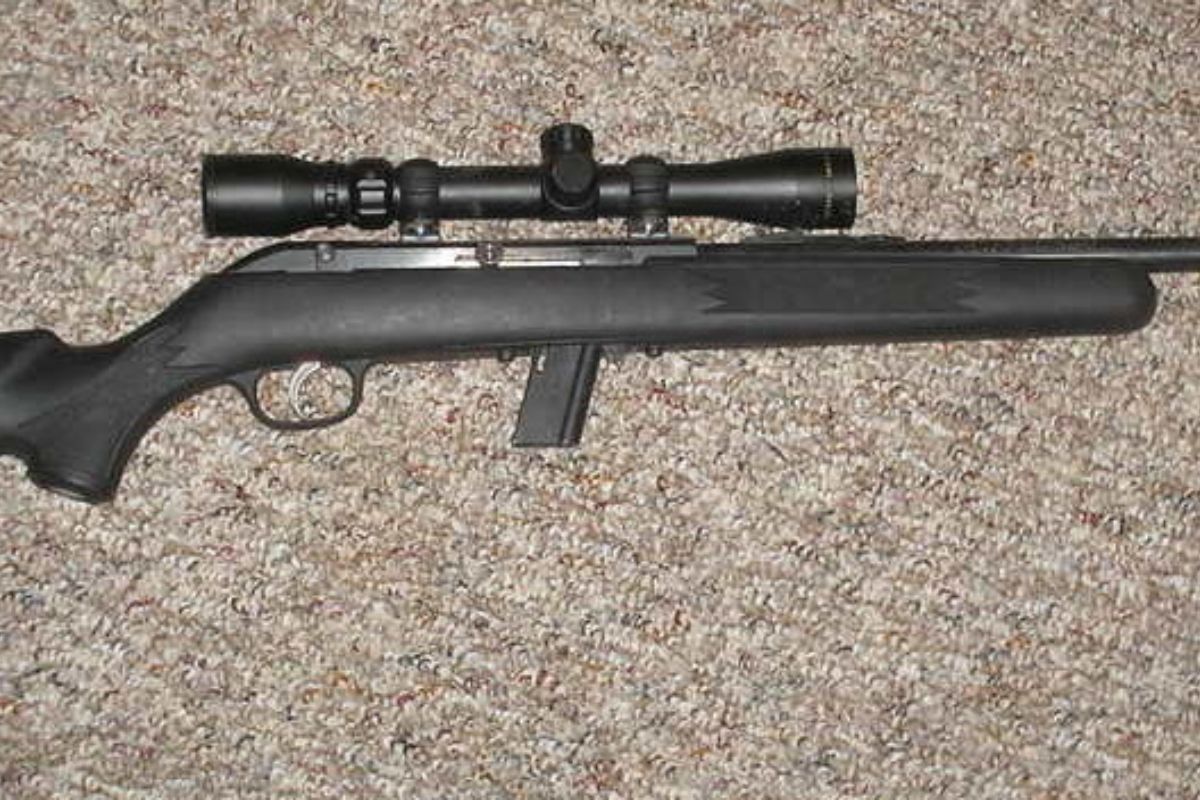
At the start of the day, the Savage Axis feels like a solid and capable hunting rifle. After many hours, its budget-oriented design becomes more noticeable. Small compromises in finish, ergonomics, and materials stand out through extended use. None of these issues makes the rifle unusable, but they affect enjoyment and endurance. Carrying it all day highlights areas where higher-end rifles prioritize comfort and balance. Fatigue amplifies perception. By late afternoon, hunters often appreciate reliability but crave refinement. The rifle still performs, but long-term carry reveals limitations that are easy to overlook during shorter hunts.