Some rifles become legends because of their battlefield history, famous users, remarkable engineering or decades of military service. However, a celebrated name does not automatically mean an exceptional shooting experience or flawless design. Certain rifles earned reputations that grew considerably larger than their practical capabilities, while others became controversial because of production problems, operational limitations or unrealistic expectations. This list explores 10 well-known rifles whose reputations deserve a closer look, examining their history, specifications, strengths and shortcomings to separate historical fame from actual performance.
1. M14: The Battle Rifle That Tried to Do Everything
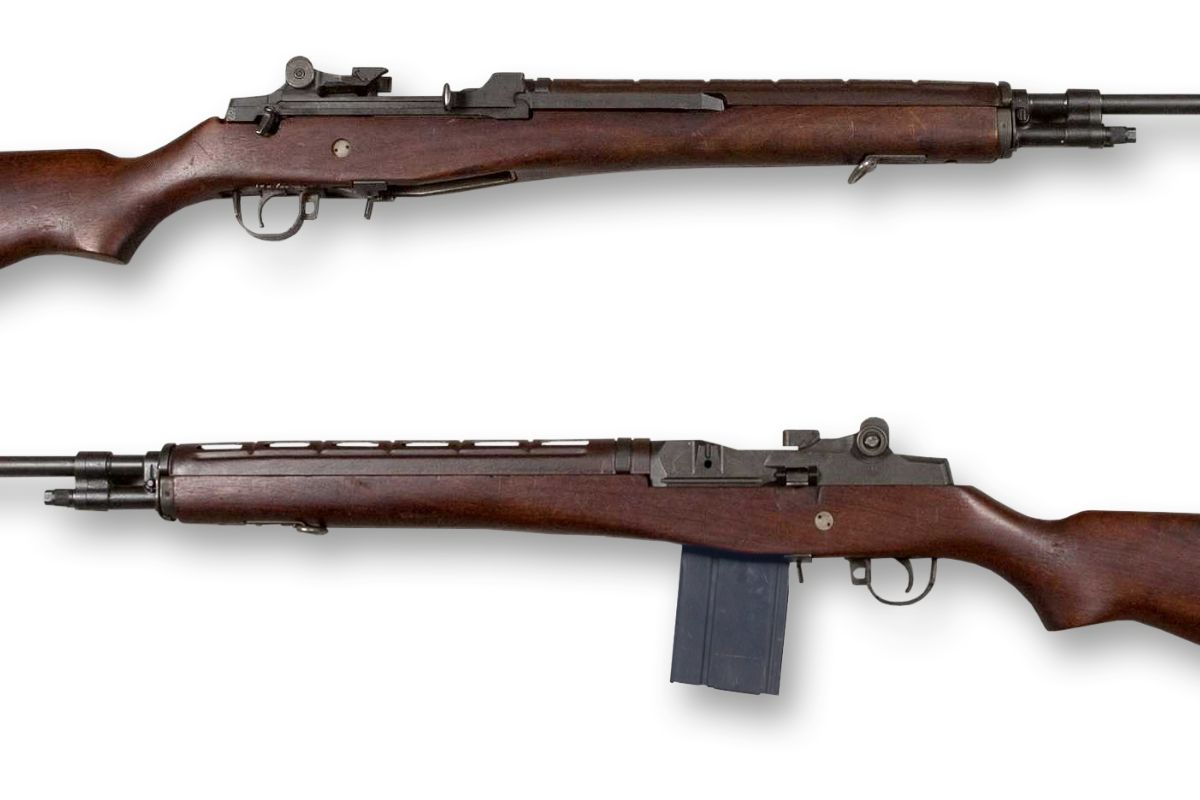
The M14 inherited the prestige of the M1 Garand, but its reputation often exceeds what it delivered in ordinary infantry service. Adopted by the US in 1957, it fired 7.62×51mm NATO ammunition from a 20-round magazine and weighed about 8.7 lb (3.95 kg) empty. It offered useful range and a familiar layout, yet combining rifle, carbine and automatic-rifle roles made it heavy and difficult to control in full-automatic fire. Its US frontline tenure was brief, with the M16 replacing it during the 1960s. The M14 was capable, but nostalgia can obscure its practical compromises, especially when judged against lighter later service rifles.
2. M1 Carbine: A Handy Rifle Asked to Be More
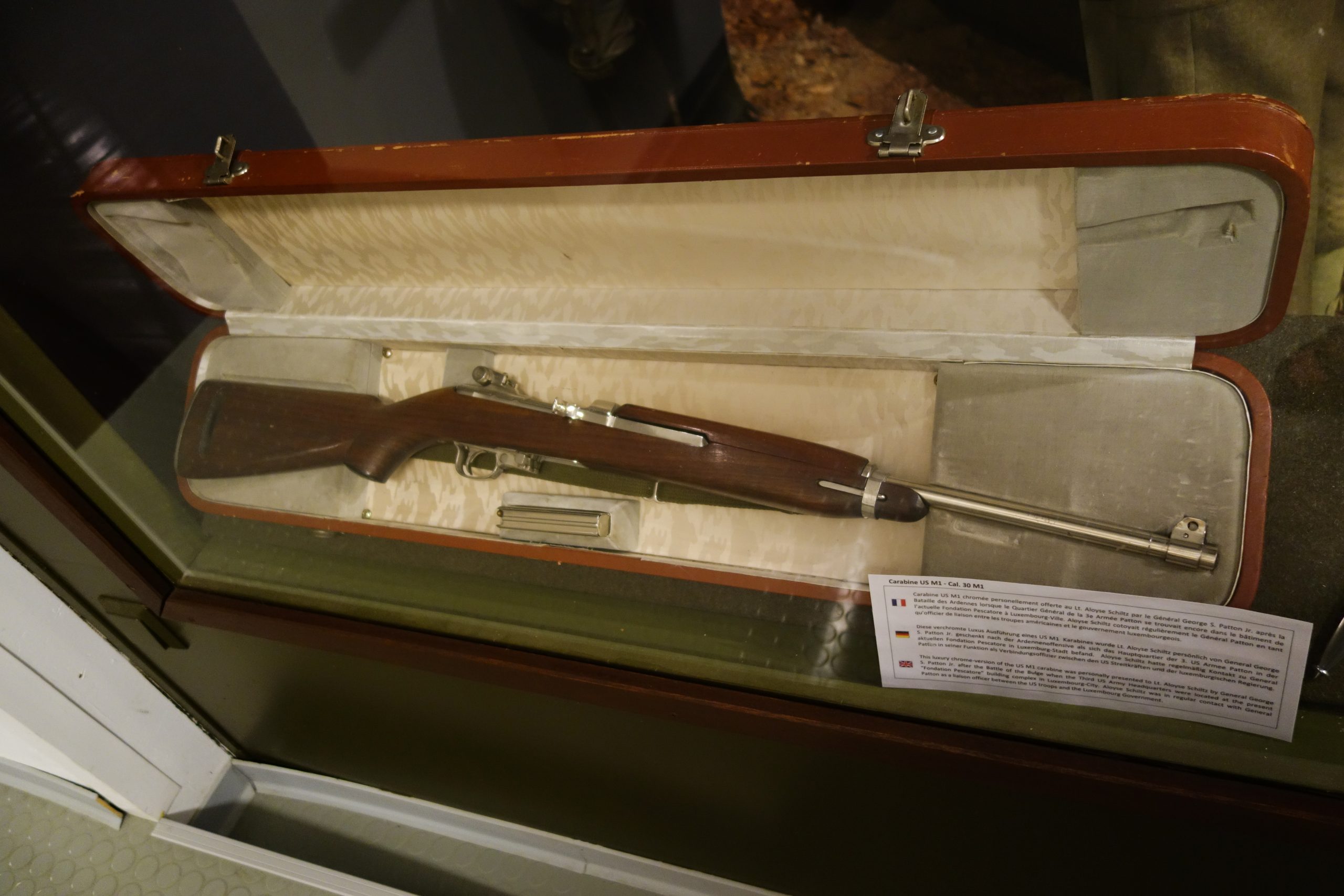
The M1 Carbine earned affection because it was light, compact and easier to carry than a full-size service rifle. Introduced in 1941, it weighed roughly 5.2 lb (2.4 kg), used a 15-round magazine, and fired the .30 Carbine cartridge. Those qualities suited troops who needed a personal firearm without the bulk of the M1 Garand. Its reputation becomes inflated when it is described as a substitute for a battle rifle. The cartridge had less reach and energy than full-power rifle ammunition, and the carbine was not designed for that role. It excelled within its intended limits, not beyond them, despite its lasting popularity.
3. Mosin-Nagant 91/30: The Legend of the Unbreakable Rifle
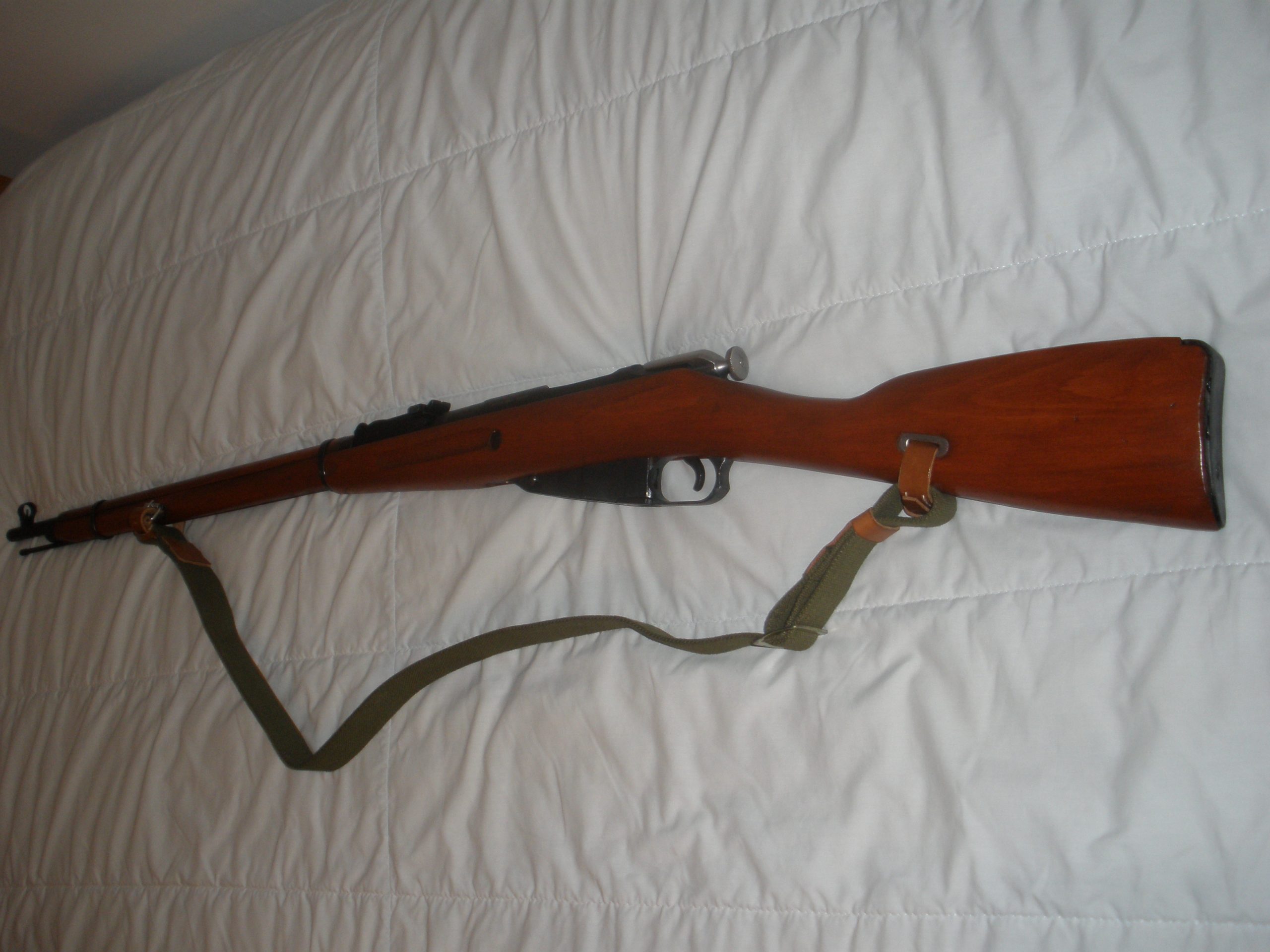
The Mosin-Nagant 91/30 became an icon through enormous wartime service, not because every example was refined. The Soviet version used a five-round internal magazine and the rimmed 7.62×54mmR cartridge; its long barrel and sturdy action suited military conditions. Yet production quality varied across factories and years, while its length, weight and often rough finish could make it feel dated beside later designs. Wartime sniper versions showed that selected rifles could be very accurate, but that should not be confused with every surplus example. Its toughness is understandable, although the legend can hide considerable variation.
4. Arisaka Type 99: A Reputation Damaged by the Wrong Examples
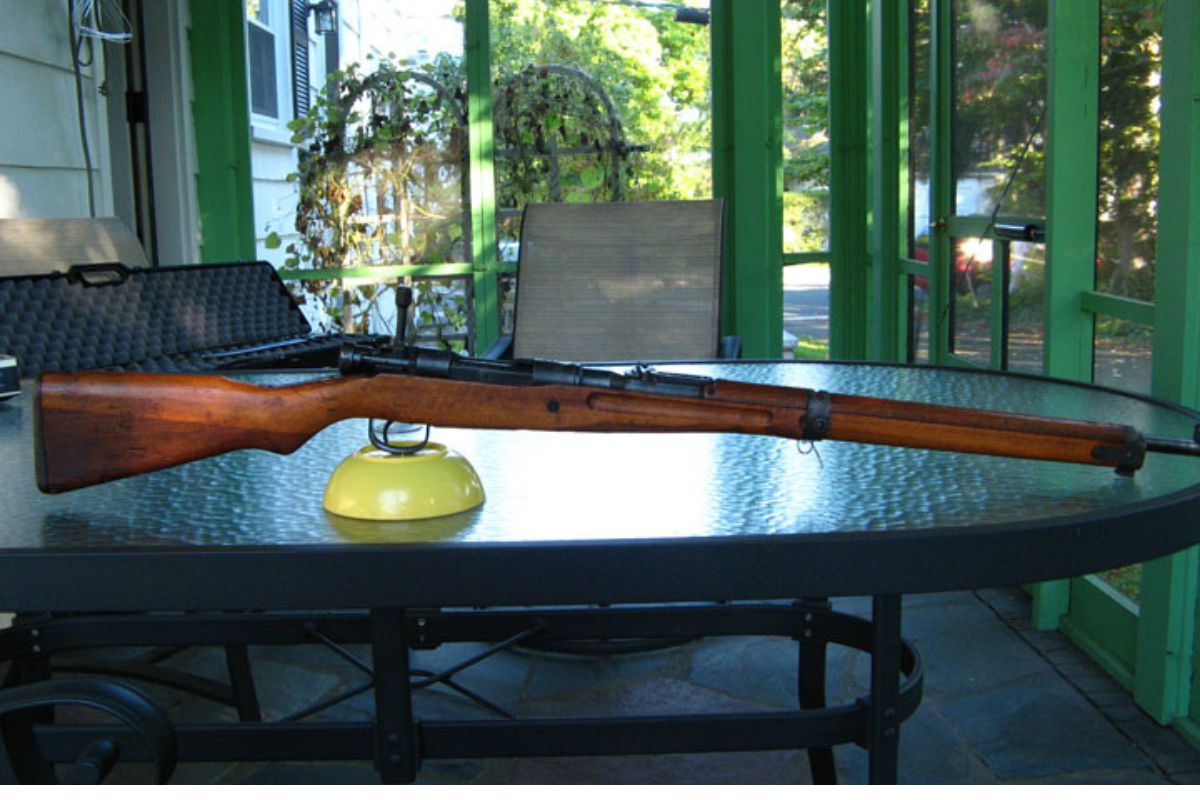
The Type 99 Arisaka is often judged by crude late-war examples and training rifles never intended for ordinary live ammunition. Standard rifles were chambered for 7.7×58mm and included thoughtful features for their era, such as a strong action and an aperture-style rear sight. More than 3.5 million were produced before 1945, across several factories and changing wartime conditions. As Japan’s resources dwindled, later rifles lost refinements and showed rougher workmanship. That decline was real, but it does not describe every Type 99. Its poor reputation often comes from treating all versions as though they shared the same standard.
5. Ross Mk III: Impressive Accuracy, Serious Practical Questions
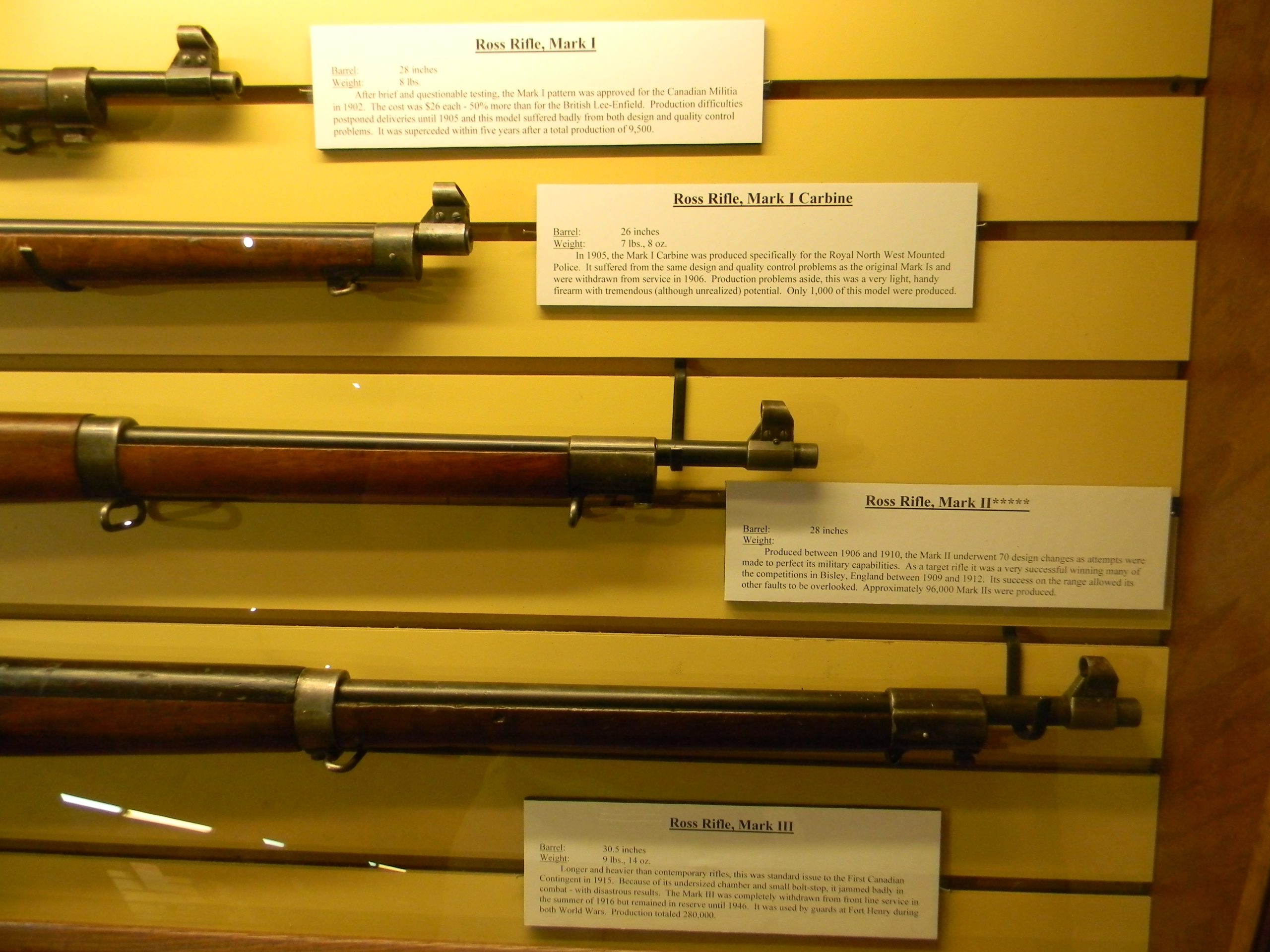
The Canadian Ross rifle earned a reputation for accuracy, especially in sporting and target settings, but the Mk III showed the danger of valuing precision above field reliability. Adopted before the First World War, it was a straight-pull bolt-action design that offered fast cycling for trained users. In muddy trench conditions, however, its close-fitting parts proved poorly suited to muddy trench conditions. The Mk III also had a notorious bolt-assembly safety concern: incorrect assembly could create a dangerous condition. Its accuracy was genuine, but battlefield service demanded more than tight groups. The Ross remains a warning about testing designs in realistic field conditions.
6. Johnson M1941: Clever Engineering, Limited Military Impact
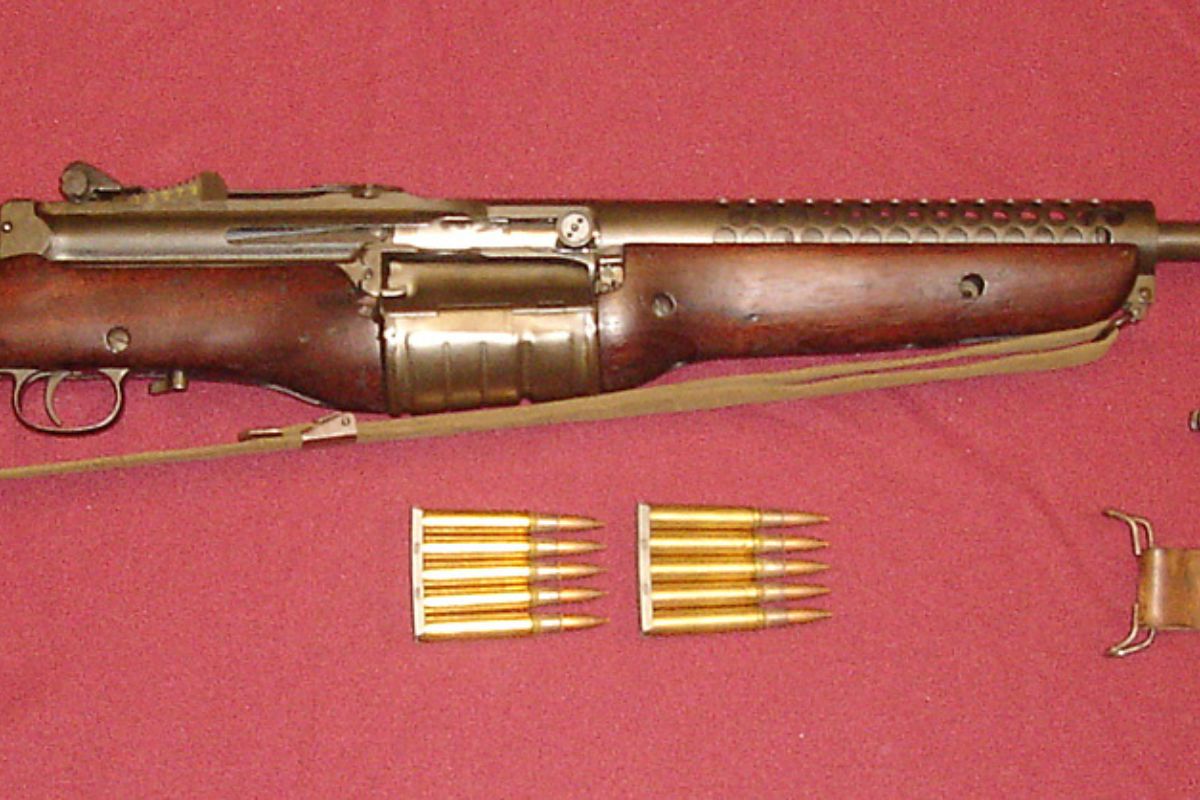
The Johnson M1941 attracts attention because it was innovative and served with a small number of US Marines and specialist units during the Second World War. It used a 10-round rotary magazine and a short-recoil operating system, setting it apart from the M1 Garand. Yet only about 21,988 were manufactured, and its military use remained limited. It was not a clear improvement over the Garand in areas that mattered to a large army, particularly standardisation, supply, and established support. Users could appreciate its handling, but rarity has helped its modern reputation grow beyond its actual influence on the war.
7. Early M16: A Troubled Introduction That Became the Whole Story
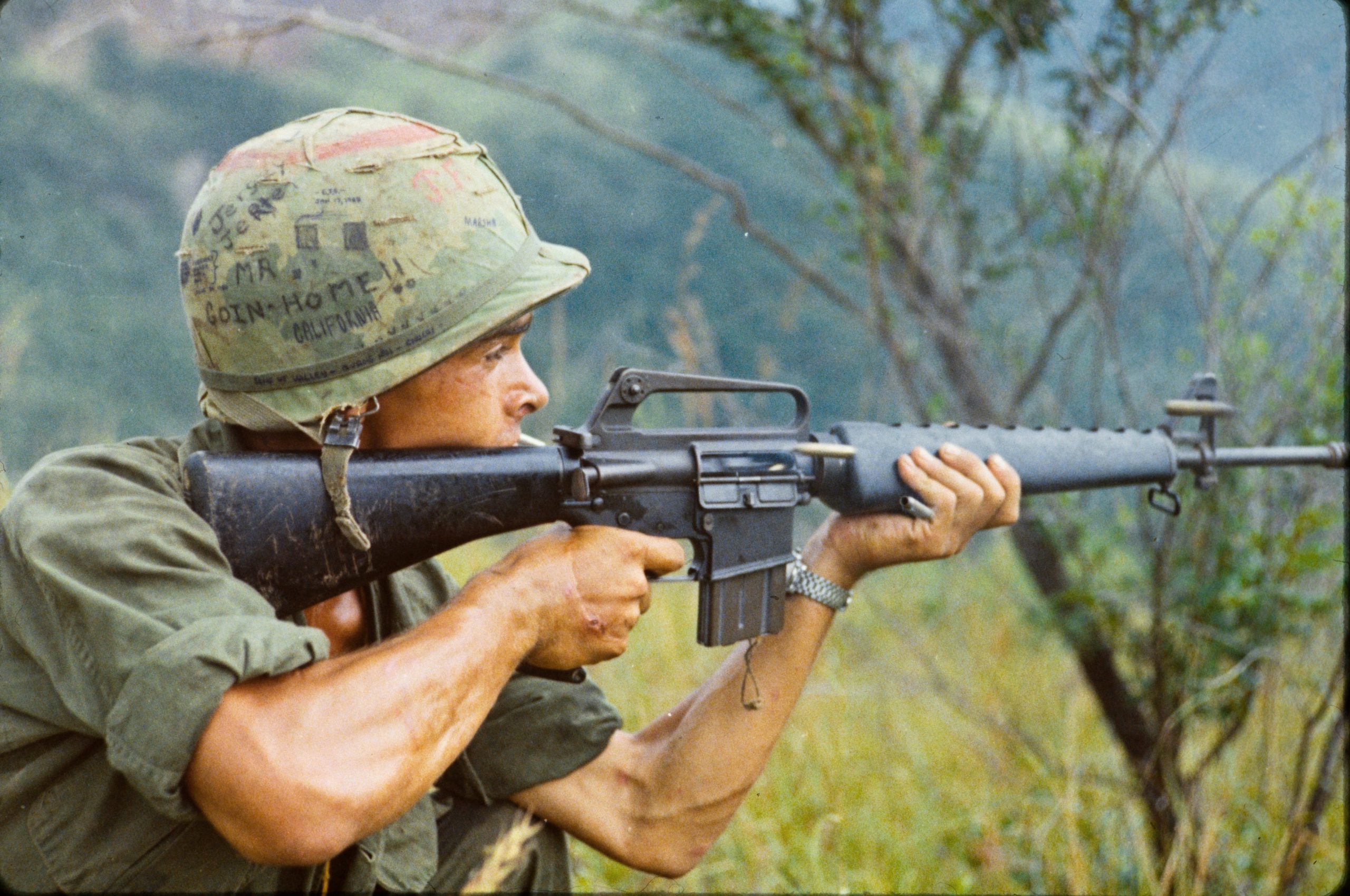
The early M16’s reputation was shaped by real failures in Vietnam, but the familiar story that the rifle was simply unreliable leaves out important causes. Early fielding came with inadequate cleaning equipment and training, ammunition changes, and chamber-corrosion issues. A 1967 US Army review identified failures to extract cases as a major source of stoppages, while reporting that performance improved with better maintenance and corrective action. The rifle fired 5.56×45mm ammunition and later underwent substantial improvements. Its difficult introduction deserves criticism, but judging every later M16 variant by its first years in Vietnam is misleading.
8. L85A1: A Modern Rifle With a Very Poor First Impression
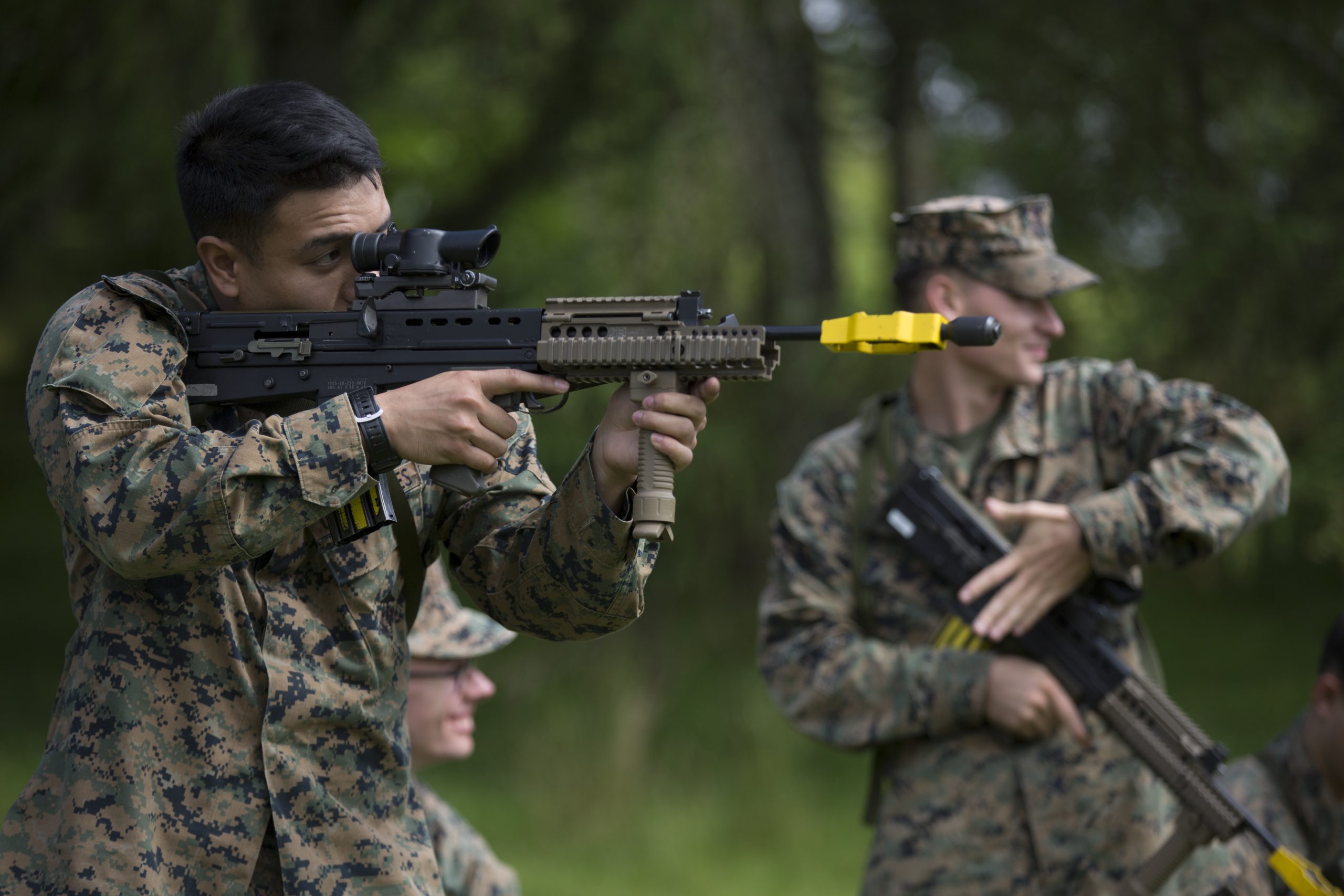
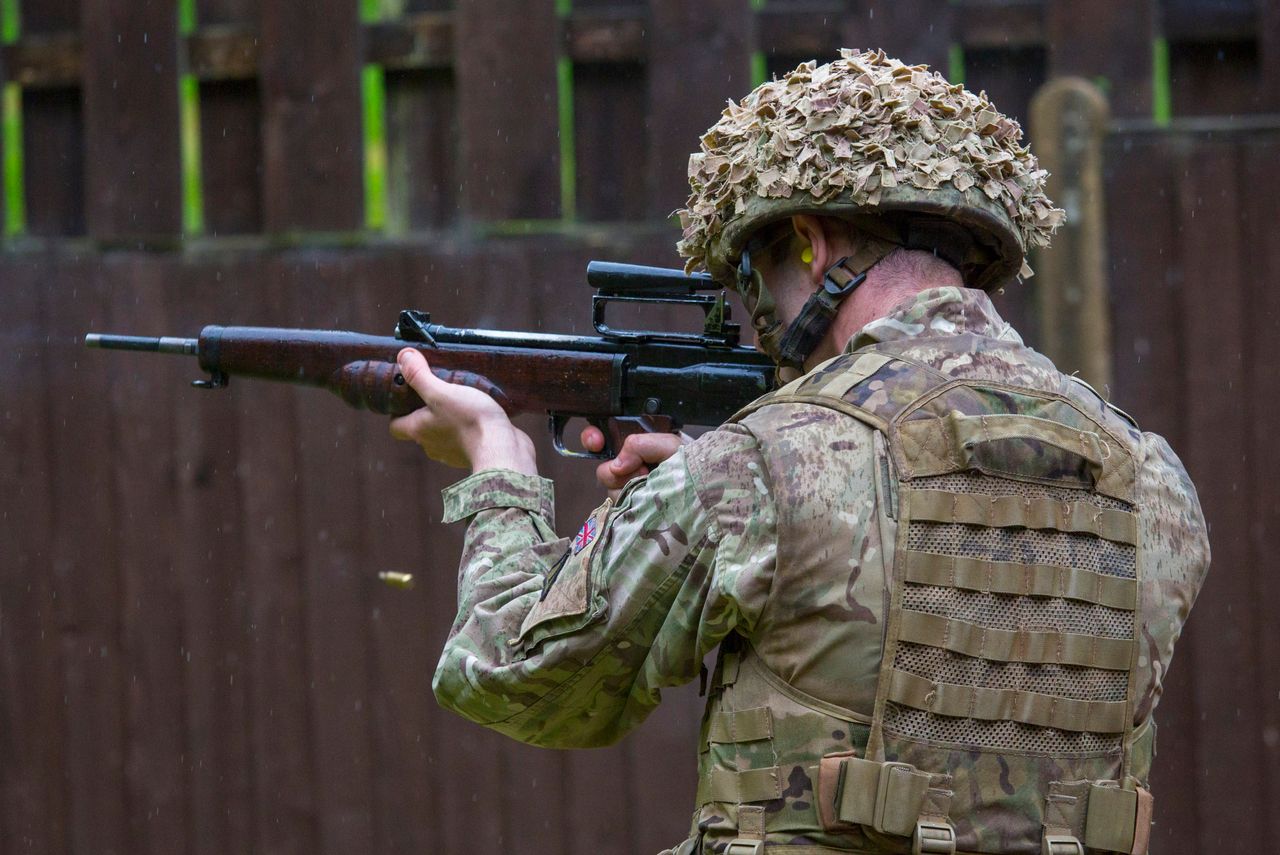
The British L85A1 entered service in the 1980s as part of the SA80 family, but its reputation was damaged by reliability problems and sensitivity to rough conditions. It fired 5.56×45mm NATO ammunition from a 30-round magazine in a bullpup layout, keeping the overall length compact with a full-length barrel. Early service exposed weaknesses that should have been resolved before widespread issue, and drew balance criticisms. The later A2 improvement programme revised the rifle and improved reliability. The A1’s poor reputation is deserved, but it should not be casually applied to the upgraded A2 version.
9. FN FAL: The Rightful Icon With Some Inflated Expectations
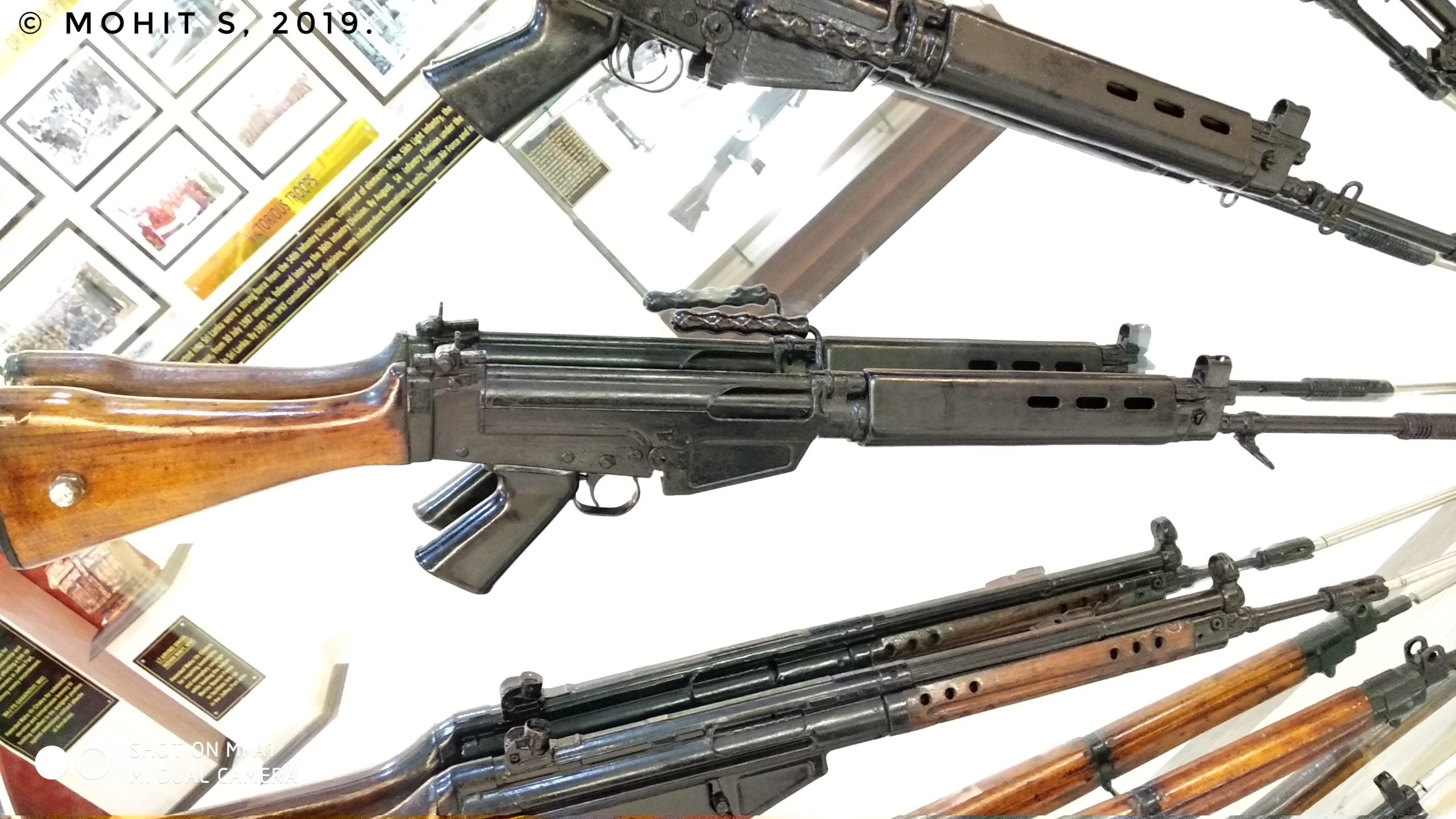
The FN FAL became one of the best-known Cold War rifles, adopted by dozens of countries and nicknamed the right arm of the free world. Its 7.62×51mm NATO chambering, 20-round magazine and robust construction made it a formidable service rifle. But its fame can encourage unrealistic expectations. The full-power cartridge and rifle’s weight made sustained automatic fire difficult to control, while the platform was not as light or handy as later 5.56mm designs. It was dependable and influential, but not a universal answer to every battlefield requirement. The FAL deserves its status; the myth begins when that status is mistaken for perfection.
10. Winchester Model 1895: A Famous Name, Not a Universal Classic
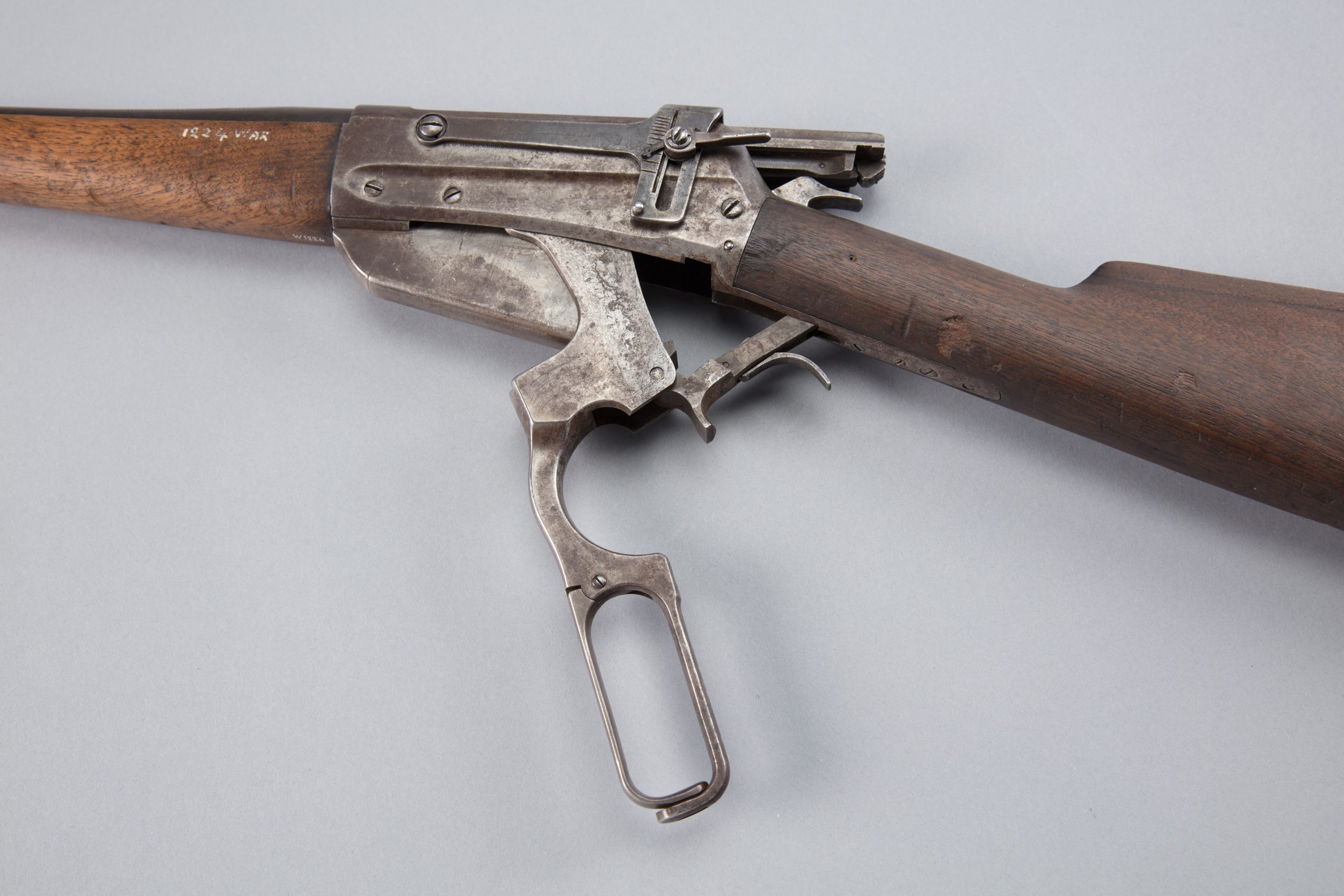
John Browning’s Winchester Model 1895 was a landmark lever-action design because its fixed box magazine could handle pointed, smokeless-powder cartridges unsuitable for many tubular-magazine rifles. It appeared in several chamberings, including .30-06 and 7.62×54mmR, and Russia ordered nearly 300,000 before the First World War. Its military history and association with Theodore Roosevelt give it a larger-than-life image. Yet it was relatively long, and its magazine system made it less familiar than traditional Winchesters. Its strengths depended on the role; historical importance does not make it the best choice for every shooter.