The American buffalo hunts of the 19th century changed the history of the Great Plains, and few firearms became as closely associated with this period as the Sharps rifle. Known for its powerful cartridges, heavy construction, and impressive accuracy, the Sharps became a preferred choice among professional buffalo hunters during the 1870s. Its reputation was built not only on its engineering but also on the demanding conditions in which hunters used it. From specialised ammunition and long-range shooting to the commercial destruction of enormous bison herds, the story of this rifle reveals an important chapter in the American West. Here are eight fascinating facts about the Sharps rifle and the hunters who made it famous.
1. The Sharps Rifle Had Its Origins in an 1848 Invention
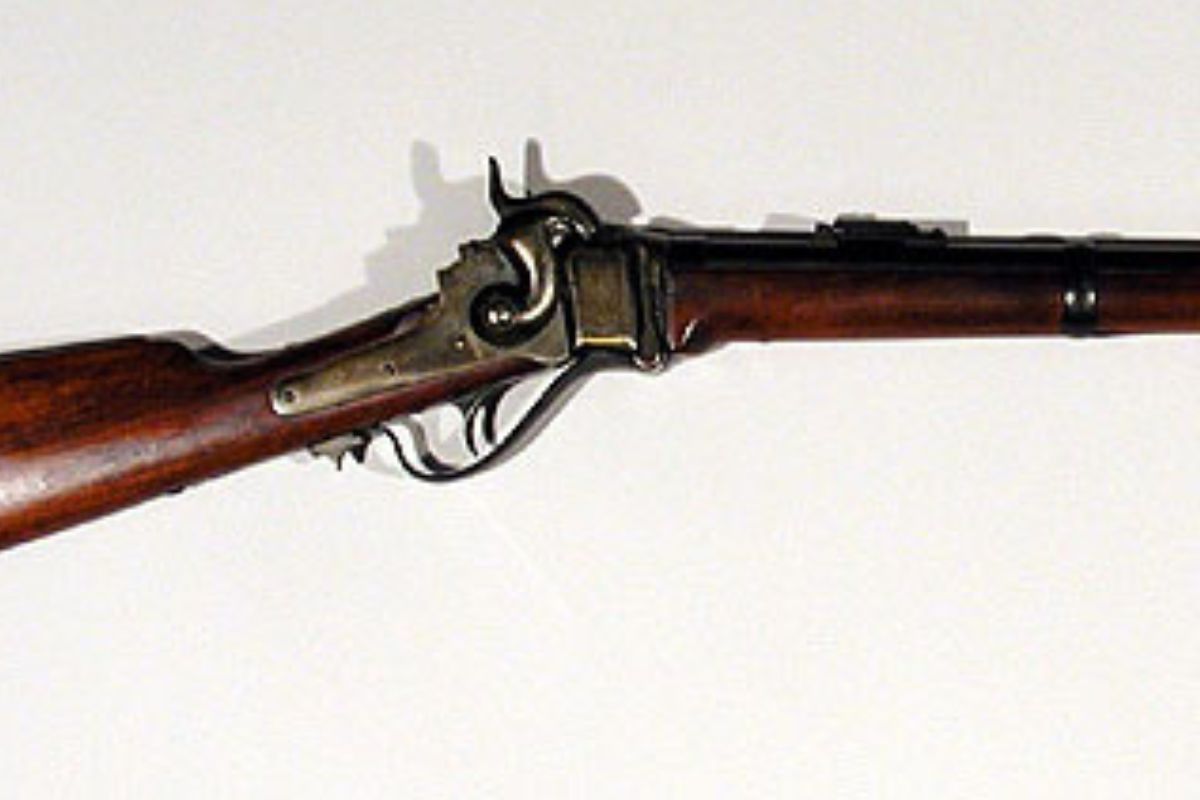
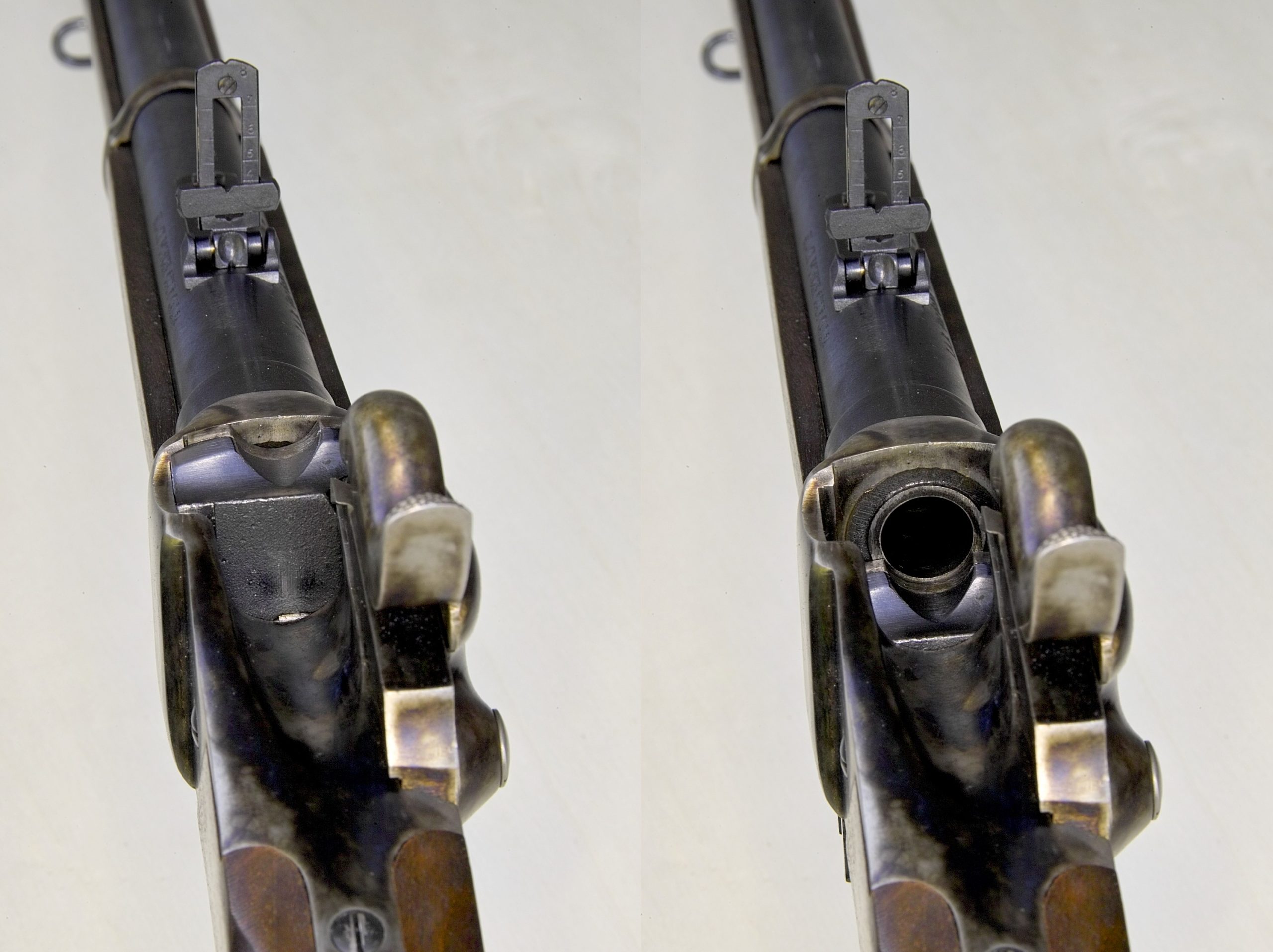
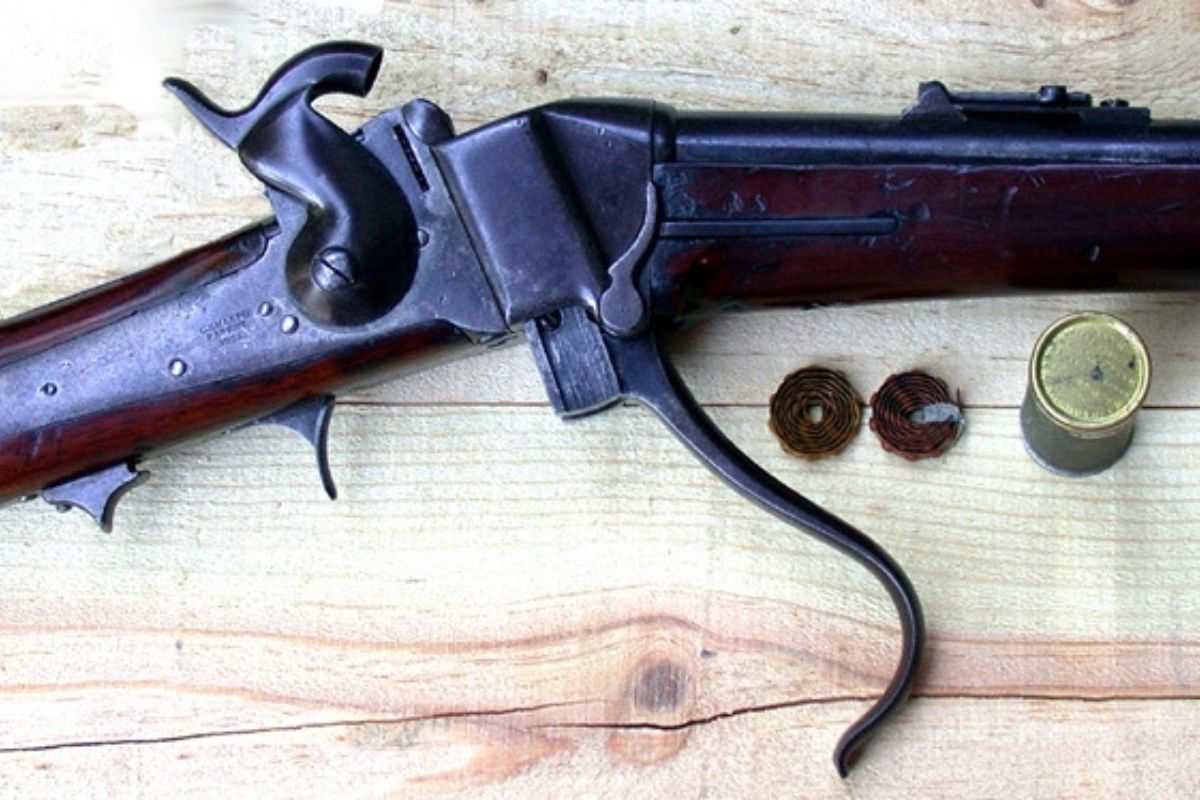
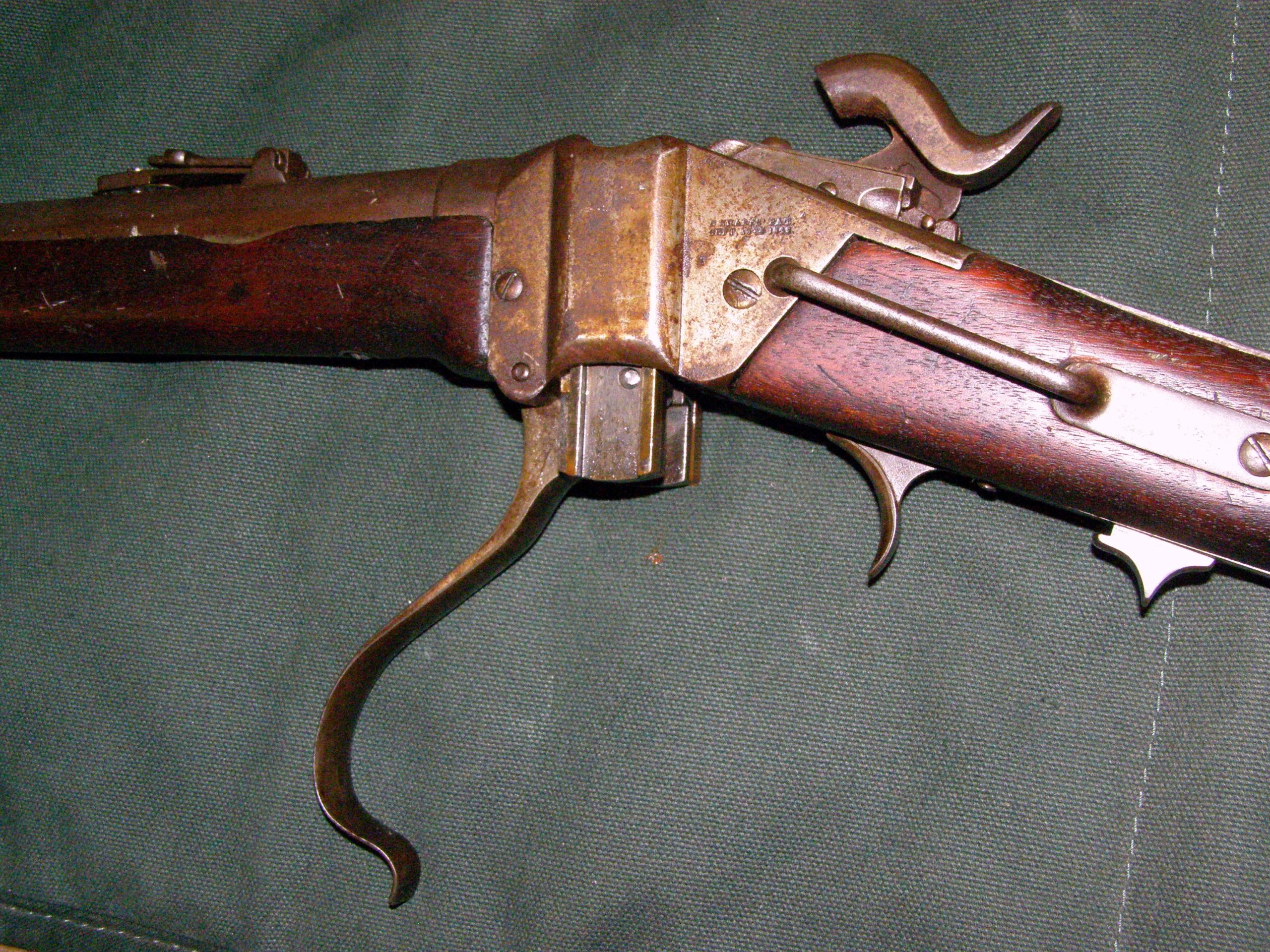
Christian Sharps patented his distinctive breechloading rifle design in 1848, introducing a mechanism that allowed ammunition to be loaded from the rear rather than through the muzzle. This was a significant development in an era when many firearms still required time-consuming muzzleloading. Later Sharps models developed the original concept into strong sporting rifles capable of firing large metallic cartridges. The Model 1874 became particularly famous among buffalo hunters, combining a falling-block action with substantial barrel weight. Its development reflected decades of firearm engineering, helping establish Sharps as a respected name among American hunters and competitive marksmen.
2. The Model 1874 Became the Famous Buffalo Hunting Rifle
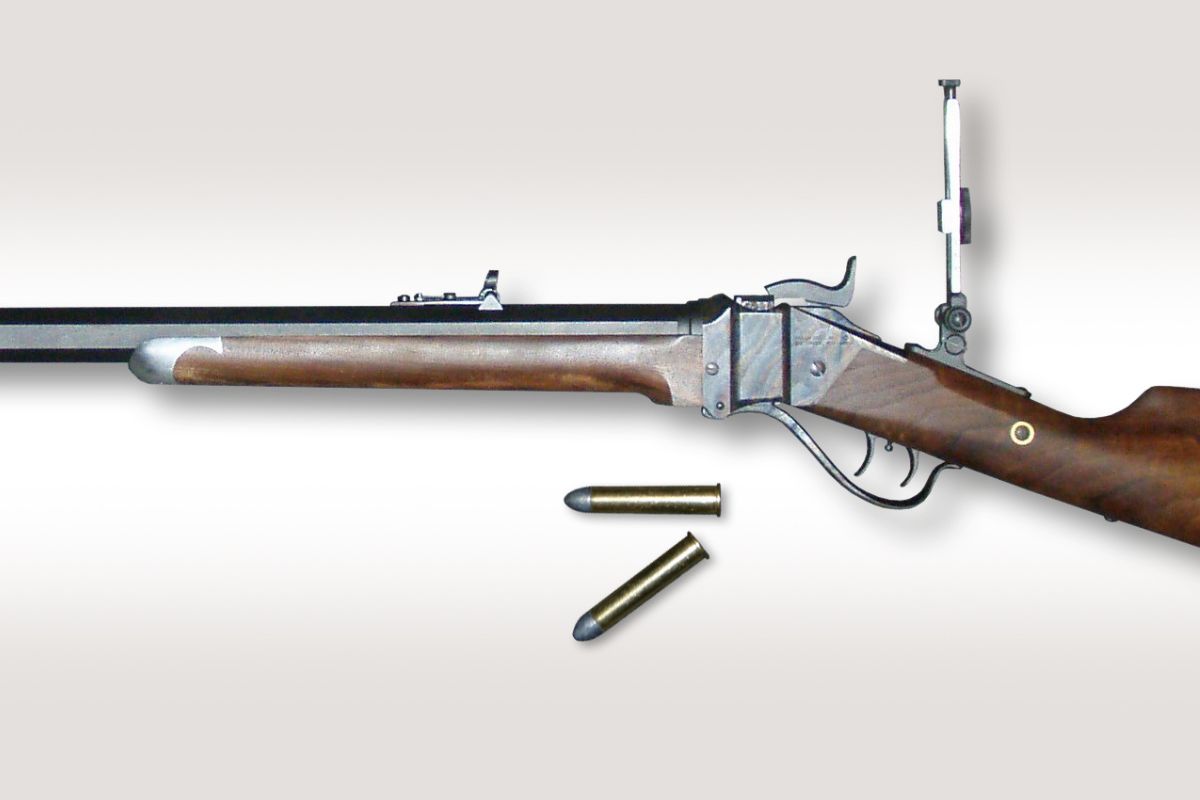
Introduced in late 1870, the Sharps Model 1874 became one of the company’s best-known sporting rifles. It was designed for deliberate shooting rather than rapid repeated fire, making it attractive to professional hunters who valued accuracy and substantial performance. Depending on its configuration, a typical sporting rifle could weigh around 10 to 16 pounds, while some specialised examples were considerably heavier. Barrel lengths commonly ranged from approximately 30 to 34 inches. Its single-shot falling-block action was strong and relatively straightforward, while optional double-set triggers helped experienced marksmen achieve a more controlled trigger release. These features gave the rifle its distinctive reputation on the Plains.
3. Buffalo Hunters Favoured Powerful Black-Powder Cartridges
One reason the Sharps became so closely associated with buffalo hunting was its availability in large black-powder cartridges. Popular chamberings included .45-70, .45-90 and .50-90, although ammunition choices varied between models and individual orders. The .50-90 became especially well known, using a case approximately 2½ inches long and historically associated with a 473-grain bullet and a 100-grain black-powder charge. Such heavy ammunition reflected the demands of hunting enormous animals across open country. These cartridges also produced considerable recoil and smoke, making the rifle’s substantial weight an important part of its overall design and shooting characteristics.
4. Paper-Patched Bullets Were an Important Part of Its Reputation
Many buffalo hunters used paper-patched bullets with their Sharps rifles, an ammunition feature that distinguished some traditional loads from later commercial cartridges. These projectiles were wrapped in thin paper, which helped protect the bullet and engage the rifling in appropriately designed barrels. After leaving the muzzle, the paper separated from the projectile. Bullets were available in different weights and shapes depending on the cartridge and intended use. Historical accounts describe heavy projectiles weighing several hundred grains, including the famous 473-grain bullet associated with the .50-90. This specialised ammunition reflected the careful attention hunters and rifle makers gave to accuracy and consistency.
5. Professional Hunters Sometimes Carried Extremely Heavy Rifles
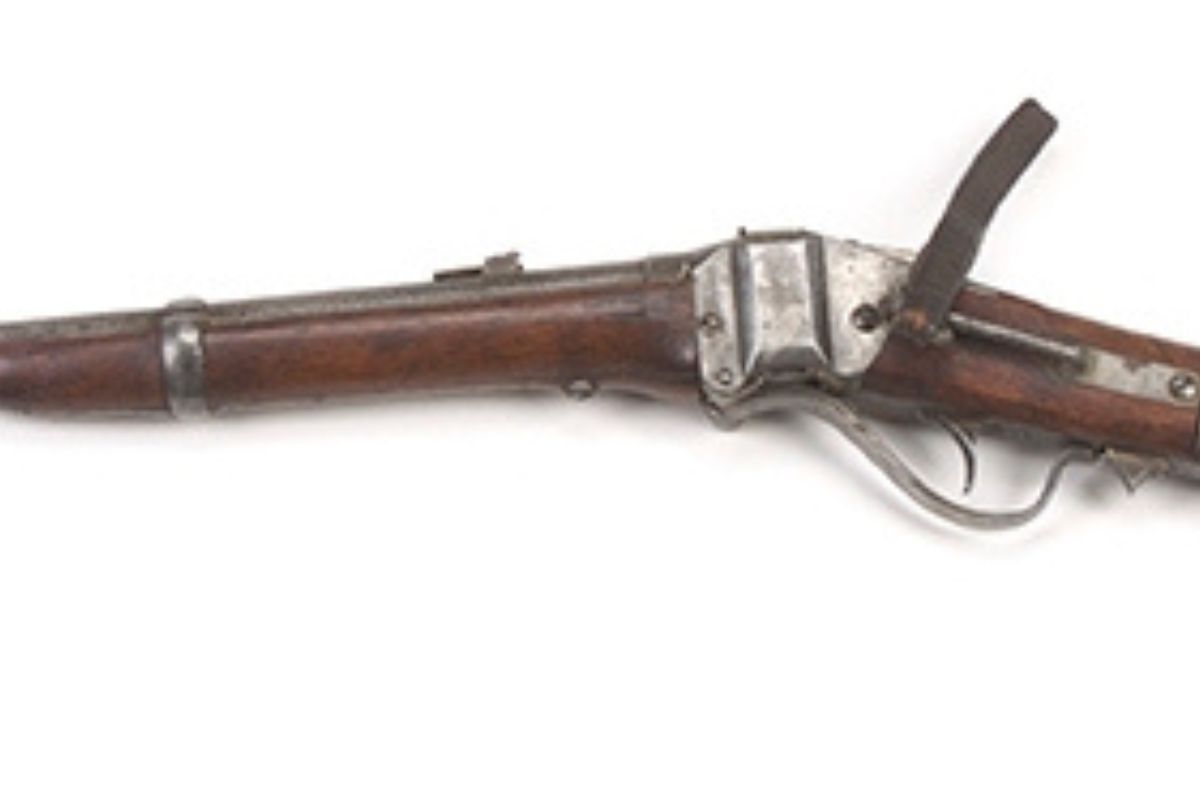
A buffalo hunter’s Sharps was not necessarily a lightweight travelling firearm. Some specialised rifles weighed between 16 and 19 pounds, making them difficult to carry over long distances. An 1887 Smithsonian report documented hunters carrying rifles of this weight alongside ammunition and skinning equipment. Their total equipment load could exceed 36 pounds. The heavy barrels helped manage recoil and withstand repeated firing during demanding hunting sessions. Hunters also used rests or supported positions rather than treating these rifles like ordinary lightweight sporting arms. This equipment tells us that professional buffalo hunting was physically demanding work, involving long hours outdoors, substantial supplies, and considerable effort.
6. Buffalo Hunters Developed a Distinctive Market-Hunting Routine
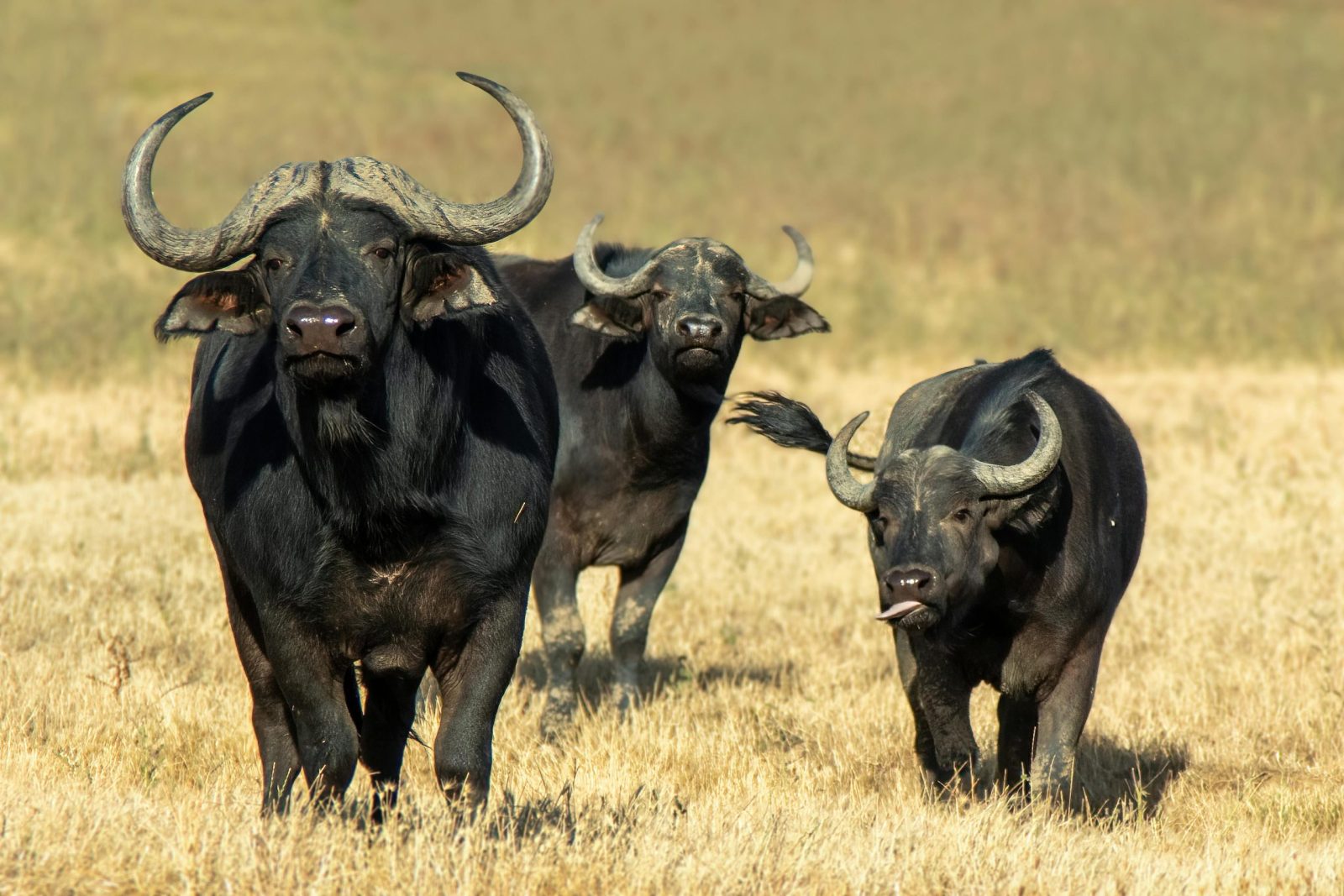
Commercial buffalo hunting became a major industry during the 1870s, particularly after demand for hides increased. Professional hunters often worked in organised groups, with separate responsibilities for shooting, skinning, processing, and transporting hides. A successful hunting location could provide substantial commercial returns, but the work was exhausting and involved difficult conditions. Hunters frequently attempted to avoid disturbing an entire herd, allowing them to continue working in the same area. The Sharps suited this deliberate style of market hunting because of its accuracy and powerful ammunition. By the late 1870s, however, the scale of commercial slaughter had become devastating for wild American bison populations.
7. The Sharps Rifle Became Associated With the Destruction of the Buffalo Herds
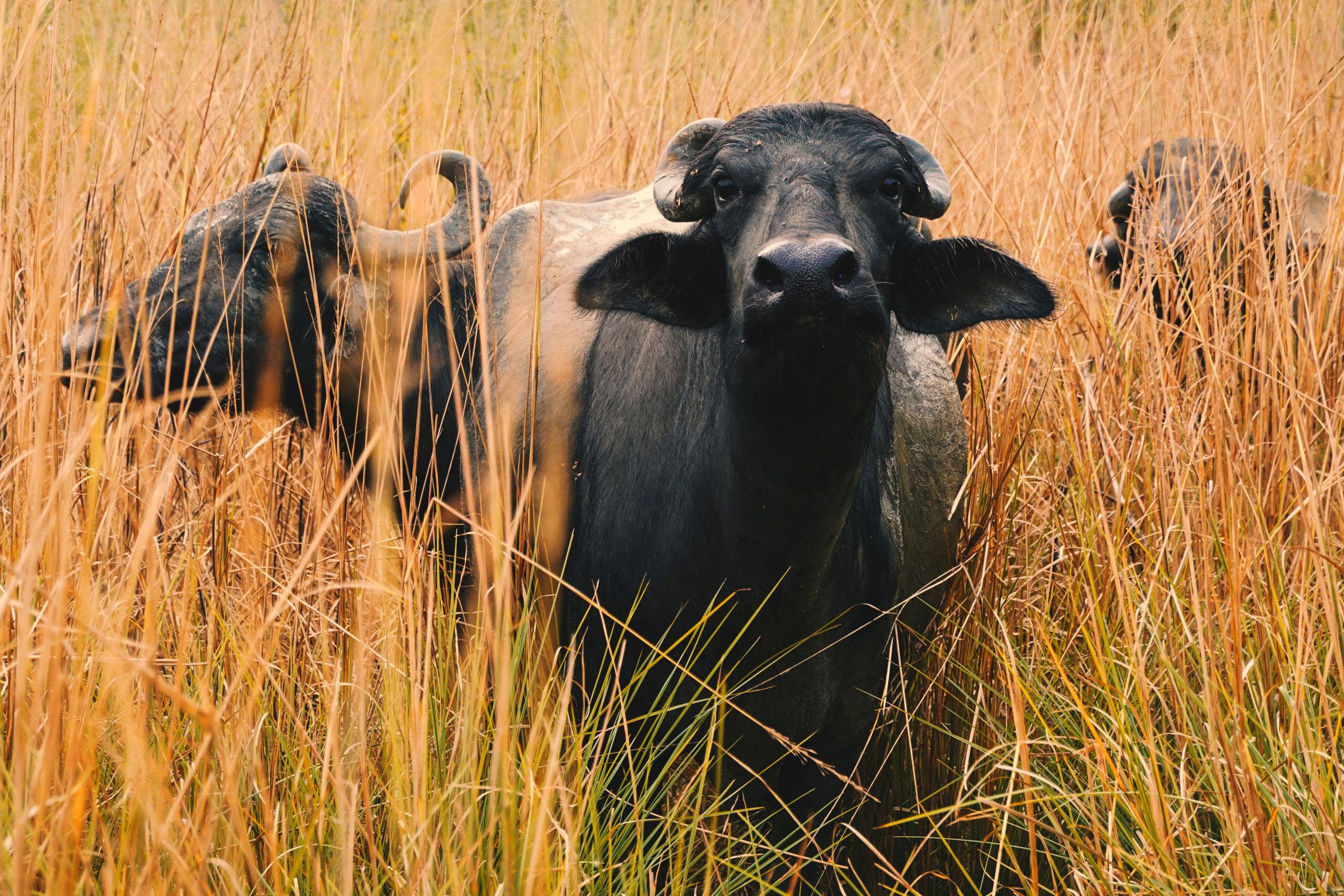
The expansion of commercial hide hunting contributed significantly to the collapse of the American bison population. Historical estimates suggest that tens of millions of buffalo once roamed North America, although exact figures remain uncertain. By the mid-1880s, the great southern and northern herds had been reduced to a tiny fraction of their former numbers. The Sharps was one of several firearms used by professional hunters, alongside rifles made by competing manufacturers. Its accuracy and powerful cartridges made it particularly suitable for the market-hunting trade. The disappearance of the vast herds also disrupted Indigenous communities whose livelihoods, food supplies, and cultural traditions depended heavily on buffalo.
8. The Sharps Company Closed as the Buffalo-Hunting Era Faded
Despite its celebrated reputation, the Sharps company could not survive changing market conditions. The Model 1874 remained popular among hunters and target shooters, but lighter repeating rifles increasingly appealed to customers who wanted faster follow-up shots. The decline of commercial buffalo hunting also reduced demand for specialised heavy sporting rifles. Sharps Rifle Manufacturing Company ceased operations in 1881, bringing an important chapter in American firearm production to an end. However, its influence continued through surviving original rifles, historical collections and modern reproductions. More than a century later, the Sharps remains closely connected with the American frontier and the dramatic history of the buffalo hunters.