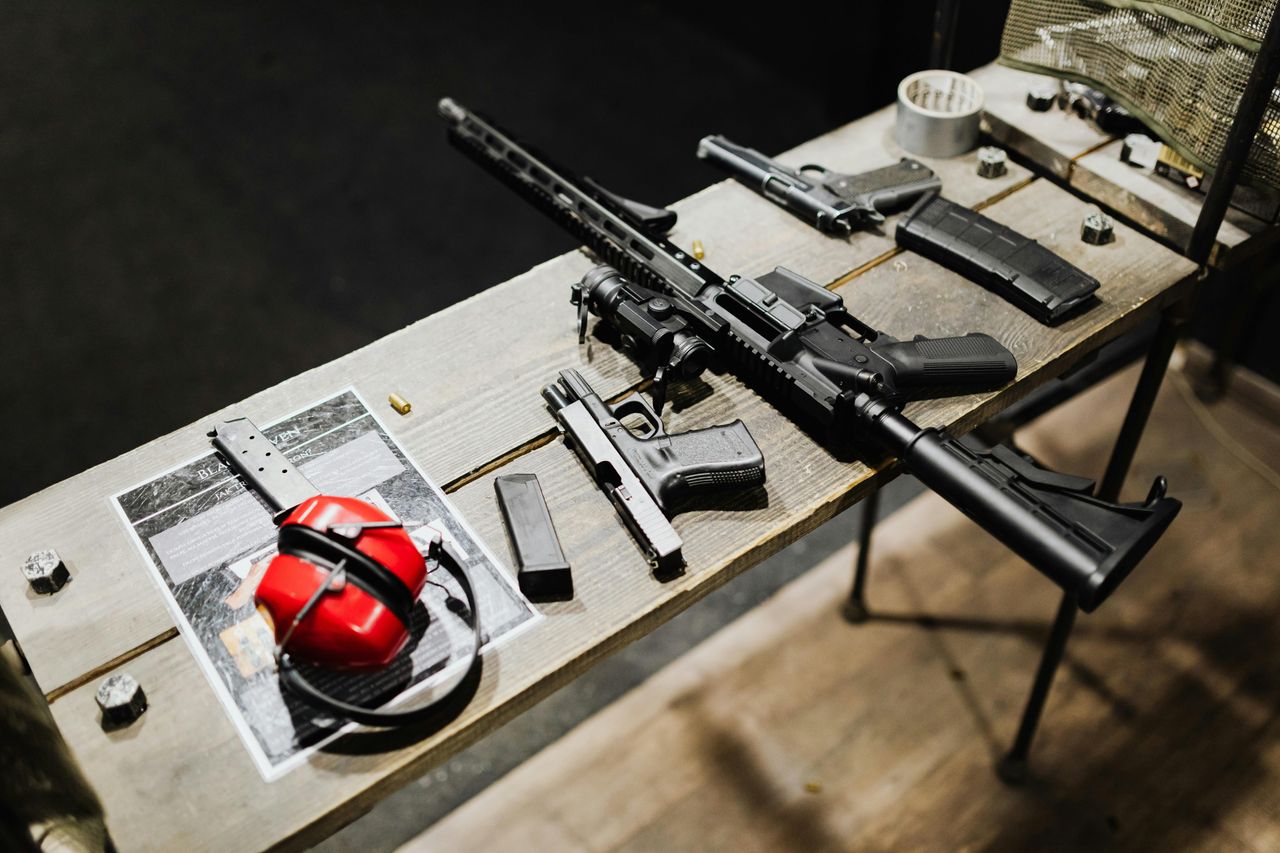
The used rifle market can be difficult to judge, especially when familiar models appear at very different prices depending on their age, condition, configuration, and collector demand. Some rifles remain desirable because of their long production histories, established reputations, or importance in sporting and military history. Others attract attention because certain versions are becoming harder to find in original condition. However, an older rifle is not automatically a valuable one, and a popular name does not guarantee a strong resale price. The following 10 rifles deserve attention for their historical significance, established identities, and lasting recognition. Their value ultimately depends on the individual example, documented history, originality, and actual completed sales.
1. Winchester Model 70
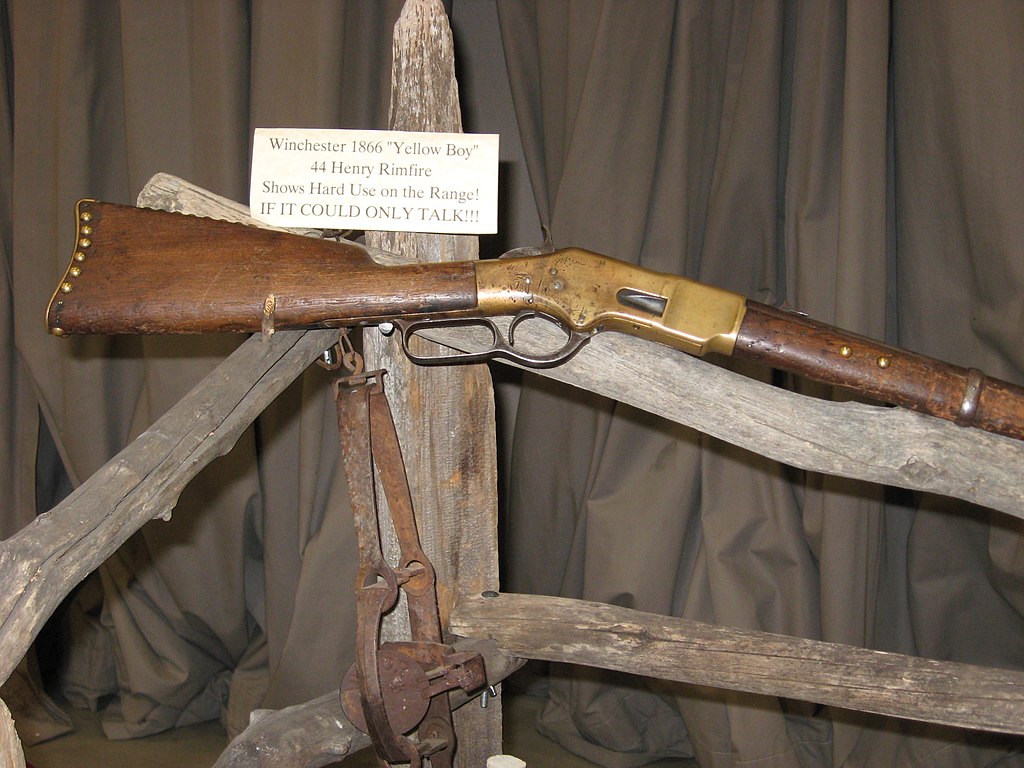
Introduced in 1936, the Winchester Model 70 has earned a lasting place in American sporting rifle history. Its long production history includes several generations, with pre-1964 examples receiving particular attention from collectors. That distinction matters because changes in manufacturing and design created meaningful differences between early and later versions. Original stocks, factory finishes, identifiable production details, and accompanying documentation can influence desirability. The Model 70 has also appeared in numerous chamberings and configurations, so two rifles carrying the same model name may occupy very different positions in the second-hand market. It remains a name worth recognising, especially when evaluating an older example.
2. Remington Model 700
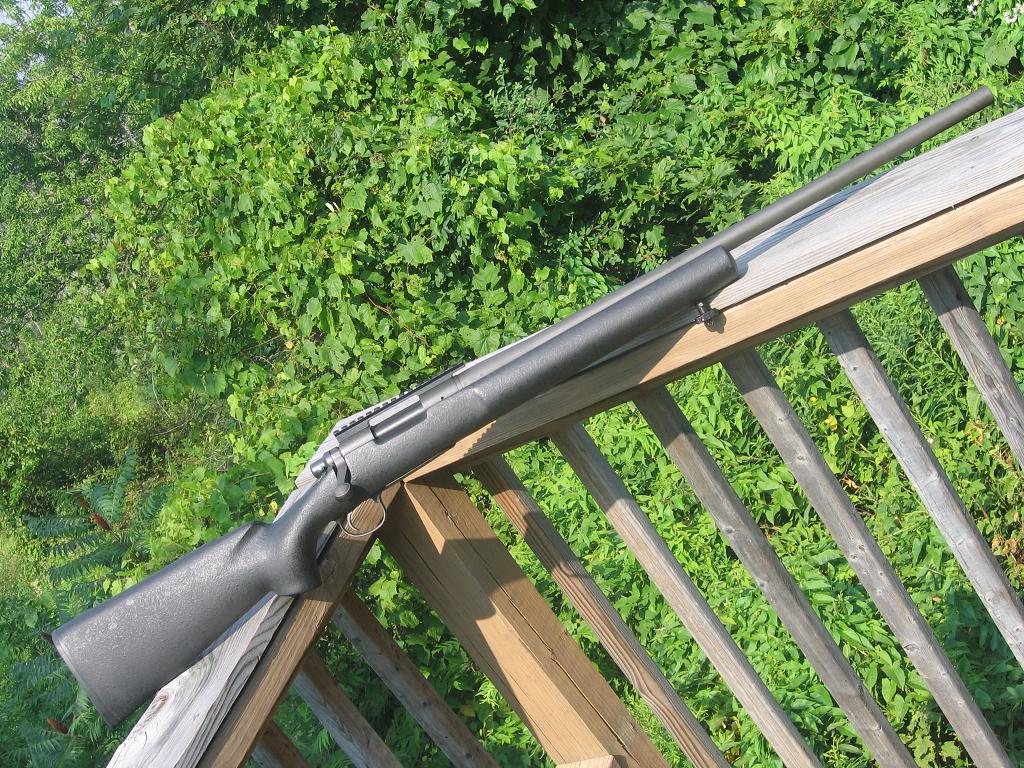
Since its introduction in 1962, the Remington Model 700 has become one of the most recognisable American bolt-action rifle families. Its extensive production history includes sporting, precision-oriented, and specialised variants, creating a broad range of examples in the used market. Buyers and collectors should distinguish between the original configuration, later production versions, and limited editions rather than treating every Model 700 as identical. Factory condition, documented manufacturing details, stock originality, and overall completeness can affect desirability. Its long-standing recognition gives it an established place in rifle history, but common examples should not automatically command collector premiums. The exact variant matters more than the name alone.
3. Ruger 10/22
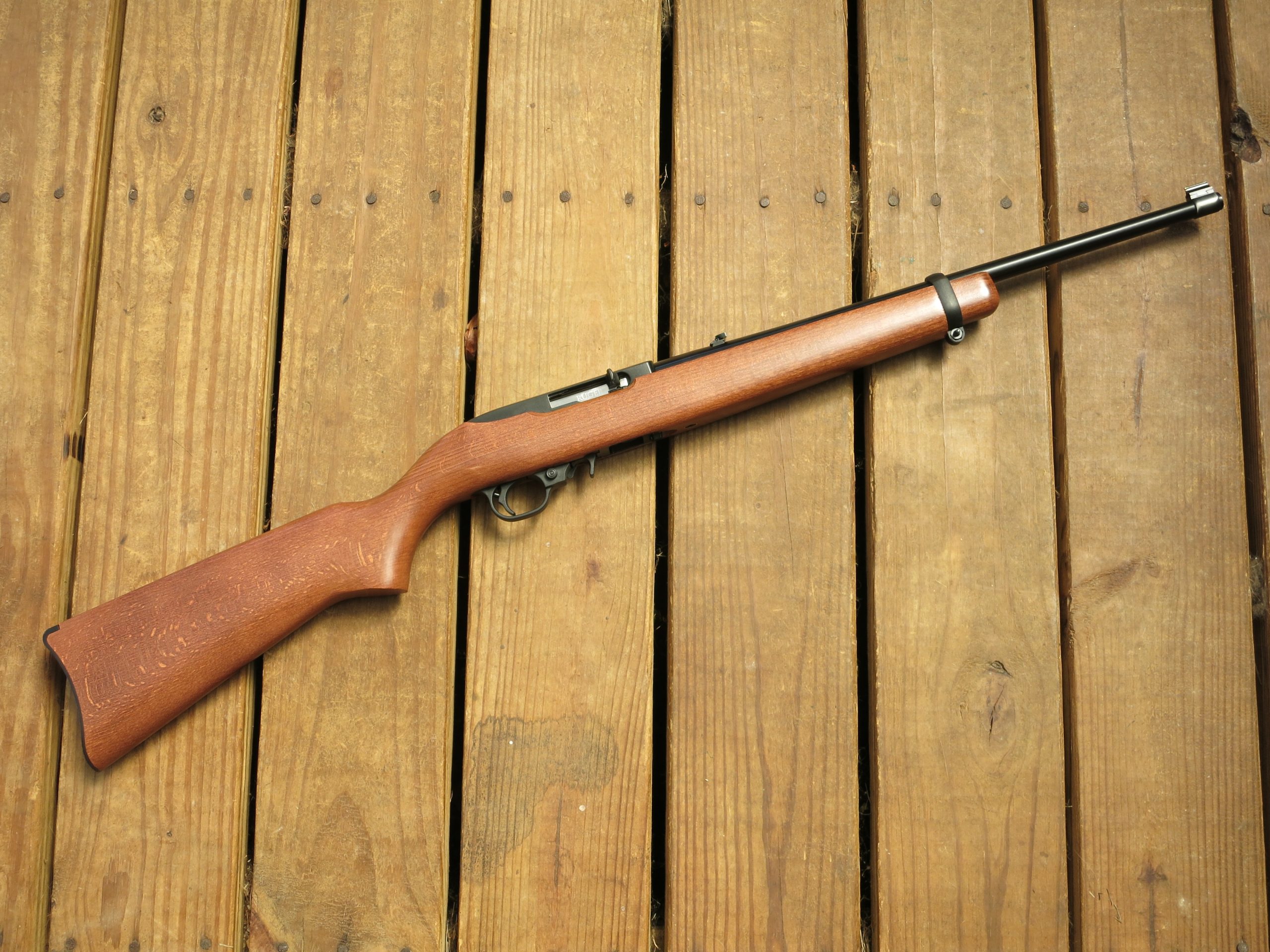
Introduced in 1964, the Ruger 10/22 became a particularly influential name in the rimfire rifle category. Its popularity has produced numerous factory variations, special editions, and decades of aftermarket development. That wide availability makes accurate identification especially important when assessing an older example. A standard production rifle and a scarce factory edition should not be treated as equivalent simply because they share the same family name. Original packaging, factory components, documented edition details, and overall condition can influence collector interest. Its long production history is a major part of its identity, although widespread availability means ordinary examples are generally better viewed as established sporting rifles than automatic investments.
4. Marlin Model 336

First introduced in 1948, the Marlin Model 336 is a familiar American lever-action rifle with a particularly strong association with traditional hunting culture. Its decades of production have included different manufacturing periods, chamberings, finishes, and special configurations. Older examples can attract attention when their original features remain intact and their production history is clearly identifiable. The Marlin name alone, however, is not enough to establish a premium. Manufacturing era, factory markings, condition, and documented originality all deserve consideration. With more than seven decades of history behind the model, the 336 remains an important reference point for lever-action collectors. Its reputation makes it worth evaluating carefully rather than pricing by appearance.
5. Savage Model 110

The Savage Model 110 entered production in 1958 and developed into one of the longest-running American bolt-action rifle families. Its history includes numerous generations, chamberings, and sporting configurations, which makes exact identification important when comparing used examples. The model is particularly interesting because its familiar name covers substantial changes across different production periods. Older rifles with original furniture and identifiable factory specifications may attract a different audience from later, widely available versions. A clean appearance alone does not establish rarity or value. Buyers should consider the precise model designation, production period, completeness, and verified sale comparisons. Its lengthy history gives it recognition, but individual examples must be judged on their own merits.
6. Browning BAR
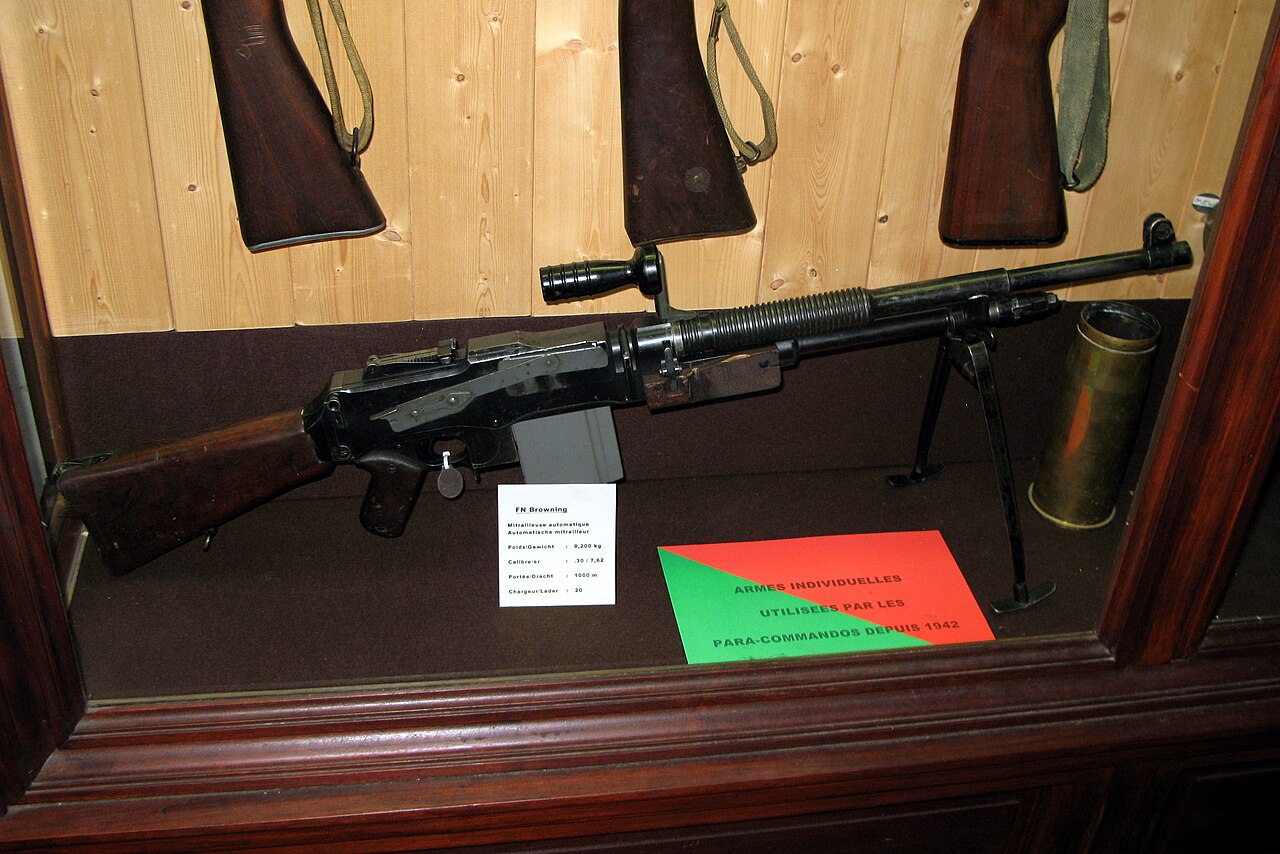
The Browning BAR sporting rifle, introduced in 1967, is a recognised name in the history of modern sporting firearms. It should not be confused with the earlier Browning Automatic Rifle, the military design associated with the First World War era. The sporting BAR developed through several generations and configurations, giving the used market a mixture of older and newer examples. Its established manufacturer reputation and distinctive place among sporting rifles support continued recognition. However, production era, original finish, factory configuration, and documented condition can create substantial differences between individual rifles. Collectors should identify the exact sporting BAR variant before comparing prices, since the shared abbreviation can easily cause confusion.
7. Springfield Armory M1A
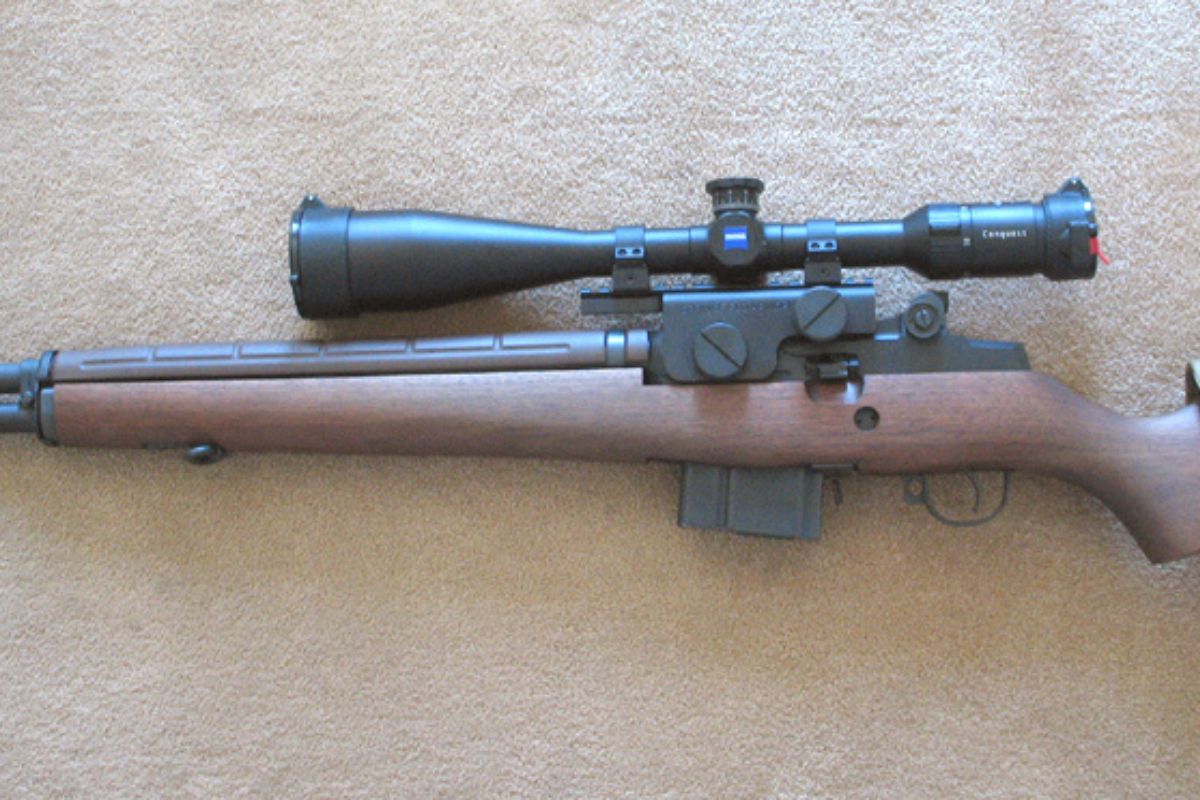
Introduced commercially in 1974, the Springfield Armory M1A is closely associated with the historical design lineage of the American M14 service rifle. Its connection to military history gives it a distinctive position among modern sporting and collectible rifles. Different production periods and factory configurations mean that the M1A should be assessed by its exact identity rather than by its general appearance. Original documentation, factory markings, condition, and completeness can influence interest among collectors. Its historical associations are meaningful, but they do not make every example rare. A standard production rifle and a documented special edition can attract different levels of attention, making accurate identification essential when judging the used market.
8. SKS
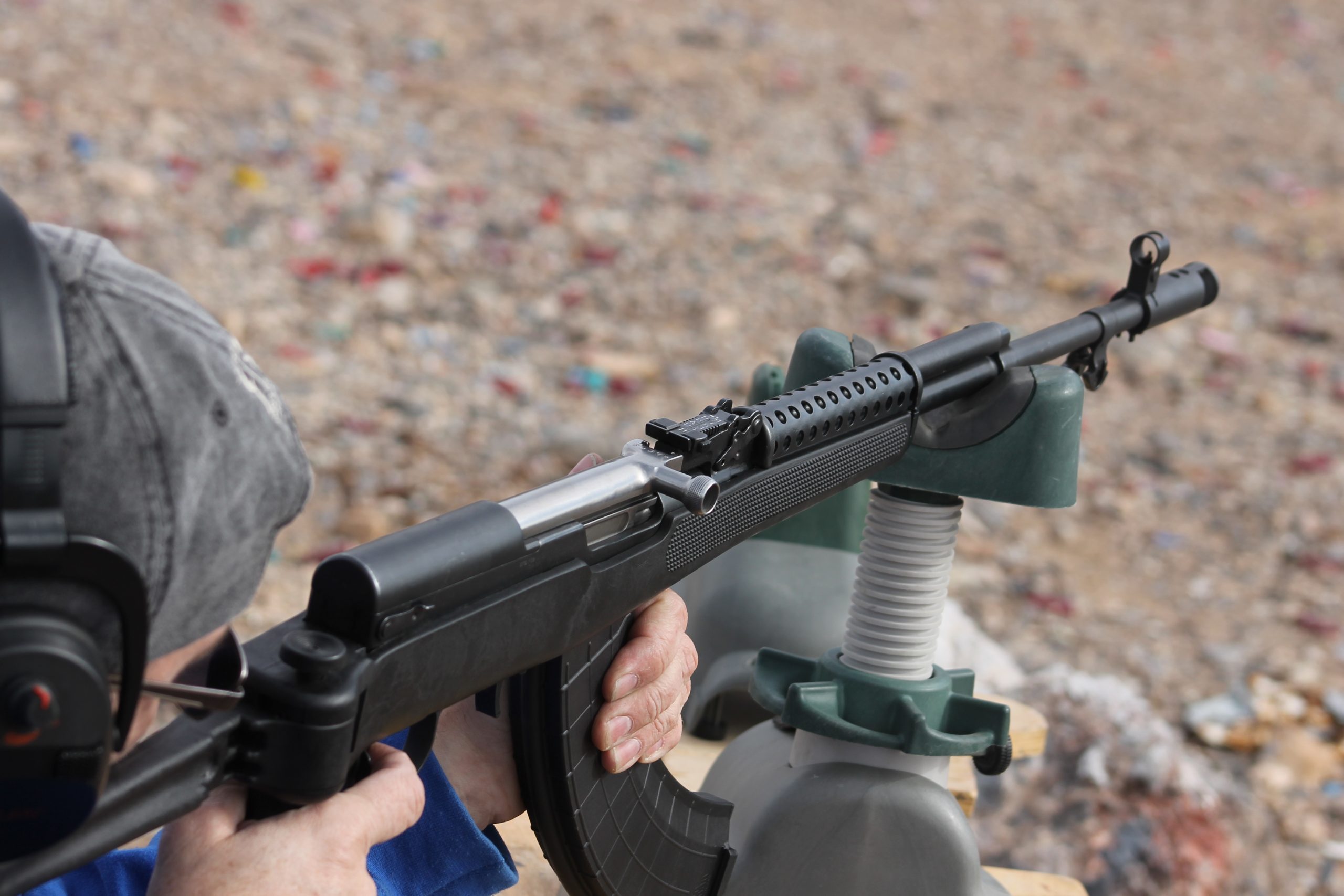
The SKS is a historically significant semi-automatic rifle developed in the Soviet Union during the late 1940s. It subsequently appeared in several countries, including China, Yugoslavia, and other former Eastern Bloc states. This international production history is one reason its used-market identity can be complicated. Country of origin, manufacturing period, markings, matching components, and documented history may distinguish one example from another. The year 1949 is particularly relevant to its early Soviet history, although production continued internationally for decades. Collectors generally have more reason to investigate an original, well-documented example than an unidentified rifle with extensive alterations. Its historical background makes provenance and accurate identification especially important.
9. CZ 527
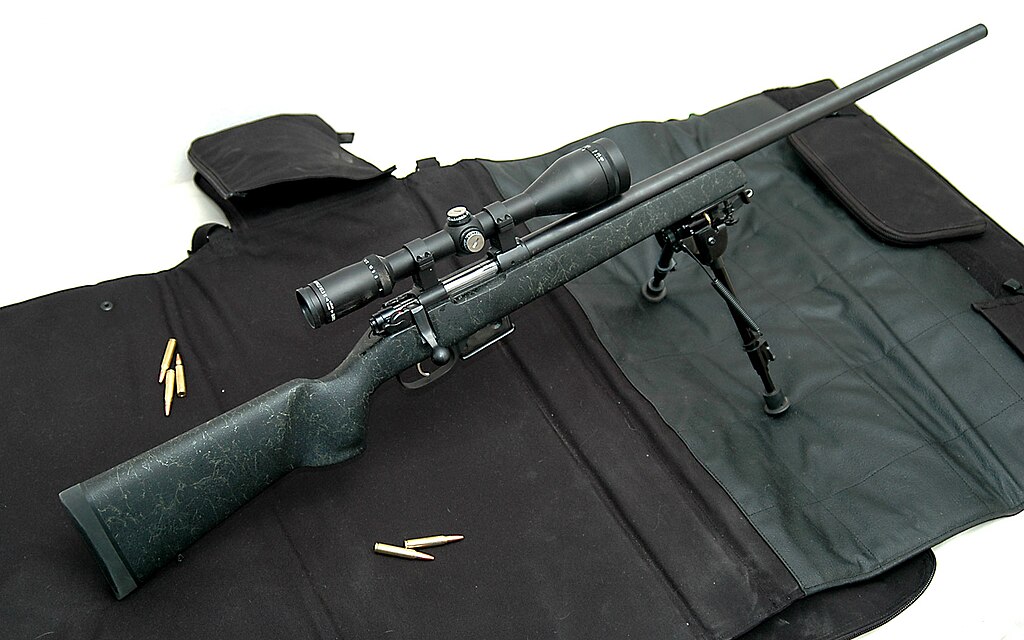
The CZ 527 represents a distinctive chapter in modern European sporting rifle manufacturing. Produced by Česká zbrojovka, the compact bolt-action family became known for its traditional styling and range of chambering options. Its discontinuation around 2021 has increased interest in identifying particular factory versions, although discontinued status alone does not guarantee appreciation. Different configurations, original factory components, documented production details, and condition all influence how individual examples are regarded. Its relatively modern history also makes it important to separate genuine limited editions from ordinary production models. For collectors interested in European sporting firearms, the CZ 527 deserves attention as a recognisable discontinued family with an established identity.
10. Tikka T3
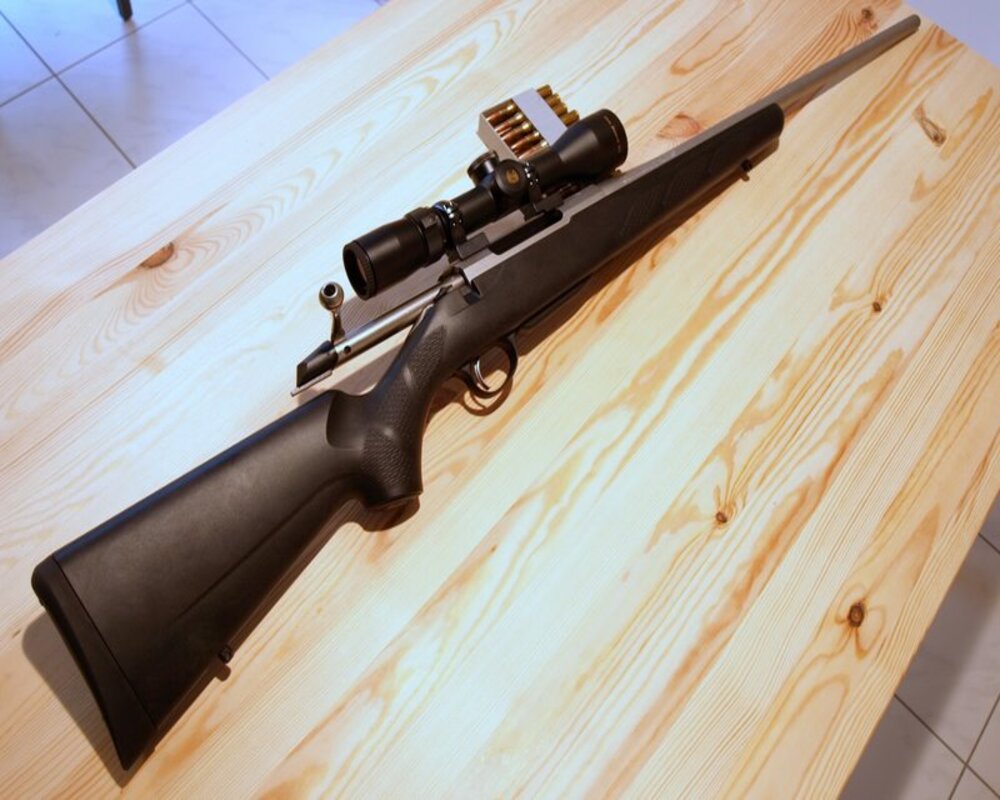
Introduced in 2003, the Tikka T3 became a widely recognised Finnish sporting rifle platform before the newer T3x generation arrived in 2016. That transition gives the earlier T3 a clear place in the history of the brand, although it does not automatically make every original example collectible. Different factory configurations, production details, condition, and included documentation can influence second-hand interest. Its reputation for consistent manufacturing has helped maintain recognition among sporting rifle enthusiasts. When comparing used examples, it is important to distinguish the original T3 from the T3x rather than grouping both generations together. A well-preserved, correctly identified example is worth evaluating, particularly when its actual selling price supports the asking figure.