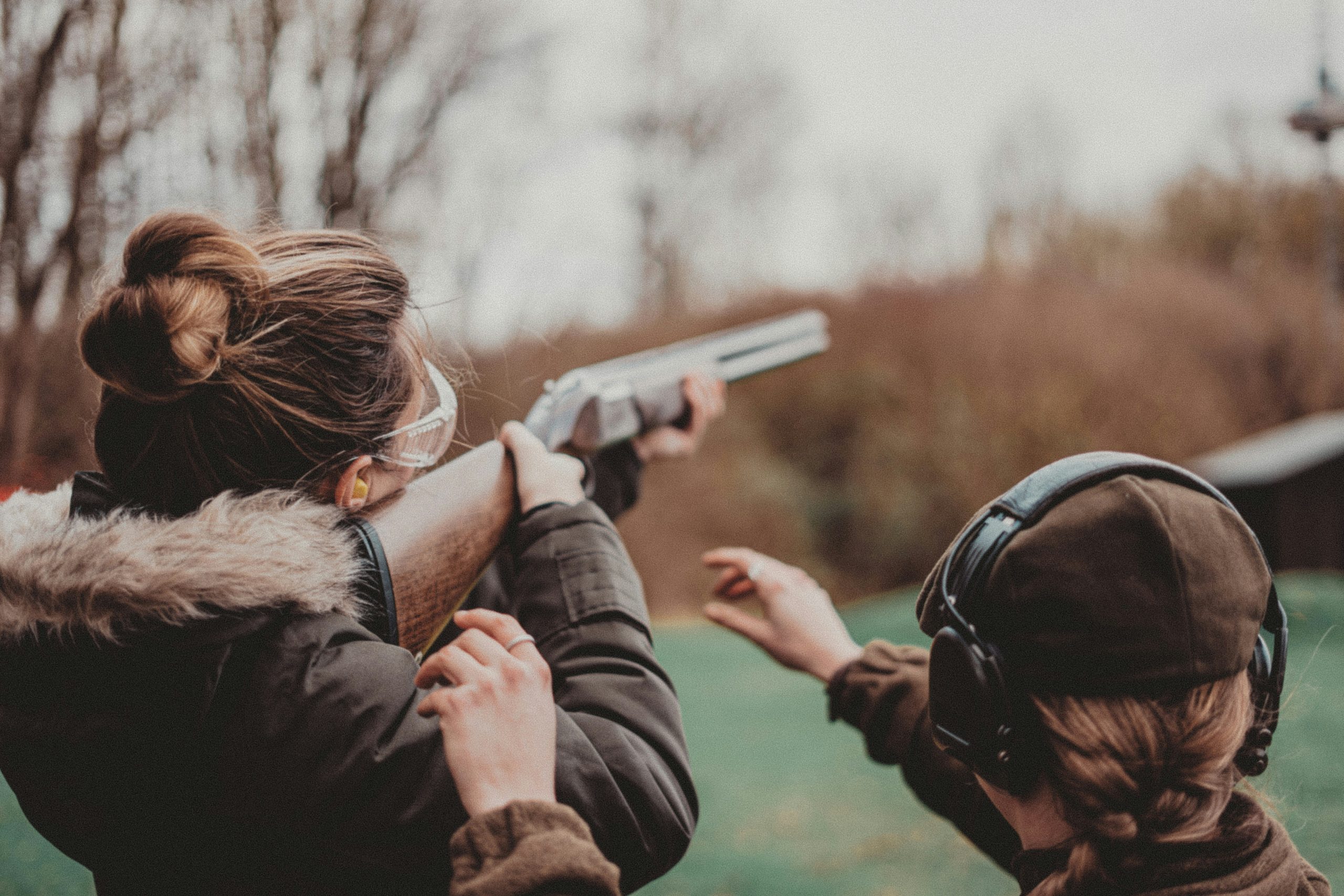
Old attics and weathered barns can preserve remarkable pieces of history. Behind forgotten trunks, beneath floorboards, or inside neglected storage rooms, firearms sometimes remain undisturbed for decades. A discovery like this can reveal connections to military service, changing hunting traditions, family migrations, or major events from the past. The age of a firearm alone rarely tells its full story. Its markings, construction, documented ownership, and surrounding objects may offer far more revealing clues. These eight examples explore historically significant firearms that could turn an ordinary property cleanout into a fascinating encounter with the past.
1. A Civil War-Era Musket
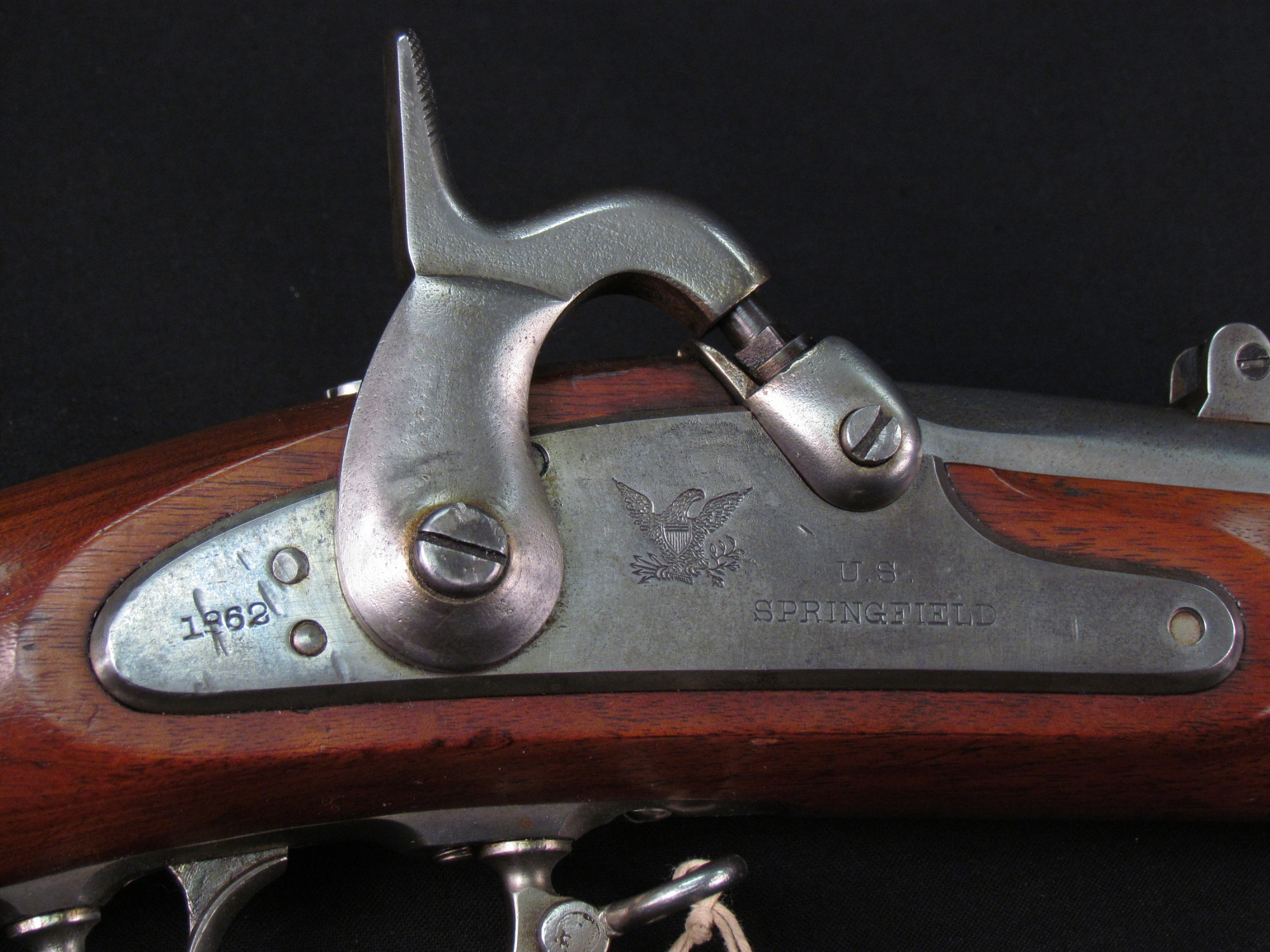
A musket dating to the American Civil War, fought from 1861 to 1865, can connect a family property to a turbulent chapter of history. Many soldiers carried rifled muskets such as the Springfield Model 1861, a .58-caliber arm produced in large numbers. One left in a barn might have belonged to a veteran, been stored by a later generation, or arrived through a sale decades afterward. Inspecting its maker’s marks, serial or assembly numbers, and condition may help establish its age, but ownership records are needed to prove a personal story across generations.
2. A First World War Service Rifle
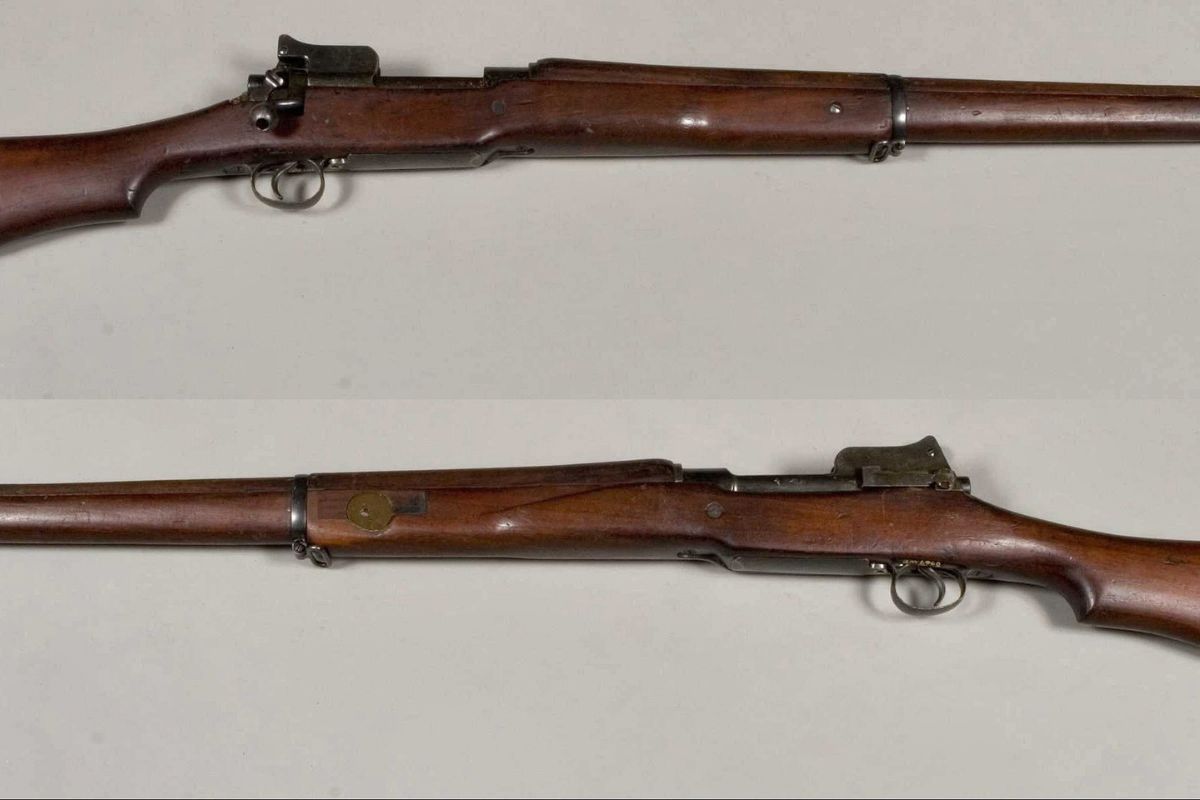
A rifle from the First World War, which lasted from 1914 to 1918, may have reached an attic through a returning serviceman or a family inheritance. The American M1903 Springfield and British Lee-Enfield are two recognizable examples from that era, though a rifle’s appearance alone cannot confirm where it served. Markings, proof stamps, and matching components can offer clues, while letters, photographs, or service papers may connect it to a particular person. Decades in a loft can damage wood and metal, so a discovery should be documented rather than handled or cleaned.
3. A Second World War-Era Carbine
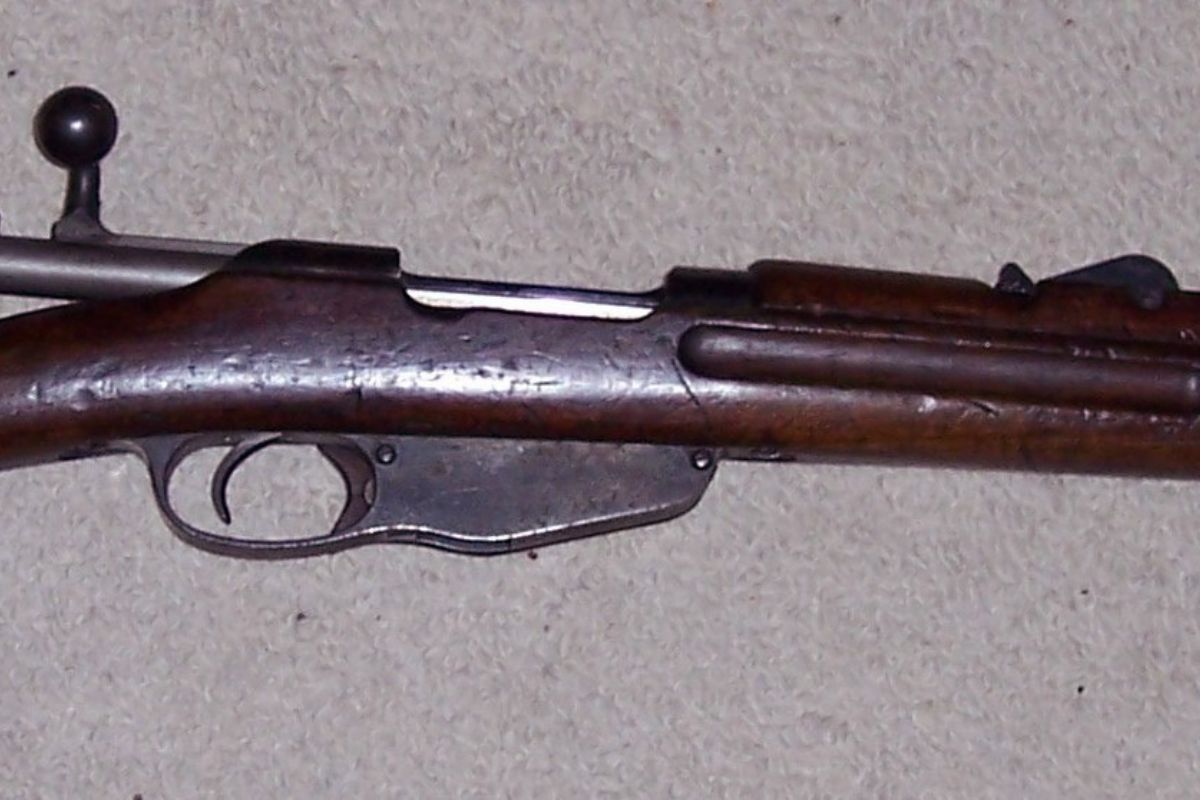
A compact carbine from the Second World War can carry a story spanning continents and generations. The US M1 Carbine, introduced in 1941, was lighter than a standard infantry rifle and was widely issued during the conflict. One found in an old outbuilding might have come home with a veteran, been sold as surplus, or passed between relatives. Its markings may help identify the maker and production period, but they do not establish a battlefield history by themselves. Family records and photographs can provide context that metal and wood cannot alone.
4. A Lever-Action Rifle From a Ranch
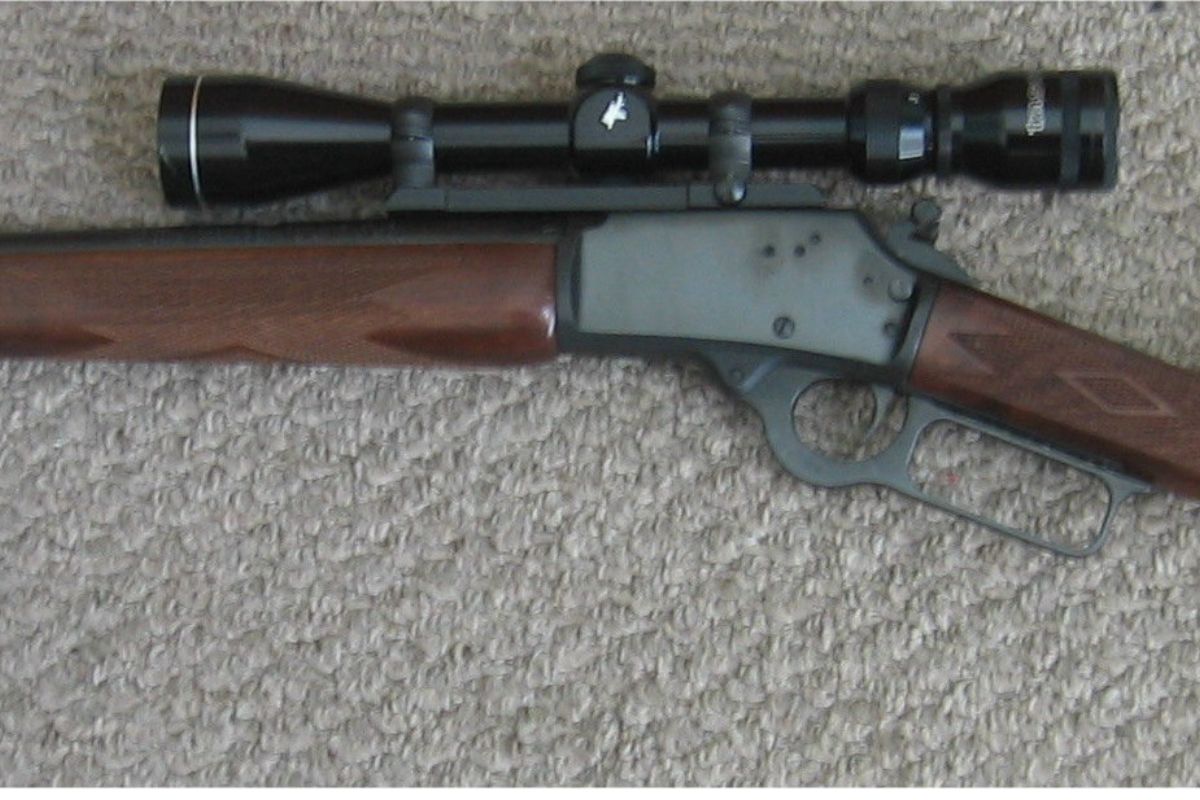
A lever-action rifle tucked behind feed sacks or stored above a stable may reflect the practical demands of rural life rather than a dramatic gunfight. The Winchester Model 1894, introduced in 1894, became a familiar sporting rifle and was chambered for several cartridges over its long production history. Such a find could have belonged to a ranch worker, a hunter, or a previous landowner. Model details and factory records may narrow its date, while wear patterns tell only part of the story. Avoid cycling or loading an old firearm to test whether it works.
5. An Antique Muzzleloading Hunting Gun

A muzzleloading gun discovered in a farmhouse attic may predate modern cartridge firearms by many decades. Some were built for hunting, while others were used for sport or kept as family possessions. Their hand-fitted parts, wooden stocks, and regional styles can help specialists estimate an era, but repairs and replacement pieces may complicate identification. A gun that looks simple can still be dangerous if powder or a projectile remains in the barrel. Do not attempt to fire, dismantle, or clean it. Photographs of visible markings are safer starting points for research.
6. A Sidearm Kept After Military Service
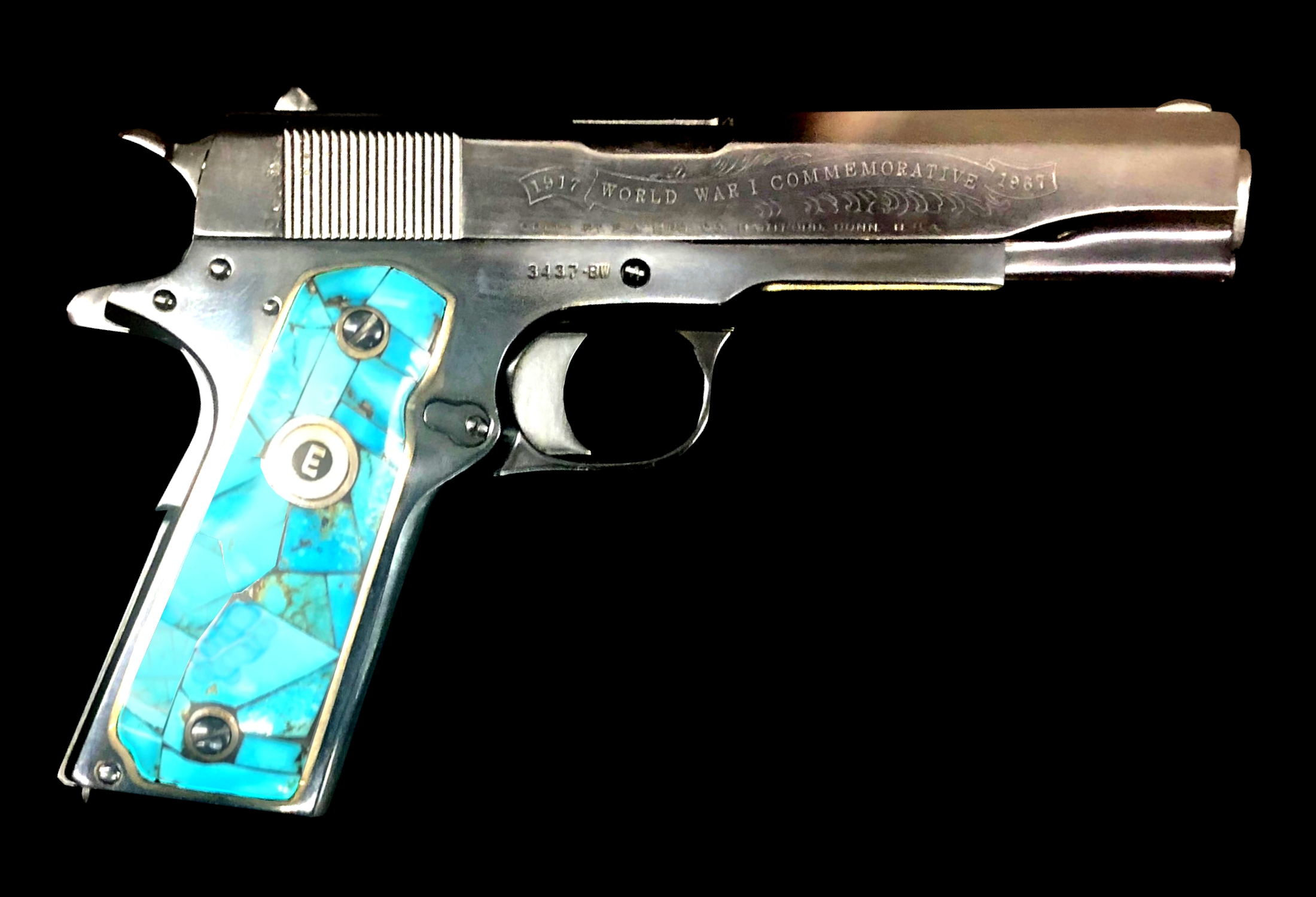
A small military sidearm hidden in a desk drawer or barn cabinet may have been kept as a souvenir, inherited, or stored after a period of service. For example, the US M1911 pistol was adopted in 1911 and served through multiple conflicts, with later versions and markings reflecting different production periods. A model name alone cannot reveal who carried a particular example or where it travelled. Holsters, paperwork, dated photographs, and family correspondence may help fill the gaps. Treat any unexpected firearm as loaded, and leave inspection to a qualified professional.
7. A Single-Shot Farm or Utility Gun

Not every old firearm has a military connection. A single-shot shotgun or rifle kept in a barn may have served for farm use, pest control, or occasional hunting, reflecting a time when equipment was repaired and passed down. Some inexpensive firearms were made in very large numbers during the late 19th and 20th centuries, so their value may lie more in local history than rarity or market price. A maker’s name, gauge or caliber marking, and proof marks can help identify it. Rust, cracked wood, and missing parts are reasons not to test its function.
8. A Firearm With Its Original Case and Papers
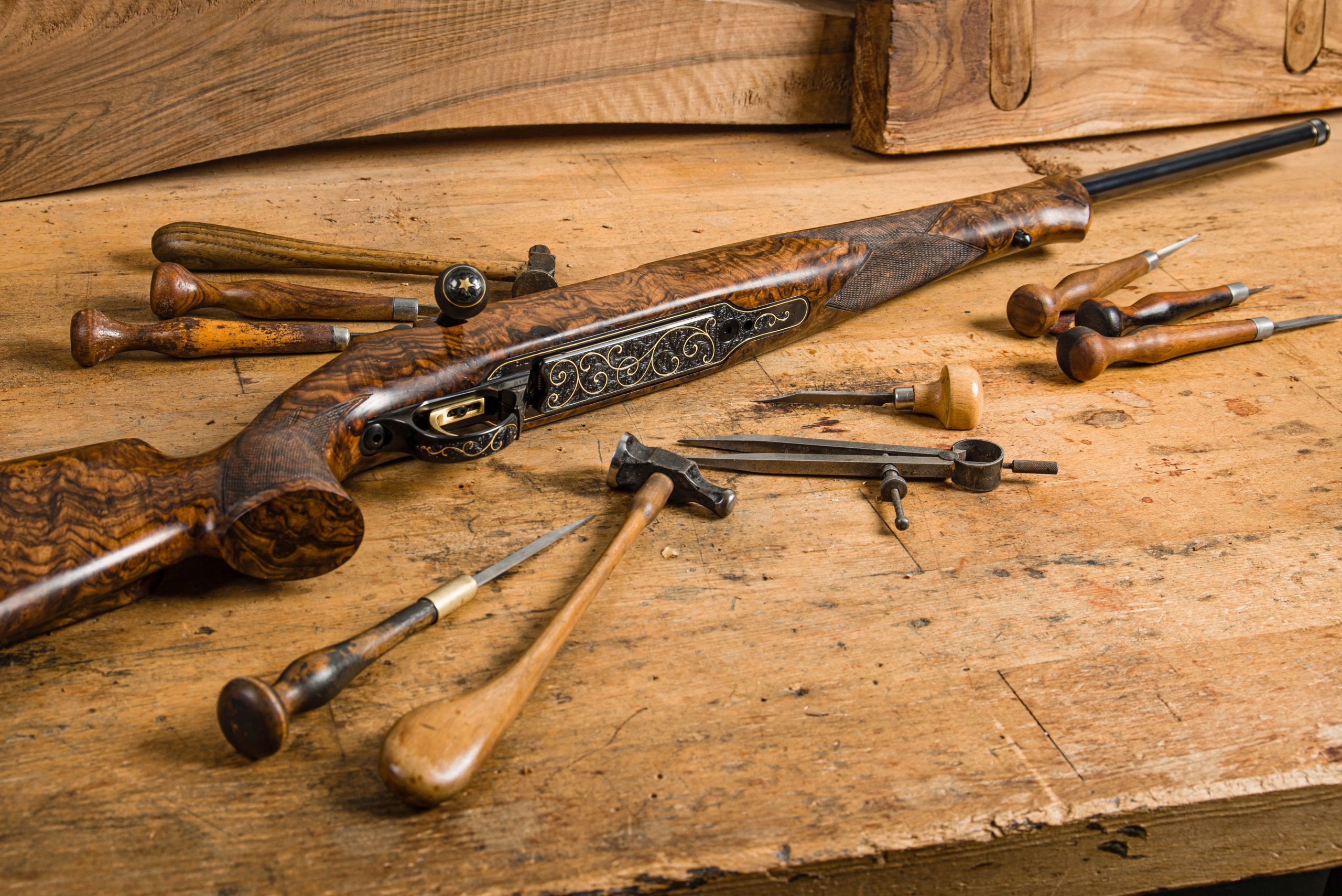
Sometimes the most revealing attic discovery is not an unusual model but a firearm preserved with its original case, receipt, manual, or handwritten note. A dated bill of sale can establish a useful starting point, while a name or address may connect the object to a family archive. Even a document from 1920 or 1950 can help researchers compare ownership details with local records. Keep paper items dry and separate from corroded metal, and photograph everything in place before moving it. Do not assume the papers prove the complete story.