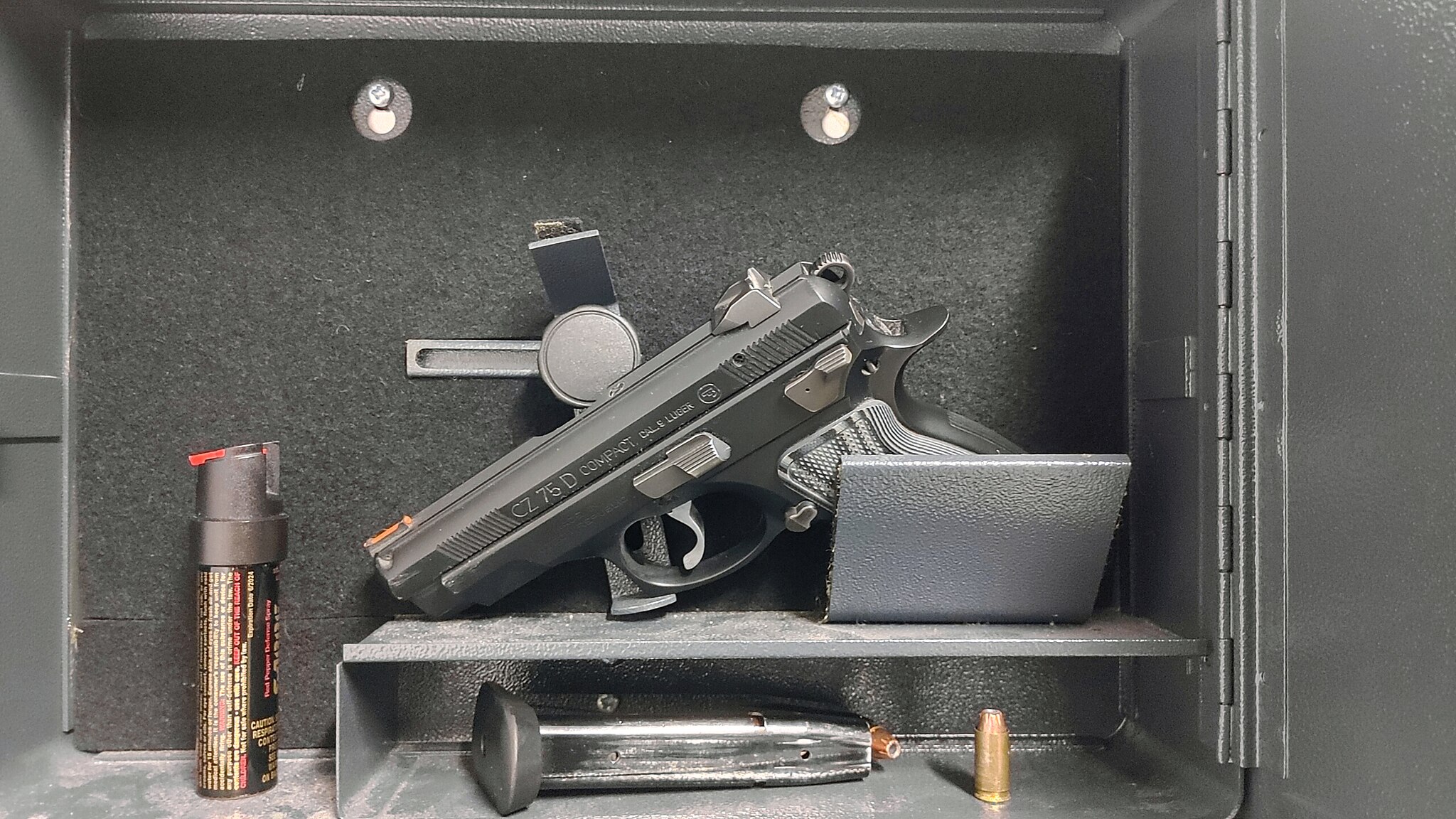
An old gun safe can hold far more than the firearms it was built to protect. When a home is sold after decades of family ownership, its locked compartments may reveal forgotten paperwork, unusual collectibles, wartime souvenirs, and personal belongings that have remained untouched for generations. Some discoveries explain a family’s history, while others raise questions about ownership, value, and how the objects ended up there. Although these 11 finds are plausible examples of what an old safe might contain, individual discoveries vary, and any specific estate-sale story should be verified before being presented as fact.
1. A Forgotten Stack of Military Letters

A small bundle of letters can turn a routine cleanout into a family-history discovery. Estate buyers sometimes find correspondence tucked into an envelope or document sleeve inside an old safe. The pages may describe a training camp, a long voyage, or everyday worries from a distant decade, with dates and postmarks helping place them in time. One letter dated 1944 could provide a lead for relatives researching wartime service, but it does not prove the writer saw combat. Keep the papers in their original order, avoid tape or lamination, and ask the estate representative before removing anything.
2. Coins Hidden in an Old Ammunition Tin
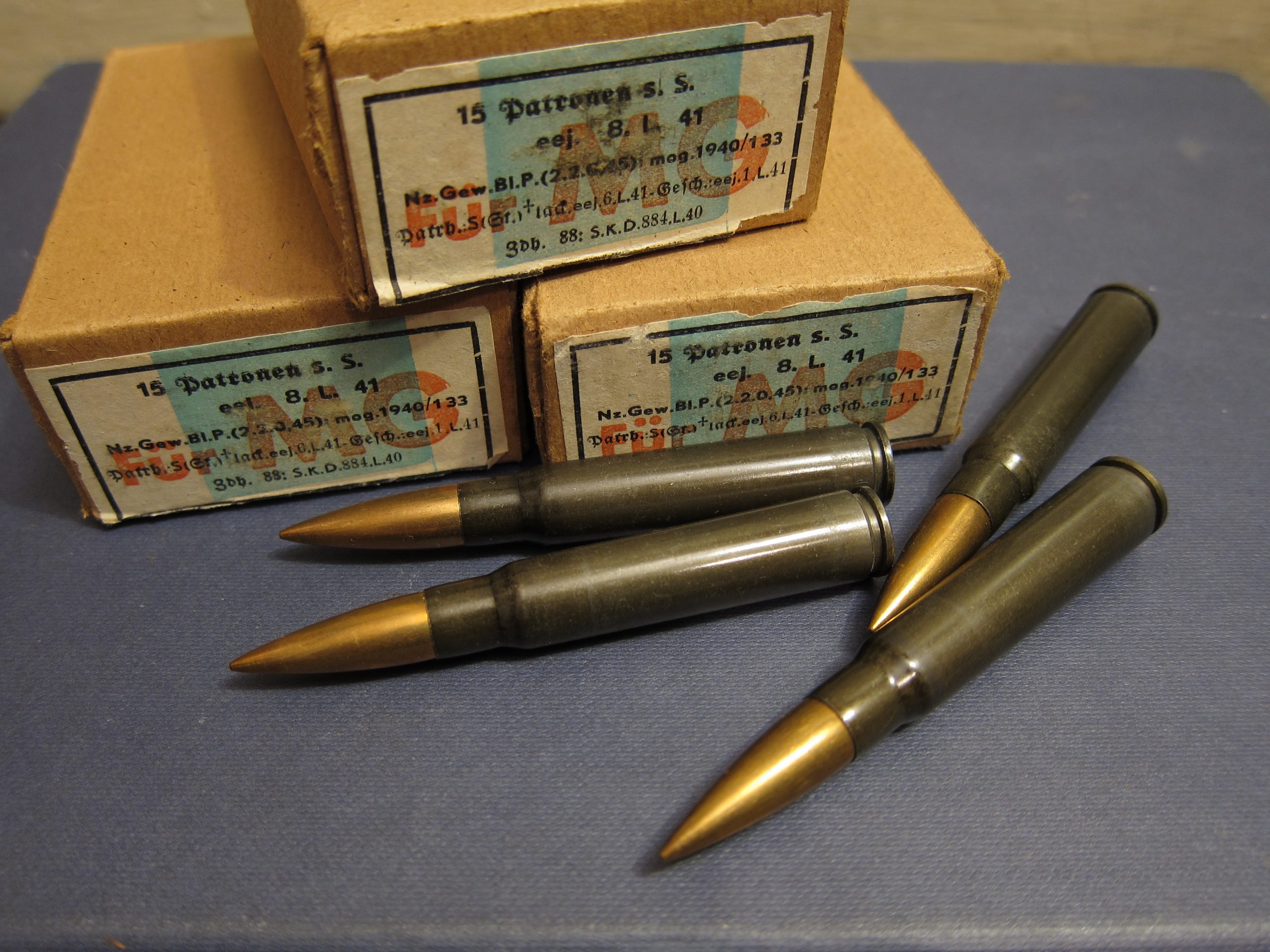
A rusted tin inside a safe may contain coins saved for reasons no one remembers. The group could include ordinary circulation pieces, silver coins, foreign change, or commemorative issues collected across several decades. A coin dated 1921 is not automatically rare; mint mark, condition, metal content, and scarcity all affect value. Avoid polishing the surfaces, since cleaning can reduce collector interest. Photograph both sides, note any unusual dates, and have a reputable coin dealer assess the pieces before treating an exciting-looking handful as a valuable treasure.
3. A Handwritten Family Inventory
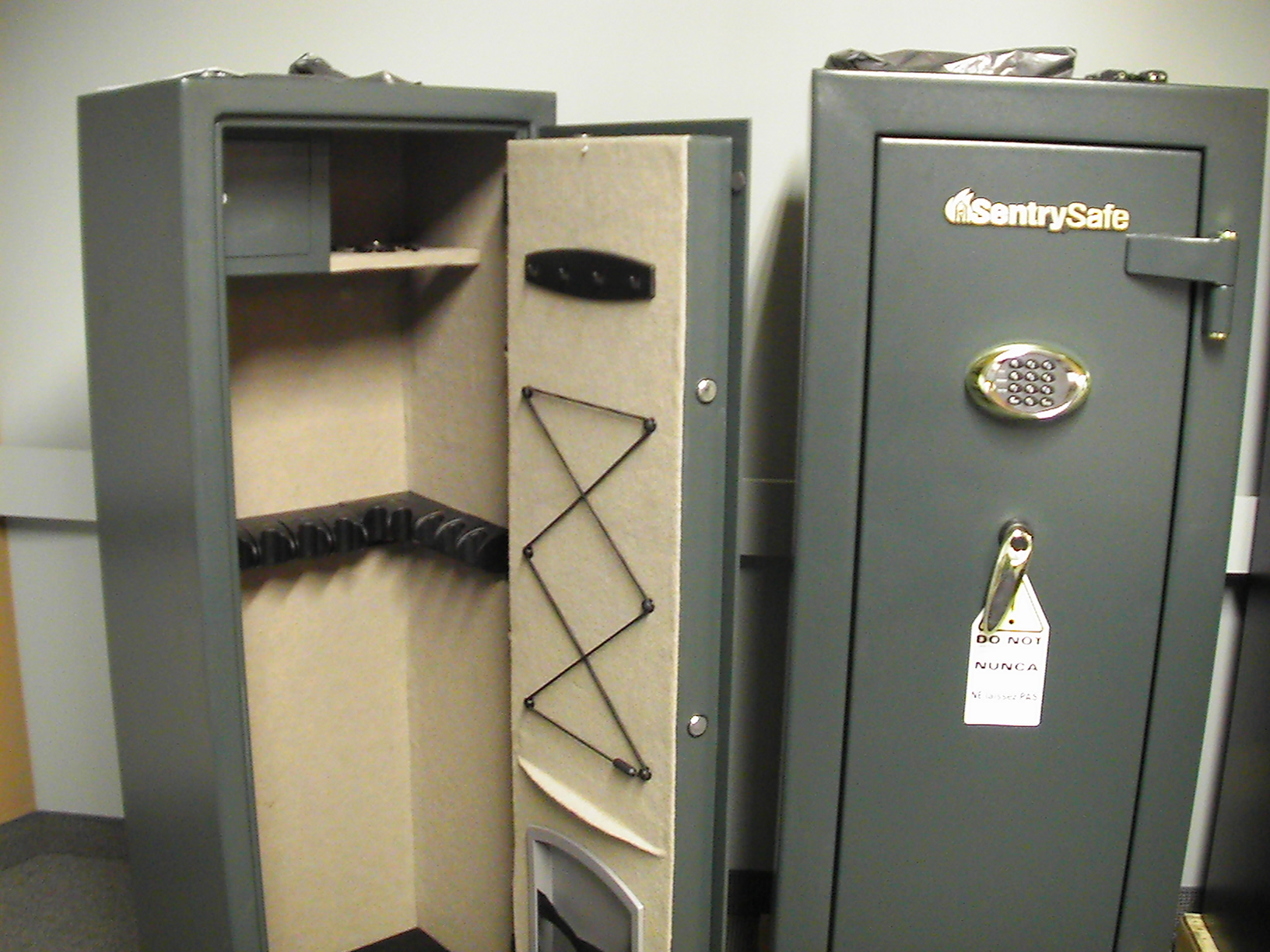
Some safes contain a plain notebook that proves more revealing than an expensive object. A handwritten inventory might list household silver, land documents, heirlooms, or items loaned to relatives, sometimes with dates and initials beside each entry. A page from 1968 could help explain why a keepsake was stored away, although an old list is not proof that every item remains in the safe or belongs to the seller. Keep the notebook intact and compare it with estate paperwork. Names, addresses, and account details are private, so avoid sharing photographs publicly before the family or executor has reviewed them.
4. Vintage Photographs in Paper Envelopes
A stack of photographs can reveal who owned the safe and what mattered to them. Portraits, wedding pictures, workshop scenes, or images of a family home may be dated by handwritten notes, clothing, or photographic format. A studio print from the 1930s might identify a relative missing from later family records. However, a uniform alone rarely establishes someone’s exact military unit. Handle prints by their edges, keep them away from direct sunlight, and record any writing on the back. The people shown may still have living relatives who would value the discovery.
5. Old Property Deeds and Survey Maps
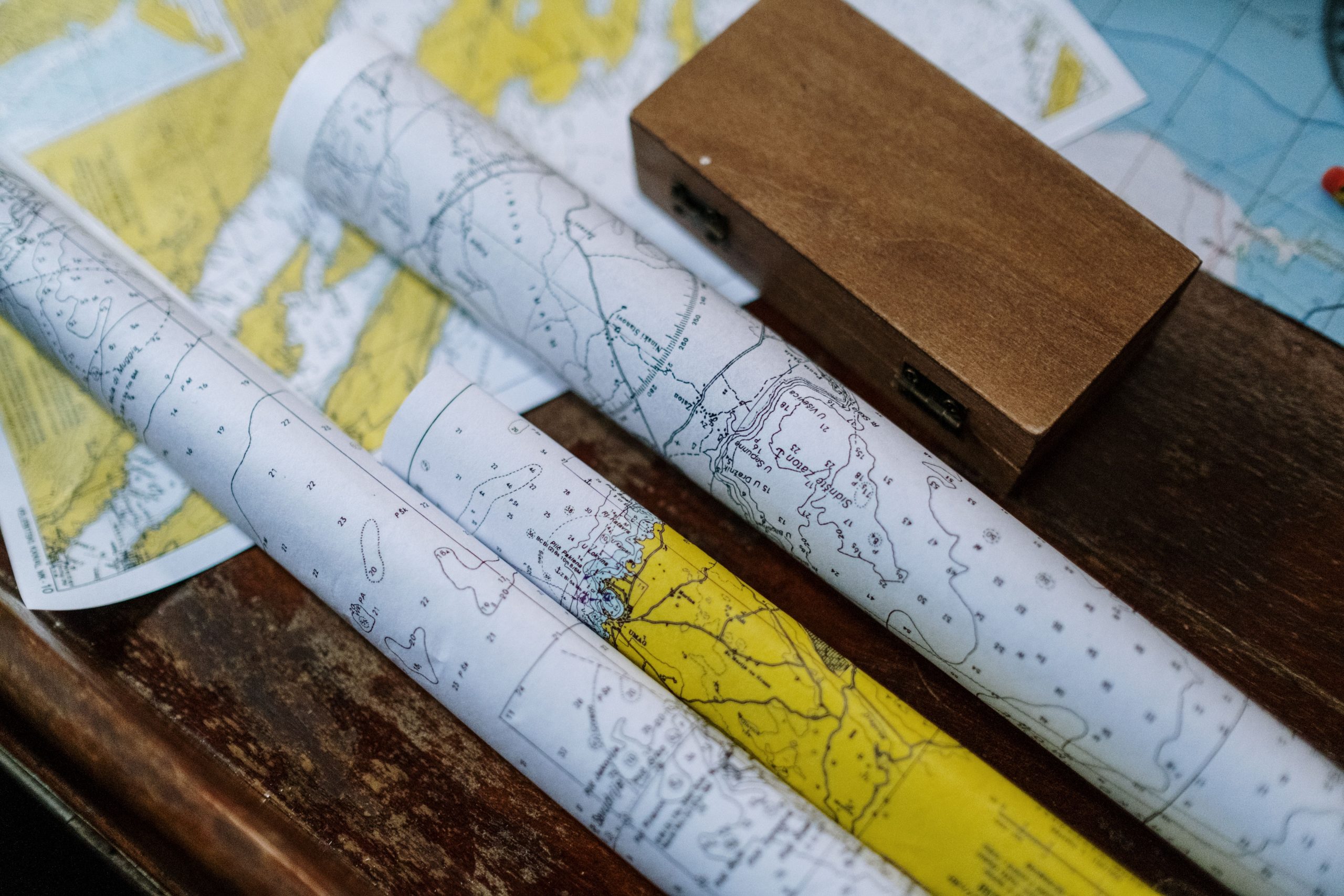
A safe may protect documents tied to land, a house, or a long-forgotten boundary dispute. Deeds, tax receipts, and survey maps can carry dates, signatures, parcel numbers, and stamps that help explain how a property changed hands. A map drawn in 1952 may show a road or boundary that looks different today, but it should not be used alone to settle a legal question. Do not discard brittle papers or detach seals. Keep each document flat in a dry place, and let the executor or a qualified property professional decide whether it belongs with the estate records.
6. A Watch That Has Not Ticked in Years
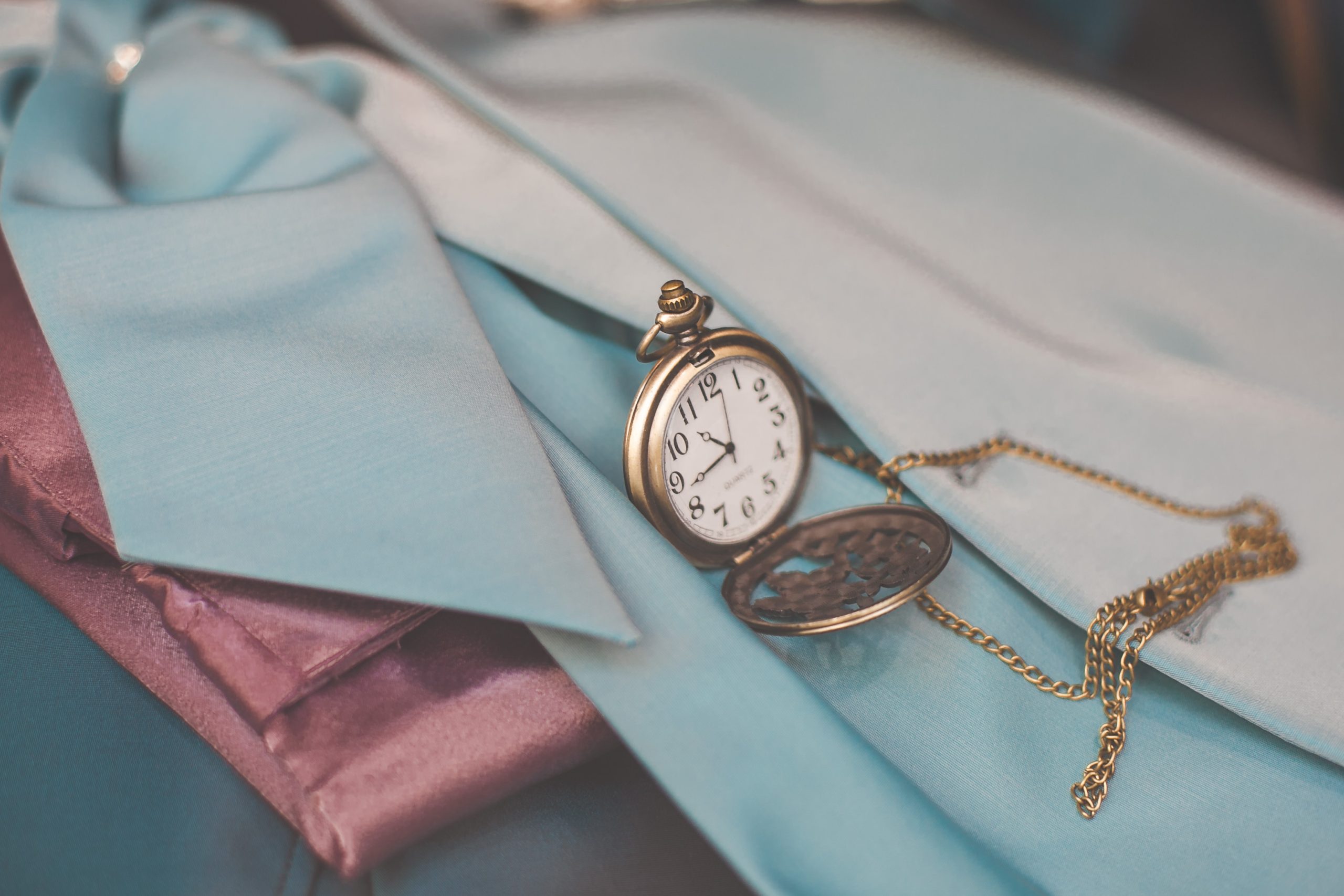
An old safe can preserve a wristwatch or pocket watch that stopped long before the house was sold. The case may carry a maker’s mark, serial number, engraving, or date that gives clues about its history. A watch made in 1940 is not necessarily valuable, because originality, condition, service history, and demand matter more than age alone. Resist winding it or forcing a stuck crown; dried lubricants and corrosion can damage delicate parts. Photograph the dial and case, note any inscriptions, and seek an independent watchmaker before paying for restoration or assuming the item is an investment.
7. A Box of Unusual Keys
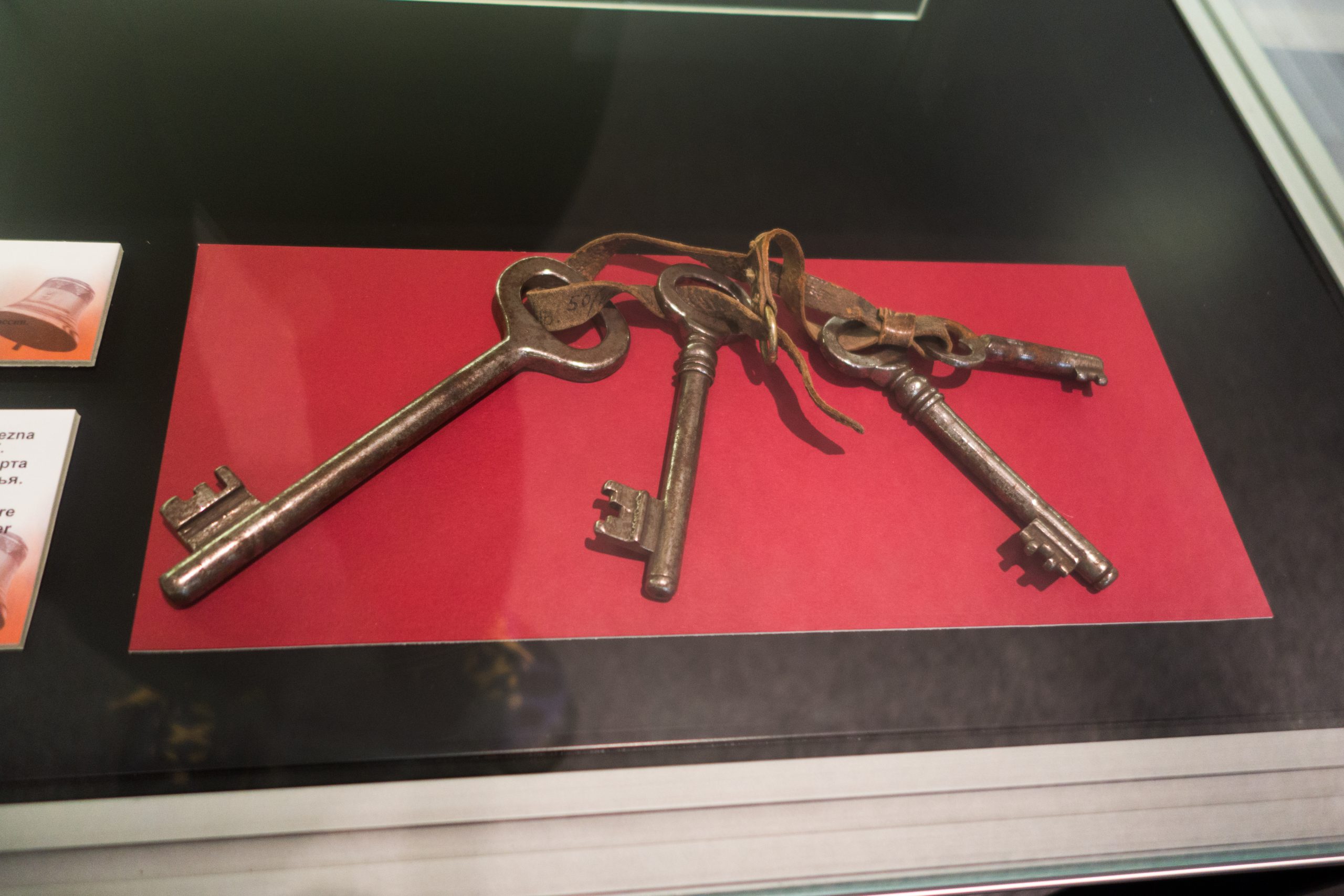
A ring holding 6 or more mismatched keys can look like a puzzle left by a previous owner. Some may fit cabinets, trunks, desk drawers, or an older house lock, while others may belong to equipment that has long disappeared. A paper tag marked “garage” or “office” can be more useful than the key’s shape, but labels are not always accurate. Do not test unfamiliar keys on current locks or enter restricted rooms without permission. Photograph the ring and its tags, keep everything together, and ask the estate representative whether an inventory explains the keys before deciding they are worthless scrap.
8. A Small Collection of Foreign Banknotes
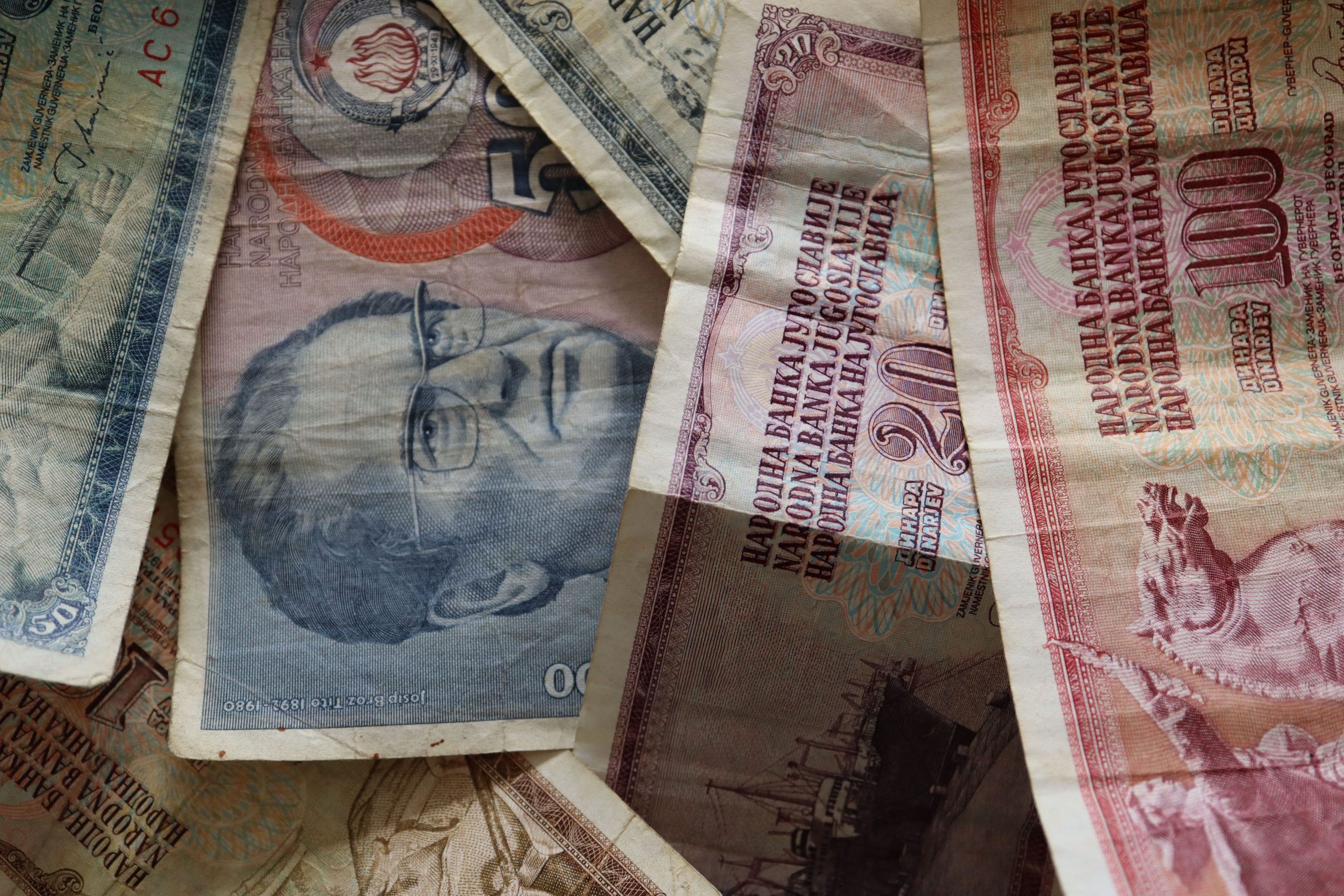
Foreign banknotes tucked into an envelope may reflect travel, military service, migration, or a relative’s habit of saving unusual currency. The notes might span 3 countries and several decades, with old designs or denominations no longer in use. Their face value may be obsolete, yet some examples interest collectors because of rarity, condition, or historical context. Do not assume an unfamiliar note is counterfeit simply because its colors or script look unusual. Keep notes dry, avoid folding or taping them, and record the issuing country and printed date. A specialist can help identify them before any sale is attempted.
9. A Medal With an Unclear Inscription
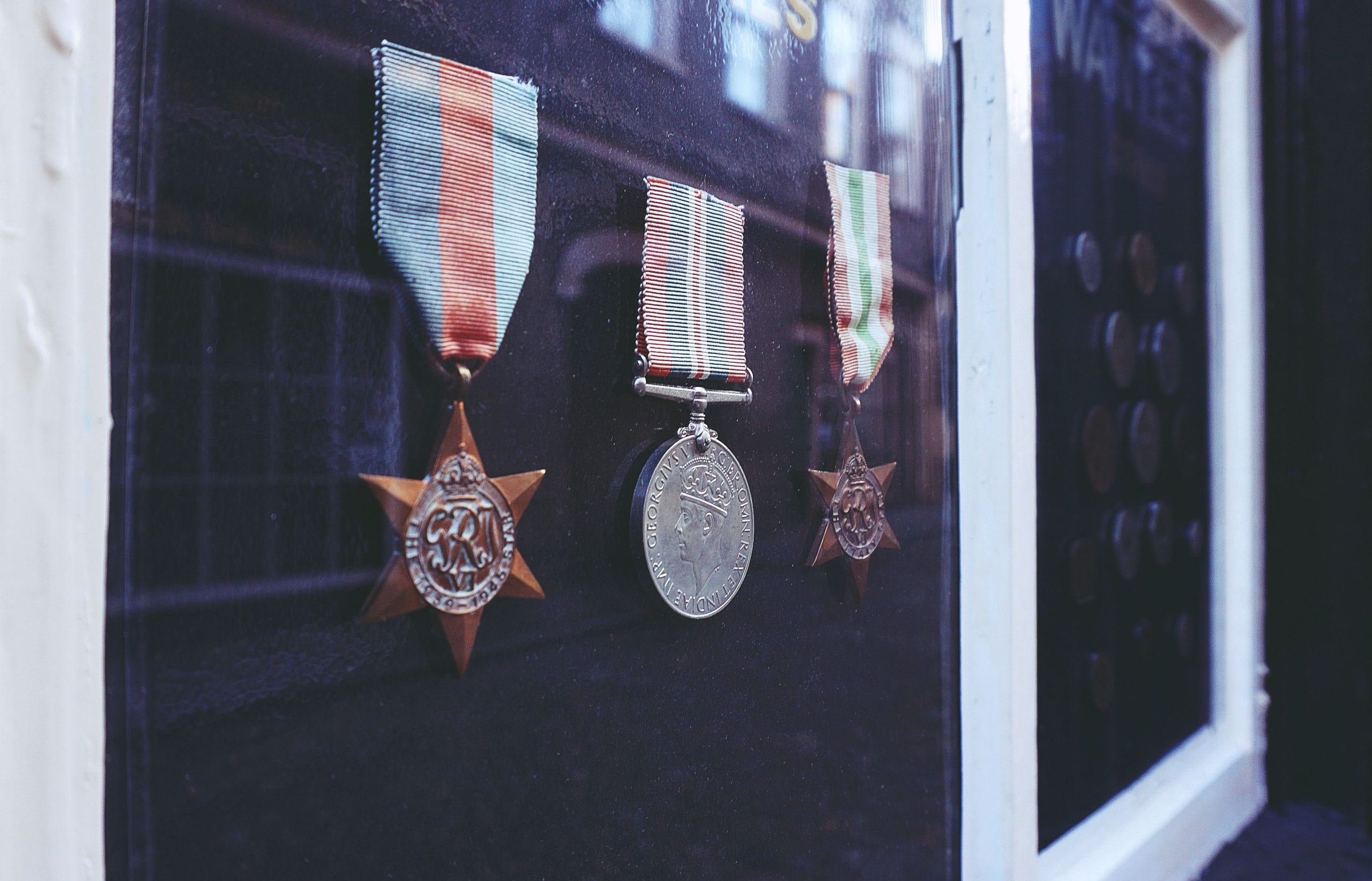
A medal wrapped in cloth can prompt more questions than answers. It might be a service award, a sporting prize, a fraternal badge, or a commemorative token, and a ribbon alone rarely establishes its exact purpose. An inscription bearing the year 1918 may narrow the search, but it does not prove the medal was issued during a particular battle or belonged to a specific person. Photograph the front, back, ribbon, and markings without polishing the metal. Compare the details with reliable museum or collector references, and let the estate representative check family records before separating it from related documents.
10. A Sealed Envelope of Receipts
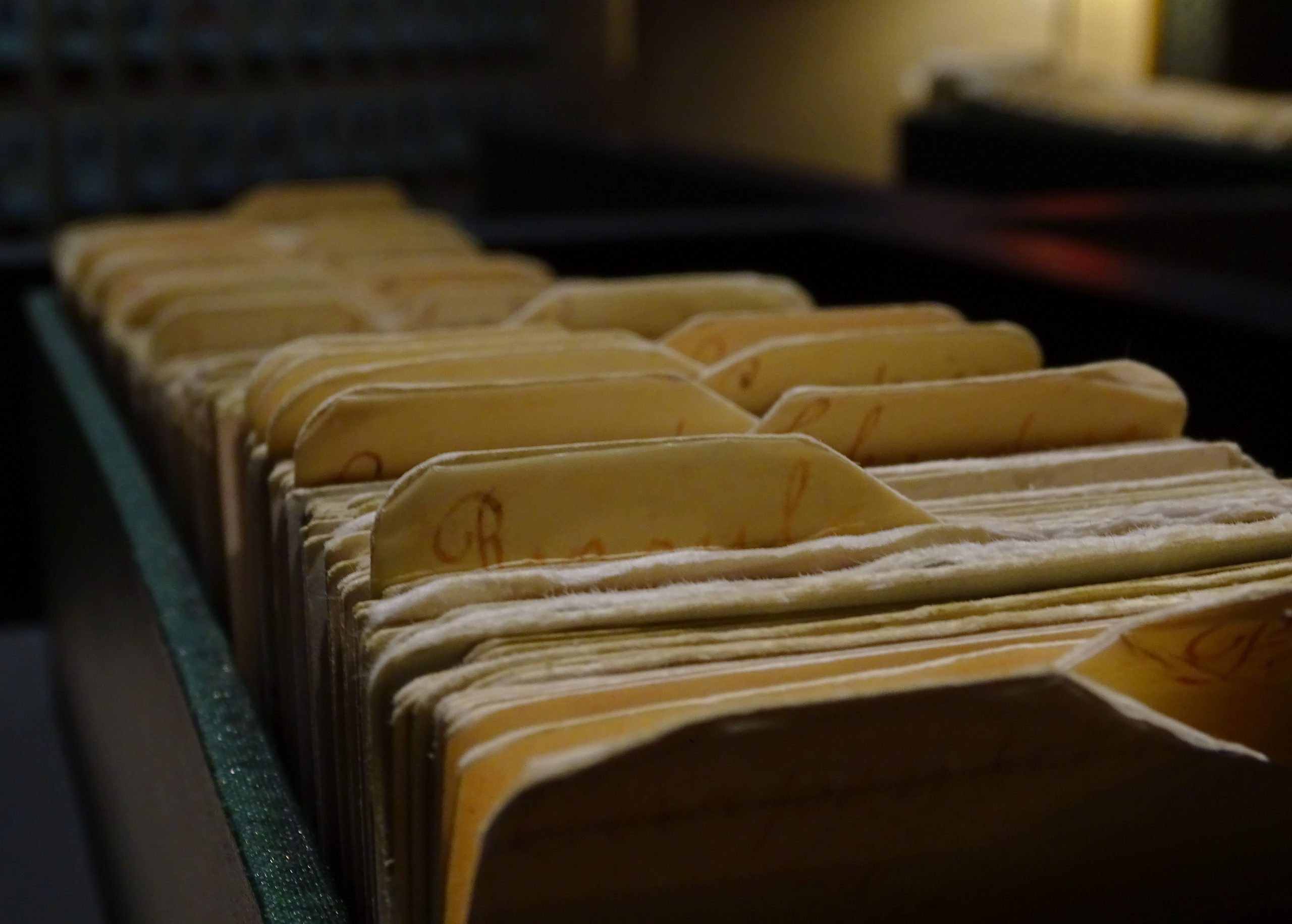
A thick envelope of receipts can uncover a surprisingly detailed record of a household’s past. Repair bills, purchase slips, insurance papers, and handwritten notes may show what was bought, when work was done, or which local businesses served the family. A receipt from 1976 for a major appliance, for example, can help date a move or renovation when matched with other records. The papers may also contain phone numbers, signatures, or financial details that should remain private. Sort them gently by date, keep related pages together, and ask the executor before discarding records that could support a claim or family-history search.
11. A Second Compartment Nobody Noticed
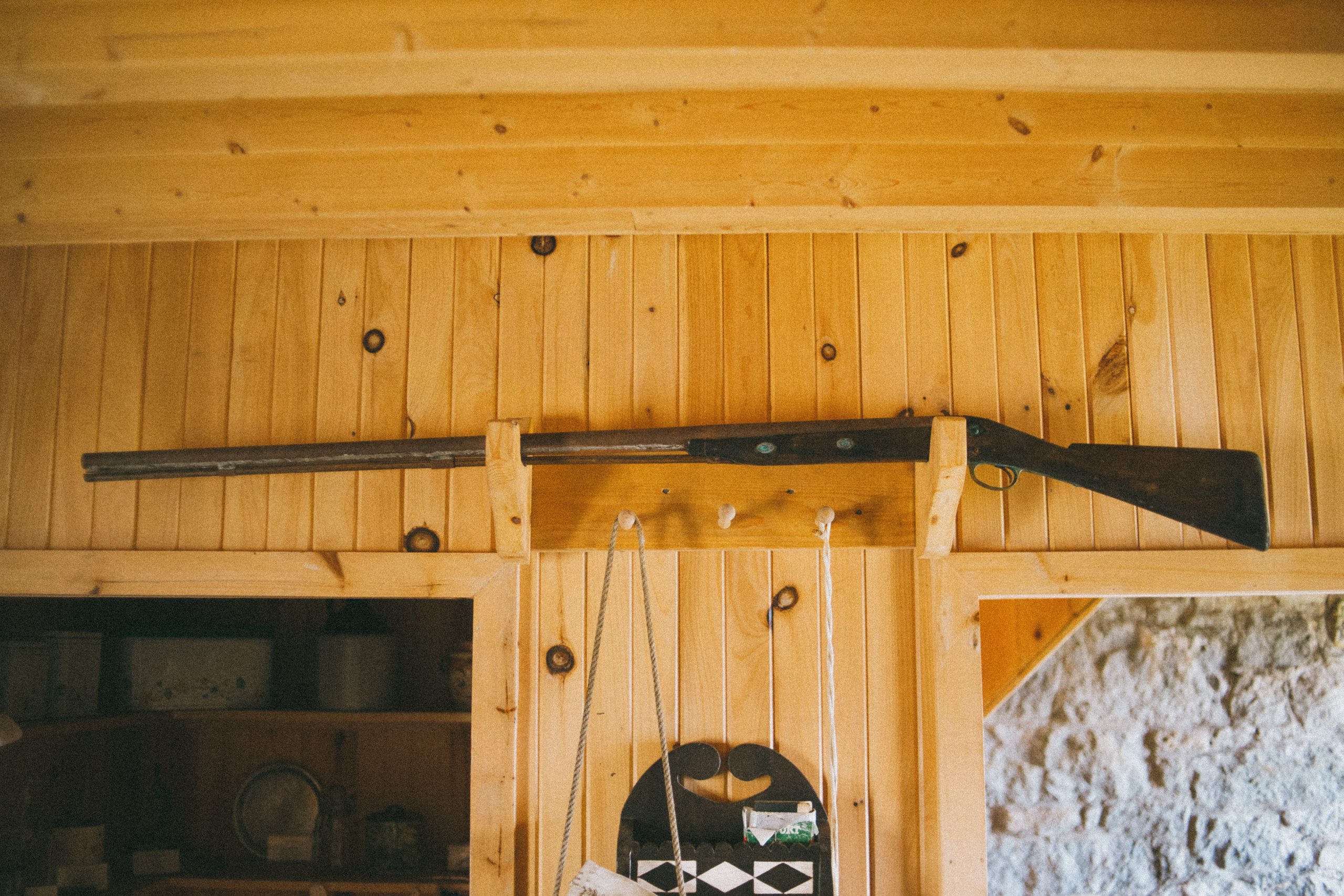
Sometimes the strangest discovery is not an object but a concealed or overlooked compartment. Older safes may have shelves, document drawers, or interior panels that are easy to miss during a quick inspection, though not every unusual seam hides a secret space. If a panel appears loose or a compartment is locked, do not pry it open or drill into the safe; the contents may be fragile, hazardous, or legally restricted. Photograph the interior and ask the estate professional to arrange a qualified inspection. A careful check of all 4 interior sides and removable trays may reveal overlooked belongings without damaging the safe or its contents.