Long before firearms changed the balance of power across North America, Native American nations relied on skillfully made weapons suited to their lands, needs, and traditions. These tools were not just instruments of war, but also essential parts of hunting, survival, and ceremony. This gallery explores nine important weapon types and the craftsmanship, strategy, and cultural knowledge behind them.
Bow and Arrow
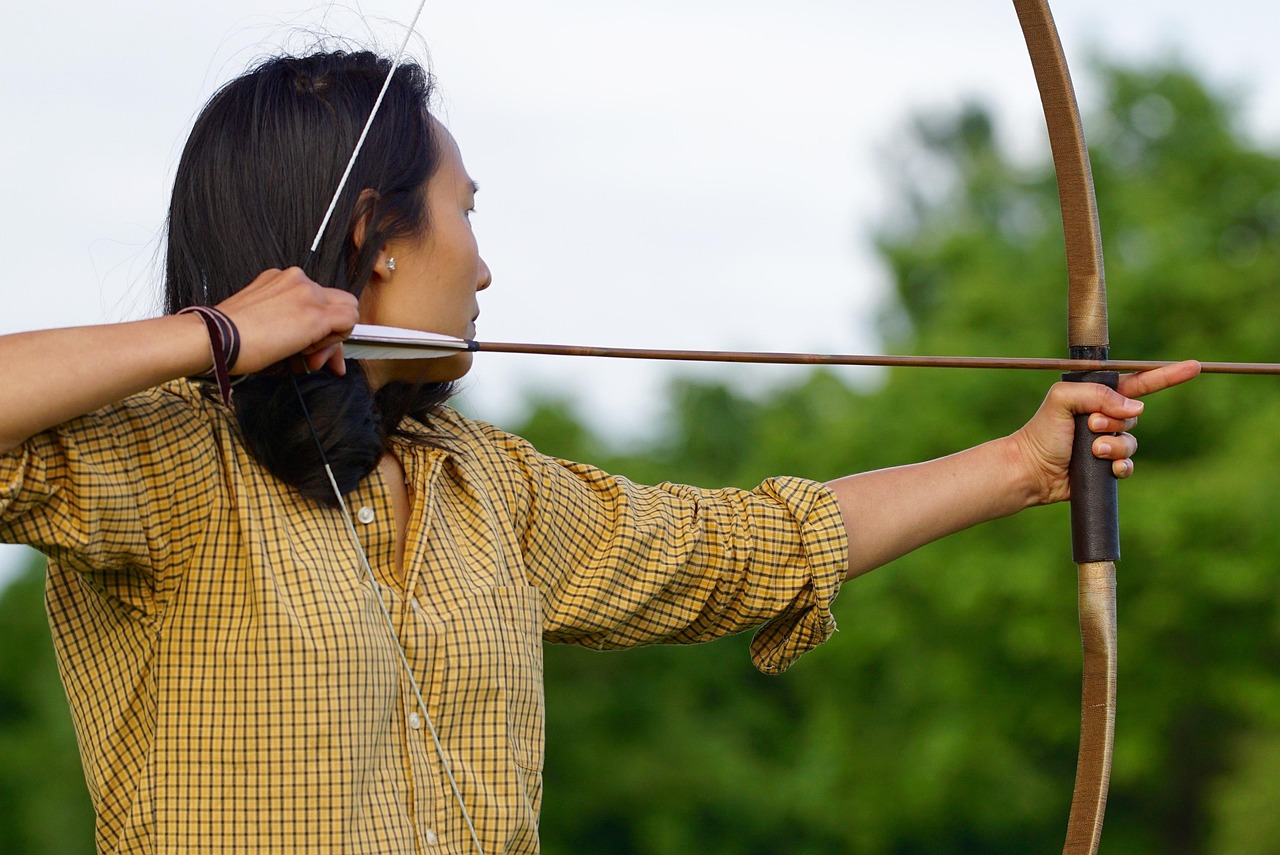
The bow and arrow was one of the most important weapons across Native North America, prized for its range, speed, and versatility. Hunters used it to bring down deer, elk, and smaller game, while warriors depended on it in raids and open combat. A skilled archer could fire with remarkable accuracy under pressure.
Bows varied by region, shaped by available wood, climate, and local traditions. Some were short and practical for use on foot or horseback, while others were longer and built for power. Arrow points could be made from stone, bone, or later metal, and every part of the weapon reflected careful craftsmanship.
Spear

The spear was a foundational weapon, simple in design but effective in many situations. It could be used for thrusting in close combat, thrown at a target, or adapted for fishing and large-game hunting. In many communities, it was among the earliest and most practical weapons a person learned to handle.
Spears were often tipped with sharpened stone, bone, antler, or hardened wood, depending on place and purpose. Length and weight mattered, and different forms were built for bison hunts, river use, or battle. Its flexibility made the spear a constant presence in daily survival as well as conflict.
Atlatl
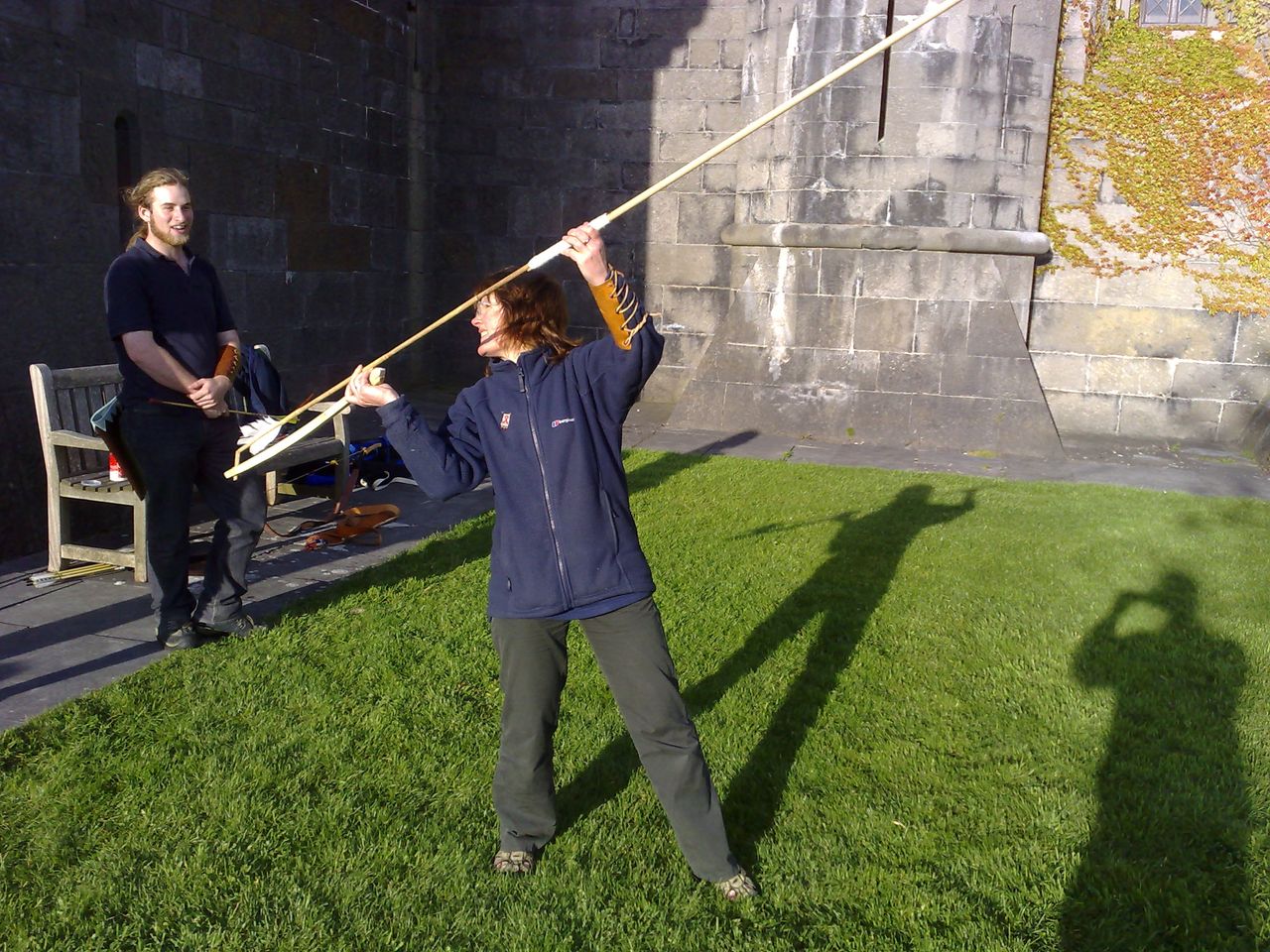
Before the bow became widespread in many areas, the atlatl gave hunters and warriors a major advantage. This handheld throwing tool launched a dart with far more force and distance than the arm alone could manage. It was a clever piece of technology, turning timing and technique into real power.
The atlatl was especially useful for hunting large animals, where penetration and range could make the difference between success and danger. Darts were longer and more flexible than arrows, and the weapon took practice to master. Even after bows spread, the atlatl remained an important reminder of earlier innovation and skill.
War Club
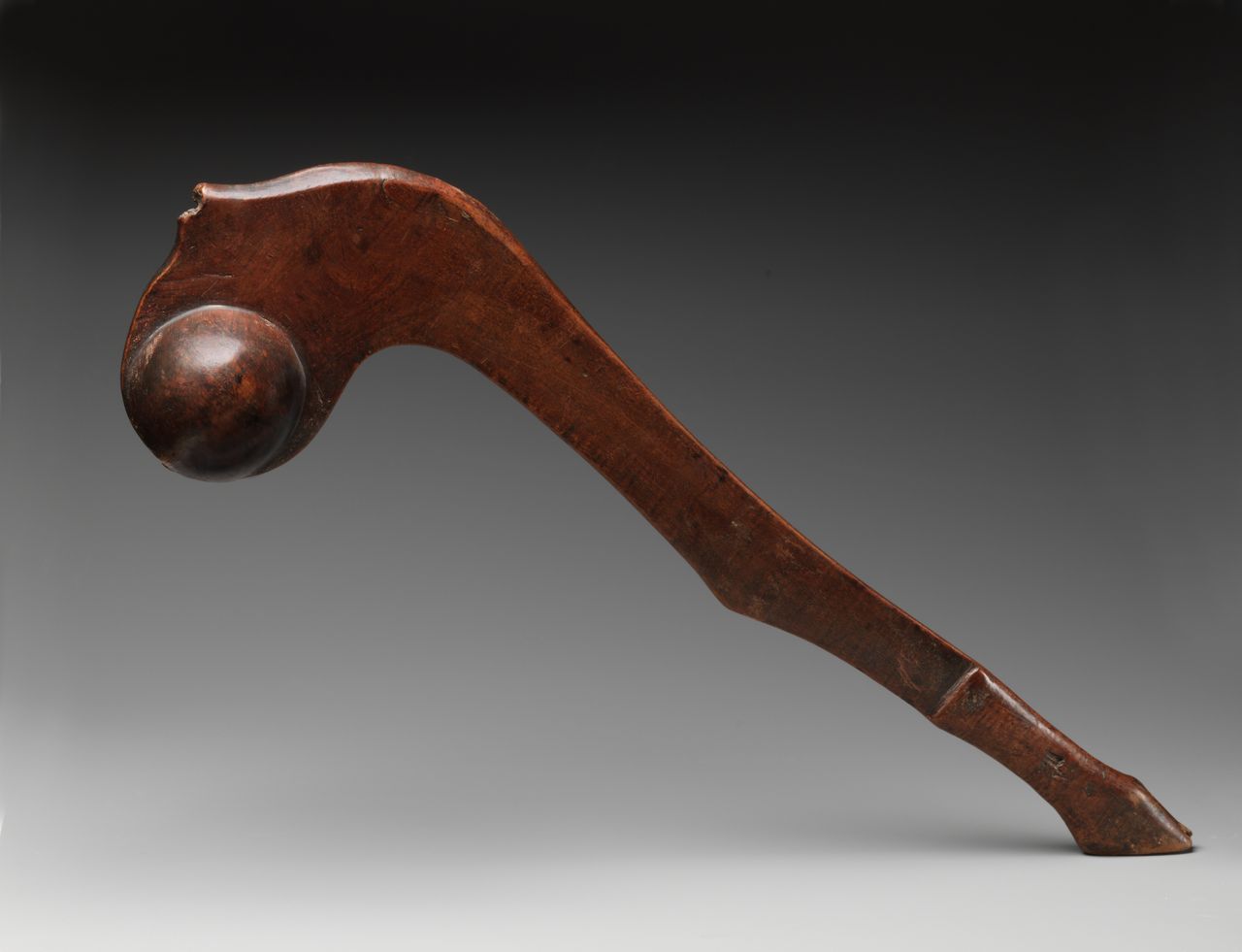
The war club was a close-range weapon built for speed, force, and intimidation. In battle, it could be devastating, especially during sudden attacks or hand-to-hand fighting. Its compact form made it easier to carry than a long spear, and many styles were shaped to deliver concentrated impact.
Clubs ranged from plain hardwood designs to carved forms with stone heads or weighted ends. Some became deeply symbolic, tied to personal reputation, leadership, or warrior identity. While practical in combat, they could also be striking works of craftsmanship, showing that function and meaning often went hand in hand.
Tomahawk

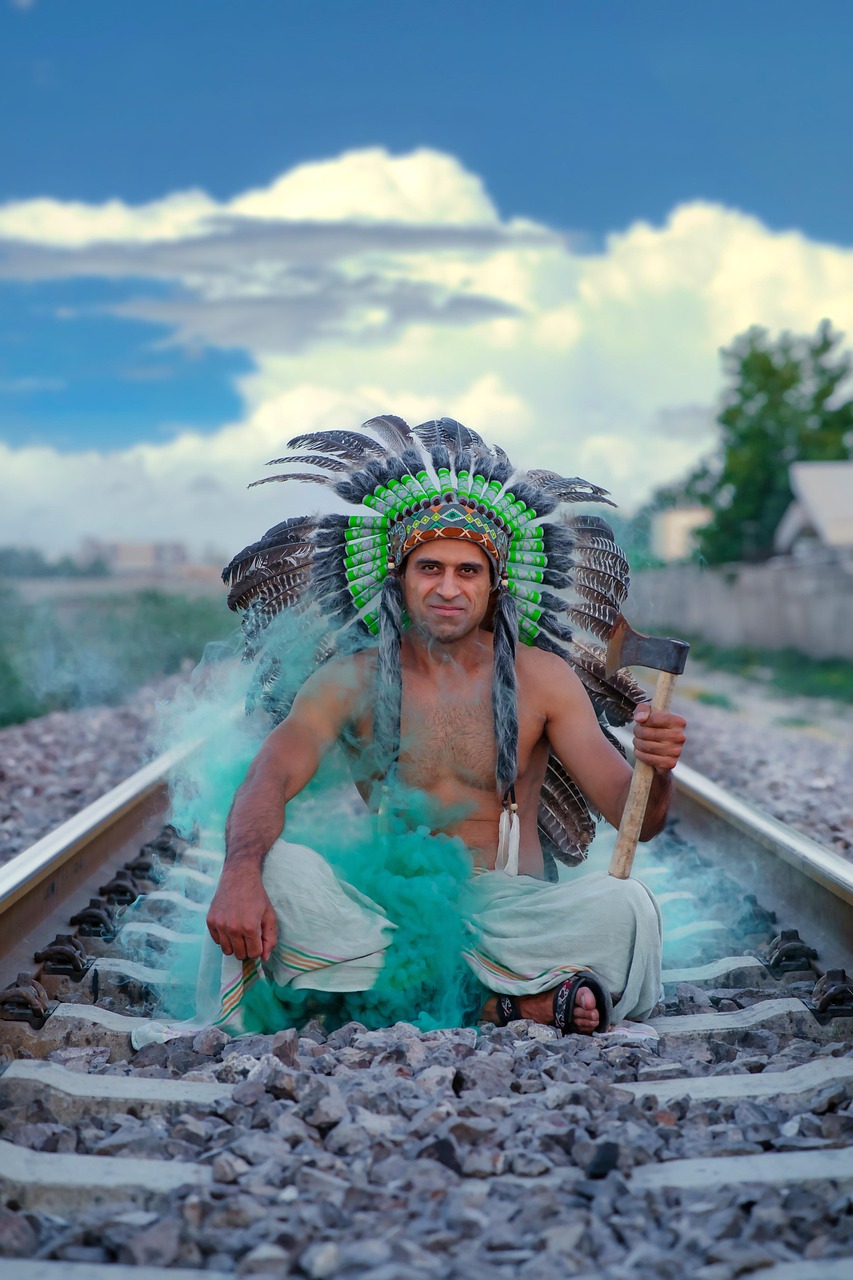
The tomahawk is often remembered as both tool and weapon, and that dual purpose was part of its appeal. It could be used for chopping, close combat, and sometimes throwing, though its reputation as a thrown weapon can be exaggerated in popular culture. In reality, it was valued because it was compact, useful, and adaptable.
Early versions featured stone heads fitted to wooden handles, while later forms incorporated metal through trade and contact. Beyond the battlefield, tomahawks could carry social and ceremonial meaning as well. Few weapons capture the blend of utility, identity, and changing history quite as clearly.
Knife
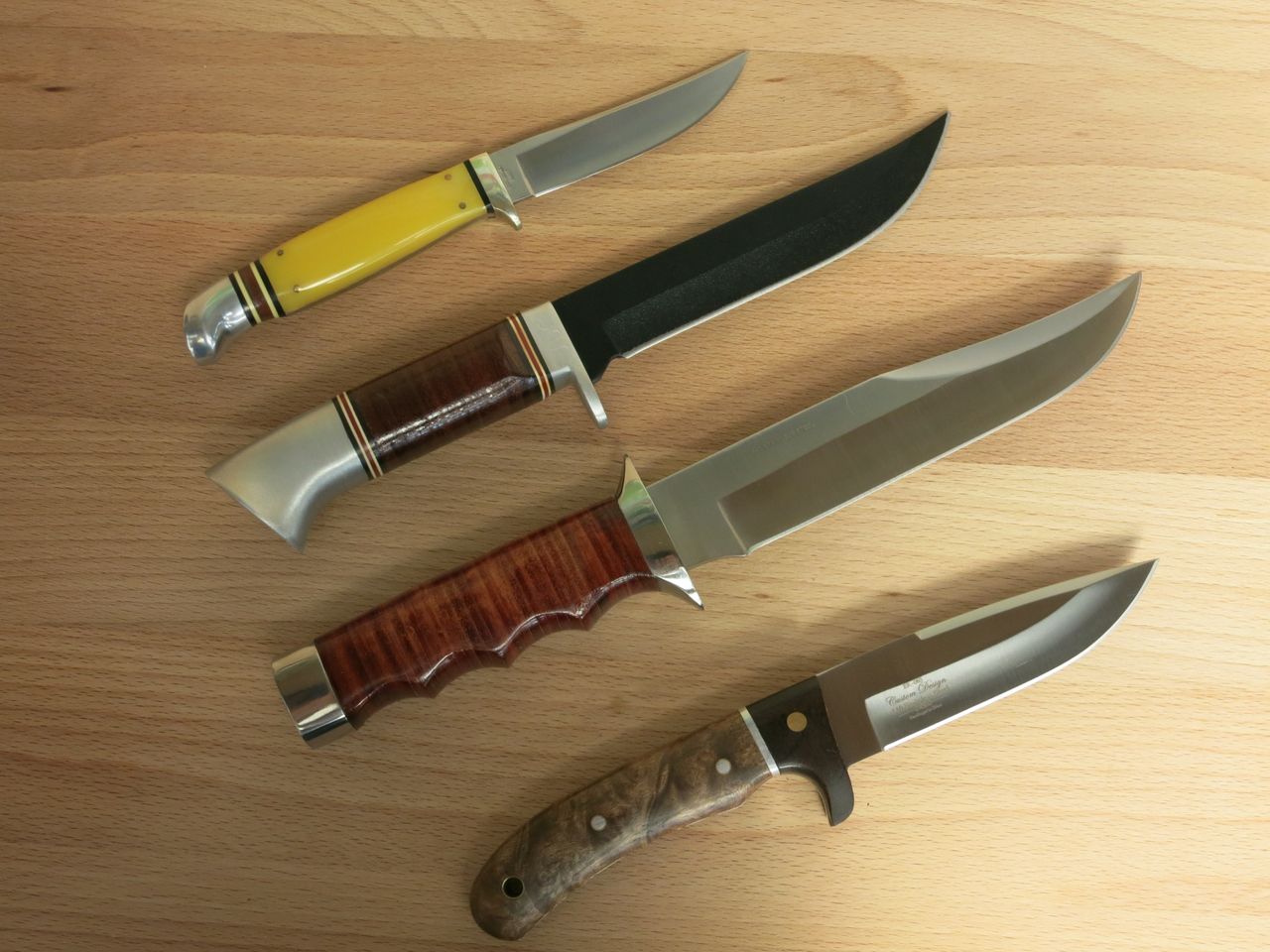
Knives were everyday essentials, but they also played a serious role in combat. A good blade could skin game, prepare food, cut hides, and serve as a backup weapon in a fight. That constant usefulness made the knife one of the most personal tools a person could carry.
Before widespread metal trade, blades were made from stone, bone, or sharpened antler, each material shaped with care for a specific job. Later, metal transformed knife making and expanded what these tools could do. Even so, the knife remained rooted in older traditions of portability, precision, and practical survival.
Lance
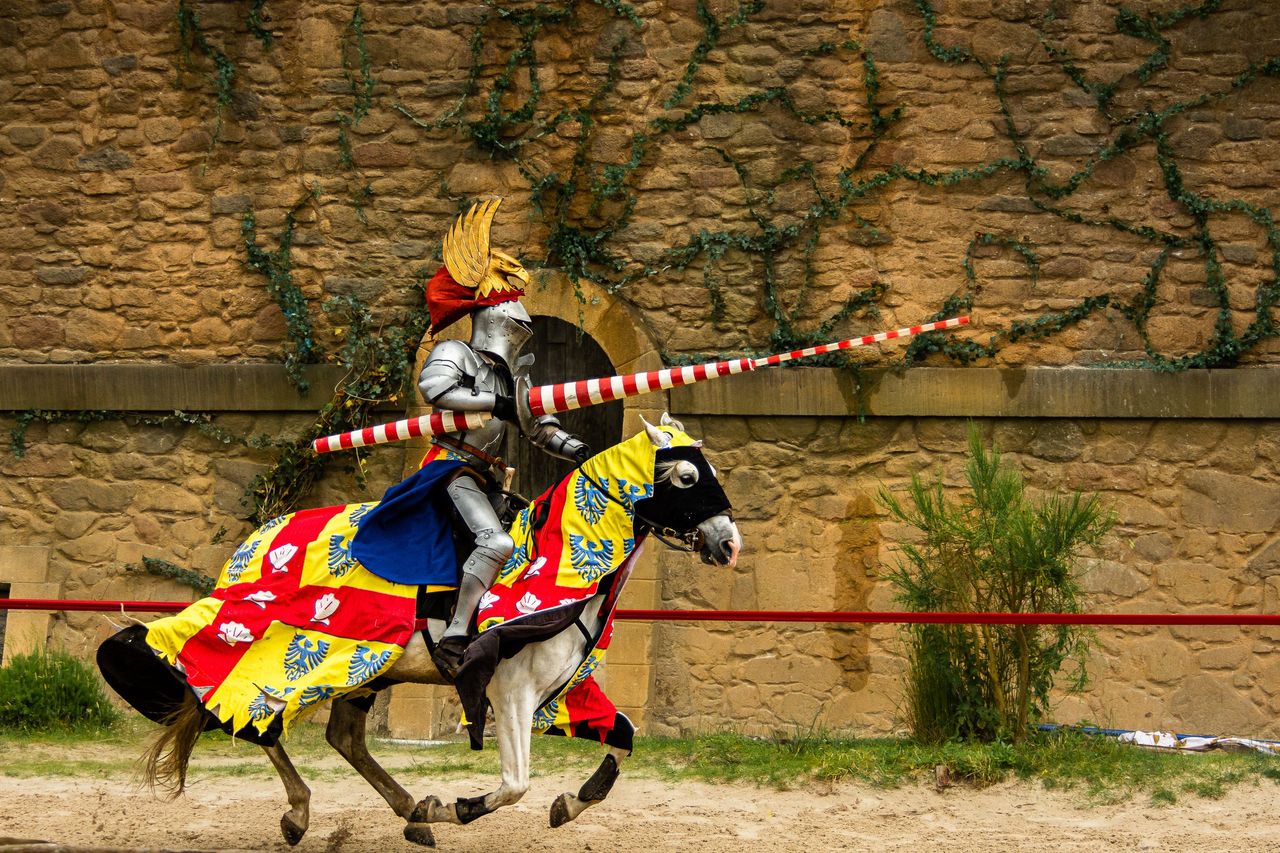
The lance was related to the spear but often longer, lighter in some cases, and designed with mobility in mind. On the Plains especially, it became closely associated with mounted warfare and hunting after horses spread through the region. In the right hands, a lance extended reach and created a powerful advantage in fast-moving encounters.
Its use required nerve and control, particularly at high speed. Some lances were plain and purely functional, while others featured decoration that expressed status or spiritual significance. As warfare changed over time, the lance remained one of the most visually dramatic symbols of Indigenous martial skill.
Blowgun

The blowgun is less famous than the bow, but in some regions it was an ingenious hunting weapon. Used especially in the Southeast, it allowed hunters to strike small game and birds quietly, without alarming everything nearby. That stealth made it ideal in thick woods where silence mattered as much as aim.
Blowguns were typically made from long, carefully prepared cane or wood, with darts light enough to fly cleanly through the tube. Accuracy depended on breath control and practice, not brute force. It was a specialized weapon, but one perfectly matched to the landscapes and hunting strategies of the people who used it.
Slingshot and Sling

The sling, and in some cases simple slingshot-like devices made from available materials, offered a low-cost way to launch a projectile with surprising force. Though less iconic in modern memory, slings could be useful for hunting small game, driving off threats, or serving younger users learning projectile skills. Their effectiveness depended almost entirely on technique.
A sling could send a stone farther than most people expect, but accuracy came only with repetition and control. Because the materials were easy to find, it was also a highly accessible weapon. In that sense, it reflects a recurring theme in Native technologies: smart design built from what the environment provided.