Theodore Roosevelt was known for his adventurous spirit, extensive hunting experience, and appreciation for well-designed firearms. When he prepared for his famous 1909 African expedition, one rifle took a special place in his collection: the Winchester Model 1895 chambered in .405 Winchester. Designed by John Browning, this distinctive lever-action rifle combined an innovative magazine system with the power of modern smokeless-powder ammunition. Roosevelt took three .405 Winchester Model 1895 rifles on the expedition, and his experiences helped establish the firearm as one of America’s most recognizable sporting rifles. Here are six reasons it became his celebrated safari companion.
1. Roosevelt Chose It for the .405 Winchester Cartridge
The Model 1895 gave Roosevelt a powerful sporting rifle in a package he already knew how to handle. For his 1909–1910 African expedition, he took three Winchester 1895s chambered in .405 Winchester, a cartridge introduced in 1904. Its commonly cited load used a 300-grain bullet at roughly 2,200 feet per second, giving it substantial authority for the large animals he pursued. Roosevelt later called the .405 his “medicine gun” for lions. That phrase was his personal endorsement, not a claim that the rifle was the only firearm he carried. He also brought other rifles and shotguns suited to different purposes on the expedition. It became central to his safari story.
2. Its Box Magazine Suited Modern Cartridges
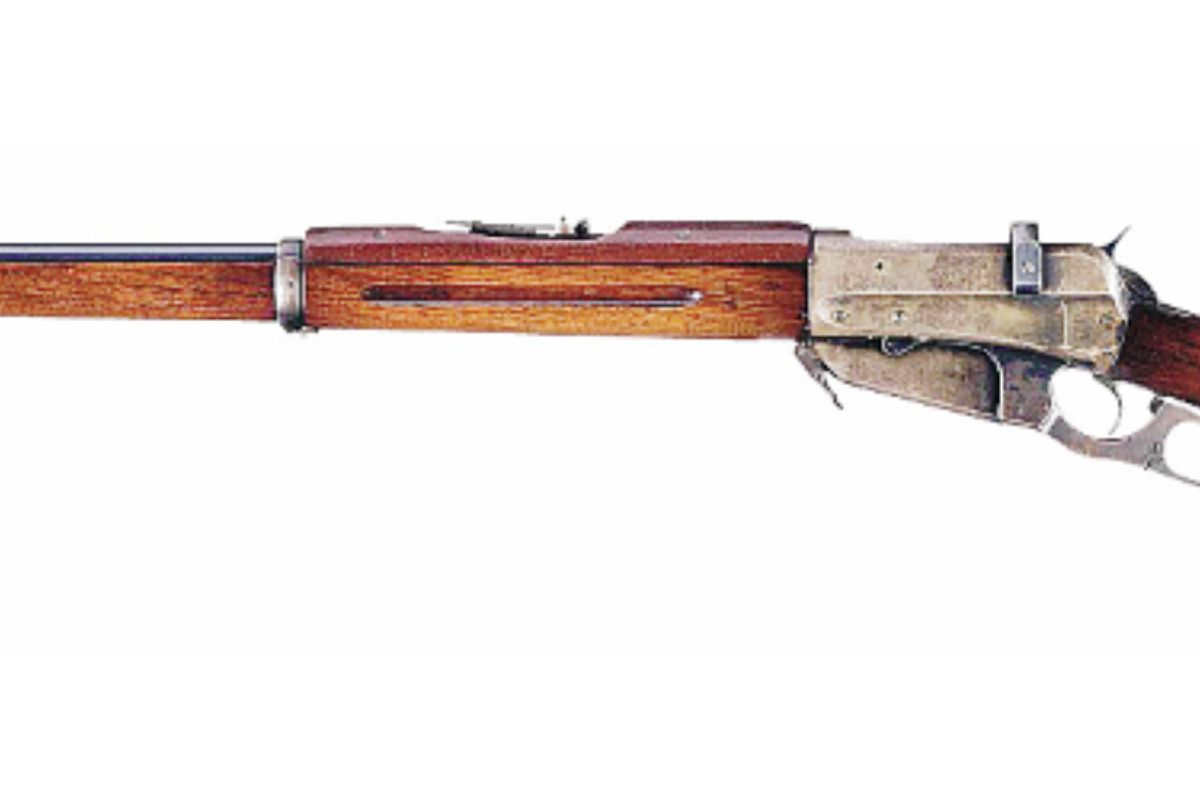
The 1895 stood apart from earlier Winchester lever-actions because John Browning designed it around a fixed box magazine rather than a tubular magazine beneath the barrel. That mattered as sporting ammunition evolved toward pointed, higher-velocity bullets and smokeless powder. In a tubular magazine, pointed bullet noses could rest against the primer of the cartridge ahead, creating a potential safety concern with some ammunition designs. The 1895’s box magazine avoided that arrangement and helped make the rifle compatible with the powerful cartridges of its era. Its standard magazine held five cartridges, a practical capacity for a sporting rifle of its period.
3. It Combined Lever-Action Speed With Rifle Power
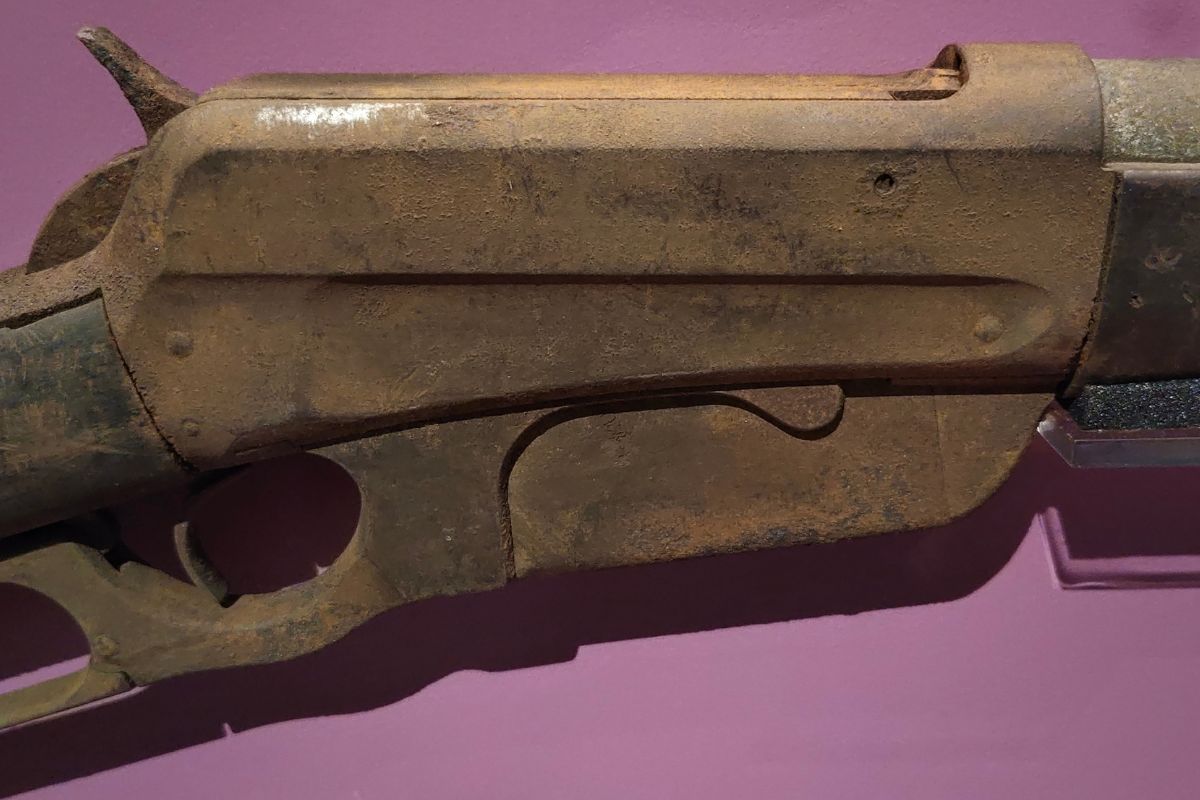
Roosevelt valued a rifle that could deliver another shot without the slower cycle associated with many single-shot designs. The Model 1895 retained the familiar lever-action system, but paired it with cartridges that offered far more reach and energy than the older black-powder rounds for which many classic repeaters had been designed. That blend made it distinctive: a quick-handling repeating action with serious sporting-rifle performance. The .405 version was not a light-recoiling arm, and its substantial kick was part of the trade-off. For Roosevelt, the combination of repeat-shot capability and a hard-hitting cartridge made the rifle especially appealing during a demanding expedition.
4. It Was Built Around Smokeless-Powder Era Ammunition
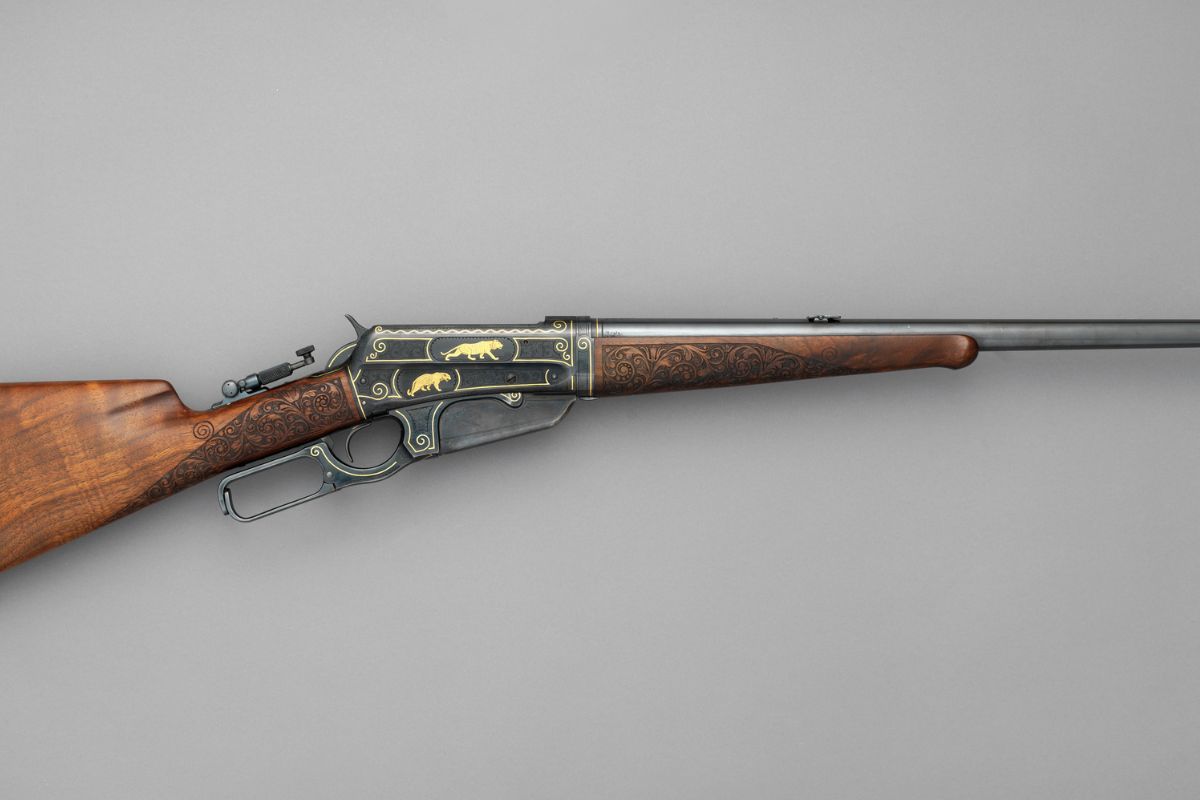
By the late 1890s, military and sporting firearms were changing rapidly as smokeless powder replaced black powder and higher-pressure cartridges became common. The Model 1895 was among Winchester’s early lever-action designs intended for this new generation of ammunition. Its strong, modern layout fit chambered cartridges such as .30-40 Krag, .30-03, and later .405 Winchester. Roosevelt had seen modern military rifles in action during the Spanish-American War in 1898, so the advantages of contemporary ammunition were not abstract to him. The 1895 represented a bridge between the classic American lever gun and the more powerful rifle technology emerging around 1900.
5. Roosevelt Prepared Carefully and Took More Than One Rifle
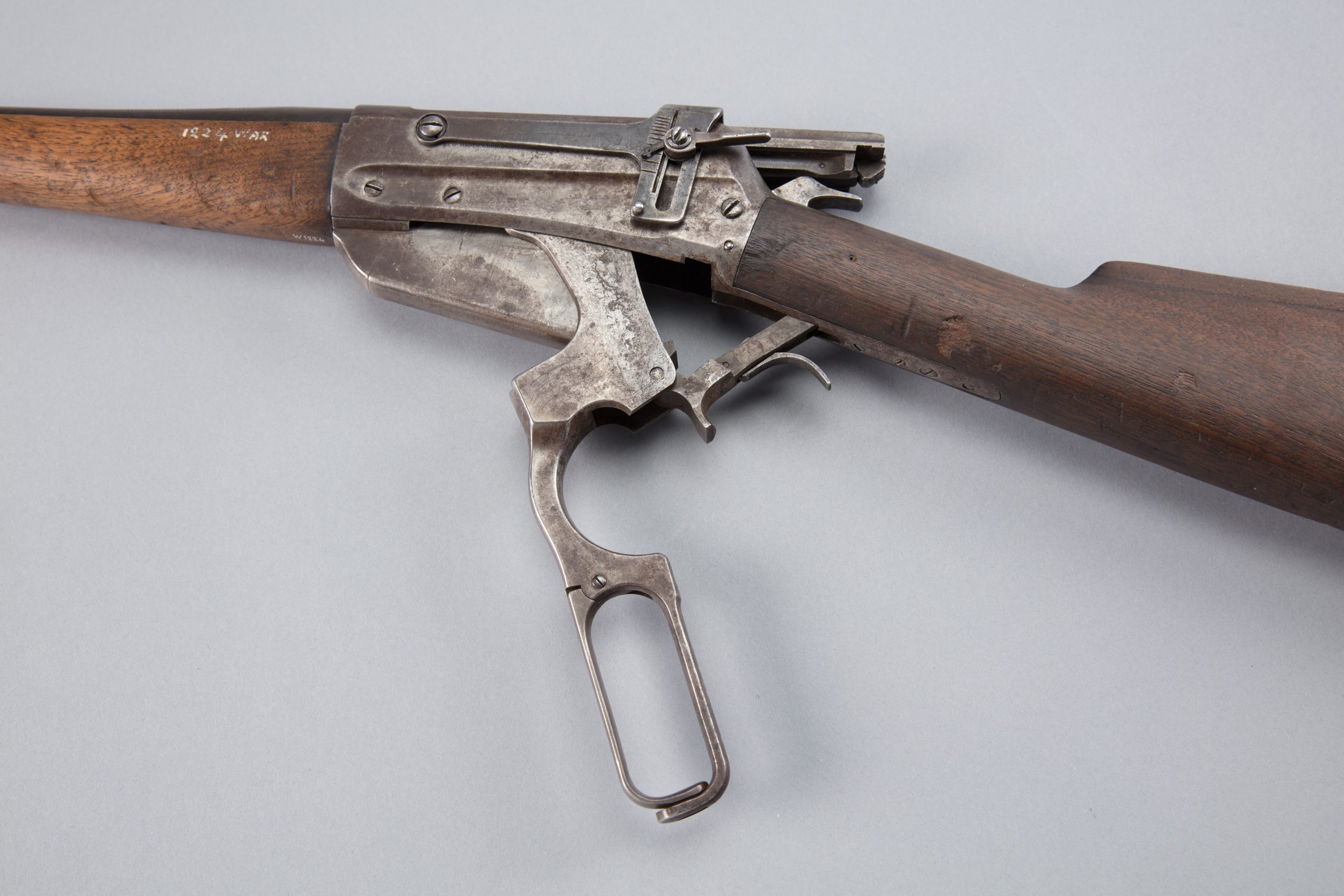
The safari was planned well before Roosevelt sailed for Africa in 1909. His correspondence with Winchester shows close attention to the firearms and ammunition being prepared, and records list three .405 Model 1895 rifles among the guns he arranged to take. The expedition was not a one-rifle adventure: Roosevelt also carried a Springfield rifle and other sporting arms, while his son Kermit brought firearms of his own. Winchester shipped extensive equipment, including ammunition and spare parts, in 15 wooden crates. This detail matters because it places the 1895 in a carefully assembled field outfit, rather than suggesting Roosevelt relied on it for every animal or situation.
6. The Safari Turned the Rifle Into a Lasting Legend
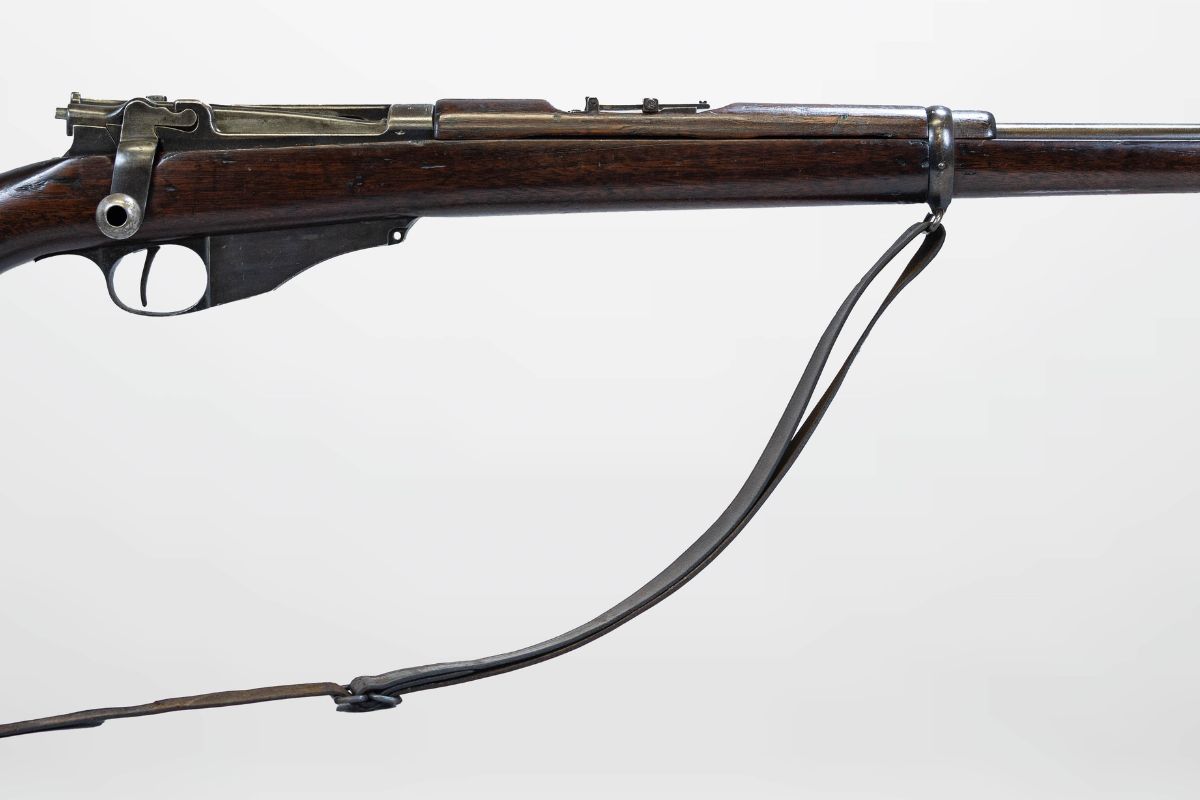
Roosevelt’s public praise helped make the Model 1895 in .405 Winchester one of the best-known sporting rifles of the early twentieth century. In writing about the expedition, he described the .405 as his personal “medicine gun” for lions, a memorable line that linked the rifle to the safari in the public imagination. The trip ran from 1909 into 1910, and Roosevelt later chronicled it in African Game Trails. The rifle’s reputation grew from that combination of a famous owner, a dramatic journey, and a distinctive cartridge. Its historical appeal today rests as much on that story as on its unusual box-magazine lever-action design. That association still defines its place in firearms history.