Lever-action rifles were once practical working tools rather than prized possessions displayed behind glass. Across the American frontier, ranchers, hunters, lawmen, settlers, and travelers valued them for their ability to repeat shots, easy handling, and everyday usefulness. From the early Henry rifle to the powerful Winchester and Marlin designs of the late 19th century, these firearms helped shape American sporting and frontier rifle development.
1. Henry Model 1860
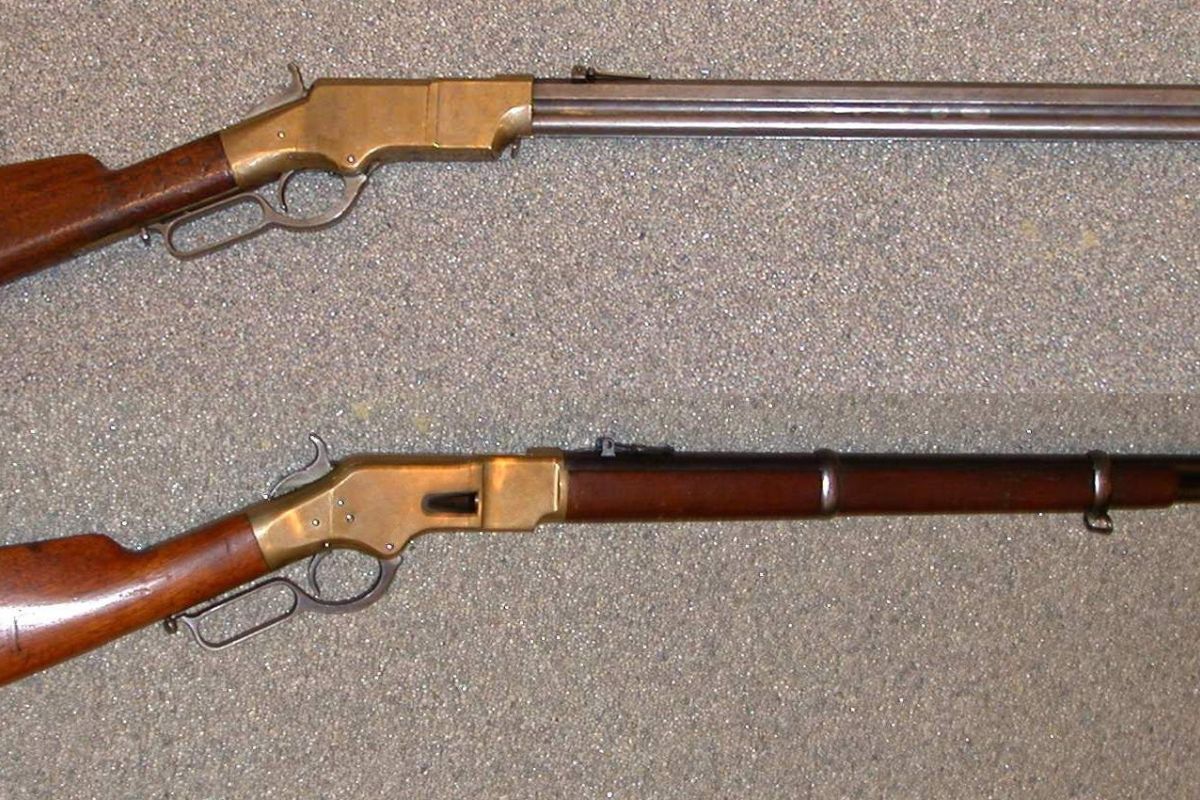
Introduced in 1860, the Henry rifle helped establish the reputation of repeating firearms on the American frontier. Chambered in .44 Henry rimfire, it featured a brass receiver, a distinctive exposed magazine tube, and a 24-inch barrel on its standard rifle configuration. Its magazine held 15 cartridges, giving it considerably more capacity than most contemporary single-shot rifles. Hunters, settlers, and some military personnel appreciated its repeating design, although ammunition availability could be a limitation in remote areas.
2. Winchester Model 1866
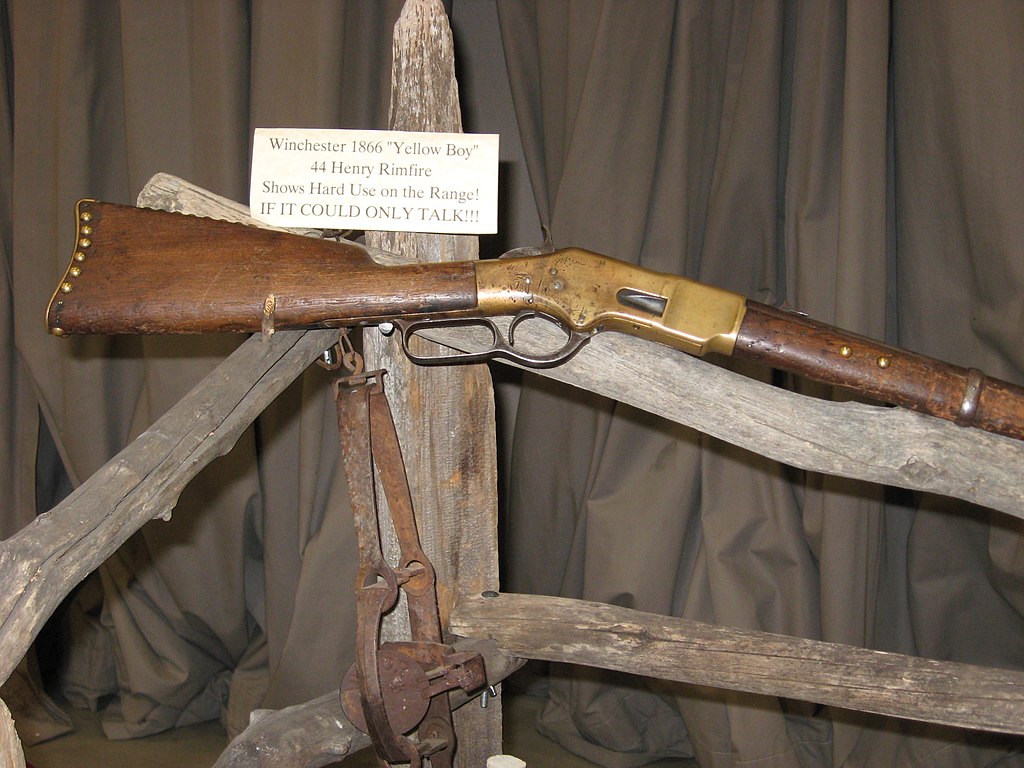
The Winchester Model 1866 earned its Yellow Boy nickname from its distinctive brass receiver, which made it instantly recognizable across the frontier. Introduced in 1866, it improved upon the original Henry design by adding a wooden forearm and a side-loading gate. Chambered primarily in .44 Henry rimfire, it retained a substantial 15-round magazine capacity in its standard configuration. The rifle became popular with settlers, hunters, and frontier communities because it offered a useful combination of handling and repeating capability.
3. Winchester Model 1873

Few frontier rifles became as closely associated with the American West as the Winchester Model 1873. Introduced in 1873, it initially appeared in .44-40 Winchester, a centerfire cartridge that later allowed compatible revolvers to share the same ammunition. Additional chamberings included .38-40 and .32-20, expanding its usefulness for different sporting needs. Its iron receiver, later changed to steel, and sliding dust cover were important features of the design. The rifle was offered in several configurations, including a 24-inch-barreled sporting rifle and a 20-inch carbine.
4. Winchester Model 1876 Centennial

Winchester introduced the Model 1876 to celebrate the American centennial, creating a larger lever-action rifle for more powerful cartridges than the Model 1873 could accommodate. Its chamberings included .45-60, .45-75, and .50-95 Express, making it attractive to hunters pursuing larger game. The rifle retained a recognizable Winchester appearance but featured a strengthened action and a heavier overall construction. More than 60,000 examples were manufactured between 1876 and 1897. Its longer receiver and larger cartridges made it particularly interesting to outdoorsmen who wanted greater versatility from a repeating rifle.
5. Marlin Model 1881

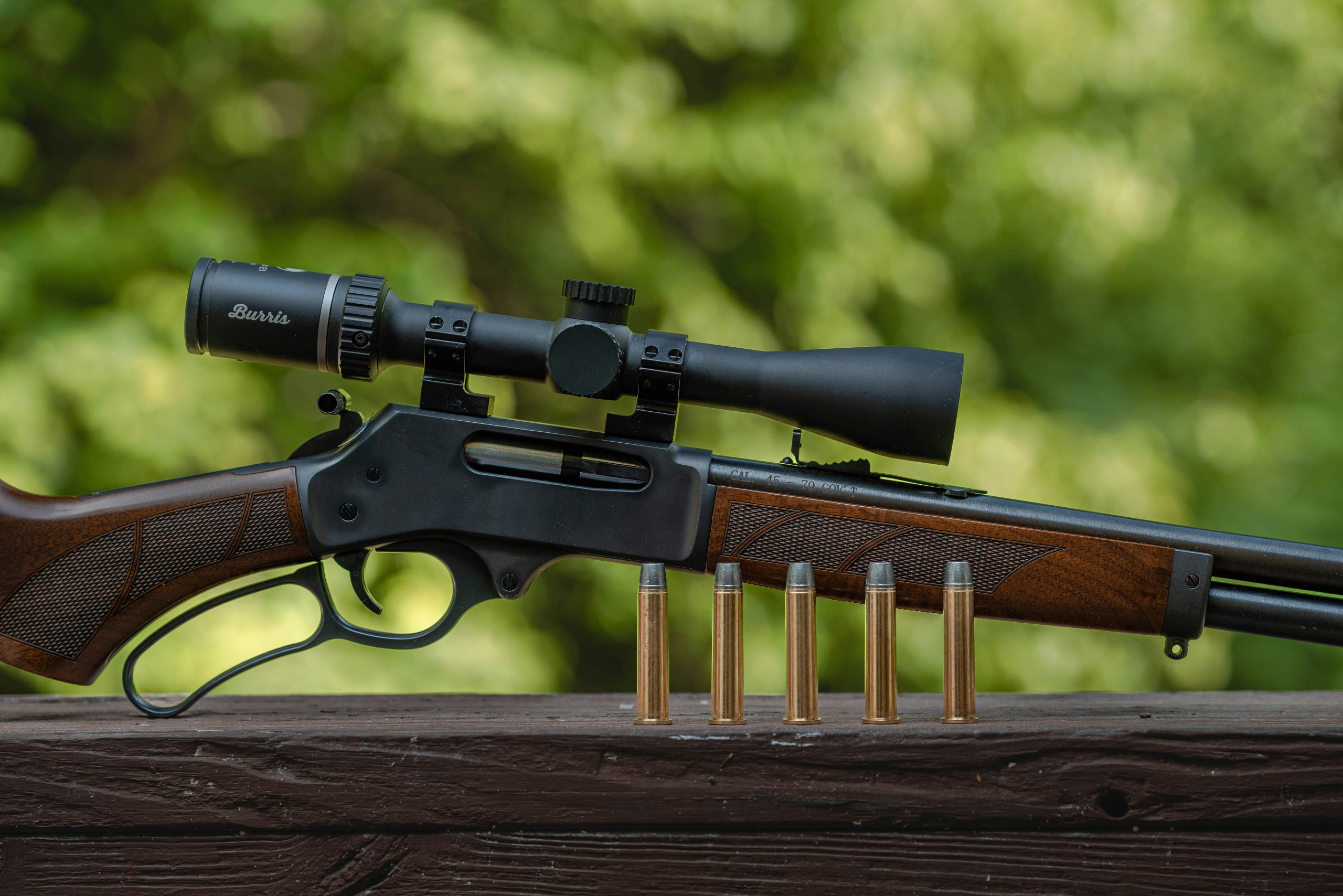
Marlin entered the lever-action rifle market in 1881 with a design that challenged Winchester’s growing dominance. The Model 1881 was a substantial firearm intended for cartridges suited to serious hunting rather than simply copying smaller-caliber competitors. Available chamberings included .40-60 Marlin and .45-70 Government, giving hunters access to established big-game ammunition. Its receiver and overall construction reflected the demands of a full-sized sporting rifle. The design also featured Marlin’s Ballard rifling, which contributed to its reputation for accuracy.
6. Colt-Burgess Lever Action Rifle
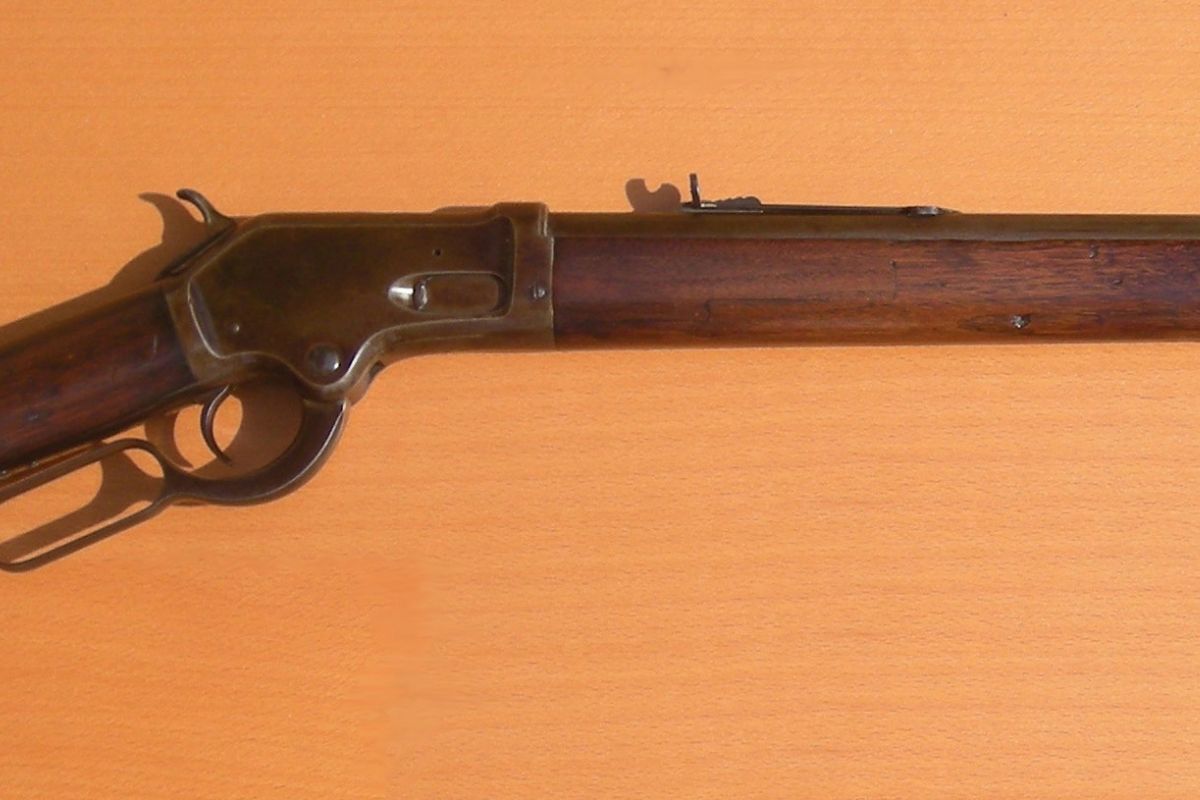
Introduced in 1883, the Colt-Burgess represented an unusual chapter in the rivalry between American firearms manufacturers. Designed by Andrew Burgess, it was Colt’s notable entry into the lever-action rifle market and competed directly with Winchester’s established products. Chambered primarily in .44-40 Winchester, it offered familiar ammunition compatibility for users already owning rifles or revolvers in that caliber. Its distinctive curved lever and compact receiver gave it a recognizable appearance. Production lasted only until 1885, with approximately 6,400 examples manufactured. That short production period makes surviving rifles relatively uncommon today.
7. Marlin Model 1889
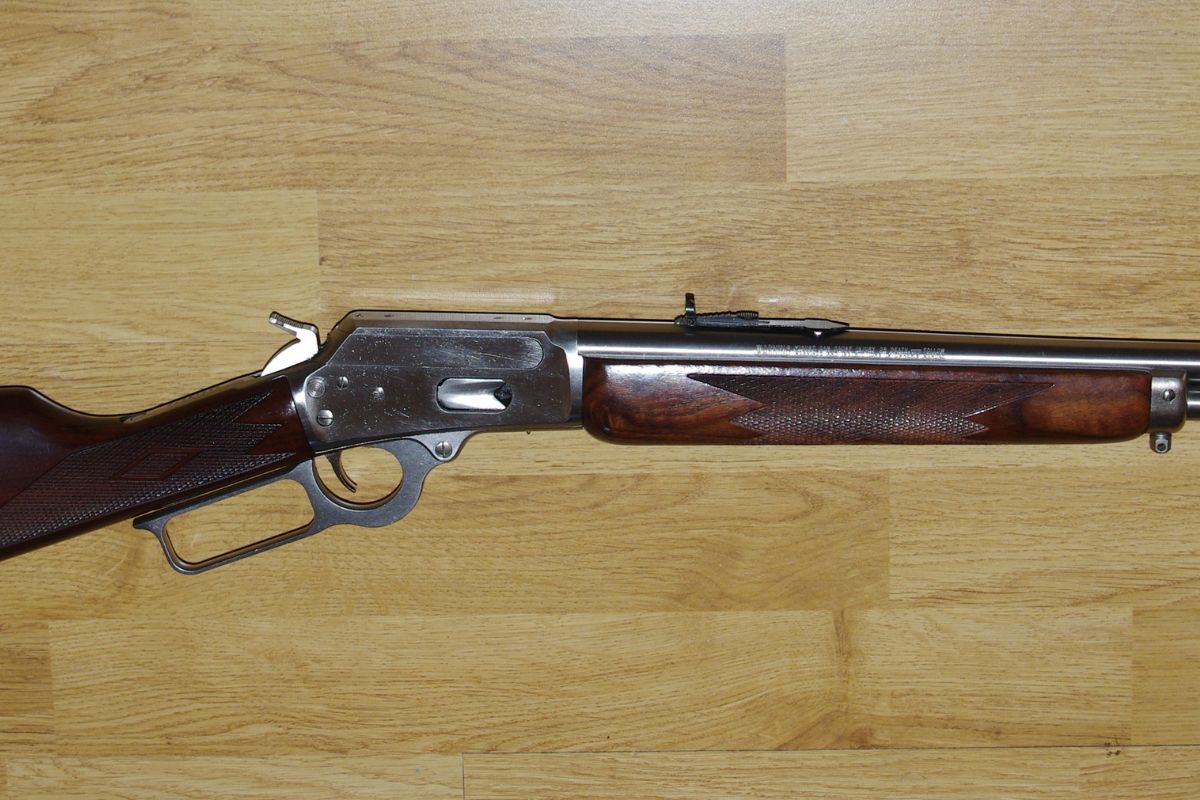
The Marlin Model 1889 marked an important development in the company’s lever-action lineup when it introduced a side-ejecting design. Released in 1889, it addressed a practical limitation found in some earlier rifles by directing spent cartridge cases sideways rather than upward. This arrangement eventually became an important characteristic of later Marlin sporting rifles. The Model 1889 was offered in popular pistol-caliber chamberings, including .32-20, .38-40, and .44-40 Winchester. Its solid-top receiver also distinguished it from several competing designs of the period. Hunters and everyday firearm owners appreciated its practical sporting orientation.
8. Winchester Model 1886
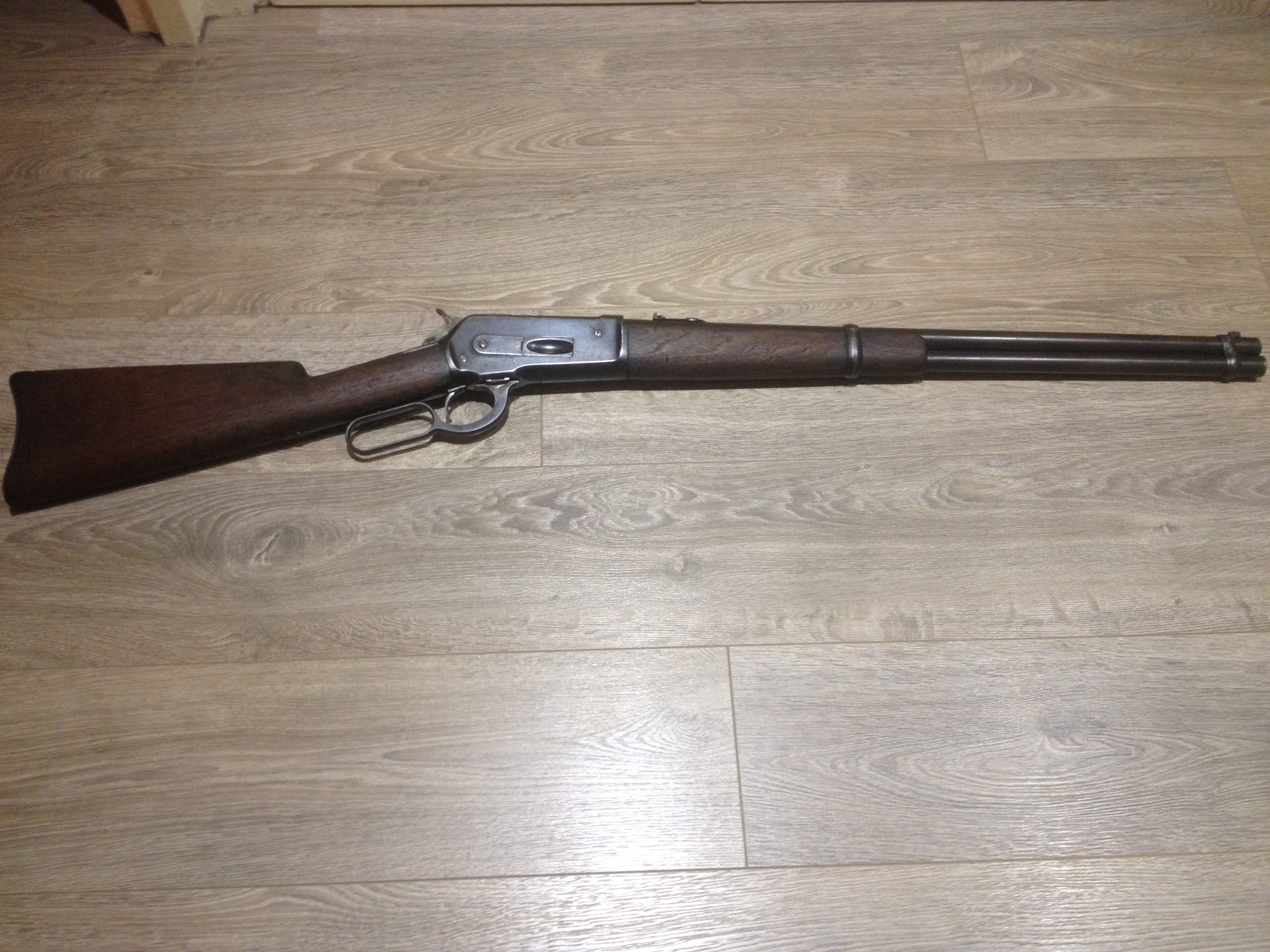
Designed by John Moses Browning, the Winchester Model 1886 was introduced to handle powerful rifle cartridges that earlier Winchester actions could not comfortably accommodate. Its stronger locking arrangement represented a major departure from the company’s traditional toggle-link designs. Available chamberings included .45-70 Government, .45-90, and .50-110 Express, making it particularly attractive to hunters pursuing large North American game. Approximately 160,000 examples were manufactured during its original production run, which continued until 1935. The rifle’s substantial construction and reputation for strength made it a respected sporting firearm.
9. Winchester Model 1892
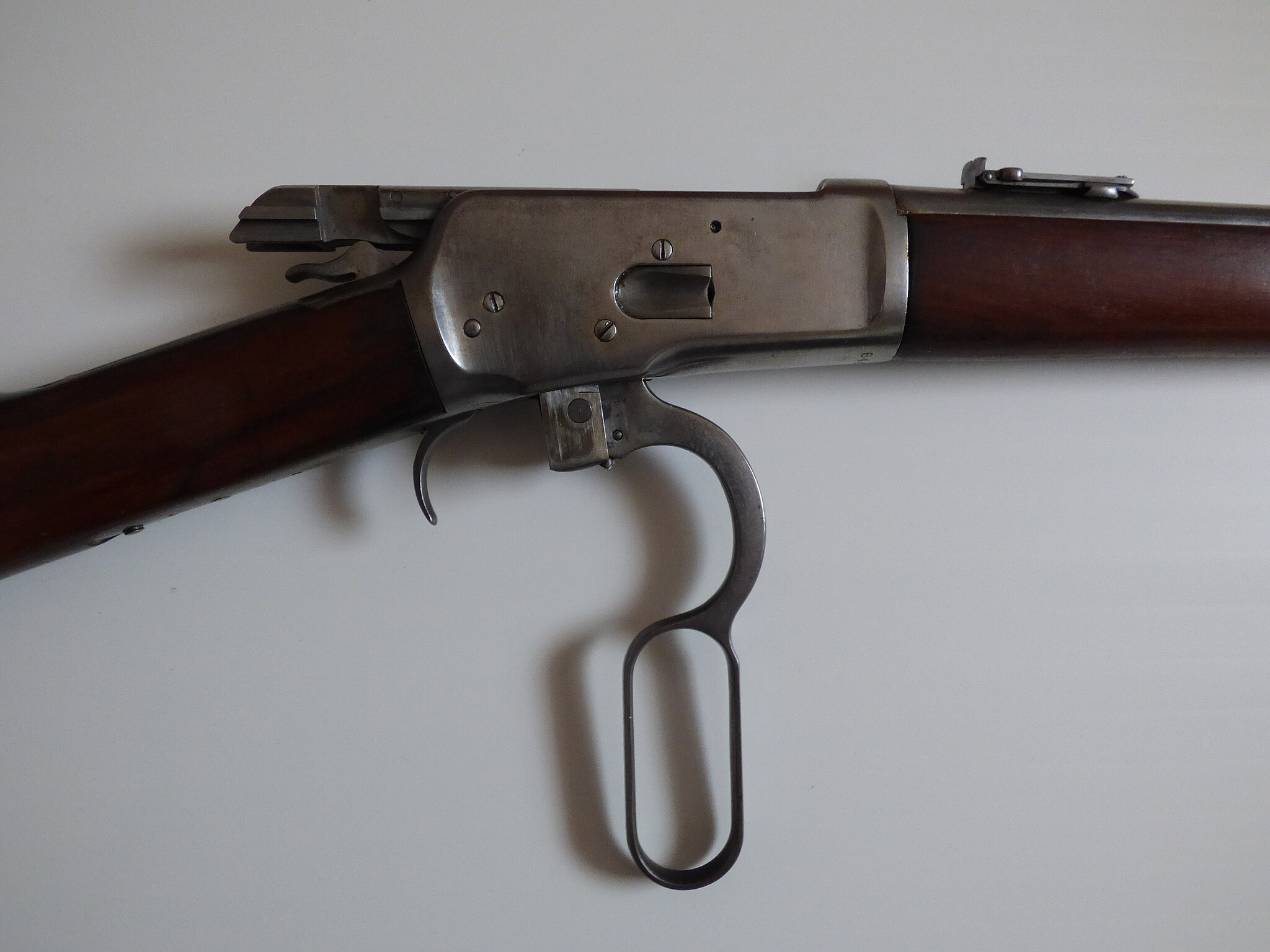
The Winchester Model 1892 was another John Browning design, introduced as a lighter, more compact alternative to the company’s larger rifle actions. It was developed around popular pistol-caliber cartridges, including .44-40, .38-40, and .32-20 Winchester. These chamberings made it especially suitable for hunters and travelers who valued ammunition compatibility with contemporary revolvers. Its compact proportions also made it convenient to carry on horseback and during everyday outdoor journeys. Approximately one million examples were produced between 1892 and 1941, demonstrating its extraordinary commercial success.
10. Marlin Model 1893

Marlin’s Model 1893 arrived during a period of significant change in American sporting firearms. Its design incorporated a solid-top receiver and side ejection, features that distinguished it from several contemporary Winchester rifles. Chamberings included .32-40, .38-55, .25-36 Marlin, and eventually .30-30 Winchester, providing hunters with different options for sporting use. The rifle became particularly respected for its practical construction and suitability for hunting. Its design also established the foundation for later Marlin sporting rifles, including models that remained popular well into the 20th century.
11. Marlin Model 1894
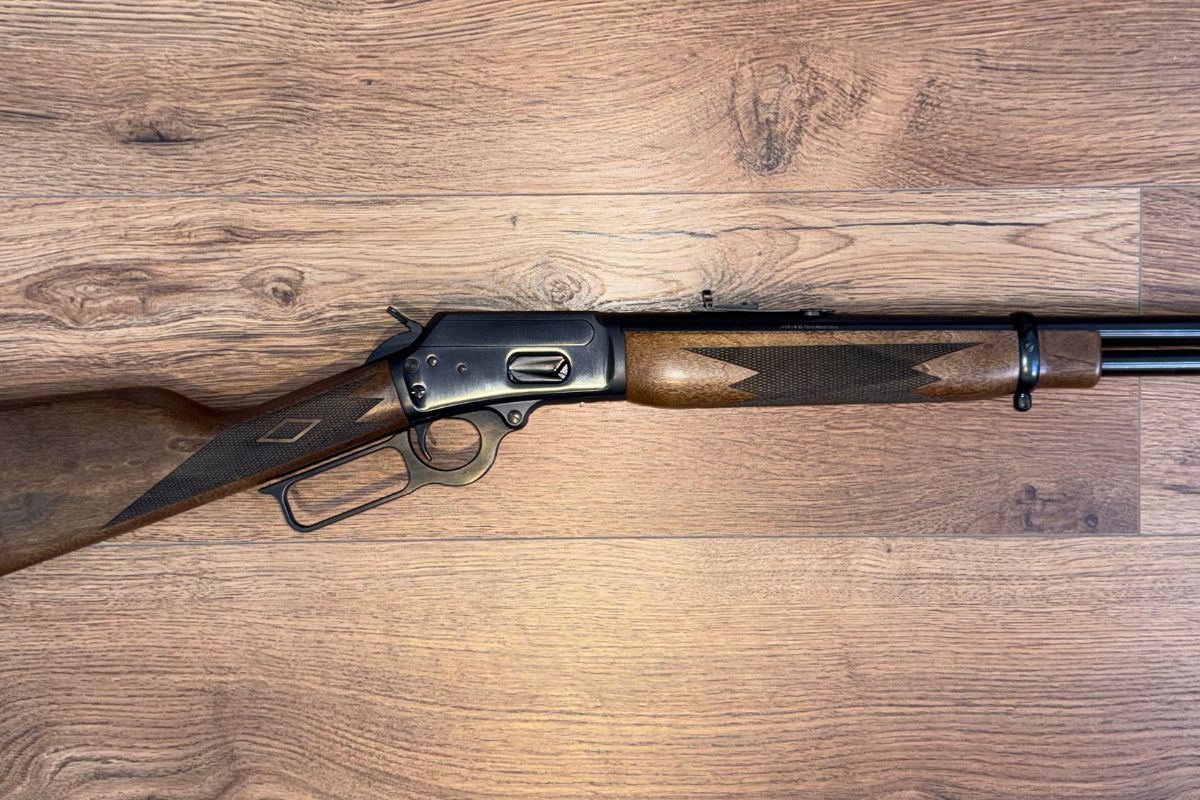
Introduced in 1894, the Marlin Model 1894 was designed around popular handgun cartridges, making it an appealing choice for hunters and other sporting firearm owners. Its original chamberings included .25-20 Winchester, .32-20 Winchester, .38-40 Winchester, and .44-40 Winchester. The design followed Marlin’s established side-ejecting approach, giving it a distinctive identity among competing lever-action rifles. Its relatively compact proportions suited the needs of people who wanted a handy sporting rifle rather than a heavy big-game firearm. The Model 1894 also demonstrated how manufacturers were adapting lever-action technology to different hunting requirements.
12. Winchester Model 1894
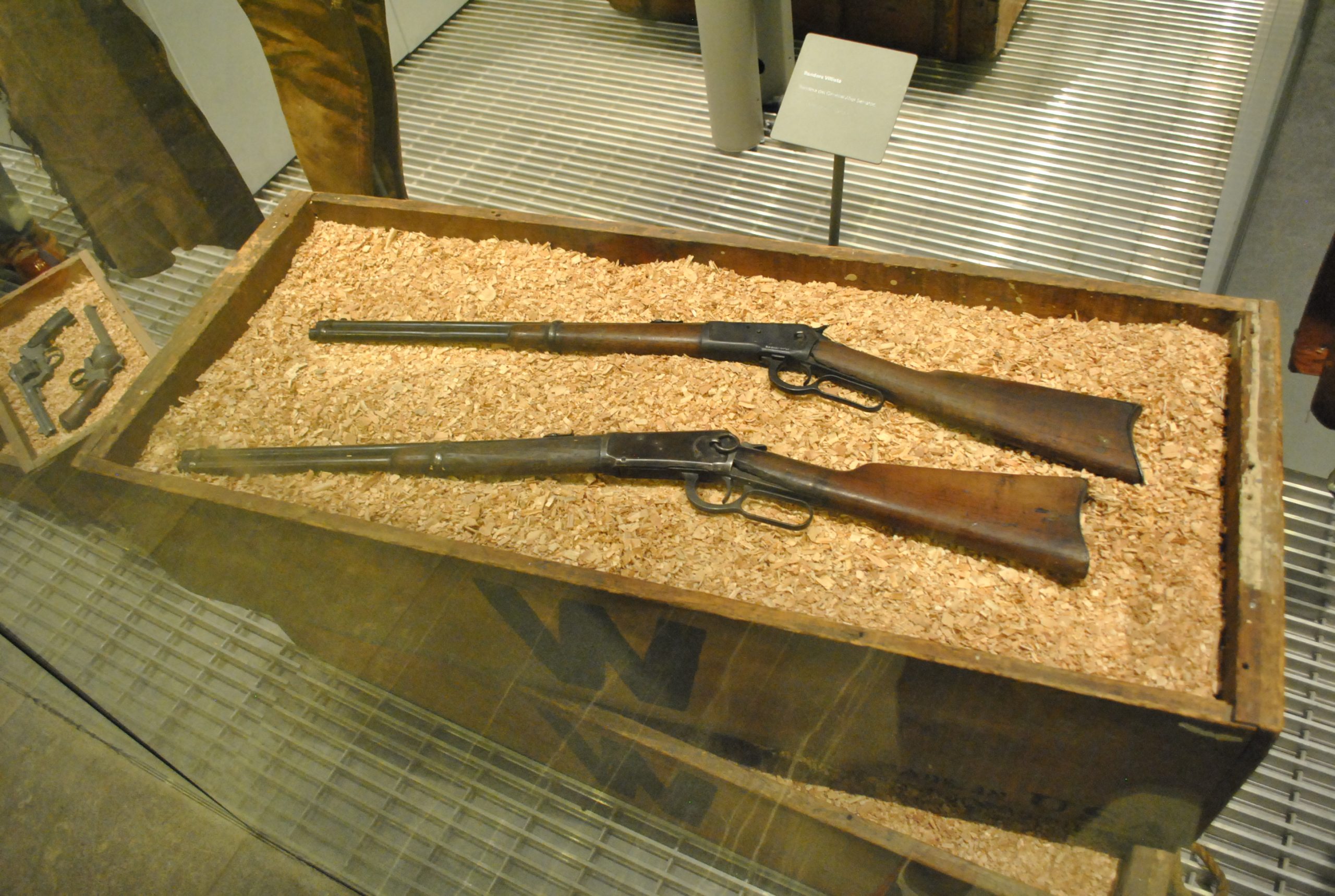
The Winchester Model 1894 arrived near the end of the traditional Old West period, but it became one of the most influential sporting lever-action rifles ever produced. Designed by John Moses Browning, it was introduced in 1894 and initially offered in established black-powder chamberings such as .32-40 and .38-55. The famous .30-30 Winchester and .25-35 Winchester versions followed in 1895, helping establish the rifle’s connection with smokeless-powder ammunition. Its practical design, manageable weight, and hunting-oriented character made it particularly successful among American outdoorsmen.