Special operations units have often operated differently from conventional forces, and their sidearms sometimes reflected that difference. Instead of simply accepting the standard military pistol, specialized teams could pursue weapons designed around unusual requirements such as extreme concealability, suppression, durability, or compatibility with mission-specific equipment. Some became famous precisely because they were so different from ordinary service handguns. Others were experimental choices that never achieved widespread adoption. The six examples below show how specialized requirements, limited procurement, and unconventional engineering could push certain pistols into the hands of elite units.
1. Welrod — Built for an Exceptionally Narrow Job
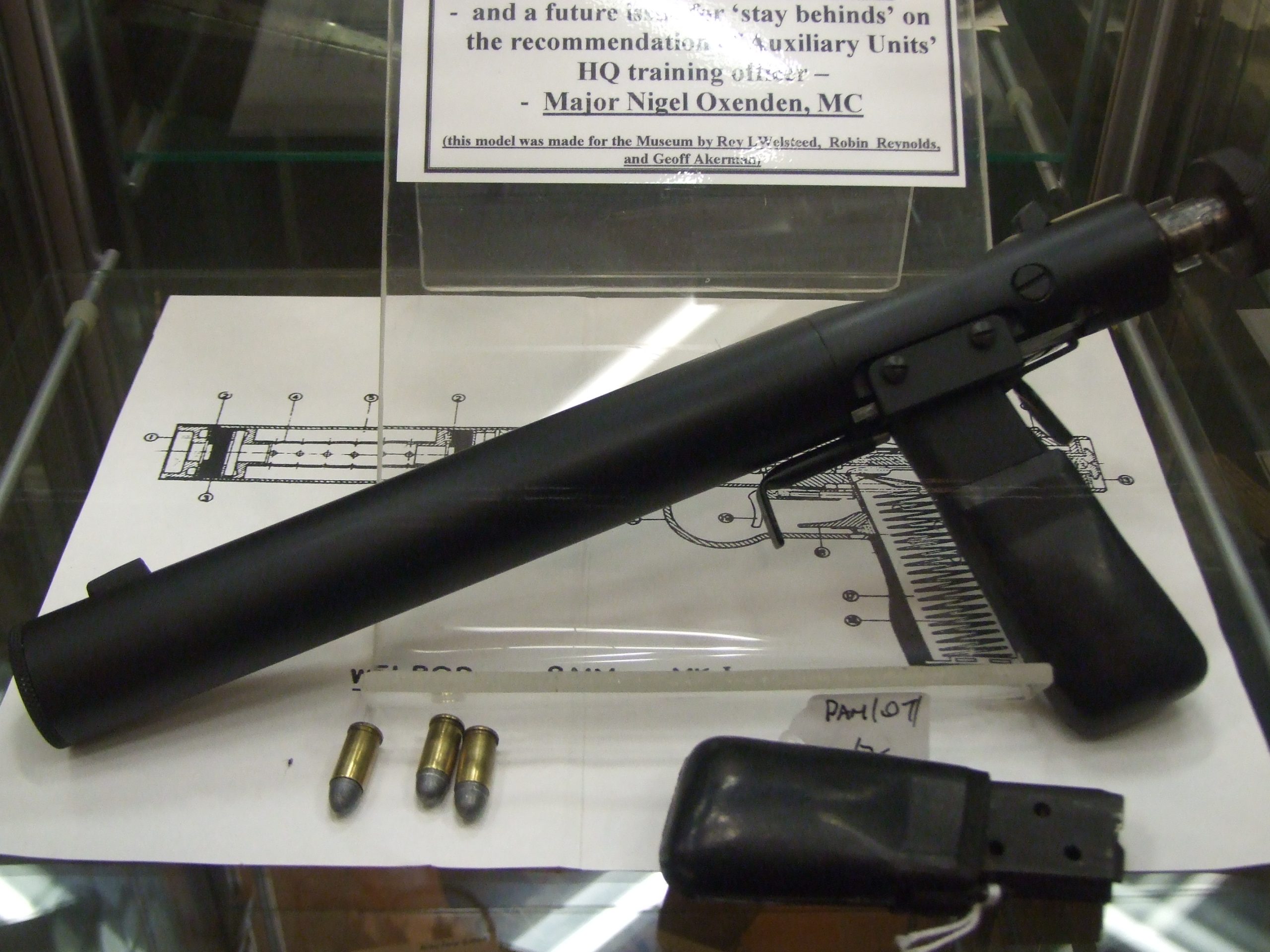
The Welrod was unusual because it was designed around a very narrow special-operations requirement rather than general military use. Developed for Britain’s Special Operations Executive during World War II, it combined a manually operated action with an integral suppressor. The Australian War Memorial estimates production at fewer than 2,800 examples, although other historical estimates are higher. Its .32 version used a small magazine and was intended for very close-range missions. Later 9 mm versions existed as well. Its rarity was therefore part of its appeal: it was not a standard sidearm competing for mass issue, but a specialist tool kept for particular missions.
2. High Standard HDM-S — A Specialist .22 With a Suppressor
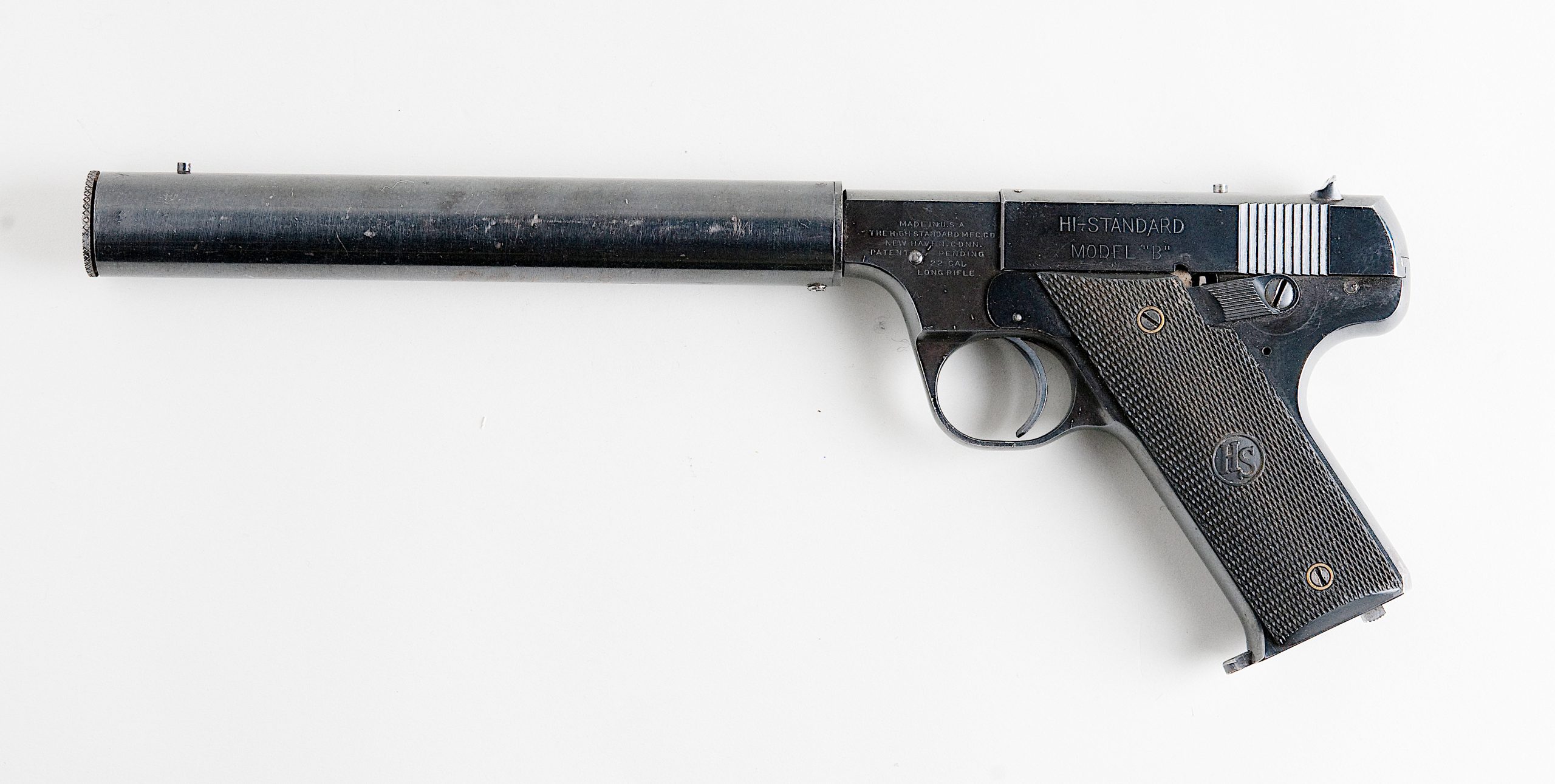
The High Standard HDM-S looked more like a conventional target pistol than a purpose-built covert weapon, which helped explain its appeal to American special operations personnel. It was a suppressed .22 LR semiautomatic pistol, developed from the High Standard Model B. Unlike the manually cycled Welrod, it could fire successive shots without manually operating a bolt after every round. Historical accounts associate suppressed High Standards with U.S. special operations activity in Vietnam, including MACV-SOG. Its small .22 caliber and integrated suppressor made it highly specialized. Its purpose was specialized rather than general infantry use.
3. Heckler & Koch MK23 — A Pistol Designed Around SOCOM
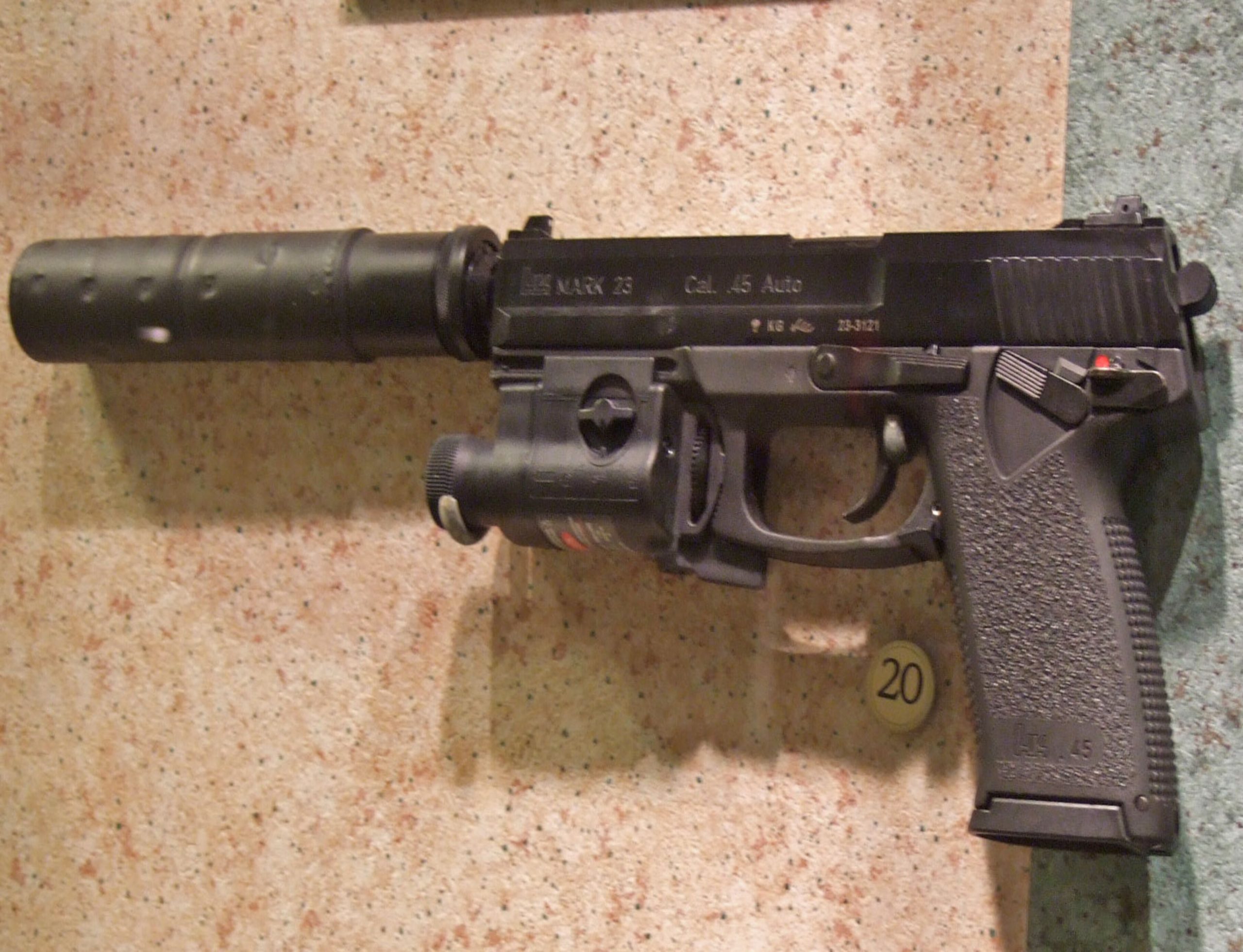
The Heckler & Koch MK23 became one of the clearest examples of a pistol selected for requirements that conventional service handguns did not satisfy. USSOCOM began its Offensive Handgun Weapon System project in the early 1990s, seeking a .45 ACP pistol able to operate with a suppressor and laser aiming module. H&K’s design ultimately won, and the first military pistols reached SOCOM in May 1996. The official dimensions were substantial: about 245 mm long, 40 mm wide, and 150 mm high, with a 149 mm barrel. Its unusual size reflected a specialized requirement rather than ordinary sidearm priorities. It was built around a distinct operational niche.
4. Colt OHWS — The Specialist Design That Lost the Competition
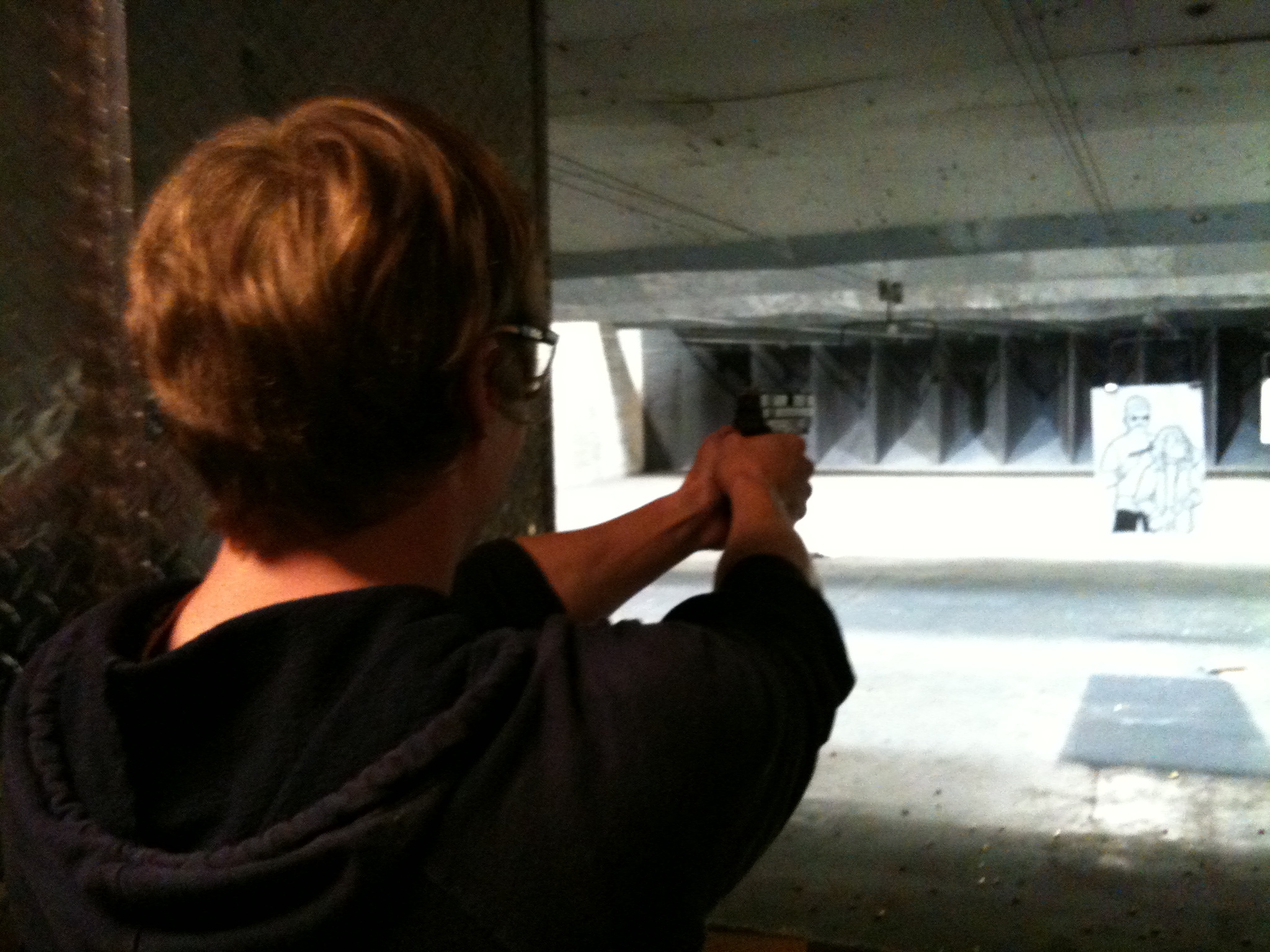
The Colt OHWS deserves attention because it was an unusual competition entry rather than a routine service pistol. Colt submitted a specialized design for USSOCOM’s Offensive Handgun Weapon System program, combining a modified M1911-derived frame with other Colt engineering ideas. The project was built around a demanding requirement for a .45 ACP offensive handgun that could work with specialized accessories. Colt’s entry did not advance beyond the first evaluation phase, while Heckler & Koch continued and ultimately won the program. That makes the OHWS historically important: special-operations requirements encouraged designs with little reason to become ordinary issue pistols.
5. SIG Sauer P226 — Different From the Standard M9
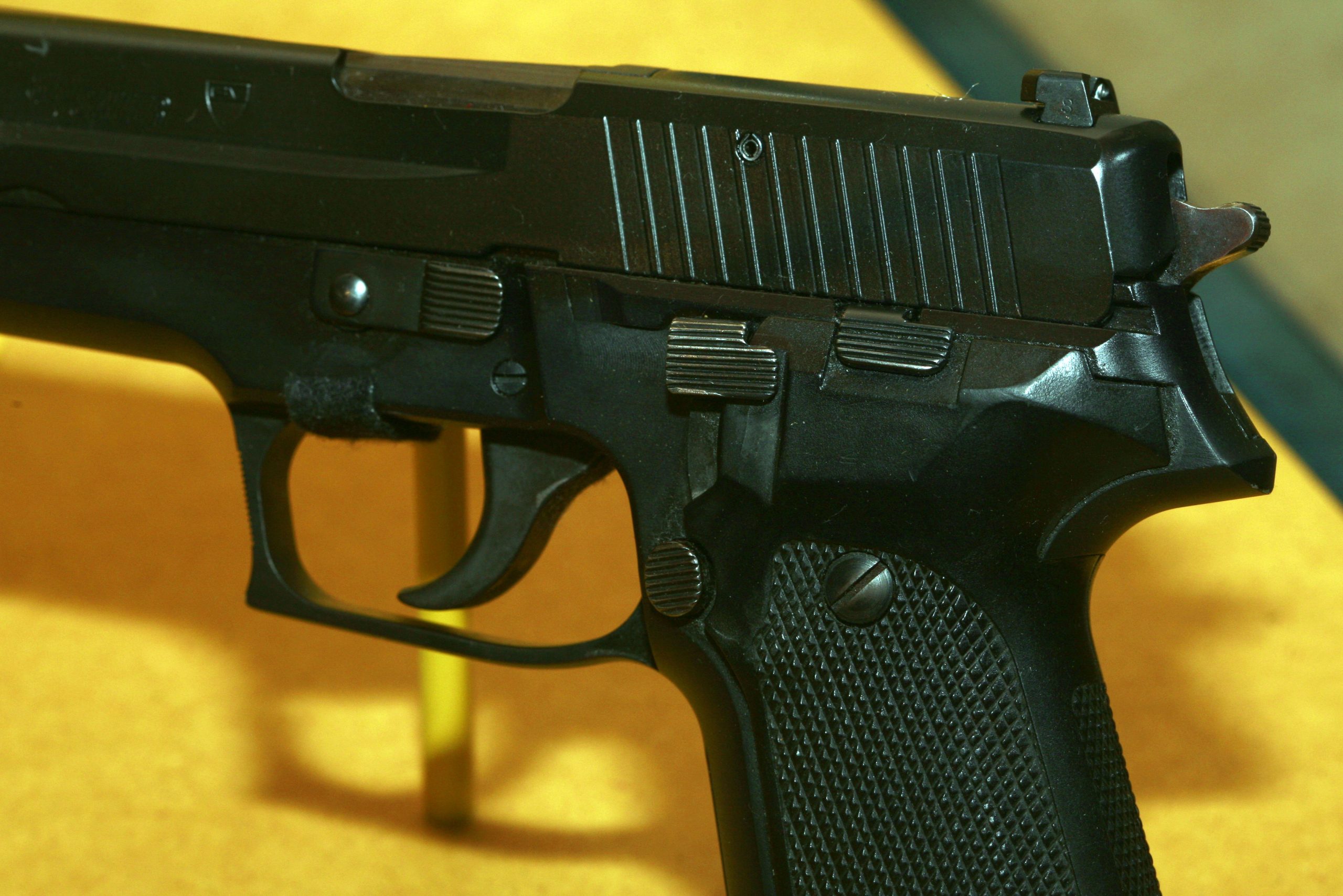
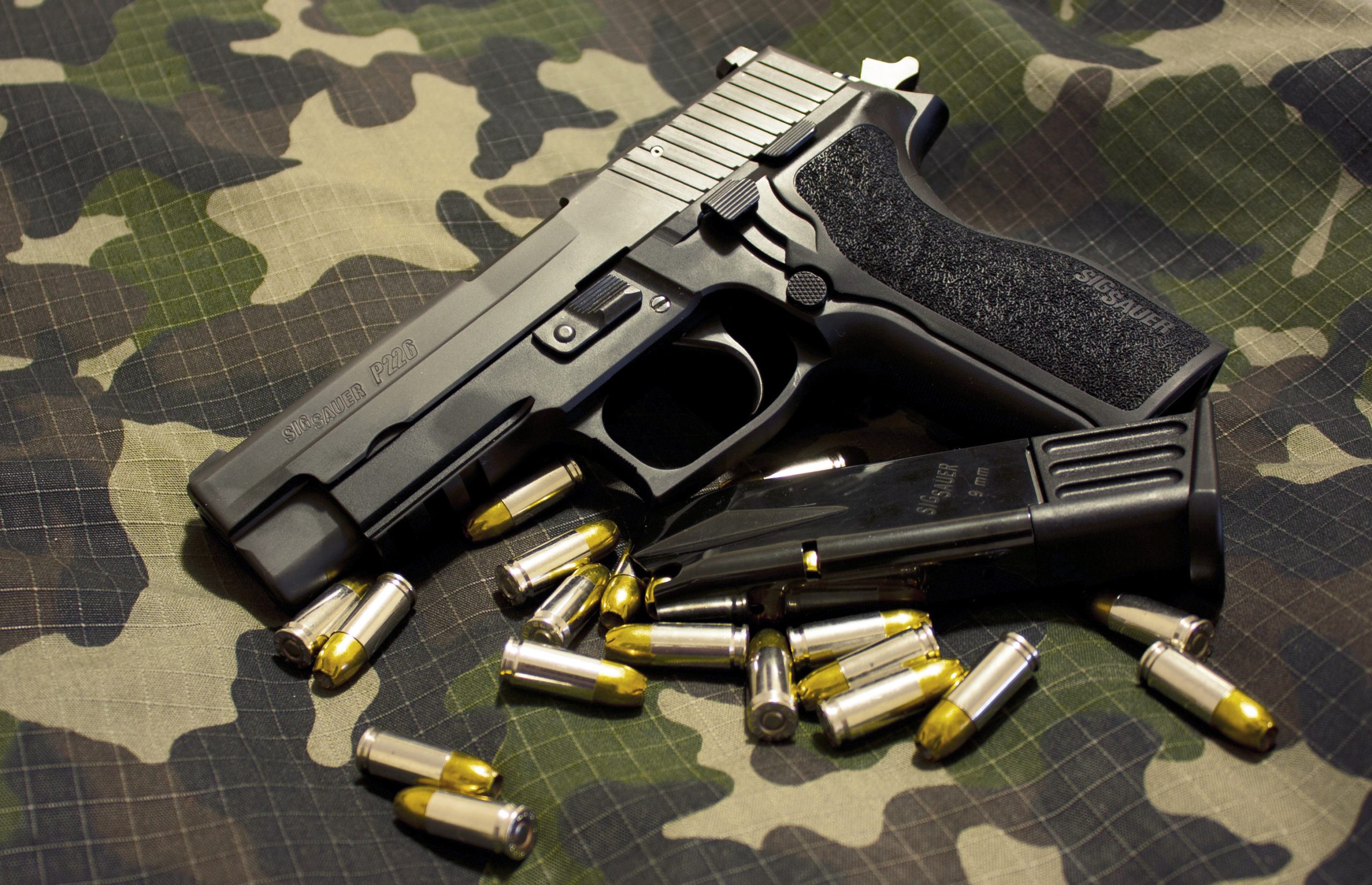
The Beretta M9 was the U.S. military’s standard sidearm, but special-operations units were never completely limited to one handgun model. USSOCOM’s creation in 1986 gave specialized commands greater latitude to acquire equipment suited to particular missions. That environment helped explain continued interest in alternatives such as the SIG Sauer P226, modified 1911-pattern pistols, and other specialist handguns. The P226 itself was not obscure, but its adoption by Navy SEALs illustrates the larger point: elite units could favor a proven pistol that differed from the conventional Army choice. The key date is 1986, when USSOCOM was established, and procurement flexibility became significant.
6. M1911A1 — The Familiar Pistol That Stayed Specialized
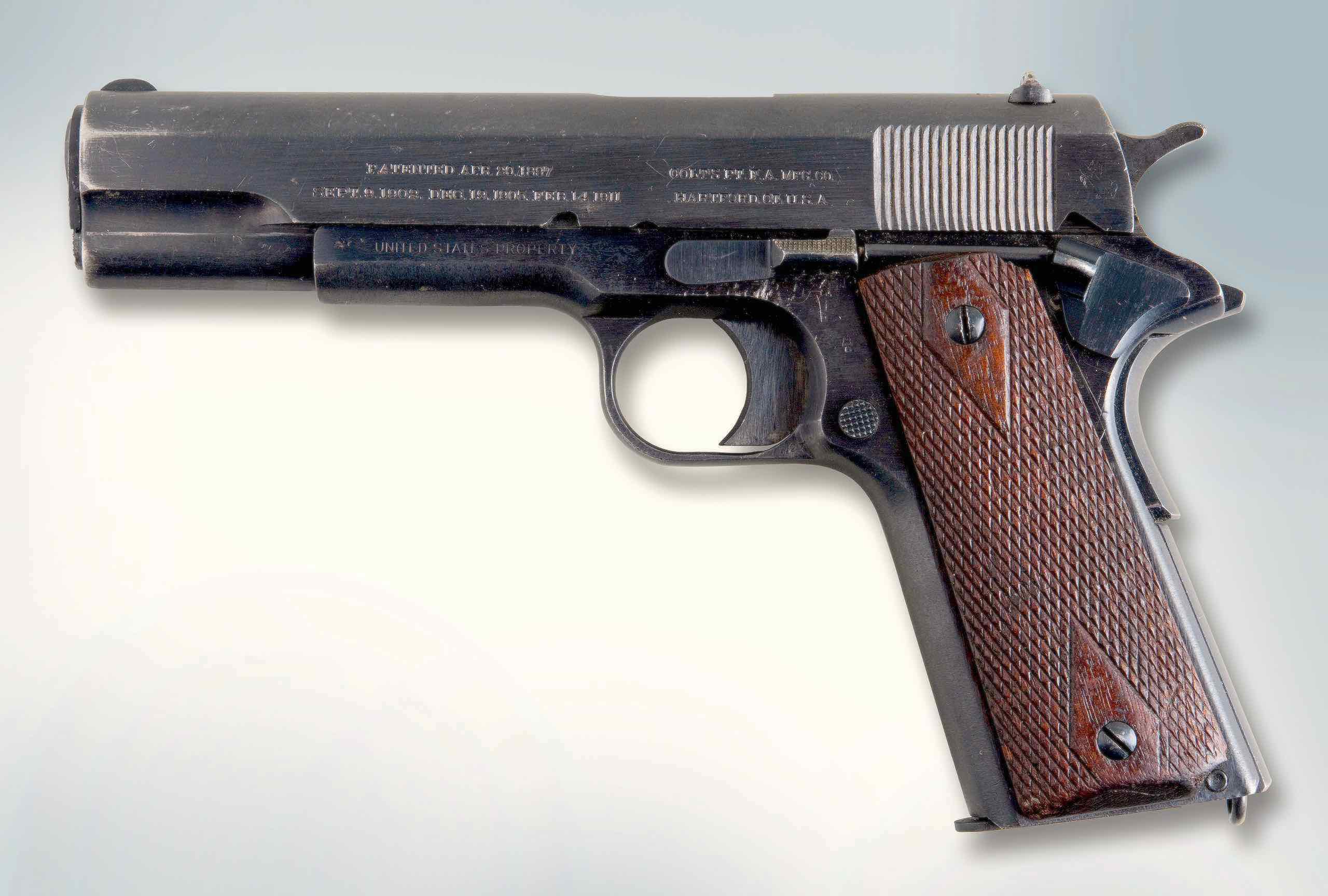
The M1911A1 was hardly an obscure pistol, yet specialized versions remained important because some units valued its familiar .45 ACP chambering and established handling characteristics. Marine special-operations personnel continued using customized 1911-pattern pistols even after the wider military adopted the 9 mm Beretta M9. Later examples included the MEU(SOC) pistol and the Springfield Armory Professional Model, reflecting an emphasis on unit-specific requirements rather than universal standardization. This history is a reminder that “special forces” does not always mean an exotic firearm. Sometimes the unusual choice is a familiar design modified for a narrowly defined role.