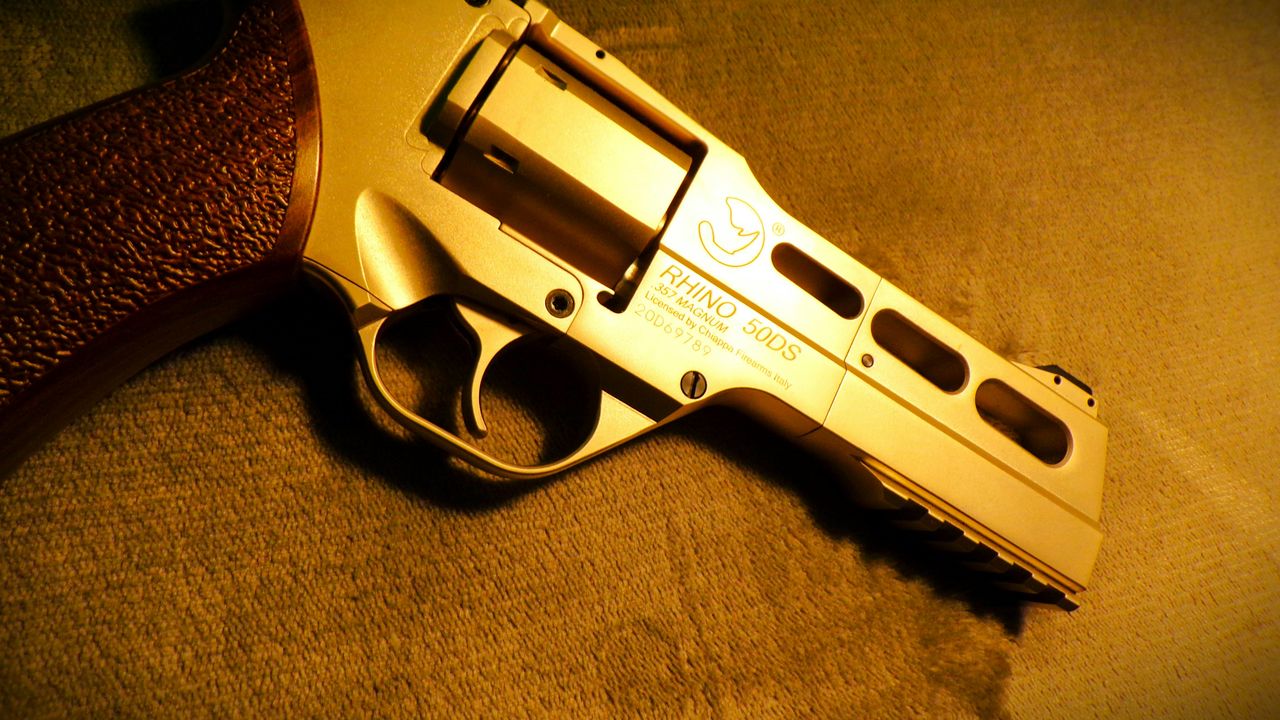
Most revolvers follow a familiar formula, but the Chiappa Rhino seems to question nearly every one of those assumptions. Its profile, grip angle, and even the way the cartridge lines up with the barrel make it look and behave differently from the classic wheelgun template. This gallery breaks down the design moves that made the Rhino famous, and why so many shooters see it as the revolver that rewrote the rules.
It Fires From the Bottom Chamber

The Chiappa Rhino’s biggest rule breaker is the one that changes everything else. Unlike a traditional revolver, which fires from the top chamber in the cylinder, the Rhino aligns the barrel with the bottom chamber. That sounds like a small mechanical shuffle, but it completely changes how the gun handles recoil.
Because the force sits lower in the shooter’s hand, the muzzle has less leverage to flip upward. The result is a shooting experience many users describe as flatter and more controlled than expected from a compact or magnum-capable revolver. It is the defining trick that makes the Rhino instantly recognizable.
The Barrel Sits Unusually Low

On most handguns, the barrel rides visibly higher above the shooter’s grip. The Rhino drops that bore axis far lower than what revolver fans are used to seeing, which gives the gun its almost futuristic, compressed look. Even at a glance, it appears to sit lower in the hand than a classic Smith & Wesson or Colt design.
That low barrel position is not just cosmetic. It is central to the Rhino’s whole philosophy of redirecting recoil straight back instead of letting it pivot the muzzle upward. In practical terms, that can mean faster follow-up shots and a sensation that feels more like a controlled push than a dramatic snap.
The Hammer Is Not What It Seems
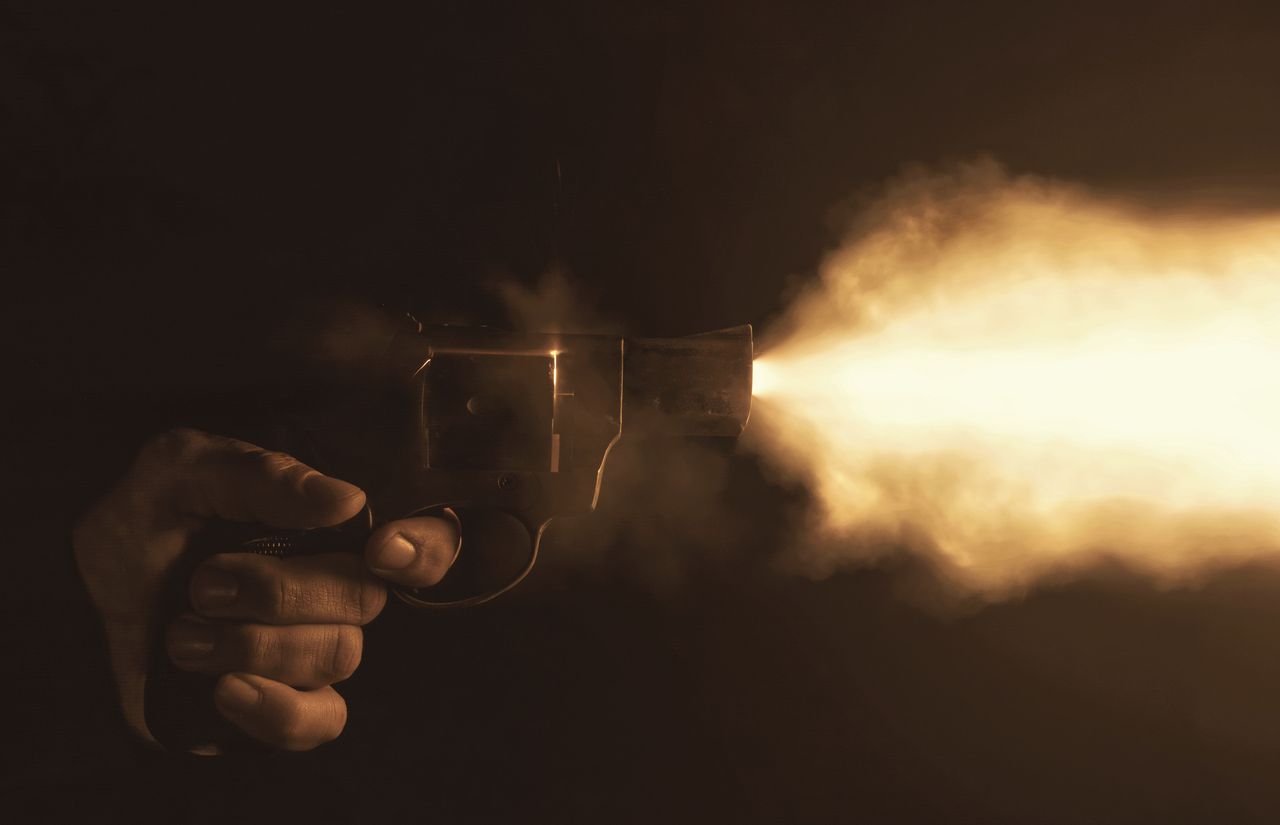
At the rear of the Rhino, the visible cocking piece can fool people into thinking they are looking at a normal exposed hammer. In reality, that external part is more of a cocking lever, while the actual internal hammer system works differently inside the frame. It is one more way the gun disguises its mechanics.
This arrangement helps preserve the Rhino’s compact profile and keeps the exterior cleaner than many classic revolvers. It also adds to the sense that every familiar part has been reconsidered. Even experienced shooters often have a moment of surprise when they realize the hammer they are seeing is not operating in the traditional way.
The Grip Angle Changes the Feel
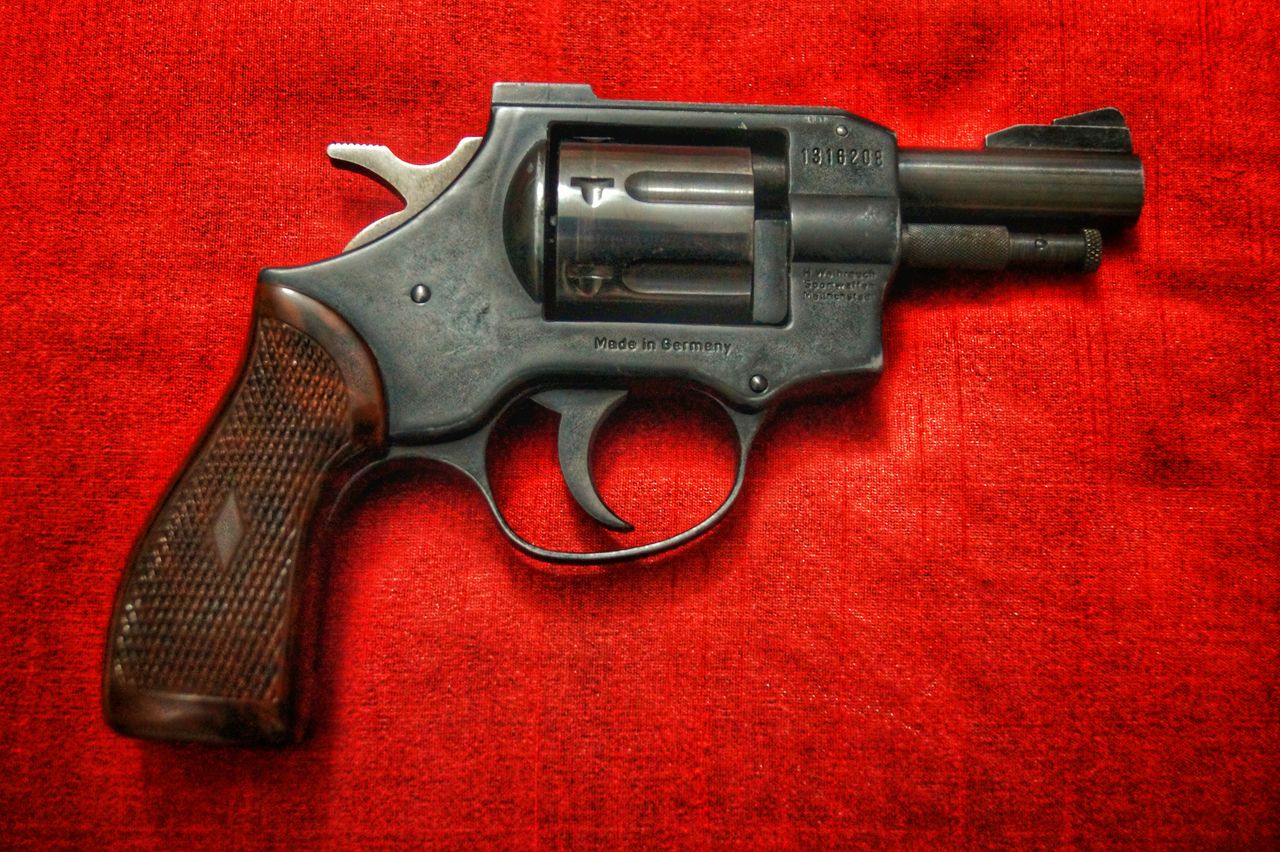
The Rhino’s grip does not simply mimic old-school revolver ergonomics. Its angle and contour work with the low barrel to encourage a more direct, high hold that complements the gun’s recoil strategy. In the hand, it can feel closer to the logic of a modern semiautomatic than to the upright posture of many classic wheelguns.
That difference matters because comfort and control are often shaped by geometry more than raw weight. Shooters who expect a conventional revolver feel are often surprised by how the Rhino settles into the palm. It is another example of the platform trying to solve old revolver behavior with a fresh layout.
Recoil Feels Different Than People Expect
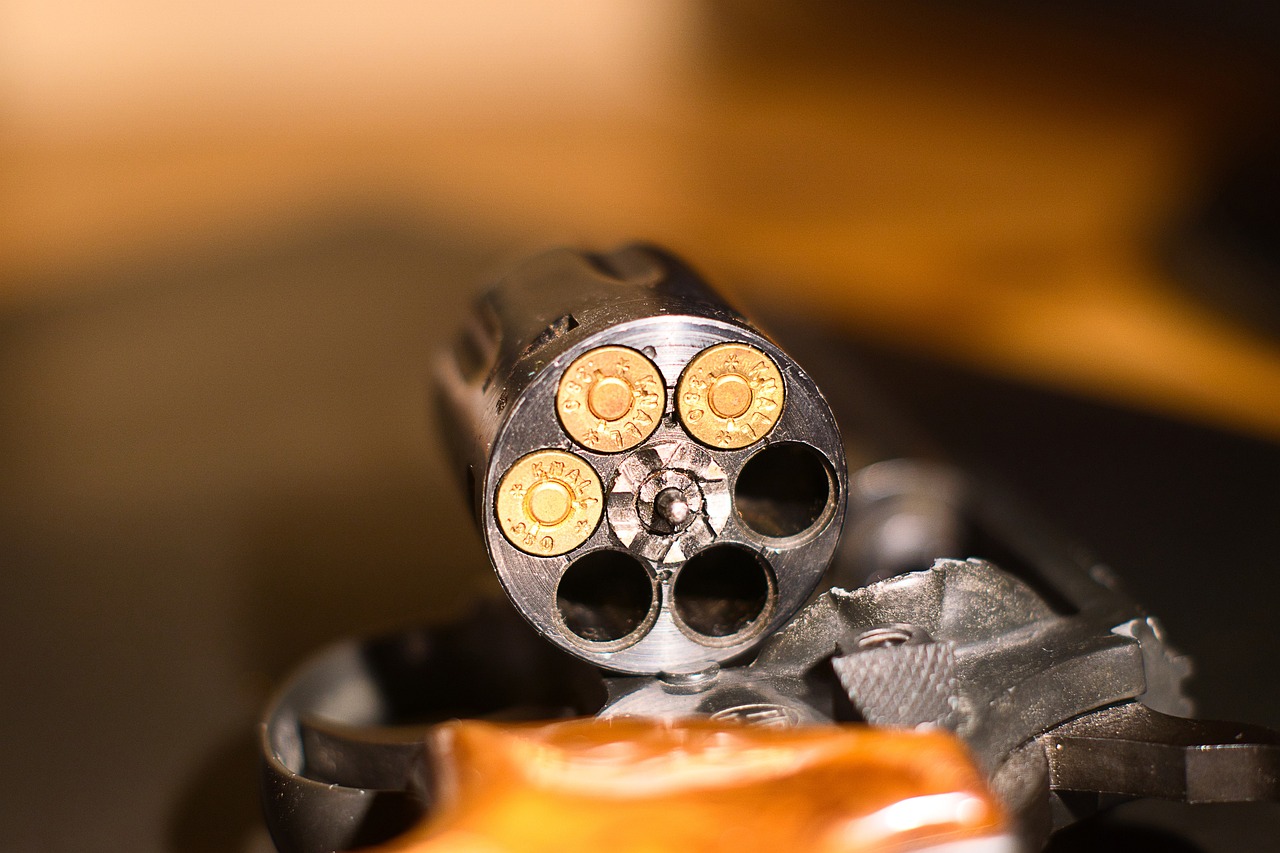
The Rhino has built a reputation around a simple promise: it should be easier to control than a traditional revolver of similar size and chambering. Thanks to the low bore axis and bottom-chamber firing setup, recoil energy comes back into the hand on a straighter line. That changes the character of the shot in a noticeable way.
Instead of the dramatic upward whip many shooters associate with snub-nose revolvers or powerful magnum loads, the Rhino often feels more planted. Not everyone experiences it exactly the same way, but the design clearly aims to tame the classic revolver jump. That is a mechanical goal few wheelguns chase this aggressively.
It Turns Cylinder Tradition Into a Talking Point
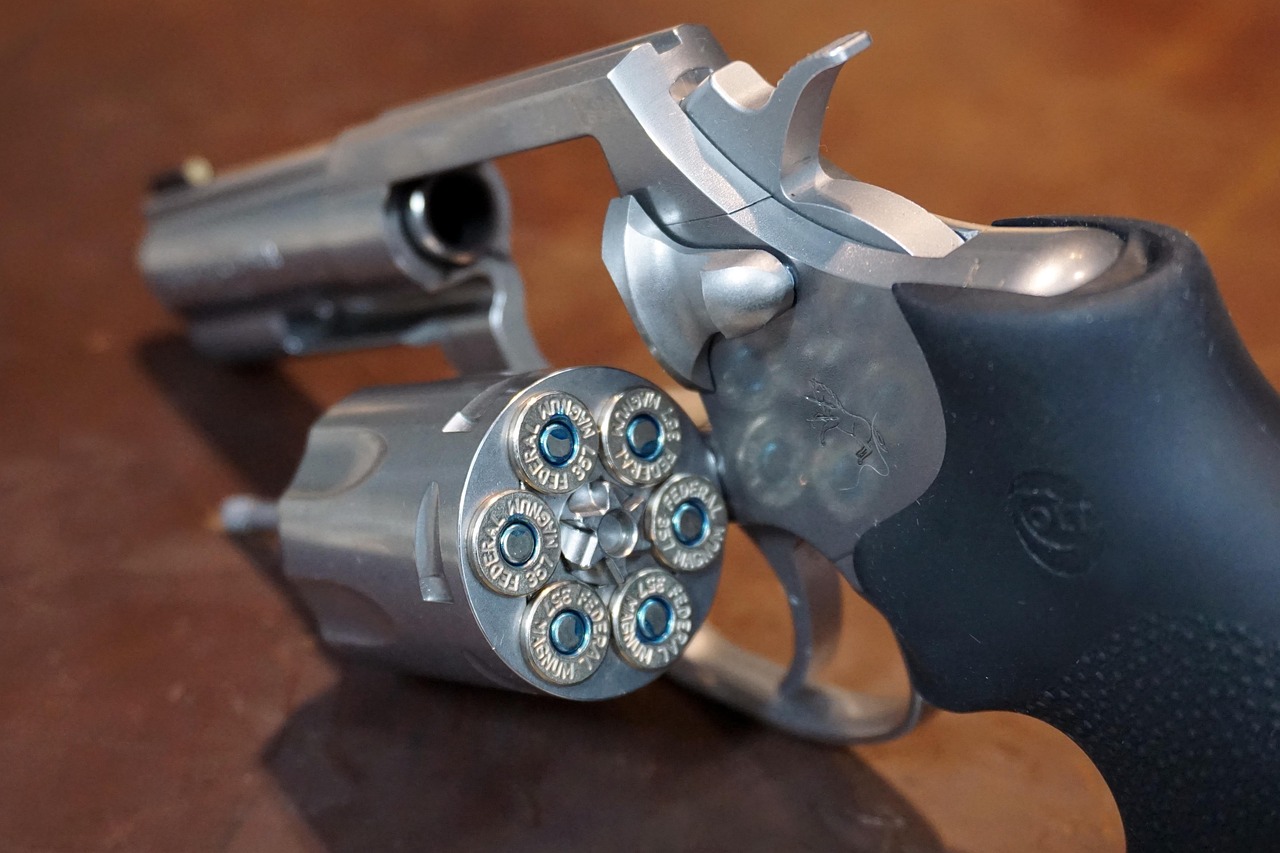
For generations, the cylinder has been one of the most settled ideas in handgun design. Chambers rotate, cartridges line up, and the top chamber usually meets the barrel. The Rhino takes that deeply familiar system and asks a radical question: what if the cylinder still worked, but in a way that changed the entire geometry of the gun?
That decision makes the cylinder more than a storage drum. It becomes the center of the Rhino’s identity. The revolver is not unusual because it has a cylinder, but because it uses that cylinder to rewrite how alignment, recoil, and shooter comfort all interact in one compact mechanism.
It Blends Old Revolver Logic With Modern Styling
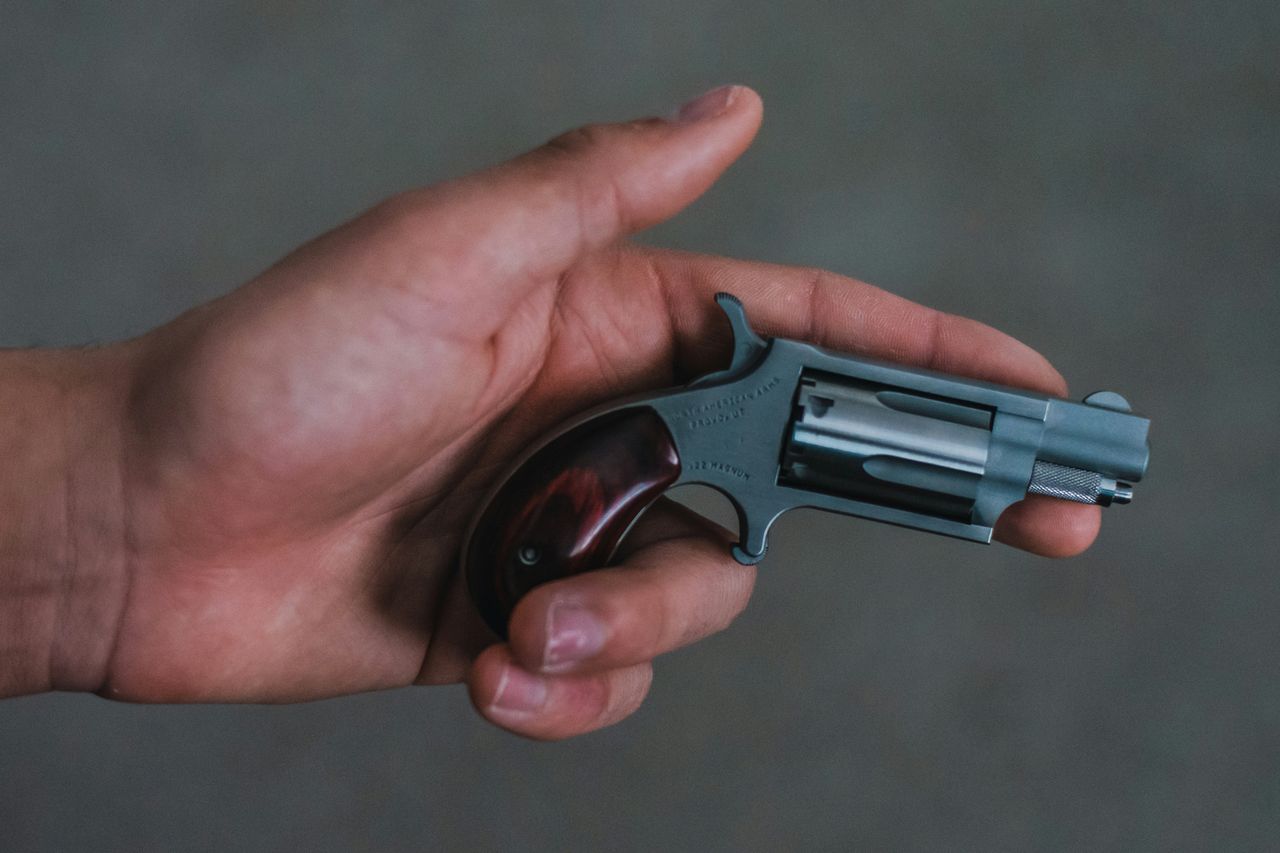
The Rhino still uses the familiar virtues that make people love revolvers in the first place. It has a cylinder, a fixed ammunition capacity, and the straightforward manual character that wheelgun fans appreciate. But everything wrapped around that classic operating idea feels filtered through a more contemporary design language.
That blend is a major reason the Rhino stands out. It is not trying to erase the revolver as a concept. It is trying to evolve it. The gun feels like a bridge between 19th-century fundamentals and 21st-century industrial thinking, which gives it appeal even among people who do not usually follow revolver design closely.
Its Unconventional Design Sparks Strong Opinions
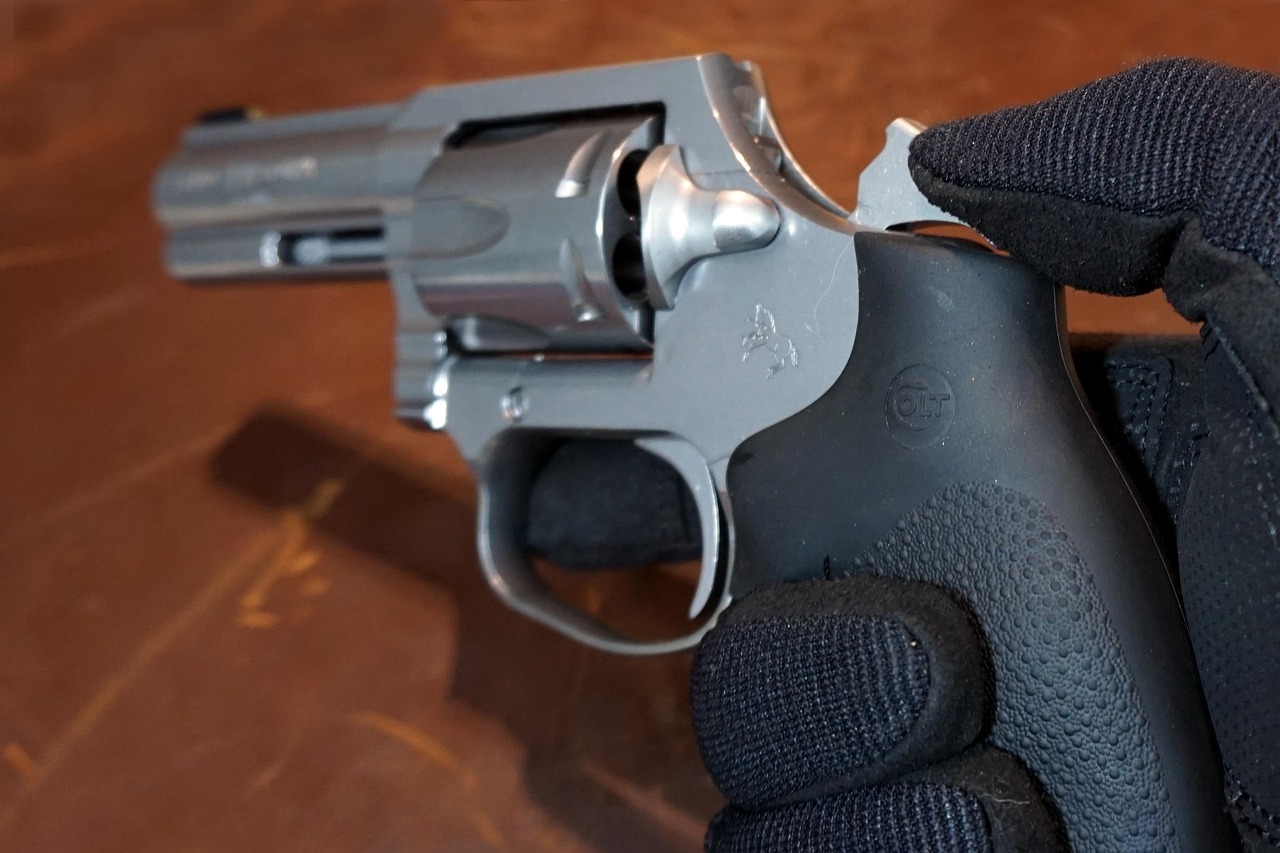
Very few firearms inspire a neutral reaction the way the Rhino does. Some people love its innovation immediately, seeing it as a clever answer to old recoil problems and stale design habits. Others find the shape awkward or simply too far removed from the revolver image they grew up with.
That split response is part of what made the Rhino famous. It does not quietly fit into the background of handgun history. It forces a conversation about whether tradition should guide design, or whether performance should have the final word. In that sense, the Rhino succeeds even before the first round is fired.
It Proved Revolvers Still Had Room to Evolve

The Chiappa Rhino matters because it challenged the idea that revolver design had already reached its final form. For many shooters, the wheelgun seemed like a mature platform with only cosmetic changes left to explore. The Rhino showed that even a centuries-old format could still be rethought at the most fundamental level.
By moving the firing chamber, lowering the bore axis, and reshaping familiar controls, it reopened the conversation about what a revolver can be. Whether someone ends up loving it or not, the Rhino earns attention for daring to question the blueprint. That makes it one of the rare handguns that feels genuinely disruptive.