Some rifles survive because people admire them. The Winchester Model 1886 survives because hunters can still use it well.
It was built for power from the very beginning
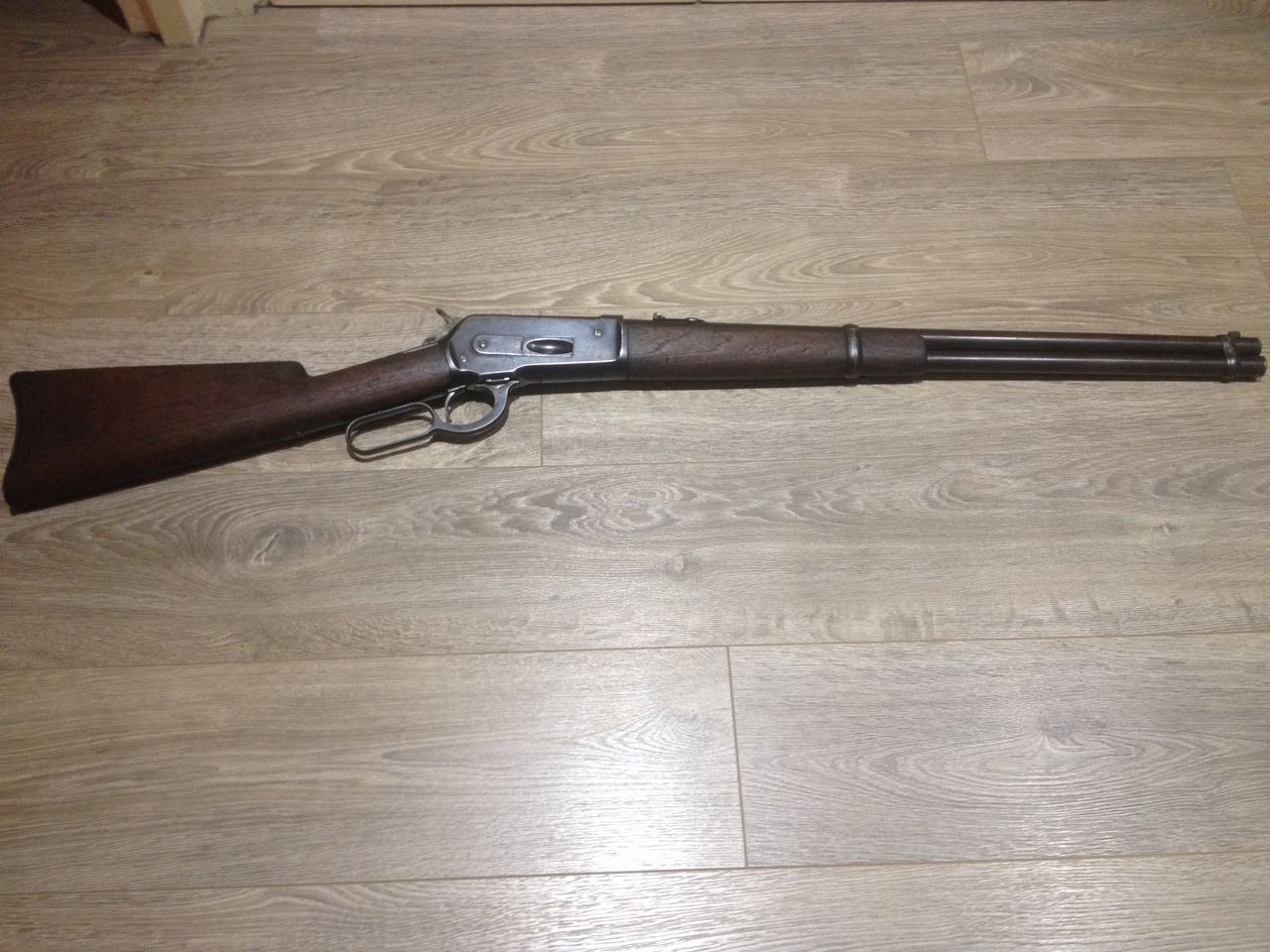
John Browning designed the Model 1886 specifically to handle larger, more powerful cartridges than earlier Winchester lever guns. Winchester’s own historical materials note that the rifle was introduced in 1886 to handle big rounds like the .45-70 Government, and the company still describes the action as one of the strongest classic lever designs it ever offered.
That matters today because hunting usefulness starts with cartridge capability. A rifle can be charming, collectible, and beautifully finished, but if it cannot launch a serious hunting bullet with confidence, it becomes a nostalgia piece. The 1886 avoids that trap completely.
Even now, Winchester says no earlier lever action matched it for strength or for chambering such powerful cartridges. That original design brief still lines up neatly with modern needs for deer, hogs, black bear, elk, and close-range woods hunting.
The modern version is not just a museum-grade replica
A big reason the 1886 still makes sense is that current rifles are modern production guns, not fragile antiques pretending to be field tools. Winchester’s current owner’s manual states plainly that today’s Model 1886 is built for modern factory cartridges, and the company continues to support the platform with manuals and product information.
Current rifles keep the classic layout, but they benefit from modern manufacturing. Winchester also notes that several historic models, including the 1886, are manufactured in Japan, where Miroku-built Winchesters have earned a strong reputation for fit, finish, and consistency among serious lever-gun shooters.
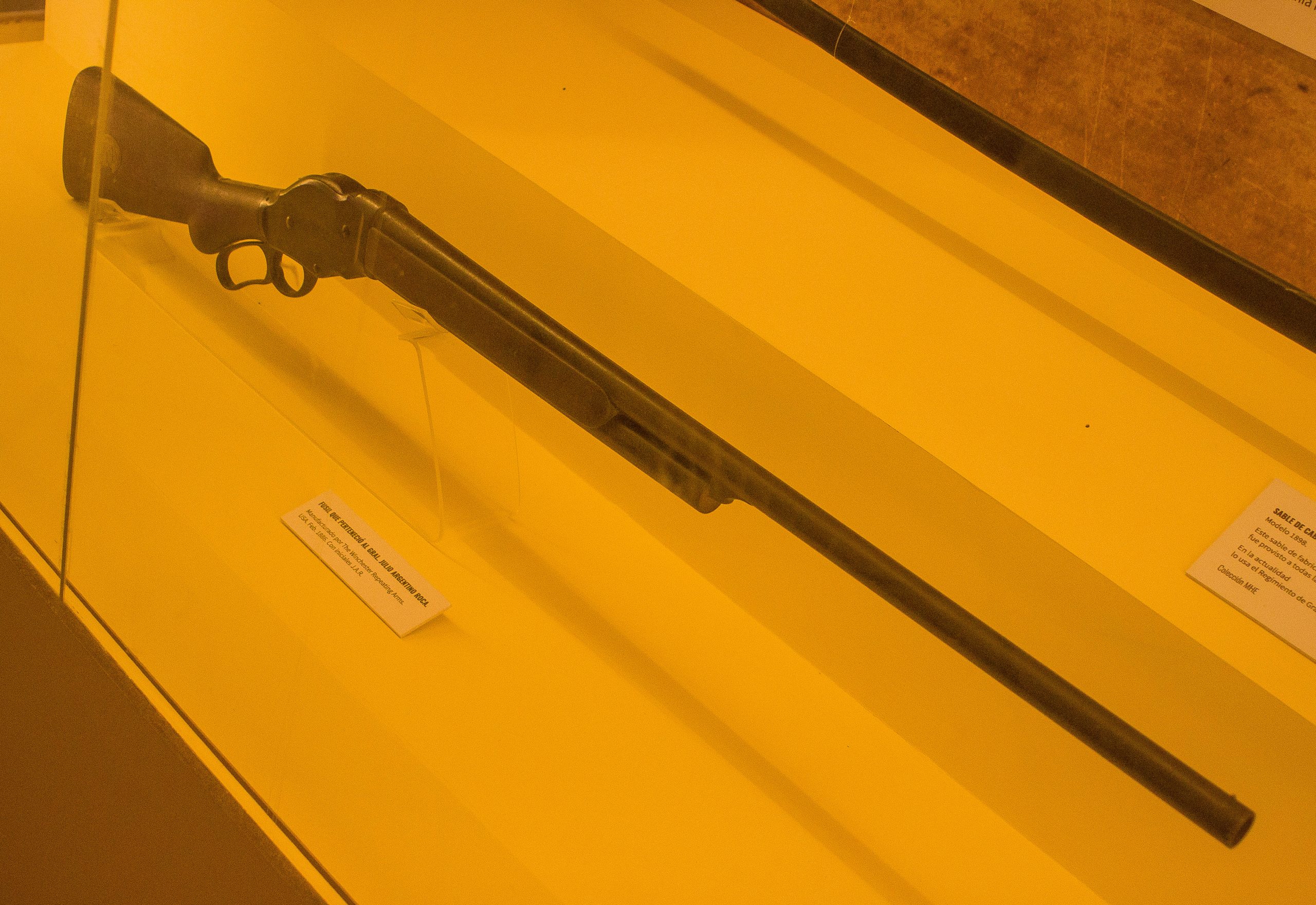
Practical details help too. Winchester’s current Deluxe Case Hardened Model 1886 in .45-70 carries a 24″ barrel, an overall length of 43″, an 8-round magazine capacity, and a drilled-and-tapped receiver for mounting a receiver sight or optic base if desired.
The .45-70 remains a serious hunting cartridge
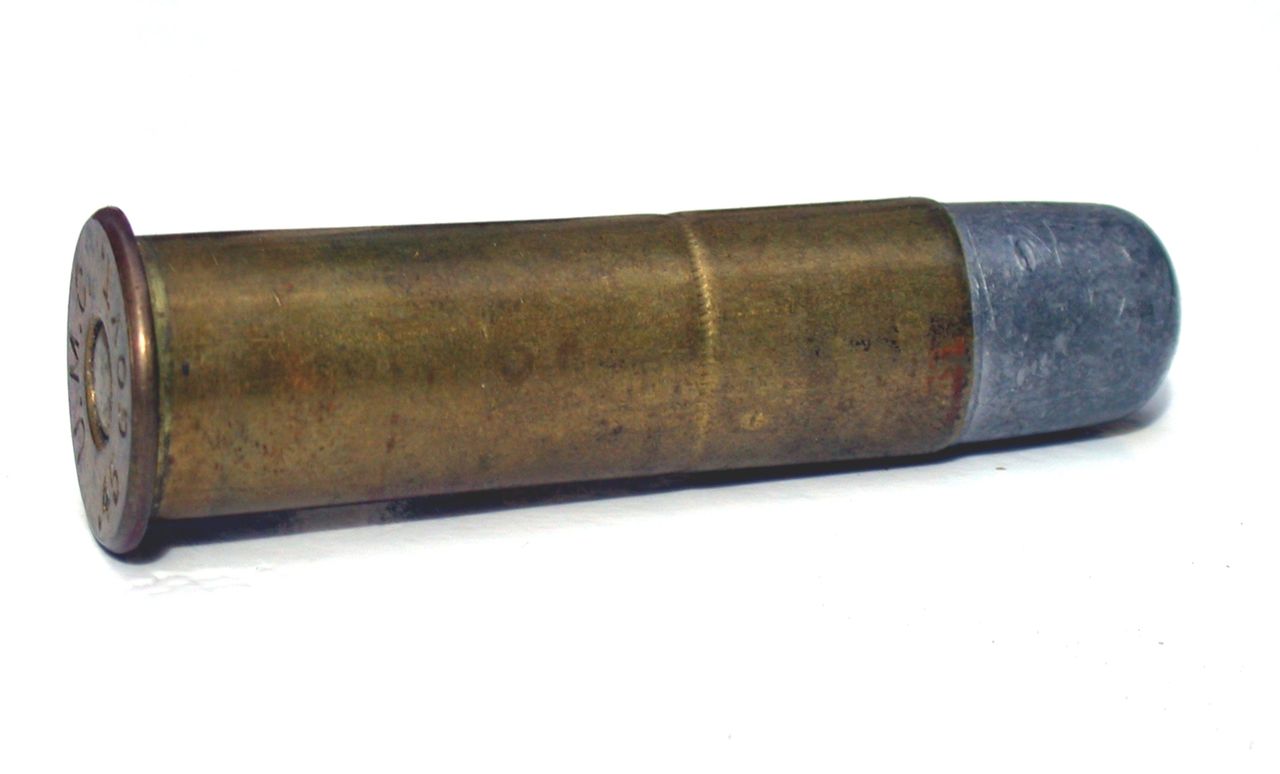
The strongest argument for the 1886 is simple: the .45-70 never stopped working. Hornady wrote in 2026 that modern ammunition has helped turn the cartridge from a historical favorite into a genuinely modern field option again, especially in strong lever guns such as the Winchester 1886.
Factory loads today are far better than the old stereotype suggests. Hornady’s 325-grain FTX LEVERevolution load is listed at 2000 fps, and the company says that with a 200-yard zero it runs about 5.5″ high at 100 yards. Federal’s 300-grain HammerDown load is cataloged at 1850 fps.
Those numbers explain why hunters still trust the cartridge. Inside realistic lever-gun distances, it hits hard, penetrates well with proper bullets, and offers the kind of straight-ahead terminal effect that matters more in timber and brush country than flat-shooting marketing language.
It matches how many real hunts actually happen
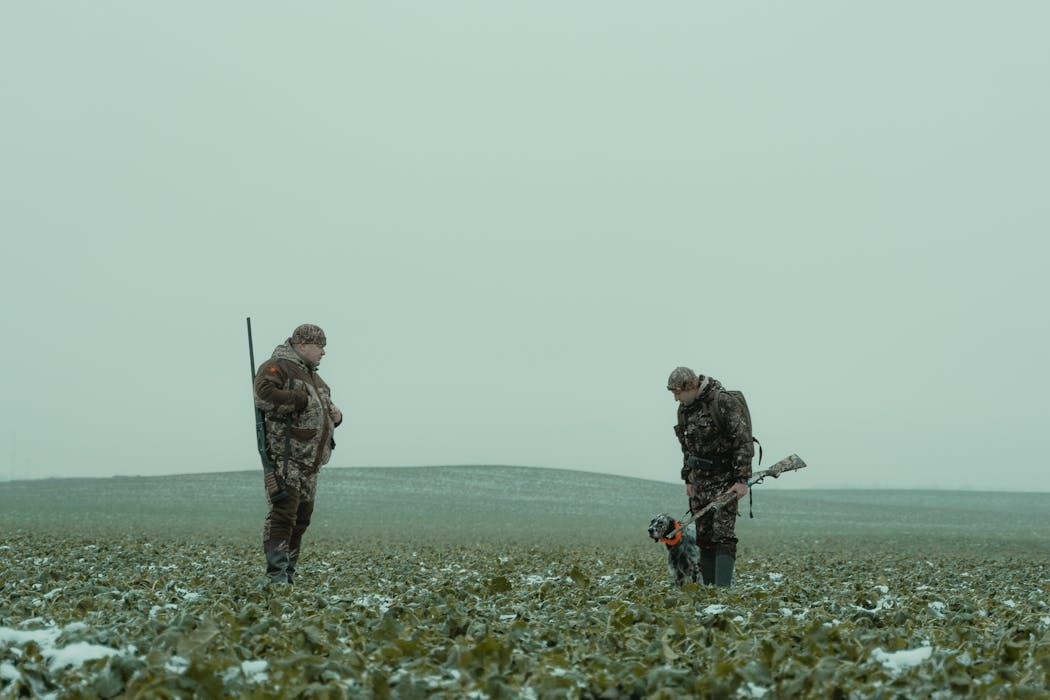
Most big-game animals in North America are not shot across canyons at extreme distance. They are taken in broken timber, creek bottoms, oak ridges, clear-cut edges, swamps, and thick transition cover. In those places, balance, speed, and fast target acquisition often matter more than raw reach.
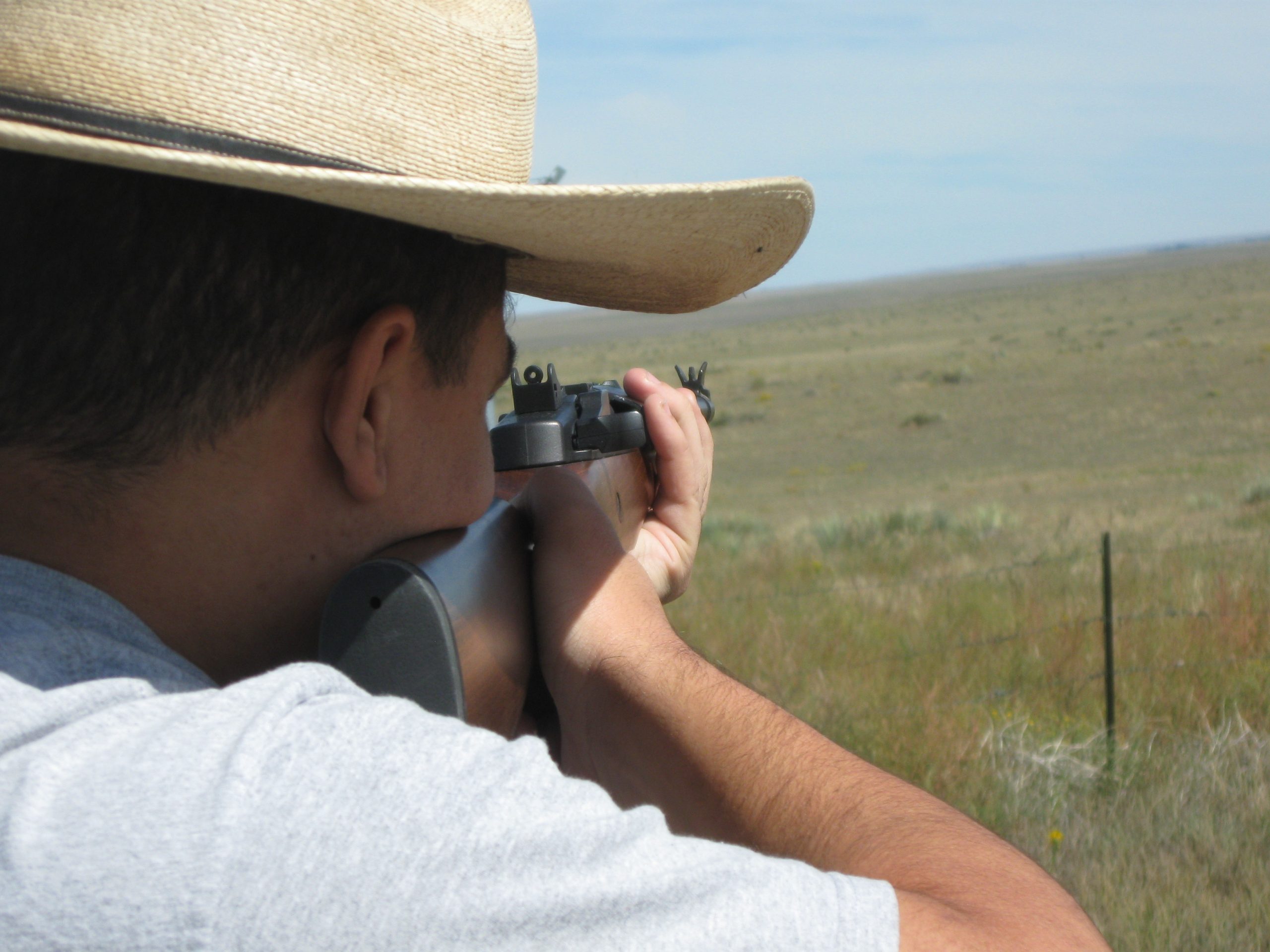
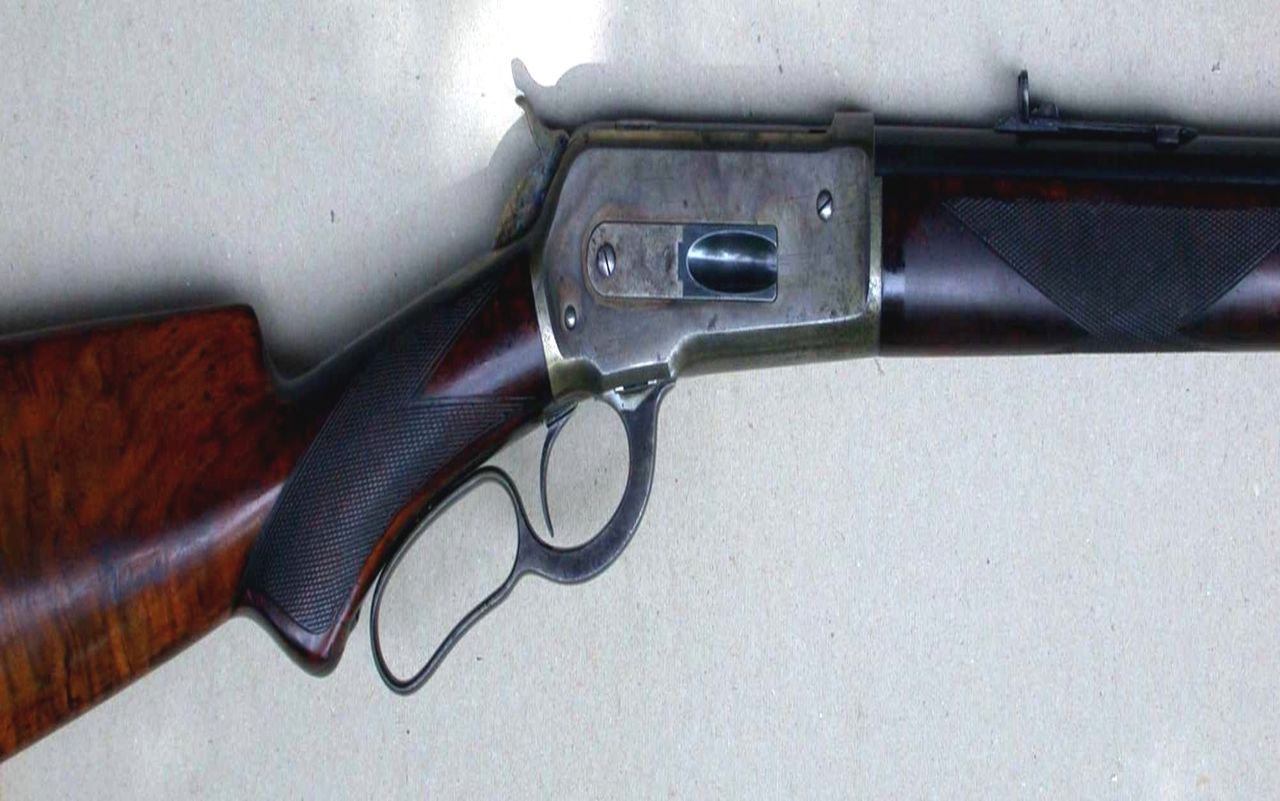
That is where the 1886 stays relevant. A lever gun with iron sights or a receiver sight carries easily in one hand, rides well in a truck or scabbard, and comes on target naturally when a deer or hog appears for only a few seconds.
The platform also suits hunters who value simple follow-up shots. You keep the rifle in the shoulder, run the lever, and stay in the game. For black bear bait sites, hog drives, and close elk encounters in dark timber, that remains a legitimate advantage.
It offers a different kind of confidence than a modern magnum
The 1886 is not the best choice for every hunter, and that honesty is part of the case for it. If your season revolves around 350-yard cross-canyon shooting, a scoped bolt rifle is the smarter answer. But many hunters are over-rifled for the distances they actually shoot.
The 1886 encourages discipline. It nudges the hunter toward stalking, better shot selection, and an honest understanding of trajectory. In return, it offers a rifle that feels alive in the hands rather than merely efficient from a bench.
There is also confidence in mechanical simplicity. Winchester still describes the action as robust, smooth, and reliable, and that combination has always appealed to hunters who want a rifle that feeds, points, and fires without fuss in ugly weather and rough country.
The appeal is emotional, but the usefulness is real
Yes, part of the 1886’s pull is emotional. It looks like a rifle should look, with walnut, steel, and lines that have aged better than almost anything in the category. Winchester even notes that Theodore Roosevelt favored the Model 1886 during his Dakota years, which tells you the rifle earned respect from hard users early.
But romance alone does not keep a hunting rifle relevant in 2026. Practical chamberings, modern ammunition, current factory support, and proven field handling do that. The 1886 still checks those boxes.
That is why the rifle continues to make sense. It is not a compromise for hunters who cannot let go of the past. It is a fully workable big-game lever gun whose original strengths still line up with the way a lot of North American hunting actually gets done.