Some rifles become famous because of legend. The Winchester 1873 became famous because it kept proving useful.
It arrived at exactly the right moment
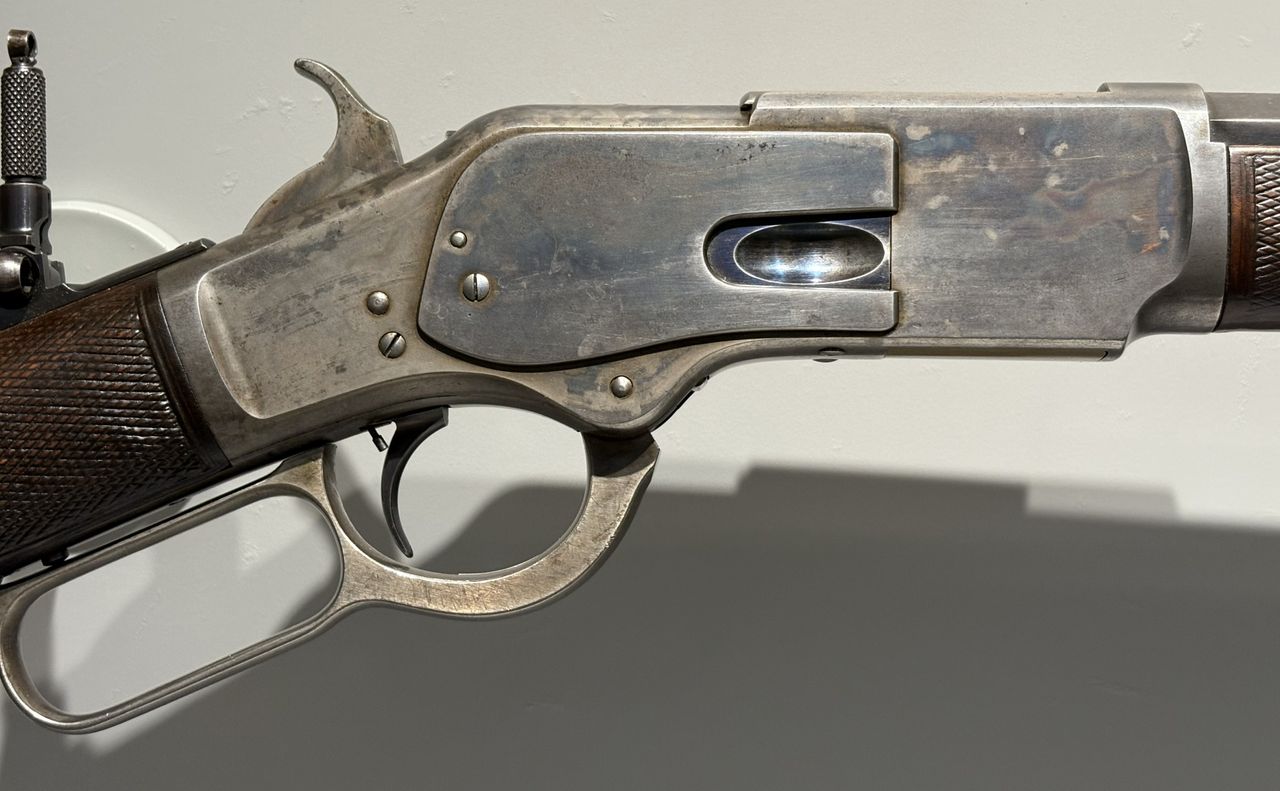
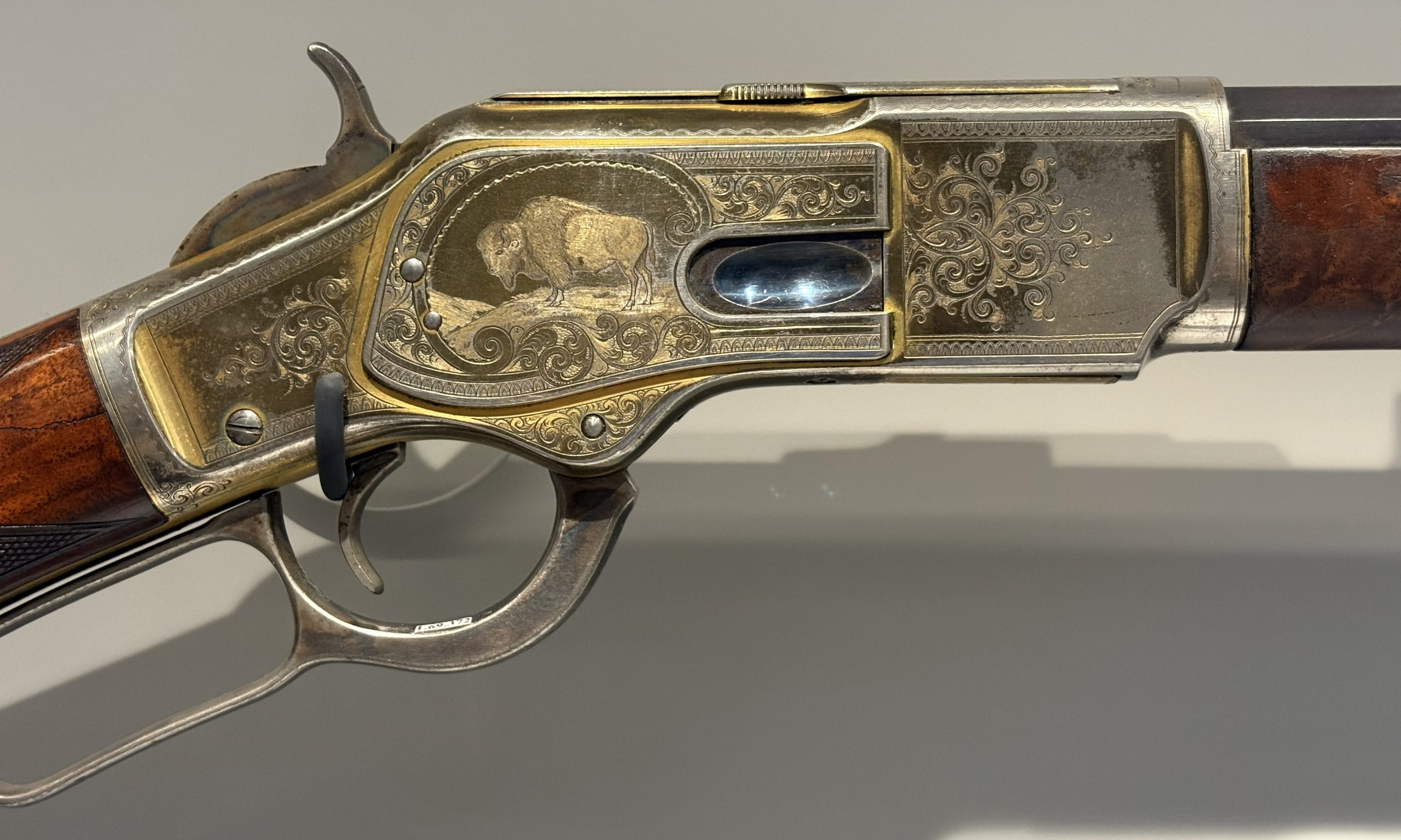
The Winchester Model 1873 was introduced in 1873, right as the American frontier was expanding and demand for practical repeating arms was rising fast. Winchester’s own historical timeline marks the gun’s debut that year, and later company materials would embrace its reputation as “The Gun That Won the West.” That slogan came later, but the popularity came early.
This was not the first repeating rifle in the West, but it was one of the first to feel truly mature as a commercial product. It built on lessons from the Henry and the Model 1866, then packaged them in a stronger, more refined design that ordinary buyers could trust.
Timing mattered. Settlers, ranchers, lawmen, and freighters wanted a firearm that was quick to operate, dependable in rough country, and familiar enough to maintain without drama. The 1873 showed up when the market was ready for exactly that kind of tool.
Fast repeat-fire gave people confidence
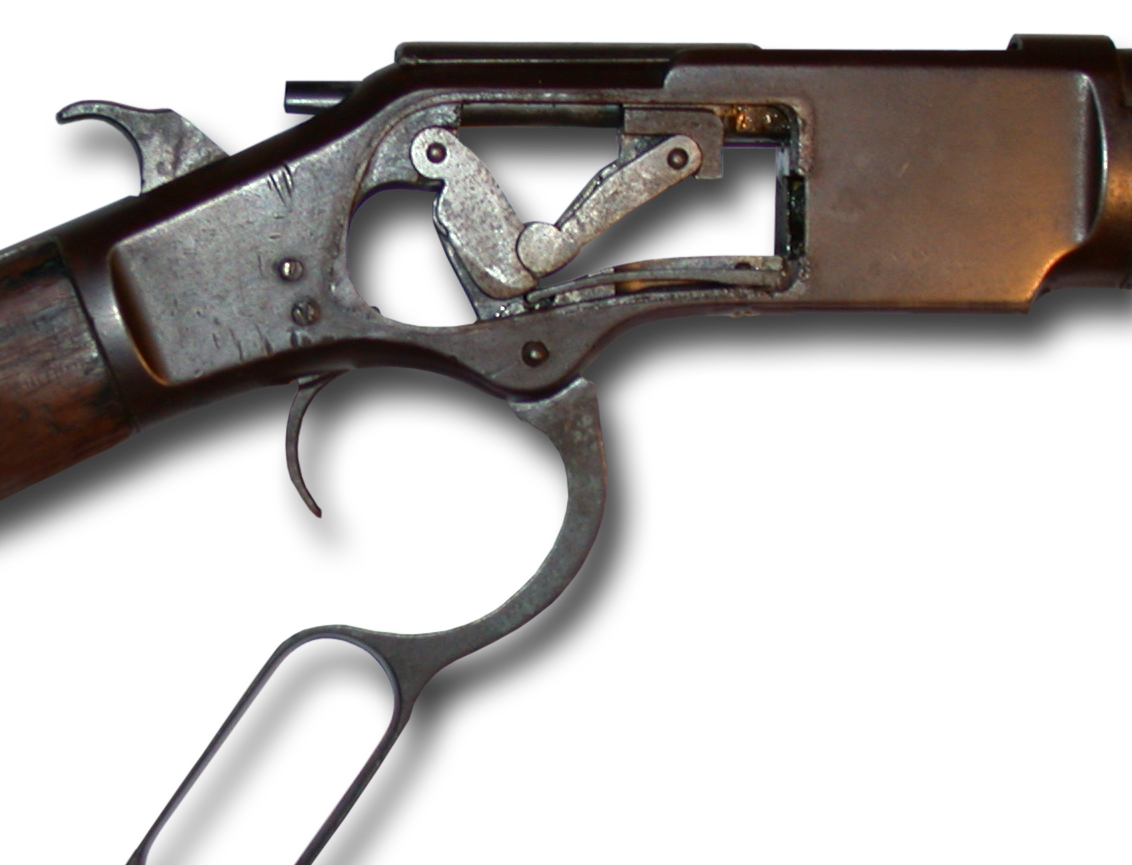
On a frontier where danger could appear suddenly, speed was more than convenience. A lever-action repeating rifle let a shooter fire again without the long interruption of reloading a single-shot arm, and that mechanical advantage gave the Winchester 1873 a real edge in day-to-day use.
Compared with many contemporary arms, it was quicker to load, easier to shoot, and lighter to handle, a point Winchester still emphasizes in describing why the model became so widely admired. That mattered for someone guarding livestock, riding fence, or traveling long distances with limited supplies.
The carbine version was especially useful on horseback. The National Park Service notes that the 1873 came in both rifle and carbine forms, with the carbine easier to carry and handier for mounted use, while the rifle offered better reach and steadier accuracy.
The ammunition choice was brilliantly practical
One of the biggest reasons for the 1873’s success was its chambering in popular revolver-class cartridges, especially .44-40 WCF. Winchester materials and Park Service history both point to the same practical advantage: many users could carry one general type of ammunition for both rifle and sidearm.
That sounds simple, but on the frontier it was a major logistical benefit. A cowboy, deputy, or homesteader living out of saddlebags did not want to sort through multiple cartridge types while traveling days from the nearest store. Simplicity meant speed, lower risk, and fewer expensive mistakes.
The 1873 was also offered in .38-40 and .32-20, broadening its appeal. Those chamberings gave buyers options for hunting, pest control, defense, and ranch work without demanding an entirely different manual of arms every time they switched guns.
It was reliable enough to become an everyday tool
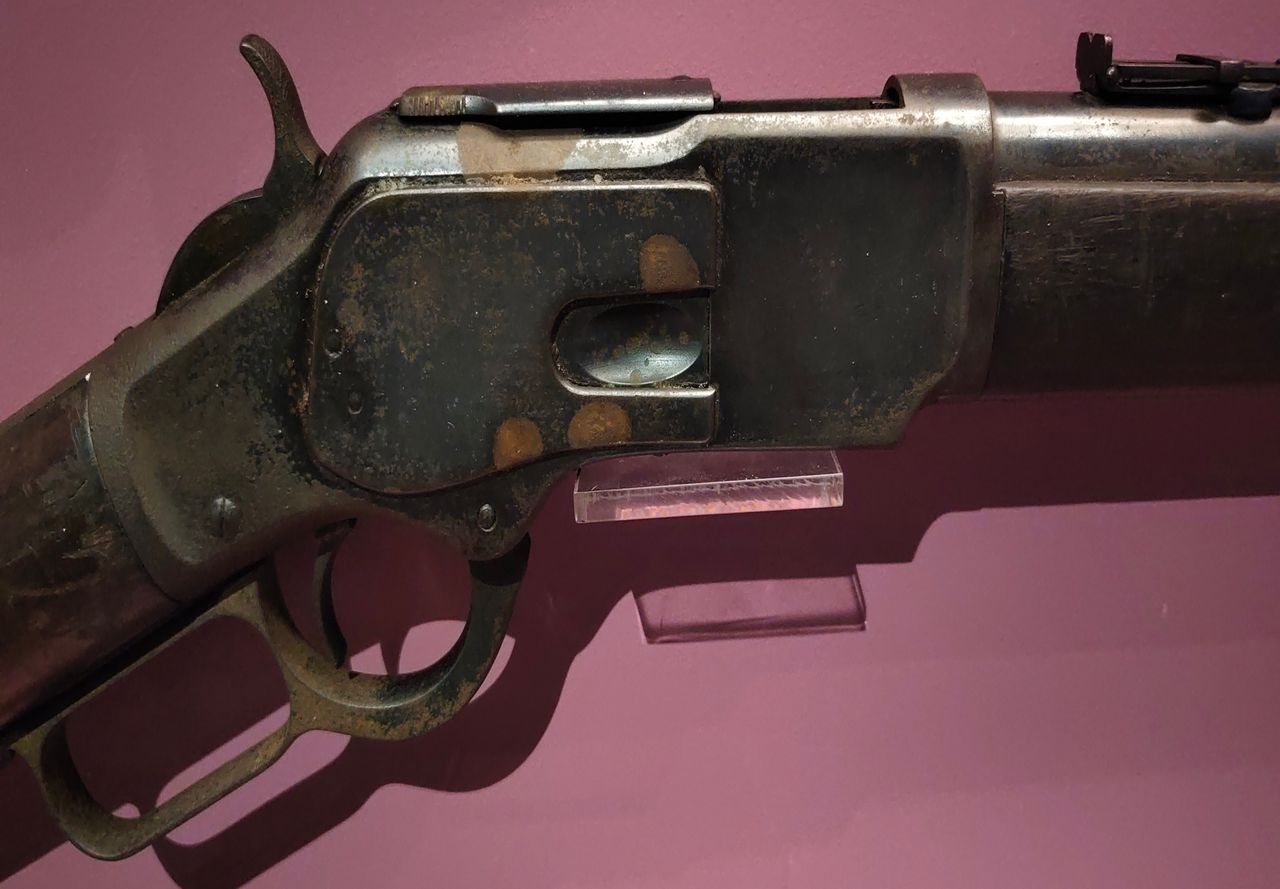
Frontier favorites were not chosen by advertising alone. They earned loyalty by working when dust, rain, horse sweat, and hard travel tested every moving part. Winchester describes the 1873’s action as smooth and reliable, and that reputation helped turn it from a product into a companion piece for daily life.
The mechanism fed cartridges from a tubular magazine and allowed rapid follow-up shots with a familiar lever stroke. In practical terms, that meant less fumbling under pressure and a system users could learn quickly through repetition rather than formal training.
Its popularity was enormous by the standards of the day. The National Park Service notes that 720,610 Model 1873 rifles were manufactured from 1873 until production ended in 1916, a remarkable run that reflects sustained demand rather than a short burst of novelty.
It fit the people who actually lived in the West
The 1873 was not just a soldier’s gun or a specialist’s gun. Winchester’s own description ties its success to cowboys, lawmen, settlers, and adventurers, and that broad user base explains why it became woven so tightly into frontier identity.
At Fort Smith, the National Park Service calls the 1873 the most common rifle seen in photos of deputy marshals. That kind of visual record matters because it shows the gun was not merely celebrated in catalogs; it was present in the hands of working men whose lives depended on practical choices.
Theodore Roosevelt also praised the Winchester platform in the late 19th century, with Winchester’s historical archive preserving his admiration for it as an effective field arm. Endorsements like that helped, but the deeper story is that the rifle matched the rhythm of ranching, riding, and remote living.
Legend followed usefulness
The phrase “The Gun That Won the West” is famous, but the better explanation is more grounded. The Winchester 1873 became a frontier favorite because it offered a rare blend of repeat-fire speed, manageable size, practical chamberings, and enough reliability to serve as a true everyday rifle.
It also looked the part. Even people who knew little about firearms could recognize the trim lines, handy carbine form, and confident lever-action silhouette. Over time, that visual identity fused with dime novels, photographs, films, and museum storytelling until the gun became a symbol as well as a tool.
Still, symbols do not last unless they rest on something real. The 1873 endured in American memory because it solved real problems for real people, and on the frontier, usefulness was always the first step toward legend.