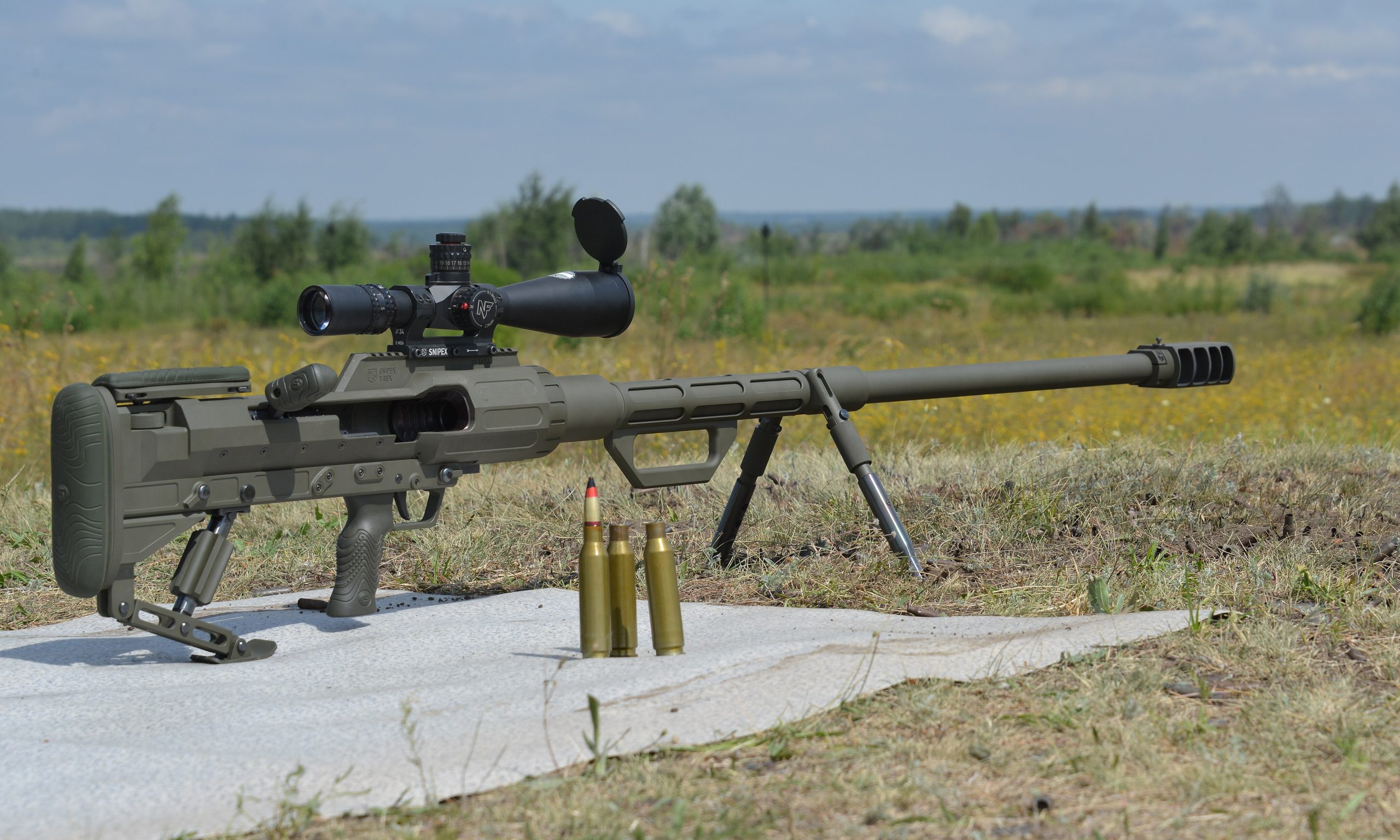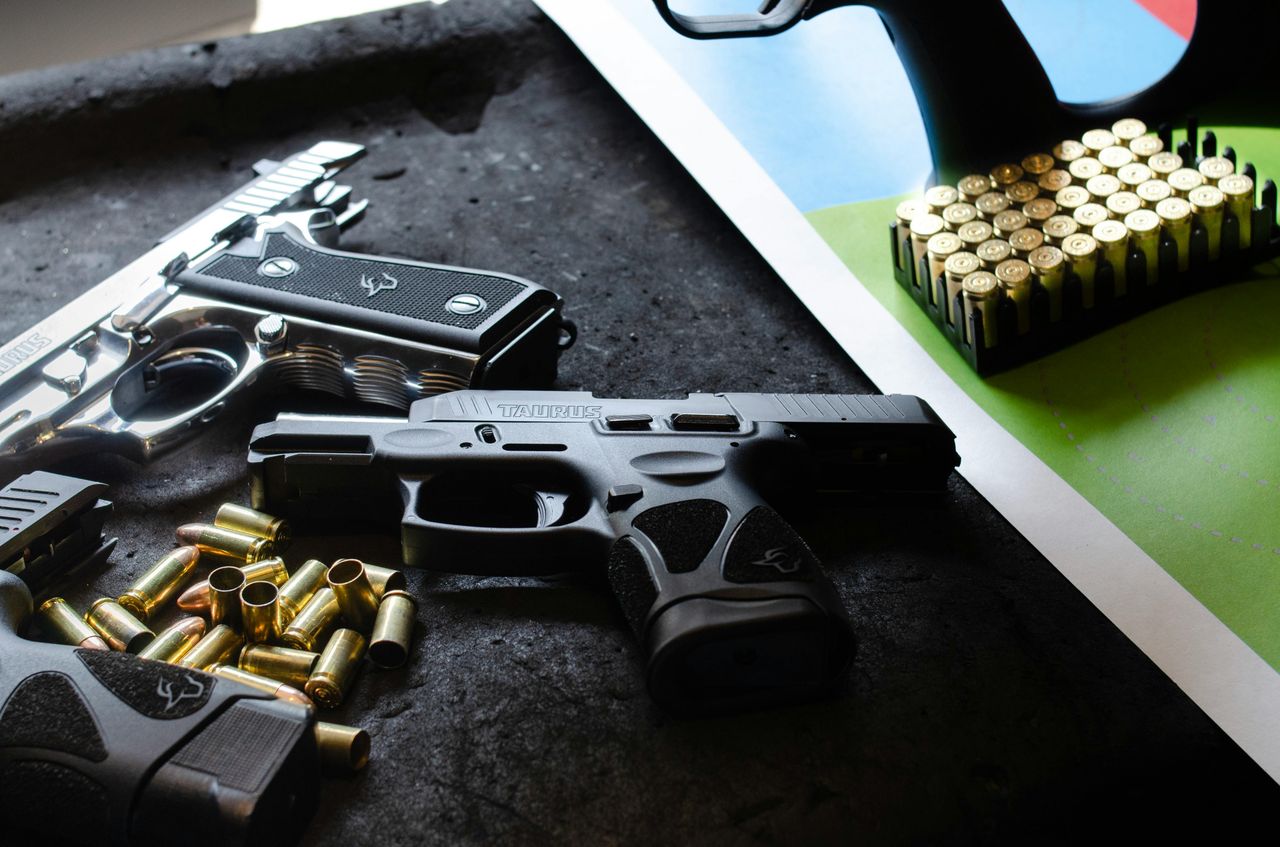
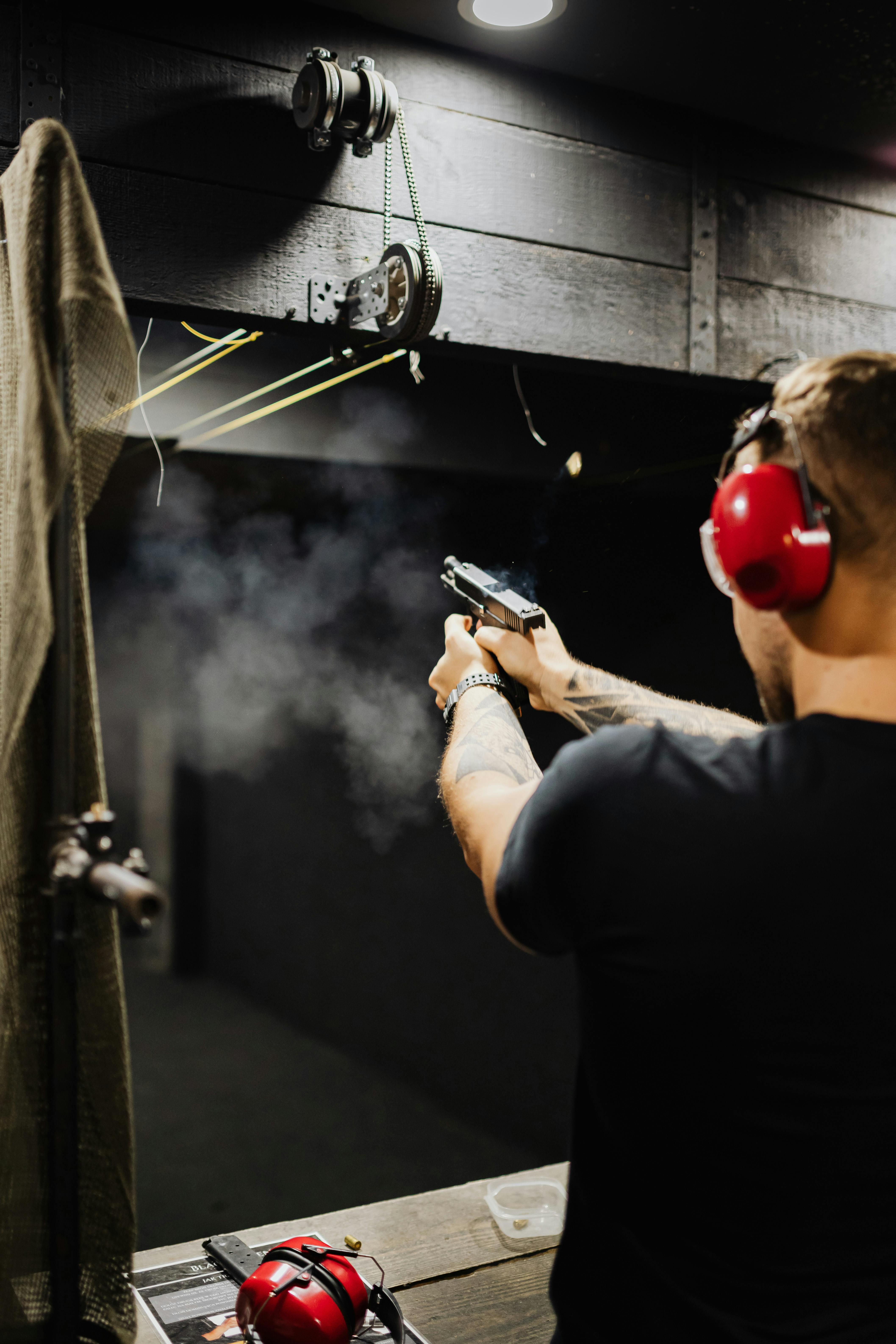
Some pistols build almost mythic reputations online and at the range, sounding like permanent keepers the moment someone buys one. But after the honeymoon period, plenty of these fan favorites quietly get sold off for something more practical, more comfortable, or simply more enjoyable to shoot. This gallery explores the well-liked handguns that inspire loyalty in theory, yet often leave owners making a discreet exit.
Glock 19

The Glock 19 is the default recommendation for a reason. It is reliable, simple, easy to maintain, and supported by a mountain of aftermarket parts, holsters, and magazines. On paper, it looks like the one pistol that can do everything well enough to end the search.
Then real ownership starts to matter more than reputation. Some shooters never love the grip angle, the blocky feel, or the trigger character, even if they respect the pistol completely.
That is why so many people praise it loudly, carry it dutifully, and eventually trade it for something that feels better in the hand. It is often admired more than it is truly enjoyed.
1911 Government Model
Few pistols inspire devotion like a full-size 1911. The trigger can feel superb, the ergonomics are famously natural, and the gun carries a century of history that makes ownership feel almost ceremonial. For many buyers, it is not just a handgun, it is a statement.
But living with one can be more complicated than the legend suggests. Weight, maintenance preferences, magazine sensitivity, and ammo quirks can turn romance into routine frustration.
Eventually, some owners decide they love the idea of a 1911 more than the practical reality. It gets praised forever, then sold to fund something lighter, easier, and less demanding.
SIG Sauer P320
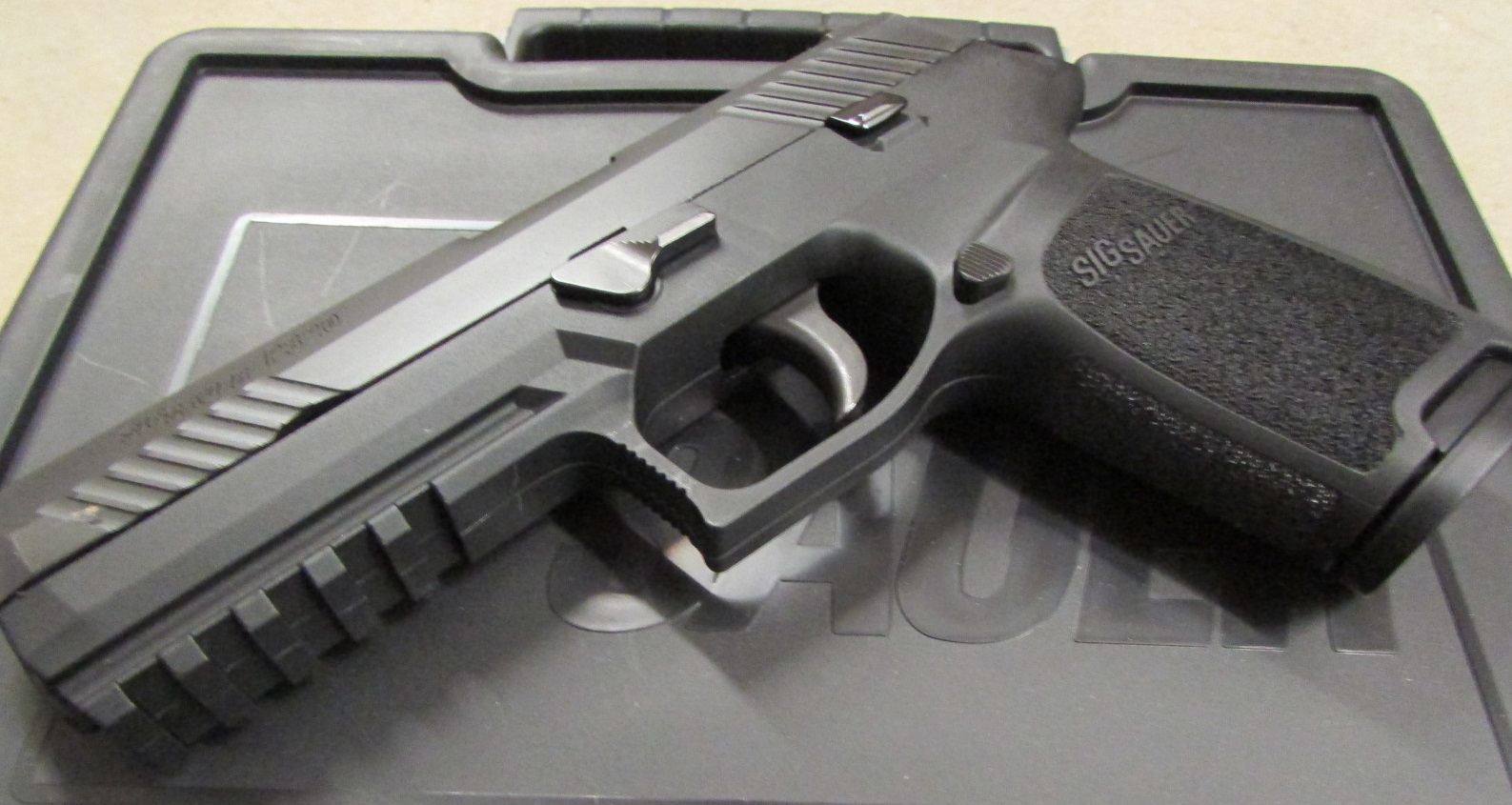
The P320 won a lot of attention by being modular, modern, and easy to configure around different needs. That flexibility makes it especially appealing to buyers who like the idea of one platform serving duty use, range use, and home defense with a few simple changes.
Still, modularity is not the same thing as emotional attachment. Some shooters never warm up to the trigger feel, while others keep tinkering until the whole setup becomes more project than pistol.
That is when the quiet resale happens. A gun bought for versatility can end up feeling oddly impersonal, and owners often move on to something they enjoy without needing to constantly optimize.
Springfield Hellcat
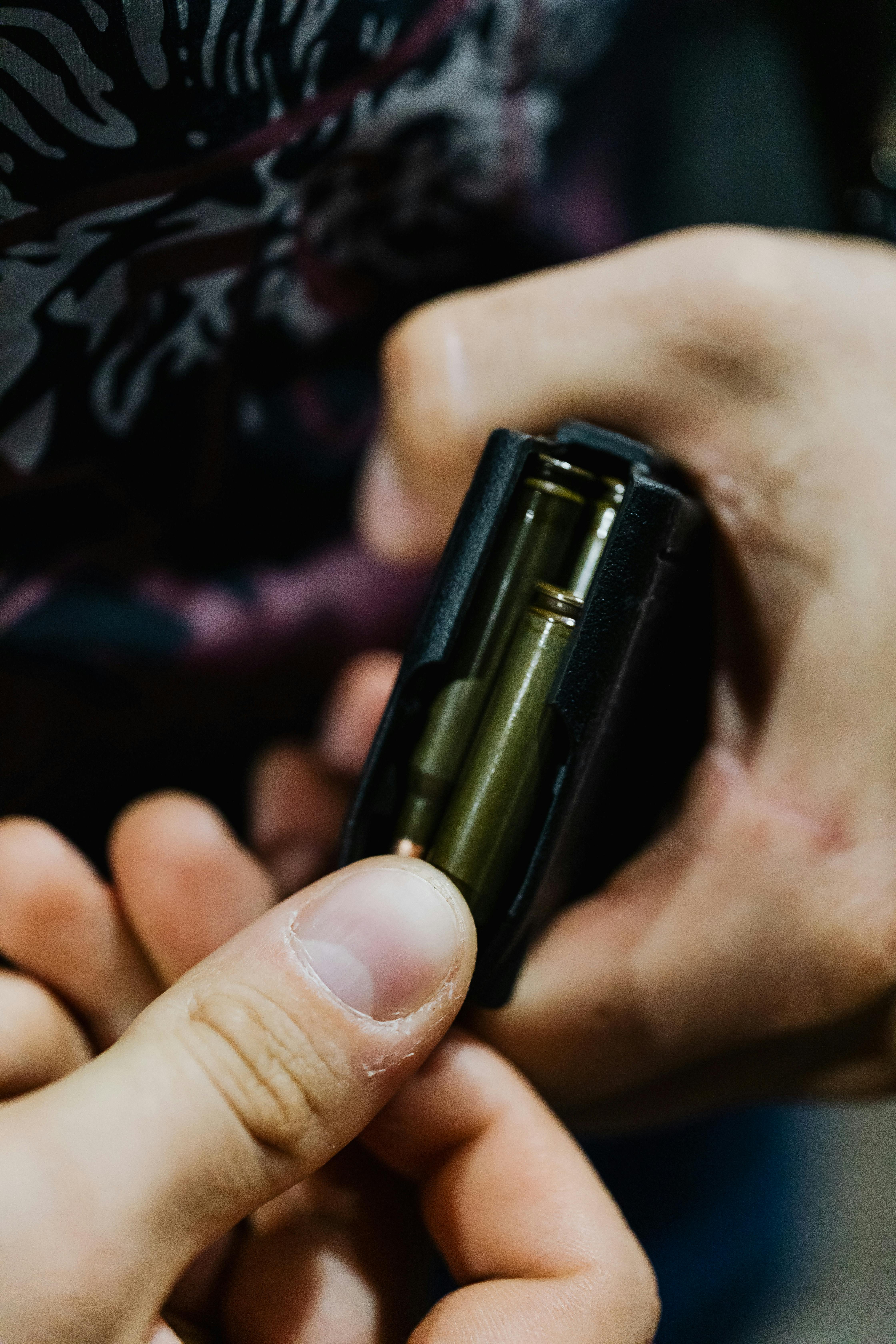
The Hellcat earned quick praise by packing serious capacity into a very small package. For concealed carry shoppers, that sounds like the perfect answer to the usual compromise between comfort, size, and firepower. It photographs well and checks all the modern feature boxes.
Then the range sessions add context. Tiny pistols can be snappy, less forgiving, and simply less fun to shoot for long stretches, especially for newer owners.
That does not make it bad at its job. It just means a gun chosen for maximum efficiency can become a pistol people respect more than they actually want to practice with, and that often leads to a quiet sale.
Ruger LCP
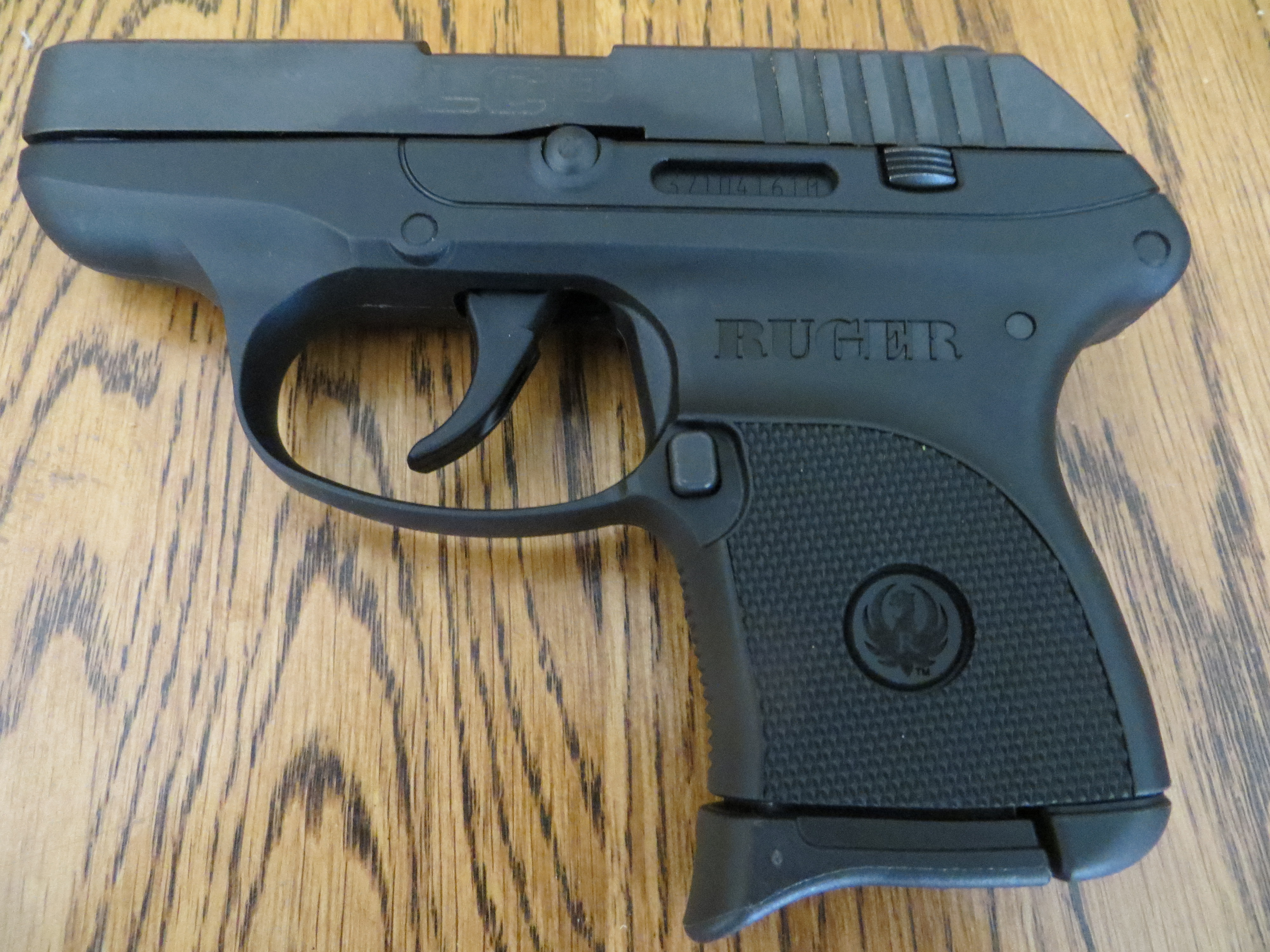
The Ruger LCP became famous for being the gun that is always easy to carry. It slips into pockets, disappears in light clothing, and solves the problem that keeps larger pistols at home. As a practical tool, it makes a compelling first impression.
What it does not always provide is a satisfying shooting experience. The tiny grip, sharp recoil, and minimal sights can make practice feel like a chore instead of a routine.
Owners often keep it for a while because it fills such a specific role. Then one day it gets replaced by a slightly larger pistol that shoots dramatically better, and the LCP quietly exits with little fanfare.
Smith & Wesson M&P Shield
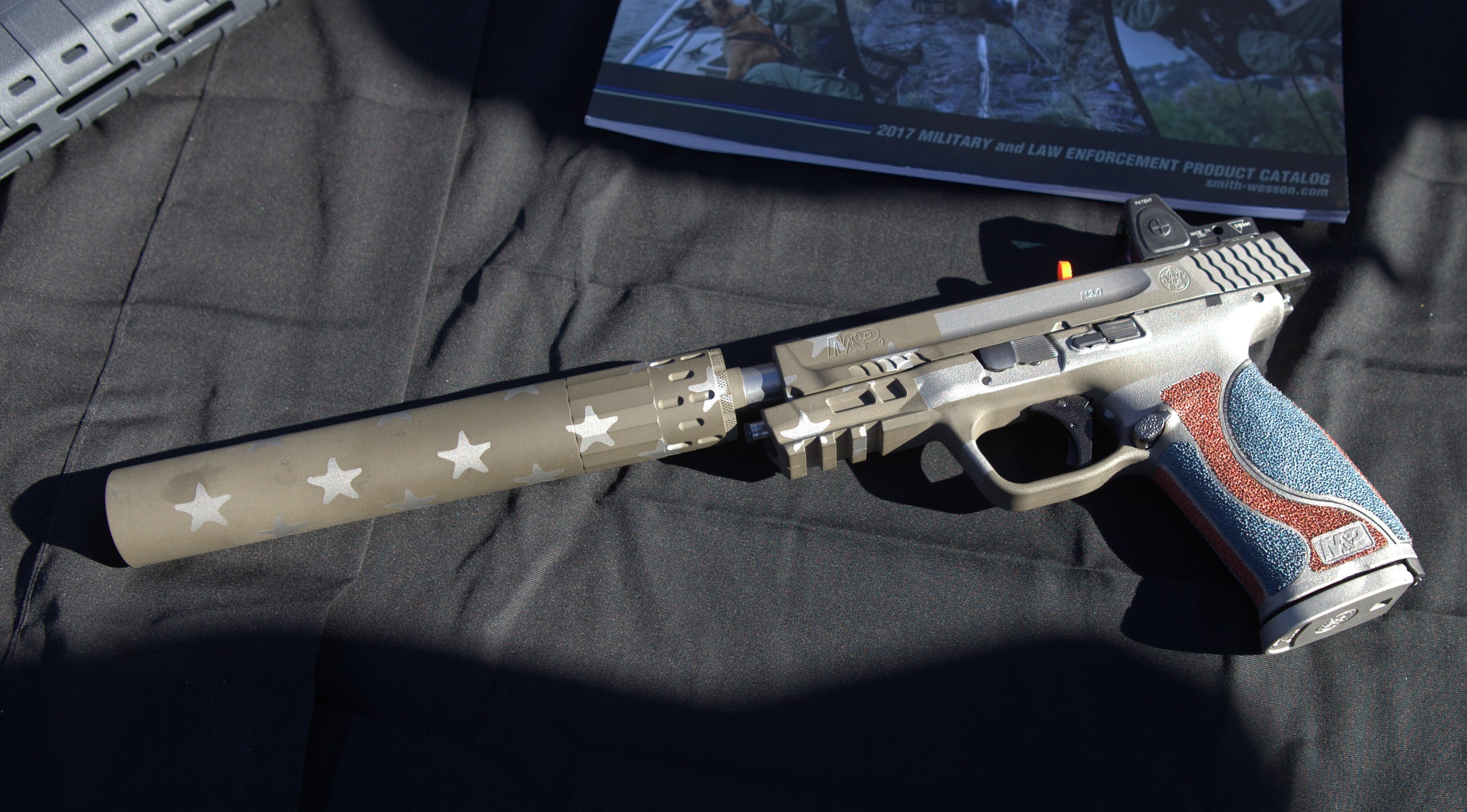
The M&P Shield built its reputation by being slim, dependable, and easy to recommend. It hit a sweet spot for concealed carry during a period when many buyers wanted something flatter than a duty-size gun but more confidence-inspiring than the smallest pocket pistols.
Over time, though, the market changed around it. Newer micro-compacts offered more capacity, optics-ready options, and features that made older Shield variants feel a little dated.
That shift explains why owners still speak warmly about the Shield. It worked, it carried well, and it earned trust. But plenty of them eventually sell it for a newer pistol that gives them more without adding much size.
Beretta 92FS
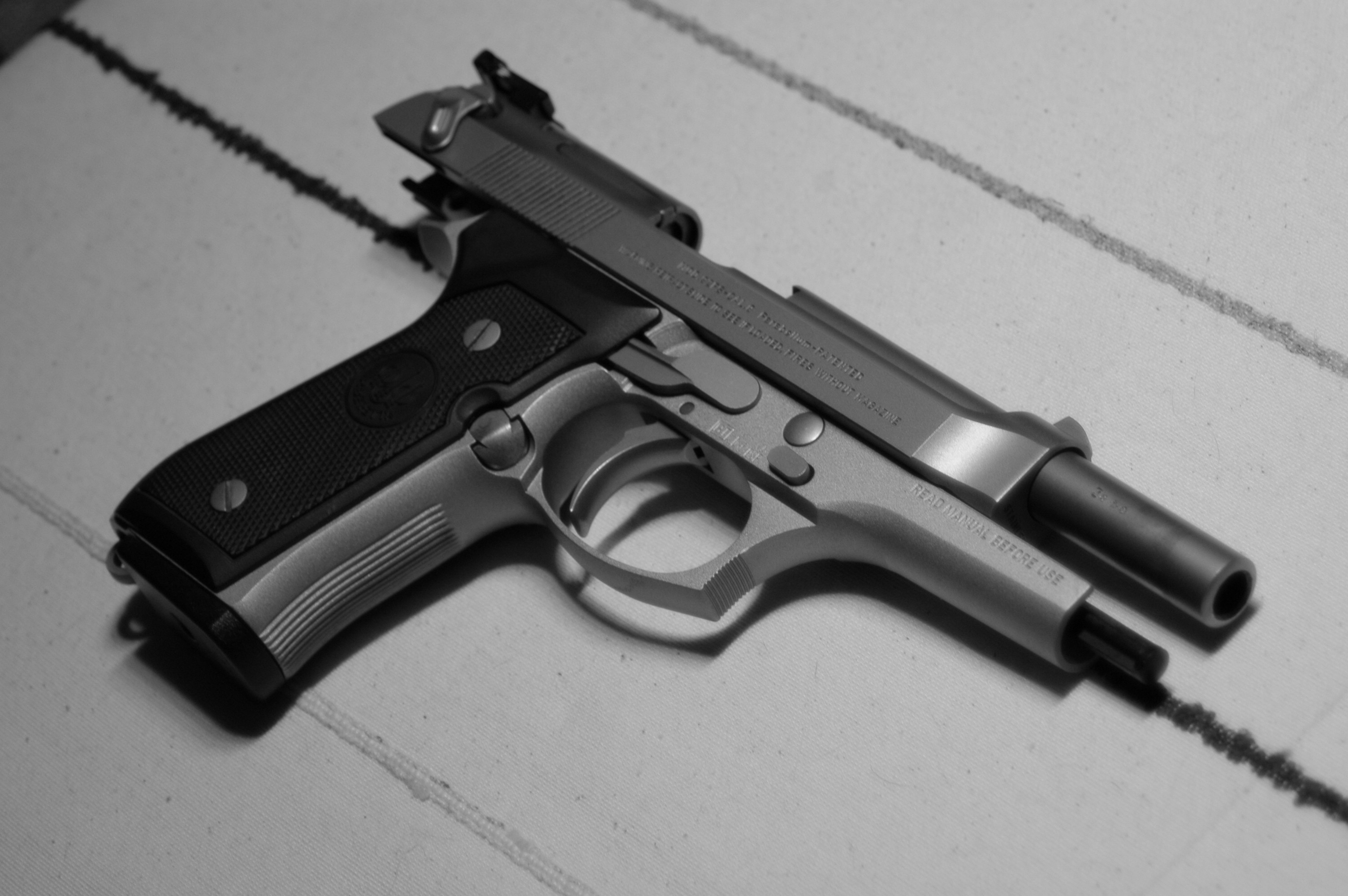
The Beretta 92FS has style in abundance. It is smooth-shooting, visually distinctive, and tied to military service and movie fame in a way few pistols can match. Picking one up often feels like buying a classic that still has real range appeal.
But classics can be demanding in modern contexts. The size is generous, the controls are not for everyone, and carrying it daily is a very different proposition from admiring it at the counter.
That is why so many owners stay fond of it even after selling it. They appreciate the accuracy and personality, yet decide that affection is not enough to justify a pistol that no longer fits how they actually shoot or carry.
CZ 75

The CZ 75 attracts serious admiration from people who value ergonomics and shootability. It feels planted in the hand, tracks nicely, and has a reputation for making shooters look a little better than they expected. For range use, it often creates instant fans.
Yet ownership can become more selective than enthusiastic. It is heavier than many modern alternatives, some configurations are harder to accessorize, and not everyone wants to master its particular manual of arms.
So the pistol gets complimented constantly and recommended generously. But when someone starts trimming the collection, the excellent range gun that is not quite ideal for carry or simplicity is often the one that gets sold.
Walther PPK
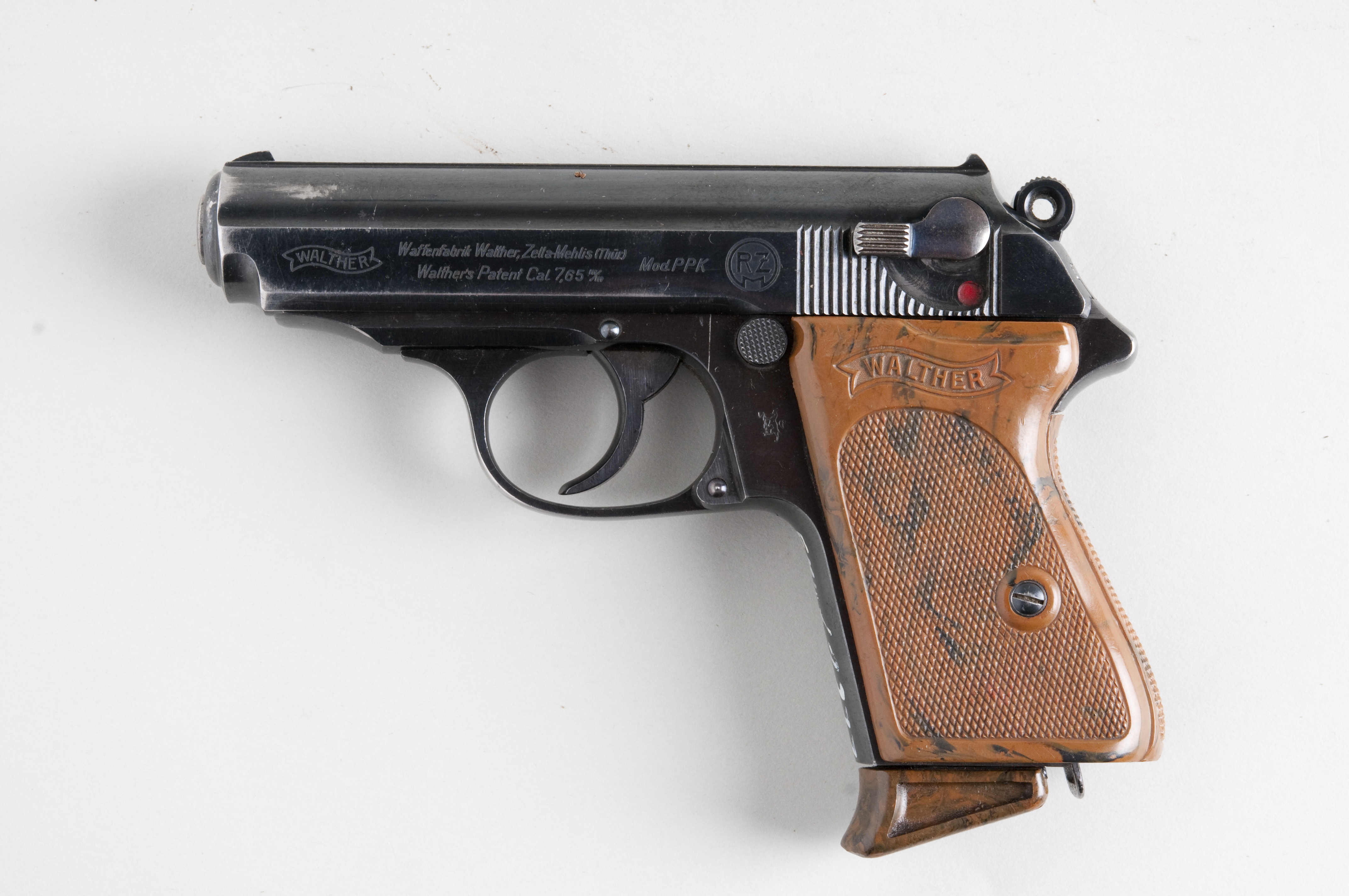
The Walther PPK sells a fantasy almost no other handgun can match. It is compact, iconic, and wrapped in a cultural image of elegance that makes buyers feel like they are acquiring more than a firearm. Its appeal is as much emotional as mechanical.
Then the hand meets the slide and reality takes over. Older-style ergonomics, sharper recoil than expected, and notorious bite for some shooters can make the romance fade quickly.
People rarely stop admiring the PPK. They just stop wanting to shoot it very much. That makes it a classic example of a pistol that remains beloved in conversation long after it has been quietly moved along.
Desert Eagle

The Desert Eagle is the king of impressive first impressions. It is huge, unmistakable, and instantly recognizable even to people who barely follow firearms. Owning one can feel like finally buying the outrageous poster gun that seemed impossible to justify until now.
Of course, justifying it is the hard part. It is heavy, expensive to feed, impractical for most normal roles, and more fun as a spectacle than a regular companion at the range.
That mismatch is why so many owners eventually let it go. They still grin when they talk about it, and they may even miss it a little, but novelty rarely survives contact with storage space, ammo bills, and everyday usefulness.